Lesser-known Traditions of Major Holidays
Most people know the basics of major holidays—decorating trees for Christmas, hunting eggs at Easter, watching fireworks on the Fourth of July.
But scratch beneath the surface and you’ll find a whole world of quirky, fascinating traditions that never made it into the mainstream.
Some are centuries old, others are surprisingly modern, but all of them add unexpected flavor to celebrations we thought we knew inside and out.
These traditions range from the delightfully odd to the downright bizarre, and they’re practiced by millions of people who consider them just as essential as turkey on Thanksgiving or champagne on New Year’s Eve.
Here is a list of 15 lesser-known traditions of major holidays.
Krampus Runs Wild on Christmas Eve

While American kids worry about ending up on Santa’s naughty list, children in Austria, Germany, and other Alpine regions face something far more terrifying.
Krampus, a horned demon-like creature, roams the streets on December 5th during Krampusnacht.
This hairy beast with fangs and chains doesn’t just threaten to withhold presents—according to legend, he stuffs truly misbehaving children into his sack and drags them away.
Modern celebrations feature adults dressed as Krampus charging through towns with torches, creating a spectacle that’s equal parts Halloween and Christmas.
Japanese Families Feast on KFC for Christmas
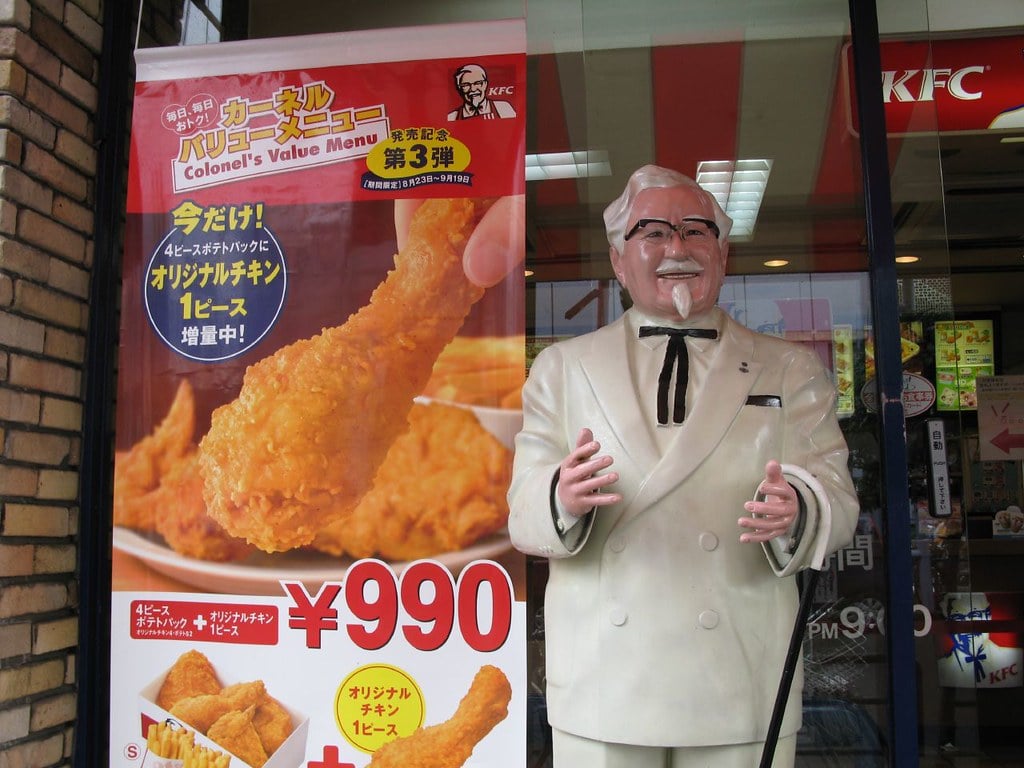
In Japan, Christmas dinner means a bucket of Kentucky Fried Chicken, thanks to a wildly successful 1970s marketing campaign.
Families order their Christmas KFC weeks in advance because demand is so intense.
The tradition started when KFC promoted a ‘party barrel’ as the perfect holiday meal in a country where Christmas wasn’t traditionally celebrated and turkey wasn’t readily available.
Now it’s so ingrained in Japanese culture that people line up for hours to get their fried chicken fix on December 25th.
Ukrainians Decorate Trees with Spider Webs

Forget tinsel and garland—Ukrainian Christmas trees feature ornaments shaped like spider webs, and some families even include a fake spider.
The tradition stems from a folk tale about a poor widow who couldn’t afford to decorate her tree, so a spider wove intricate webs on it overnight that turned to silver in the morning light.
The spider web decorations, called ‘pavuchky’, are considered good luck charms. It’s a far cry from the pristine, coordinated tree decorations popular in Western countries.
Norwegians Hide Their Brooms on Christmas Eve
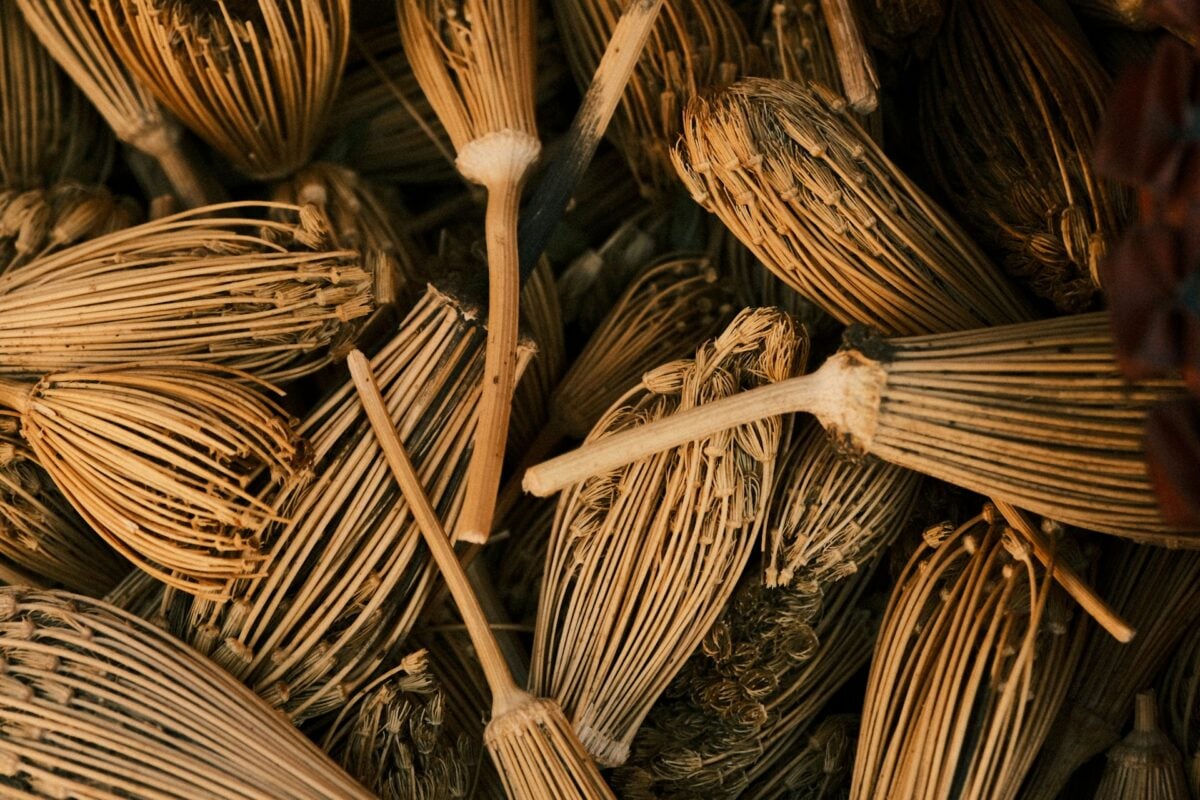
In Norway, Christmas Eve means locking away all the brooms and mops before bedtime.
The tradition dates back to ancient beliefs that witches and evil spirits came out on Christmas Eve looking for brooms to ride.
Norwegians figured the best way to protect themselves was to hide the brooms where supernatural beings couldn’t find them.
Even today, many Norwegian families continue this practice, though it’s become more about preserving cultural heritage than actual fear of witches.
Catalans Beat a Log Until It Poops Presents

The Catalan Christmas tradition of Tió de Nadal involves a log with a painted face that children ‘feed’ scraps of food for weeks leading up to Christmas.
On Christmas Eve or Christmas Day, kids beat the log with sticks while singing traditional songs that essentially command it to defecate presents.
The log is covered with a blanket, and when it’s lifted, gifts appear—which adults have secretly placed there.
The whole thing is as bizarre as it sounds, but Catalan families wouldn’t have Christmas any other way.
Bermudians Fly Kites on Good Friday

In Bermuda, Good Friday isn’t complete without colorful kites filling the sky, a tradition that began when a local teacher used a kite to explain Christ’s ascension to heaven.
Families spend weeks constructing elaborate homemade kites, often hexagonal or octagonal, decorated with intricate tissue paper designs.
The kites traditionally make a humming sound as they fly, created by attaching a piece of paper to the frame.
Beaches and parks across the island become festivals of color and sound as hundreds of kites dance in the spring breeze.
Greeks Launch Rocket Wars at Easter

The Greek island of Chios takes Easter celebrations to explosive levels with the Rouketopolemos, or rocket war.
Two rival churches in the town of Vrontados fire tens of thousands of homemade rockets at each other’s bell towers throughout Easter Saturday night.
The goal is to hit the opposing church’s bell, though with rockets flying everywhere, it’s mostly organized chaos.
The tradition supposedly dates back to the Ottoman era when the occupying forces confiscated cannons, so locals switched to fireworks to continue their Easter ‘battle’.
Spaniards Eat 12 Grapes at Midnight

When the clock strikes midnight on New Year’s Eve in Spain, people rush to eat 12 grapes—one for each chime of the clock.
Each grape represents good luck for one month of the coming year.
Miss a grape or fail to finish in time, and you’re supposedly doomed to bad luck.
The tradition started in 1909 when grape growers in Alicante had a surplus harvest and needed a creative way to sell their excess fruit.
Now it’s so widespread that Spanish TV broadcasts a special clock countdown to help everyone keep pace.
Danes Smash Plates on New Year’s Eve

In Denmark, friendship is measured by how much broken crockery you find on your doorstep on January 1st.
Danes save up old dishes throughout the year and smash them against friends’ and family members’ doors on New Year’s Eve.
The more shattered plates you wake up to, the more popular you are.
It’s the exact opposite of the Greek tradition of plate smashing at celebrations—Danes specifically save this ceramic violence for New Year’s and consider it a sign of affection rather than revelry.
Ecuadorians Burn Effigies at Midnight

New Year’s Eve in Ecuador involves building life-sized dolls called ‘años viejos’ (old years) that represent the outgoing year.
These effigies often depict politicians, pop culture figures, or personal troubles people want to leave behind.
At midnight, families burn these dolls in the streets as a symbolic way of destroying the past year’s misfortunes and starting fresh.
The tradition creates a surreal scene where entire neighborhoods light up with bonfires at the stroke of midnight, and the streets fill with smoke and the smell of burning paper and fabric.
Italians Wear Colored Underwear for Luck

New Year’s Eve in Italy involves a crucial wardrobe decision that nobody sees—the color of your underwear.
Italians traditionally wear red underwear on New Year’s Eve to attract love and romance in the coming year.
Some people opt for yellow underwear instead, which supposedly brings wealth and success.
Stores stock special New Year’s underwear sets, and it’s completely normal to give or receive underwear as a New Year’s gift.
The tradition is taken seriously enough that underwear sales spike dramatically every December.
The Dutch Jump Off Chairs at Midnight

In the Netherlands, some people quite literally leap into the New Year.
The tradition involves standing on a chair or table as midnight approaches, then jumping off precisely as the clock strikes twelve.
The idea is that you’re physically jumping from the old year into the new one, leaving behind any bad luck.
Not everyone does it—it’s more of a regional and family-specific tradition—but those who practice it treat it with the same importance as making resolutions or popping champagne.
Welsh Villages Parade a Horse Skull
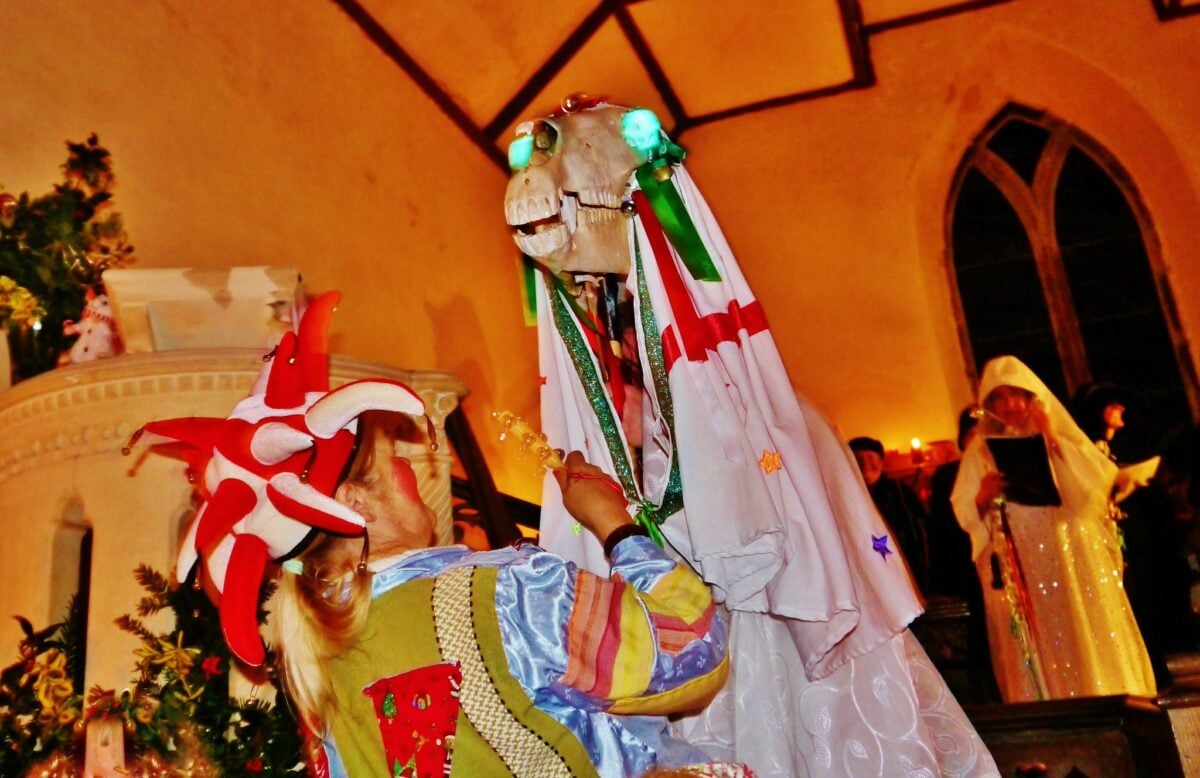
The Welsh tradition of Mari Lwyd involves parading through villages with a decorated horse skull mounted on a pole and covered with a white sheet.
The Mari Lwyd tradition occurs during the Christmas season when groups carry the decorated horse skull door-to-door, engaging in improvised rap battles with residents.
If the Mari Lwyd’s group wins the battle of insults and rhymes, they earn entry to the house and drinks.
If the residents win, the skull moves on to the next house.
It’s ancient, weird, and absolutely terrifying if you’re not expecting a horse skull to appear at your door demanding a rhyme-off.
Oaxacans Carve Elaborate Radish Scenes

Every December 23rd, the Mexican city of Oaxaca hosts La Noche de Rábanos (Night of the Radishes), where artists carve intricate nativity scenes, buildings, and figures entirely from oversized radishes.
The tradition began in the colonial era when radish growers decorated their produce to attract Christmas shoppers in the market.
Now it’s a competitive exhibition where sculptors create amazingly detailed scenes from these root vegetables, which can grow up to 20 inches long.
The radishes only last a few days before wilting, making each creation a temporary work of art.
President Coolidge Almost Pardoned a Raccoon

Everyone knows about the presidential turkey pardon at Thanksgiving, but fewer people realize the tradition almost went in a completely different direction.
In 1926, President Calvin Coolidge received a raccoon intended for Thanksgiving dinner but refused to eat it, instead adopting it as a pet named Rebecca who lived at the White House.
Rebecca became a beloved presidential pet who walked on a leash and attended White House events.
Had Coolidge started a tradition of pardoning raccoons instead of turkeys, Thanksgiving would look very different today.
How Traditions Stay Alive

These lesser-known traditions survive because communities value them enough to pass them down, even when they seem absurd to outsiders.
What starts as a practical solution—like hiding brooms from imaginary witches or using radishes as Christmas decorations—becomes a cherished ritual that connects generations.
The Japanese didn’t grow up eating KFC at Christmas, but now it’s as traditional to them as any centuries-old custom.
Traditions don’t need age to matter—they just need people who care enough to keep them going.
More from Go2Tutors!

- The Romanov Crown Jewels and Their Tragic Fate
- 17 Halloween Costumes Once Considered Taboo
- Famous Hoaxes That Fooled the World for Years
- 15 Child Stars with Tragic Adult Lives
- 16 Famous Jewelry Pieces in History
Like Go2Tutors’s content? Follow us on MSN.