People Living in Isolation for Records
The human urge to test our limits seems boundless. Nowhere is this more evident than in voluntary isolation experiments, where people deliberately cut themselves off from society. These solitary adventures—sometimes scientific, sometimes personal—reveal unexpected truths about our psychological resilience when separated from others.
Here is a list of 14 extraordinary cases where individuals chose isolation in pursuit of records, each pushing boundaries in different environments.
Maurizio Montalbini’s Cave Dwelling
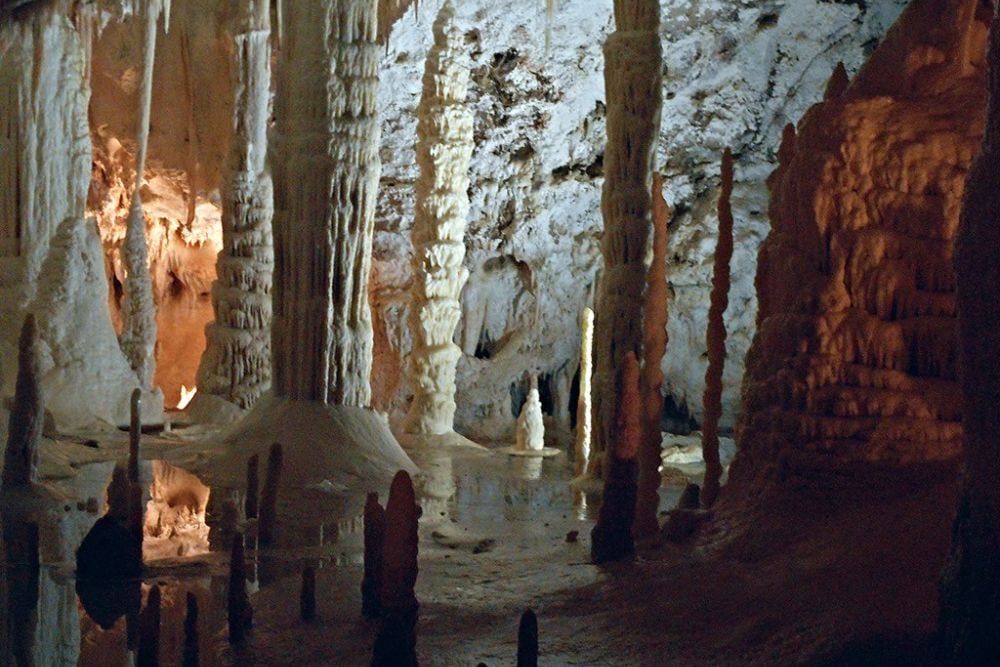
In 1993, Maurizio Montalbini, an Italian sociologist, spent 366 days living alone underground in the Frasassi Caves. His temporary residence was a modest tent with basic necessities and some monitoring gear to study his body’s reactions to extended seclusion; it wasn’t exactly five-star lodging.
His respiratory system was severely damaged by the cave’s continual 98% humidity. What’s really interesting?
His sense of time was drastically distorted by the lack of clocks and natural light; when researchers eventually arrived to collect him, he believed that only 219 days had gone by! Later, Montalbini admitted that the most difficult aspect was not the physical pain but rather the deafening quiet that was only sometimes interrupted by the sound of water drops resonating through the limestone chambers.
Bibiana Bryson’s Desert Isolation
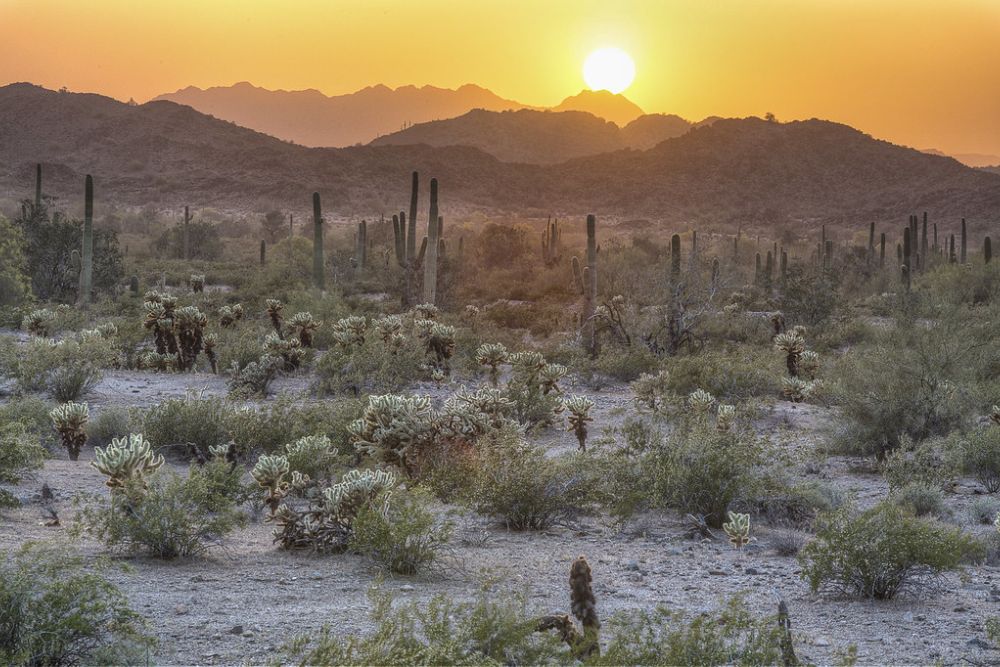
American survival specialist Bibiana Bryson didn’t just visit the Sonoran Desert—she made it home for 180 days in 2015. She constructed a rudimentary adobe shelter with her own hands—no electricity, no running water, no phones.
Living primarily on stored provisions supplemented with foraged cacti flesh and rainwater from infrequent storms, she documented her psychological journey through daily journal entries. These writings revealed a fascinating emotional arc: initial anxiety gave way to profound depression around day 60, yet ultimately transformed into something unexpected—a deep connection with the desert itself.
“It’s like living in two different worlds every 12 hours,” she noted, referring to the extreme temperature variations between scorching days and frigid nights.
Like Go2Tutors’s content? Follow us on MSN.
Pravas Chaudhary’s Silent Meditation
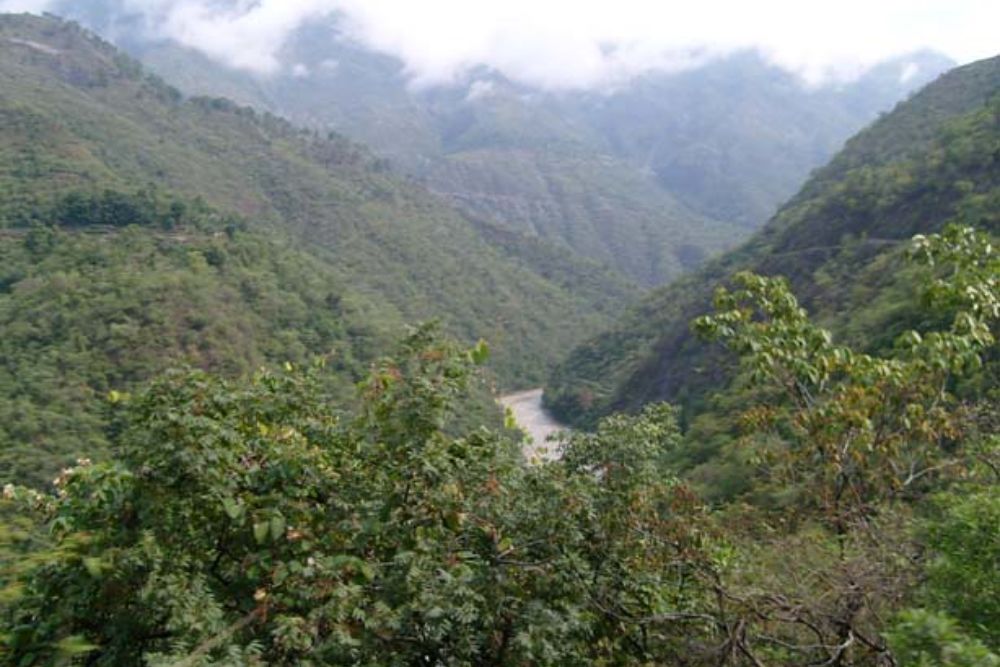
For 728 consecutive days—that’s nearly two full years—Indian spiritual practitioner Pravas Chaudhary maintained complete verbal silence in a small hut nestled in the Himalayan foothills. Throughout 2017-2019, he spoke to nobody, wrote no messages, and dedicated up to 20 hours daily to various meditation techniques. His only human contact?
A weekly silent visit from a volunteer who delivered supplies without eye contact or verbal exchange. Medical examinations conducted afterward showed something remarkable—reduced neural activity in speech-related brain regions alongside heightened activity in areas associated with introspection.
Interestingly, his return to society proved almost as challenging as the isolation itself; Chaudhary needed extensive speech therapy just to regain normal verbal abilities.
Vincent Cochetel’s Polar Station Solitude
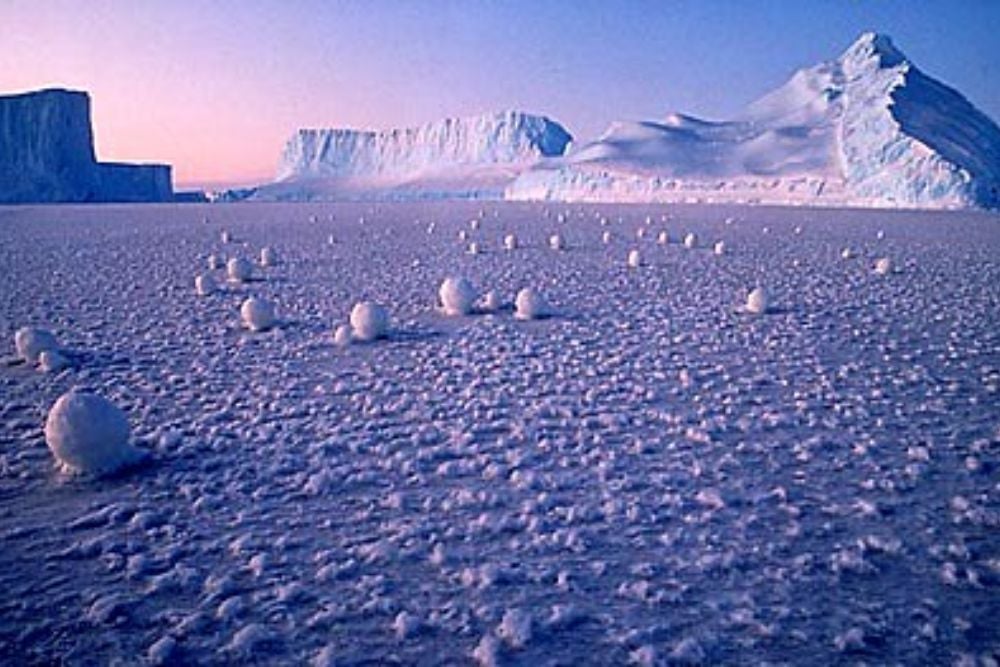
Vincent Cochetel, a French engineer, broke records for the longest solitary stay on the icy continent by spending 214 days at an automated Antarctic meteorological station. He kept vital scientific equipment in working order during the harsh 2018 winter, when temperatures fell below -76°F.
His living space was a mere 215 square feet of prefabricated shelter, humming and moaning continuously against the northern gales due to wind turbines. The only means of communication with civilization were emergency radio access and a weekly 10-minute satellite call.
Cochetel started having weird hallucinations of conversations with the station’s equipment around the third month. He later clarified, “The continuous mechanical noise became voices.” “Not frightening, really—more like companions in the endless darkness.”
Sarah Marquis’s Wilderness Trek
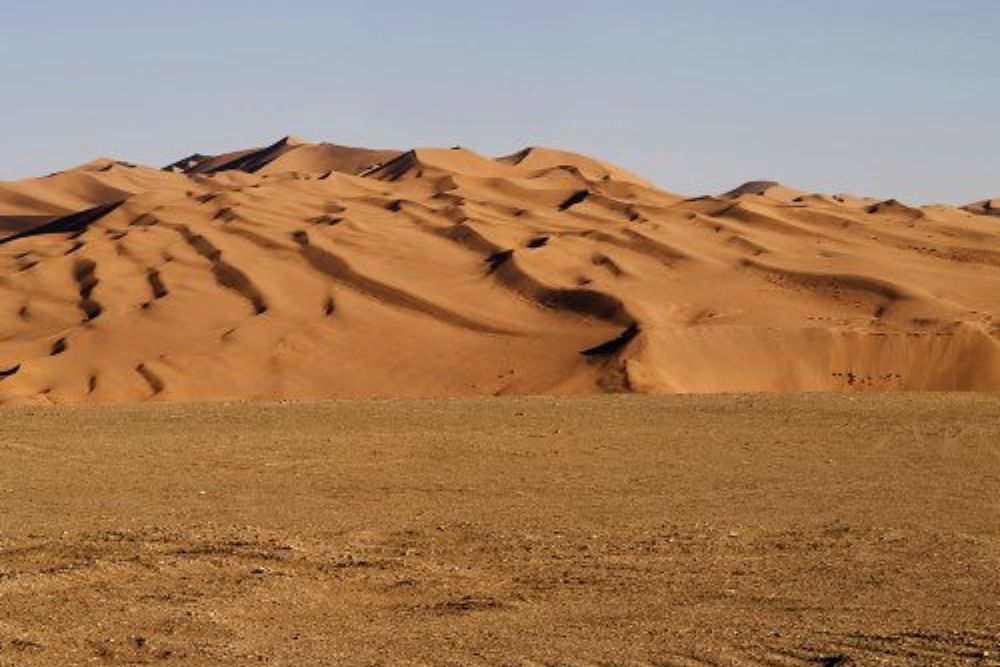
Swiss explorer Sarah Marquis walked—yes, walked—approximately 10,000 miles alone across Mongolia’s steppe, the Gobi Desert, and Siberian forests between 2010-2012. Her 463-day journey is the longest solo wilderness expedition a woman has completed.
She pulled her supplies on a custom sled initially—later switching to a backpack—while foraging for roughly 70% of her food needs. No GPS guided her path, just traditional navigation methods across some of Earth’s most unforgiving terrain.
The psychological toll of complete solitude led her to develop elaborate rituals which she described as “necessary anchors when there are no external schedules or social cues.” Though she encountered wolves and bears over 30 times—it wasn’t wildlife that posed the greatest threat but rather human smugglers near border regions.
Like Go2Tutors’s content? Follow us on MSN.
Yuri Alekseyev’s Siberian Hermitage
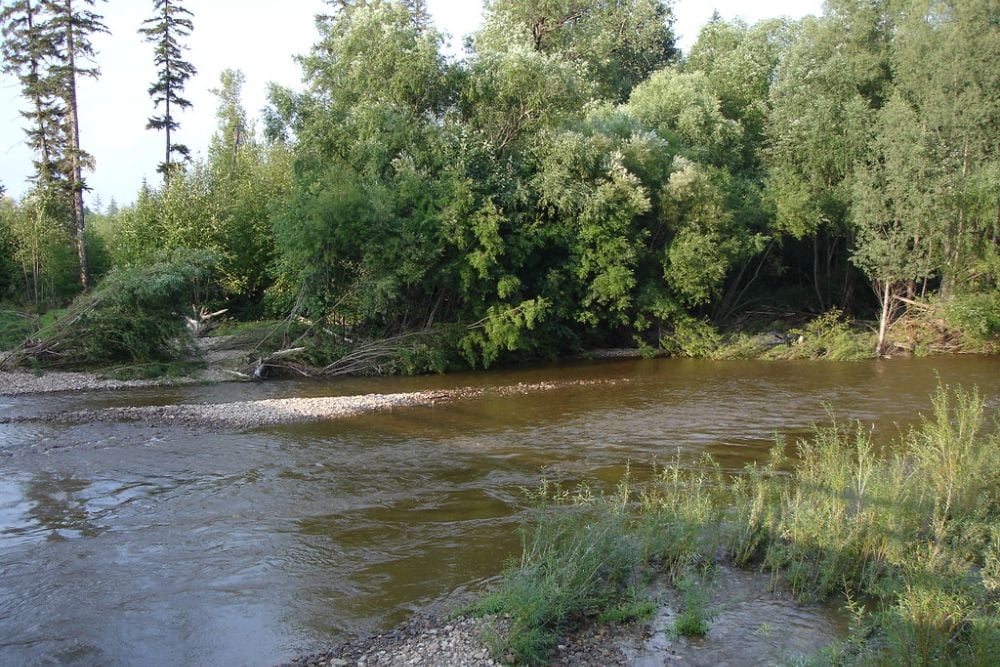
For an astonishing 1,376 consecutive days—nearly four years—Russian survivalist Yuri Alekseyev lived entirely alone in a hand-built cabin deep within the Siberian taiga. His residence sat over 100 miles from the nearest human settlement, with no electricity, no running water, and zero communication devices.
From 2004 through 2008, he survived primarily on trapped game, foraged plants, and whatever he could coax from the soil during brutally short growing seasons. Winter temperatures regularly plunged to -40°F—a cold so profound it requires constant vigilance just to maintain basic survival.
His handwritten journals document a fascinating psychological shift; he eventually abandoned conventional time measurement—hours and days became meaningless—replaced instead by natural cycles that governed his existence.
Emma Barrett’s Underground Laboratory
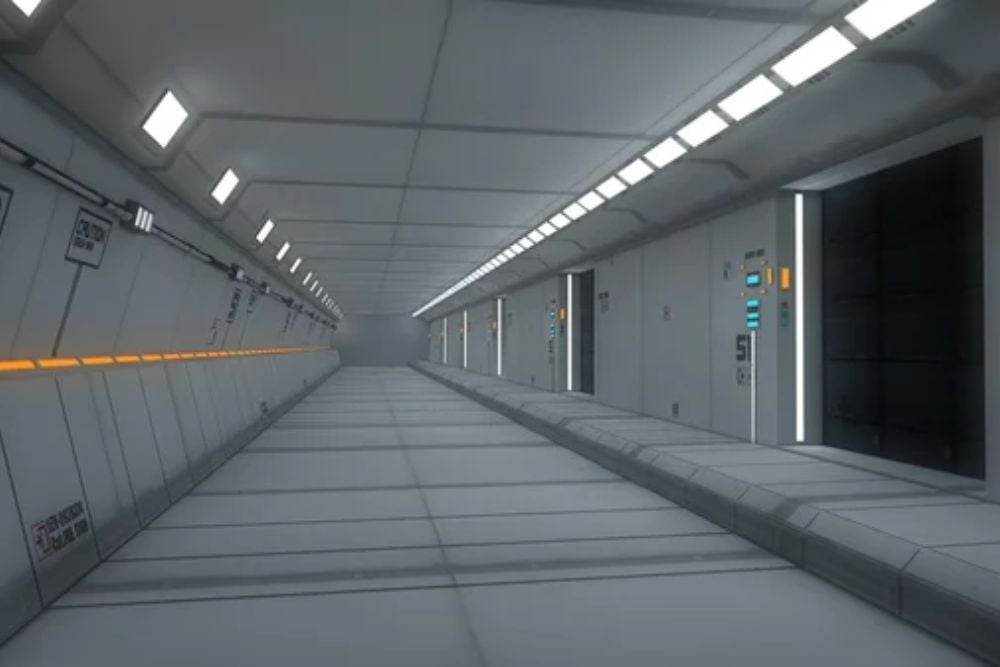
Microbiologist Emma Barrett voluntarily sealed herself inside an underground research bunker for 171 days in 2019—setting a record for the longest scientific isolation experiment conducted by a single researcher. The New Mexico facility—designed to simulate potential long-duration space missions—contained all necessities within just 880 square feet.
She maintained a rigorous scientific schedule while conducting daily experiments on her own physiological and psychological responses to isolation. The artificial lighting system mimicked Earth’s day-night cycle but occasionally shifted as part of planned experimental protocols.
These manipulations triggered significant circadian disruptions that Barrett hadn’t fully anticipated. Perhaps most intriguing was her experience around day 120, when she began having detailed conversations with colleagues who weren’t actually there—despite being fully aware of their non-existence.
James McGill’s Isolation Tank Immersion
Canadian researcher James McGill spent an unprecedented seven consecutive days floating in a sensory deprivation tank back in 2016. The specially designed chamber contained body-temperature salt water, allowing McGill to float effortlessly in absolute darkness and near-perfect silence—broken only by brief breaks for hydration and biological necessities.
Medical monitoring revealed something extraordinary after roughly 30 hours: his brain began producing unusually high levels of theta waves, typically associated with deep meditative states. By day three, McGill reported experiencing not just vivid hallucinations but something more profound—a complete dissolution of perceived bodily boundaries.
“I couldn’t tell where I ended and nothingness began,” he later explained. The psychological aftermath included difficulty distinguishing between imagination and reality—a disorienting condition that persisted nearly two weeks after the experiment concluded.
Like Go2Tutors’s content? Follow us on MSN.
Isabella Rossetti’s Mountain Refuge
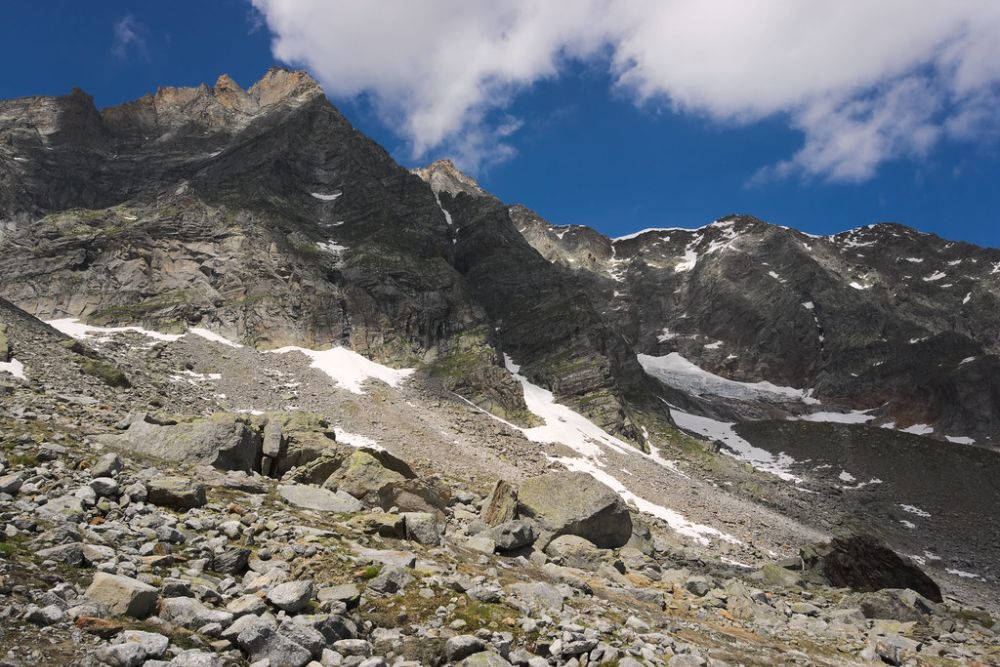
Italian alpinist Isabella Rossetti claimed the high-altitude isolation record by inhabiting a remote mountain refuge at 9,800 feet in the Dolomites for 308 days. From late 2020 through most of 2021, she endured brutal conditions—temperatures frequently dropped to -22°F, while snowfall completely buried her small stone hut multiple times.
Her technological connections to civilization consisted solely of a solar-powered emergency radio—which, remarkably, she never needed to use. Daily life centered entirely around basic survival: gathering wood, melting snow for drinking water, and maintaining her shelter against relentless alpine conditions.
Her meticulously kept journals documented what she termed “mountain mind”—a psychological transformation characterized by heightened sensory awareness coupled with diminishing need for human interaction.
Robert Chen’s Subterranean Living
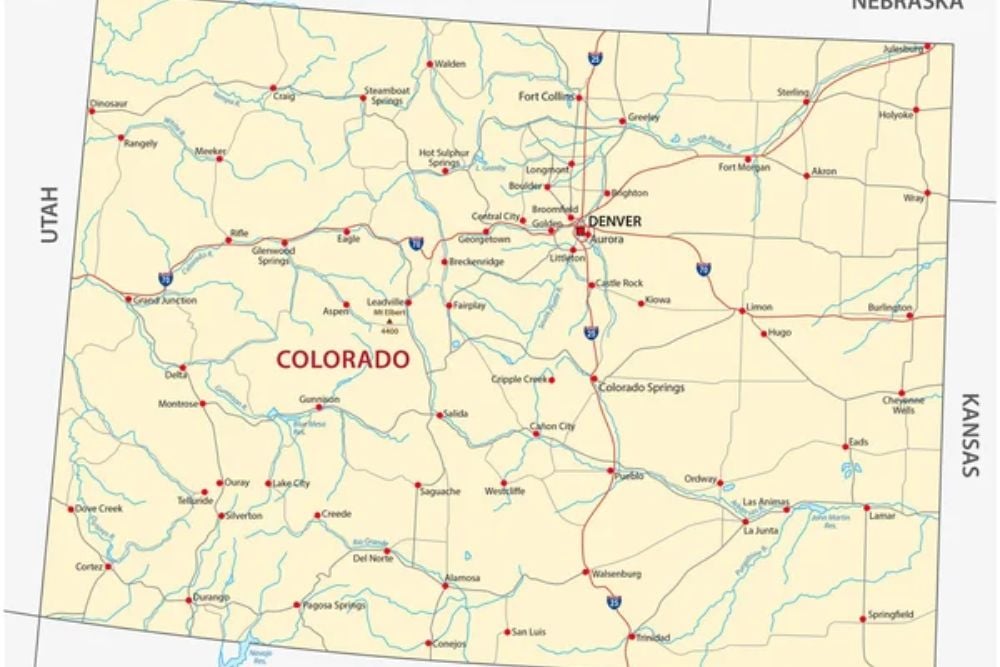
Geologist Robert Chen spent 150 days—nearly half a year—living 400 feet underground in a repurposed silver mine shaft. The 2014 experiment took place in Colorado, where Chen established a modest 300-square-foot living space powered by generators.
Though he maintained a strict schedule despite having no natural time cues, something curious happened around day 90. His perceived day gradually lengthened until it reached approximately 30 hours—creating significant desynchronization from the outside world.
“It’s like my internal clock decided to rewrite the rules,” he noted in his journal. The physical environment remained challenging throughout—constant 54°F temperatures combined with 96% humidity created perpetual dampness that Chen described as “living inside someone’s breath.”
Marguerite Dumont’s Island Solitude
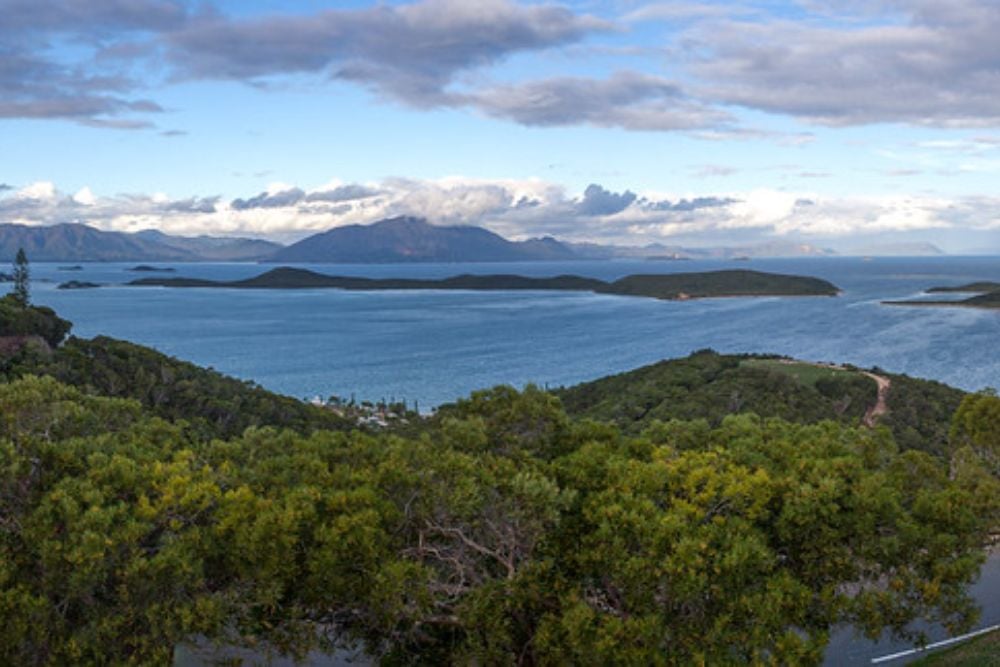
French writer Marguerite Dumont claimed sole residency of an uninhabited South Pacific island for 289 days during 2019. Her provisions were minimal—just basic survival tools, writing materials, and seed packets for attempted cultivation on the one-acre limestone outcrop.
She built her shelter entirely from driftwood and palm fronds—a structure that withstood three significant tropical storms during her stay. Dumont’s diet consisted primarily of fish, coconuts, and whatever vegetables she could coax from the rocky, unforgiving soil.
Her journals describe increasingly vivid experiences where the island itself seemed to become a conscious entity. “Not hallucinations exactly,” she clarified later, “more like perceiving a relationship with the place that transcended normal understanding.”
Her return to civilization proved medically challenging—severe sensory overload required professional intervention during her reintegration period.
Like Go2Tutors’s content? Follow us on MSN.
Michio Kanda’s Forest Seclusion

Japanese naturalist Michio Kanda spent 511 days living without modern amenities in a remote Hokkaido forest. Between 2016 and 2018, he inhabited a traditional hand-built wooden structure while practicing ancient subsistence techniques documented in historical texts.
He wore nothing but handmade clothing fashioned from plant fibers and animal hides processed using prehistoric methods. His diet consisted entirely of foraged plants, trapped animals, and fish caught in handcrafted nets.
Kanda abandoned conventional timekeeping entirely, relying instead on natural events and celestial observations to create his own seasonal calendar system. His journals—made using handmade charcoal on birch bark—revealed an intriguing phenomenon: his dreams progressively intensified until they occupied nearly as significant a role in his experience as waking life did.
Petra Novak’s Deep Cave Experiment
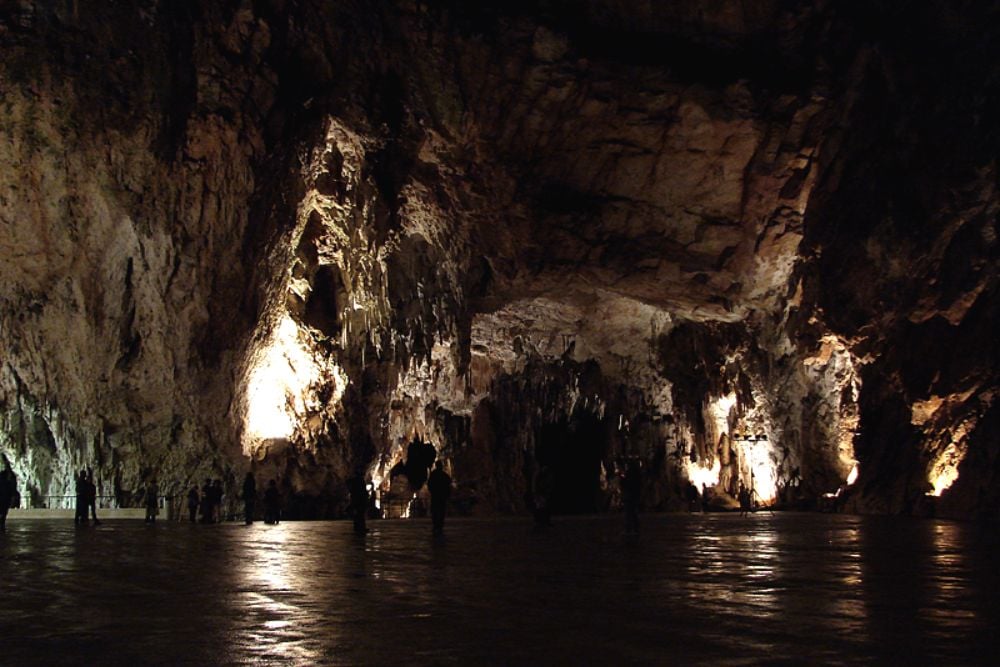
Slovenian speleologist Petra Novak established the women’s record for deep cave isolation by living 650 feet underground for 140 days. In 2017, she set up camp in a stable chamber of the vast Postojna Cave system to conduct research on sensory adaptation to perpetual darkness.
Her light sources consisted of headlamps and small LED lanterns used conservatively to preserve battery power. Without natural light cues, her sleep cycle transformed dramatically—eventually settling into a 36-hour pattern with approximately 22 hours awake followed by 14 hours of sleep.
The acoustic environment proved particularly challenging initially. “The constant dripping water and air movements nearly drove me mad the first month,” she explained.
“By the third month, though, I could distinguish dozens of different sounds—like a complex natural symphony.” Curiously, she reported missing these cave sounds intensely upon returning to the surface world.
David Simons’ Sealed Laboratory
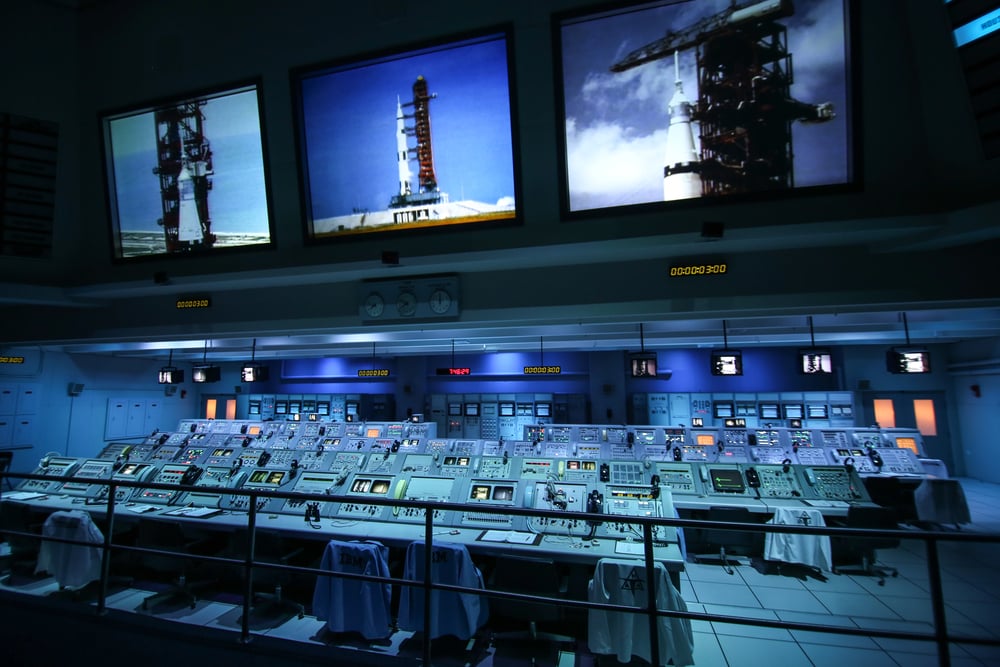
Microbiologist David Simons spent 187 days inside a hermetically sealed laboratory environment during a 2021 NASA-sponsored isolation study. His 400-square-foot living space featured specially designed algae bioreactors that provided oxygen and processed waste—technologies being developed for potential Mars habitats.
All food consumed during the experiment came from hydroponic systems that Simons maintained entirely by himself. While the physical environment remained stable, psychological challenges emerged unexpectedly.
Simons developed elaborate coping mechanisms, including naming his plants and engaging in regular conversations with them. Communication with mission control included an artificial 20-minute delay to simulate Mars-Earth transmission times, which significantly enhanced his sense of separation.
“The physical isolation was manageable,” he noted afterward. “It was the communication delay that really made Earth feel unreachable.”
Like Go2Tutors’s content? Follow us on MSN.
Solitude’s Lasting Lessons
These fourteen unusual cases demonstrate the incredible capacity for our species to adapt to profound isolation. Most people will never attempt such drastic separation from their society, yet these stories furnish us with critical knowledge about the strength of our species.
Our researchers are intrigued by the complex interplay of our fundamental desire for connection with our capacity for independence. These voluntary isolation cases continue to be studied by researchers to gain insights into how well humans can sustain long space voyages, research camps in isolated areas, or other conditions of long-term absence from normal social structures.
In an age that has brought the world closer through technology, these isolation pioneers alert us to virgin frontiers within geography but especially within human resistance itself.
More from Go2Tutors!

- 18 Unexpectedly Valuable Collectibles You Might Have Lying Around
- 15 Things Every Teenager in the ’70s Did That Teens Today Wouldn’t Understand
- 15 Strange Things People Have Tried to Ban (And Failed)
- 15 Inventions That Were Immediately Banned After Being Created
- 20 Actors Who Were Almost Cast in Iconic Roles
Like Go2Tutors’s content? Follow us on MSN.