27 TV Shows Canceled Before Anyone Was Ready
Television networks have a brutal calculus: ratings determine survival. Millions spent on production, months spent developing stories, casts growing into roles—none of it matters if the numbers don’t match expectations.
Some shows get canceled before viewers discover them. Others are canceled just as they’re finding an audience.
The shows below were pulled off the air before their time, leaving fans holding incomplete stories and what-if questions that linger for years.
Firefly (2002)
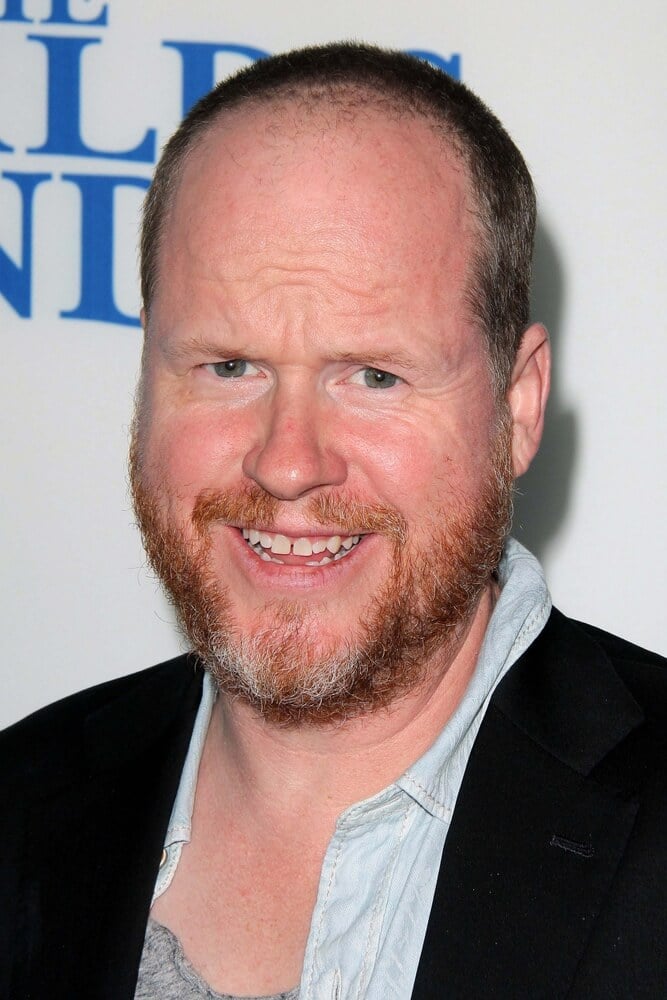
Joss Whedon’s space-western followed a ragtag crew of smugglers aboard the spaceship Serenity. The show produced 14 episodes; Fox aired only 11, notably out of order, confusing viewers about plot and character development.
Fox canceled the show after a single season. The passionate fanbase and strong DVD sales eventually led to a 2005 feature film continuation called Serenity, which earned critical praise but bombed at the box office.
The show’s cancellation became legendary among fans—a rallying cry about how networks fail to give innovative shows time to build audiences.
Freaks and Geeks (1999-2000)
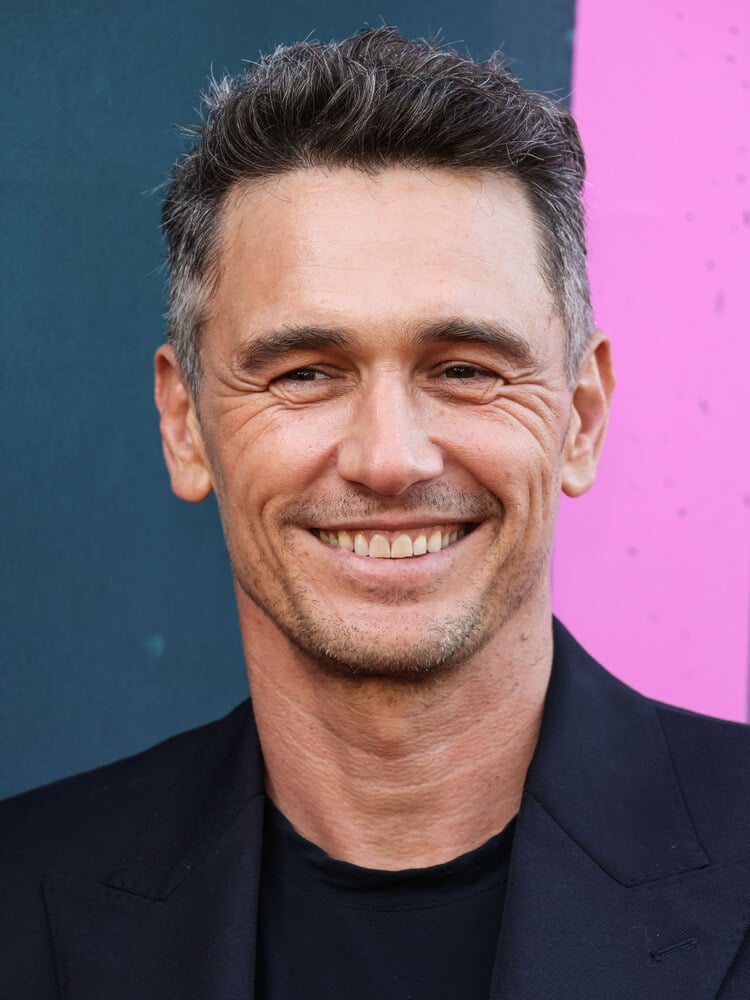
Paul Feig’s comedy-drama chronicled high school awkwardness with painful accuracy. The ensemble cast included future stars James Franco, Linda Cardellini, Seth Rogen, and Jason Segel.
The show had critical acclaim but failed to find a large television audience. NBC canceled it after one season.
Yet the show’s cultural impact grew significantly after cancellation. Fans and critics have retroactively hailed it as one of television’s greatest series.
The cancellation is now regarded as a massive network miscalculation.
Arrested Development (2003-2006)
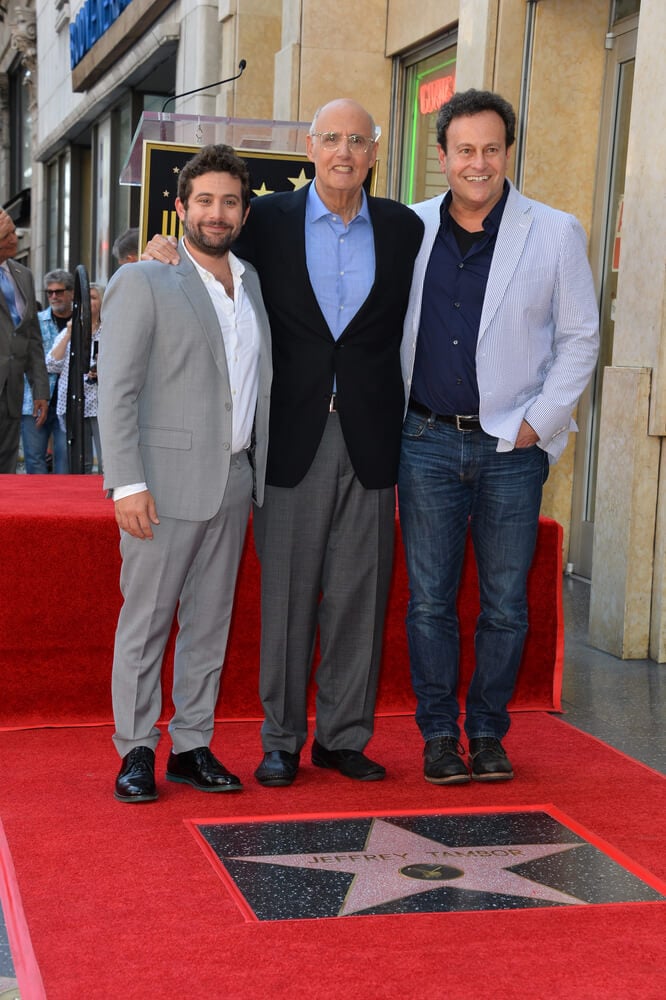
Mitchell Hurwitz’s comedy about a dysfunctional family facing financial ruin won the Primetime Emmy for Outstanding Comedy Series in its first year. Despite critical adoration, Fox canceled the show after three seasons due to low ratings.
The cancellation was considered baffling by critics. Years later, Netflix revived the show for additional seasons, though cast scheduling conflicts meant that later seasons lacked the ensemble chemistry that made the original so great.
Twin Peaks (1990-1991)
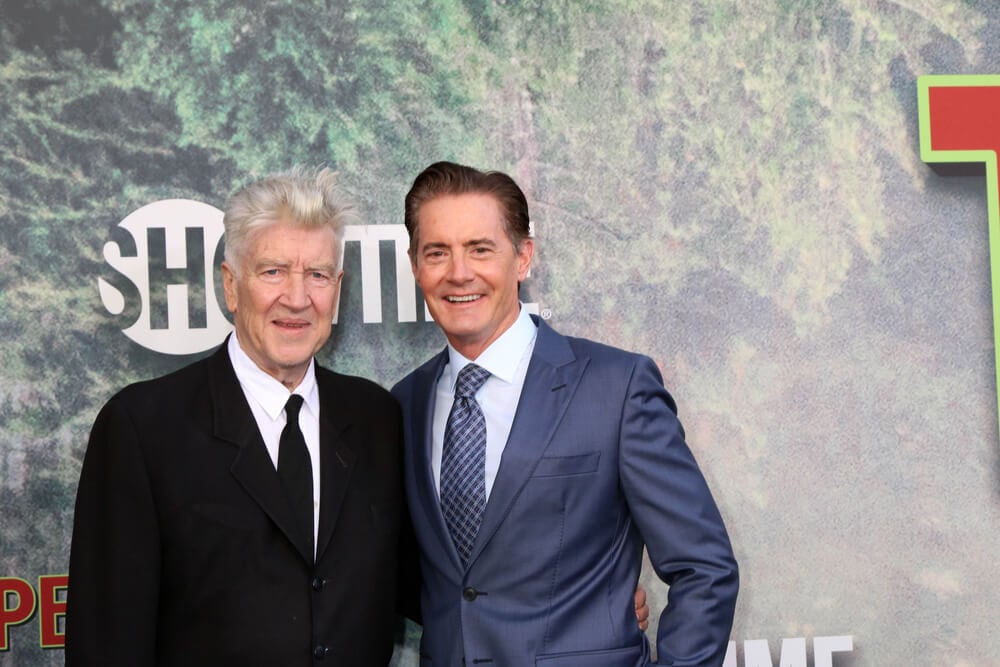
David Lynch and Mark Frost’s mystery series about the murder of a small-town homecoming queen captivated audiences. The show’s eccentric characters and surreal aesthetic were unlike anything on television.
After viewers learned who killed Laura Palmer, ratings declined. The network canceled the show after two seasons.
The cancellation left major storylines unresolved. A prequel film, Twin Peaks: Fire Walk With Me, was released in 1992, but it didn’t satisfy fans.
Decades later, Lynch revived the series with Twin Peaks: The Return in 2017.
My Name is Earl (2005-2009)
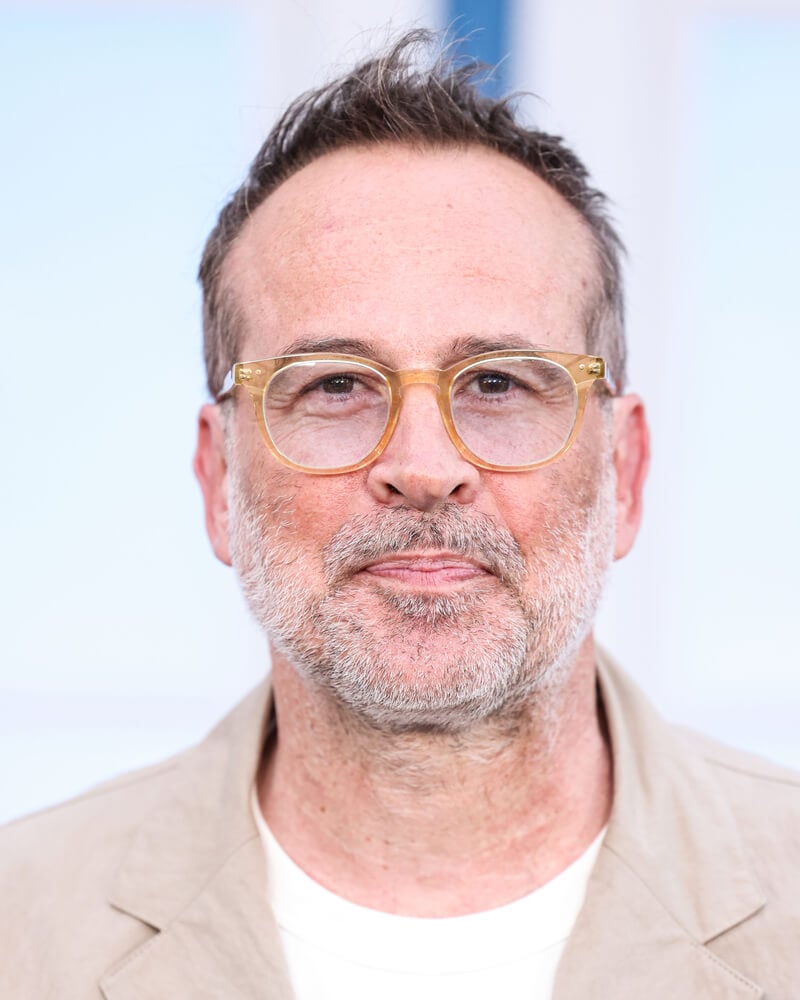
Jason Lee starred as a small-time criminal who wins the lottery and decides to complete a list of wrongs he’s committed. The show had a quirky sensibility, lovable characters, and surprising emotional depth beneath its comedy.
NBC canceled the show after four seasons, leaving Earl’s redemption arc unfinished. Fans have remained bitter about the cancellation for over 15 years.
Veronica Mars (2004-2007)
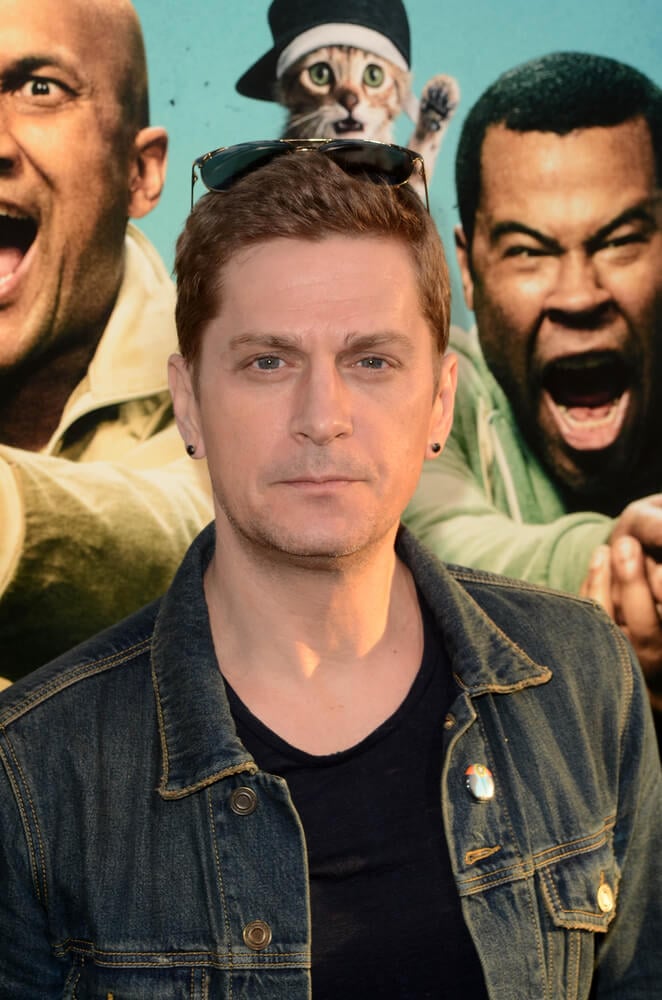
Rob Thomas’s mystery series followed a high school girl who solved crimes in her spare time while navigating typical teenage drama. The show had a devoted cult following and critical praise.
It was canceled after three seasons due to declining ratings. Years later, fan campaigns and Kickstarter funding led to a feature film in 2014 that continued the story.
The cancellation became a case study in how passionate fanbases could eventually revive beloved shows.
Deadwood (2004-2006)
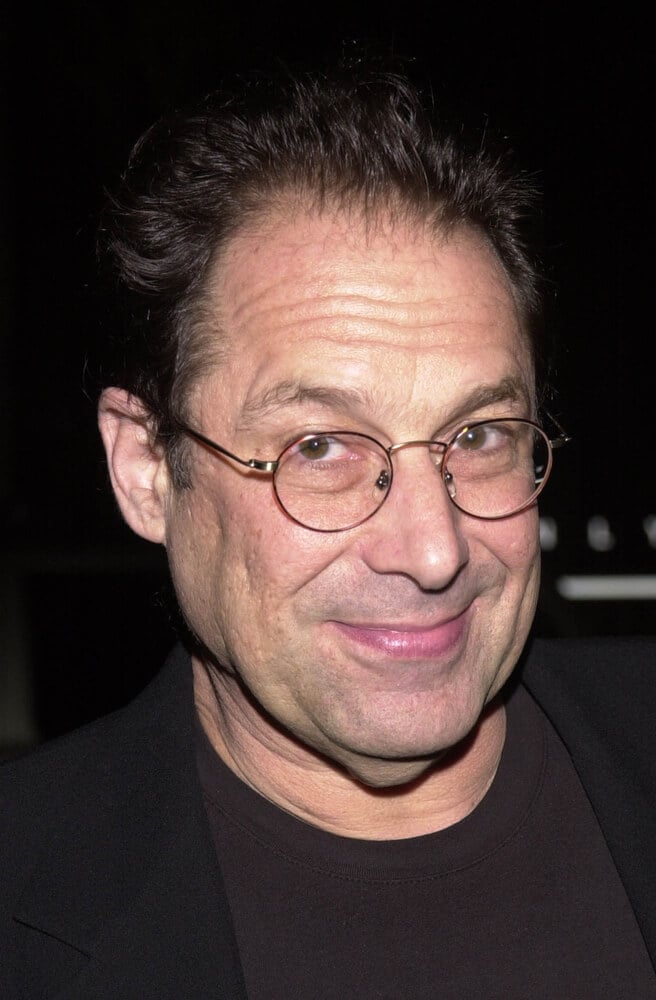
David Milch’s HBO western followed the rough inhabitants of a frontier mining town. The show featured complex characters, intricate plotting, and Shakespearean dialogue.
HBO canceled it after three seasons, leaving major storylines unresolved and characters’ fates unknown. Fans waited 13 years before a concluding television movie aired in 2019.
The wait exemplified HBO’s sometimes-baffling cancellation decisions.
Terriers (2010)
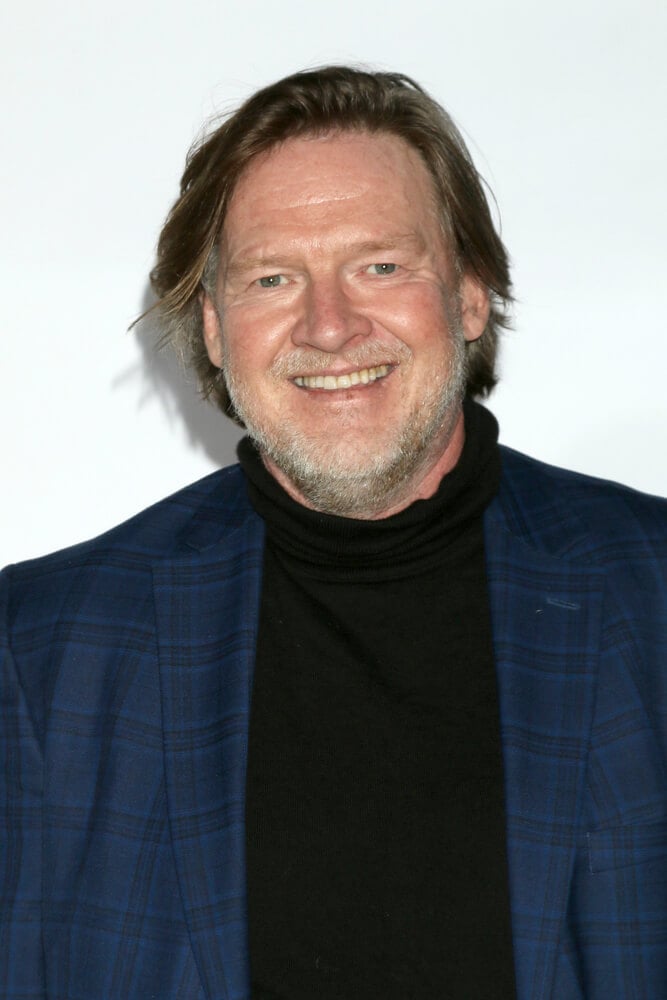
FX’s detective noir about two private investigators in San Diego had strong critical reviews. The show’s chemistry between leads Donal Logue and Michael Raymond-James was praised.
FX canceled the show after one season due to low ratings. The cancellation was considered a huge missed opportunity, and fans launched campaigns to revive it for years afterward.
Pushing Daisies (2007-2009)
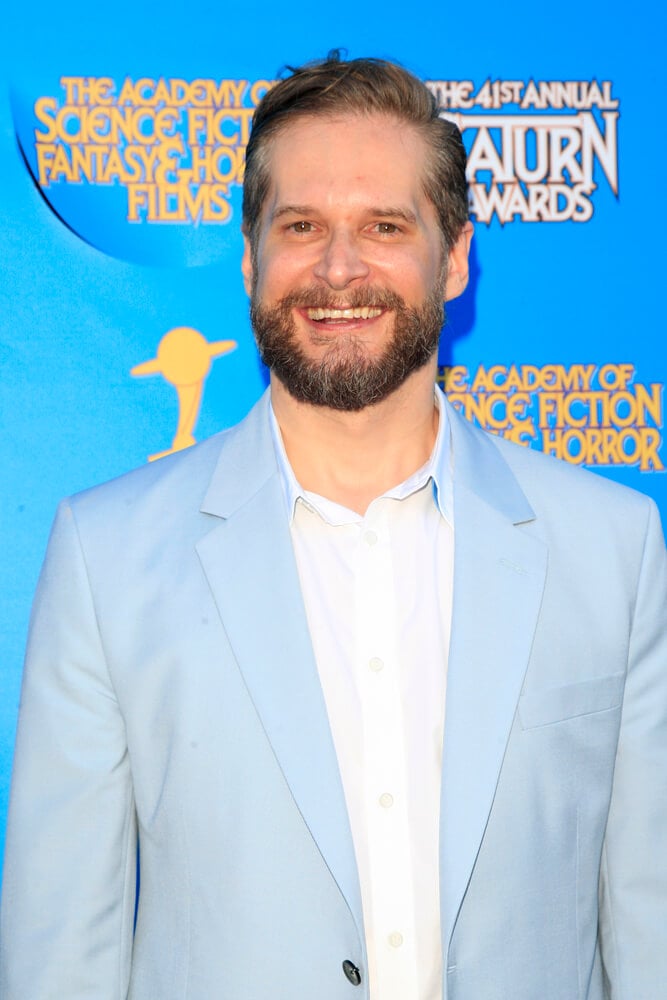
Bryan Fuller’s whimsical series about a pie-maker who could resurrect dead things had a devoted following and visual style unlike anything else on television. ABC canceled the show after two seasons, leaving the central mystery of the protagonist’s love interest unresolved.
Fans have wished for years that the show had gotten more seasons to develop its complex mythology.
Community (2009-2015)
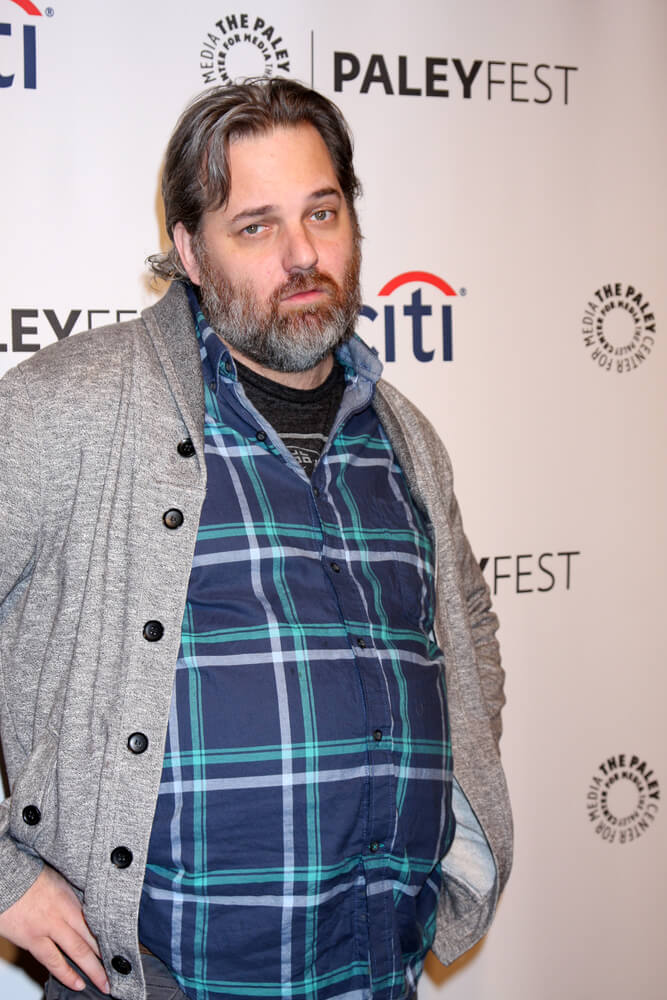
Dan Harmon’s comedy about a community college study group became a cult hit known for meta-humor and complex character development. The show was canceled multiple times by NBC, revived multiple times, and eventually ended on Yahoo Screen.
While the show did eventually reach conclusion, the uncertainty around its cancellations plagued the series throughout its run, leaving fans constantly worried about whether the story would be completed.
Better Off Ted (2009-2010)
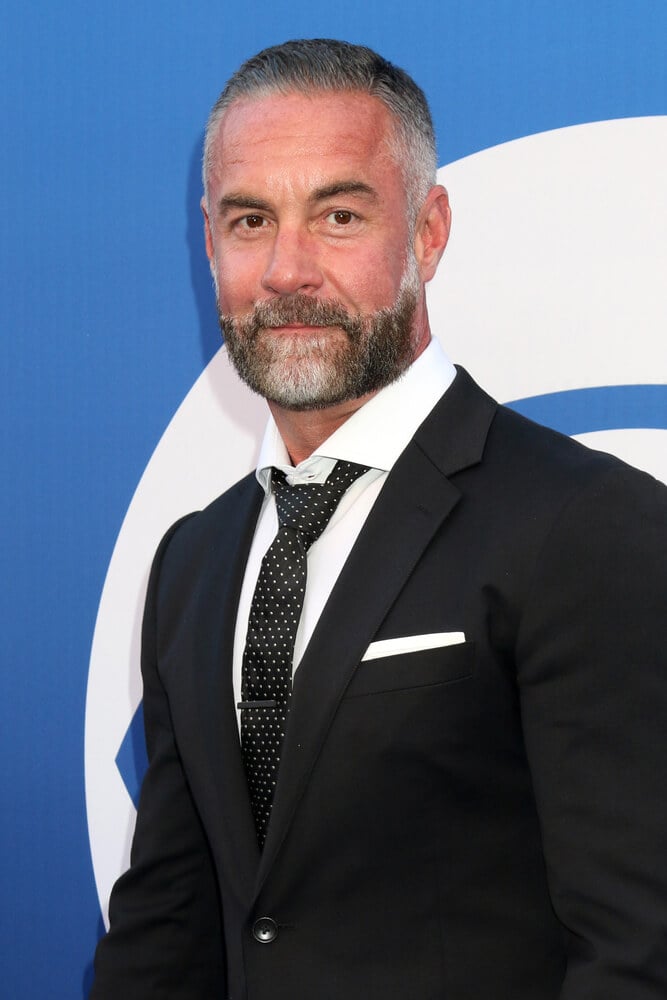
Jay Harrington starred in a corporate satire about an employee caught between a lovable staff and amoral management. The show had a devoted following and critical praise.
ABC canceled it after two seasons. Fans have long considered it one of the networks’ most baffling cancellations.
Wonderfalls (2004)
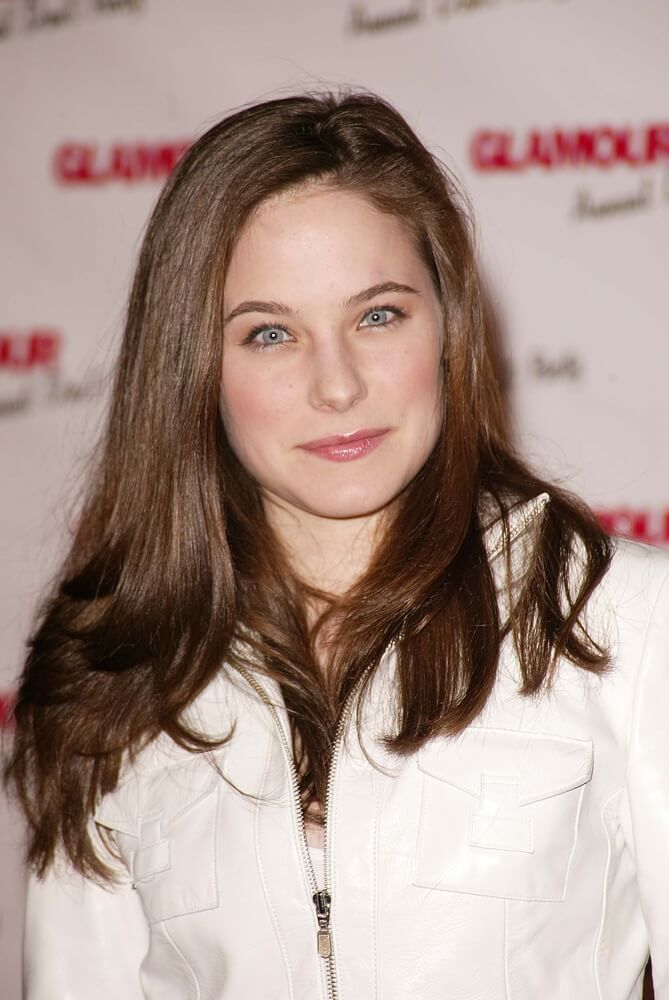
Caroline Dhavernas starred in a show about a woman who receives messages from inanimate objects, compelling her to help people. The show was Fox’s attempt to replicate the success of Joss Whedon’s work.
Fox canceled it after 13 episodes, with only 4 aired before cancellation. Fans eventually got the remaining episodes released on DVD, but the show never had a chance to build an audience.
Undeclared (2001-2002)
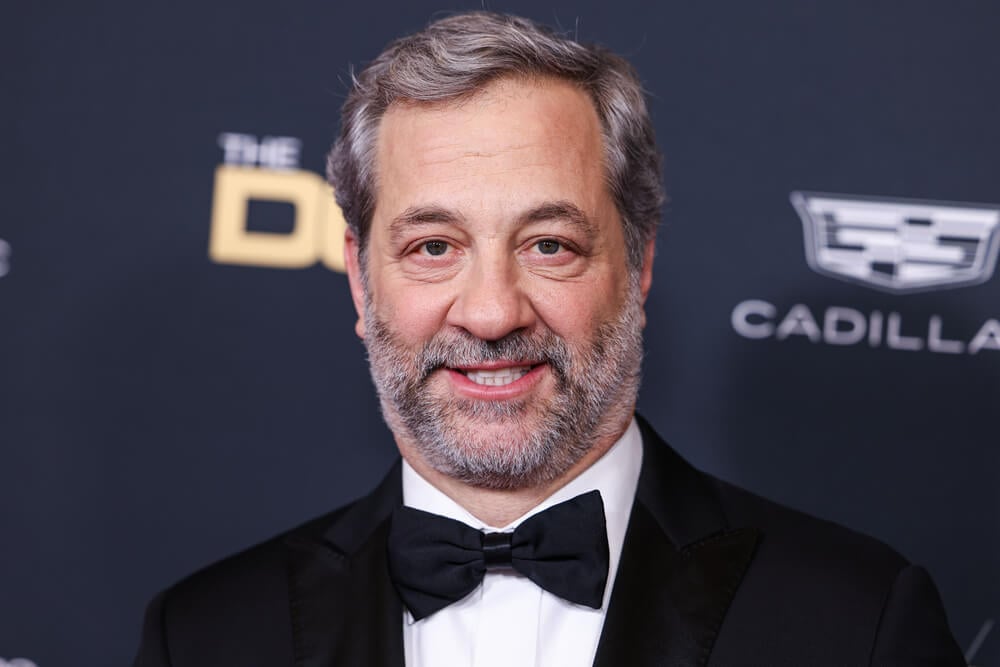
Judd Apatow’s comedy about college freshmen featured an ensemble cast of young actors. The show was critically praised and had genuine humor and heart.
Fox canceled it after two seasons, prioritizing other shows. The cancellation left the characters’ college stories unfinished.
Fans have lamented the cancellation for over 20 years.
Dollhouse (2009-2010)
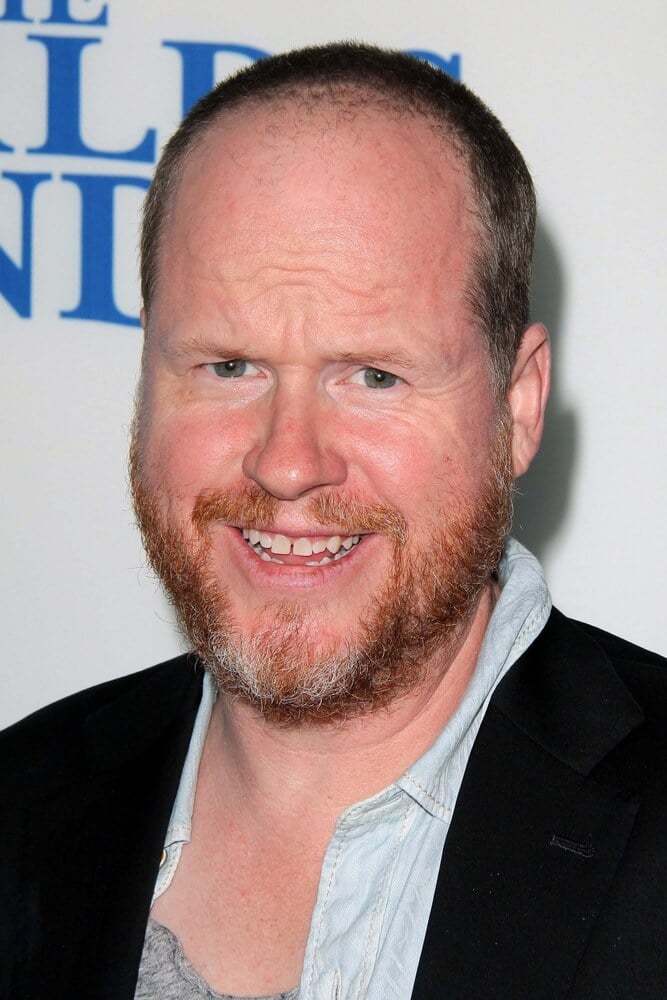
Joss Whedon’s science fiction series about programmable agents faced multiple cancellations. The show produced two seasons before Fox pulled the plug.
Whedon was given permission to produce a final film (Dollhouse: Epitaph Two) to wrap up storylines, but the cancellation still disappointed fans who wanted more seasons.
Almost Human (2013-2014)

J.H. Wyman’s science fiction buddy cop show about a human detective and his android partner had critical acclaim. Fox canceled the show after two seasons despite strong international ratings and a passionate fanbase.
The cancellation left the show’s central mythology underdeveloped.
The Get Down (2016-2017)
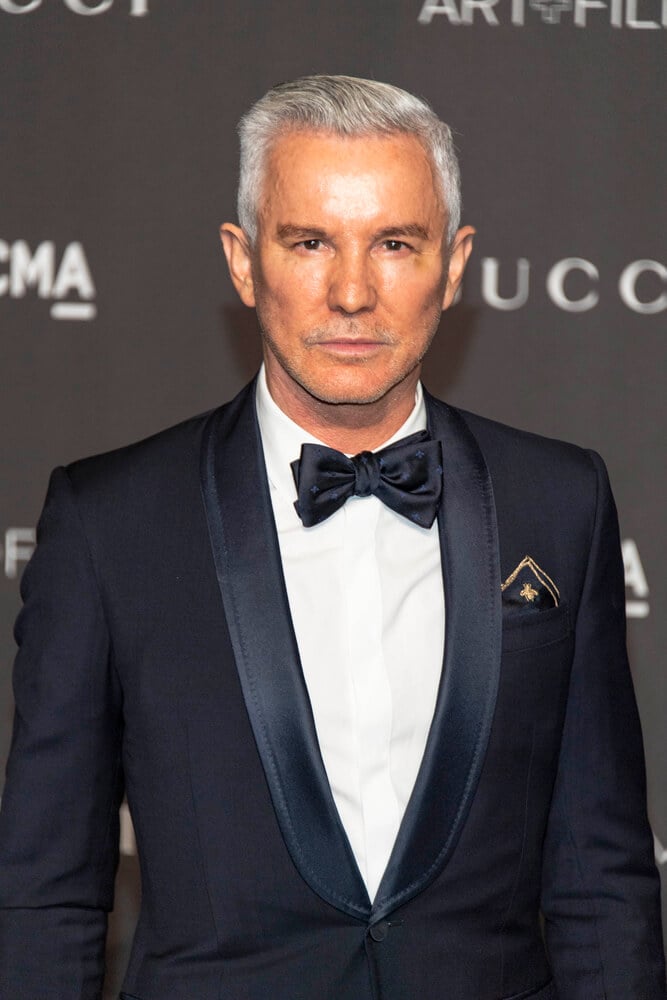
Baz Luhrmann’s musical series about the origins of hip-hop in 1970s New York was visually stunning and critically praised. Netflix canceled the show after two seasons (releasing them separately), disappointing fans who wanted to see more of the characters’ stories.
Hannibal (2013-2015)
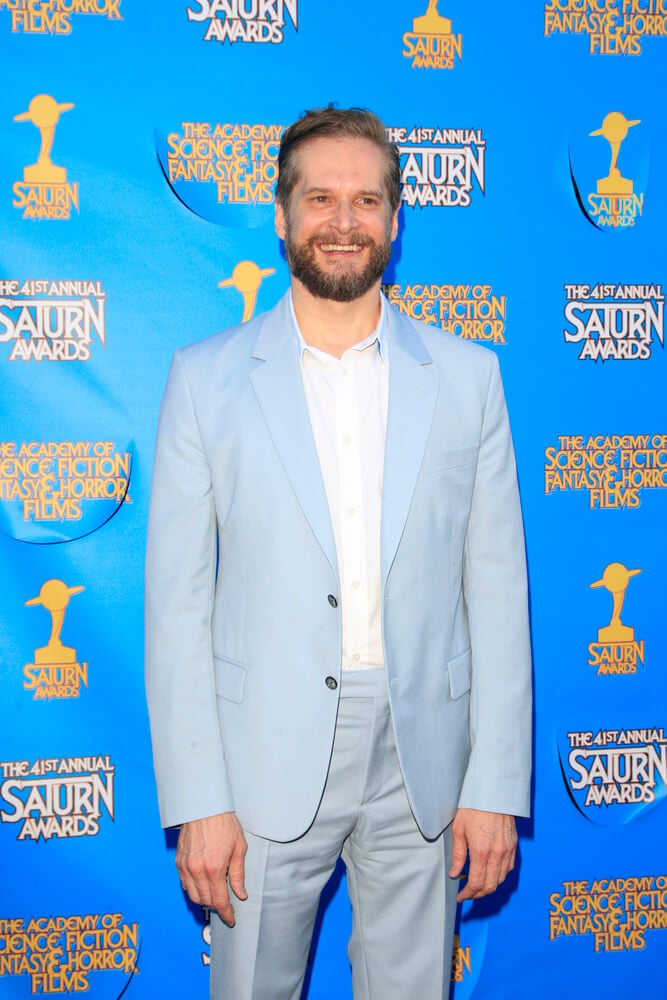
Bryan Fuller’s psychological thriller about FBI profiler Will Graham and serial killer Hannibal Lecter earned critical acclaim and a devoted fanbase. NBC canceled the show after three seasons.
The cancellation left major plot threads unresolved. Fans have petitioned for years for the show’s revival, and there have been rumors of a potential film continuation.
Fringe (2008-2013)
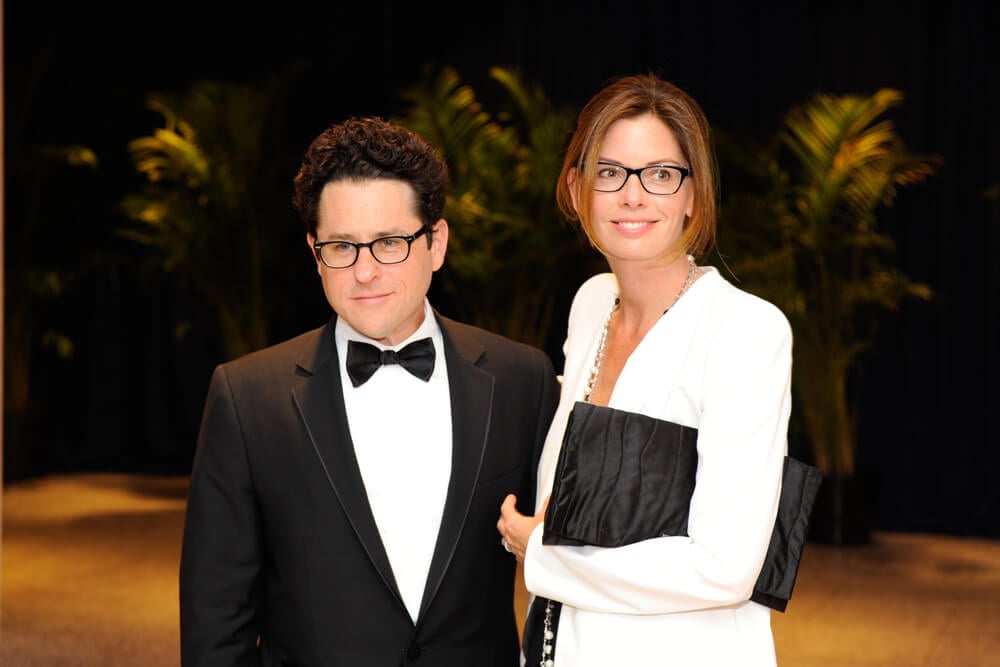
J.J. Abrams’ science fiction series about parallel universes ran for five seasons but felt rushed toward the end due to declining ratings. While the show did conclude, many fans felt the final season was truncated and didn’t give the show’s mythology the time it deserved.
The Borgias (2011-2013)
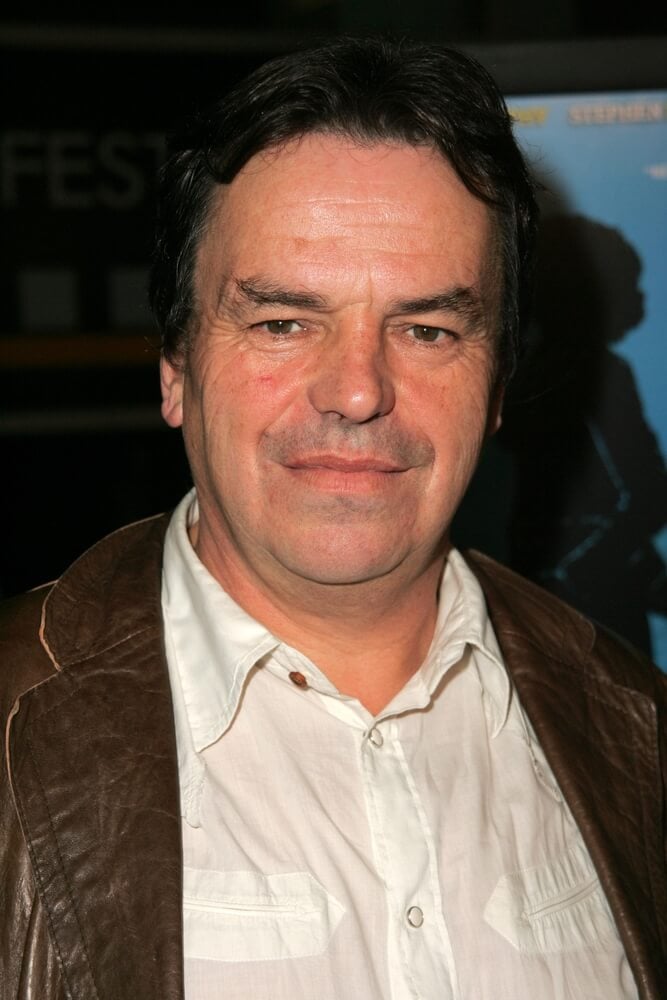
Neil Jordan’s historical drama about the infamous Borgia family was canceled after three seasons on Showtime. The cancellation felt premature given the show’s critical acclaim and complex historical narrative.
Fans have long wished for a fourth season to properly conclude the family’s saga.
Carnivàle (2003-2005)
HBO’s period drama set during the Great Depression featured a rich mythology and complex ensemble. HBO canceled the show after two seasons, and creator Dan Knauf never got to conclude the story as intended.
The abrupt ending left fans frustrated.
Bunheads (2012-2014)
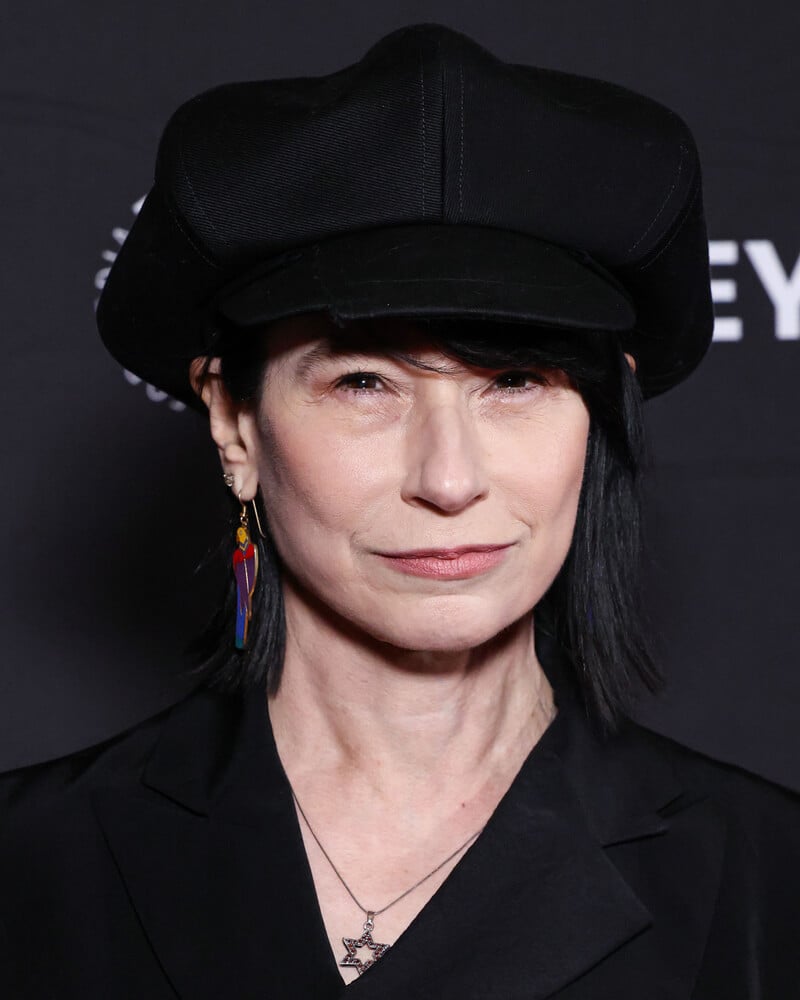
Amy Sherman-Palladino’s comedy-drama about a dance studio was canceled after two seasons. Despite strong critical acclaim and a devoted fanbase, ABC Family canceled the show.
Sherman-Palladino would later find success with Marvelous Mrs. Maisel, but fans of Bunheads remained disappointed.
The Newsroom (2012-2014)
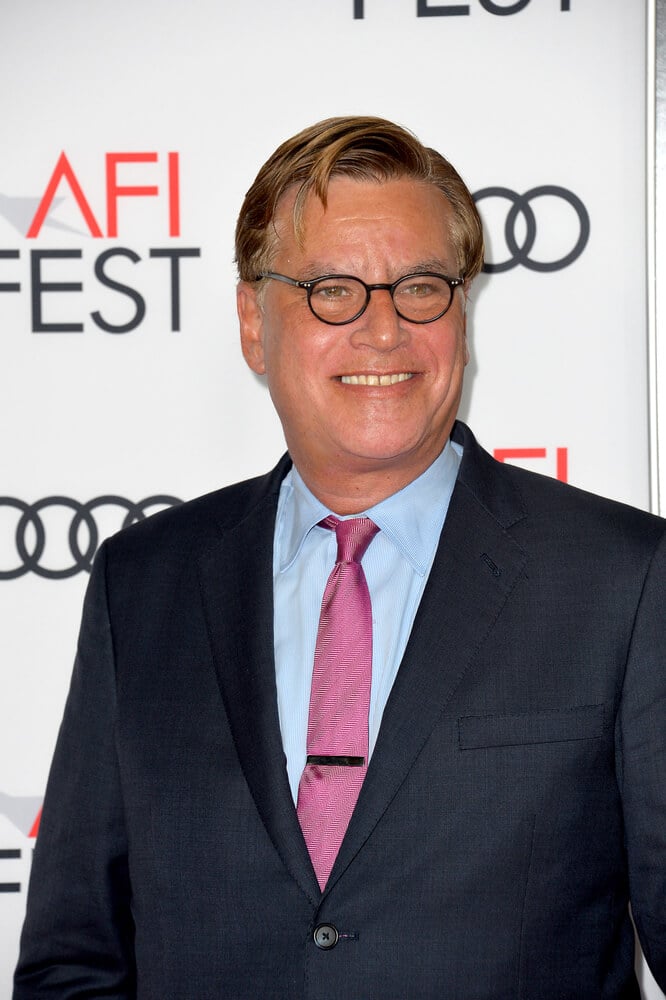
Aaron Sorkin’s HBO drama about a news operation was canceled after three seasons. While the show did conclude, many fans and critics felt the final season was rushed and didn’t give the complex storylines time to develop.
Manhattan (2014-2015)
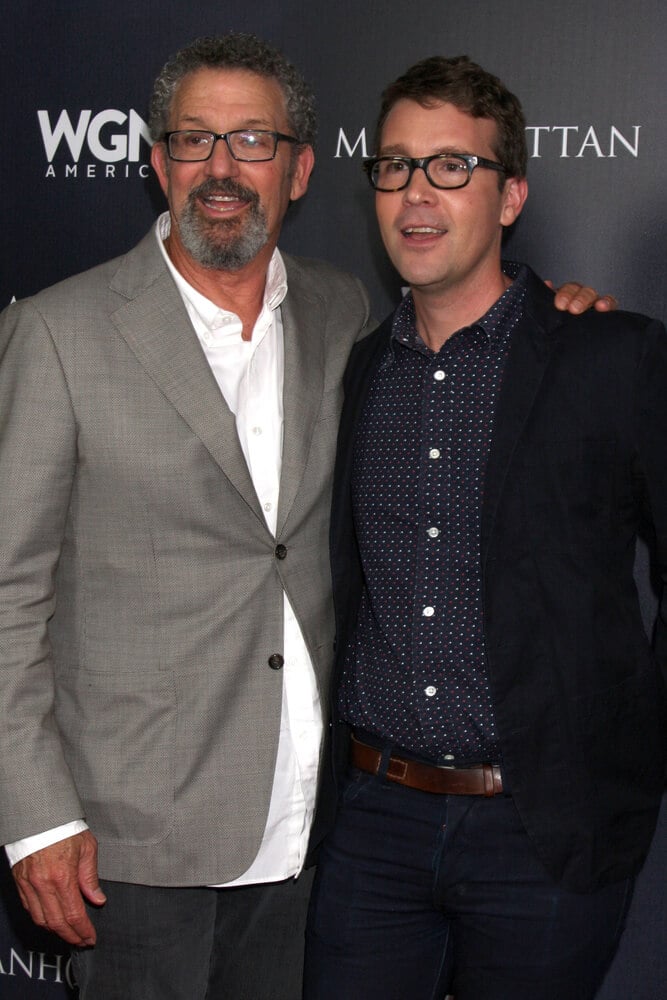
WGN America’s drama about the Manhattan Project had strong critical reviews and cast acclaim. The network canceled the show after two seasons despite passionate fan campaigns for renewal.
The cancellation left major plot threads unresolved.
Timeless (2016-2018)
NBC’s time-travel drama became a cult hit with a devoted fanbase. The network canceled the show after one season, then revived it for a two-hour movie conclusion after massive fan pressure.
The delayed conclusion satisfied some fans but left others wishing for a full final season.
Westworld (2016-2022)
HBO’s science fiction series about artificial consciousness in theme parks earned critical acclaim in its first seasons. The network’s decision to space out seasons and eventually cancel the show disappointed fans who felt the mythology was incomplete.
The show’s final unceremonious cancellation became a lightning rod for criticism about how HBO abandons ambitious projects.
The OA (2016-2019)

Netflix’s mystery series with a cult following was canceled after two seasons on a cliffhanger. The cancellation sparked fan outrage and petitions.
Creator Brit Marling had envisioned five seasons; Netflix’s cancellation meant the story would never reach conclusion as intended.
Dark Winds (2023-2024)
AMC’s Navajo detective series earned critical acclaim but was canceled after only two seasons (though reportedly due to budget rather than ratings). Fans complained that the show’s momentum was disrupted just as it was building compelling mythology.
Why Networks Cancel Shows

Shows get canceled for multiple reasons: declining ratings relative to network expectations, changing audience demographics, executive reshuffling at networks, streaming services prioritizing quantity over long-term storytelling. Networks rarely greenlight shows expecting the full creative vision; instead, they gamble on initial numbers, which don’t always reflect a show’s eventual success.
Many of the shows on this list became beloved classics only after cancellation, proving that network executives are not reliable judges of quality or long-term cultural impact.
More from Go2Tutors!

- The Romanov Crown Jewels and Their Tragic Fate
- 13 Historical Mysteries That Science Still Can’t Solve
- Famous Hoaxes That Fooled the World for Years
- 15 Child Stars with Tragic Adult Lives
- 16 Famous Jewelry Pieces in History
Like Go2Tutors’s content? Follow us on MSN.



