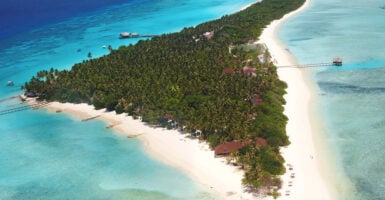
16 Islands That Are Home to Entirely Unique Cultures
Islands have long been natural laboratories for cultural evolution. Separated from mainland influences by vast expanses of water, island communities often develop distinctive traditions, languages, and ways of life that you won’t find anywhere else on Earth.
The isolation that once protected these cultures now makes them fascinating windows into human innovation and adaptation. Here is a list of 16 islands around the world where geography and isolation have fostered truly unique cultural identities.
Socotra
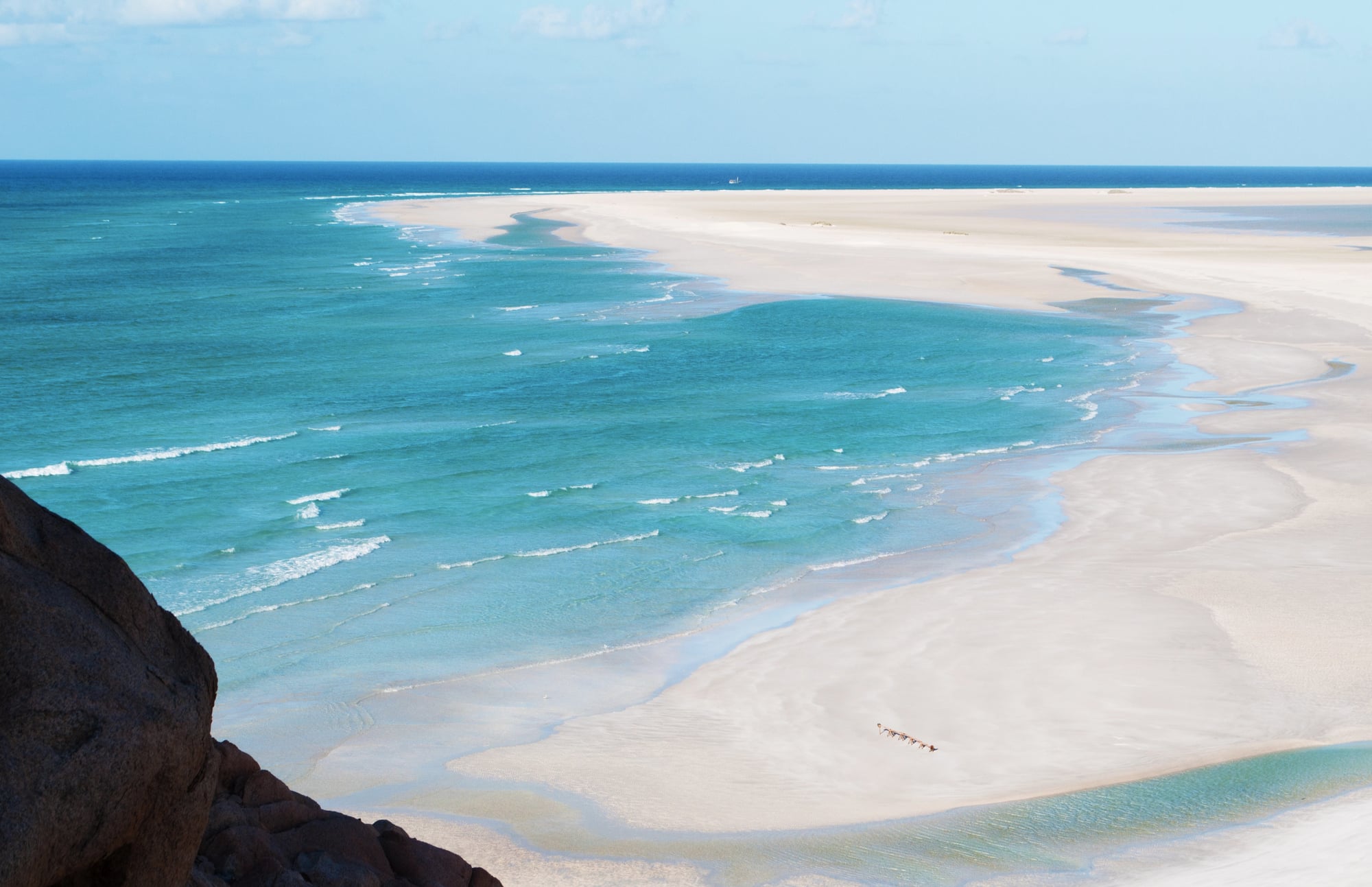
Located in the Arabian Sea, Socotra belongs to Yemen but feels like another planet entirely. The island’s otherworldly landscapes feature dragon blood trees with umbrella-shaped canopies and bizarre rock formations. Socotri people speak their own language, which predates Arabic, and maintain traditional pastoral lifestyles that have remained largely unchanged for centuries.
Their knowledge of medicinal plants is extensive, with healing practices passed down through generations without written records.
Taquile
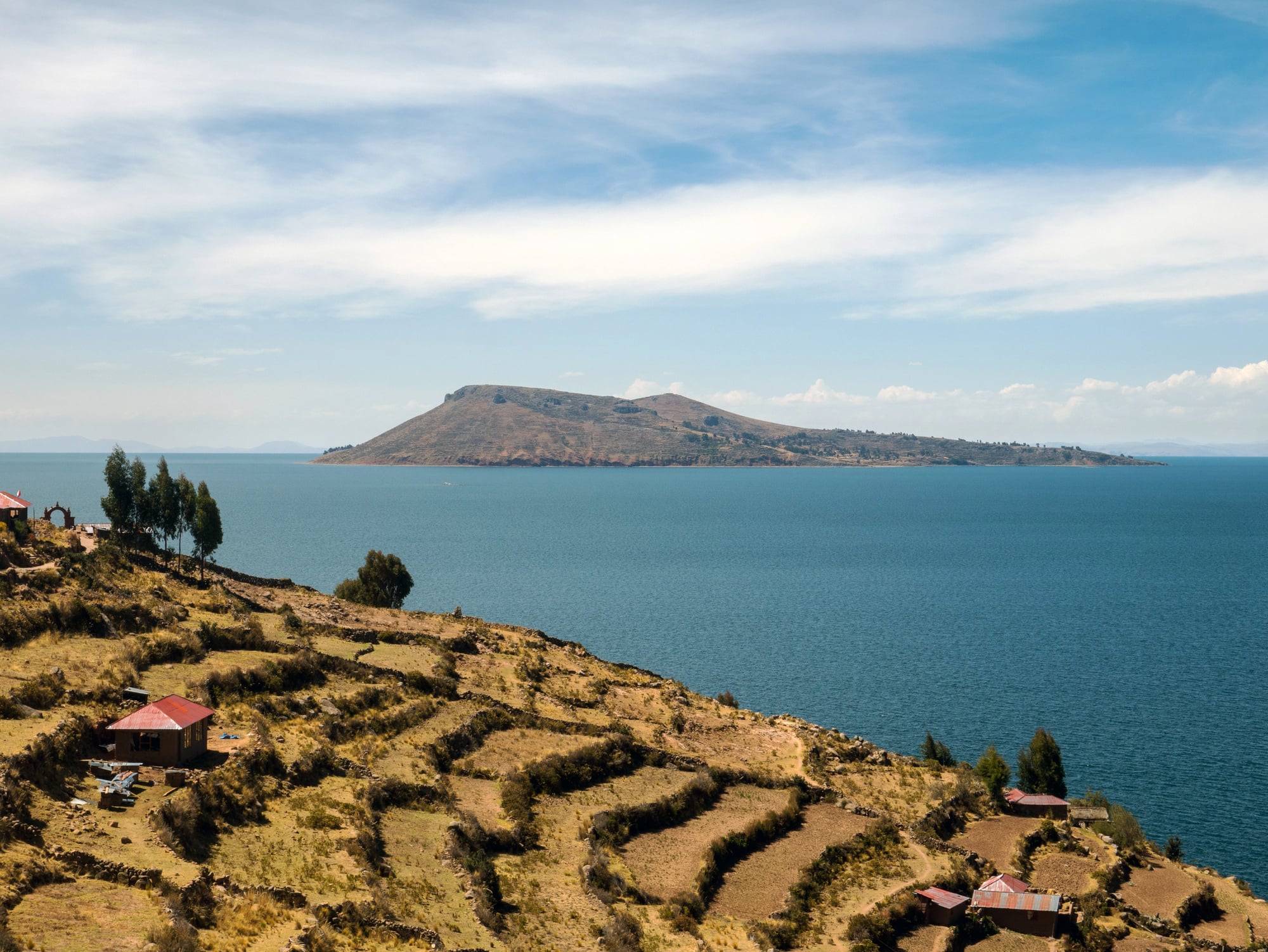
This tiny Peruvian island in Lake Titicaca might measure just 2 square miles, but its cultural footprint is enormous. Taquileños are famous for their exceptional textiles, with men learning to knit from age five—a complete reversal of gender roles found in most societies.
The island operates on a unique community-based tourism model where homes serve as accommodations, and decisions about island matters are made collectively during community gatherings in the main square.
Trobriand Islands
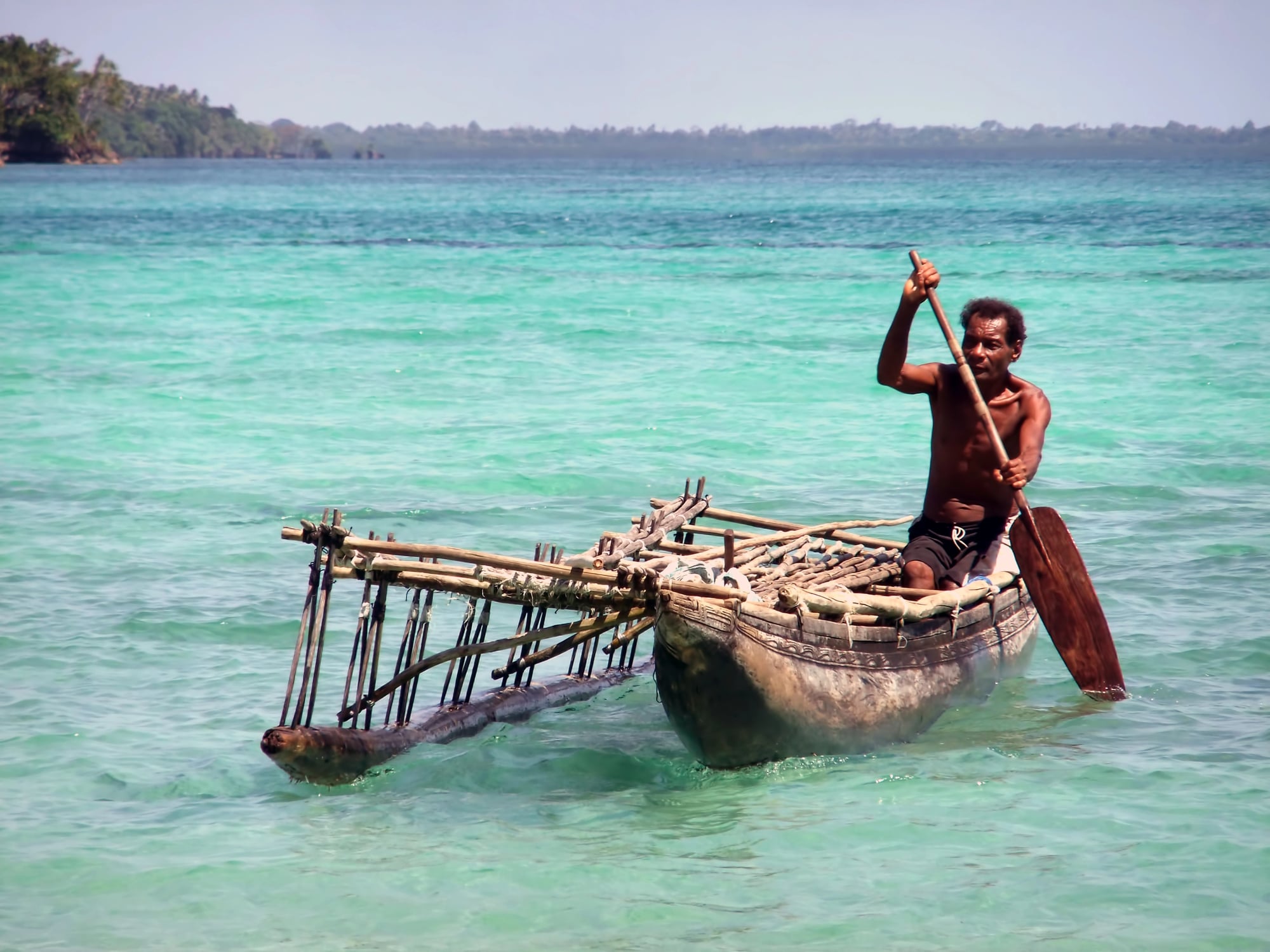
These Papua New Guinean islands maintain one of the most unusual economic systems in the world. Instead of traditional currency, Trobrianders use yams as wealth indicators and exchange carved kula shells in complex ceremonial trading networks that strengthen bonds between islands.
Their cricket matches bear little resemblance to the British original, featuring teams of hundreds, ritual dances, and matches that can last for days.
St. Helena
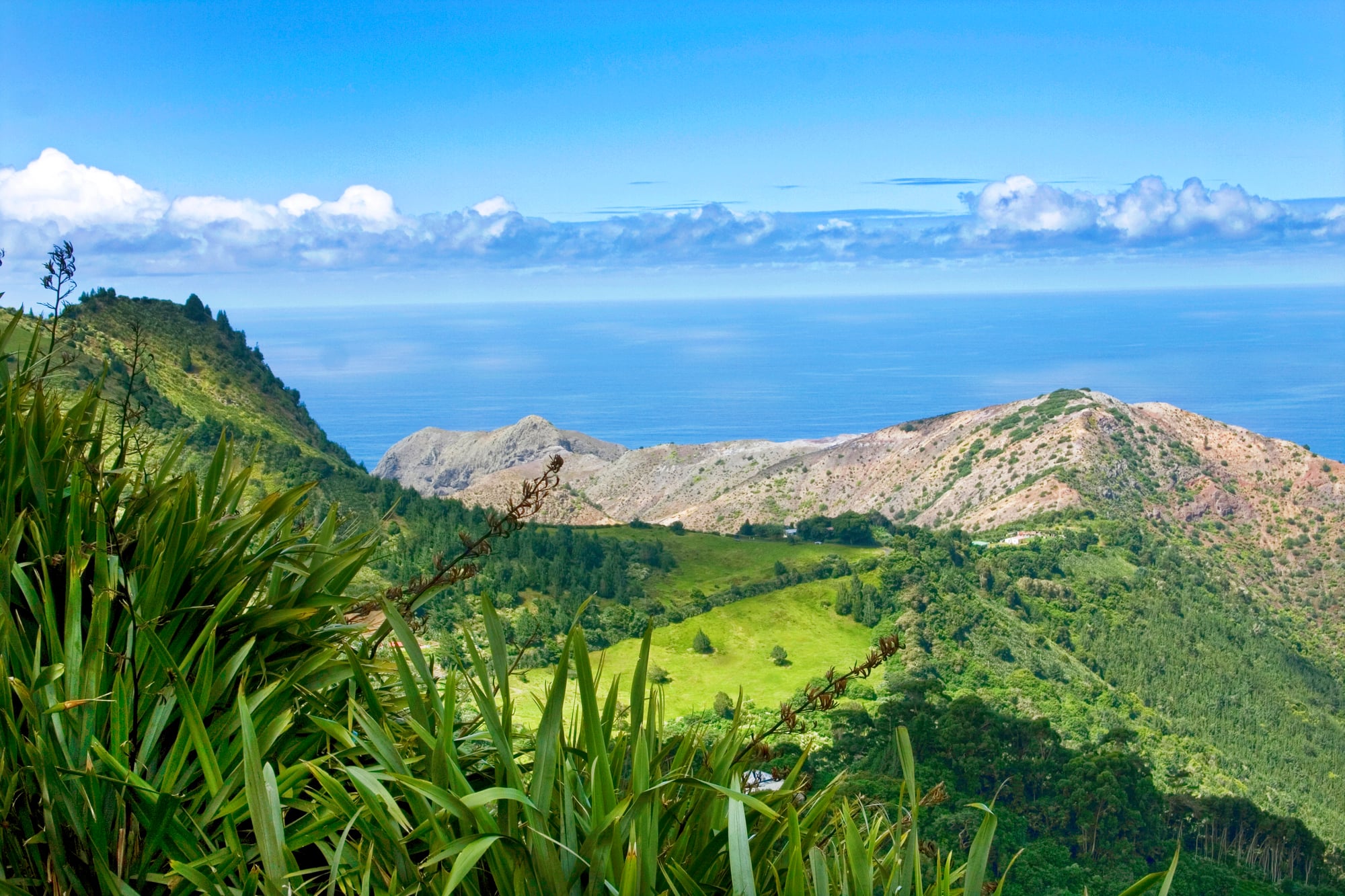
This remote South Atlantic island, where Napoleon spent his final years in exile, developed in splendid isolation 1,200 miles from the nearest mainland. The island’s 4,500 residents, known as ‘Saints,’ speak a dialect that blends English with influences from settlers from across the former British Empire.
Local traditions include making intricate flax handicrafts and celebrating unique holidays like St. Helena Day with parades featuring handmade ‘wire cars’—miniature vehicles crafted from recycled materials.
Burano
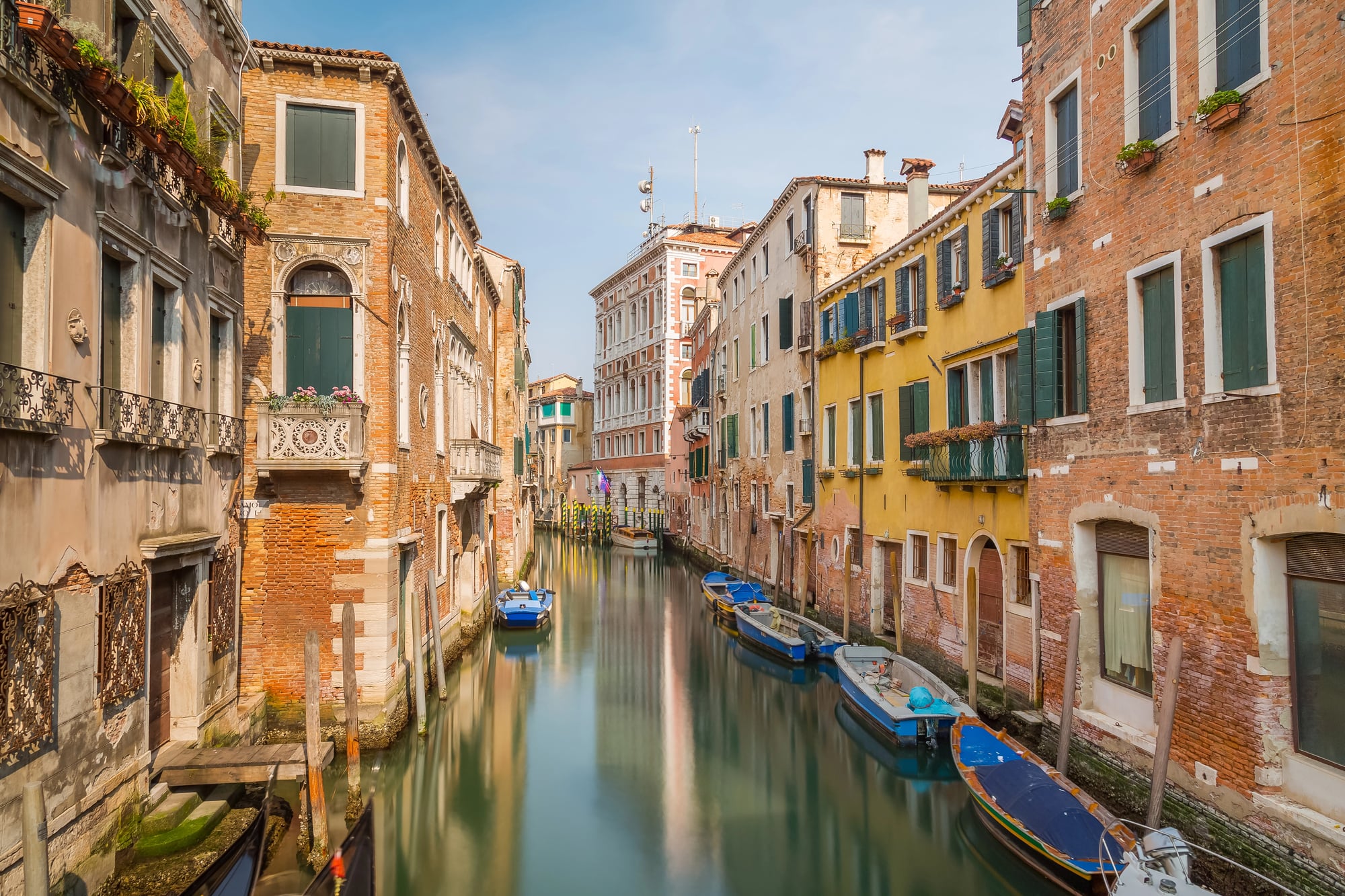
This Venetian lagoon island stands out even in Italy with its rainbow-colored houses painted in specific shades assigned to each family. Burano’s lacemaking tradition dates back 500 years, with techniques so intricate that a single small piece might take months to complete.
The island’s cuisine reflects its fishing heritage with dishes like ‘risotto de gò’—made with a lagoon fish found nowhere else in Italian cooking.
Inis Meáin
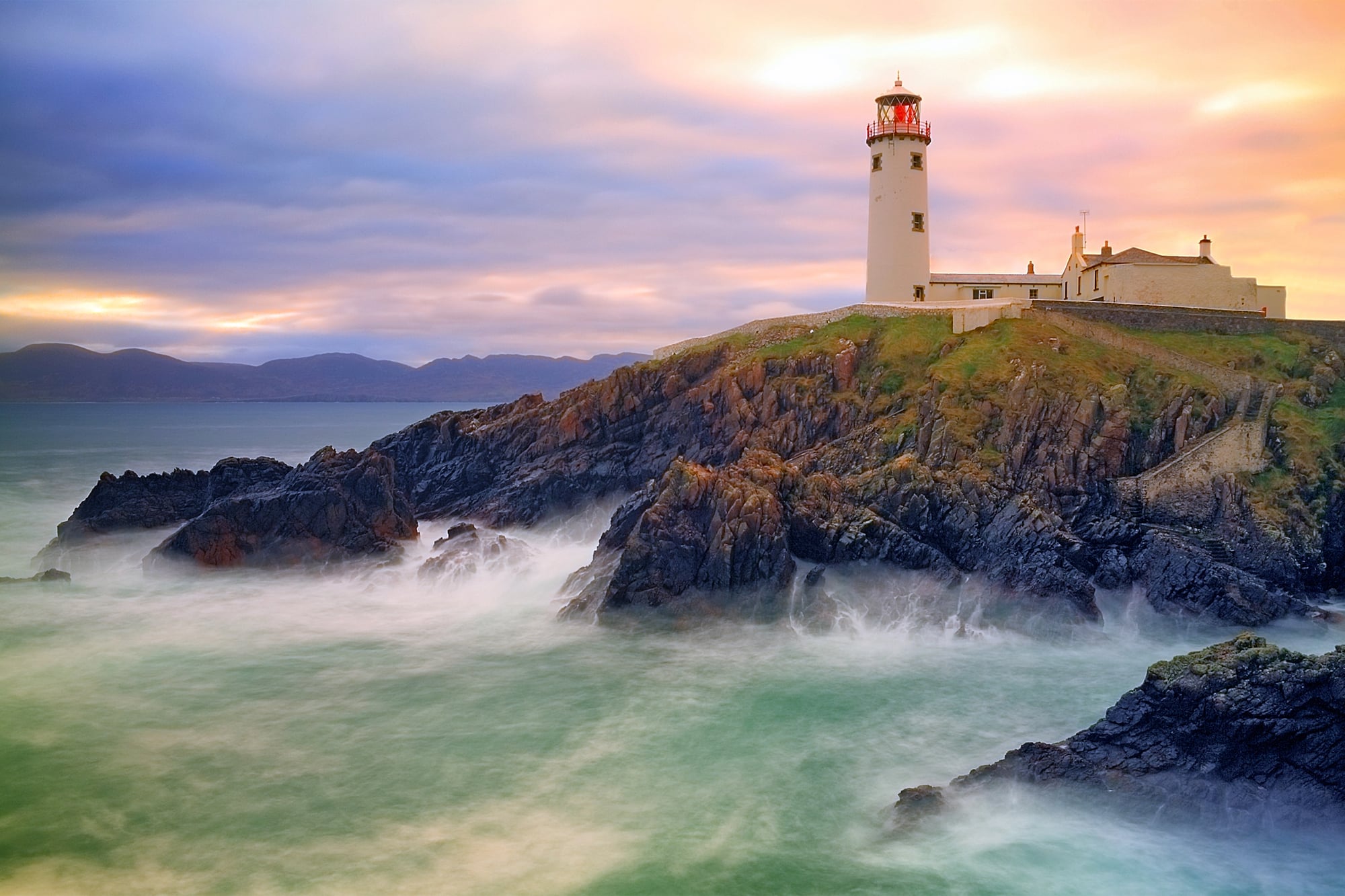
The middle of Ireland’s three Aran Islands preserves a way of life that has largely disappeared from the mainland. With fewer than 200 residents, Inis Meáin maintains the Irish language as its daily tongue and continues traditions like currach boat building and knitting distinctive Aran sweaters with family-specific patterns.
The island landscape is a patchwork of stone walls built without mortar, creating microclimates that allow farming in seemingly impossible conditions.
Tikopia
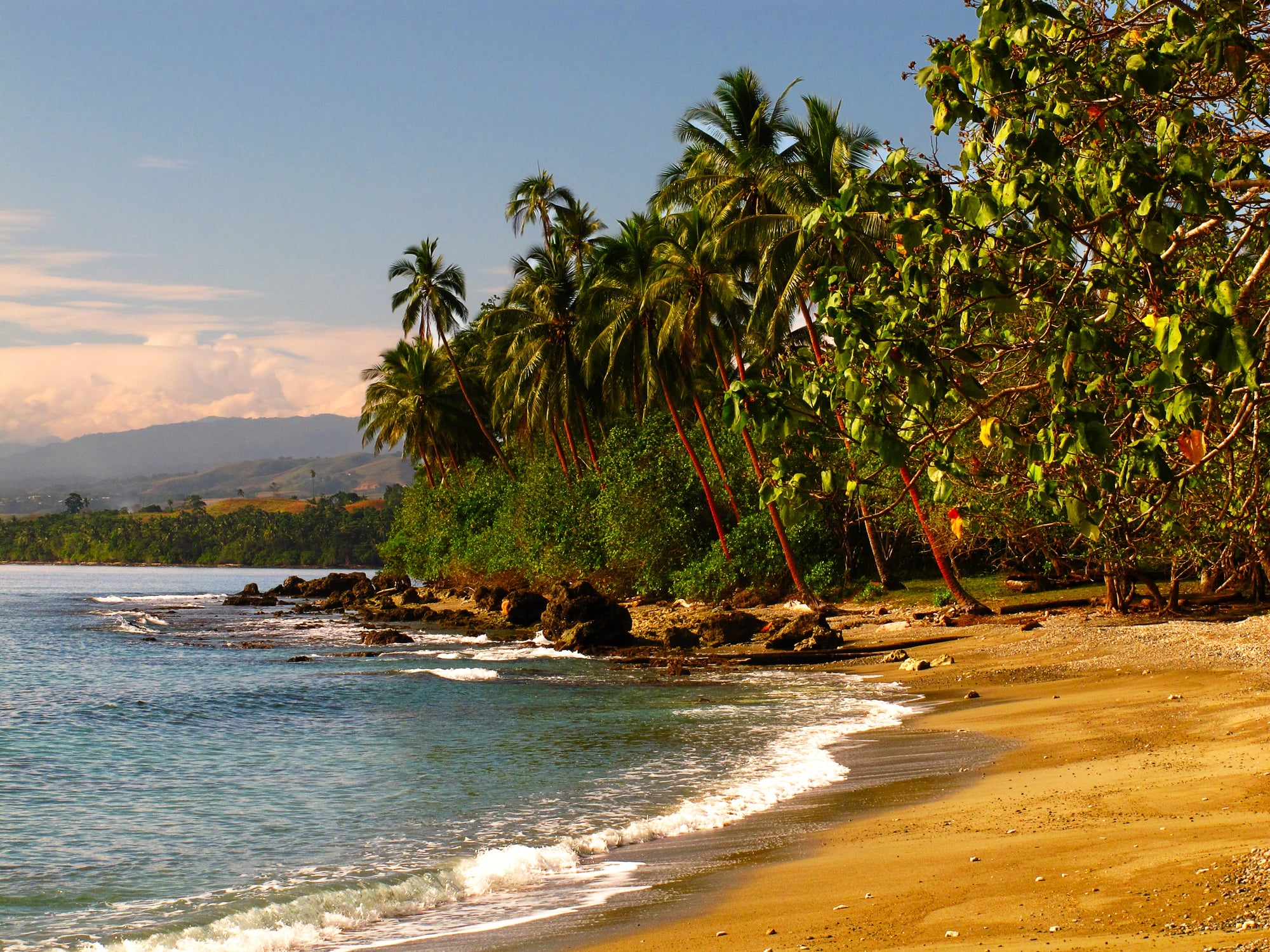
This tiny Polynesian outpost in the Solomon Islands practices sustainable living out of necessity. With just 1.8 square miles to support its population, Tikopians developed strict resource management systems including population control and forest conservation centuries before these became global concerns.
Their society follows a cyclical rather than linear concept of time, with life organized around seasonal events and community-wide ceremonial periods rather than calendar dates.
North Sentinel Island
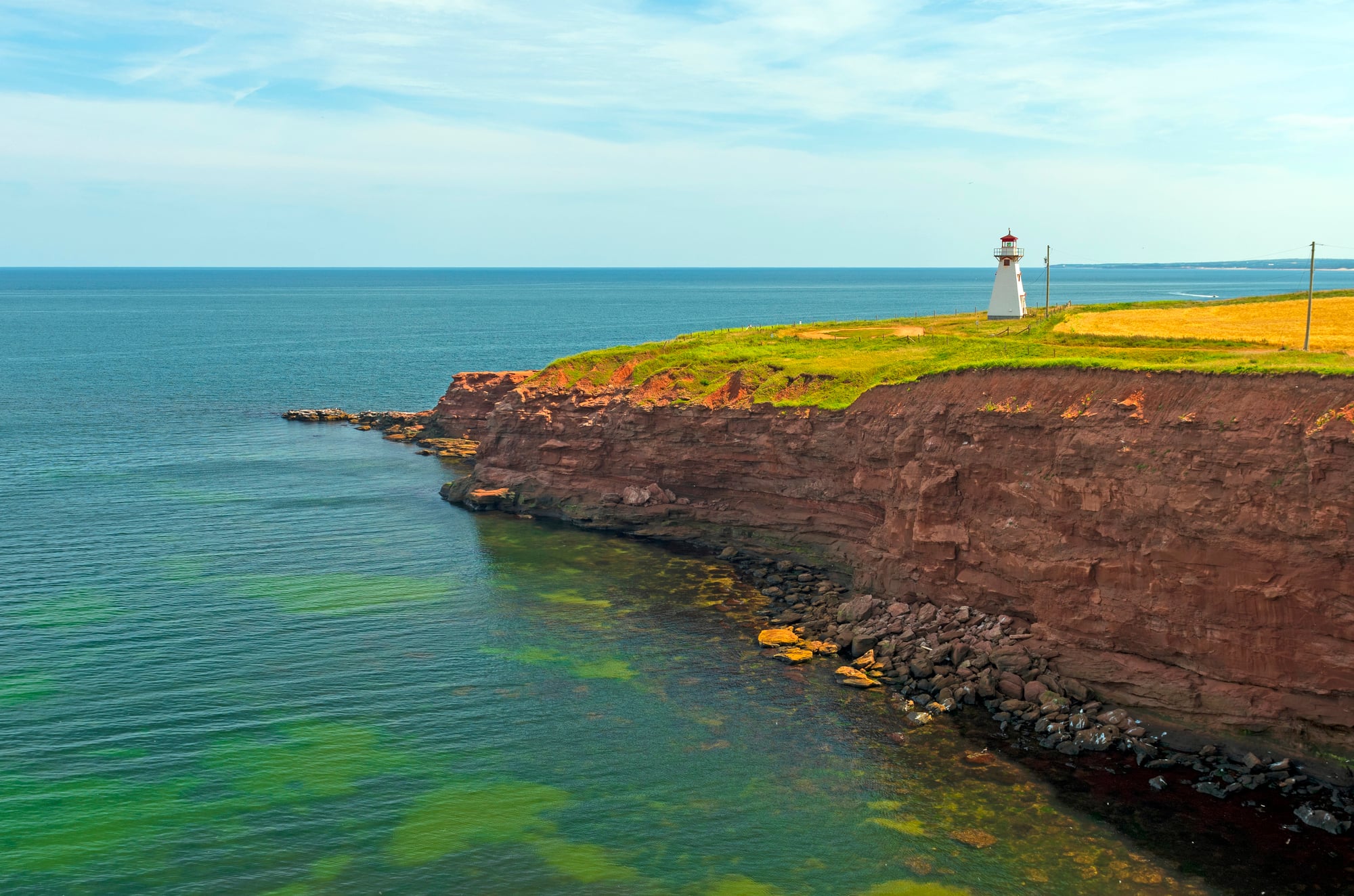
Perhaps the most isolated society on Earth, the Sentinelese people of this Andaman Islands territory have rejected contact with outsiders for thousands of years. They maintain a hunter-gatherer lifestyle with technologies similar to those used in the Stone Age, including bows, arrows, and spears.
The Indian government prohibits visits to protect both the islanders from disease and visitors from the arrows that typically greet approaching boats.
Palmerston Atoll
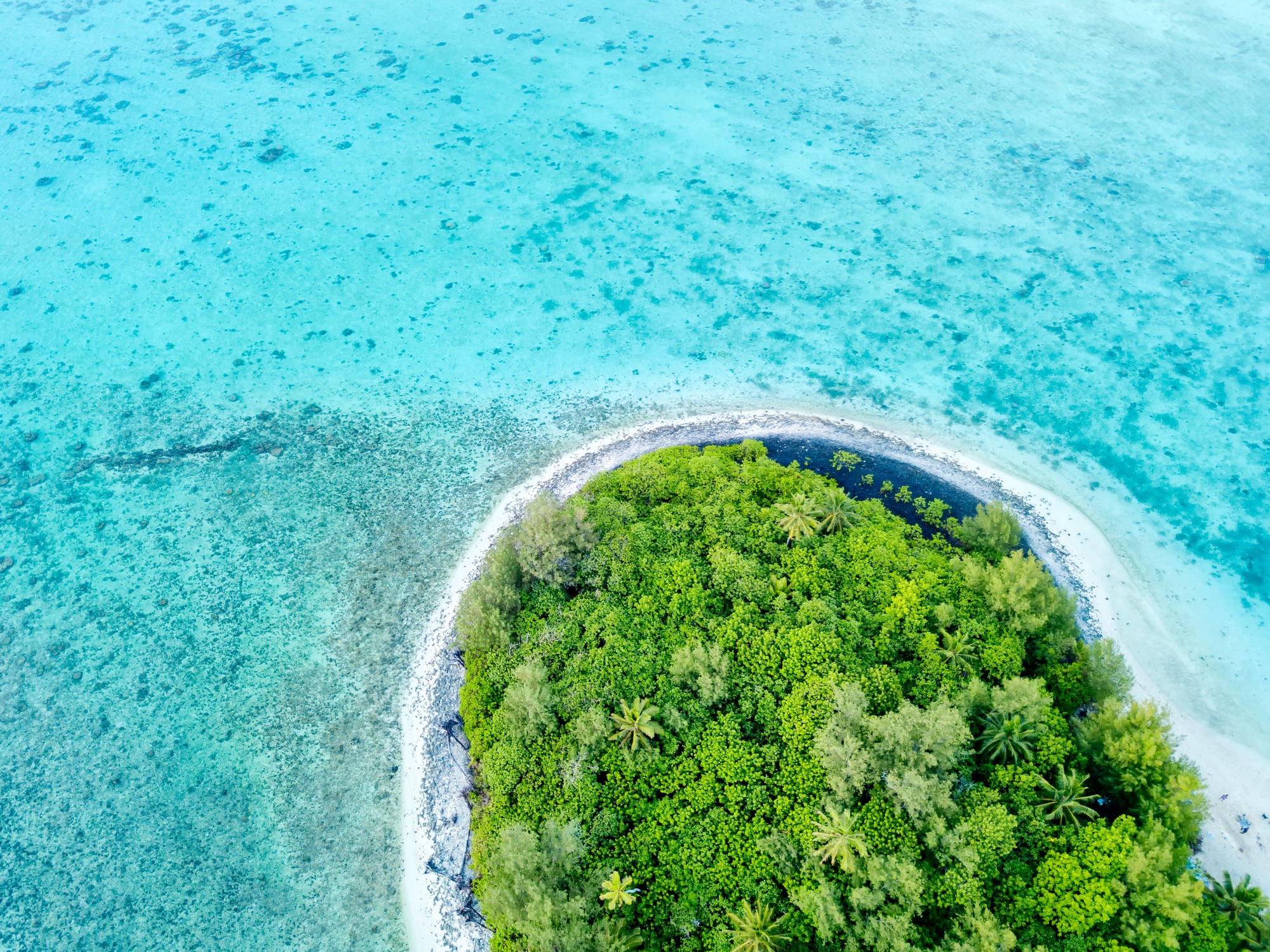
This Cook Islands atoll has perhaps the most unusual population structure of any island community. All 35 residents are descendants of one Englishman, William Marsters, who settled there in 1863 with his three Polynesian wives.
The island is divided into three family sections, each managed by descendants from one of the three original wives. English is spoken with a unique Victorian-era accent preserved from the original settler, making it unlike any English dialect found elsewhere.
Sark
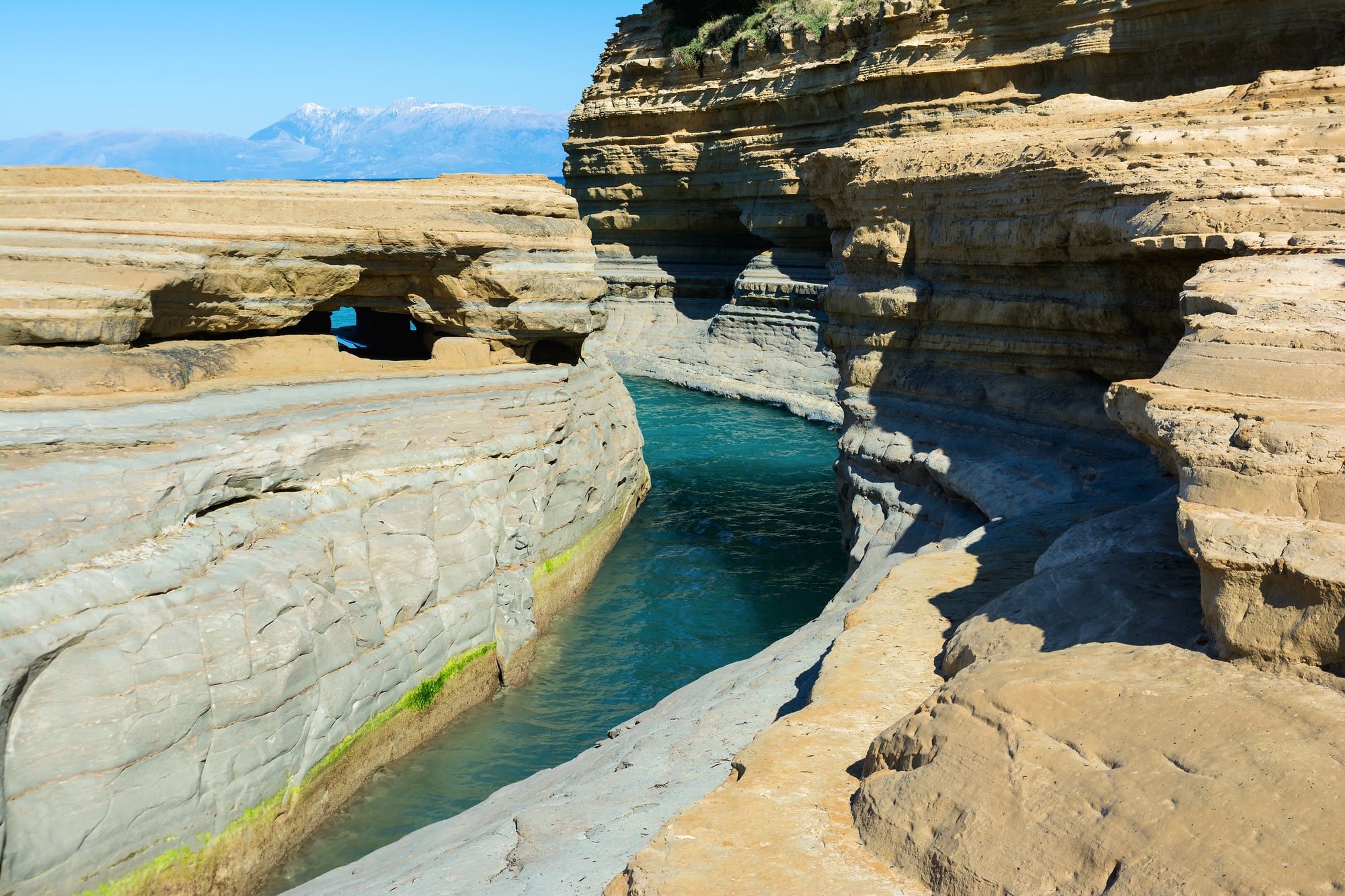
Until recently, this Channel Island operated under Europe’s last feudal system, with a Seigneur as hereditary ruler and governance by a parliament of landowners. With no cars allowed, residents travel by foot, bicycle, or horse-drawn carriage along unpaved roads.
The island was designated the world’s first Dark Sky Island due to its lack of light pollution, and its legal system still includes some laws dating back to Norman times.
Yap
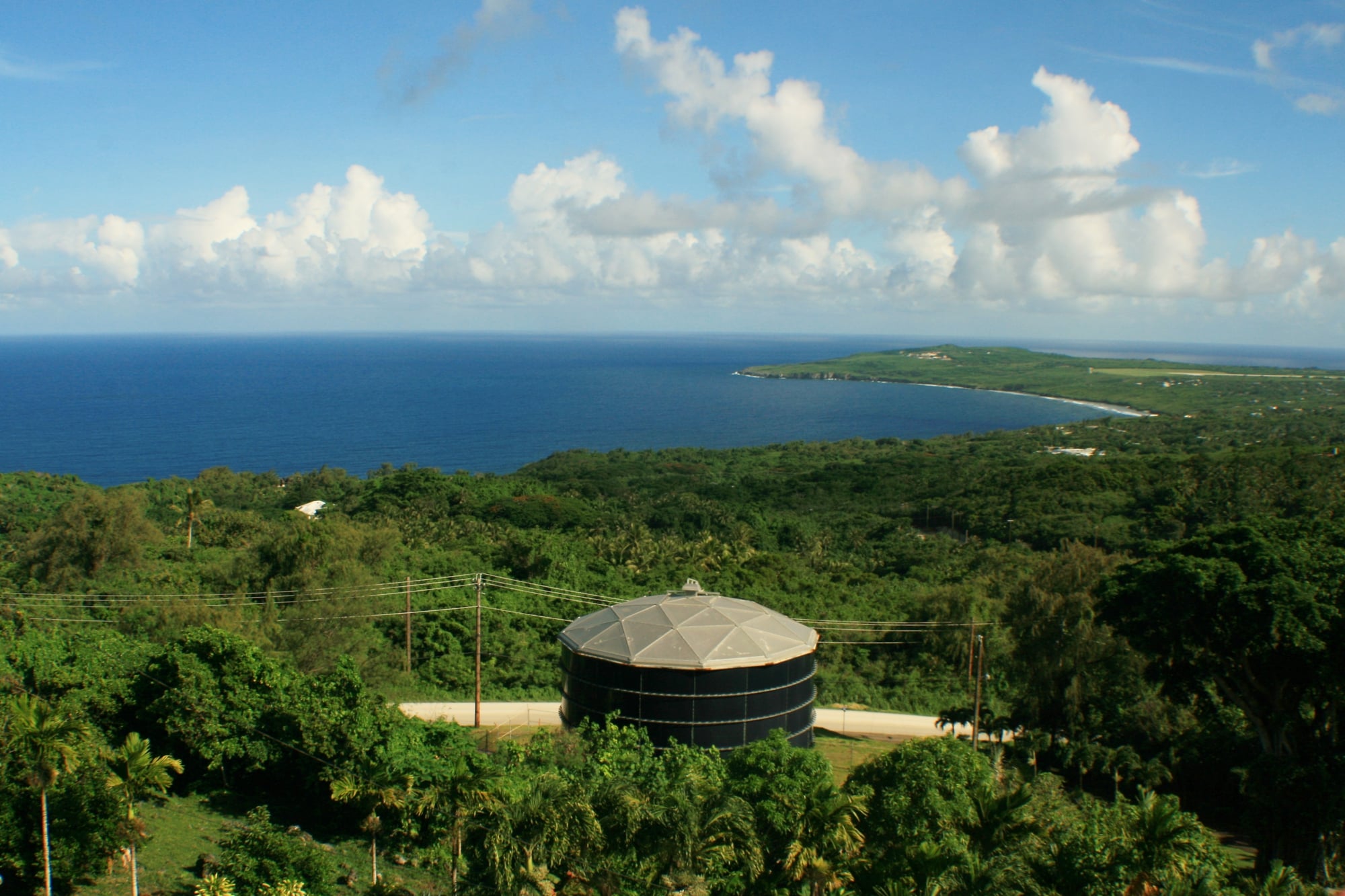
This Micronesian island uses one of the world’s most unusual currencies—massive stone discs called ‘rai’ that can reach 12 feet in diameter. These stones are too large to move when ownership changes, so transactions are recorded in oral history rather than by physical transfer.
The Yapese society maintains a complex caste system and preserves traditional navigation techniques that allowed their ancestors to sail between islands without instruments.
Pitcairn Island
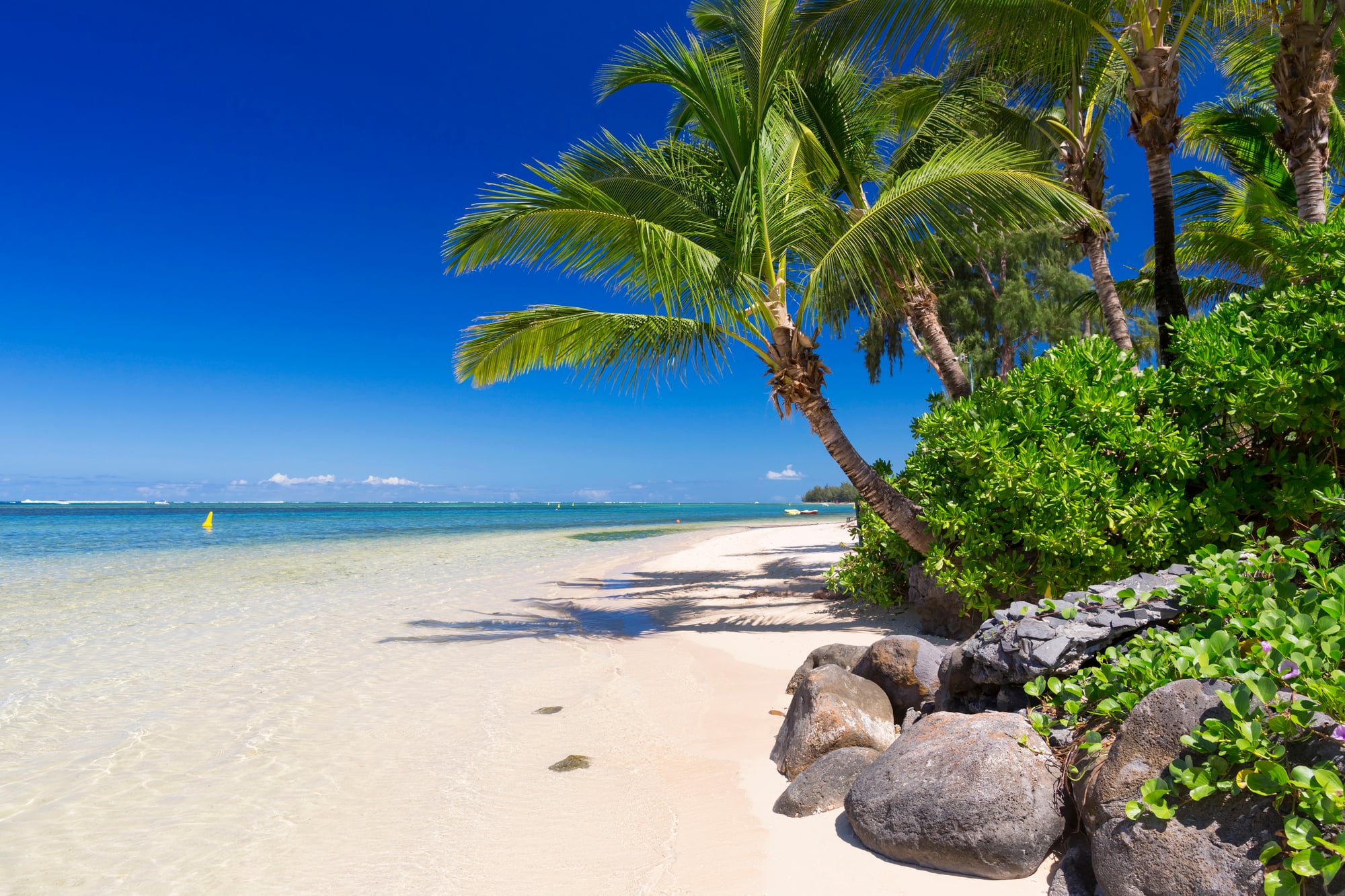
Home to just 50 people, Pitcairn was settled by mutineers from the HMS Bounty and their Tahitian companions in 1790. Today’s residents are direct descendants of these original settlers and speak a unique language blending 18th-century English with Tahitian.
The island operates its own government, school, and internal economy, with every resident performing multiple community roles due to the tiny population.
Rapa Nui
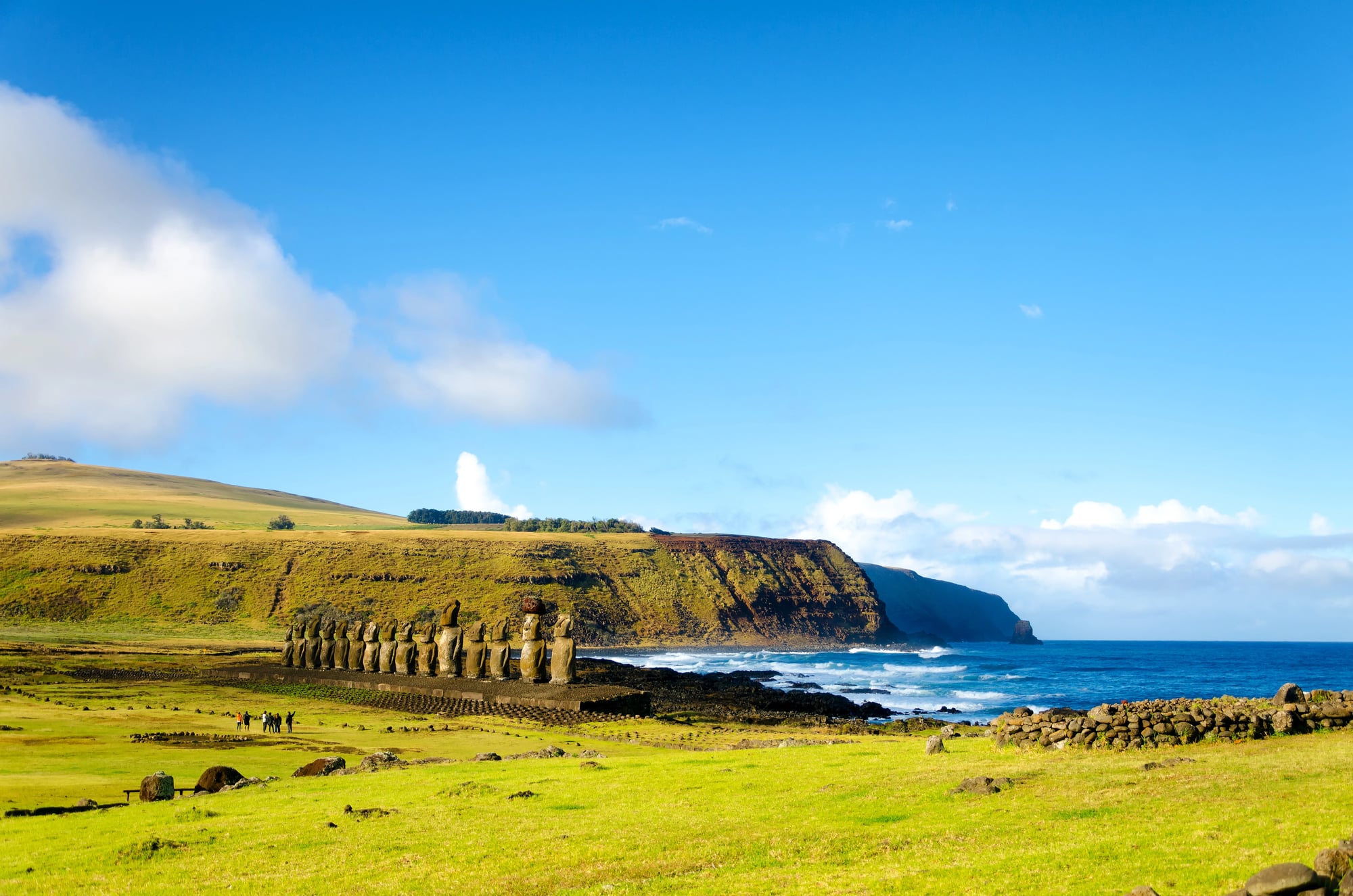
Better known as Easter Island, Rapa Nui’s culture revolves around the famous moai statues representing deified ancestors. Despite centuries of hardship and population collapse, modern islanders have revived traditional competitions like the birdman cult races, where participants swim through shark-infested waters to collect the first sooty tern egg of the season.
Their language survived near extinction and is now taught in local schools alongside Spanish.
Guna Yala
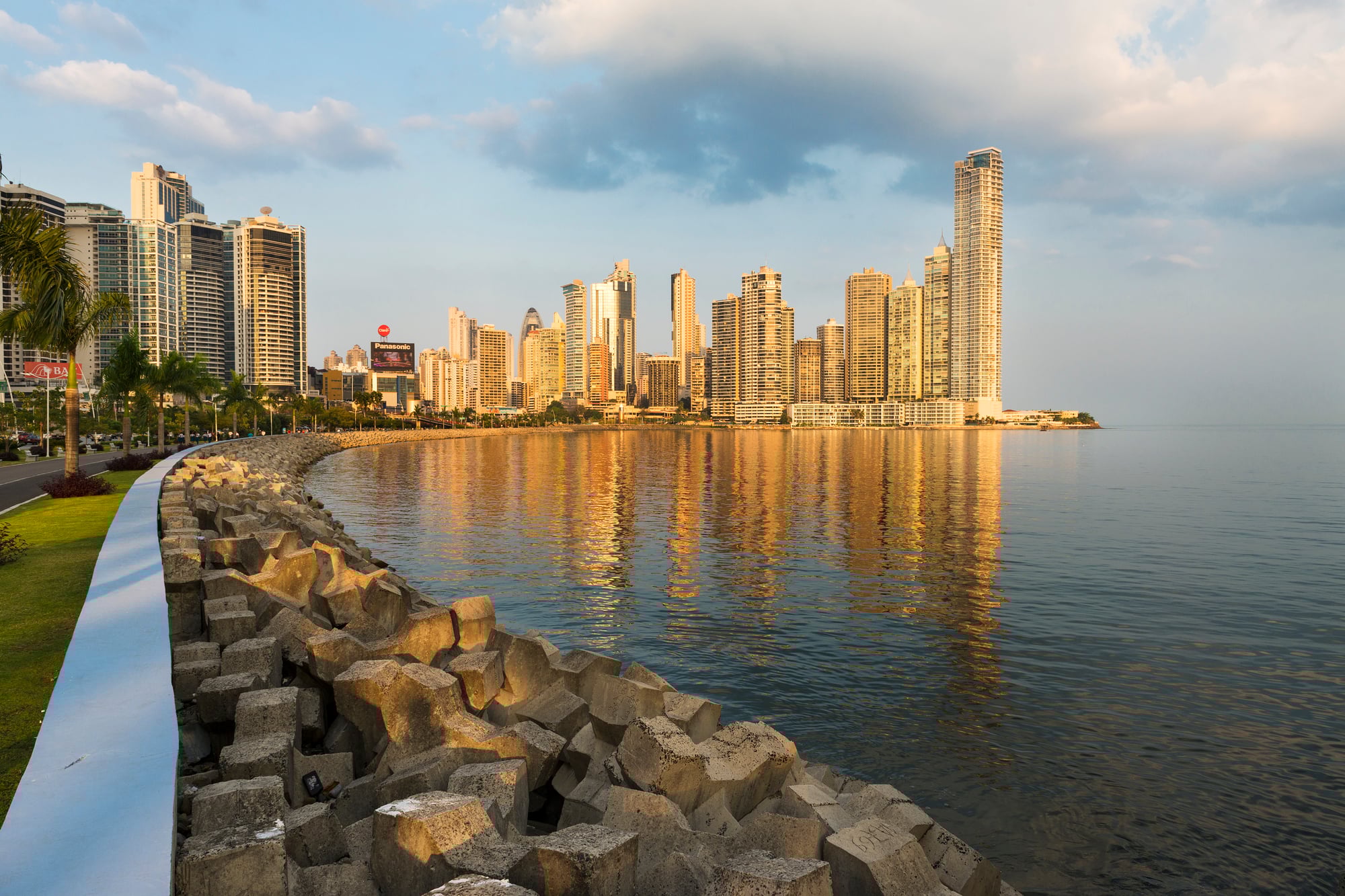
This archipelago off Panama’s coast is home to the Guna people, who maintain political autonomy and traditional matrilineal social structures. Guna women create intricate mola textiles featuring geometric patterns and stylized designs that have become internationally recognized art forms.
The Guna have successfully resisted outside development, maintaining strict environmental protection measures and limiting tourism to preserve their cultural independence.
Hydra
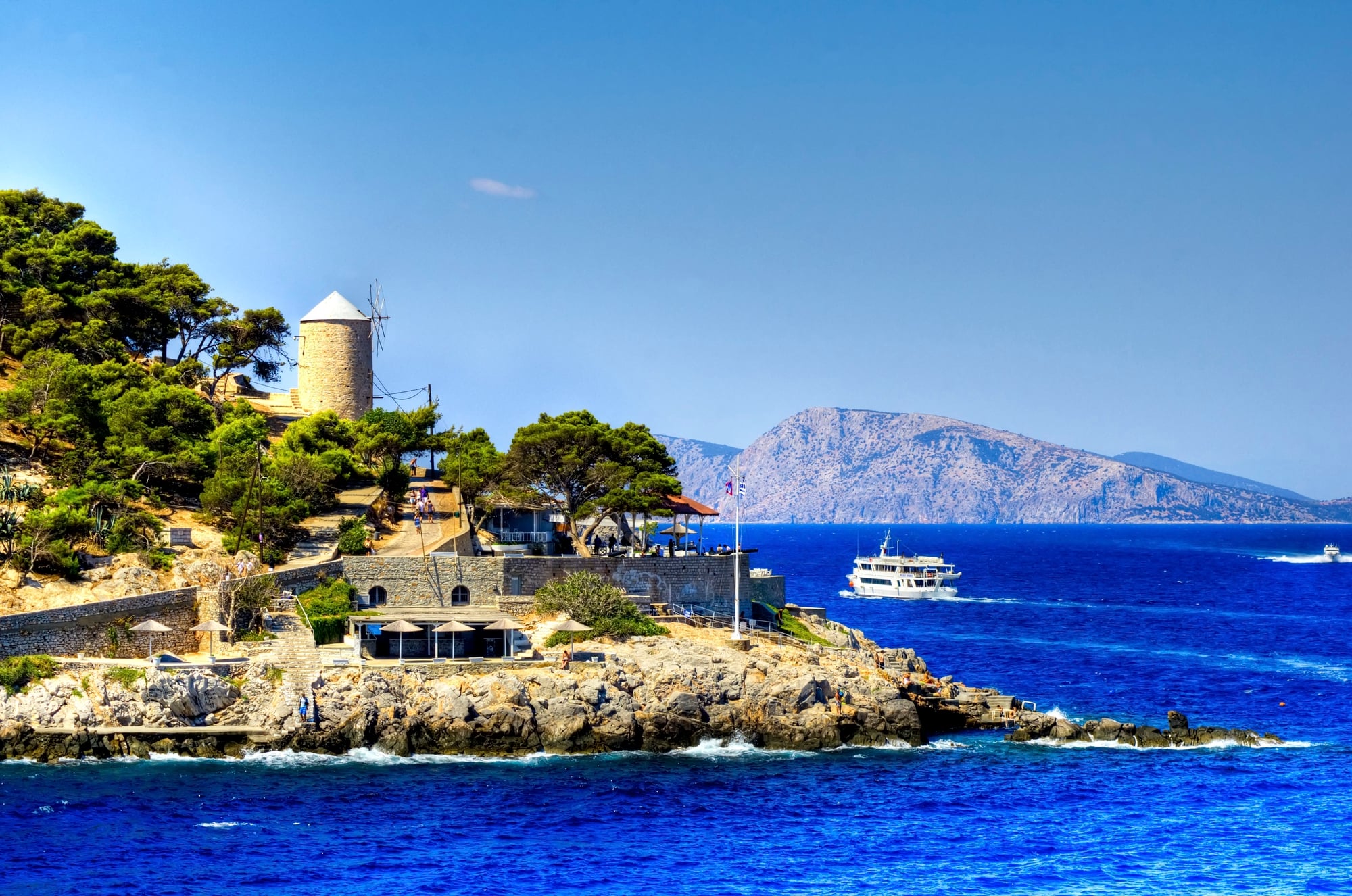
This Greek island stands apart from its neighbors by completely banning motorized vehicles. Goods and people move via donkey transport along stone pathways that connect whitewashed houses.
The island developed a distinctive maritime culture during the Ottoman period, with shipping families building magnificent mansions that now serve as museums. Local celebrations include unique traditions like parading holy icons through the sea on decorated fishing boats.
Lamu
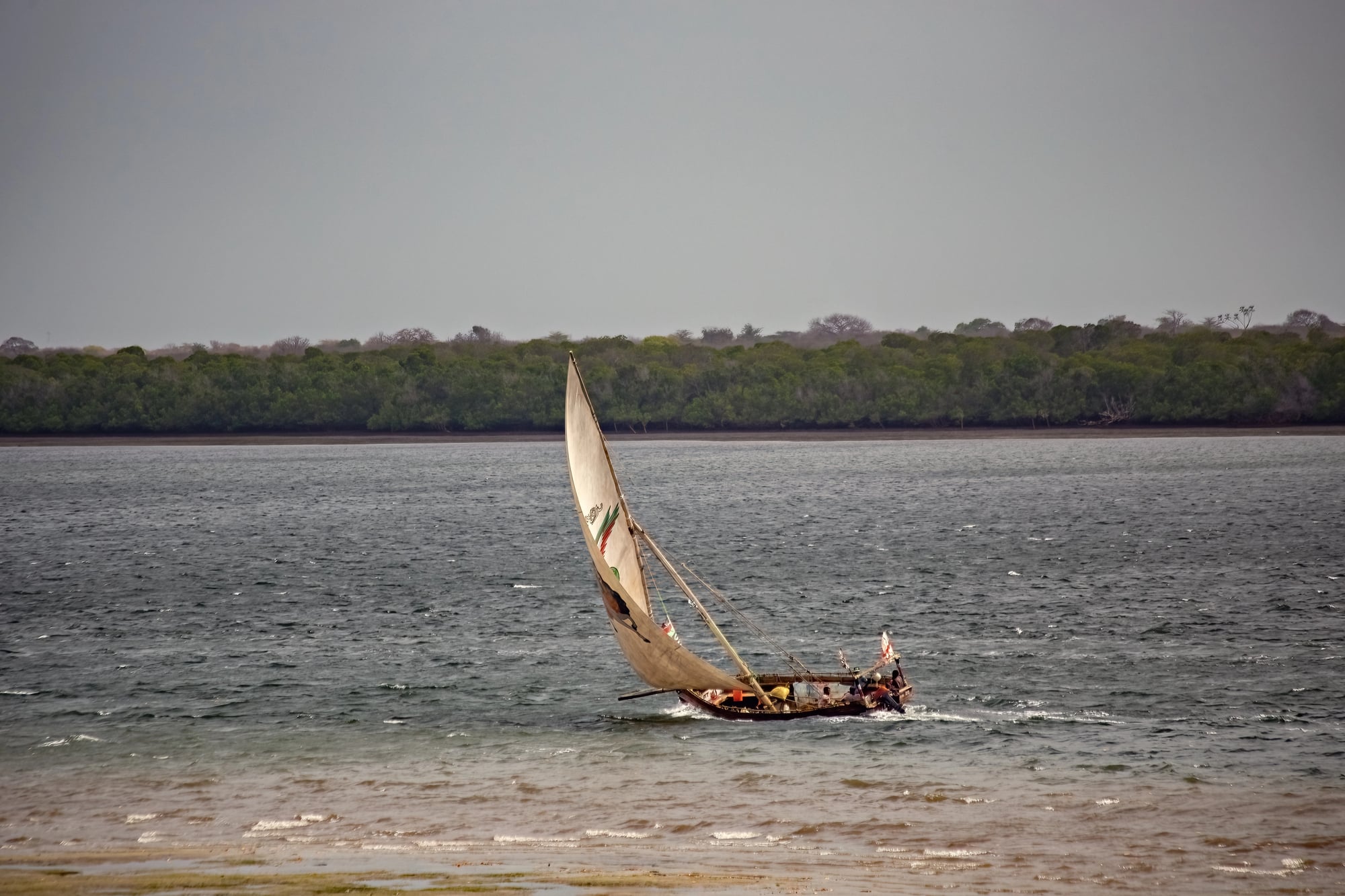
Off Kenya’s coast, Lamu Town represents the oldest continuously inhabited Swahili settlement, blending African, Arab, Persian, and Indian influences into a distinct cultural identity. The island maintains traditional dhow sailing boat building, with techniques passed down through generations.
The architecture features intricate wooden doors, hidden rooftop terraces for women’s gatherings, and narrow streets designed for donkey traffic rather than vehicles.
Island Keepers
Islands remind us that humanity flourishes not despite isolation but sometimes because of it. These cultural treasures face significant challenges from globalization, climate change, and tourism pressure.
Each island mentioned represents not just a geographic location but a unique approach to human existence—alternative pathways our species has developed for building communities, relating to nature, and finding meaning in our shared world. Their continued survival enriches our understanding of what it means to be human.
More from Go2Tutors!

- The Romanov Crown Jewels and Their Tragic Fate
- 13 Historical Mysteries That Science Still Can’t Solve
- Famous Hoaxes That Fooled the World for Years
- 15 Child Stars with Tragic Adult Lives
- 16 Famous Jewelry Pieces in History
Like Go2Tutors’s content? Follow us on MSN.