15 Pulitzer Prize-Winning Photos That Changed the World
Some photographs don’t just document history — they shape it. A single image, captured in a fraction of a second, can shift public opinion, end wars, or force people to confront realities they’d rather ignore.
The Pulitzer Prize for Photography has recognized those moments since 1942, honoring the photographers brave or fortunate enough to be in the right place when history cracked open. These fifteen images are not easy to look at.
Some are triumphant. Many are devastating.
All of them made the world pay attention.
1. Raising the Flag on Iwo Jima — Joe Rosenthal, 1945
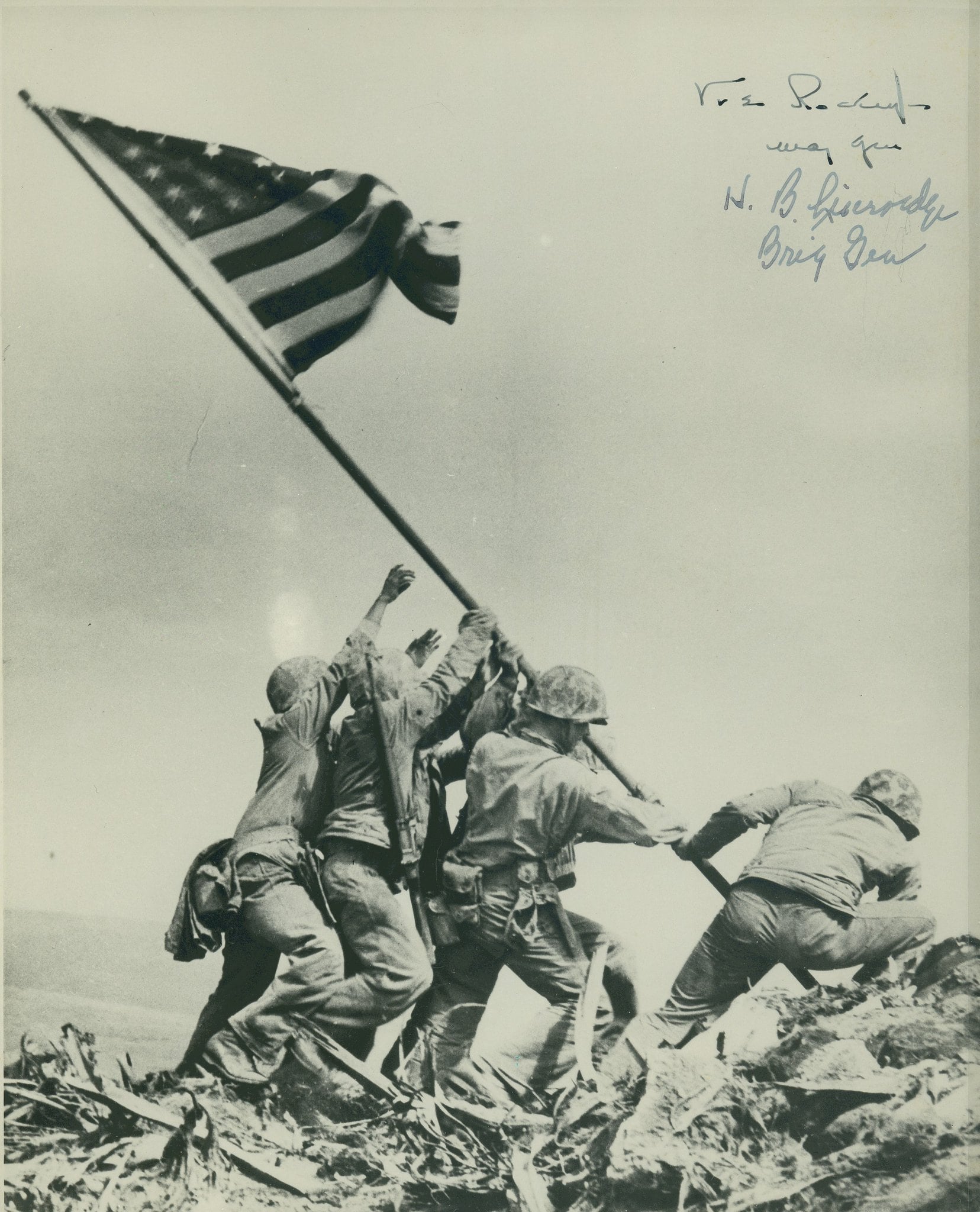
On February 23, 1945, six U.S. Marines raised a flag atop Mount Suribachi during one of the bloodiest battles of World War II. Joe Rosenthal was there with his camera.
The photo ran in newspapers within days and became an immediate symbol of American sacrifice and determination. It was used in war bond drives, inspired the Marine Corps War Memorial in Washington, and remains one of the most reproduced photographs in history.
Rosenthal won the Pulitzer that same year. Three of the six men in the frame were killed in action before the battle ended.
2. The Burning Monk — Malcolm Browne, 1963
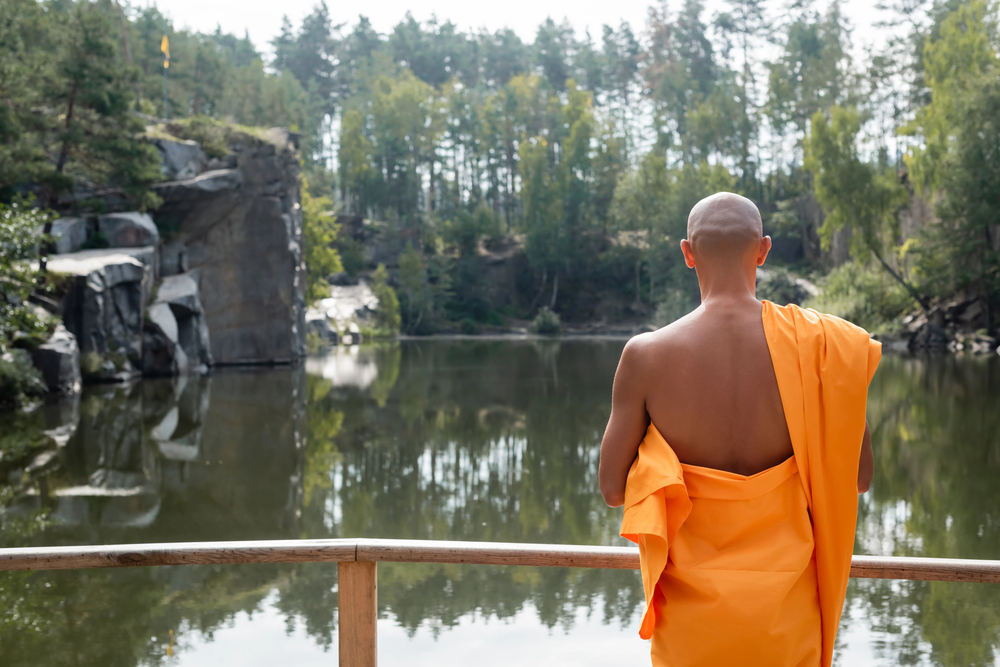
On a Saigon street corner, Thich Quang Duc, a Vietnamese Buddhist monk, set himself on fire in protest against the persecution of Buddhists by the South Vietnamese government. Malcolm Browne photographed it all.
The image reached President Kennedy, who reportedly said, “No news picture in history has generated so much emotion around the world.” It helped accelerate the fall of South Vietnam’s Diem regime.
Browne won the World Press Photo of the Year for it — one of several major awards the image swept.
3. Saigon Execution — Eddie Adams, 1969
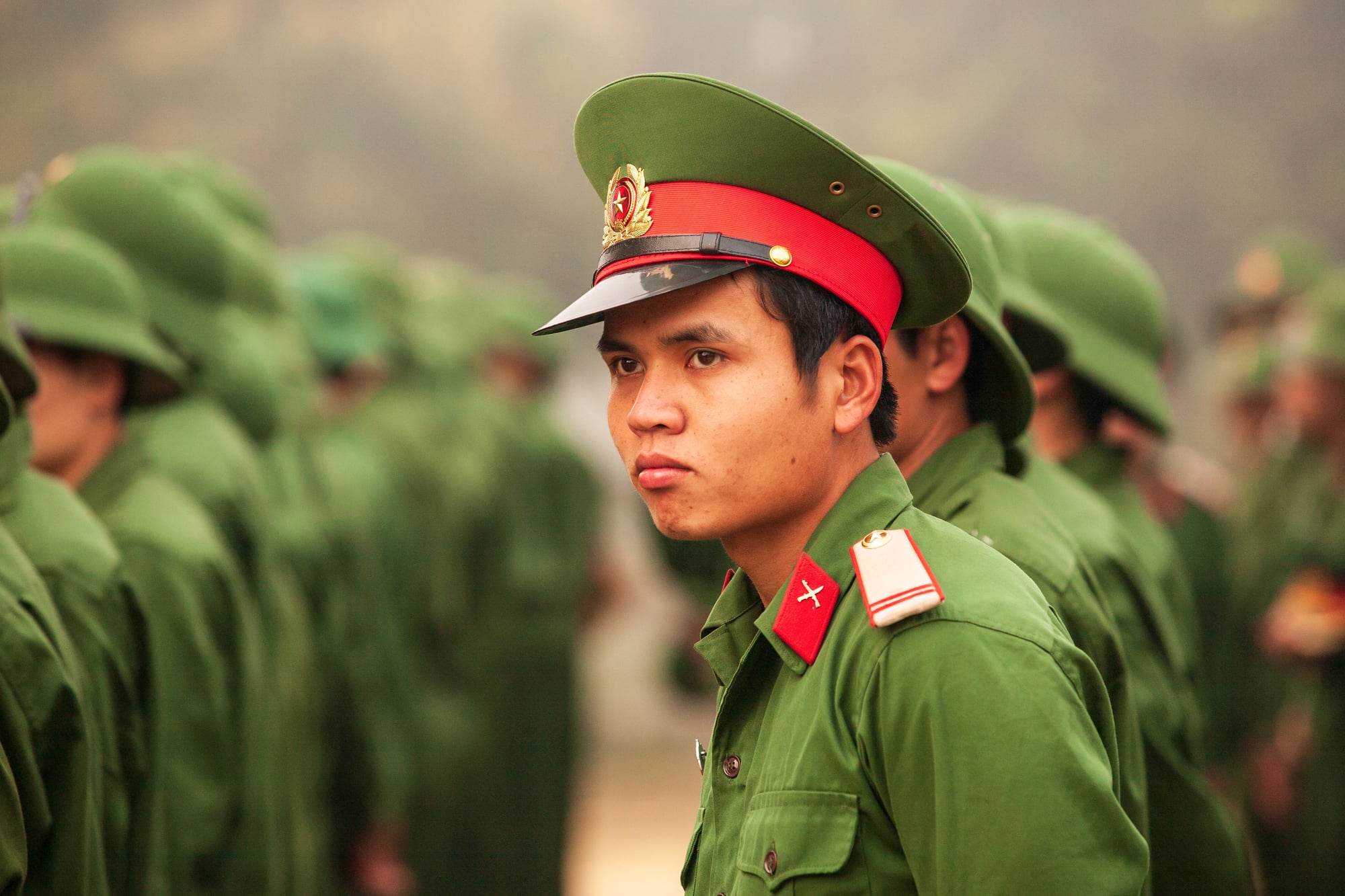
On February 1, 1968, South Vietnamese General Nguyen Ngoc Loan raised a pistol to the head of a Viet Cong prisoner named Nguyen Van Lem and pulled the trigger. Eddie Adams captured the exact moment.
The photo won the Pulitzer Prize for Spot News Photography and became one of the defining images of anti-war sentiment in America. Adams himself had complicated feelings about the image for the rest of his life.
He later wrote that two men died because of it — one from the bullet, one from the public’s verdict on his character, without context. The general spent the rest of his days running a pizza restaurant in Virginia, recognized everywhere he went.
4. Kent State — John Paul Filo, 1971

On May 4, 1970, National Guard soldiers opened fire on student protesters at Kent State University in Ohio, killing four people. John Paul Filo, a student himself, photographed the aftermath — a fourteen-year-old runaway named Mary Ann Vecchio kneeling over the body of Jeffrey Miller, arms outstretched, screaming.
The image won the Pulitzer for Spot News Photography. It appeared on the front page of newspapers worldwide and helped crystallize opposition to the Vietnam War in America.
Neil Young wrote “Ohio” after seeing it. Vecchio, recognized everywhere she went afterward, struggled for years with the unwanted attention.
She was just a teenager who happened to be there.
5. The Terror of War — Nick Ut, 1972
Nine-year-old Phan Thi Kim Phuc is running toward the camera. Her clothes have been burned off by a napalm attack on her village.
She is screaming. Other children run beside her.
South Vietnamese soldiers walk calmly in the background. Nick Ut took the photo on June 8, 1972, and immediately drove Kim Phuc to a hospital before filing the image.
His editors at the Associated Press debated whether to run it — the subject was a child. They ran it.
It won the Pulitzer in 1973 and is widely credited with accelerating the end of U.S. involvement in Vietnam. Kim Phuc survived.
She and Nick Ut remained close for decades.
6. Burst of Joy — Slava Veder, 1974
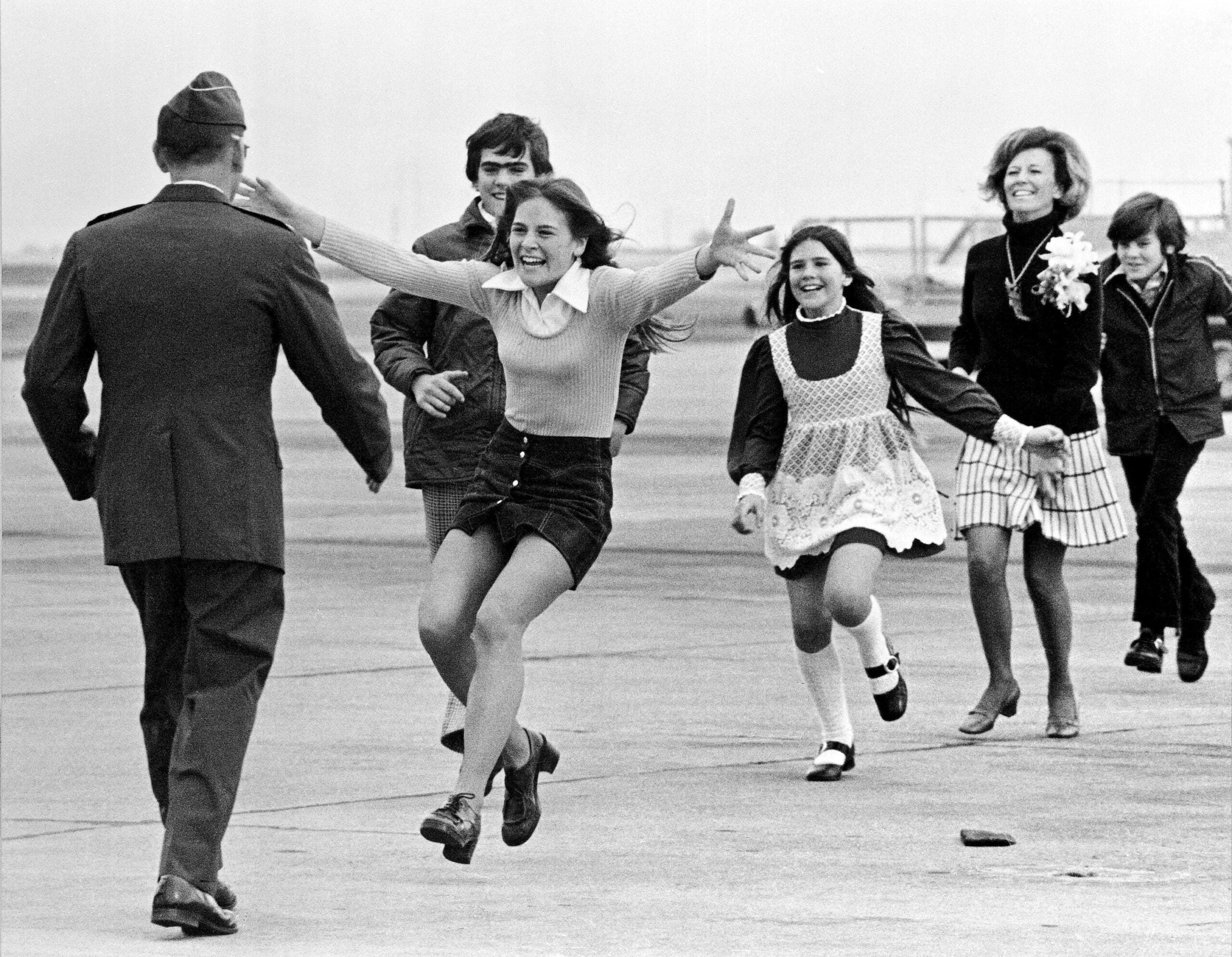
Colonel Robert Stirm had been a prisoner of war in North Vietnam for nearly six years. On March 17, 1973, he stepped off a plane at Travis Air Force Base in California.
His daughter Lorrie, then fifteen, sprinted toward him with her arms wide open, the rest of the family fanning out behind her in a blur of joy. Slava Veder’s photograph won the Pulitzer for Feature Photography and became a counterpoint to years of grief-soaked war imagery.
What makes it remarkable is how unstaged it looks — pure, forward motion, a family mid-collision. What wasn’t visible in the photo was that Stirm had received a letter on that same day telling him his wife wanted a divorce.
That information only became widely known decades later.
7. Fire Escape Collapse — Stanley Forman, 1976
In Boston, a fire broke out in a Back Bay apartment building in July 1975. A fire escape buckled under the weight of a woman and a young child as firefighters tried to reach them.
Stanley Forman photographed the moment they fell. The child, Diana Bryant, survived after falling onto the woman, who did not.
The image was harrowing and immediate in a way that still unsettles people today. It won the Pulitzer for Spot News Photography and directly led to new fire escape safety codes across the United States.
Buildings were inspected. Laws changed.
The photo did what journalism is supposed to do.
8. Reagan Assassination Attempt — Ron Edmonds, 1982
On March 30, 1981, John Hinckley Jr. opened fire outside a Washington hotel, wounding President Reagan and several others. Press secretary James Brady was shot in the head and collapsed on the sidewalk.
Ron Edmonds of the Associated Press was there with his camera. The images Edmonds captured — Brady on the ground, agents scrambling, chaos unfolding — won the Pulitzer for Spot News Photography.
Brady survived but was left partially paralyzed. He and his wife Sarah spent decades afterward advocating for gun control legislation, and the Brady Bill — the background check law — bears his name.
A photograph doesn’t always just record history. Sometimes it feeds directly into what comes next.
9. Grief — Anthony Suau, 1987
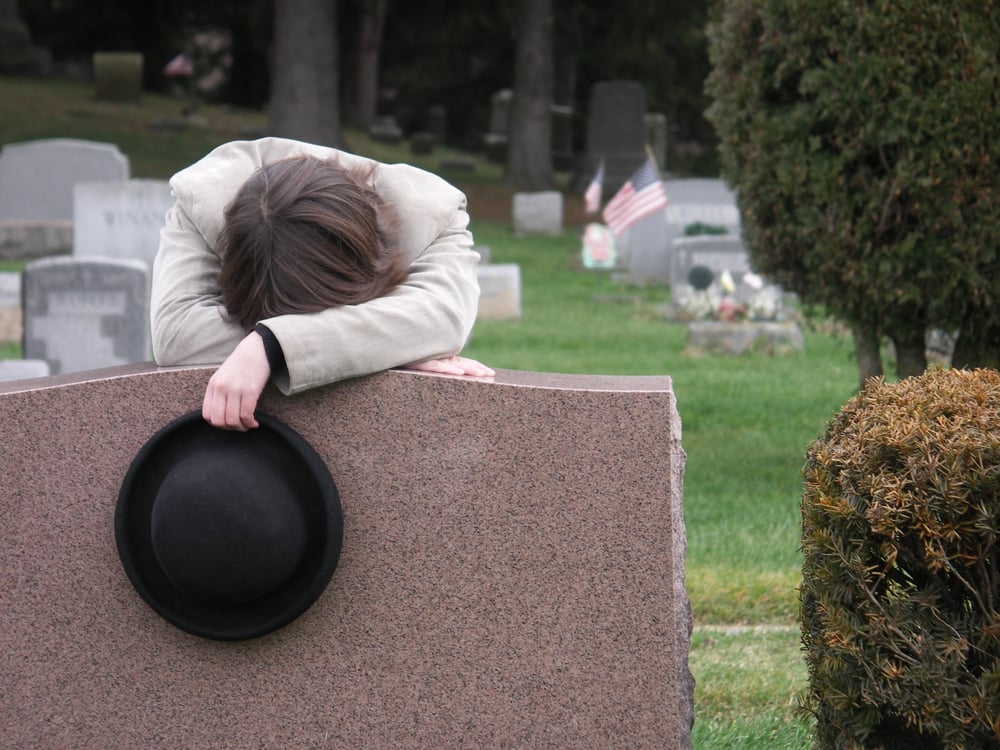
A woman lies draped across a grave in South Korea, weeping. The grave belongs to her husband, killed during political unrest.
The photograph is quiet and crushing in equal measure. Anthony Suau won the Pulitzer for Feature Photography for this image.
It’s less famous than many others on this list, but it captures something that conflict photography often misses: what happens after. Not the moment of violence, but the permanent absence it creates.
10. The Weeping Soldier — David Turnley, 1991
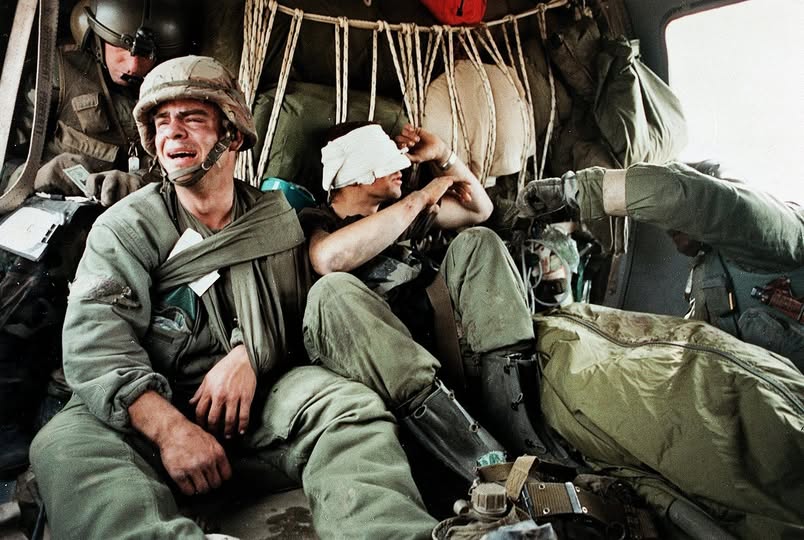
During the Gulf War, Specialist Kenneth Kozakiewicz wept openly inside a military vehicle after learning that the body bag next to him contained his friend, killed by friendly fire. David Turnley photographed the moment.
The image ran on the front page of hundreds of newspapers and won the Pulitzer for Spot News Photography in 1991. It cut through the sanitized, triumphant coverage of what was sometimes called “the video game war” and put a human face on what military operations actually cost.
Kozakiewicz later said he was glad the photo existed, that his grief deserved to be seen.
11. Vulture and Child — Kevin Carter, 1993
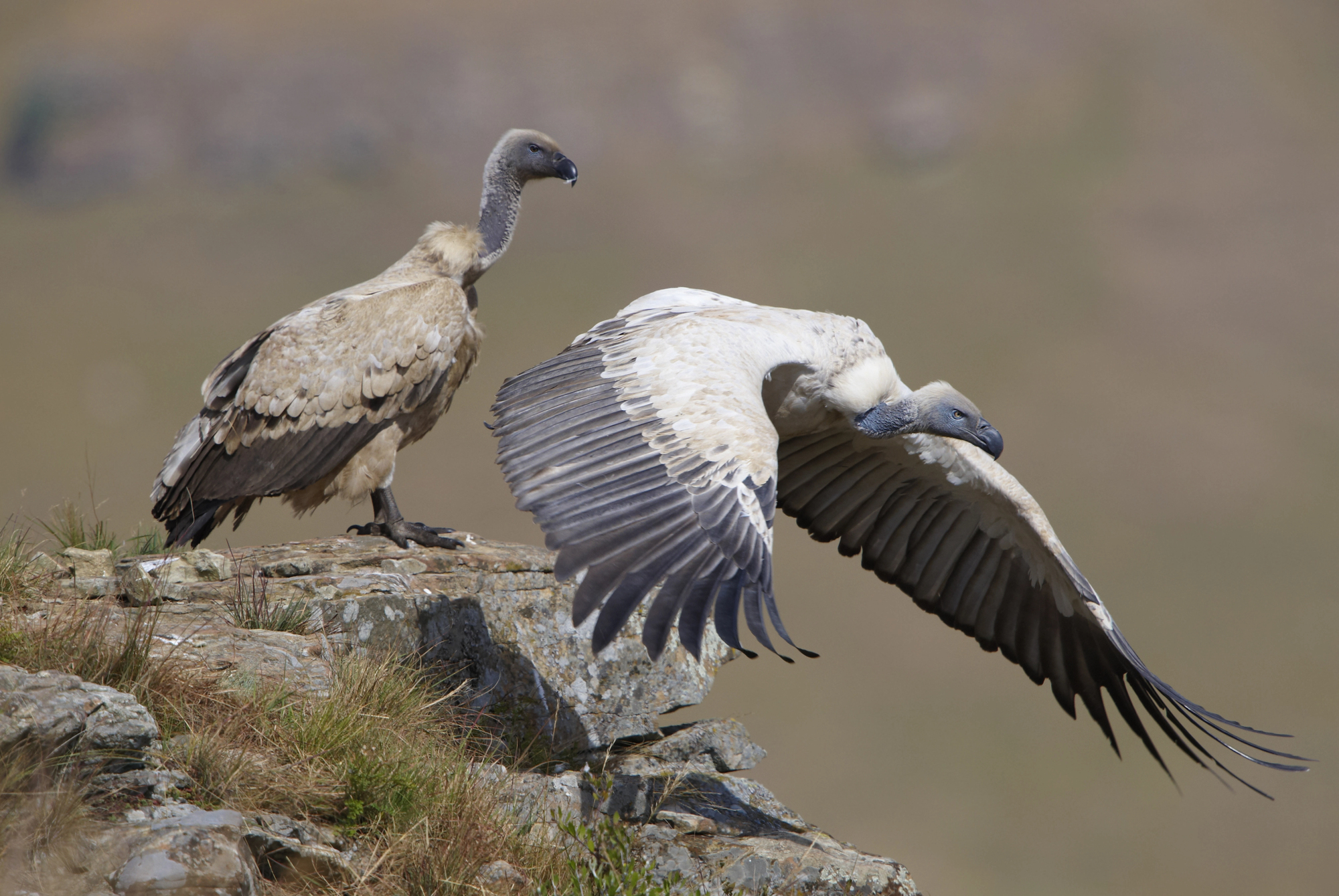
A vulture waits. A small child, collapsed on the ground in southern Sudan, is trying to reach a food station.
The bird is patient. Kevin Carter took the photograph in 1993 during the famine crisis in Sudan.
It ran in the New York Times and triggered an enormous response from readers asking what happened to the child. Carter won the Pulitzer in 1994.
The questions about whether he helped the child, and the ethical weight of documenting suffering without intervening, followed him for the rest of his short life. He died that same year at 33.
The photo continues to appear in journalism ethics courses and debates about the responsibilities of photographers in crisis zones.
12. Oklahoma City Bombing — Charles Porter IV, 1996
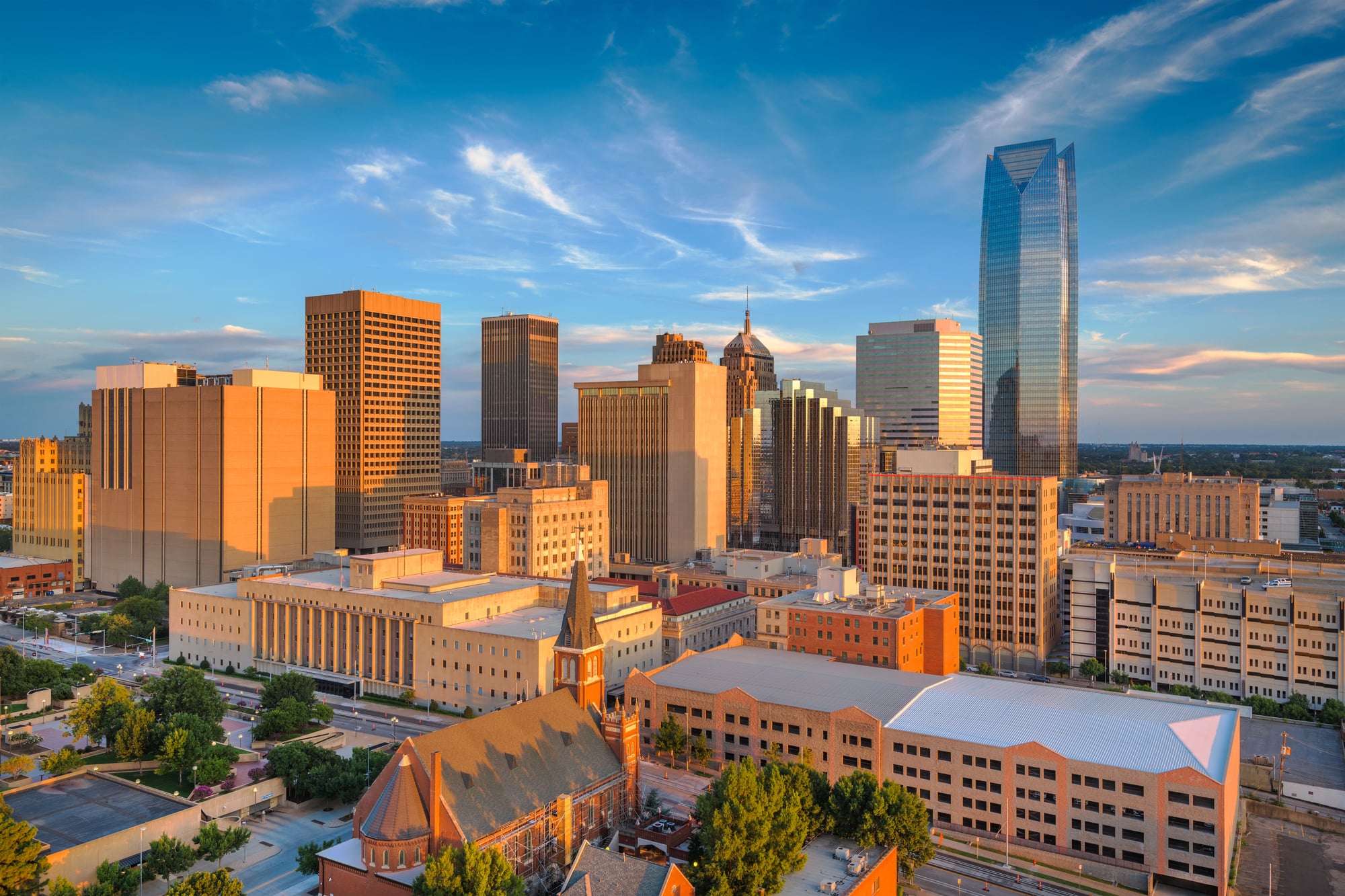
On April 19, 1995, a truck bomb destroyed the Alfred P. Murrah Federal Building in Oklahoma City, killing 168 people, including 19 children in a daycare center. In the chaos that followed, a firefighter named Chris Fields carried a dying baby girl, Baylee Almon, toward medics.
Charles Porter IV, a bank employee who happened to have a camera, took the photograph. It ran everywhere, won the Pulitzer for Spot News Photography, and put a face on a domestic act of mass violence that had stunned the country.
Porter was not a professional photographer. He was just there, and he paid attention.
13. Kosovo Refugee Baby — Carol Guzy, 2000
In 1999, Albanian refugees fled Kosovo during the ethnic cleansing campaign carried out by Serbian forces. Carol Guzy and her colleagues at the Washington Post photographed the exodus — including an image of a small child being lifted over the barbed wire of a refugee camp fence by a stranger, passed hand to hand into safety.
The image is almost unbearable in its tenderness. Guzy and her colleagues won the Pulitzer Prize for Breaking News Photography.
She has won the award more times than any other photographer in history, and the Kosovo work stands among her most significant.
14. Falling Man — Richard Drew, 2001

A man fell from the North Tower on September 11, 2001 – Richard Drew captured it in a photograph. Though printed briefly across various papers, editors quickly withdrew it, finding the scene unbearable.
Years passed without its reappearance. Rarely shared, it became one of those images people knew but never saw.
The picture would not fade away. A film crew turned it into a documentary, a writer shaped it into fiction, while arguments kept circling around what news outlets truly owe people during mass tragedies.
Nobody ever pinned down exactly who he was. This frame holds space for truths absent from official reports – choices made midair when flames closed in, events unfolding before eyes on the ground, silence where answers should live.
15. Tarana – Massoud Hossaini 2012
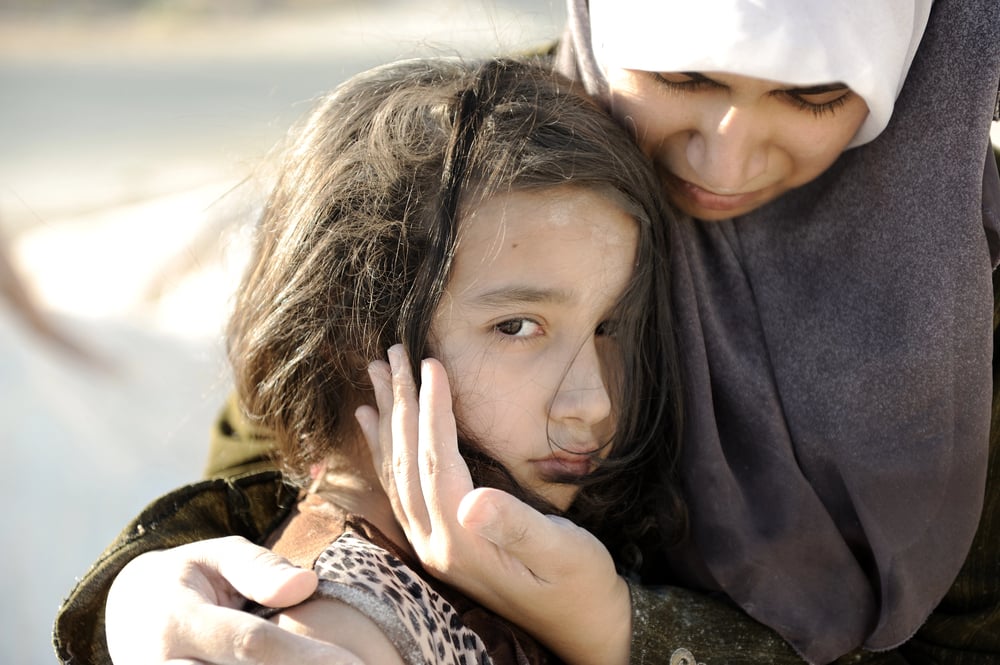
A blast ripped apart a gathering of Shia worshippers near Kabul on December 6, 2011, claiming over eighty lives at the Abul Fazl shrine. Following the explosion, Massoud Hossaini captured an image: Tarana Akbari, a small child frozen mid-scream, encircled by debris, corpses, smeared red.
Awarded the 2012 Pulitzer Prize for Breaking News Photography, the photo captured Tarana – alive when her family was not. Around the globe it traveled, suddenly spotlighting once again the civilians caught in a ten-year war slipping out of public view.
Though long ignored, the moment found its way back into conversation. Silence followed loss; images spoke after.
When Hossaini snapped that image, he wasn’t just capturing pain – he was breathing it. An Afghan lensman for Agence France-Presse, he stayed while others fled.
His camera became a quiet act of defiance amid chaos. That frame does more than show sorrow – it holds it.
Not every witness arrives from afar; sometimes they’re born into the story. History often leans on those who endure it, not just observe.
What a Camera Can and Cannot Do
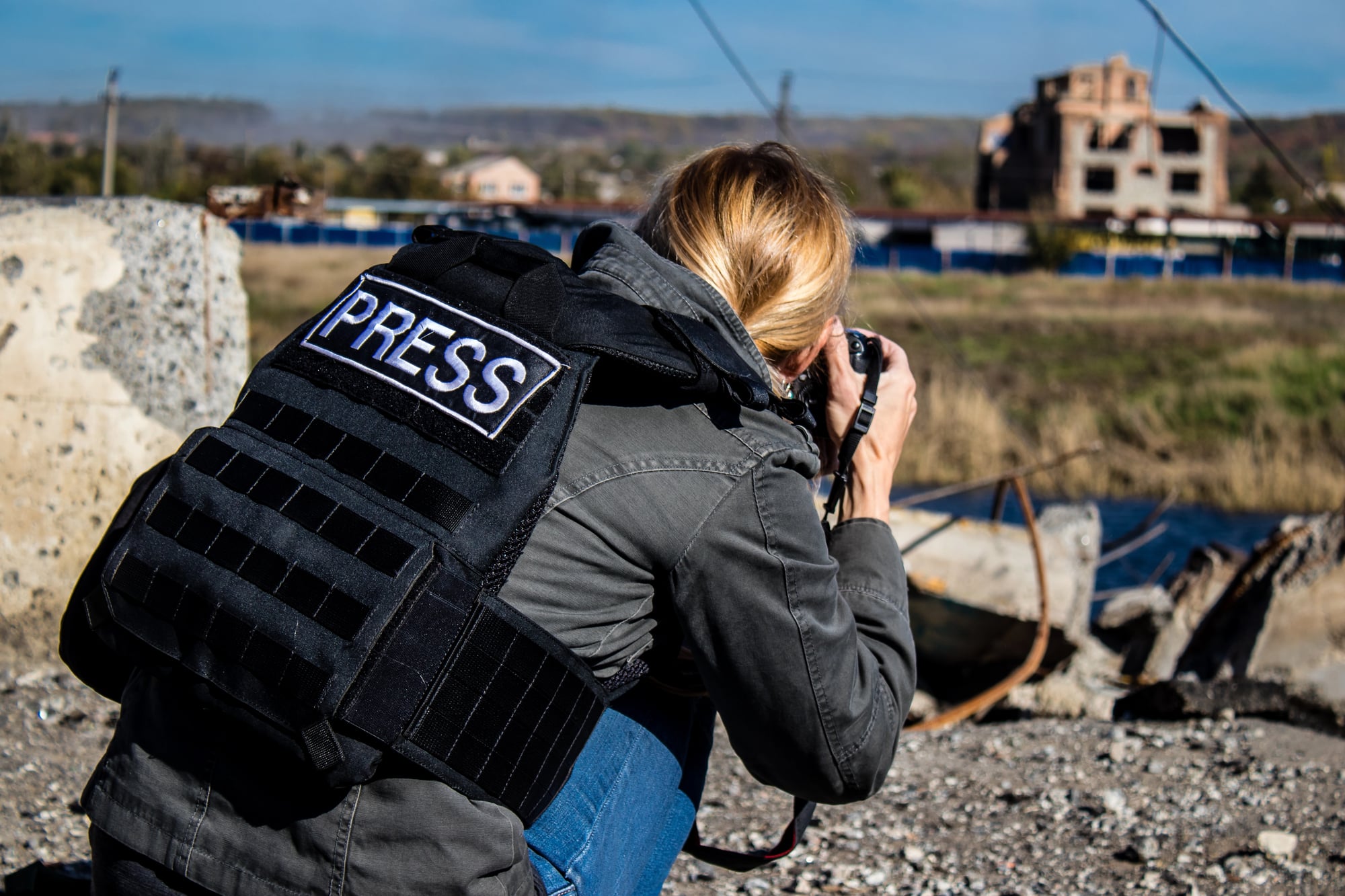
Noticing these fifteen pictures side by side reveals small truths. Although cameras capture real moments, their reach has limits.
One instant gets locked down while nearly every other moment slips away untouched. A chosen view appears – yet always leaves some part out.
To take a photo means making cuts without saying so. Still.
Those photos shifted nations. Laws bent because of them.
Careers collapsed while talks began – talks that stretched across years. From cozy corners, eyes turned toward distant struggles.
Looking elsewhere became nearly impossible. Behind each image are people – pros or just folks nearby when things unfolded – deciding to click the camera rather than look away.
In seconds filled with disorder, sorrow, or change, that act became the way key moments reached the world. A lens just sits there, doing nothing.
Yet turning your head can be just as empty.
More from Go2Tutors!

- The Romanov Crown Jewels and Their Tragic Fate
- 13 Historical Mysteries That Science Still Can’t Solve
- Famous Hoaxes That Fooled the World for Years
- 15 Child Stars with Tragic Adult Lives
- 16 Famous Jewelry Pieces in History
Like Go2Tutors’s content? Follow us on MSN.



