14 School Policies That Sound Fake But Were 100% Real
Schools have always been laboratories for educational theories and behavioral management strategies. Sometimes these experiments in learning resulted in policies that might make modern students and parents do a double-take.
From dress code extremes to bizarre punishment methods, these institutional rules actually appeared in student handbooks and school regulations across America and beyond. Here is a list of 14 school policies that seem too outlandish to be true, yet were absolutely enforced in educational institutions at one point or another.
No Backpacks Allowed
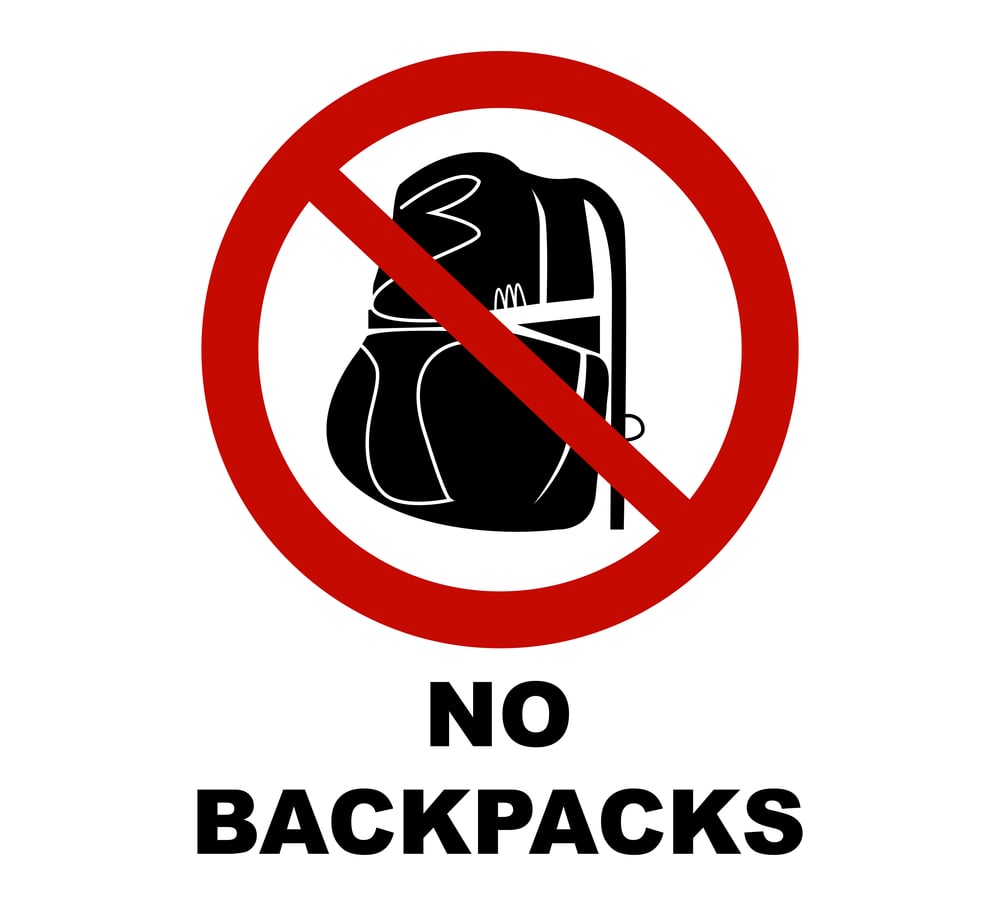
In the late 1990s and early 2000s, numerous schools across America banned backpacks from classrooms and hallways. Students were required to visit their lockers between every class, carrying books by hand throughout the day.
Administrators claimed the policy reduced classroom clutter and eliminated potential hiding places for prohibited items. The impracticality became obvious when students began developing shoulder problems from awkwardly carrying stacks of textbooks and supplies between classes.
Bathroom Pass Limits

Several schools implemented policies allowing students only three bathroom passes per semester. Once these passes were used, students either received detention for additional bathroom visits or had their grades lowered for exceeding their allotment.
The policy aimed to minimize class disruptions but created medical concerns for students with health conditions and forced many to choose between their physical comfort and academic standing.
Like Go2Tutors’s content? Follow us on MSN.
Mandatory School Haircuts

Until the 1970s, numerous American public schools maintained strict hair length policies for male students, requiring hair to be above the collar and ears. Some institutions took this even further—several schools in Japan still enforce mandatory haircuts, requiring all students to have identically styled short black hair, prohibiting any natural variation including natural curls or non-black hair colors.
Students violating these rules face regular disciplinary action including public humiliation.
Silent Lunch Periods

Several elementary and middle schools throughout the 1980s and 1990s implemented mandatory silent lunch periods where students were forbidden from speaking to one another during their entire meal time. Administrators believed this would reduce cafeteria chaos and improve student behavior in afternoon classes.
The social development implications were largely ignored until child psychologists began advocating against the practice as detrimental to children’s social growth.
Writing Lines as Punishment

While seeming like something from an old movie, many schools throughout the 20th century required misbehaving students to write repetitive sentences hundreds of times as discipline. Students might be assigned to write “I will not talk in class” 500 times, sometimes keeping children after school for hours.
The practice persisted in some districts until the early 2000s when educational psychologists pointed out that associating writing with punishment created negative relationships with literacy skills.
Like Go2Tutors’s content? Follow us on MSN.
No Red Ink for Teachers

Several school districts in the United Kingdom and parts of the United States prohibited teachers from using red pens to mark student work. Administrators believed red markings caused psychological stress and damaged student confidence.
Teachers were instead required to use purple, green, or other “less threatening” colors when grading papers. This policy gained traction in the 2000s despite lacking substantive research support.
Mandatory Sock Color Rules

Some private and parochial schools enforced strict policies about sock colors, requiring white socks exclusively with no patterns or variations permitted. Students wearing the wrong sock color faced detention or being sent home to change.
One Connecticut prep school went so far as to conduct random “sock checks” where students had to pull up their pant legs for inspection by administrators during morning assemblies.
No Outside Food Policy
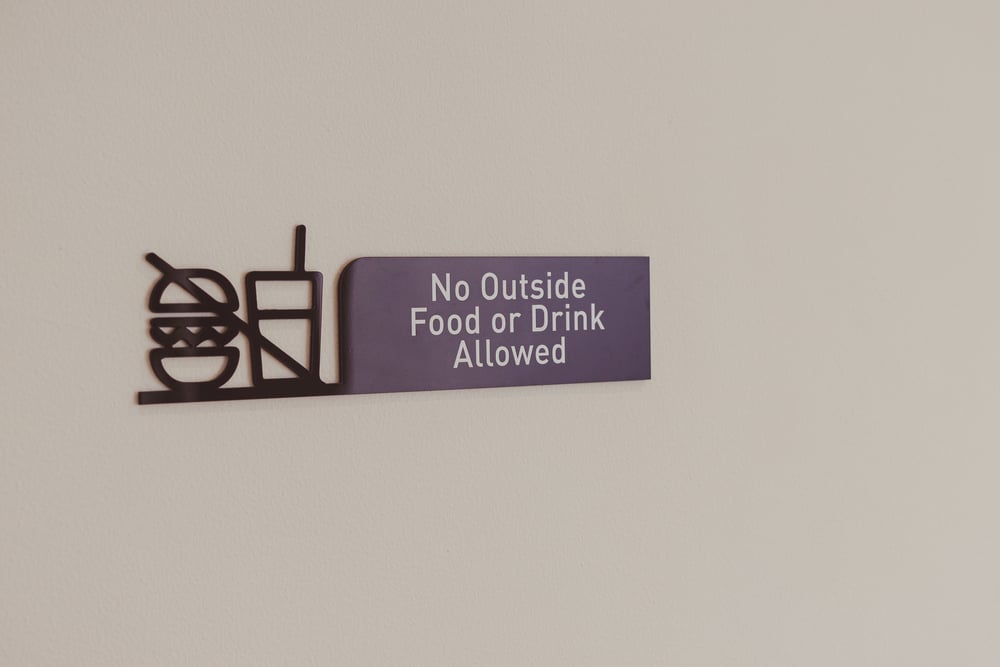
Certain school districts banned all outside food from campus—not just during lunch periods but for the entire day. This meant confiscating homemade lunches, birthday treats, and even medical dietary supplements in some cases.
The policy allegedly aimed to control allergen exposure and nutritional standards but primarily benefited contracted food service providers with cafeteria monopolies.
Like Go2Tutors’s content? Follow us on MSN.
One-Way Hallway Systems

Post-pandemic policies weren’t the first time schools implemented one-way hallway systems. In the 1980s, several larger high schools created elaborate one-directional hallway routes that forced students to walk the entire perimeter of buildings to reach adjacent classrooms.
These traffic management systems often made one-minute classroom transitions impossible, while administrators punished tardiness regardless of the architectural barriers they’d created.
Stand When Adults Enter

Until surprisingly recently, many schools required all students to immediately stand when any adult entered the classroom. This Victorian-era policy persisted in public schools throughout America until the 1970s and continues today in some private institutions.
Students who failed to stand quickly enough often faced disciplinary action ranging from verbal reprimands to detention.
No Talking During Lunch Line

Some schools enforced complete silence in cafeteria lines, with monitors stationed to record the names of students who spoke while waiting for food. In particularly strict institutions, speaking in line resulted in being sent to the back or losing lunch privileges altogether.
This practice gained popularity during the “zero tolerance” discipline era of the 1990s as administrators sought complete control of student behavior.
Like Go2Tutors’s content? Follow us on MSN.
Ban on Birthday Celebrations

Multiple public school districts across America banned all birthday acknowledgments, including prohibiting cupcakes, cards, and even verbal “happy birthday” wishes. Administrators cited concerns about food allergies, socioeconomic disparities between students, and instructional time protection.
Parents in several districts successfully fought against these policies after children reported feeling singled out and embarrassed on their birthdays.
Mandatory School-Issued Calculators

During the early calculator revolution, certain math departments required students to purchase specific calculator models exclusively through the school at marked-up prices. Students found using non-school calculators received automatic grade reductions even when their devices had identical functionality.
This policy often functioned as an unofficial revenue stream for underfunded departments trying to supplement their budgets.
Playground Running Ban

Elementary schools across several states implemented “no running” policies on playgrounds during the safety-focused 1990s. Children were limited to walking during recess regardless of the activity or game being played.
Some schools painted “walking only” zones covering entire playground surfaces and issued detentions to students caught running during their free time, effectively removing physical exercise from the school day.
Like Go2Tutors’s content? Follow us on MSN.
When Rules Become Unreasonable

Education has always balanced structure with flexibility, but these examples demonstrate how institutional policies sometimes prioritize control over common sense. Today, most schools recognize that effective rules should support student development rather than administrative convenience.
While strict policies haven’t disappeared entirely from modern education, growing emphasis on student well-being has eliminated many of these more extreme regulations that once governed American classrooms.
More from Go2Tutors!

- 18 Unexpectedly Valuable Collectibles You Might Have Lying Around
- 20 Little-Known Historical Battles That Had Huge Consequences
- 20 Historical Artifacts That Scientists Can’t Explain
- 15 Inventions That Were Immediately Banned After Being Created
- 20 Actors Who Were Almost Cast in Iconic Roles
Like Go2Tutors’s content? Follow us on MSN.