Truths About the Tallest Mountain Peaks in Asia
Asia holds some of the most impressive mountain ranges on Earth, and these towering peaks have fascinated climbers, adventurers, and curious minds for generations. The continent dominates when it comes to extreme heights, with every single one of the world’s tallest mountains calling Asia home.
These giants aren’t just piles of rock and ice though. They come with wild stories, surprising facts, and conditions that push human limits in ways most people can’t imagine.
So what makes these peaks so special, and what truths hide behind their famous names? Here’s what really goes on up there.
Mount Everest Isn’t Growing, It’s Actually Shrinking Slightly
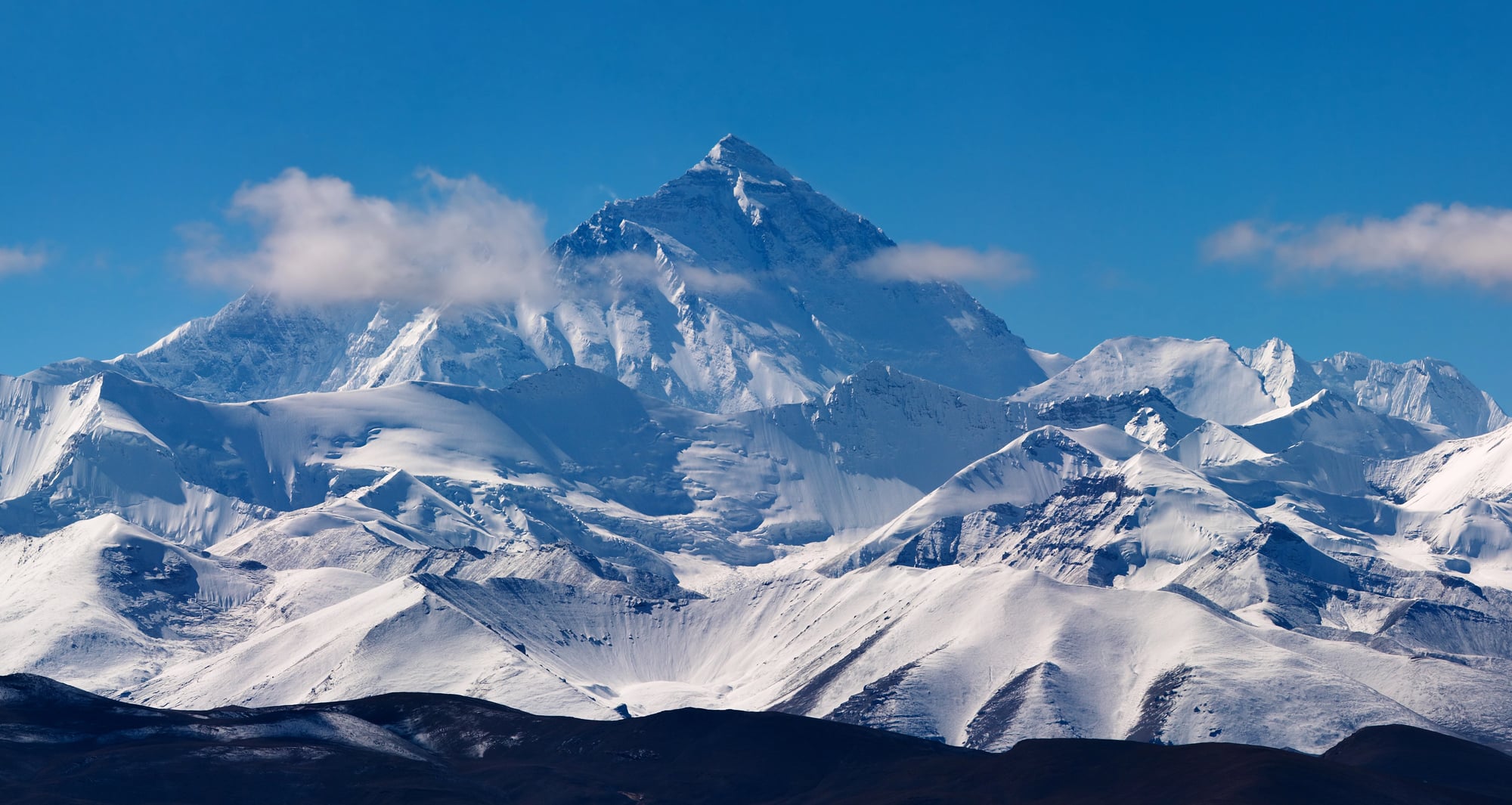
Most people think Everest just keeps getting taller, but that’s not quite right. The mountain does rise a tiny bit each year because of tectonic plate movement, but erosion from wind, ice, and weather chips away at the summit faster than it grows.
Scientists measured the peak at 29,032 feet for decades, but a 2020 survey by China and Nepal agreed on 29,031.7 feet after accounting for snow depth. The difference might seem small, but it shows that even the tallest mountain on Earth can’t escape nature’s constant reshaping.
K2 Kills One Person For Every Four Who Reach The Top

While Everest gets all the attention, K2 in the Karakoram Range has earned a reputation as the real killer. The death rate on this 28,251-foot peak sits around 25 percent, making it far more dangerous than its taller neighbor.
Steep slopes, unpredictable weather, and technical climbing challenges turn K2 into what mountaineers call ‘the savage mountain.’ Unlike Everest, there’s no easy route up, and rescue operations become nearly impossible when things go wrong.
Kangchenjunga Has Never Been Fully Summited Out Of Respect
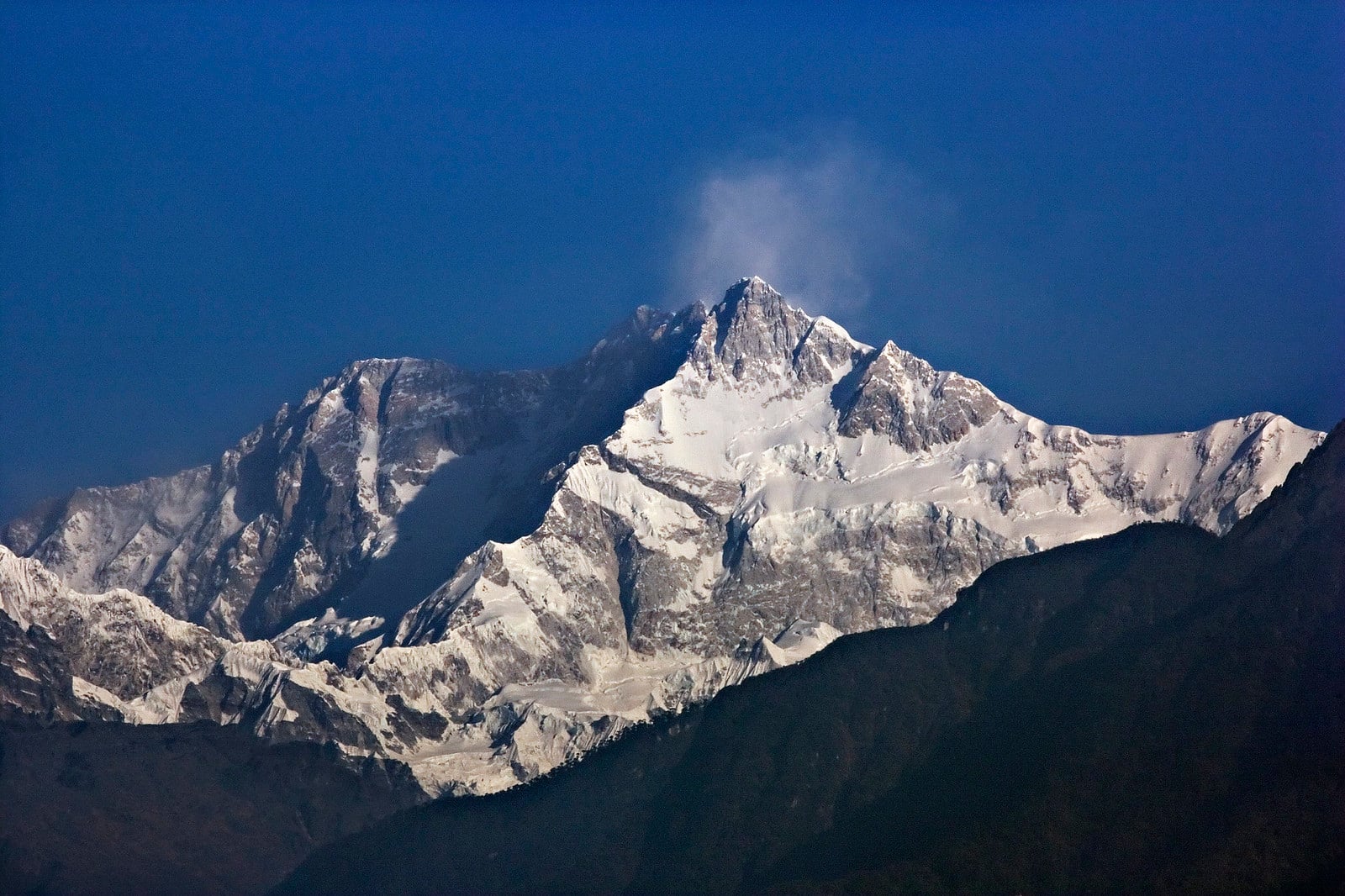
The world’s third tallest mountain sits on the border between Nepal and India, reaching 28,169 feet into the sky. Every climber who attempts this peak stops a few feet short of the true summit because local communities consider the very top sacred ground.
This tradition started in 1955 when the first successful team honored their promise to the local people, and every expedition since has followed the same practice. The mountain’s name means ‘five treasures of snow,’ referring to its five peaks that locals believe hold gold, silver, gems, grain, and holy books.
Lhotse Shares The Same Base Camp As Everest

Standing at 27,940 feet, Lhotse connects directly to Everest through the South Col, and climbers heading to either peak start from the same spot. Most people have never heard of Lhotse despite it being the fourth tallest mountain in the world.
The two peaks are so close that climbers often use the same route for much of their journey before splitting off. Lhotse’s south face features one of the steepest climbs in the Himalayas, with a nearly vertical wall of rock and ice that only the most skilled mountaineers dare to tackle.
Makalu Has One Of The Lowest Success Rates
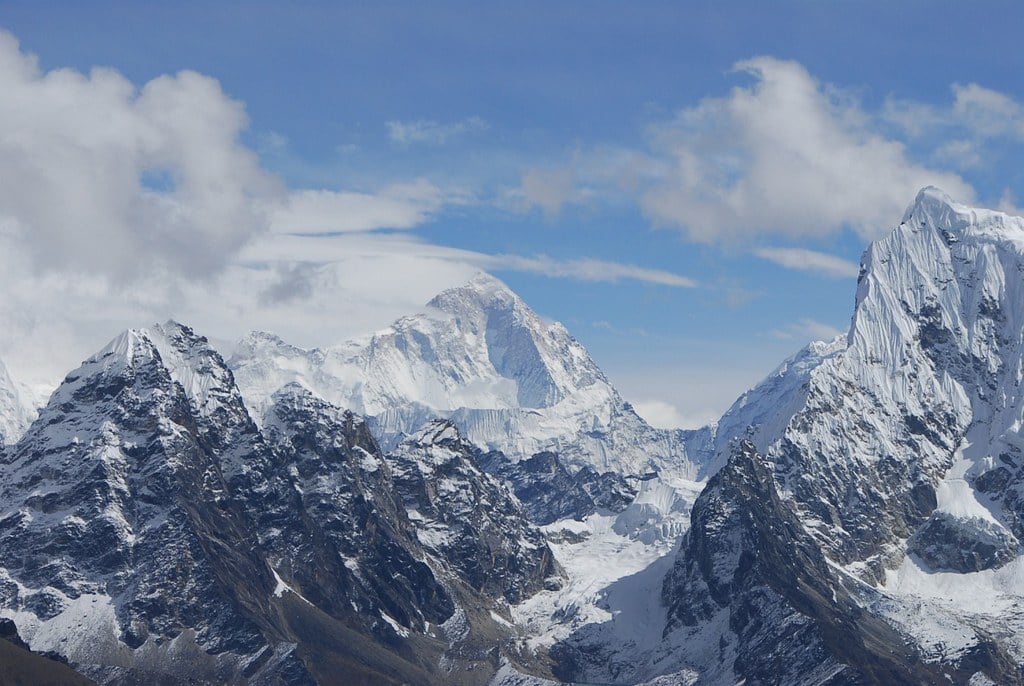
This pyramid-shaped giant rises to 27,838 feet and punishes climbers with its isolated location and brutal weather patterns. Only about 30 percent of people who attempt Makalu actually make it to the top, compared to roughly 60 percent on Everest.
The mountain sits just 14 miles from Everest but gets hit by storms that seem to target it specifically. Its four sharp ridges give it a distinctive appearance that you can spot from miles away, but those same ridges create wind tunnels that can knock climbers off their feet.
Cho Oyu Means ‘Turquoise Goddess’ And Lives Up To The Name
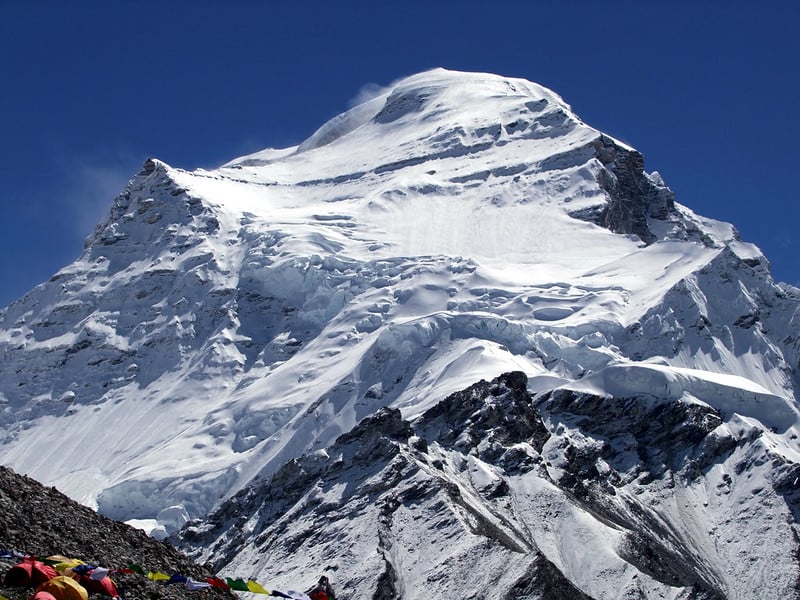
At 26,864 feet tall, Cho Oyu straddles the border between Nepal and Tibet with a beauty that matches its peaceful reputation. Climbers consider this the easiest of the world’s fourteen 8,000-meter peaks, though ‘easy’ is relative when you’re dealing with altitudes where the air holds half the oxygen of sea level.
The mountain’s name comes from the turquoise-tinted ice that covers its upper slopes when sunlight hits at certain angles. More people summit Cho Oyu each year than any other peak in its height range, making it a popular training ground for climbers preparing for Everest.
Dhaulagiri Went Unclimbed Longer Than Any Other Giant

This 26,795-foot monster in central Nepal stayed unconquered until 1960, years after climbers had topped Everest and several other major peaks. The name translates to ‘white mountain,’ which seems almost too simple for something so imposing.
Dhaulagiri’s south face drops nearly 15,000 feet in just over three miles, creating one of the steepest descents anywhere on the planet. The mountain’s remote location kept it off most expedition lists for decades, and even today it sees far fewer climbers than the more famous peaks nearby.
Manaslu’s Avalanches Make It A Gamble

Rising 26,781 feet in the Mansiri Himal range, Manaslu has claimed many lives through sudden avalanches that give climbers almost no warning. The mountain’s name means ‘mountain of the spirit,’ but locals also call it the ‘killer mountain’ after particularly deadly seasons.
In 2012, a single avalanche swept away 11 climbers in seconds, reminding everyone that even experienced teams can’t predict when thousands of tons of snow will let loose. Despite the risks, Manaslu attracts adventurers because it offers a less crowded alternative to Everest with equally stunning views.
Nanga Parbat Earned Its Nickname Through Tragedy

Known as the ‘killer mountain,’ this 26,660-foot peak in Pakistan took 31 lives before anyone reached its summit in 1953. The mountain rises dramatically from the Indus River valley, gaining over 23,000 feet in just seven horizontal miles.
That extreme rise creates weather patterns that can change from calm to deadly in minutes. German climbers particularly struggled with Nanga Parbat in the early 1900s, losing so many people that the mountain became a national obsession and tragedy.
Annapurna Has The Highest Death Rate Of All
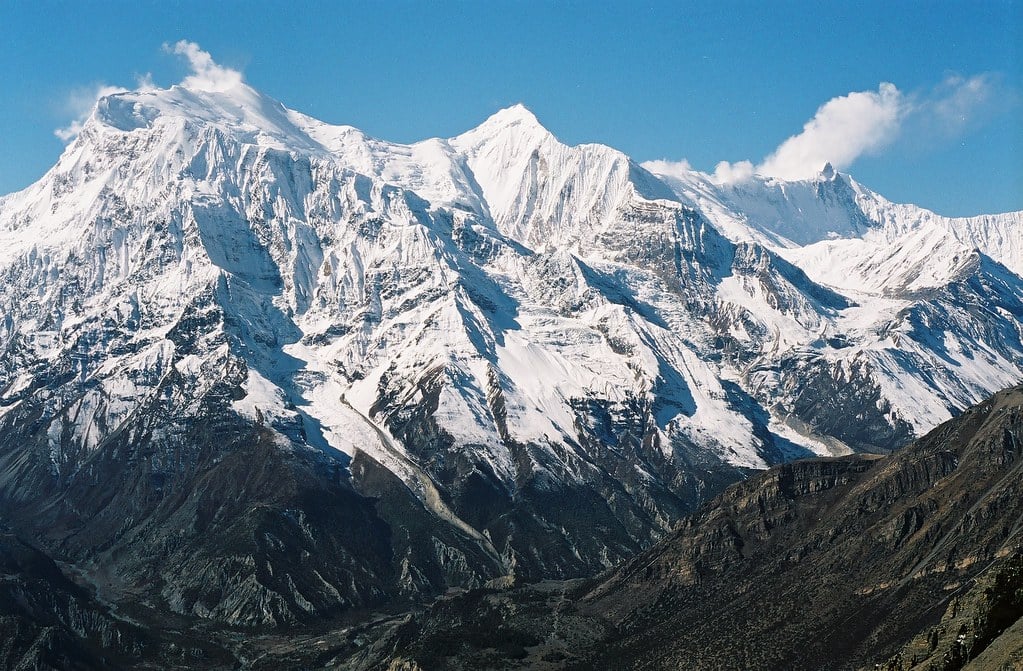
At 26,545 feet, Annapurna I holds the grim title of deadliest 8,000-meter peak, with roughly one death for every three successful summits. The entire Annapurna massif sprawls across 34 miles of the Himalayas, but the main peak concentrates all the worst hazards into one spot.
Avalanches, rockfall, and exposure to extreme weather combine to make this mountain more feared than K2 among serious climbers. The first ascent happened in 1950, making Annapurna the first 8,000-meter peak ever climbed, but that early success gave people false confidence about its dangers.
Gasherbrum I Hides In A Remote Corner

This 26,509-foot peak sits deep in the Karakoram Range, so far from civilization that just reaching base camp takes serious effort and planning. Locals call it ‘Hidden Peak,’ which makes perfect sense when you consider how the surrounding mountains conceal it from view.
Gasherbrum I doesn’t get much attention compared to nearby K2, but the climb involves technical challenges that separate casual adventurers from true mountaineers. The peak shares its immediate area with Gasherbrum II, III, and IV, creating a cluster of giants that dominate the landscape.
Broad Peak Got Its Name From An Obvious Feature

Standing 26,414 feet tall, Broad Peak features a summit ridge that stretches for over a mile, making the top look surprisingly flat from certain angles. The name came from British surveyor Martin Conway, who took one look and decided ‘Broad Peak’ described it better than any local term.
This mountain sits right next to K2 in the Karakoram, but its wider summit area means climbers face less exposure to deadly falls. The first successful climb happened in 1957 by an Austrian team that managed the feat without using bottled oxygen, a remarkable achievement for that era.
Gasherbrum II Attracts The Most Attempts In Karakoram

At 26,362 feet, Gasherbrum II sees more climbing traffic than any other peak in the Karakoram Range except K2. The relatively moderate technical difficulty makes it popular with climbers looking to bag an 8,000-meter peak without facing K2’s extreme risks.
That doesn’t mean it’s safe though. The mountain still kills people regularly, especially when they underestimate the altitude and weather.
The approach through the Baltoro Glacier takes about a week, giving climbers plenty of time to soak in views of some of Earth’s most dramatic scenery.
Shishapangma Is The Baby Of The Family
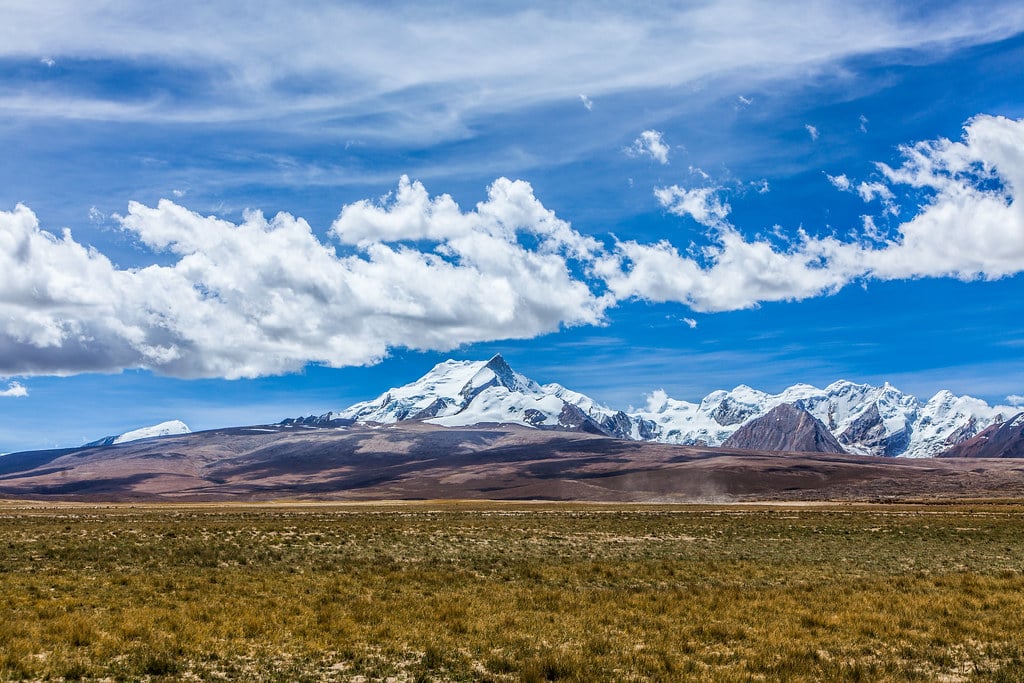
The world’s 14th tallest mountain reaches 26,335 feet, making it the shortest of the 8,000-meter peaks by just 65 feet. Shishapangma sits entirely within Tibet, which kept it off limits to Western climbers until 1964 when China finally granted permission.
A Chinese team made the first ascent that same year, making this the last of the giant peaks to see a successful summit. The mountain’s relative obscurity means fewer people attempt it, but those who do often find the climb more challenging than expected.
Gyachung Kang Barely Misses The Elite List

This 26,089-foot peak stands as the tallest mountain in the world that doesn’t make the official 8,000-meter club, missing the cutoff by just 911 feet. Gyachung Kang sits between Cho Oyu and Everest, overshadowed by its famous neighbors despite being taller than anything outside Asia.
The mountain didn’t see a successful summit until 1964, partly because climbers focused on the more prestigious peaks nearby. These days it remains one of the least climbed major Himalayan peaks, with only a handful of expeditions attempting it each decade.
Namcha Barwa Creates Its Own Weather System
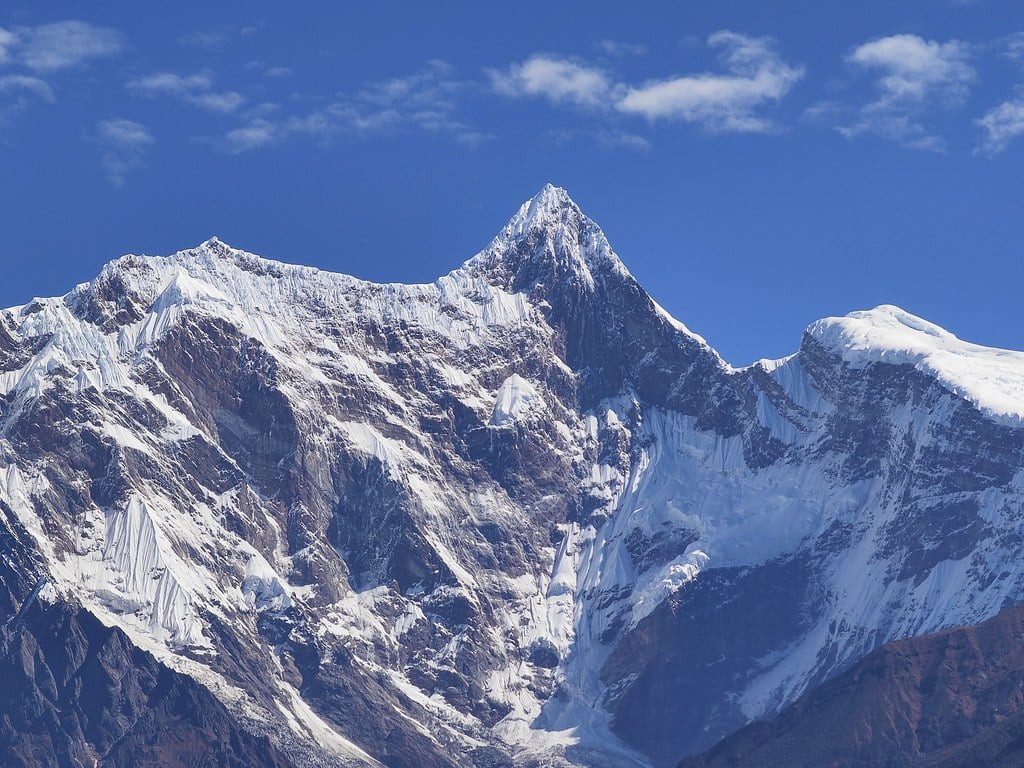
At 25,531 feet tall in the eastern Himalayas, Namcha Barwa rises where rain falls almost without pause, stirring up sudden storms that hit climbers hard. Because it stands close to the Yarlung Tsangpo River, thick clouds cling to its slopes so often the top vanishes for weeks.
People from nearby Tibetan villages view this mountain as something alive, spiritual, not meant for footsteps from outsiders. Not once did anyone reach the top before 1992, marking it among the final great peaks in the range to be summited.
Even now, those who try rarely make it through.
Rakaposhi Towers Over The Karakoram Highway

Standing tall at 25,551 feet, this massive peak watches over the well-known route between Pakistan and China, offering riders a rare chance to see such grandeur through a windshield. From the Hunza Valley below, Rakaposhi shoots upward almost 20,000 feet without slowing down, matching the drama of any high-altitude giant you can name.
Locals call it ‘snow covered,’ though that feels like too quiet a term for walls constantly draped in thick layers of frozen water. Though earlier tries ended short, British mountaineers made it to the top only in 1958 – since then, tough cliffs and sudden weather shifts keep even skilled groups guessing.
Where The Giants Still Stand Guard
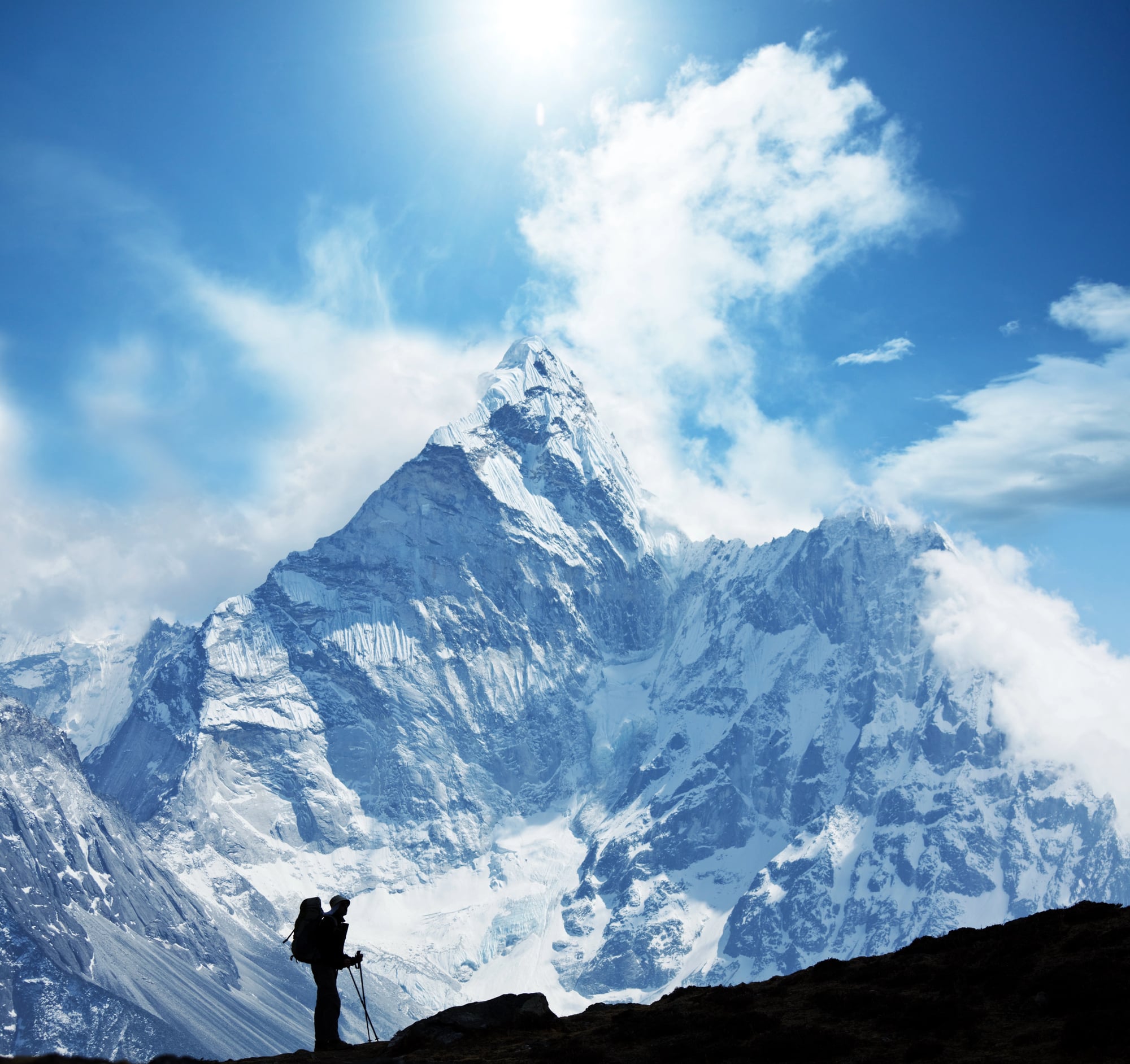
For millions of years, these Asian summits have stood silent across the land – destined to remain when all of us are long forgotten. As climate shifts eat away at ice and reshape where snow falls, routes open yet crumble under new risks.
Records mean nothing there; neither does praise. Huge, still, unconcerned – they simply are, while small figures climb for motives that likely vanish in the thin air above.
Reach the peak of any one giant and you enter a narrow circle – but surviving the return? That could be what truly matters.
More from Go2Tutors!

- The Romanov Crown Jewels and Their Tragic Fate
- 13 Historical Mysteries That Science Still Can’t Solve
- Famous Hoaxes That Fooled the World for Years
- 15 Child Stars with Tragic Adult Lives
- 16 Famous Jewelry Pieces in History
Like Go2Tutors’s content? Follow us on MSN.



