The Most Active Volcanoes in the World
There’s something unsettling about standing on solid ground and knowing that beneath your feet, the Earth is restless. Volcanoes remind us that our planet isn’t the stable, predictable place we pretend it is.
Some mountains sleep for centuries, while others never seem to rest — constantly remitting steam, ash, and molten rock as if they can’t help themselves. These restless giants shape landscapes, destroy cities, and create new land masses with an indifference that’s both terrifying and magnificent.
The most active volcanoes aren’t necessarily the most famous ones. While Mount Vesuvius gets the headlines for burying Pompeii, there are volcanoes that have been erupting almost continuously for decades, or even centuries.
They’re the workhorses of geological activity, the ones that never quite settle down.
Kilauea
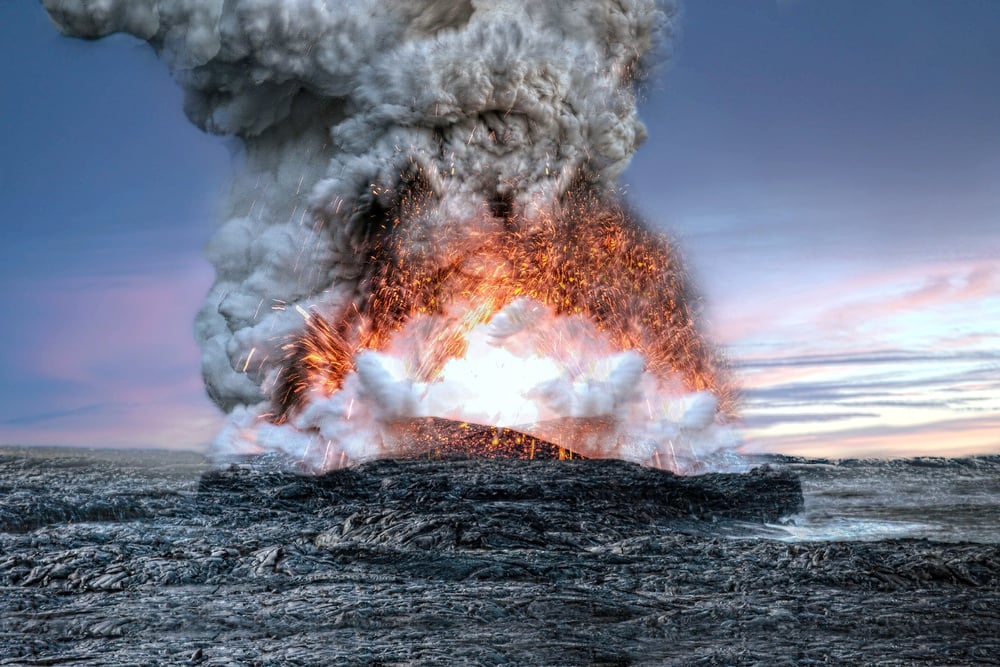
Kilauea doesn’t explode. It pours.
For over three decades, this Hawaiian volcano has been exhausting lava in a slow, hypnotic flow that builds new coastline one drop at a time.
Stromboli
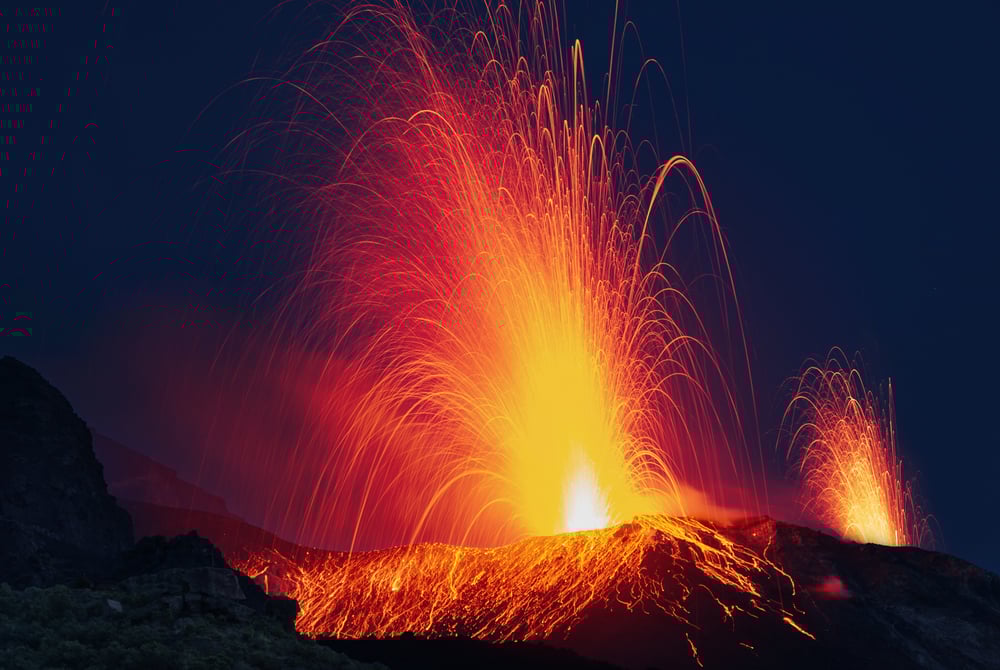
The lighthouse of the Mediterranean has been erupting for over 2,000 years. Stromboli throws glowing rocks into the night sky every few minutes, which is exactly as dramatic as it sounds — and locals have learned to live with the constant fireworks show overhead.
Mount Etna
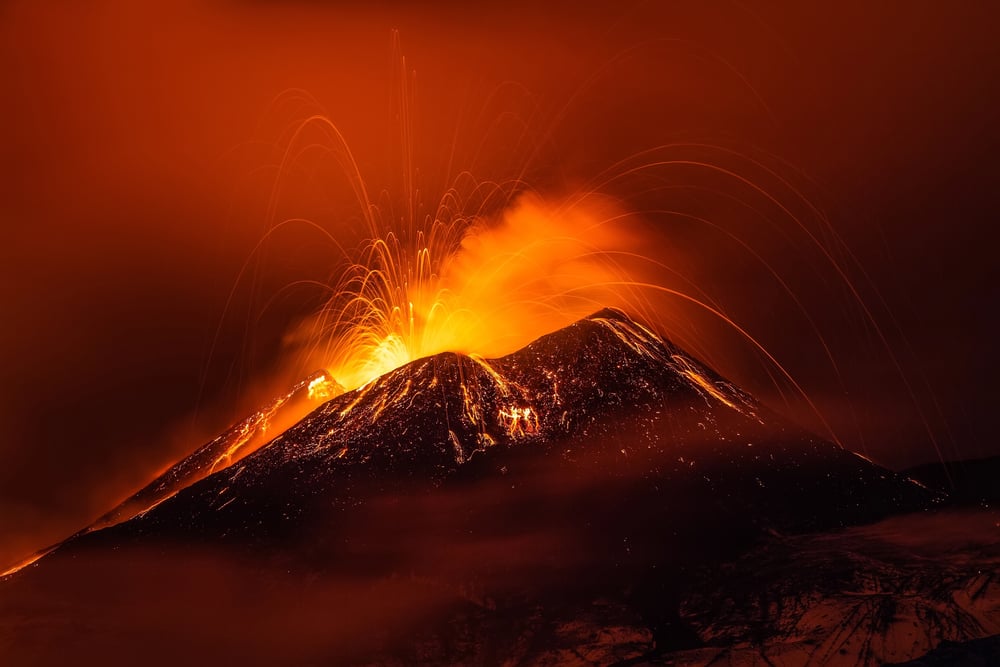
Mount Etna is Europe’s most active volcano, and it has zero patience for anyone who thinks it should behave differently. This Sicilian giant erupts so regularly (we’re talking multiple times per year, often more frequently than that, with some eruptions lasting weeks or months while others are brief explosive bursts) that the people living on its slopes have developed an almost casual relationship with the constant threat.
And yet there’s something oddly reassuring about Etna’s predictability — when a volcano has been erupting consistently for thousands of years, you start to understand its rhythms. Most people worry about the unknown.
Yasur
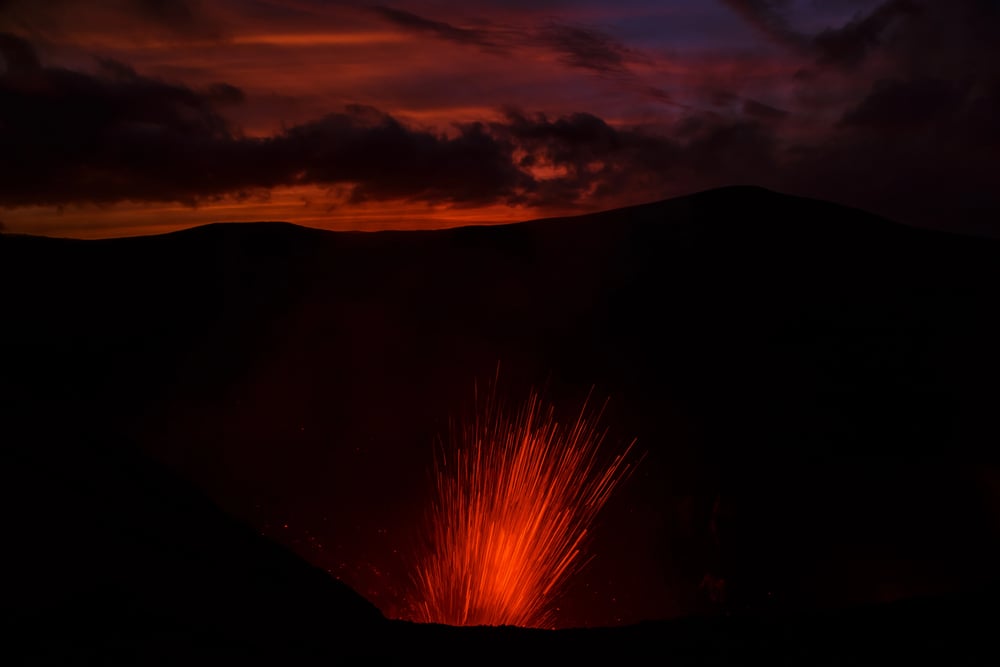
Yasur volcano sits on a remote island in Vanuatu and has been erupting continuously for at least 800 years. The locals consider it sacred, and frankly, that makes perfect sense when you’re dealing with a mountain that never stops rumbling.
Sakurajima
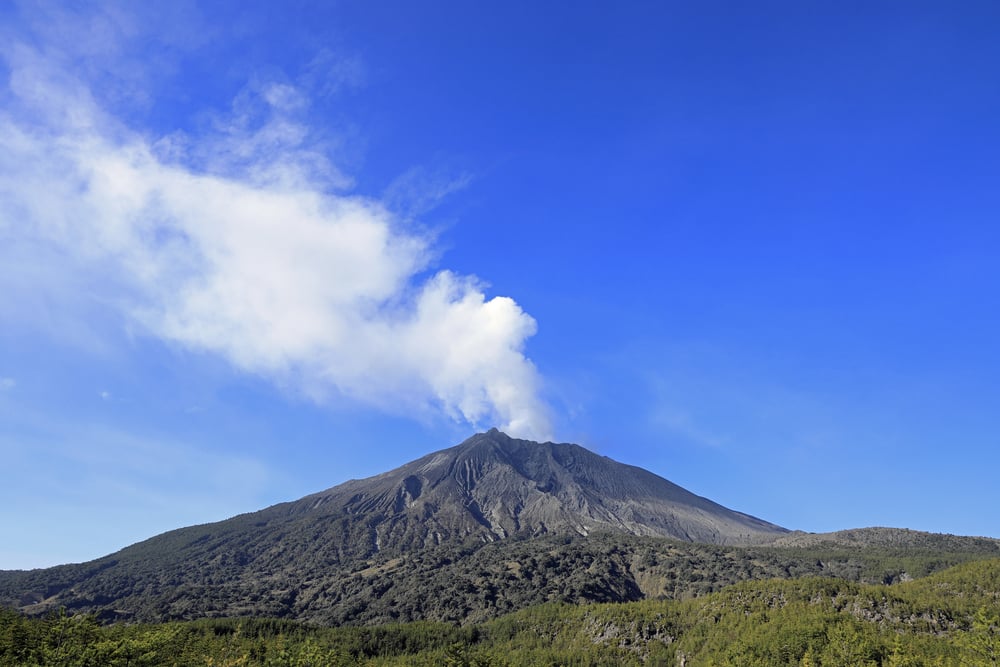
Sakurajima is a lesson in adaptation that reads like something out of a survival manual. This Japanese volcano erupts hundreds of times each year — not little puffs of steam, but actual ash-spewing eruptions that blanket the nearby city of Kagoshima in gray dust.
The residents carry umbrellas for ash, not rain.
Children wear helmets to school as protection from falling volcanic rocks. Bus stops have reinforced roofs designed to withstand the impact of debris raining from the sky.
There’s something almost stubborn about how people have refused to abandon this place. Instead, they’ve simply adjusted their entire way of life around living next to a mountain that throws tantrums multiple times per week.
Popocatepetl
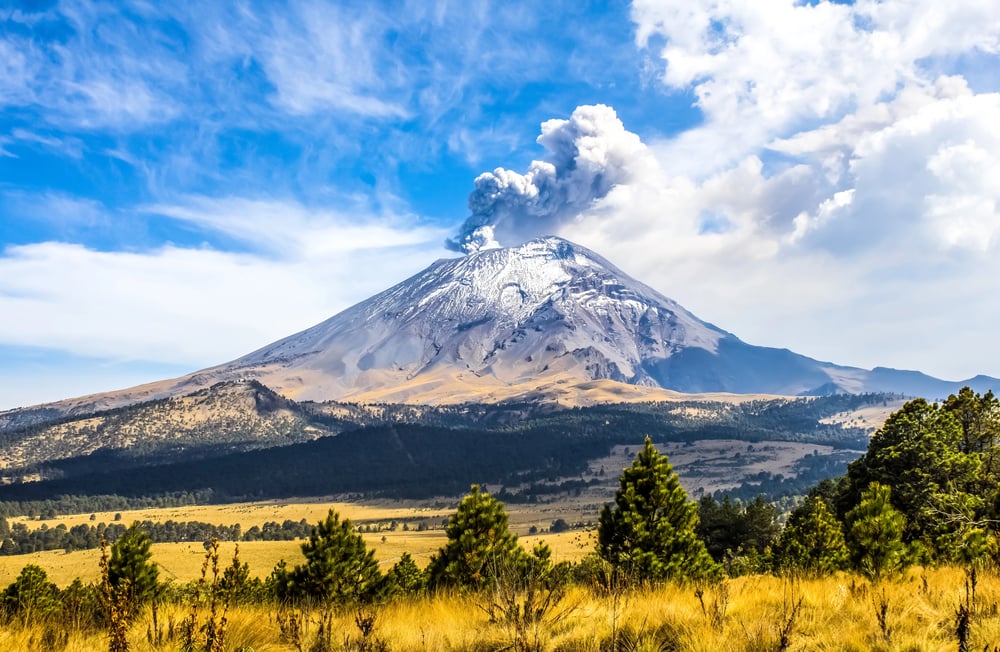
Popocatepetl looms over Mexico City like a sleeping giant that talks in its sleep. The name turns out to be remarkably accurate advertising — this volcano has been puffing steam and ash intermittently for decades, reminding the 20 million people in the nearby metropolitan area that nature sets the rules here.
When Popo decides to have a particularly active day, flights get canceled and residents dust ash off their cars like snow. The mountain has its own personality: sometimes quiet for months, sometimes restless for weeks at a time, always unpredictable enough to keep everyone paying attention.
Mount Erebus
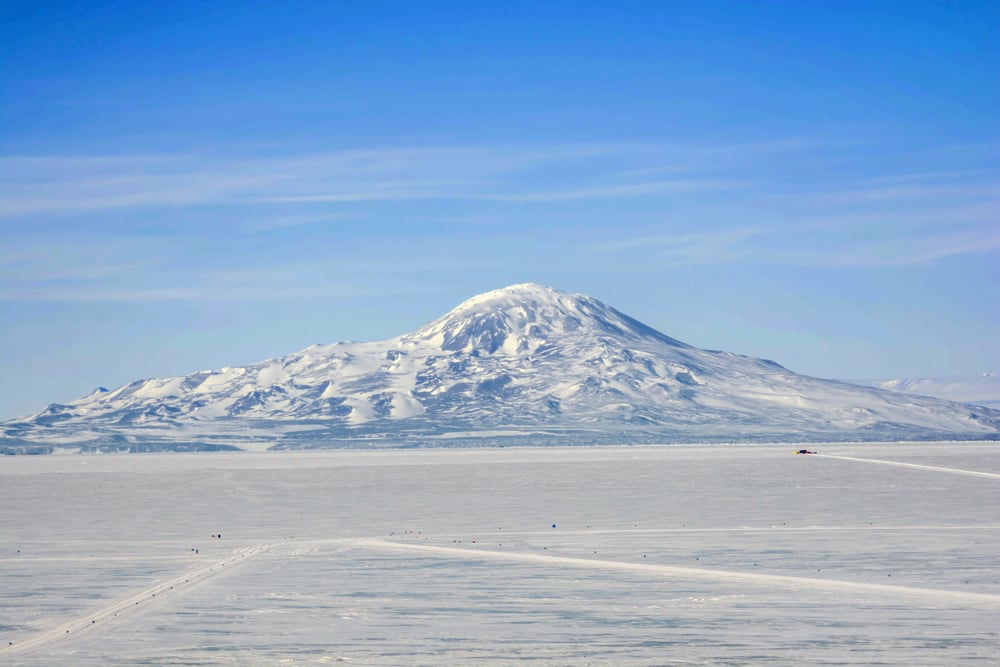
Antarctica’s Mount Erebus hosts one of the world’s few permanent lava lakes (and when something manages to stay molten in Antarctica, that’s genuinely impressive, considering the surrounding ice and subzero temperatures that would freeze most things solid within minutes). But Erebus doesn’t just maintain liquid rock in one of the harshest environments on Earth — it’s been doing this continuously for decades, creating a kind of geological defiance that feels almost personal.
So here’s this volcano, sitting at the bottom of the world, keeping a pool of lava bubbling away while everything around it is frozen solid.
Anak Krakatau
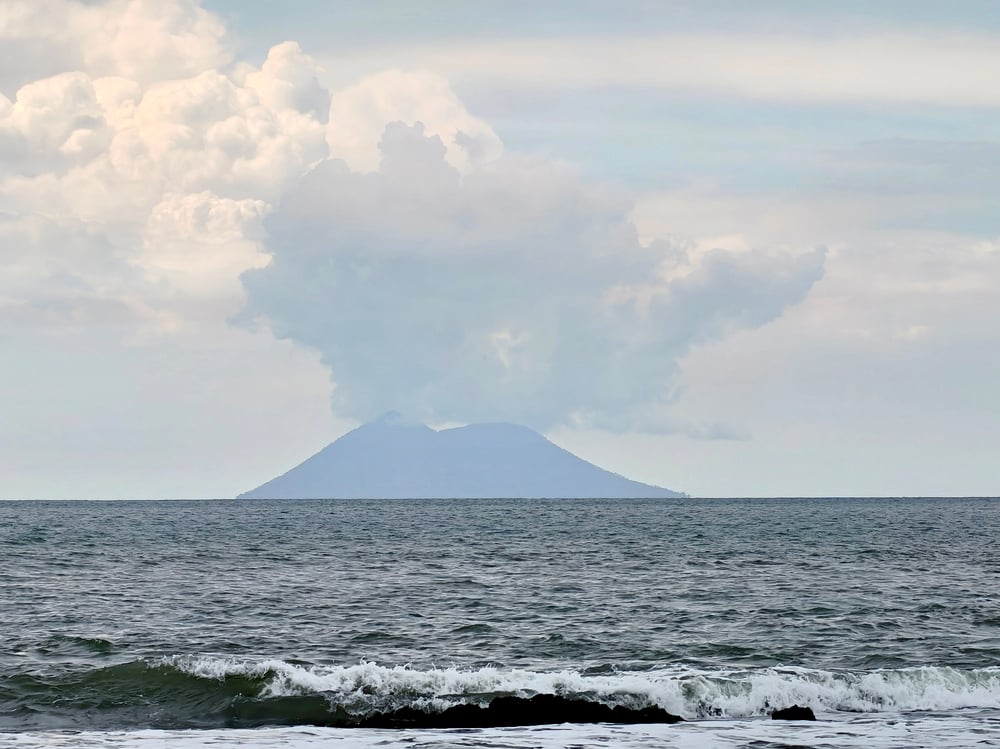
Anak Krakatau is the child of catastrophe, born from the underwater remains of Krakatoa after that volcano’s legendary 1883 eruption. The new volcano emerged from the sea in 1927 and has been growing steadily ever since, erupting regularly as if it’s trying to rebuild what its predecessor destroyed.
Reventador
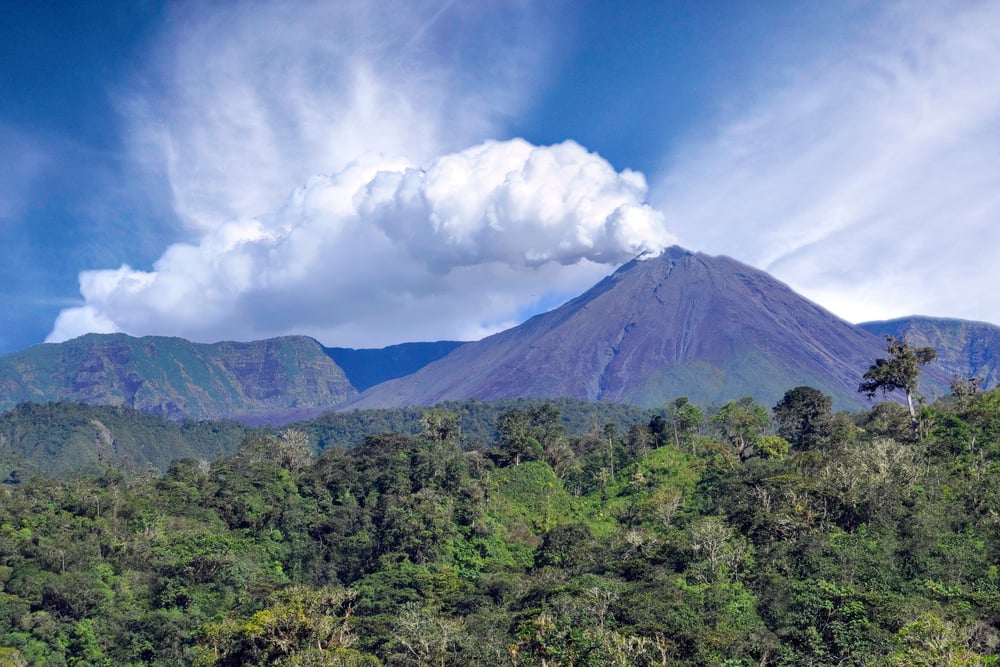
Reventador is Ecuador’s most consistently active volcano, and it earned that title through sheer persistence. This remote peak erupts almost constantly — small explosions, ash clouds, and lava flows happen so regularly that monitoring stations have recorded thousands of individual eruptions over the past few decades.
The volcano sits in a location so isolated that most of its eruptions go unwitnessed by human eyes, which somehow makes its relentless activity even more impressive. Nature doesn’t need an audience.
Dukono
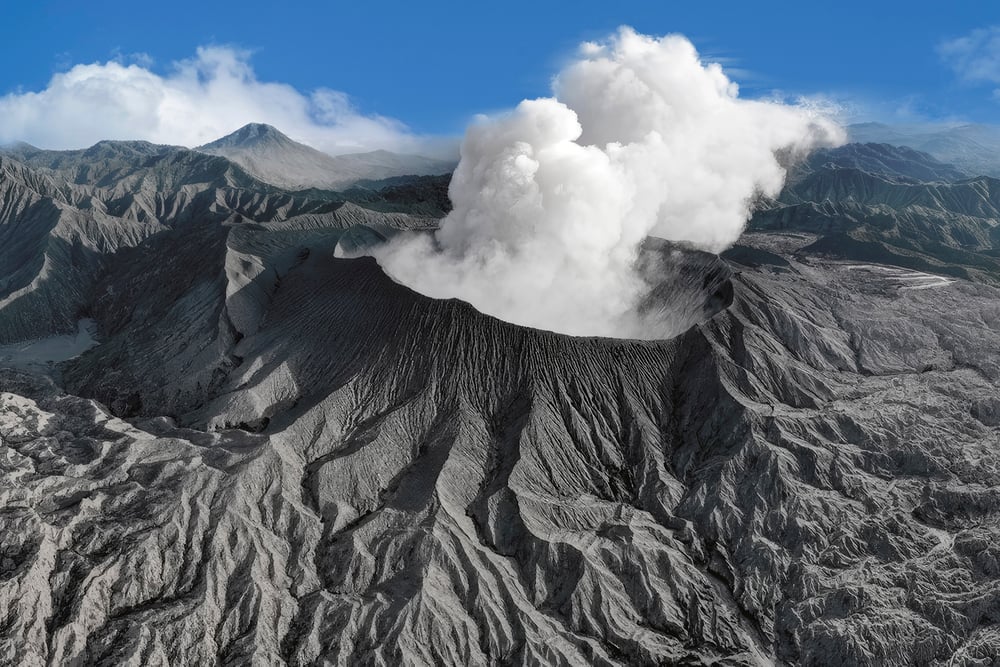
Dukono sits on a remote Indonesian island (one of those places where volcanic activity outnumbers human observers by a significant margin, and the mountain has been erupting almost continuously since 1933, which means it’s been active longer than most people have been alive). The volcano produces a steady stream of ash and gas — not the dramatic explosions that make headlines, but the kind of persistent, low-level activity that shapes landscapes over decades rather than destroying them in a single afternoon.
And perhaps that’s the more profound kind of power: not the ability to devastate in an instant, but the capacity to reshape an entire region through sheer persistence.
There’s something almost meditative about Dukono’s approach to volcanism. No dramatic flourishes, no world-ending explosions.
Fuego
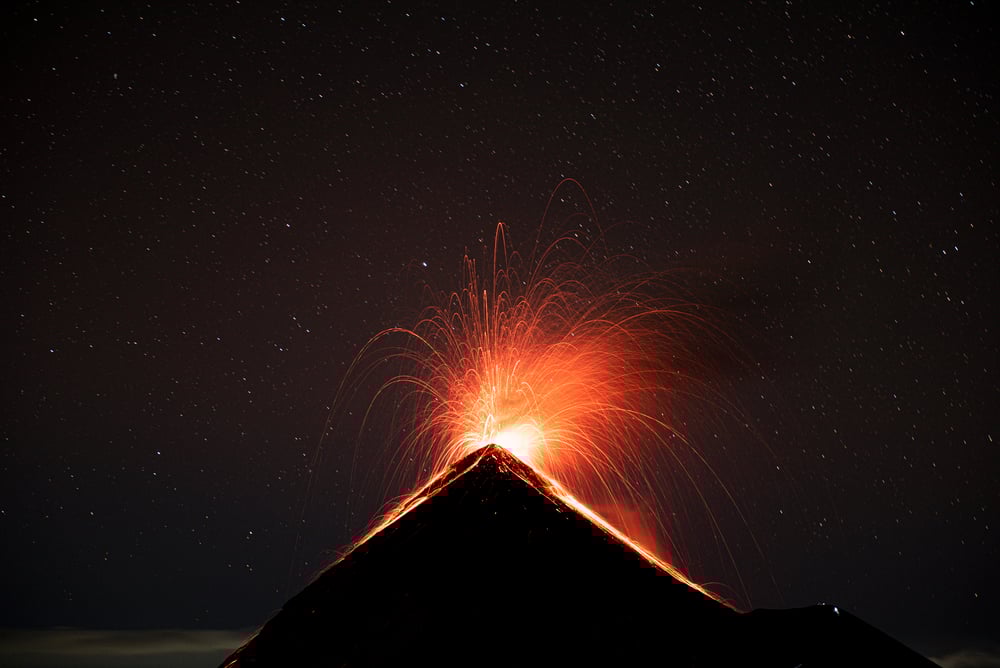
Fuego lives up to its name with the kind of explosive activity that makes volcanologists both excited and nervous. This Guatemalan volcano produces regular Strombolian eruptions — the technical term for the type of volcanic activity that hurls glowing lava bombs hundreds of feet into the air while simultaneously being beautiful and terrifying to witness.
Sangay
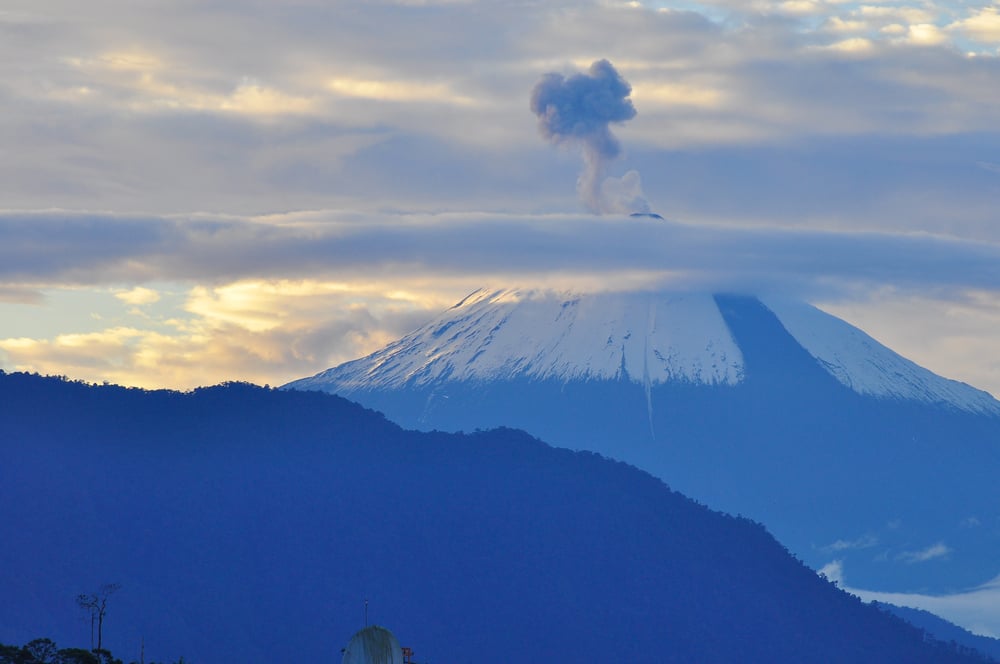
Sangay has been erupting almost continuously since the 1930s, making it one of Ecuador’s most active volcanoes. Located in a remote part of the Andes, this volcano maintains a steady rhythm of explosions and ash emissions that rarely make international news but never really stop either.
White Island
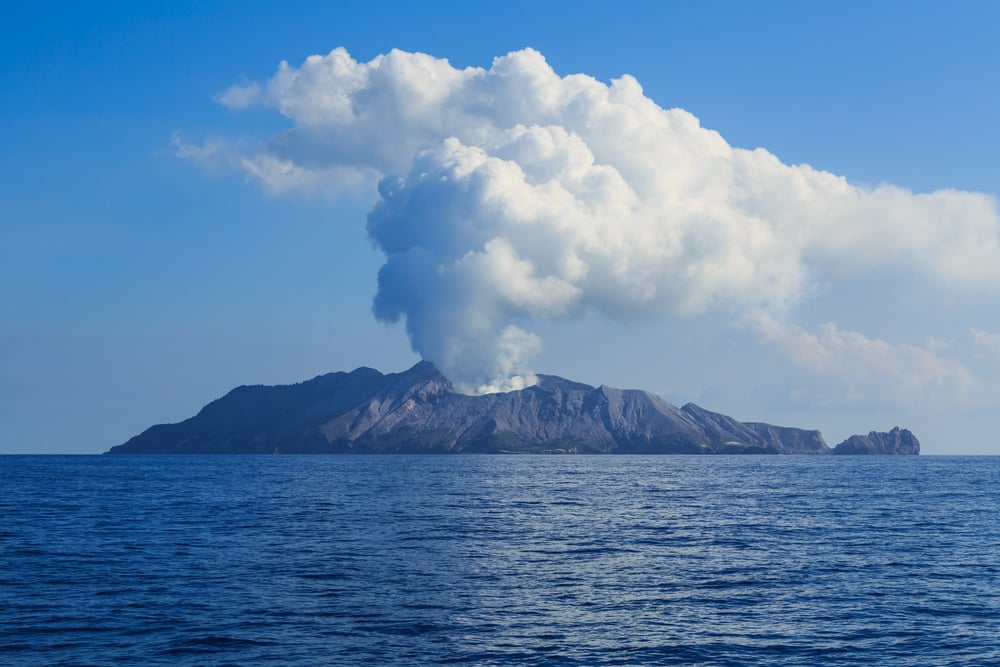
White Island sits off the coast of New Zealand like a warning that some places weren’t meant for casual visits. This marine volcano has been in a state of continuous unrest for decades, with gas emissions, crater lake color changes, and periodic explosive eruptions that remind everyone that active volcanism and tourism don’t always mix well.
Semeru
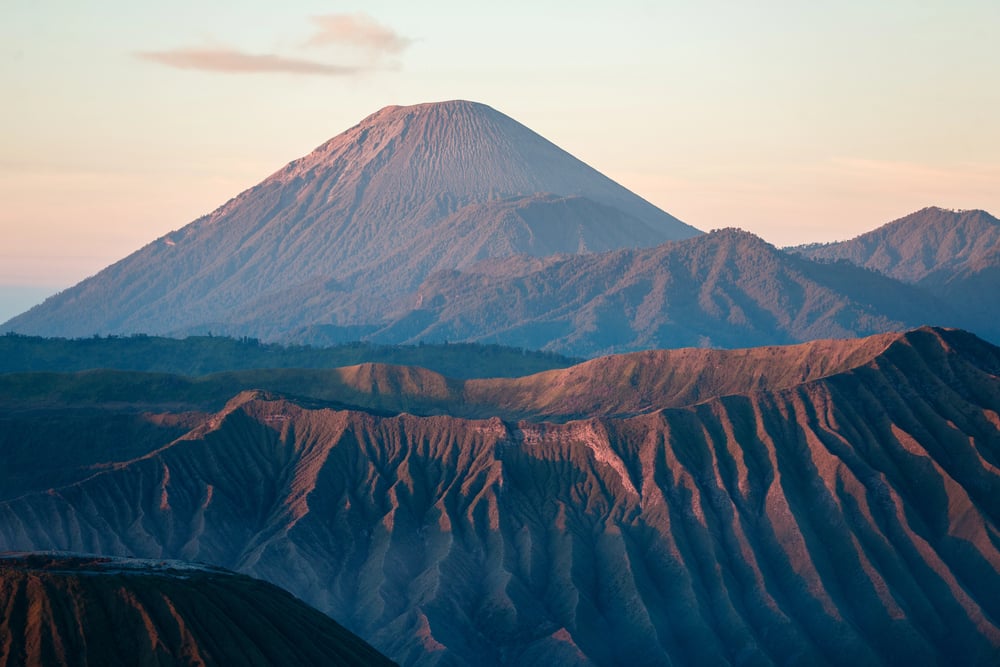
Semeru is Java’s tallest volcano and one of its most active, producing regular explosive eruptions that send ash columns thousands of feet into the air. The mountain erupts so frequently that local communities have developed early warning systems and evacuation procedures that function like a well-rehearsed dance between human preparedness and geological unpredictability.
The Restless Earth Beneath Us
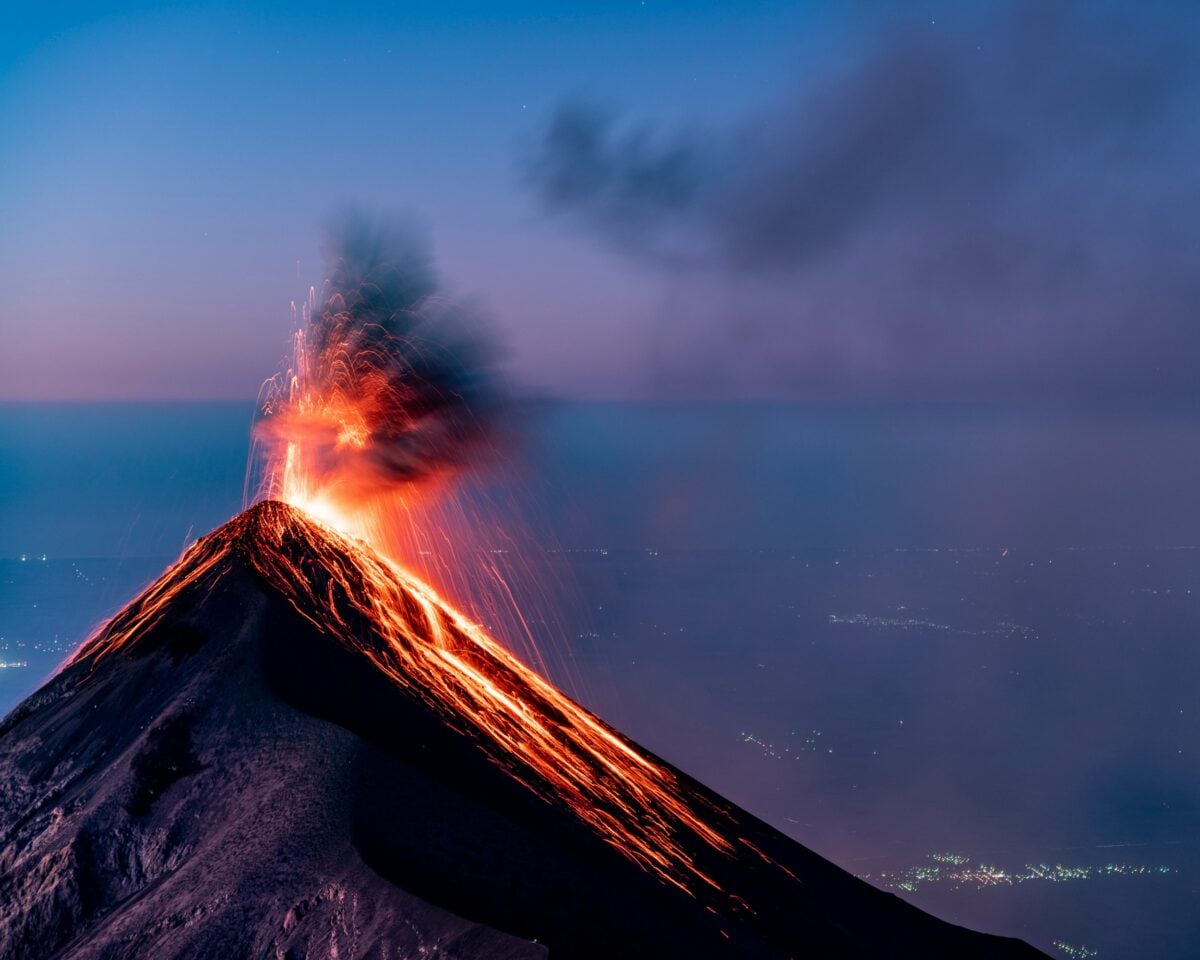
Living with active volcanoes requires a particular kind of relationship with uncertainty. These mountains operate on geological time, where decades of apparent calm can end without warning, and years of constant activity can suddenly shift into something more dangerous.
The people who choose to stay in these places aren’t ignoring the risk — they’re accepting that some forces are too large to control, too persistent to wait out, and too integrated into the landscape to simply avoid. There’s wisdom in that acceptance, even if it comes with a healthy dose of volcanic ash on the morning commute.
More from Go2Tutors!

- The Romanov Crown Jewels and Their Tragic Fate
- 13 Historical Mysteries That Science Still Can’t Solve
- Famous Hoaxes That Fooled the World for Years
- 15 Child Stars with Tragic Adult Lives
- 16 Famous Jewelry Pieces in History
Like Go2Tutors’s content? Follow us on MSN.