14 Things We Notice But Never Ask Why or How
There are things you see or feel every single day without ever stopping to question them. Not because they’re unimportant — but because they’ve been there so long, they feel like background noise.
You notice them, file them somewhere in the back of your mind, and keep moving. This is a list of those things.
And once you read this, you’ll probably never look at them the same way again.
Why New Books Smell So Good

That distinct, slightly sweet smell when you crack open a new book isn’t random. It comes from the chemicals used in the paper and ink — compounds like benzaldehyde and vanillin break down over time and release specific odors as they age.
New books smell like fresh paper and ink. Old books smell like vanilla and must because the paper itself is slowly decomposing.
Both are pleasant, for entirely different chemical reasons.
The Little Bump on the F and J Keys
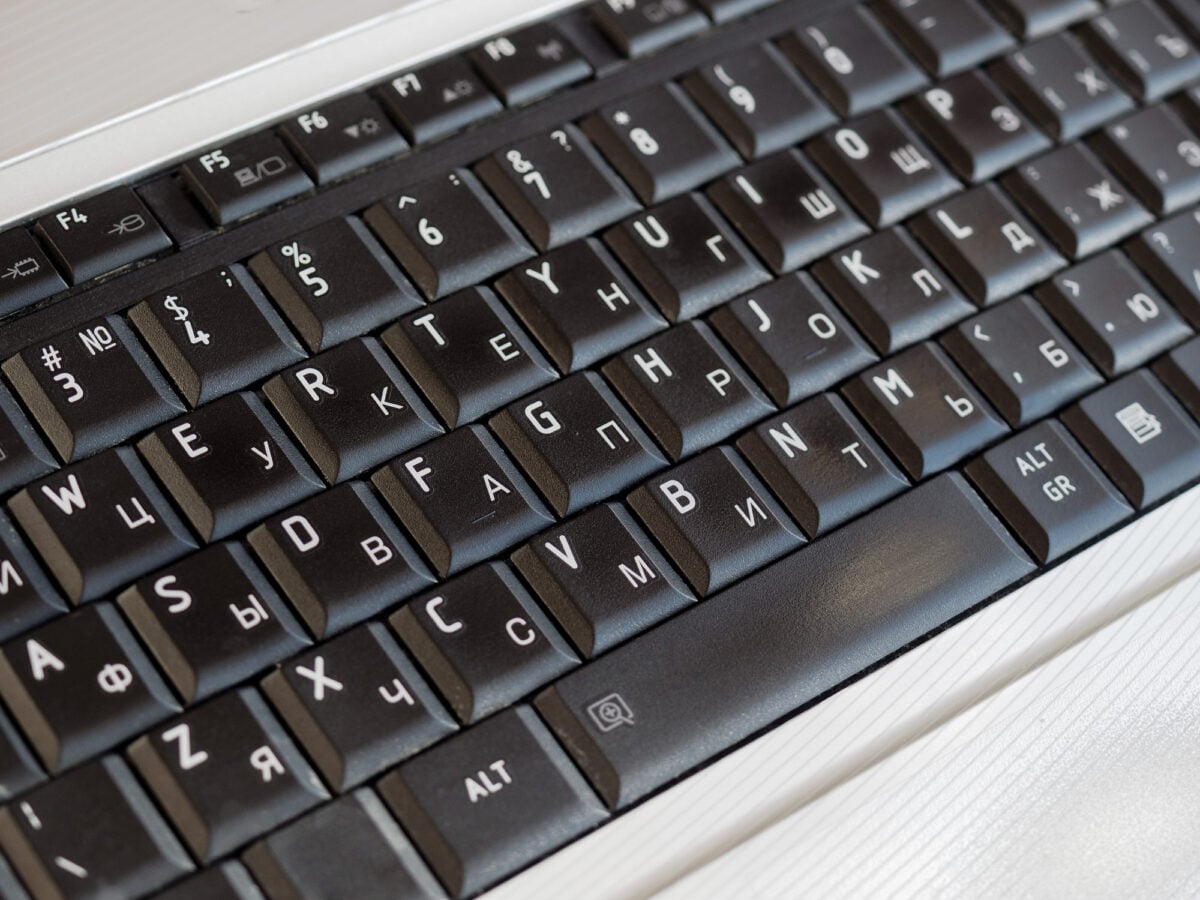
If you’ve ever touched a standard keyboard, you’ve felt it — a tiny raised ridge on the F and J keys. Most people use it without ever asking why it exists.
Those bumps are touch-typing guides. They let your fingers find home position without looking down.
Typists trained to keep their eyes off the keyboard can reset their hands in seconds just by feeling for those two small ridges.
Why the Sky Turns Red at Sunset

You’ve watched it hundreds of times. The sky shifts from blue to orange to deep red as the sun drops.
The reason is simpler than it looks. When the sun is low on the horizon, its light travels through much more atmosphere to reach your eyes.
The shorter blue wavelengths scatter away long before they arrive. What’s left — the longer red and orange wavelengths — reach you almost unfiltered.
The more atmosphere the light travels through, the redder the sky gets.
The Grooves on the Edge of Coins

Run your thumb along the edge of a dime or quarter and you’ll feel tiny ridges. These exist because of a very old fraud problem.
Before coins were minted with consistent edges, people would shave small amounts of precious metal off the sides, pocket the shavings, and spend the slightly lighter coin. By adding a ridged edge, any tampering became immediately visible.
The practice stuck, even long after most coins stopped being made from precious metals.
Why You Can’t Remember Being a Baby

Everyone was a baby. Nobody remembers it. The reason has to do with brain development — specifically, the hippocampus, the region responsible for forming long-term memories, isn’t fully developed in infancy.
The neural connections needed to encode lasting autobiographical memories simply aren’t mature enough yet. Most people’s earliest memories begin somewhere around age three or four, and even those are often fuzzy or reconstructed.
The Smell Before It Rains

That earthy, almost electric smell that arrives just before a storm — there’s a name for it. “Petrichor” is a word coined in the 1960s. It comes from plant oils that accumulate in dry soil and on rocks, which get released into the air when rain hits.
A compound called geosmin, produced by bacteria in the soil, adds that deep earthy note. Humans are remarkably sensitive to geosmin — we can detect it at concentrations far lower than most other animals.
Why Paper Cuts Hurt So Much

A paper cut is tiny. The pain is not.
Paper cuts tend to happen on fingertips, which are packed with more nerve endings per square centimeter than almost anywhere else on the body. That concentration exists because fingertips are how humans sense the world — you need precise feedback from them.
So when a thin, shallow cut happens there, your nervous system responds with a disproportionate amount of signal. The paper itself also leaves behind microscopic fibers that irritate the wound and slow healing.
Why We Yawn When Others Yawn

You read the word “yawn” and there’s a decent chance you just yawned. This contagious quality of yawning is real and well-documented, and it appears to be tied to empathy.
People who score higher on measures of social bonding and empathy are more susceptible to contagious yawning. It shows up in chimpanzees, dogs, and humans, but mostly in individuals with developed social brains. Interestingly, children under about four years old — before empathy fully develops — don’t catch yawns from others.
The Lines on a Notebook Page

You’d think these things go without saying. Yet paper got its lines for a purpose.
Without print guidance, handwriting wandered – crooked, uneven, tough to follow, tougher still to sort. A shared standard emerged when those straight marks appeared.
Lines spaced far apart, close together, or somewhere in between changed slowly as kids grew and handwriting shifted. This small detail quietly guided the way people wrote things down, hardly seen yet always there.
Music Triggers Physical Reactions
A sudden chill along your arms when a tune lands perfectly? That is frisson. Music sparks it by surprising you – maybe a shift in pitch, layers of sound building fast, or a singer hitting a raw note at just the right time.
Some notice it stronger than others do. Those drawn to fresh sounds and who let melodies stir feelings tend to get these jolts most.
As tension builds toward a powerful part, your mind lets go of dopamine ahead of the surge – so goosebumps often rise before the big moment crashes in, not after.
Why Clock Hands Move in Circles

Picture mornings north of the equator – light creeping across flat stones marked with hours. Shadows crawled in one consistent path as the sun rose high, then dipped westward.
Because of this daily arc, early tools tracking daylight followed suit. Machines made long after copied that motion without question.
Down under, sunlight traces a different curve – opposite to what most dials show today. By the time ticking mechanisms reached those lands, the pattern had already taken hold elsewhere.
What feels normal in Berlin or Toronto isn’t universal, just inherited.
Why Stars Twinkle But Planets Don’t

Both look like bright dots in the night sky. But stars flicker and planets don’t, and the difference comes down to distance.
Stars are so far away that their light arrives as a single, extremely narrow beam. As it passes through layers of atmosphere with varying temperatures and densities, the beam bends slightly in different directions, creating that flickering effect.
Planets are much closer. They’re still tiny to the unaided eye, but they subtend a wider angle — meaning their light arrives as many slightly different beams.
The variations average out, and the planet appears steady.
The Dizzy Feeling After Spinning

Turn around fast for ten seconds, then halt. The walls seem to drift even though your body is still.
What your legs feel differs from what your head believes right now. Deep inside each ear, looped tubes hold liquid that shifts during motion.
Movement begins when you whirl – the fluid flows along. A sudden pause leaves it sliding forward briefly.
This leftover movement tricks your mind into sensing spin that no longer exists. Back and forth go your eyes, fighting motion where there is none.
Dizziness takes hold. When the liquid inside calms down, everything around you follows.
Stillness wins again.
Old Photos Stir Feelings Even When You Don’t Know The People

A glance at an old picture, snapped eight decades back, stirs a quiet pull, even if the faces mean nothing to you. Grain bites into the image.
Colors fade like memories half-remembered. Outfits sit oddly, hairstyles feel foreign.
These details speak on their own. Yet deeper still lies the silent weight – those standing there are surely gone by now.
Time marks that distance without words. A stillness hangs here, caught without warning.
Not quite memory, not yet gone – more like seeing how moments pass before you notice them leave. Time moves forward, always did.
The Question You Never Think to Ask

Morning routines slip by without much thought, not due to dullness, yet simply because speed turns curiosity into something saved for later. A crimson sunset catches your eye, a tune sends quiet shivers down your spine, fingers trace the grooves of loose change – still, you press forward.
Hidden inside such moments lies weight enough to slow steps. Answers pile up beneath how things work, each one born when someone dared wonder about them long ago.
Curiosity begins not in labs or books, yet right there in the quiet seconds you overlook each day. It grows when attention shifts – truly shifts – toward what’s near, ordinary, already known.
More from Go2Tutors!

- The Romanov Crown Jewels and Their Tragic Fate
- 13 Historical Mysteries That Science Still Can’t Solve
- Famous Hoaxes That Fooled the World for Years
- 15 Child Stars with Tragic Adult Lives
- 16 Famous Jewelry Pieces in History
Like Go2Tutors’s content? Follow us on MSN.