14 War Strategies That Changed Military Tactics
Throughout history, brilliant military minds have developed strategies that didn’t just win battles—they transformed how wars are fought. These innovations often came from desperate situations, clever adaptations, or simply thinking outside the box when conventional methods failed.
From ancient battlefields to modern warfare, certain tactical breakthroughs have become templates that armies still study today. Here is a list of 14 war strategies that fundamentally changed military tactics.
The Phalanx Formation

The ancient Greeks turned infantry combat into a science with the phalanx formation. Soldiers stood shoulder to shoulder in tight rows, their long spears creating an impenetrable wall of bronze points.
This wasn’t just about individual bravery anymore—it was about discipline and teamwork, where each man’s shield protected his neighbor.
Hannibal’s Double Envelopment

At the Battle of Cannae in 216 BCE, Hannibal pulled off what many consider the perfect tactical maneuver. He let the Romans push into his center, then wrapped his wings around them like a closing trap.
The Romans found themselves surrounded and slaughtered, teaching future generals that sometimes retreating is part of advancing.
Like Go2Tutors’s content? Follow us on MSN.
Medieval Castle Siege Warfare

Medieval engineers revolutionized siege warfare by developing systematic approaches to breaking fortifications. They used trebuchets, undermining, and siege towers to methodically reduce even the strongest castles.
This forced architects to completely rethink defensive design, leading to the development of concentric castle layouts.
The English Longbow Dominance

English longbowmen changed the nature of medieval warfare by proving that well-trained commoners could devastate armored knights. At battles like Agincourt, archers rained down thousands of arrows, turning cavalry charges into deadly missions.
This democratized warfare and began the slow decline of heavy cavalry’s dominance.
Pike and Shot Formations
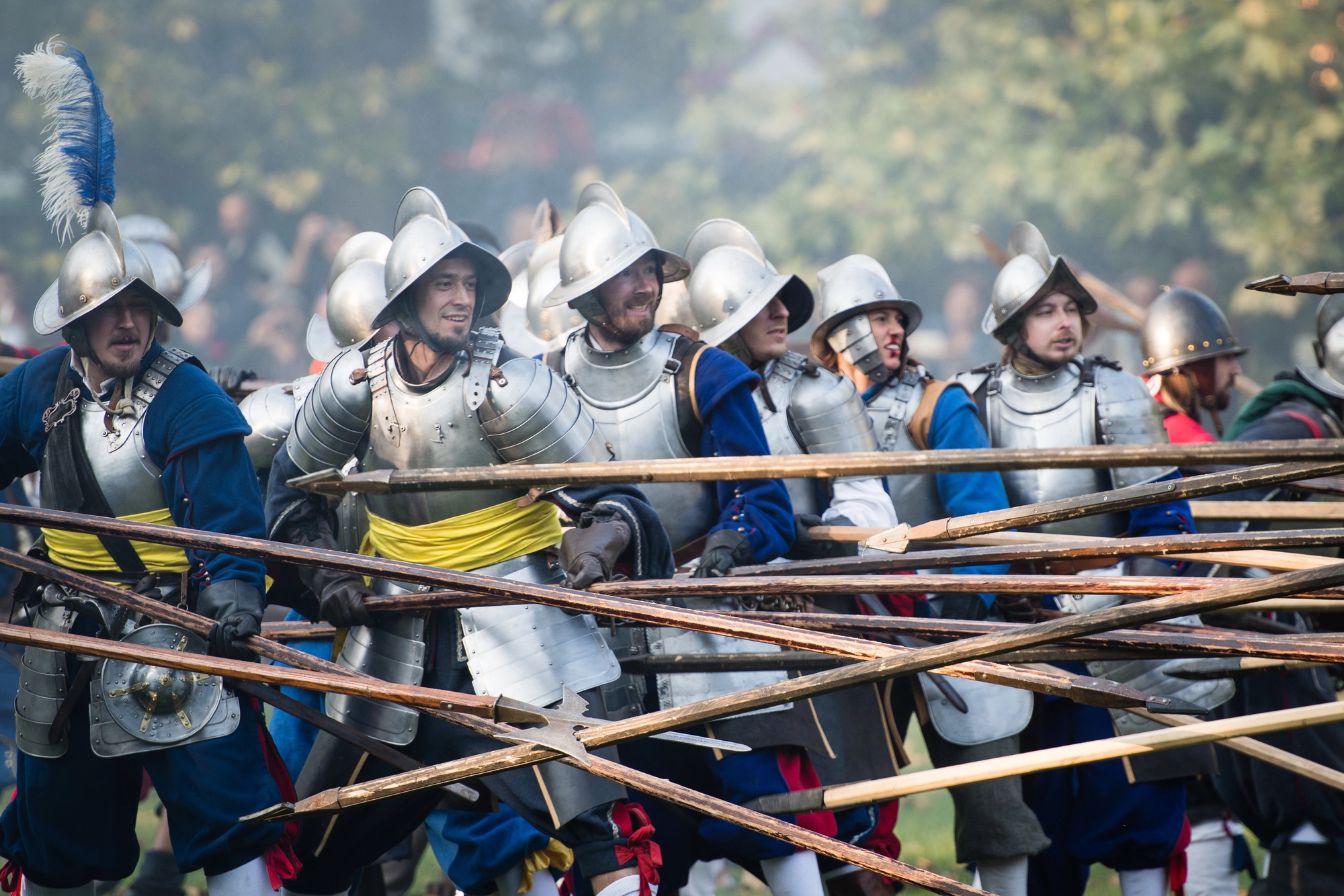
The Spanish combined long pikes with early firearms to create formations that could handle both cavalry and infantry. The pikemen provided protection while musketeers delivered devastating firepower.
This combination dominated European battlefields for over a century and established the template for combined arms tactics.
Like Go2Tutors’s content? Follow us on MSN.
Napoleon’s Artillery Concentration

Napoleon revolutionized artillery use by massing his guns at decisive points rather than spreading them evenly across the battlefield. He called artillery ‘the god of war’ and used concentrated firepower to puncture in enemy lines.
This principle of concentration of force became a cornerstone of modern military doctrine.
The Blitzkrieg

German forces in World War II perfected rapid, coordinated attacks using tanks, aircraft, and motorized infantry. Instead of grinding through enemy lines, they punched through weak points and raced deep into enemy territory.
This speed and coordination left enemies reeling and unable to establish effective defensive lines.
Guerrilla Warfare Tactics
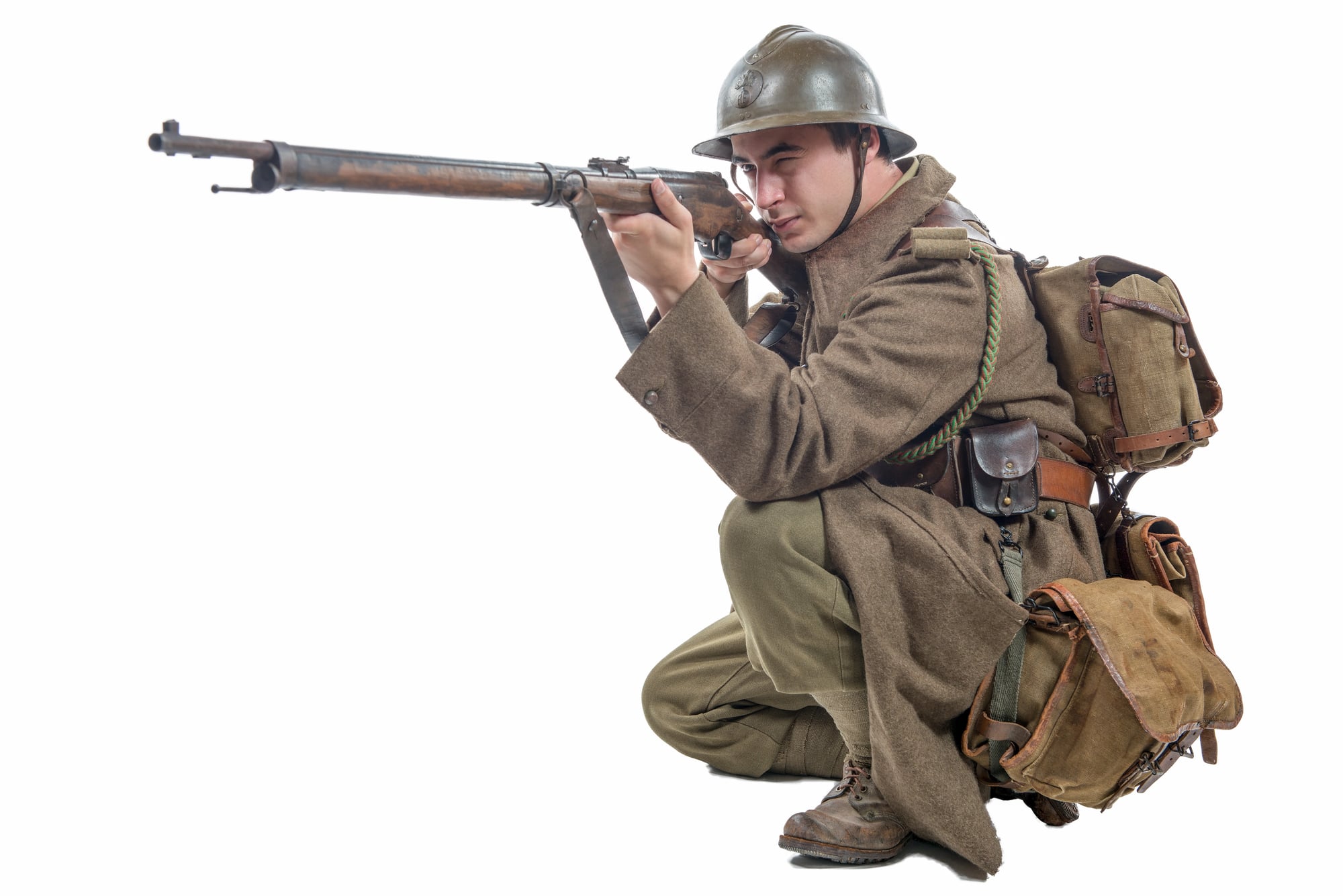
Irregular forces throughout history have used hit-and-run tactics to defeat larger, conventional armies. From Spanish partisans fighting Napoleon to Vietnamese forces against American troops, guerrilla fighters proved that mobility and local knowledge could overcome superior firepower.
These tactics forced conventional armies to completely rethink their approach to warfare.
Like Go2Tutors’s content? Follow us on MSN.
Naval Line of Battle
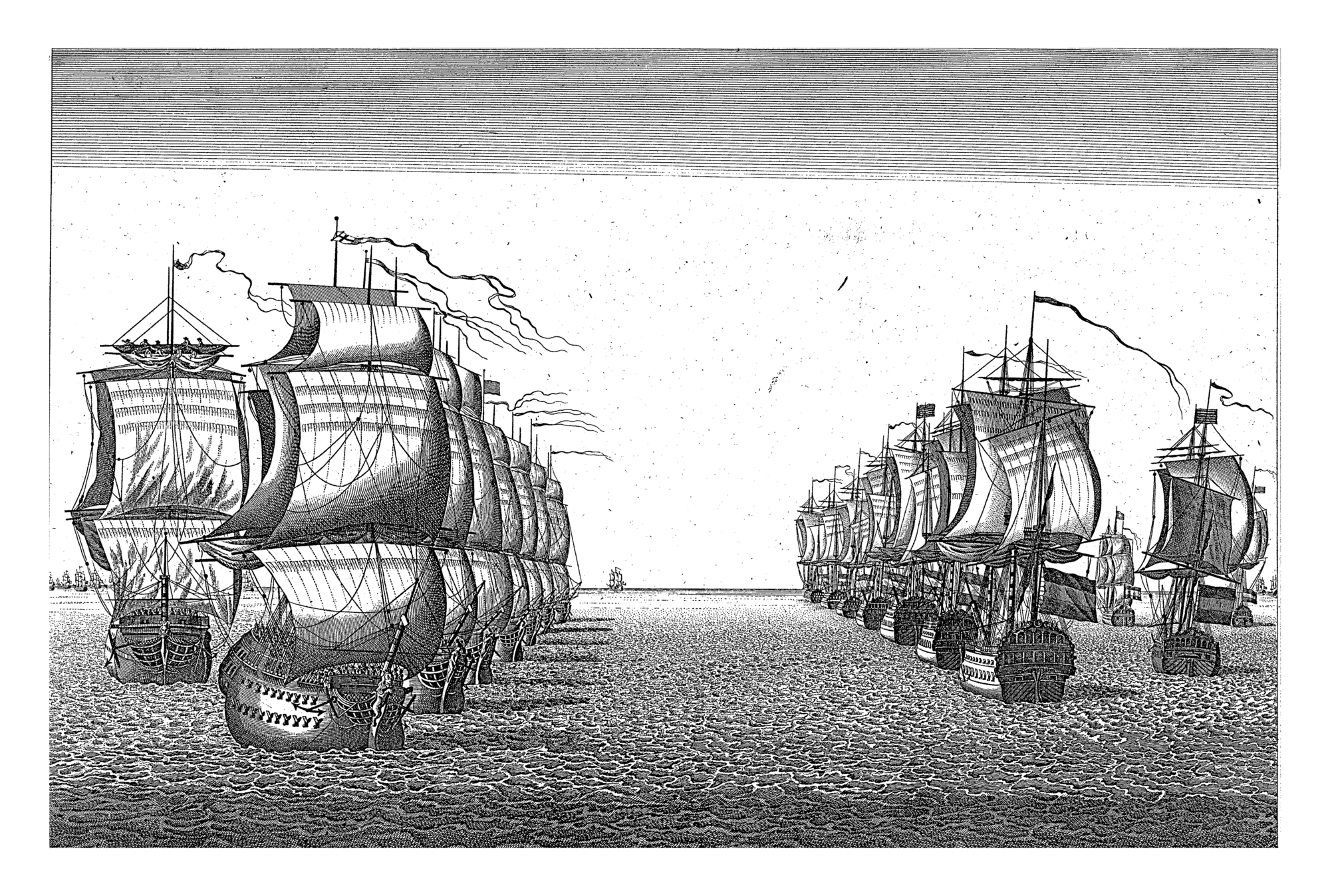
British admirals developed the line of battle formation where warships sailed in single file, bringing their broadside guns to bear on the enemy. This maximized firepower while maintaining formation discipline.
The tactic dominated naval warfare for centuries and established Britain’s naval supremacy.
Submarine Warfare
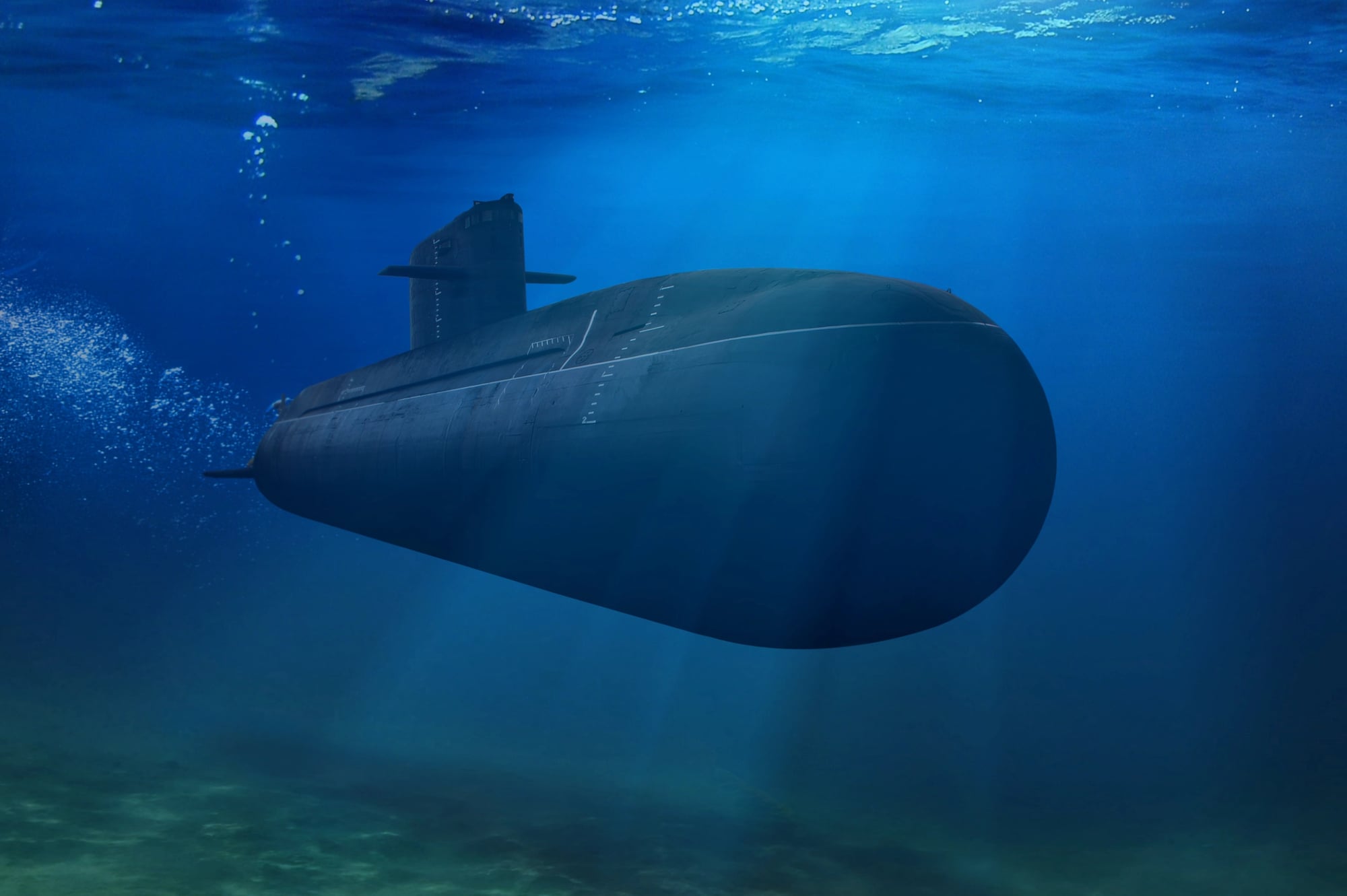
German U-boats in both world wars demonstrated how submarines could strangle enemy supply lines. These underwater predators turned merchant shipping into a deadly gamble and forced navies to develop entirely new defensive measures.
Convoy systems and anti-submarine warfare became essential elements of naval strategy.
Air Superiority Doctrine
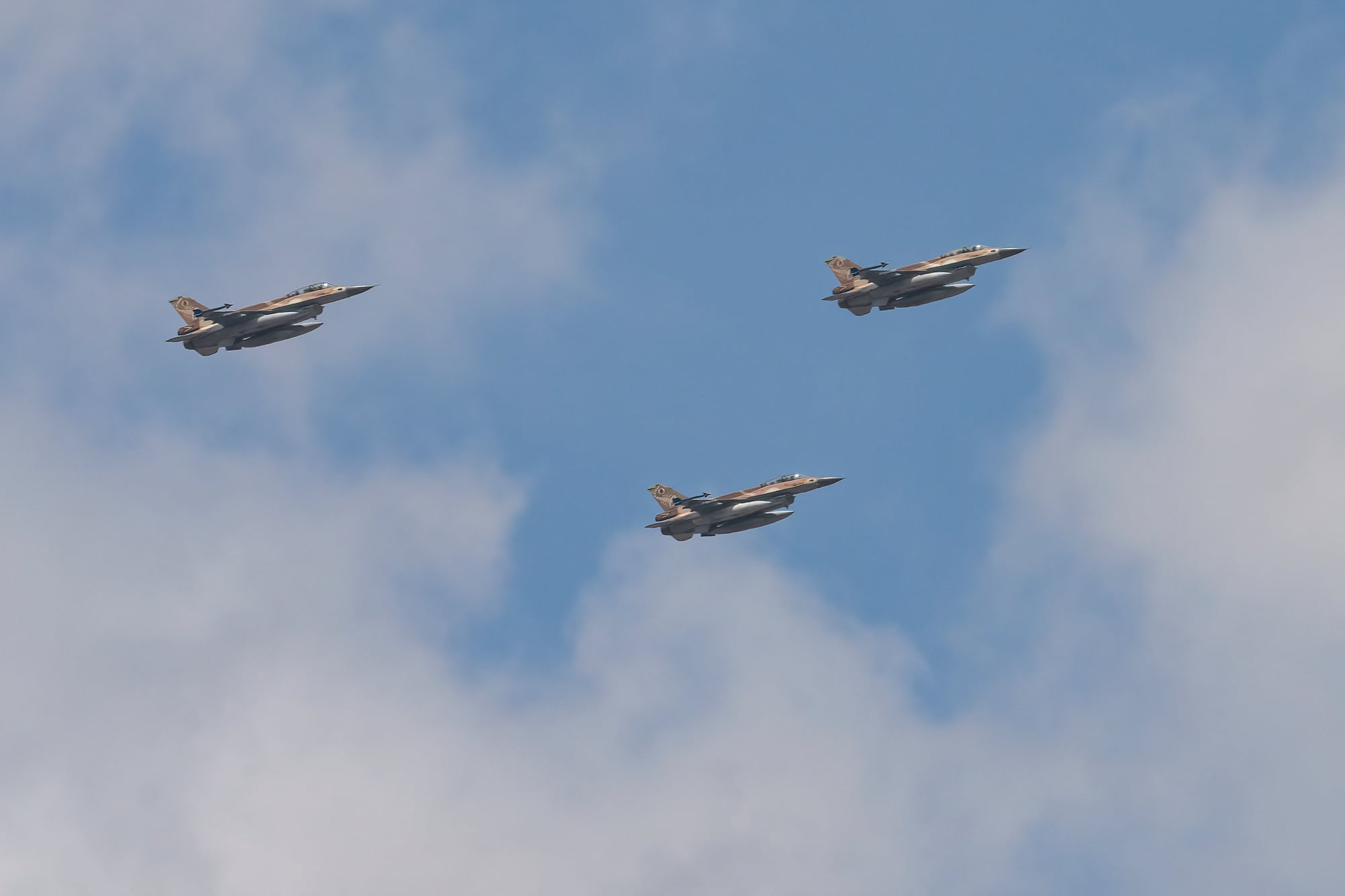
World War II proved that controlling the skies was crucial to victory on land and sea. Air forces learned to gain air superiority first, then use that advantage to support ground operations and strategic bombing.
This established air power as a separate but equal branch of military force.
Like Go2Tutors’s content? Follow us on MSN.
Combined Arms Integration
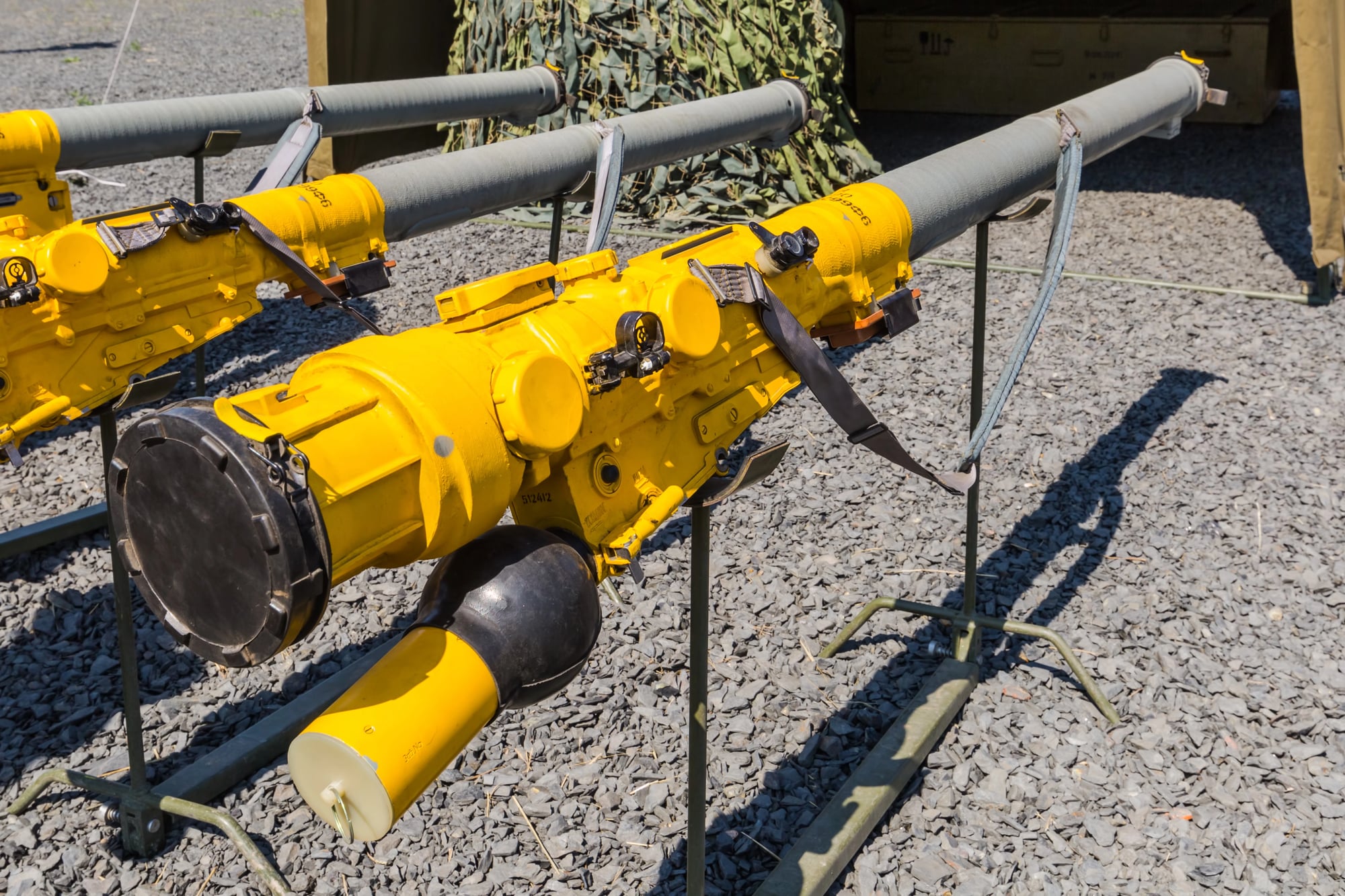
Modern militaries learned to coordinate infantry, armor, artillery, and air support as a unified system. Each element covers the weaknesses of the others—tanks provide firepower, infantry clears obstacles, artillery suppresses enemies, and aircraft provide reconnaissance and close support.
This integration multiplies the effectiveness of each individual component.
Electronic Warfare

The development of radar, communications jamming, and electronic countermeasures added an invisible dimension to warfare. Forces learned to disrupt enemy communications and navigation while protecting their own electronic systems.
This created an entirely new battlefield where information and communication became as important as bullets and bombs.
Precision-Guided Munitions
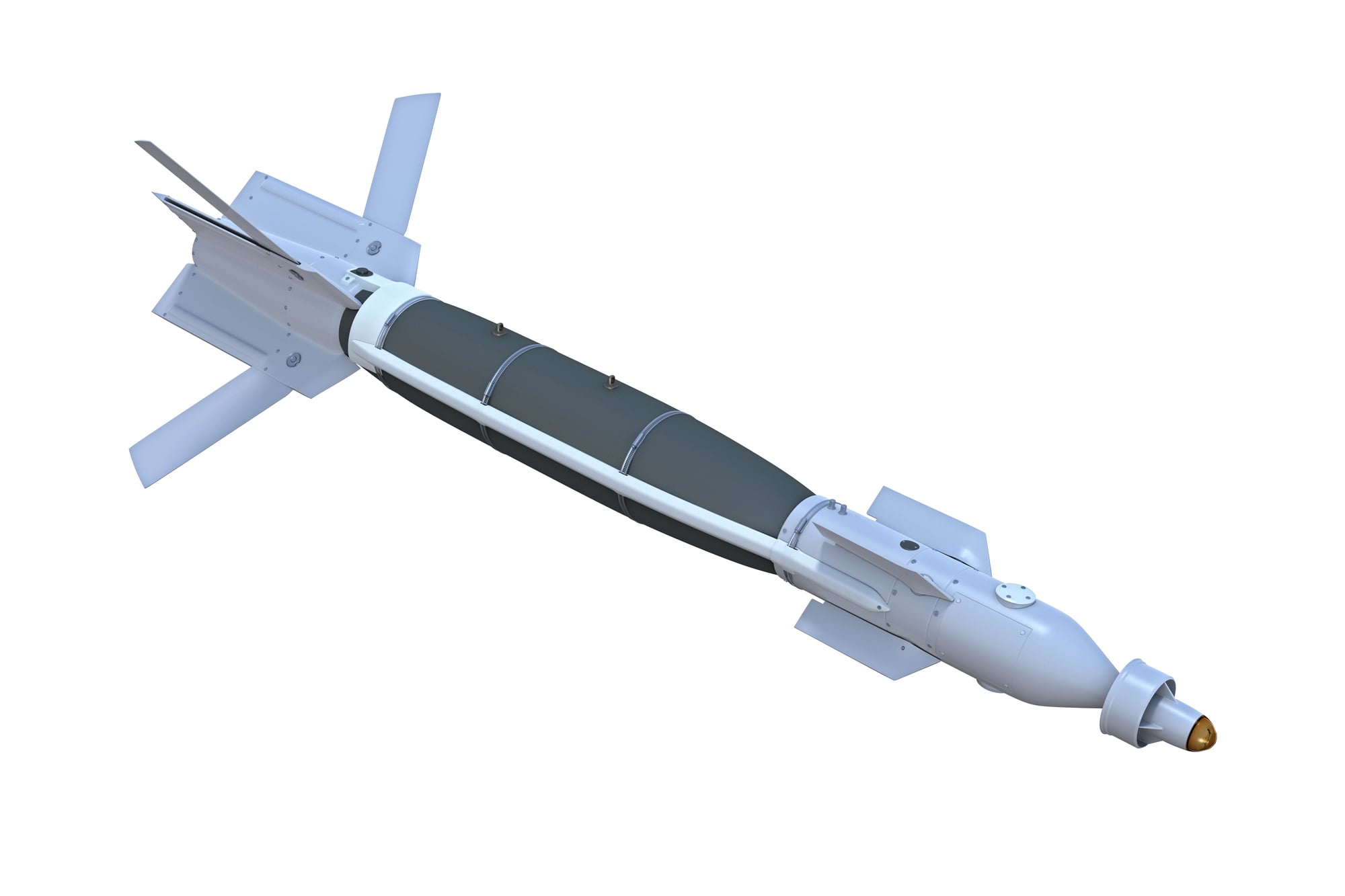
Smart bombs and guided missiles transformed warfare by allowing forces to strike specific targets with unprecedented accuracy. Instead of carpet bombing entire areas, militaries could now destroy individual buildings or vehicles.
This precision reduced collateral damage while making every shot potentially decisive.
Like Go2Tutors’s content? Follow us on MSN.
The Evolution Continues
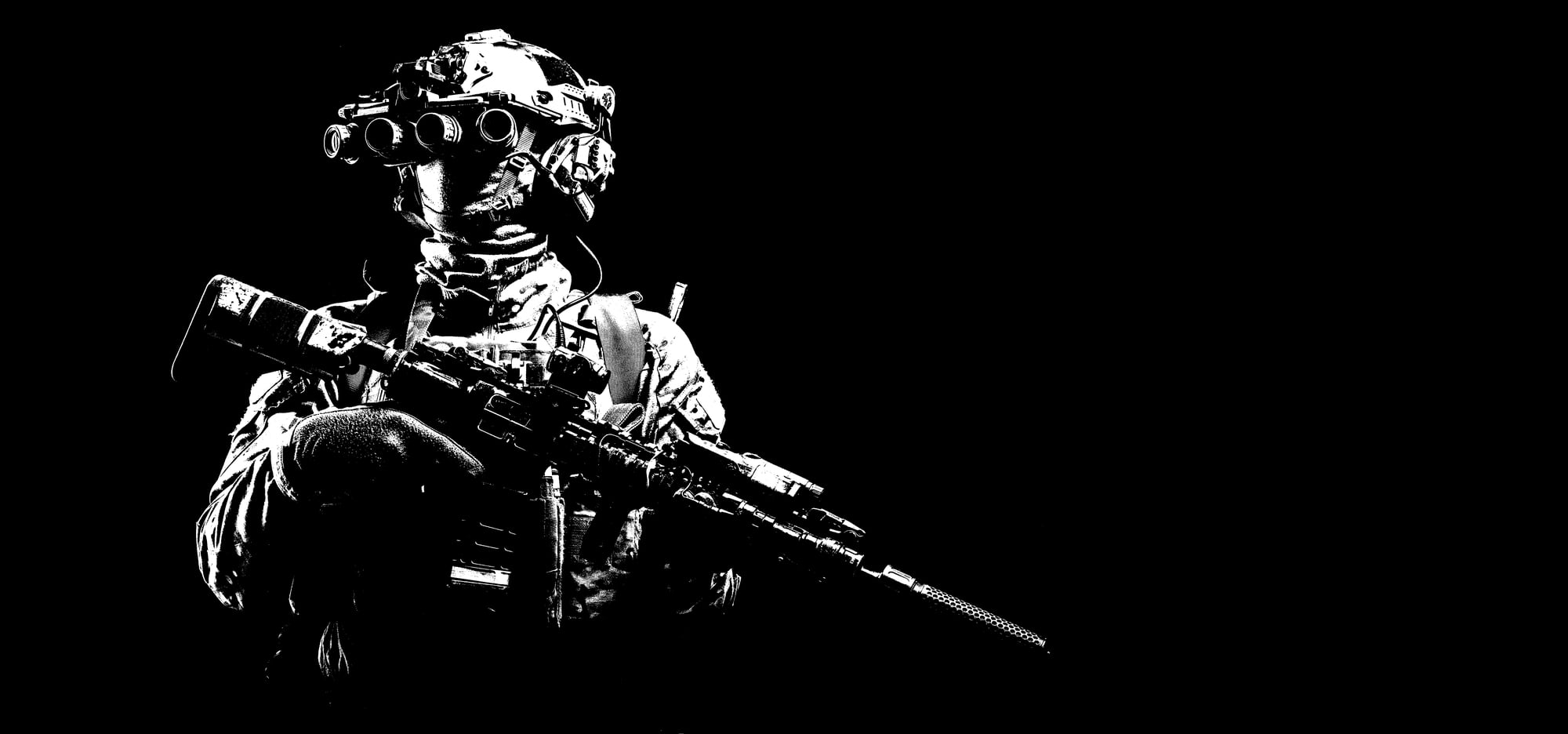
These tactical innovations remind us that military strategy constantly evolves, driven by technology, necessity, and human ingenuity. Each breakthrough forced opponents to adapt or face defeat, creating an endless cycle of innovation and counter-innovation.
Today’s armies study these historical lessons while preparing for tomorrow’s challenges, knowing that the next revolutionary tactic might already be taking shape on some distant battlefield.
More from Go2Tutors!

- 18 Unexpectedly Valuable Collectibles You Might Have Lying Around
- 20 Little-Known Historical Battles That Had Huge Consequences
- 20 Historical Artifacts That Scientists Can’t Explain
- 15 Inventions That Were Immediately Banned After Being Created
- 20 Actors Who Were Almost Cast in Iconic Roles
Like Go2Tutors’s content? Follow us on MSN.