14 Weirdest Things Unearthed by Accident
Throughout human history, some of the most significant discoveries have happened not through careful planning but by sheer coincidence. Construction workers breaking ground for new buildings, farmers plowing fields, or ordinary people simply going about their day have stumbled upon extraordinary objects and sites that changed our understanding of the past.
These accidental finds range from priceless archaeological treasures to bizarre natural phenomena that might have remained hidden forever if not for random chance. Here is a list of 14 of the most unusual and significant things ever discovered entirely by accident, each with its own remarkable story of unexpected revelation.
Terracotta Army
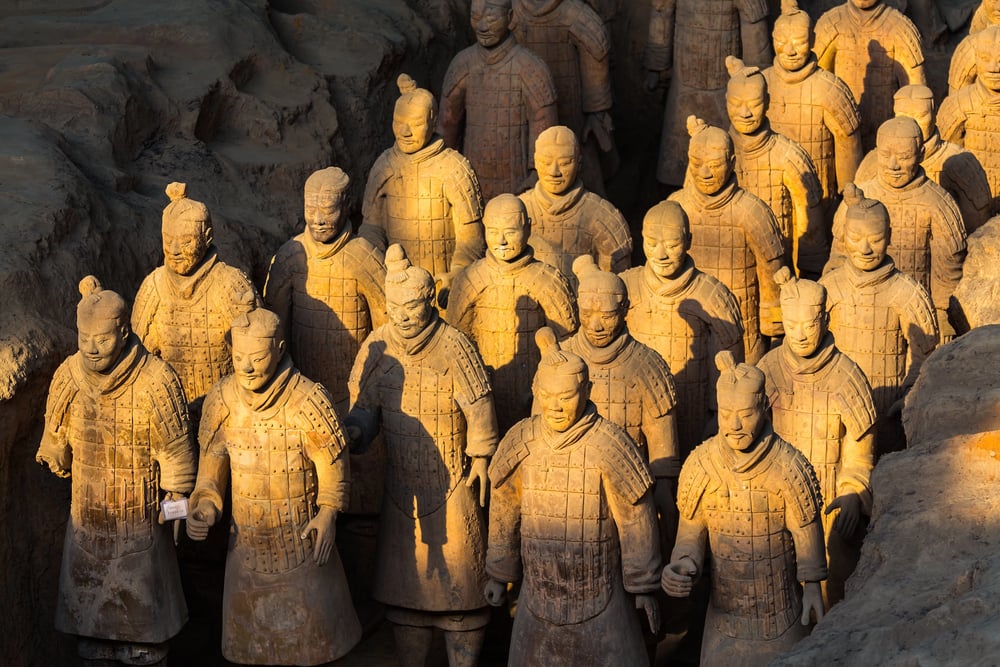
In 1974, farmers digging a well near Xi’an, China uncovered fragments of clay figures that led to the discovery of an entire underground army. The 8,000 life-sized terracotta warriors, each with unique facial features, had guarded Emperor Qin Shi Huang’s tomb since 210 BCE.
This accidental find revolutionized our understanding of ancient Chinese military practices and artistic achievements, revealing sophisticated craftsmanship previously unknown to historians. The farmers’ simple quest for water unveiled one of archaeology’s greatest treasures.
Lascaux Cave Paintings
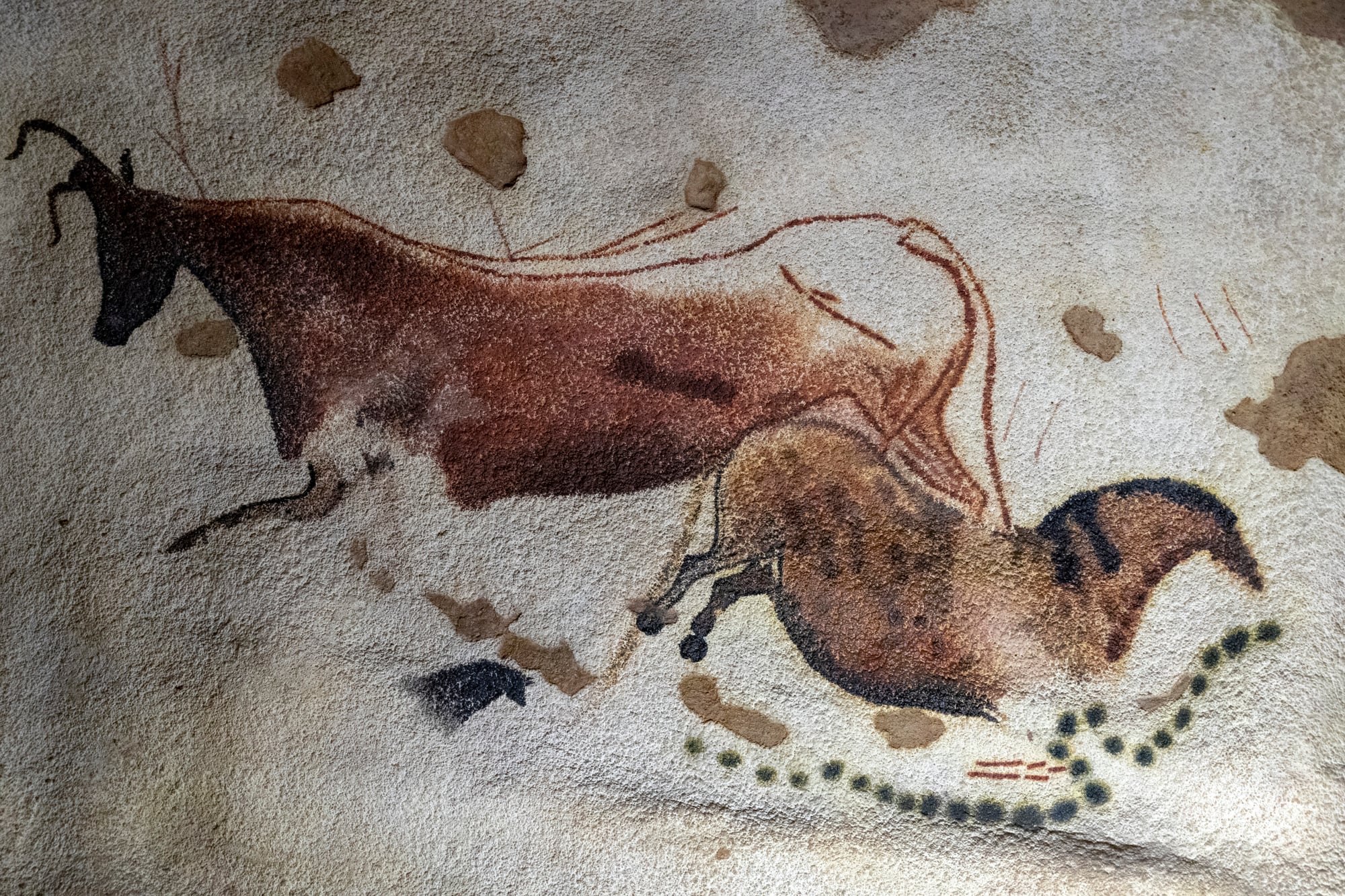
Four teenage boys chasing their dog down a hole in 1940 France stumbled upon what would become known as the “Sistine Chapel of Prehistoric Art.” The Lascaux caves contained nearly 6,000 figures painted approximately 17,000 years ago, depicting animals, human figures, and abstract signs with remarkable artistic skill.
The quality and preservation of these paintings transformed the understanding of prehistoric human capabilities. The boys kept their discovery secret for several days before telling their schoolteacher, who recognized the significance of what they’d found.
Like Go2Tutors’s content? Follow us on MSN.
Roman Villa of Positano

Construction workers building a new hotel foundation in Positano, Italy in 2004 accidentally broke through into an ancient Roman villa buried by the Vesuvius eruption. The perfectly preserved dwelling contained elaborate frescoes depicting mythological scenes with colors still vibrant after nearly 2,000 years.
Unlike Pompeii, this villa had remained completely untouched and unknown until modern construction activities revealed its existence. Archaeologists found intact furniture, household items, and evidence of hasty abandonment as residents fled the volcanic disaster.
The Dead Sea Scrolls
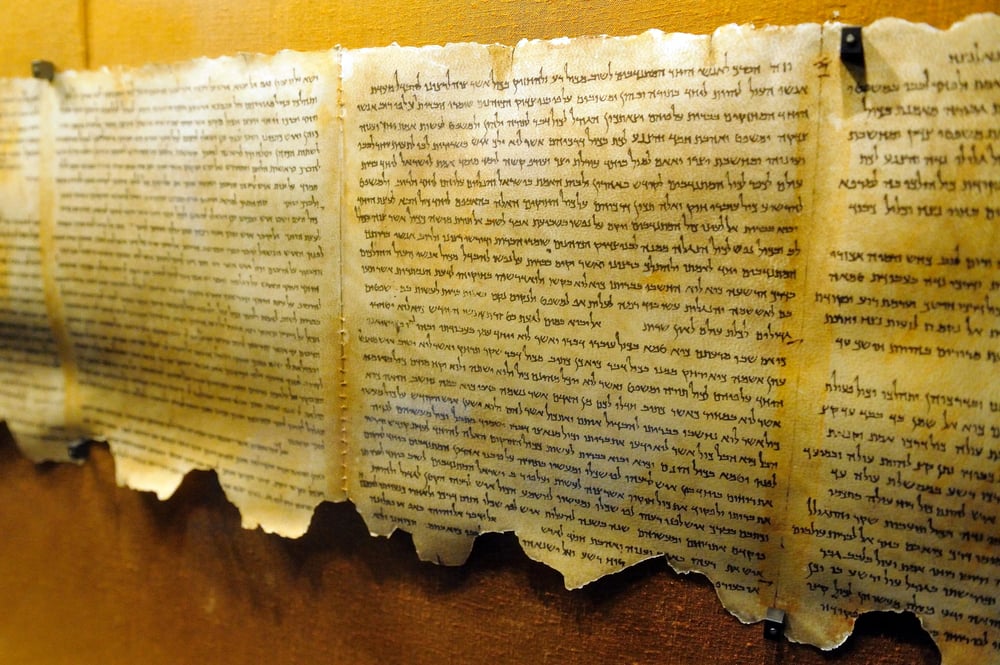
In 1947, a Bedouin shepherd threw a rock into a cave while searching for a lost goat and heard something shatter. Investigating the sound, he discovered clay jars containing ancient scrolls that had been hidden for nearly 2,000 years.
These manuscripts included the oldest known biblical texts and entirely unknown Jewish writings that revolutionized the understanding of early Judaism and Christianity. The scrolls’ accidental discovery in Qumran caves provided unprecedented insights into religious thought during a pivotal historical period.
Antikythera Mechanism
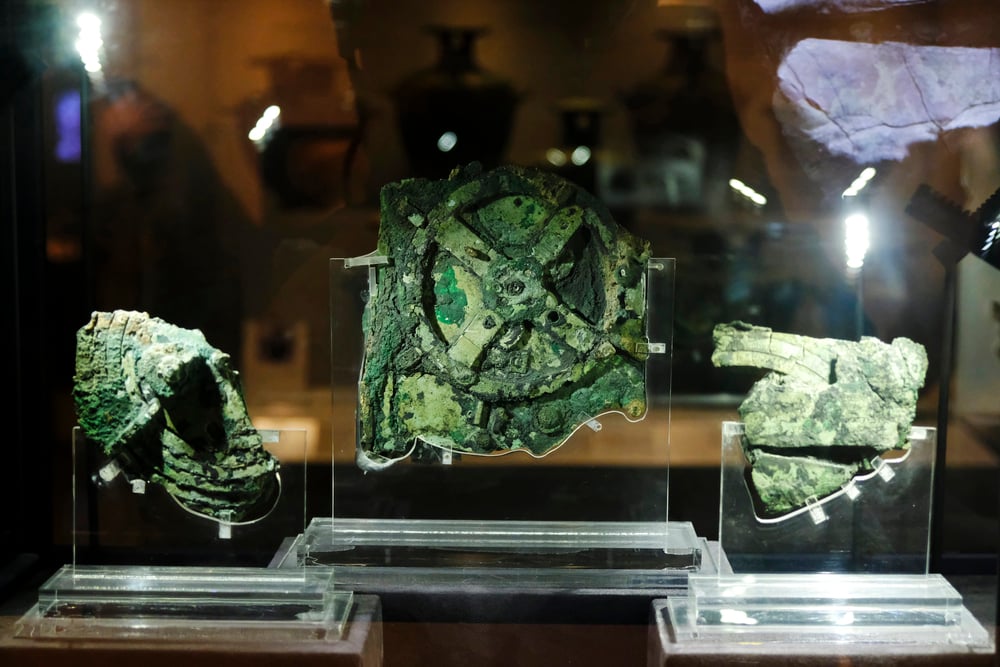
Sponge divers taking shelter from a storm near a small Greek island in 1900 decided to dive while waiting out the weather. They discovered an ancient shipwreck containing a corroded metal device.
Scientists later determined this object was an incredibly sophisticated astronomical calculator created around 100 BCE, capable of tracking planetary positions with astonishing accuracy. The mechanism’s complexity suggests that ancient Greek technological capabilities were far more advanced than previously believed.
Like Go2Tutors’s content? Follow us on MSN.
Derinkuyu Underground City

In 1963, a Turkish man renovating his home knocked down a wall and discovered a mysterious room that led to an elaborate underground network. Further exploration revealed an entire subterranean city capable of housing 20,000 people across 18 levels.
This ancient city included ventilation shafts, wells, communal kitchens, wineries, and rolling stone doors that could seal off sections during attacks. Archaeologists believe the complex was used by early Christians hiding from Roman persecution and later from Arab invasions.
Viking Burial Site

In 1975, engineers preparing to expand Manchester Airport uncovered an extensive Viking burial ground entirely by accident. The site contained remarkable artifacts including weapons, jewelry, and everyday items that provided unprecedented insights into Norse culture.
Most significantly, the graves revealed evidence of cultural blending between Viking settlers and local populations. This accidental find fundamentally changed the understanding of Britain’s multicultural heritage and Norse settlement patterns.
Baby Woolly Mammoth
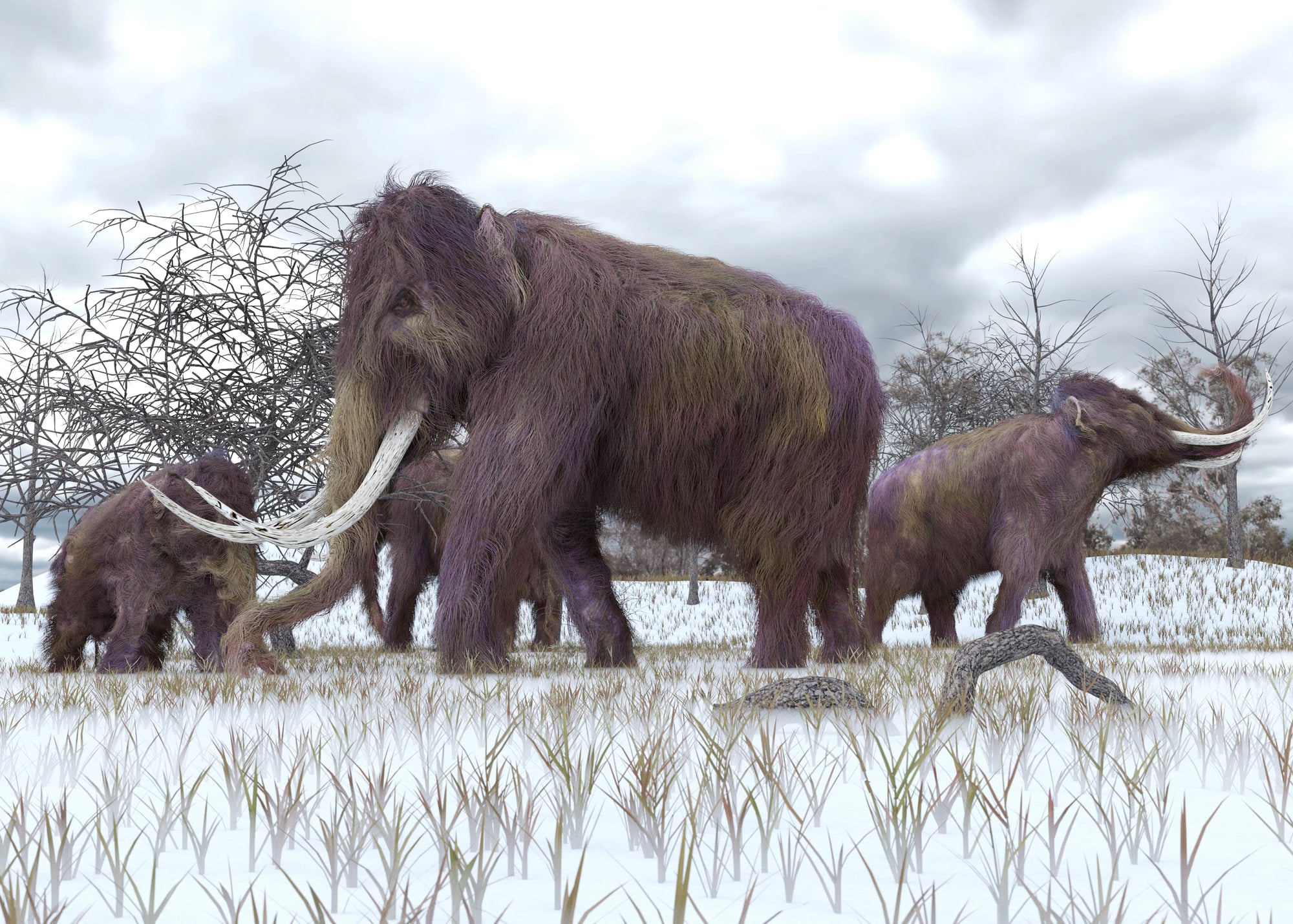
Gold miners in the Yukon struck something unexpected in 2007 when their bulldozer uncovered the nearly perfect frozen remains of a baby woolly mammoth. Nicknamed “Lyuba,” the 42,000-year-old calf was so well-preserved that its skin, trunk, and even internal organs remained intact.
Scientists discovered the animal’s stomach still contained its mother’s milk and the plants it had eaten shortly before death. This accidental find in permafrost yielded more detailed information about mammoth biology than any previous discovery.
Like Go2Tutors’s content? Follow us on MSN.
Roman Coins in Seaton Down
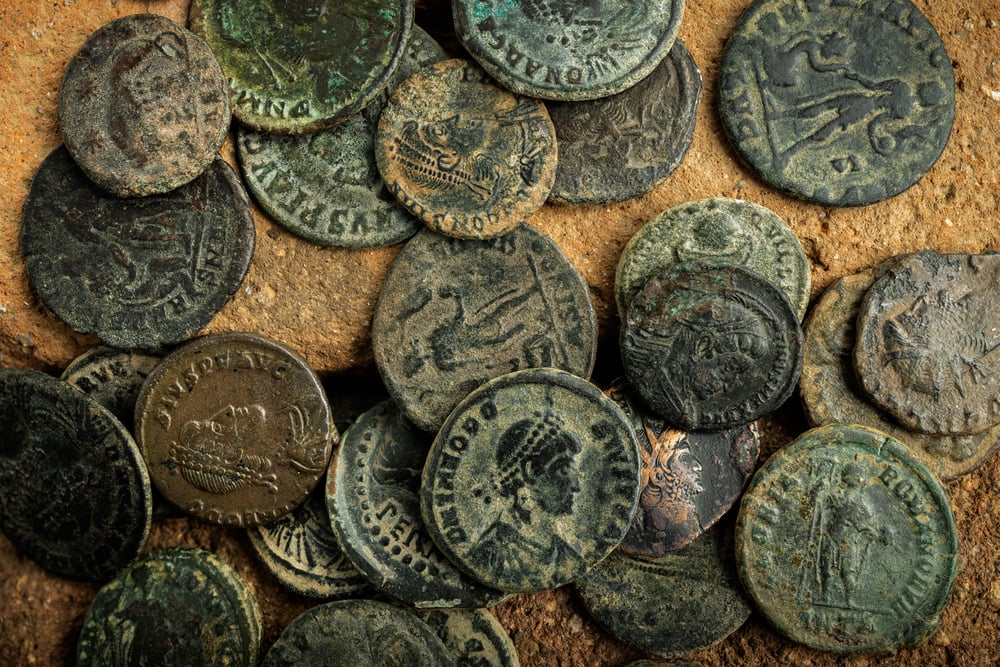
In 2013, metal detectorist Laurence Egerton was searching a farmer’s field in Devon when he discovered a few coins that led to an extraordinary hoard of over 22,000 Roman coins. The coins had been buried in a large vessel just below the surface, untouched for over 1,700 years.
He slept in his car for three nights guarding the site until archaeologists could properly excavate it. The hoard’s excellent condition provided important insights into Roman economic history and coin production techniques.
Moai Statue Bodies
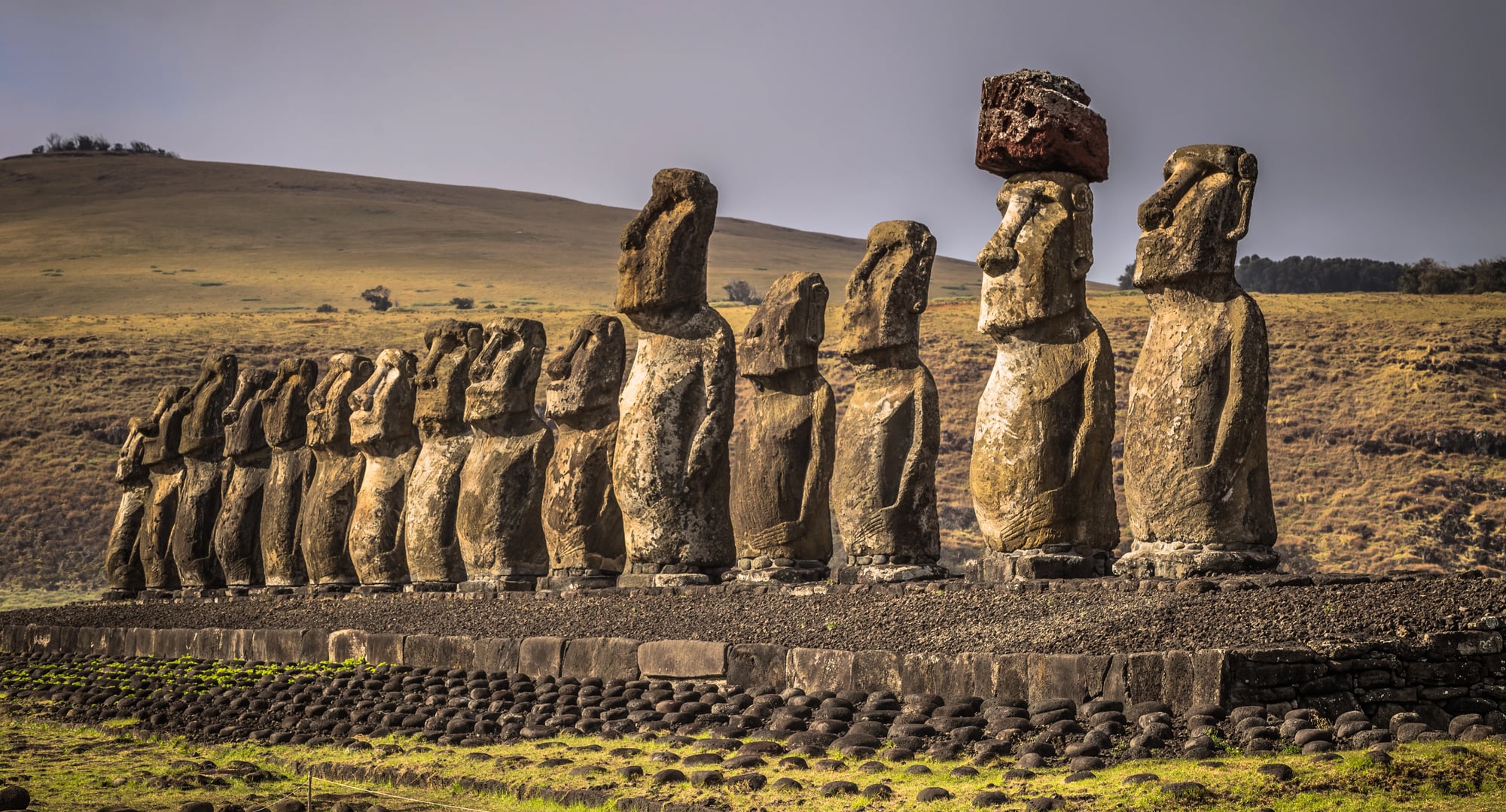
For centuries, the famous Easter Island stone heads appeared to be just that—giant heads sticking out of the ground. During excavations in 2012, archaeologists discovered that these iconic statues actually had full bodies buried underground.
Construction workers accidentally unearthed the extended portions while developing infrastructure near the statues. The buried torsos featured previously unknown petroglyphs and new information about the statues’ construction and transportation.
Rosetta Stone
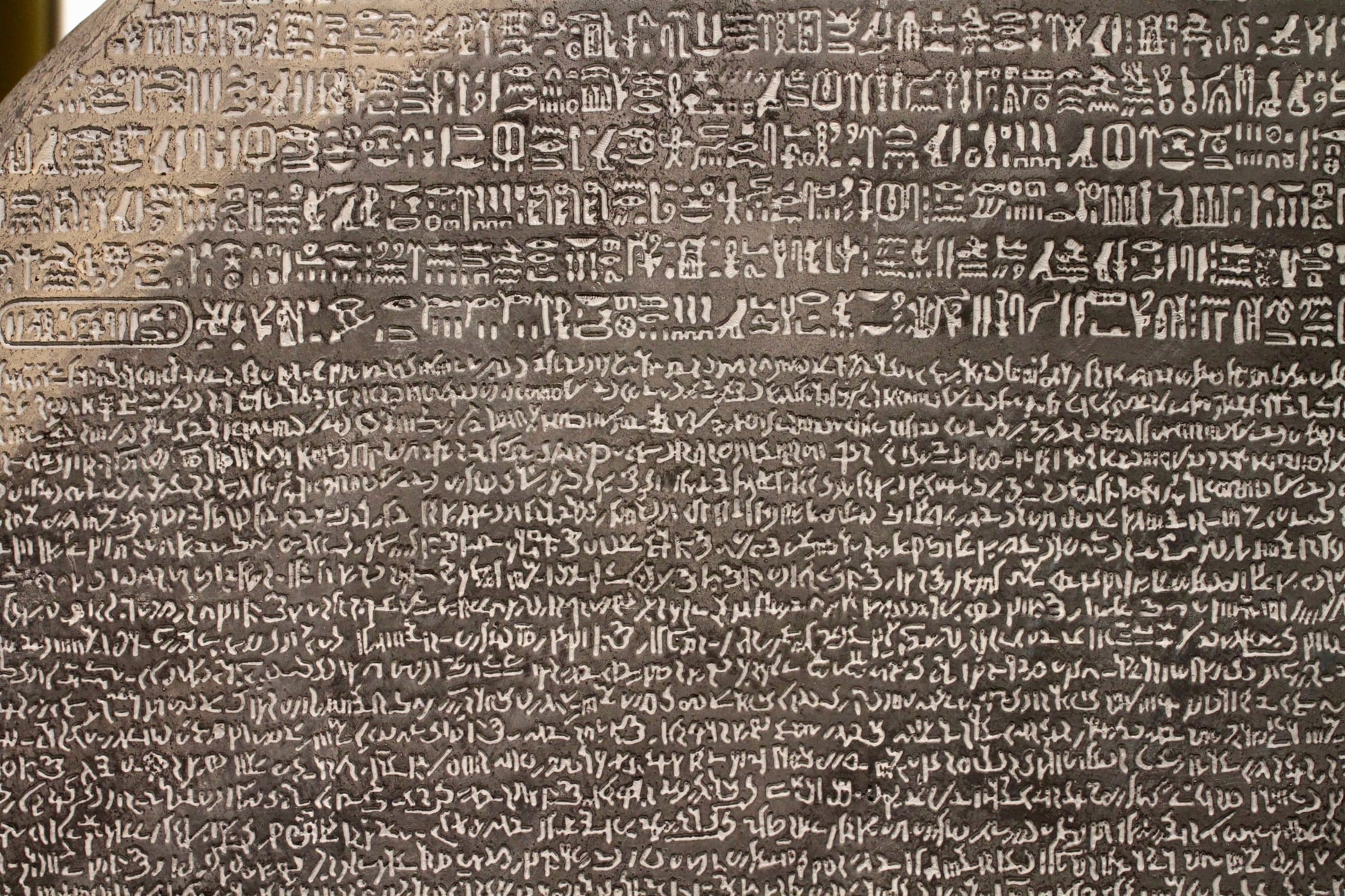
In 1799, French soldiers rebuilding a fort near Rosetta, Egypt uncovered a granite slab featuring the same text written in three different scripts. This accidental find provided the key to deciphering Egyptian hieroglyphics, which had remained a mystery for centuries.
The soldiers nearly used the stone as building material before an officer recognized its importance. This single chance discovery revolutionized our ability to understand ancient Egypt’s history, literature, and culture.
Like Go2Tutors’s content? Follow us on MSN.
The First Dinosaur Eggs
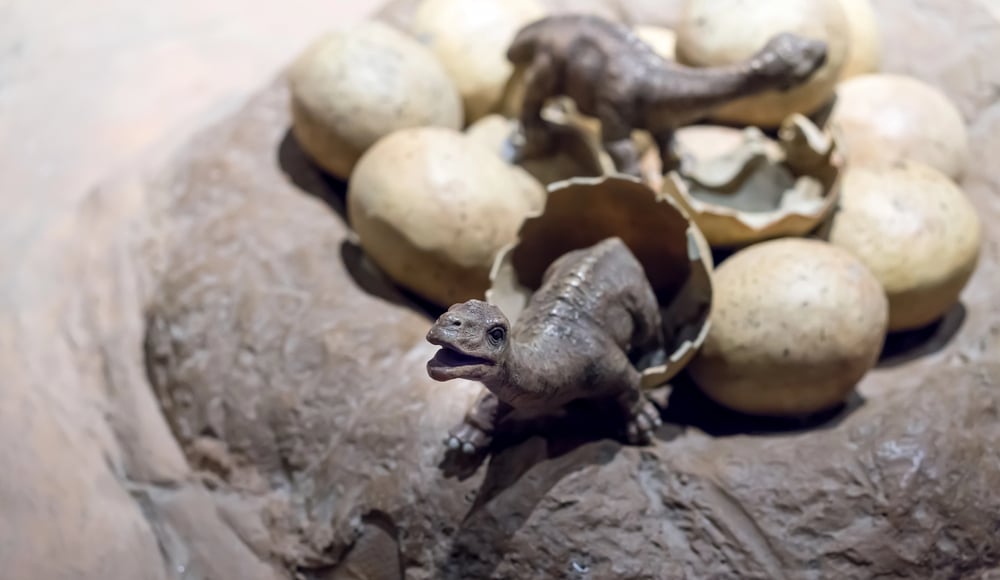
While taking cover from a sandstorm in the Gobi Desert in 1923, an expedition discovered odd petrified items initially mistaken for rocks. They were later confirmed to be the first dinosaur eggs ever found.
The site produced embryos and nesting grounds that demonstrated sophisticated parental behaviors. This accidental discovery permanently changed our understanding of dinosaur reproduction.
Grauballe Man
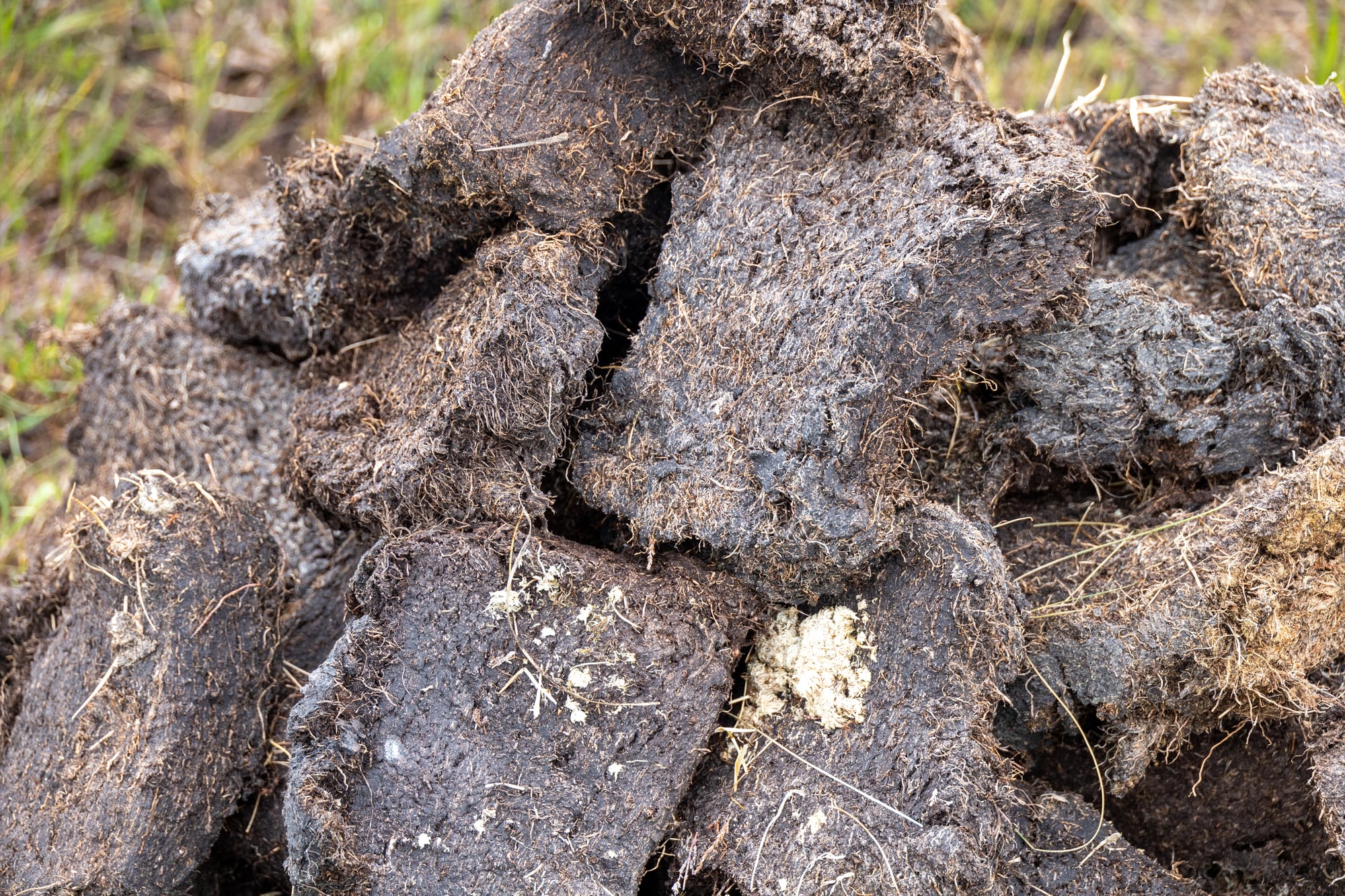
Peat cutters in Denmark in 1952 uncovered the preserved body of a man who had died more than 2,300 years earlier. His fingerprints, facial features, and last meal had all been preserved by the unique chemistry of the bog.
He had likely died from a throat wound in a ceremonial sacrifice, according to forensic analysis. The discovery provided new insights into Iron Age life and ritual practices.
Hoxne Hoard
In 1992, a man searching for a lost hammer in an English field accidentally discovered the largest Roman treasure ever found in Britain. The Hoxne Hoard contained thousands of gold and silver coins, jewelry, and tableware packed carefully into a wooden chest.
The finders followed proper archaeological procedures, allowing the hoard to be professionally excavated and preserved. Analysis of the coins provided precise dating evidence for late Roman Britain’s economic history.
Like Go2Tutors’s content? Follow us on MSN.
Hidden in Plain Sight

These extraordinary accidental discoveries remind us that history’s greatest treasures often lie just beneath our feet, waiting to be revealed. Each unexpected find has filled crucial gaps in our understanding of the past.
While methodical archaeological research remains essential, these serendipitous moments highlight how random events can lead to profound breakthroughs. They also show why proper protocols and protections are necessary to ensure historical treasures aren’t lost or damaged.
More from Go2Tutors!

- 18 Unexpectedly Valuable Collectibles You Might Have Lying Around
- 15 Things Every Teenager in the ’70s Did That Teens Today Wouldn’t Understand
- 15 Strange Things People Have Tried to Ban (And Failed)
- 15 Inventions That Were Immediately Banned After Being Created
- 20 Actors Who Were Almost Cast in Iconic Roles
Like Go2Tutors’s content? Follow us on MSN.