Prestige Objects Commissioned by Historic Rulers
Power needs to be seen. Throughout history, rulers understood this instinctively.
A crown sitting in a treasury meant nothing if subjects never witnessed its splendor. The objects they commissioned weren’t just expensive—they were calculated statements about authority, divine favor, and the permanence of their legacy.
These weren’t impulse purchases. Every gem placement, every carved detail, every choice of material carried meaning.
Some objects took decades to complete and bankrupted treasuries. Others sparked wars when rivals saw what their neighbors possessed.
The Weight of Gold and Gemstones
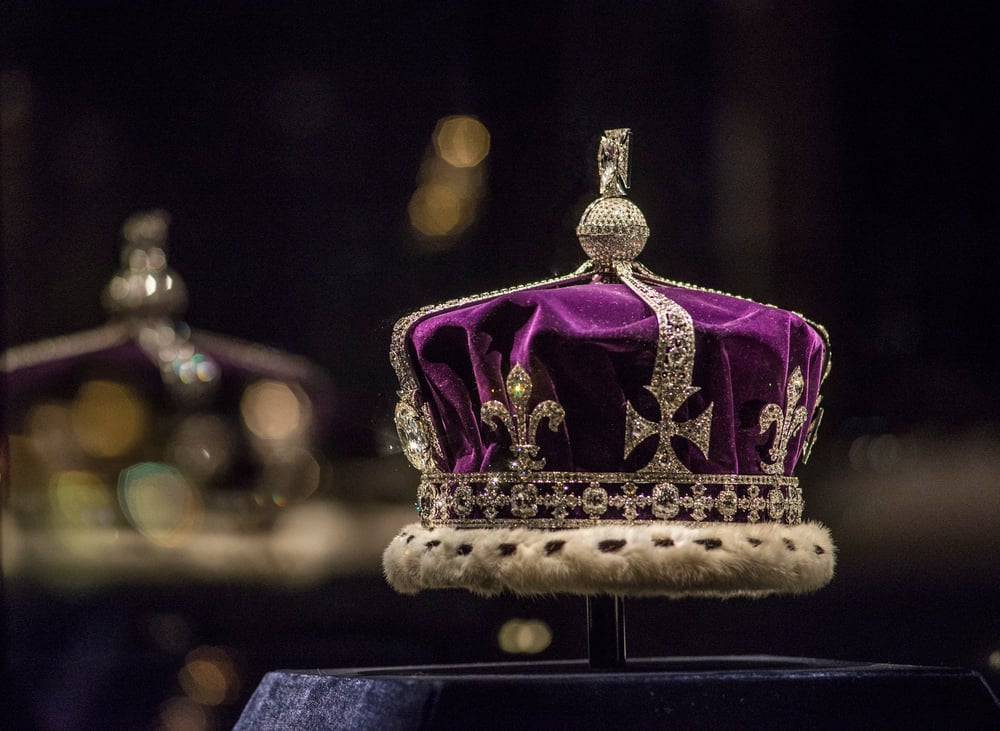
Crown regalia served as the most direct symbol of royal authority. Rulers across continents poured resources into these pieces, knowing subjects would associate the brilliance of precious metals with the divine right to rule.
The weight alone sent a message. Heavy crowns reminded everyone—including the wearer—that authority came with burden.
Jewelers embedded rubies, sapphires, and emeralds in patterns that caught light from every angle during public ceremonies.
Tombs That Outlasted Empires
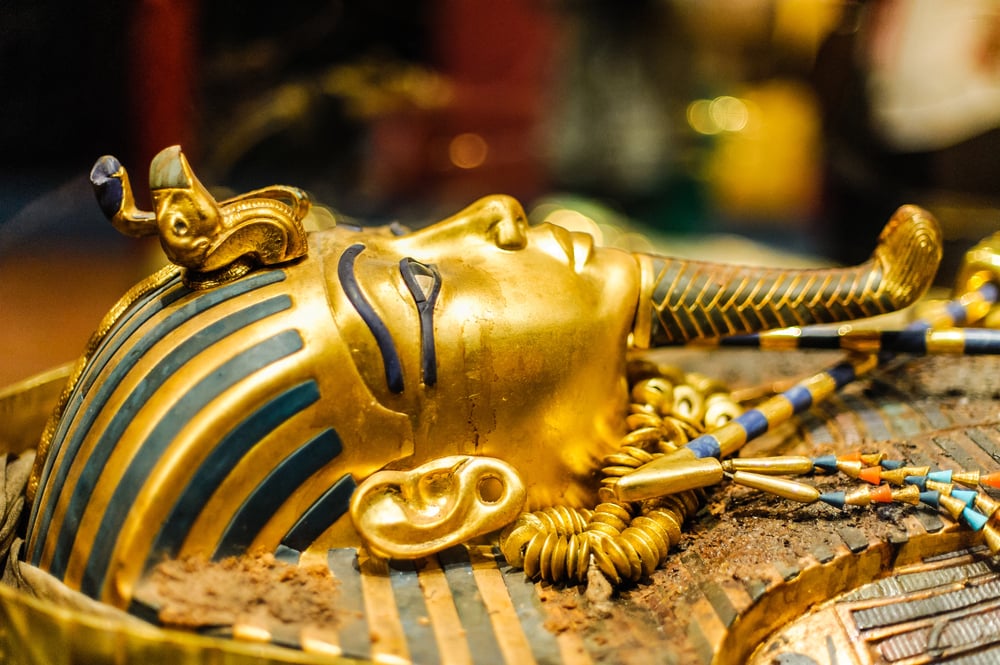
Pharaohs spent decades preparing their final resting places. The Great Pyramid consumed the labor of thousands and demonstrated that Egyptian rulers could marshal resources on an almost unimaginable scale.
These weren’t simple graves. They were eternal homes filled with everything a ruler might need in the afterlife—furniture, food, servants depicted in art, and treasures that would make modern museums gasp.
The message transcended death itself.
Palaces as Political Theater

Versailles changed how Europe thought about royal residences. The Palace of Versailles wasn’t just large—it was a machine designed to overwhelm visitors with French power and sophistication.
Every room served a purpose in the theater of kingship. Foreign ambassadors walked through halls lined with mirrors and gold leaf, understanding exactly what Louis XIV wanted them to understand.
Their own rulers seemed small by comparison.
Sacred Objects That Bridged Worlds

Religious artifacts carried double power. The Crown of St. Stephen connected Hungarian kings to both divine authority and national heritage, making it impossible to separate church and state.
Rulers commissioned these objects knowing they would be displayed during the most important ceremonies of their reigns. A jeweled reliquary or sacred crown made faith visible and gave religious legitimacy a physical form people could see and remember.
Weapons That Never Saw Battle
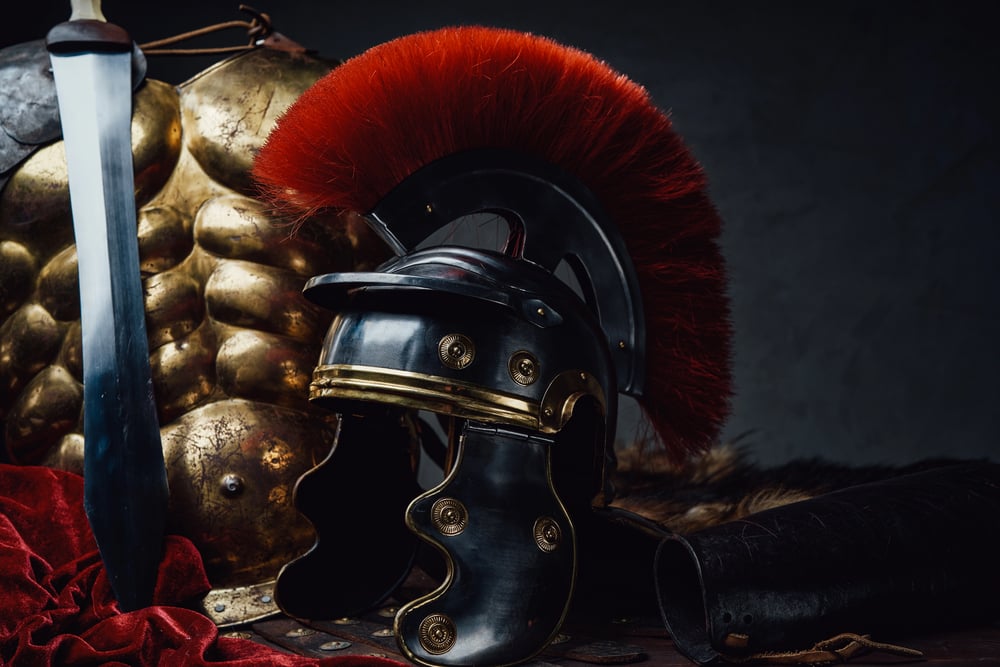
Ceremonial arms told stories without being used. The Imperial Sword in many cultures was too ornate, too valuable, too symbolic to risk in actual combat.
These weapons featured precious metals, elaborate engravings, and gemstones where practical weapons had none. But they appeared at coronations, treaties, and state functions—moments when the threat of force mattered more than its application.
Portraits That Defined Legacy
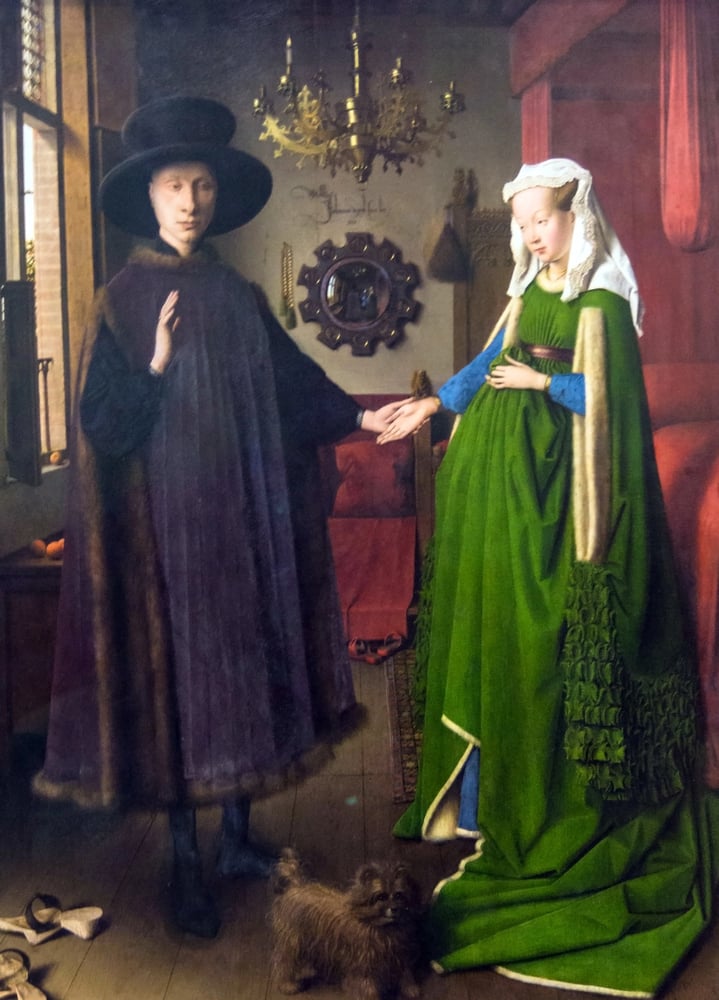
Commissioned portraits froze rulers in their ideal state. The Arnolfini Portrait and similar works weren’t just art—they were carefully constructed images meant to shape how future generations remembered their subjects.
Painters received detailed instructions about pose, clothing, and symbolic objects to include. Nothing appeared by accident.
Every element reinforced the narrative a ruler wanted history to remember.
Libraries That Preserved Knowledge

Book collections demonstrated intellectual authority. The Library of Alexandria stood as proof that rulers valued wisdom and learning, positioning themselves as enlightened patrons rather than simple military strongmen.
Assembling these collections required sending agents across known trade routes. Acquiring rare texts became a form of competition between courts, with scholars following the money to whichever patron offered the best resources and protection.
Gardens That Conquered Nature
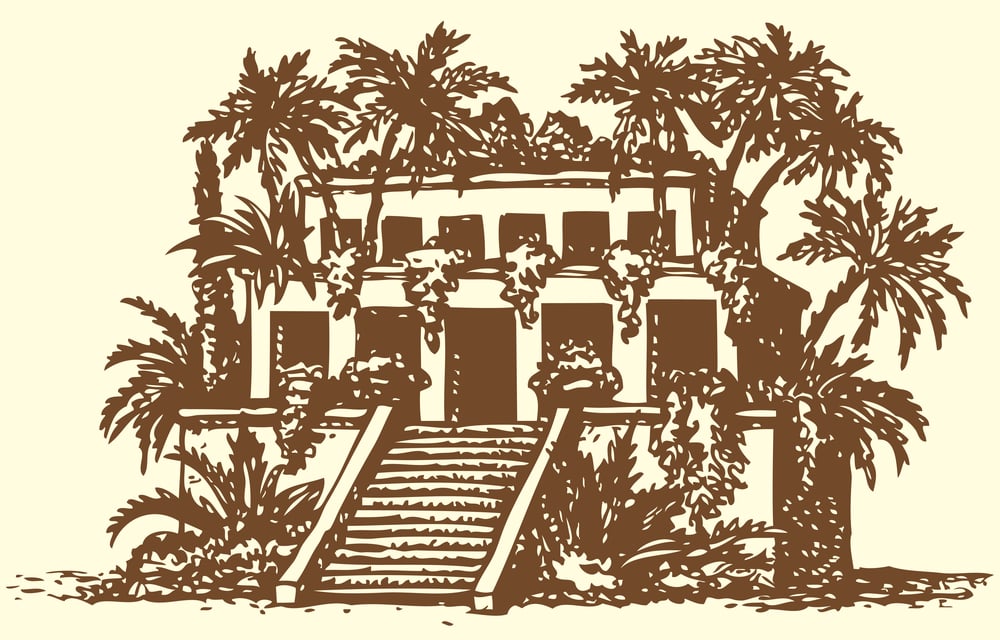
The Hanging Gardens of Babylon allegedly transformed an arid landscape into a green paradise. Whether they truly existed or not, the story reveals what rulers wanted subjects to believe—that their power extended over nature itself.
Persian and Mughal gardens followed similar logic. Water features in desert climates, exotic plants from distant lands, and geometric precision all demonstrated control.
These weren’t recreational spaces—they were proof of engineering prowess and economic reach.
Textiles That Told Stories

Tapestries covered castle walls with more than decoration. The Bayeux Tapestry recorded the Norman Conquest in thread and dye, creating a visual narrative that semi-literate nobles could understand without reading a word.
Producing these massive textiles required specialized workshops, rare dyes, and years of skilled labor. Rulers commissioned them knowing the stories would outlast paint and memory, woven into something nearly indestructible.
Jewelry That Sealed Alliances
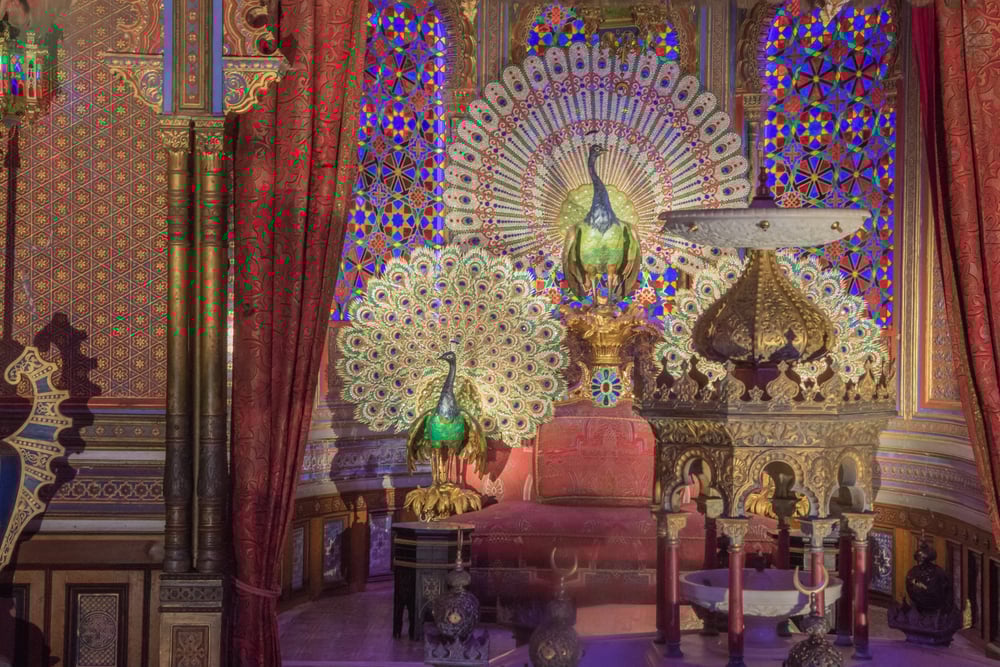
Diplomatic gifts carried enormous significance. The Peacock Throne featured so many precious stones that its value exceeded most national treasuries, making it both a symbol and a strategic asset.
These pieces moved between courts as part of marriage alliances, peace treaties, and tribute arrangements. Their physical presence in a new location marked the shift in political relationships that everyone needed to acknowledge.
Instruments of Court Life

Commissions extended to musical instruments crafted from rare woods and ivory, decorated with inlay work that took craftsmen months to complete. These objects turned entertainment into another display of refined taste and unlimited resources.
Owning the finest instruments attracted the best musicians. Courts competed to host the most talented performers, understanding that cultural supremacy reinforced political dominance in ways that armies sometimes couldn’t.
Tools of Science and Discovery
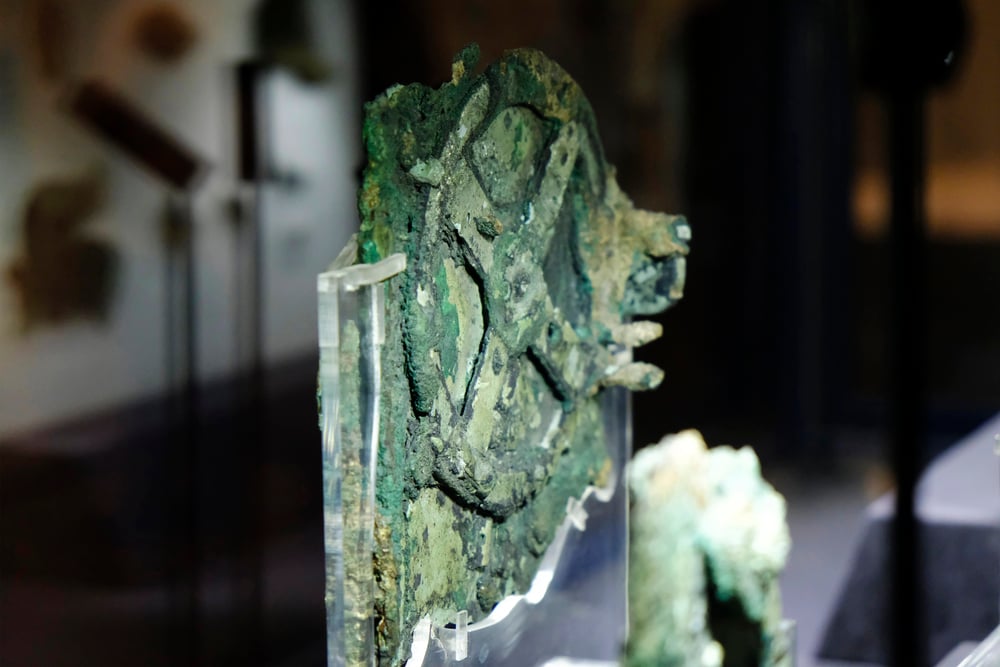
Astrolabes, globes, and astronomical instruments demonstrated enlightened rule. The Antikythera Mechanism and similar devices showed that rulers valued knowledge about the cosmos and supported the scholars who expanded human understanding.
These commissions served practical purposes—navigation, calendar keeping, predicting eclipses. But they also marked their owners as sophisticated patrons of learning, invested in pursuits beyond simple conquest and taxation.
Architectural Wonders That Touched the Sky
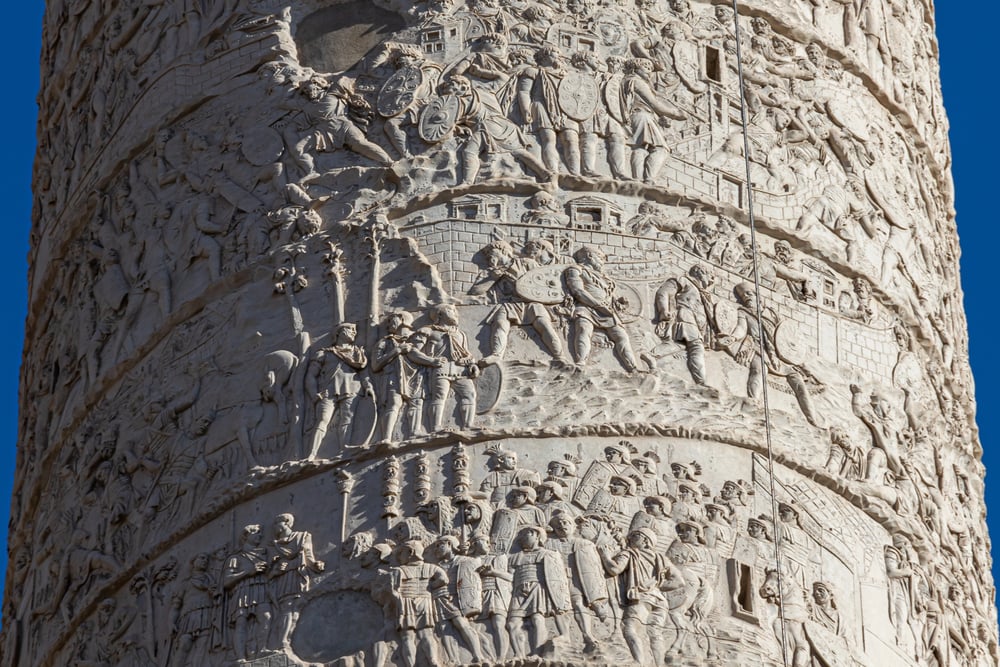
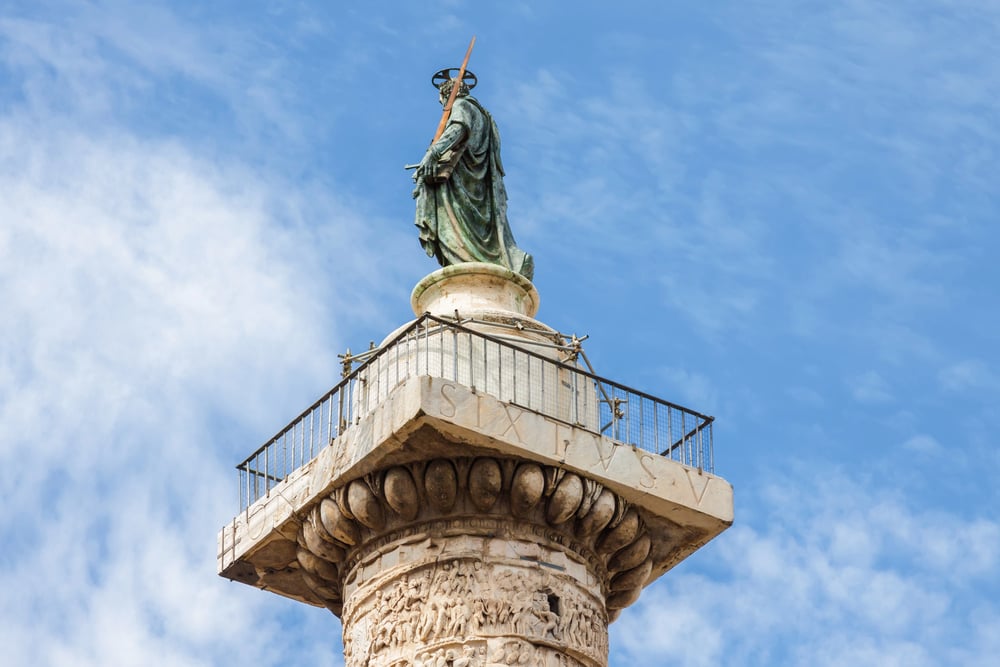
Towers and monuments pushed engineering to its limits. Trajan’s Column recorded military victories in stone that would survive long after the empire itself crumbled.
Builders took enormous risks with these projects. Collapses during construction killed workers but rarely stopped the work.
Rulers needed their monuments finished, needed that permanent mark on the landscape that said they had been here and mattered.
Objects That Speak Across Centuries
The fancy items sit in museums today, locked away under glass and alarms. Even though the kings who ordered them are long gone – same with their kingdoms – they’re still here.
But they quietly show how people always try to display power, making it last forever. You can check out these items now – sense the purpose baked into each one.
Ages back, someone picked a crown, a blade, or a structure worth pouring time and effort into. They’re still here
More from Go2Tutors!

- The Romanov Crown Jewels and Their Tragic Fate
- 13 Historical Mysteries That Science Still Can’t Solve
- Famous Hoaxes That Fooled the World for Years
- 15 Child Stars with Tragic Adult Lives
- 16 Famous Jewelry Pieces in History
Like Go2Tutors’s content? Follow us on MSN.