Vintage Camera Models In Demand
Film photography has become more than a nostalgic hobby. It feels like a small rebellion against a world where every moment is captured, filtered, and forgotten in seconds.
People are rediscovering cameras with weight, craftsmanship, and character. The ones that never needed firmware updates.
The ones that produced photographs you could hold, frame, or store in shoeboxes for decades.The renewed demand isn’t tied to age alone.
Certain vintage cameras deliver a look, a feel, or a legendary level of engineering that modern gear doesn’t quite duplicate. Some have become desirable fashion accessories.
Others remain workhorses in professional studios. A few created entire photographic eras.
Here’s a closer look at the vintage models collectors and creators continue to chase.
Leica M6
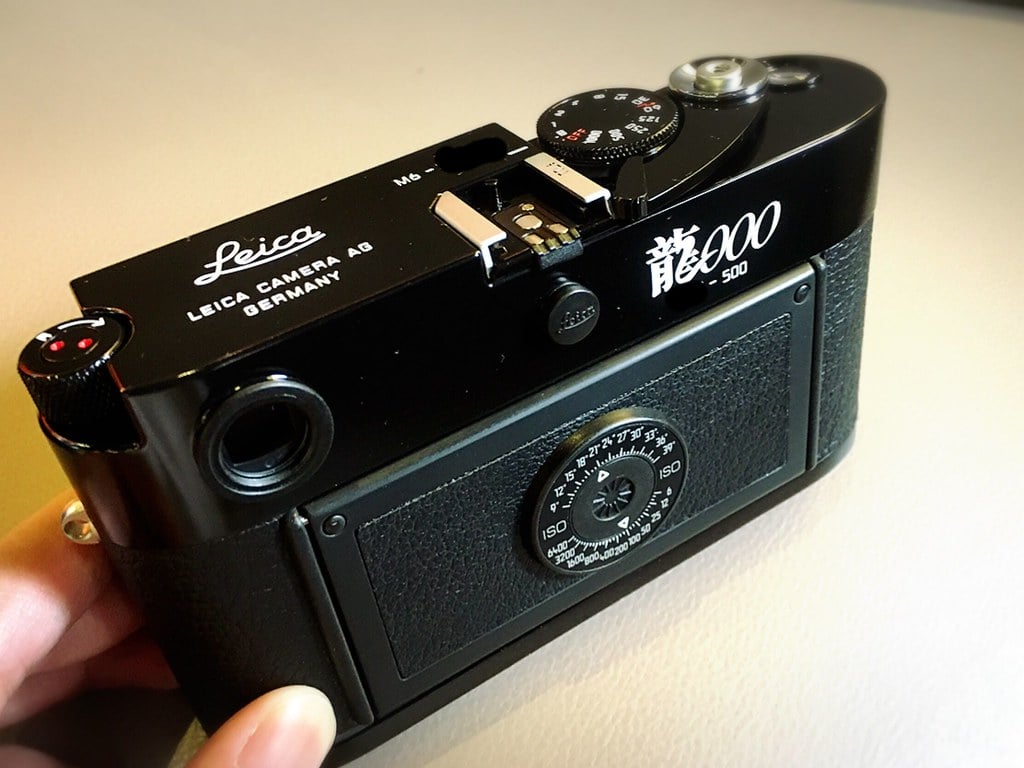
Film shooters treat the Leica M6 like a master key to timeless imagery. The camera’s compact rangefinder body feels refined without being delicate, and every dial has a purpose.
There’s a calm ritual in focusing through the bright rangefinder patch. It slows photography down in the best way possible.
The M6 pairs with Leica’s famous M-mount lenses, which are prized for sharpness and contrast that never go out of style.Celebrities helped push demand higher, making prices rise far beyond typical used gear.
Even so, many argue it remains practical enough to carry every day. Strong build quality means these models continue working reliably long after others have been shelved, and that legacy keeps collectors looking for their chance to own one.
Contax G2
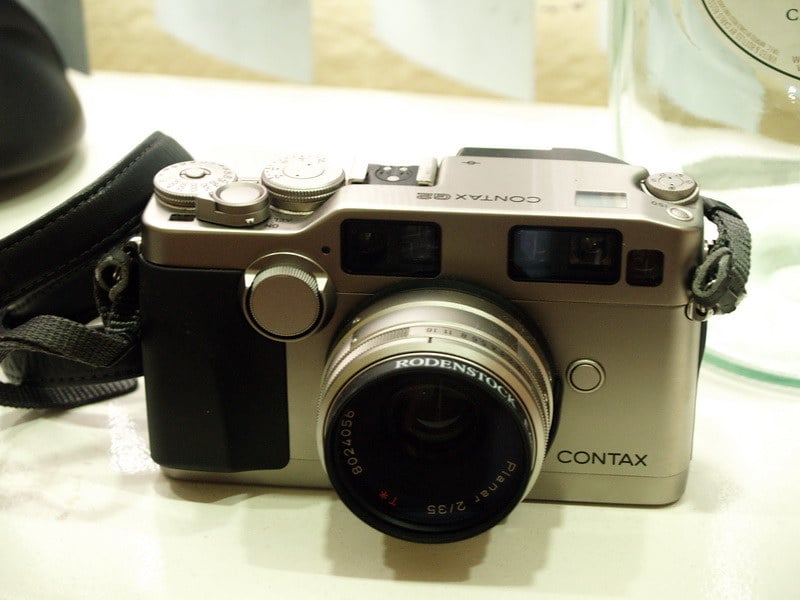
Stylish, fast, and surprisingly modern for its era, the Contax G2 blends a futuristic autofocus system with a sleek titanium shell. It has the look of a fashion accessory with performance that made it a legitimate professional tool.
The shooting experience feels smooth and immediate, encouraging confident movement through busy city streets.The Zeiss lenses are a major part of its reputation.
They provide crisp detail and deep color that give photos a cinematic energy. As interest in street and travel film photography keeps rising, the G2 remains one of the first cameras people search for when they want quality and flair in a single package.
Nikon F3
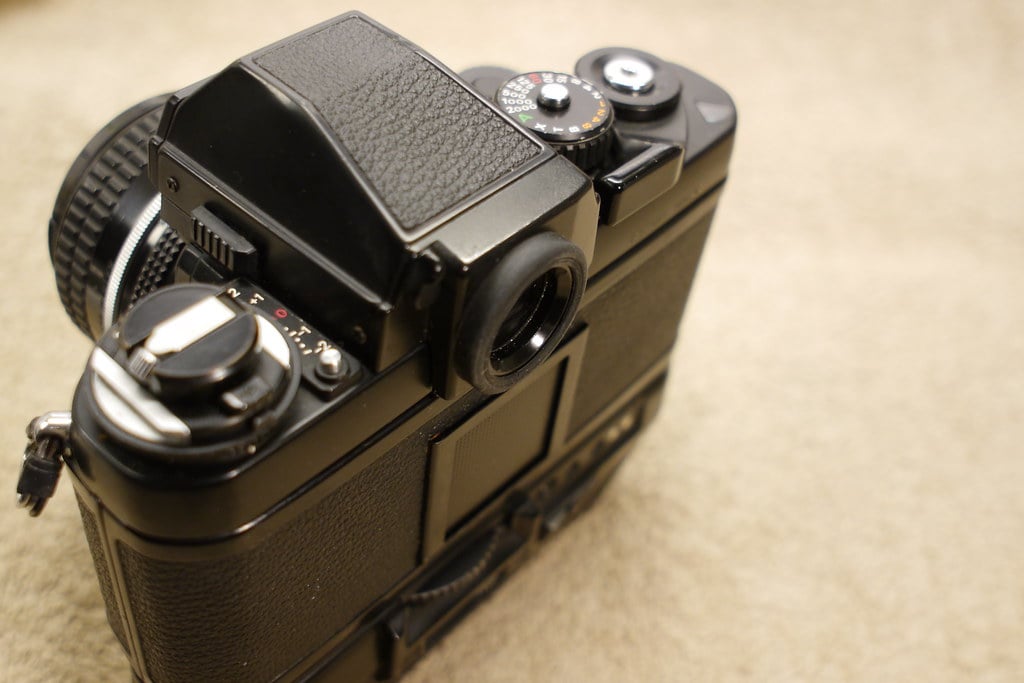
The Nikon F3 served as the faithful companion of photojournalists who worked everywhere from damp rainforests to wide-open deserts. Rugged and ready for pressure, it earned trust during times when film was the world’s primary record of history.
The camera handles beautifully, with a bright viewfinder and smooth shutter feel that encourages control even when the moment is chaotic.Support for the Nikon F-mount lens lineup makes it compatible with decades of excellent glass.
Repairability also plays a huge part in its continued demand. Many photographers prefer gear that can be serviced rather than replaced, and the F3 stands near the top of that list.
Hasselblad 500C/M
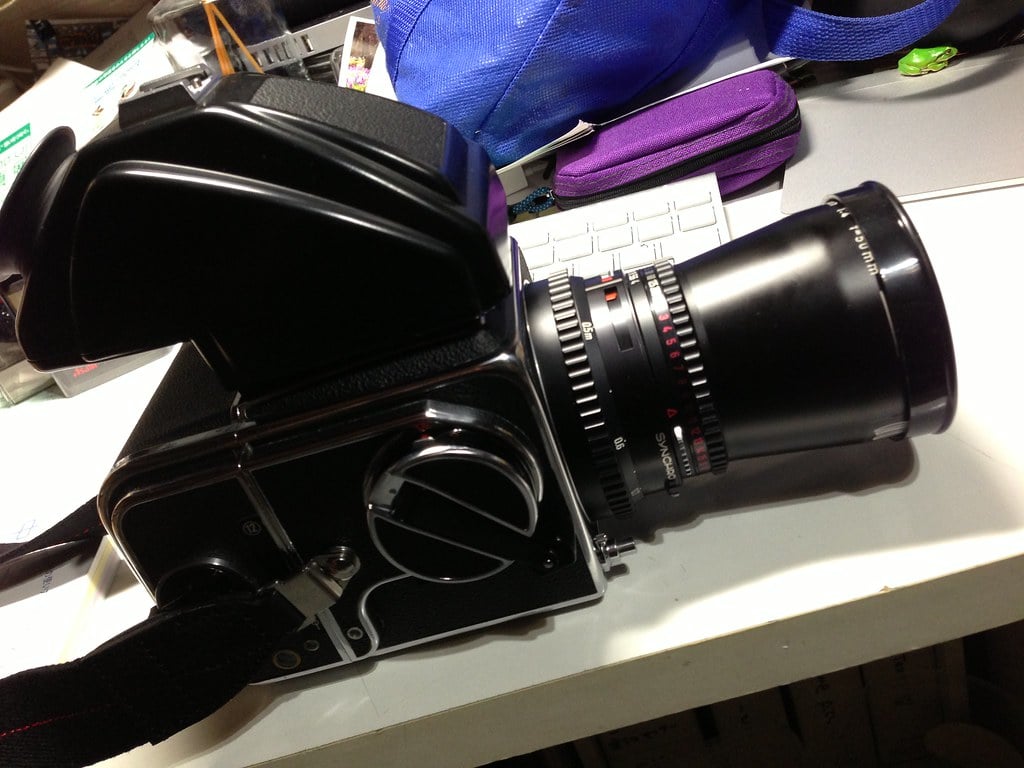
Medium format photography feels luxurious, and the Hasselblad 500C/M exaggerates that experience with every mechanical sound. It shaped the look of countless magazine covers and studio portraits.
It even traveled to the Moon, reinforcing its reputation as a camera capable of documenting humanity’s greatest challenges.The square negatives deliver images with enormous detail and presence.
The modular design invites experimentation through interchangeable parts that change the shooting style. It isn’t the most affordable tool, yet the craftsmanship and image quality keep people searching for well-maintained copies that they can continue using for years.
Canon AE-1 Program
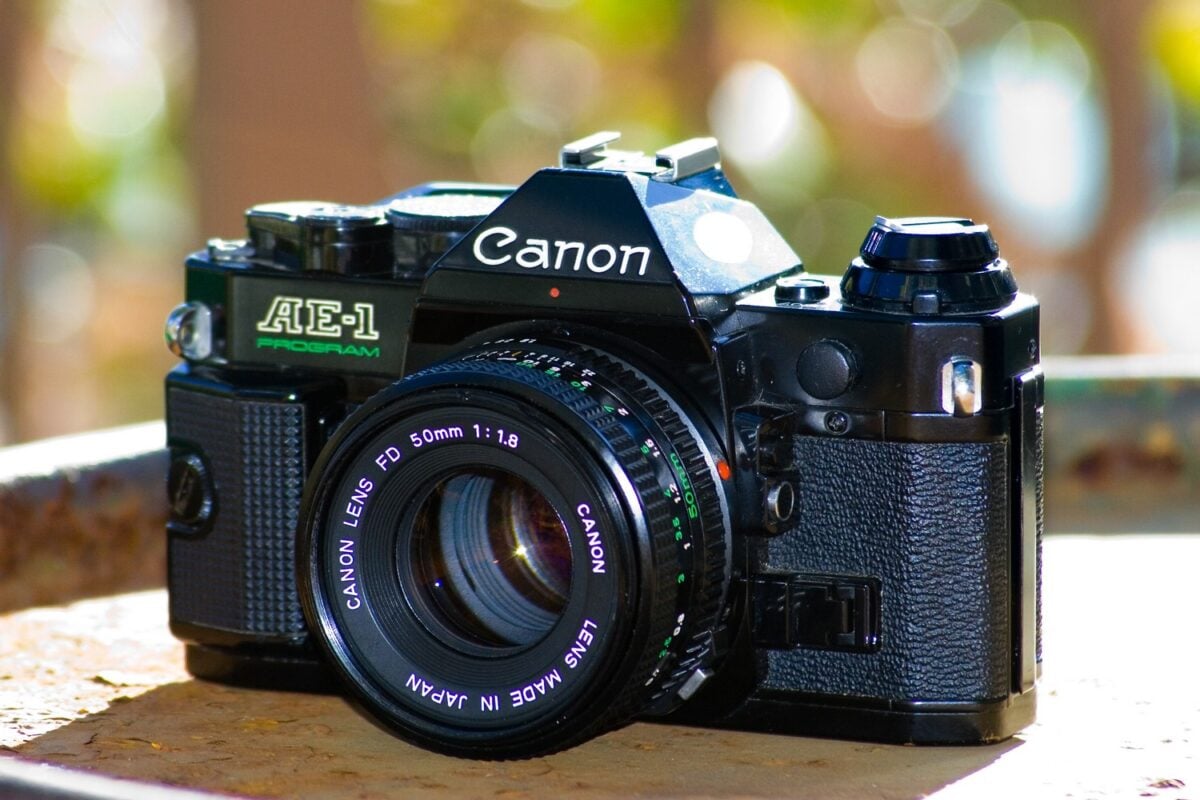
Long before digital screens dominated, the Canon AE-1 Program introduced beginners to photography in a way that felt accessible and rewarding. It simplifies exposure choices without removing control.
The layout helps new shooters understand light, timing, and composition through practice, not menus.Collectors value its balance of affordability and history.
The FD-mount lenses offer the kind of character that many digital shooters now chase through presets. As fresh film fans look for a dependable first 35mm camera, demand for the AE-1 Program remains comfortably high.
Olympus Mju-II
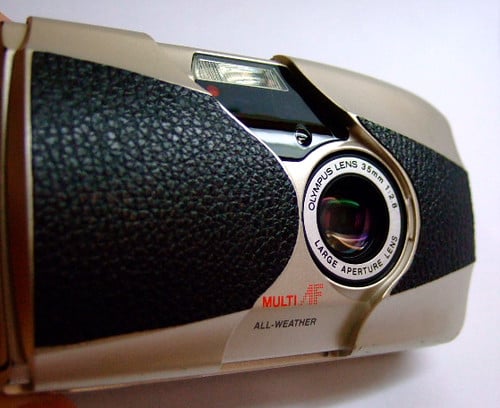
Compact, quick, and quietly clever. The Olympus Mju-II lets people carry a true film camera almost everywhere.It focuses with confidence, even at night, and its bright lens provides surprising clarity for a point-and-shoot design.
This makes everyday snapshots feel more intentional, even when they are taken in a rush.Social media played a big role in its rising fame.
A growing group of young photographers wanted film cameras that support spur-of-the-moment creativity. Suddenly the Mju-II became the model everyone asked about.
Since many people want a camera that doesn’t get in the way, demand continues to rise whenever one reaches the resale market.
Polaroid SX-70
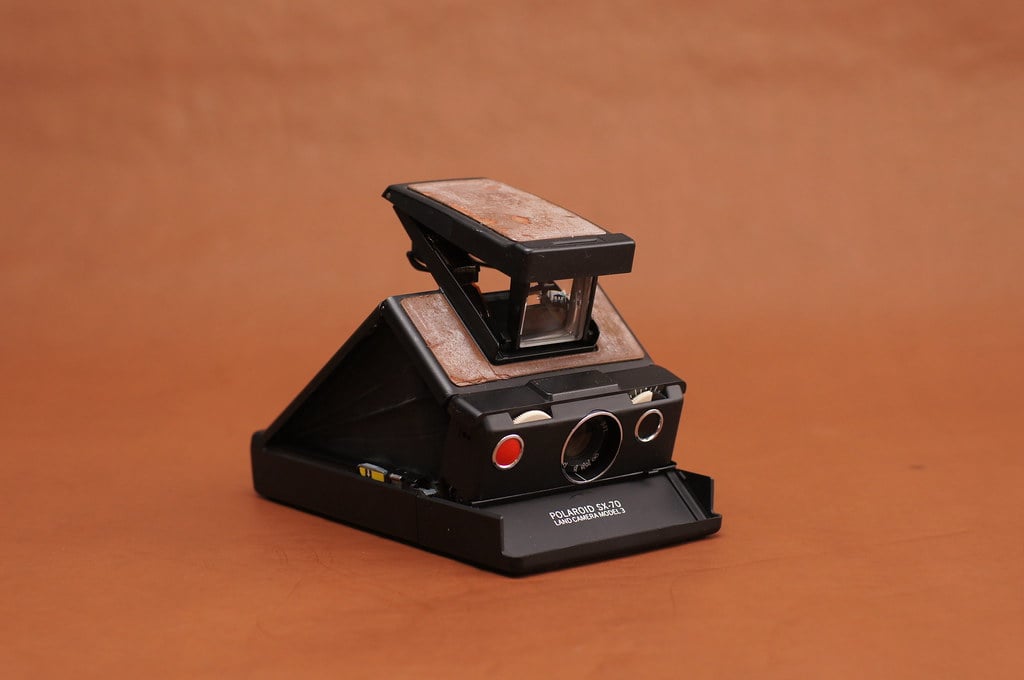
Instant photography brings a kind of joy that digital photography rarely matches. The Polaroid SX-70 captures that feeling with an elegant fold-down design that makes it as interesting to look at as the pictures it produces.
Every print feels like a keepsake, forming right in your hand as the chemicals work their magic.The camera’s soft tones and dreamy imperfections helped inspire creative communities that treat instant film as both photography and art.
People enjoy the unpredictability, the uniqueness, and the excitement of watching a moment develop instead of tapping a screen to re-shoot. That emotional connection continues to attract new collectors.
Why these cameras remain sought after
Even as technology speeds ahead, vintage cameras gather fans from every age group. Some prefer the slower rhythm of loading film and waiting for results.
Others enjoy collecting solid, beautifully engineered tools that still power up decades after release. Every camera here offers a blend of craft and creativity that stands apart from modern convenience.
Film has texture. Grain becomes part of the scene. Light behaves differently. Mistakes sometimes feel more authentic than precision.
Those qualities have changed what many photographers want from their tools, guiding them to models that encourage patience and personality in every frame.Demand is driven by appreciation, not scarcity. That is a powerful combination.
Why the vintage movement keeps growing
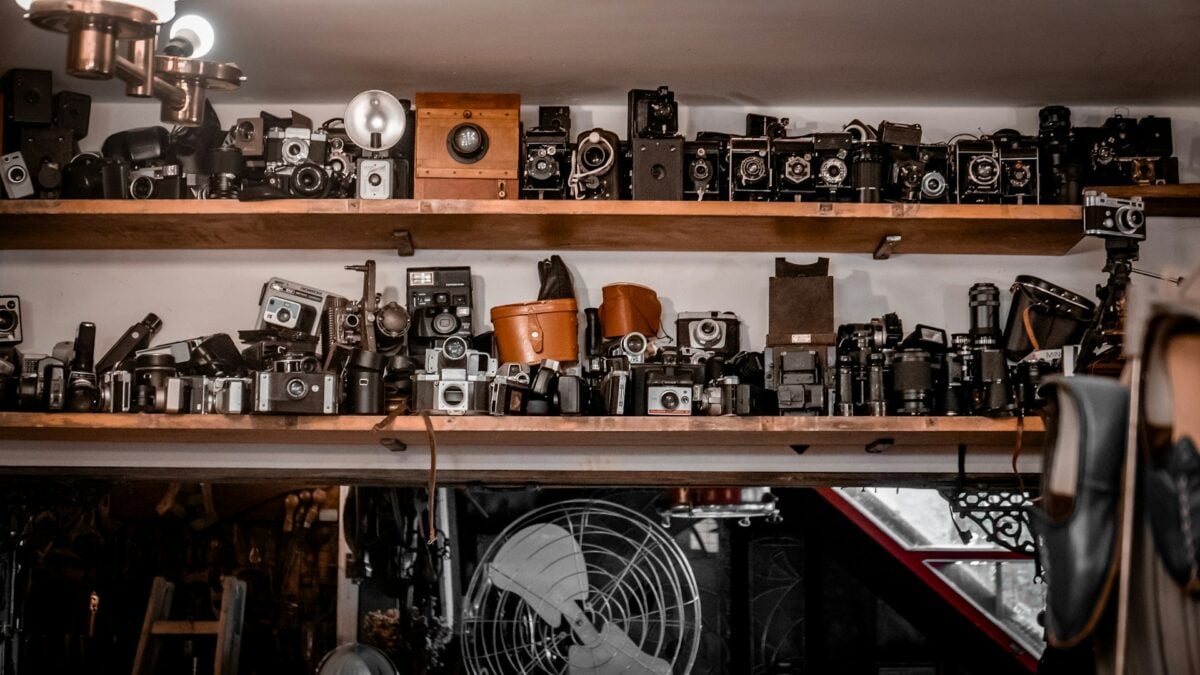
Film isn’t drifting into obscurity. It’s becoming a lasting alternative.
Many creators are chasing tools that influence their vision, not automate it. The more they discover how much storytelling power these cameras still hold, the faster demand grows.
Vintage cameras remind photographers how artistry once relied on anticipation, intuition, and craft.That history gives weight to every frame exposed today.
The movement continues not because these cameras are old, but because they still make photographs feel meaningful.
More from Go2Tutors!

- The Romanov Crown Jewels and Their Tragic Fate
- 13 Historical Mysteries That Science Still Can’t Solve
- Famous Hoaxes That Fooled the World for Years
- 15 Child Stars with Tragic Adult Lives
- 16 Famous Jewelry Pieces in History
Like Go2Tutors’s content? Follow us on MSN.