Classic Albums That Changed Music Production
Music production has come a long way from the days of simple live recordings. Over the decades, certain albums didn’t just make great music—they fundamentally changed how records were made.
These groundbreaking projects introduced techniques that became industry standards, pushed technology to its limits, and inspired countless producers to think differently about what was possible in the studio. Here is a list of classic albums that revolutionized music production and left an indelible mark on how we create and experience recorded music.
Sgt. Pepper’s Lonely Hearts Club Band

The Beatles didn’t just make an album in 1967—they turned the recording studio into a musical instrument. Producer George Martin pioneered techniques like multi-tracking, tape loops, and sound collage that were virtually unheard of at the time.
The album used backward recordings, varied speed manipulation, and layered orchestration to create sounds nobody had captured before. Martin’s approach essentially invented the concept album format and proved that studios could be creative laboratories rather than just documentation spaces.
Dark Side of the Moon

Pink Floyd’s 1973 masterpiece elevated progressive rock through pioneering studio effects and conceptual unity. Engineer Alan Parsons and the band spent months experimenting with synthesizers, tape effects, and ambient sound recordings to create seamless transitions between tracks.
The album’s innovative use of stereo panning, quadraphonic mixing experiments, and integrated sound effects created an immersive listening experience that influenced generations of audio engineers. Its technical ambition matched its philosophical depth, proving albums could be cohesive sonic journeys rather than collections of individual songs.
Nevermind

Producer Butch Vig captured lightning in a bottle when he recorded Nirvana’s breakthrough album in just 16 days at Sound City Studios in 1991. The production approach was deceptively simple—live tracking with minimal overdubs, close-miking techniques, and raw performances that prioritized energy over perfection.
Vig convinced Kurt Cobain to double-track his vocals by mentioning that John Lennon did it, adding depth without sacrificing the album’s raw intensity. The drum sound, achieved through Dave Grohl’s powerful playing and the studio’s natural room acoustics, became instantly iconic and widely imitated.
OK Computer

Radiohead and producer Nigel Godrich abandoned traditional studios for a 16th-century mansion, using its natural reverb and atmospheric spaces to shape the album’s sound. Recording at St. Catherine’s Court in 1996-97, they captured haunting vocals in stone staircases and utilized the EMI TG12345 mixing console—the same board Pink Floyd used for Dark Side of the Moon.
Godrich encouraged experimentation with tape reversal, unconventional microphone placement, and the blending of analog warmth with emerging digital tools. The album’s dense, layered textures and willingness to embrace imperfections influenced alternative rock production for decades.
Thriller
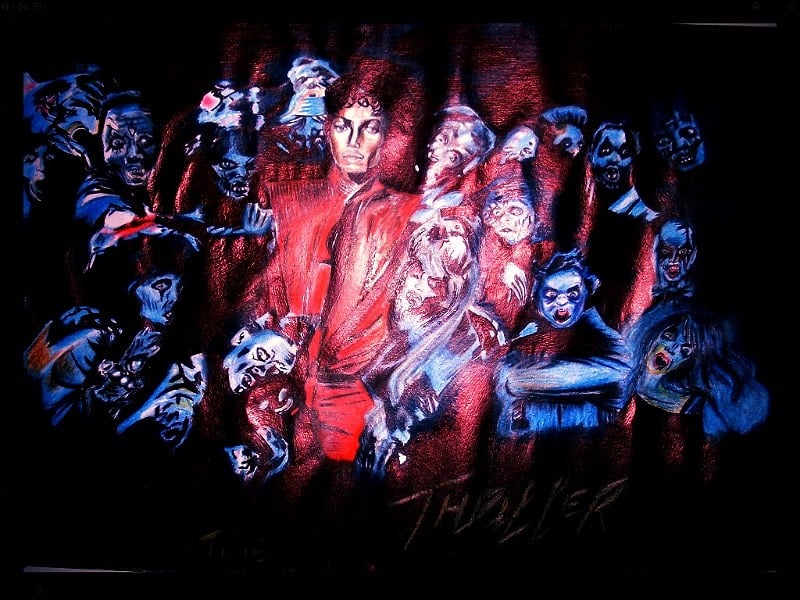
Michael Jackson and producer Quincy Jones created the best-selling album of all time by seamlessly blending pop, R&B, rock, and funk with meticulous production values. The 1982 release showcased Jones’ talent for eclectic arrangements and his ability to draw from diverse musical backgrounds including jazz and orchestral music.
Groundbreaking music videos accompanied the album, transforming how production values extended beyond audio into visual storytelling. The album’s sonic clarity, dynamic range, and crossover appeal set new commercial and artistic benchmarks that reshaped the music industry’s expectations.
The Miseducation of Lauryn Hill

Lauryn Hill’s 1998 solo debut blended soul, reggae, R&B, and hip-hop with an authenticity that redefined genre boundaries. The production featured live instrumentation alongside hip-hop beats, creating organic textures that felt both contemporary and timeless.
Hill’s vocal layering techniques and her integration of singing, rapping, and spoken word within single tracks influenced how artists approached versatility in the studio. The album proved that deeply personal, emotionally honest production could achieve both critical acclaim and massive commercial success.
My Beautiful Dark Twisted Fantasy

Kanye West’s 2010 opus pushed hip-hop production into maximalist territory with intricate sampling, lush orchestration, and electronic experimentation. The album employed dozens of collaborators and utilized complex layering techniques that created dense, cinematic soundscapes.
West’s use of Auto-Tune as an artistic tool rather than pitch correction, combined with his ambitious concept album structure, expanded hip-hop’s sonic vocabulary. The production demonstrated that rap albums could be as musically elaborate and conceptually unified as any progressive rock record.
Channel Orange

Frank Ocean’s 2012 breakthrough reshaped contemporary R&B by blending soul, hip-hop, and electronic elements with intricate production and narrative songwriting. The album’s innovative use of unconventional song structures, time signatures, and tonal shifts created an immersive listening experience.
Ocean’s production team crafted lush, atmospheric textures that supported his storytelling without overwhelming it. The album proved that R&B could be experimental and deeply personal while maintaining mainstream appeal.
Siamese Dream

Billy Corgan and Butch Vig spent months in 1993 crafting the Smashing Pumpkins’ dense wall of guitars through obsessive overdubbing and layering. Vig used condenser microphones on drums to capture Jimmy Chamberlin’s incredible dynamic range, from delicate ghost notes to explosive fills.
The production featured dozens of guitar tracks meticulously layered to create a thick, immersive sound that became alternative rock’s answer to Phil Spector. The album demonstrated how modern studio technology could create orchestral density with traditional rock instrumentation.
Bitches Brew
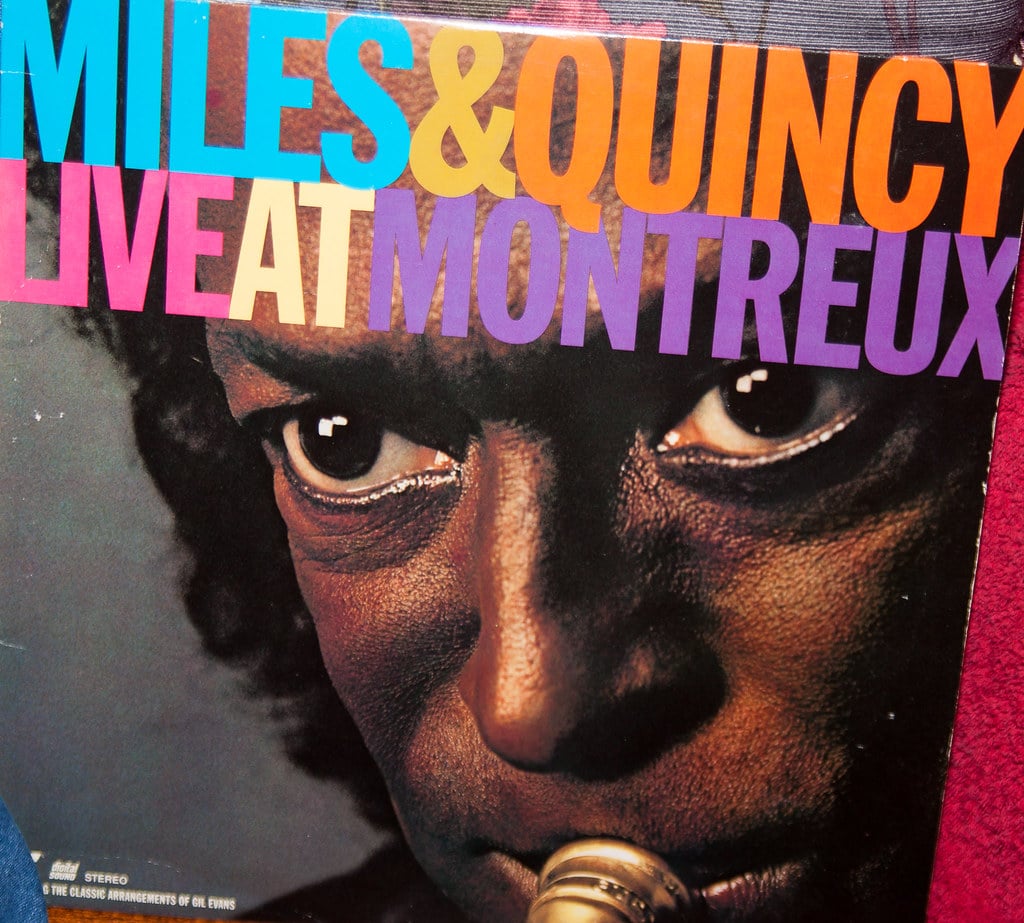
Miles Davis’ 1970 jazz fusion experiment completely reimagined studio production by treating the recording process as composition itself. Producer Teo Macero assembled the album through extensive tape editing, cutting and splicing performances to create new structures that didn’t exist in the original sessions.
The revolutionary post-production approach and the album’s layered, electric instrumentation influenced how producers across all genres thought about constructing music in the studio. Davis and Macero proved that the mixing desk could be as important as any instrument.
Loveless

My Bloody Valentine’s 1991 masterpiece nearly bankrupted Creation Records through its expensive, painstaking production process. Kevin Shields pioneered guitar techniques using tremolo effects, reverse reverb, and extreme volume to create walls of textured noise that somehow remained melodic.
The band’s innovative approach to layering and their willingness to spend endless hours chasing specific sounds pushed shoegaze production to its absolute limits. The album’s dense, dreamlike production influenced everything from alternative rock to electronic music.
The Velvet Underground and Nico

Andy Warhol’s 1967 production on the Velvet Underground’s debut embraced rawness and sonic experimentation that major labels typically rejected. The album’s unpolished production, feedback-laden guitars, and willingness to explore dark subject matter created a template for punk and indie rock decades before those genres existed.
Its stripped-down, confrontational approach proved that production didn’t need to be slick or commercially palatable to be influential. Nearly every underground rock movement owes something to this album’s DIY aesthetic.
The Chronic

Dr. Dre’s 1992 solo debut established G-funk as hip-hop’s dominant sound through his meticulous mixing and innovative use of synthesizers. Dre’s production layered deep bass lines, melodic keyboard riffs, and crisp drum programming with a clarity that made every element audible in the mix.
His attention to detail and willingness to spend extensive time perfecting each track set new standards for hip-hop production quality. The album’s sonic signature influenced mainstream rap production throughout the 1990s and beyond.
Remain in Light

Talking Heads and producer Brian Eno created a groundbreaking fusion of rock, funk, and African rhythms in 1980 through innovative recording techniques. Eno’s production philosophy emphasized texture and atmosphere over conventional song structures, using tape loops and unconventional studio approaches.
The album’s layered, polyrhythmic production created hypnotic grooves through careful arrangement and strategic use of repetition.Eno’s influence pushed the band toward experimental territory that expanded rock production’s possibilities.
A New Legacy in Sound

These fourteen albums represent more than just great music—they’re milestones in the evolution of recorded sound. From the Beatles transforming studios into creative playgrounds to Kanye West’s maximalist hip-hop productions, each record pushed technical boundaries while serving the music’s emotional core.
The techniques pioneered on these albums—multi-tracking, sampling, unconventional spaces, digital manipulation—are now standard tools that every producer uses. Their lasting influence proves that innovation in the studio can be just as important as the songs themselves.
More from Go2Tutors!

- The Romanov Crown Jewels and Their Tragic Fate
- 17 Halloween Costumes Once Considered Taboo
- Famous Hoaxes That Fooled the World for Years
- 15 Child Stars with Tragic Adult Lives
- 16 Famous Jewelry Pieces in History
Like Go2Tutors’s content? Follow us on MSN.