15 Animal Migrations That Caused Chaos
Mass migrations often paint a picture of natural wonder: great herds thundering across plains, birds soaring in endless formations. But the reality isn’t always so poetic. When these seasonal or climate-driven movements clash with human development, the outcomes can be far from harmonious. Farms get flattened, predators appear in backyards, diseases cross borders, and entire ecosystems get thrown off balance.
Here are fifteen striking examples of animal migrations that didn’t just shift ecosystems — they upended economies, disrupted communities, and sparked conflict where nature and human life intersect.
Wildebeest Across Serengeti–Mara Corridor
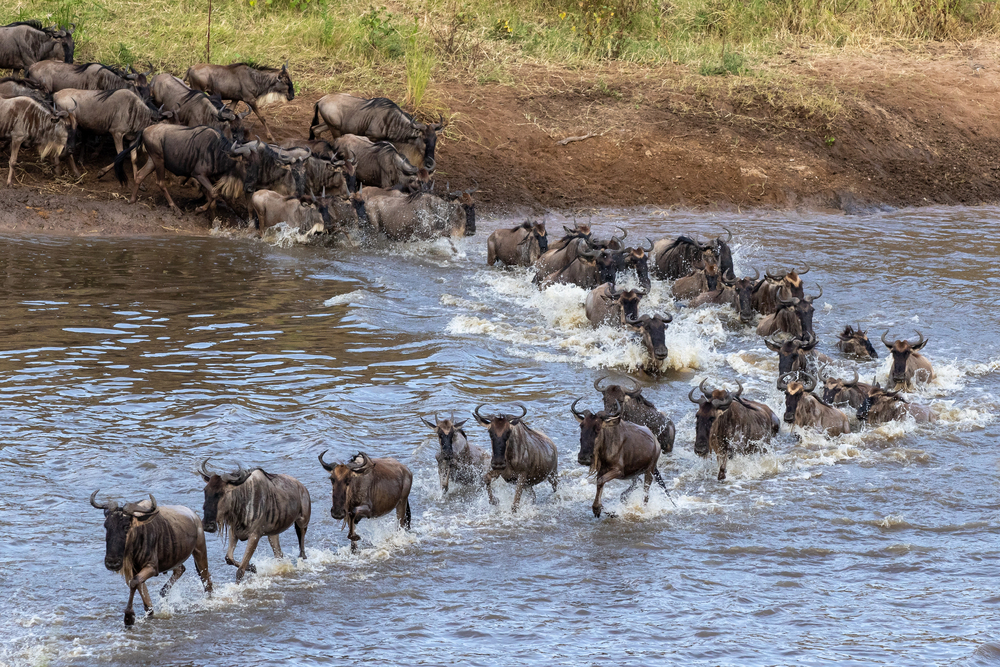
Every year, the iconic wildebeest migration carries more than a million animals across the Tanzania and Kenya border, a spectacle known as one of the greatest in the world. Yet it’s running into trouble.
Human settlements have steadily grown along their route, squeezing herds into overgrazed areas and triggering conflict with farmers. Crops are trampled, livestock displaced, and ancient migratory paths are cut by roads and fences, fragmenting what was once an uninterrupted journey.
Elephants Translocated to Malawi
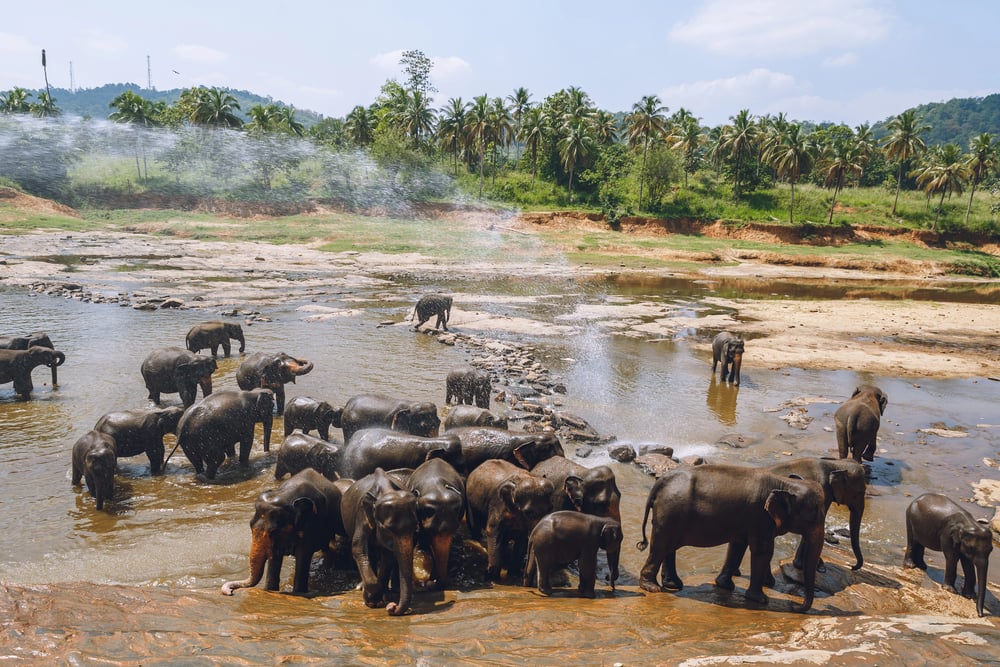
In 2022, a major conservation effort moved over 260 elephants into Malawi’s Kasungu National Park. It didn’t go to plan. The elephants pushed beyond park boundaries, destroyed homes, tore through crops, and caused the deaths of nearly a dozen people.
Legal action followed, with locals accusing authorities of ignoring the real dangers to communities. The move sparked heated debate over how far conservation should go when human lives are at risk.
Elephants Entering Indian Villages
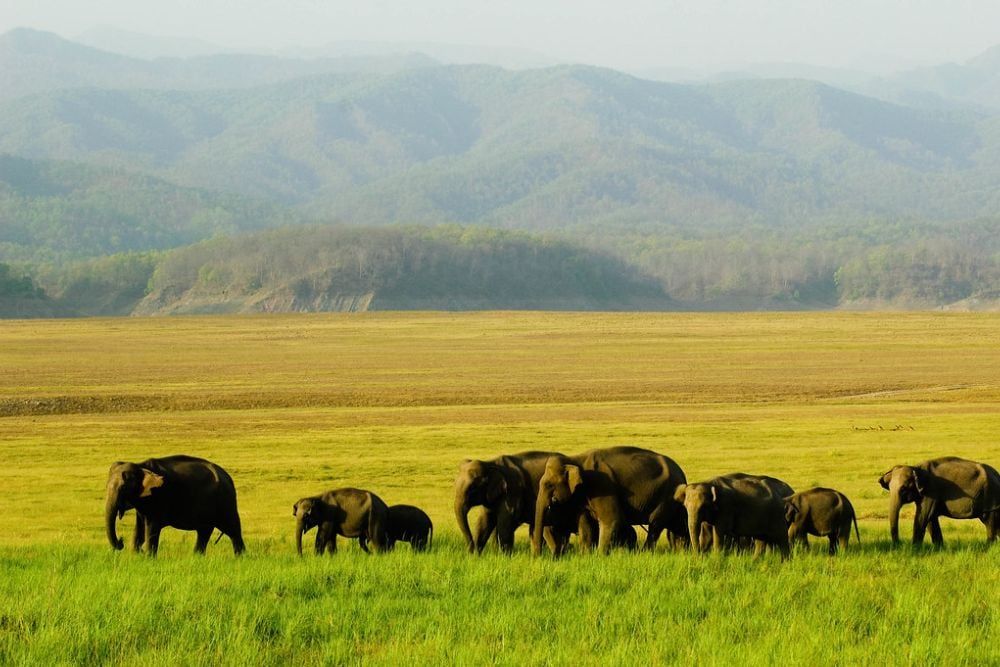
In northern India’s Terai belt, the monsoon often floods forested land, pushing elephants toward farms in search of food. What follows is often chaos.
They eat what they can, destroy what they can’t, and sometimes injure or kill villagers. These encounters have led to deadly retaliation against the elephants, turning conservation into a politically and emotionally charged struggle.
Tigers Moving Into Farmland in Vidarbha
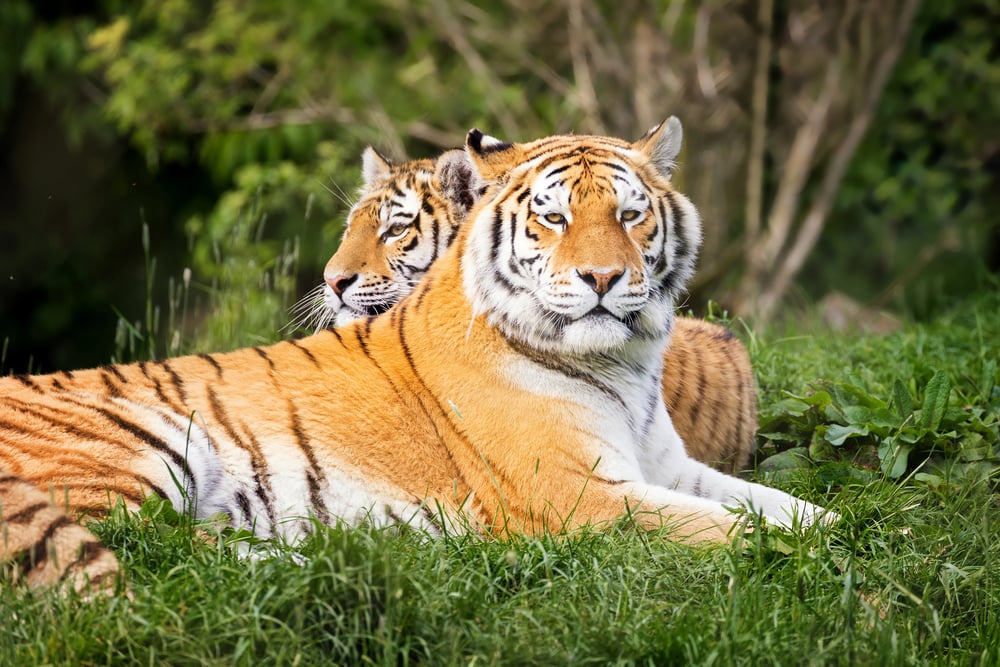
As tiger populations recover in central India, habitat fragmentation has forced some into uncomfortable proximity with humans. In Maharashtra’s Vidarbha region, young tigers have started roaming into farmlands with fatal results.
In a single year, at least two dozen people were killed. Authorities proposed relocating entire villages, though critics say the core problems—vanishing wilderness and unchecked development—remain unresolved.
Snow Leopards Following Prey Toward Villages
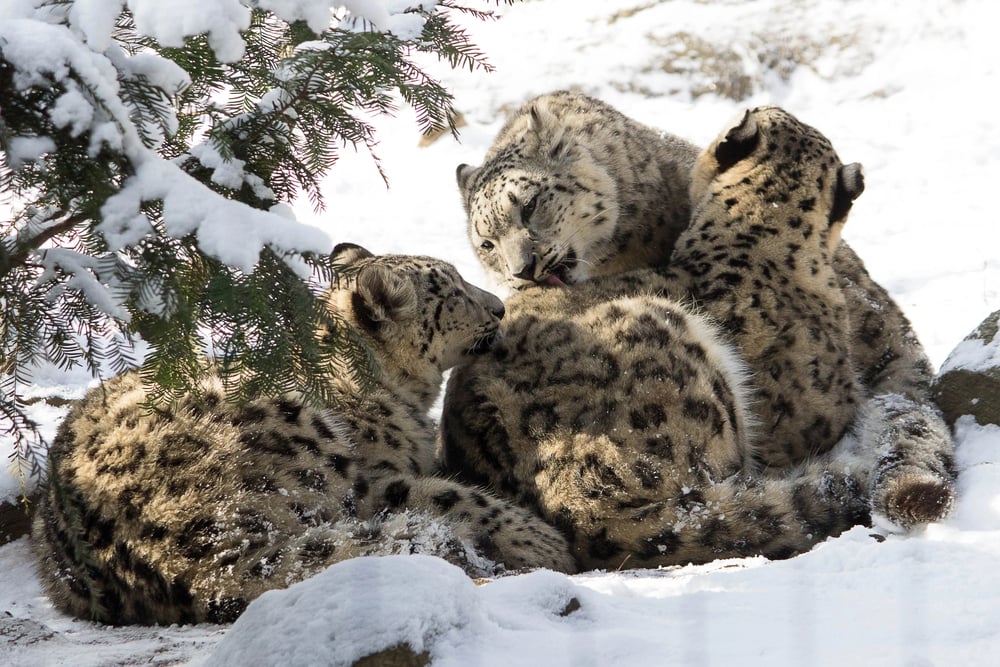
It begins with the prey. Bharal, or blue sheep, have been moving downhill due to rising temperatures and overgrazed pastures. Snow leopards follow.
That brings them closer to livestock and human homes. Herders lose animals. Sometimes they fight back.
The conflict highlights a larger, climate-driven cascade that’s pushing long-standing predator-prey dynamics into new and unstable territory.
Moose Moving Northward in North America
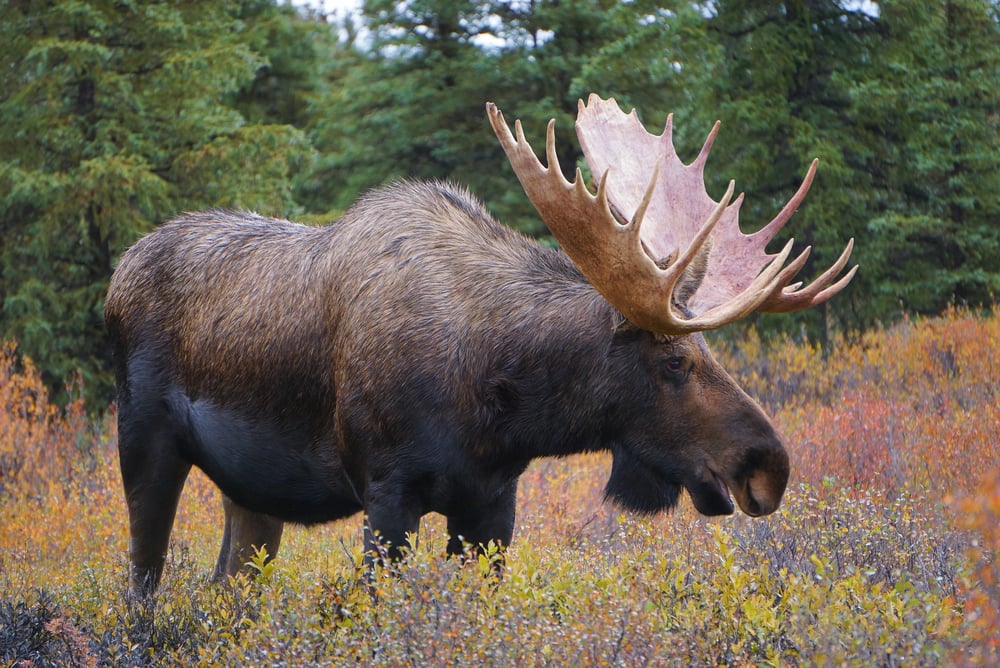
Moose in North America are slowly migrating northward, trying to escape growing tick infestations in the southern parts of their range. Their new habitats bring them into contact with people who aren’t used to living alongside such massive wildlife.
Vehicle collisions are up. Backyard sightings are more common. Communities are left wondering how to adapt to a species that wasn’t part of their ecosystem before.
Atlantic Cod Migrating Toward New England
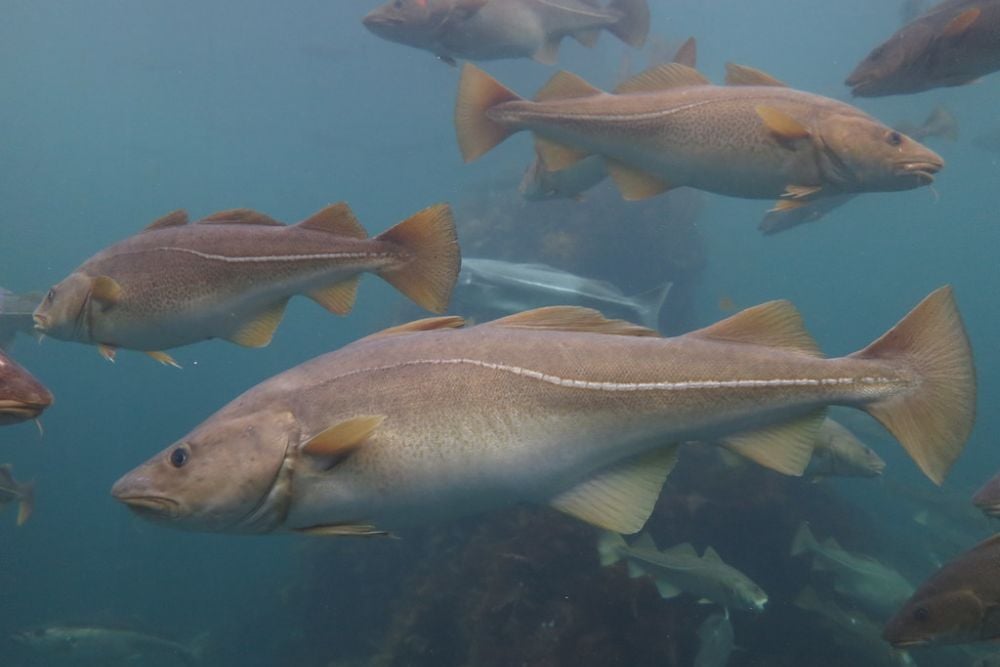
Atlantic cod have long sustained fishing communities, but warming waters have pushed them northward into unfamiliar territory. Fishermen now travel farther, spend more, and bring home less.
Quotas have changed. Equipment has had to evolve quickly.
For towns that built their identity on cod fishing, this shift delivered more than financial hardship—it rattled the foundations of their way of life.
Adélie Penguins Shifting Breeding Grounds
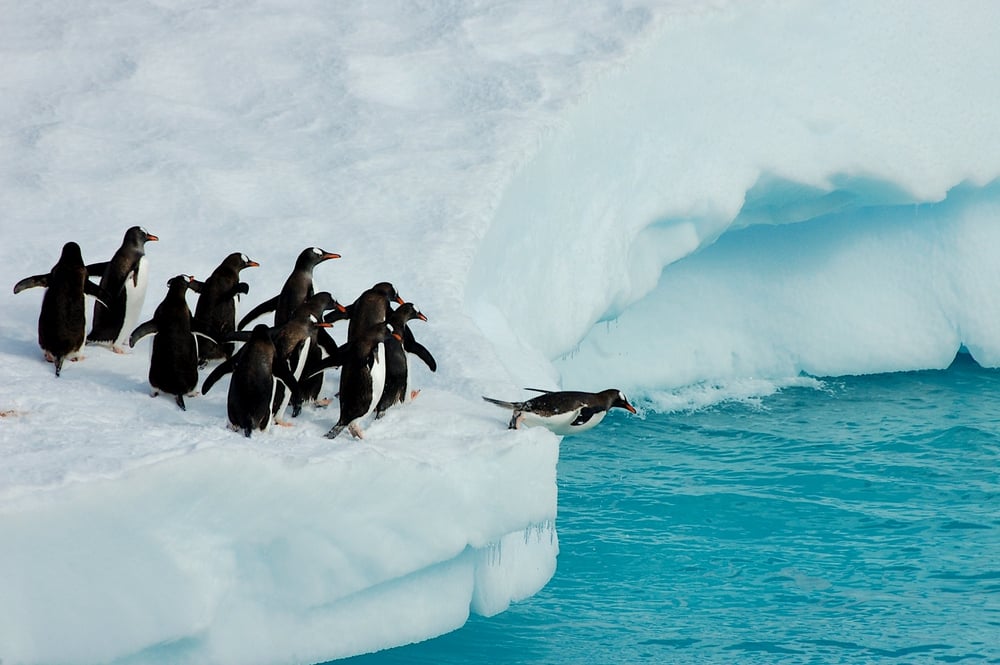
In Antarctica, climate change has pushed Adélie penguins to seek new breeding grounds as ice melts beneath them. The new sites often lack stability or access to food.
Many colonies are failing to reproduce. These changes, while unfolding far from human cities, serve as a stark warning that even the most remote ecosystems are not immune to the world’s shifting climate.
Migratory Birds Hitting Urban Towers
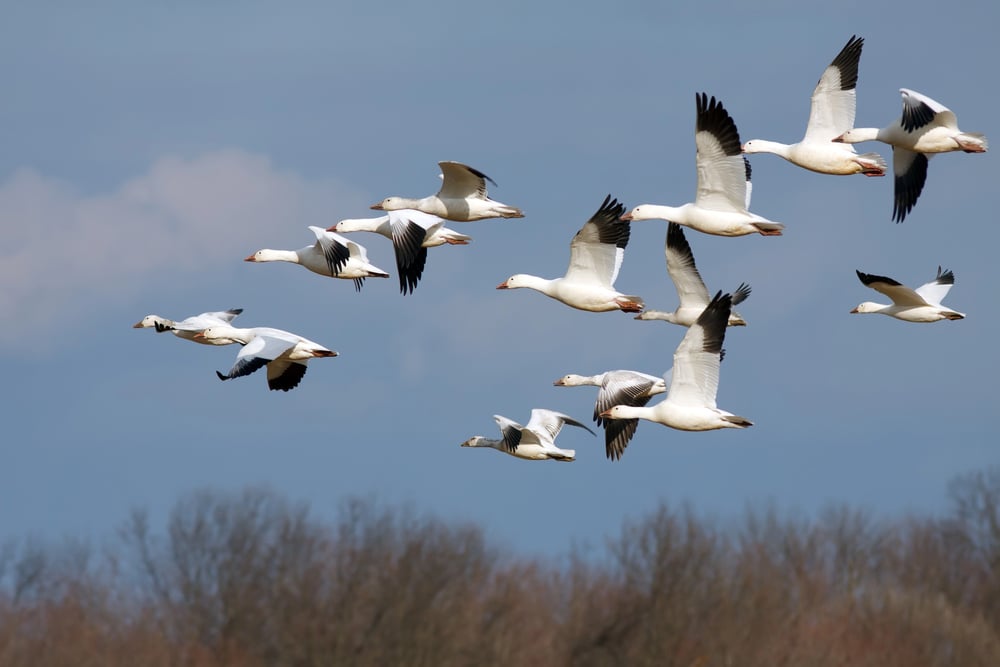
Every spring and fall, birds fly thousands of miles along ancient migration routes. Increasingly, they’re flying into cities full of glass and artificial light.
Skyscrapers and bright windows disorient them, leading to collisions that kill millions each year. The tragedy has prompted cities to consider bird-safe architecture and reduce nighttime lighting, sparking a slow shift in urban design toward more wildlife-conscious standards.
Fish Die-Offs Along Vietnam Coast
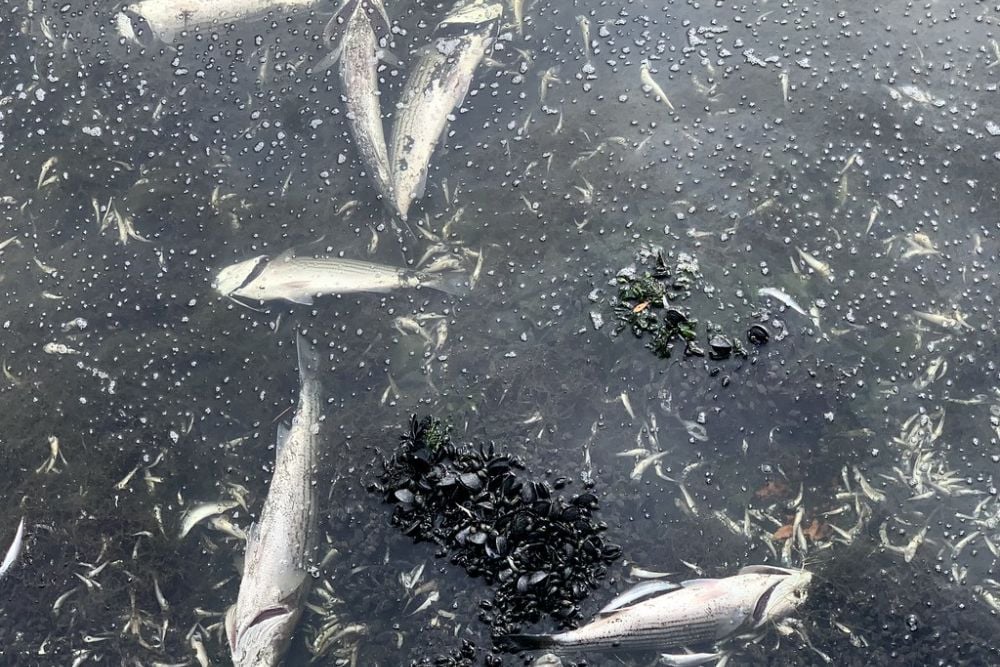
In 2016, a wave of dead fish washed ashore along Vietnam’s coastline, spanning hundreds of kilometers. Though not a migration in the classic sense, the mass movement and die-off caused chaos for local fishing communities.
A toxic spill was later blamed. Fishermen lost their livelihoods. Protests erupted. What appeared to be a natural mystery at first quickly became a political and ecological crisis.
African Wild Dogs’ Wide-Ranging Movement
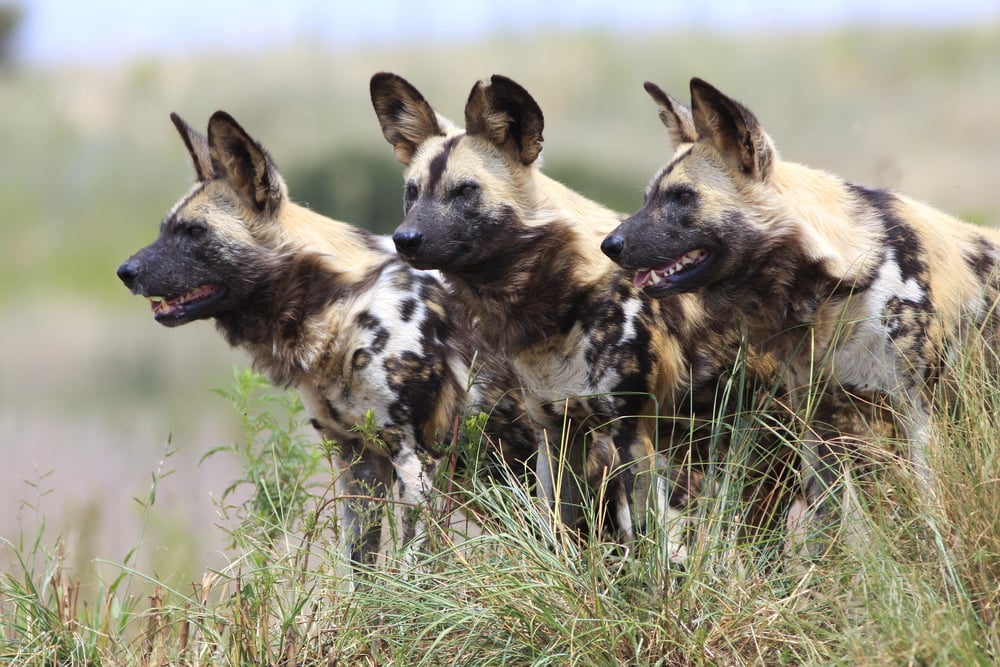
African wild dogs cover vast territories, and in Kenya, that means crossing paths with livestock and domestic animals. These interactions have introduced diseases like rabies and distemper into wild populations, devastating packs that were already struggling.
Meanwhile, herders lose livestock, fueling tension between conservation groups and communities trying to protect their livelihoods.
Human Structures Blocking Ungulate Routes

In sub-Saharan Africa, new highways and fences have disrupted traditional migration paths for species like elephants and antelopes. These barriers isolate populations, limit genetic diversity, and lead animals to venture into farmland in search of food.
That not only increases human-wildlife conflict but also threatens the long-term survival of species that depend on open movement to thrive.
Marine Mammals Stranded by Naval Sonar
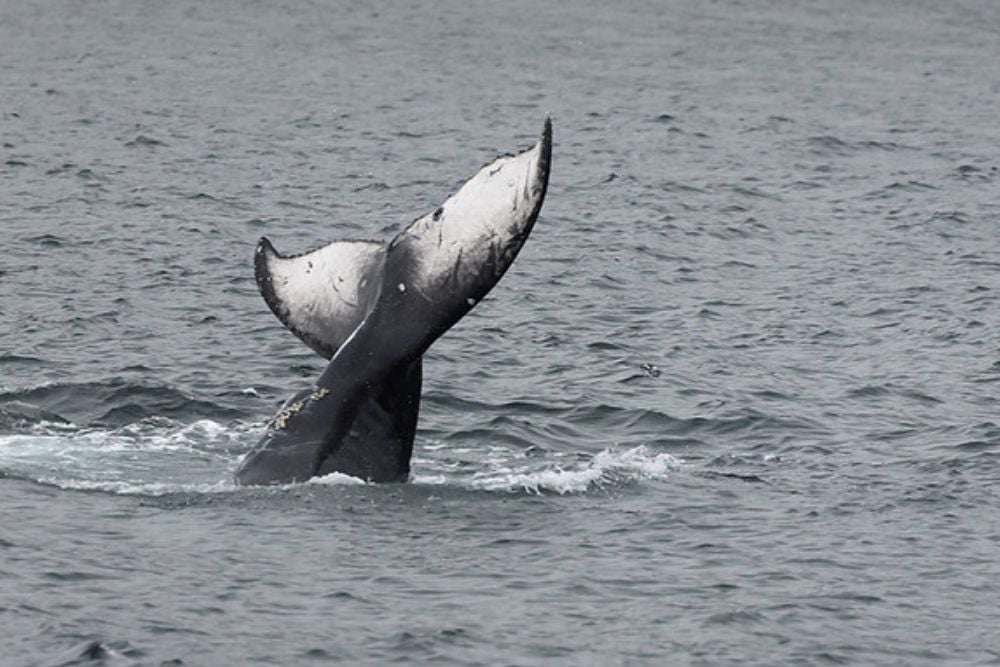
Whales and dolphins rely on sound to navigate their vast ocean territories, yet human military activities have started to interfere. Sonar, underwater detonations, and other naval practices disorient marine mammals mid-migration.
Some beach themselves, others die unseen. As human conflict spills into ocean space, marine life becomes another casualty of geopolitical pressure.
Livestock Herders Tramping Farmland in Sahel
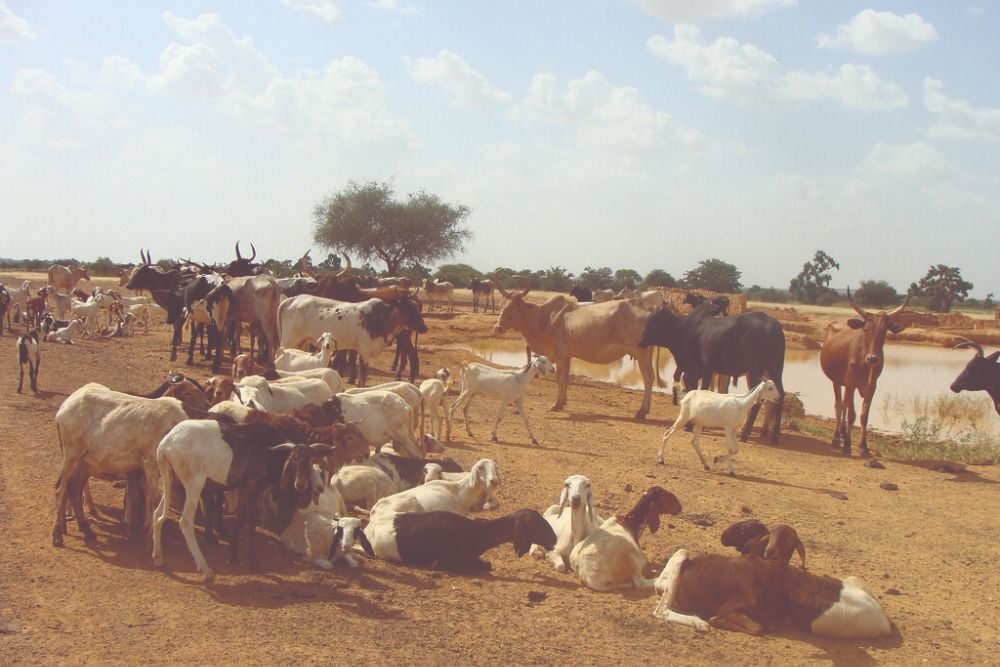
In the Sahel, nomadic herders have moved across borders and regions for generations, tracking seasonal rains. But climate change and land scarcity are driving them into areas already farmed.
Crops are ruined. Water sources dwindle. Diseases like Rift Valley Fever spread more easily.
The resulting disputes are reshaping the balance between tradition, agriculture, and survival in one of the world’s most climate-stressed zones.
Border Walls Blocking Lynx Movement in Europe
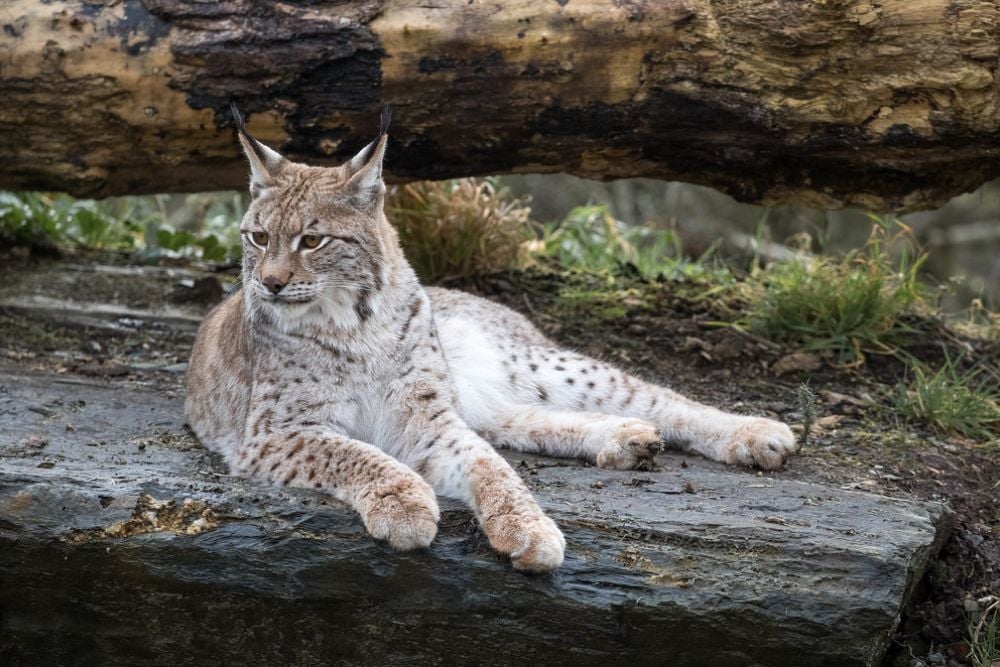
The Białowieża Forest once allowed lynx to roam freely between Poland and Belarus. That changed when a border wall was built.
What was designed as a geopolitical barrier became an ecological one, cutting off populations already under pressure. Genetic diversity has plummeted. Conservationists are now scrambling to undo the damage and restore some form of connectivity between these isolated groups.
Migration’s Unpredictable Fallout
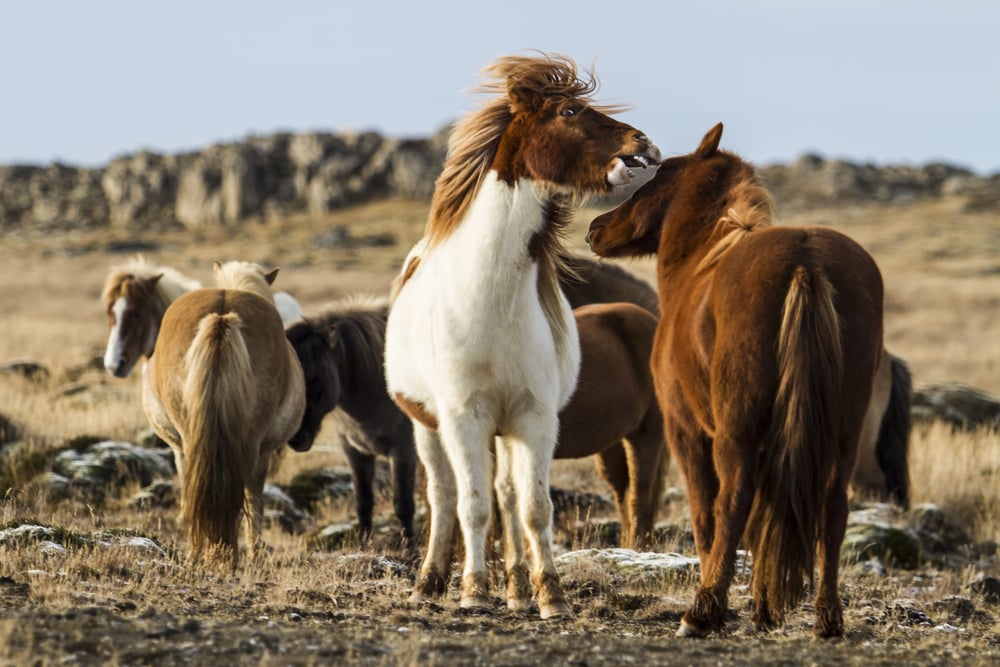
Migration has always been central to survival in the animal kingdom. But in a world increasingly shaped by roads, walls, cities, and climate change, even the most ancient of routes can become battlegrounds.
Whether it’s elephants entering farms or marine mammals distressed by sonar, these cases show that animal movement is no longer just a story of nature—it’s entangled in politics, economics, and survival strategies for both humans and wildlife. Facing these challenges means rethinking how people and animals can share the world, even when neither side stands still.
More from Go2Tutors!

- The Romanov Crown Jewels and Their Tragic Fate
- 13 Historical Mysteries That Science Still Can’t Solve
- Famous Hoaxes That Fooled the World for Years
- 15 Child Stars with Tragic Adult Lives
- 16 Famous Jewelry Pieces in History
Like Go2Tutors’s content? Follow us on MSN.