15 Animals That Navigate Using Earth’s Magnetism
Birds somehow know exactly where to fly during migration. Sea turtles cross thousands of miles of open ocean without getting lost. The secret? Magnetoreception – nature’s built-in GPS that never needs charging.
Tons of animals evolved to sense Earth’s magnetic field. They use it for navigation with accuracy that puts our technology to shame.
Here’s a list of 15 animals that rely on Earth’s magnetism to get around.
Sea Turtles

Sea turtles might be the most well-known magnetic navigators out there. These ancient creatures treat Earth’s magnetic field like a detailed map, picking up on tiny changes in magnetic strength and angles.
Baby turtles memorize their birth beach’s magnetic signature. Decades later, they’ll return to that exact spot to lay eggs.
Migratory Birds

Robins and warblers have microscopic magnetic crystals in their beaks and eyes. Think of them as living compasses.
These birds blend magnetic info with landmarks and star patterns during long flights. Some researchers think the magnetic sense looks like a visual overlay – kind of like GPS directions on your phone’s camera.
Like Go2Tutors’s content? Follow us on MSN.
Salmon
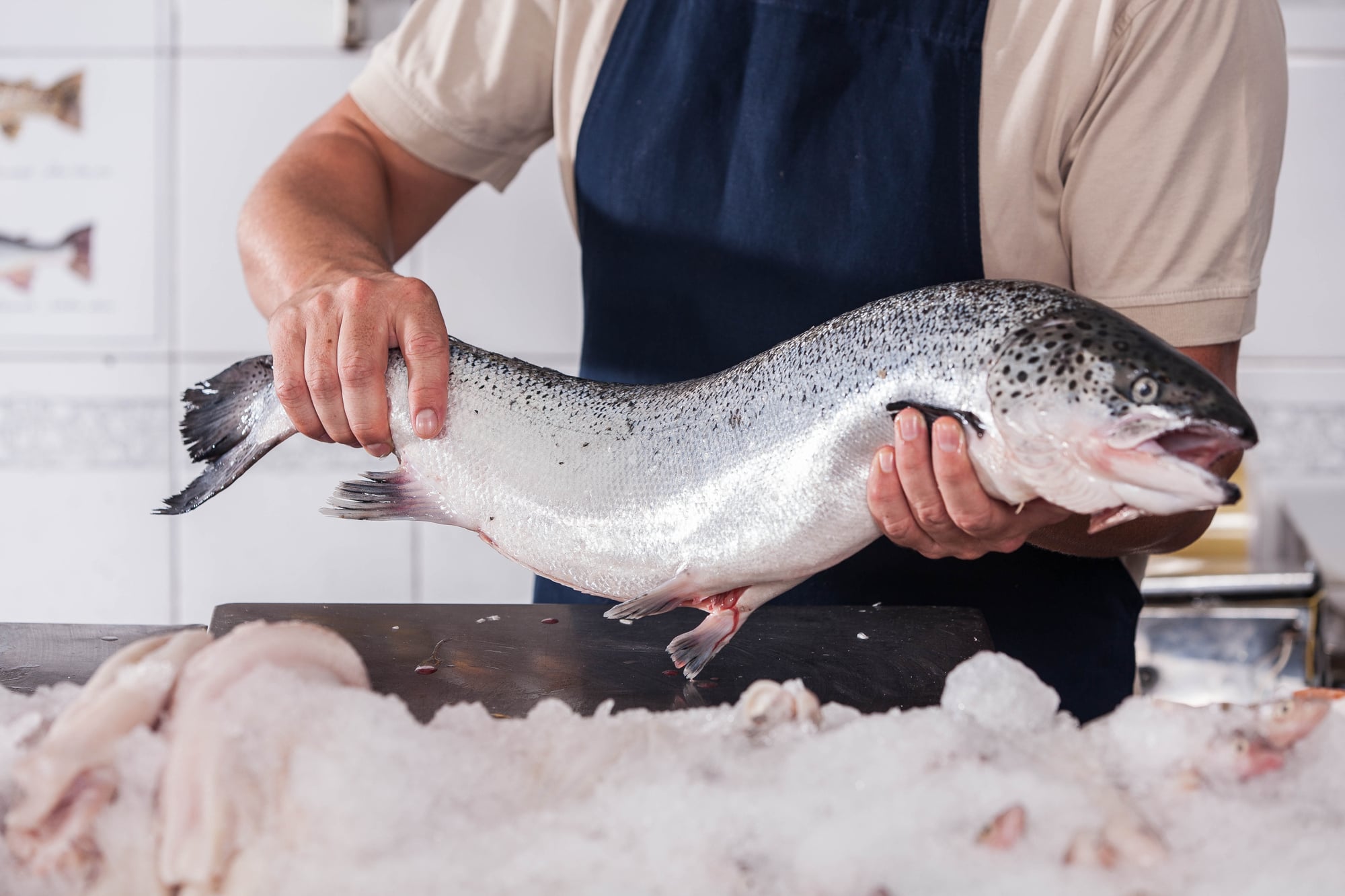
Salmon pull off one of nature’s most incredible homecoming tricks. After years in the ocean, they find their birth stream with pinpoint accuracy.
Each waterway has its own magnetic fingerprint, and salmon never forget it. It’s basically like every stream having a unique magnetic address.
Spiny Lobsters
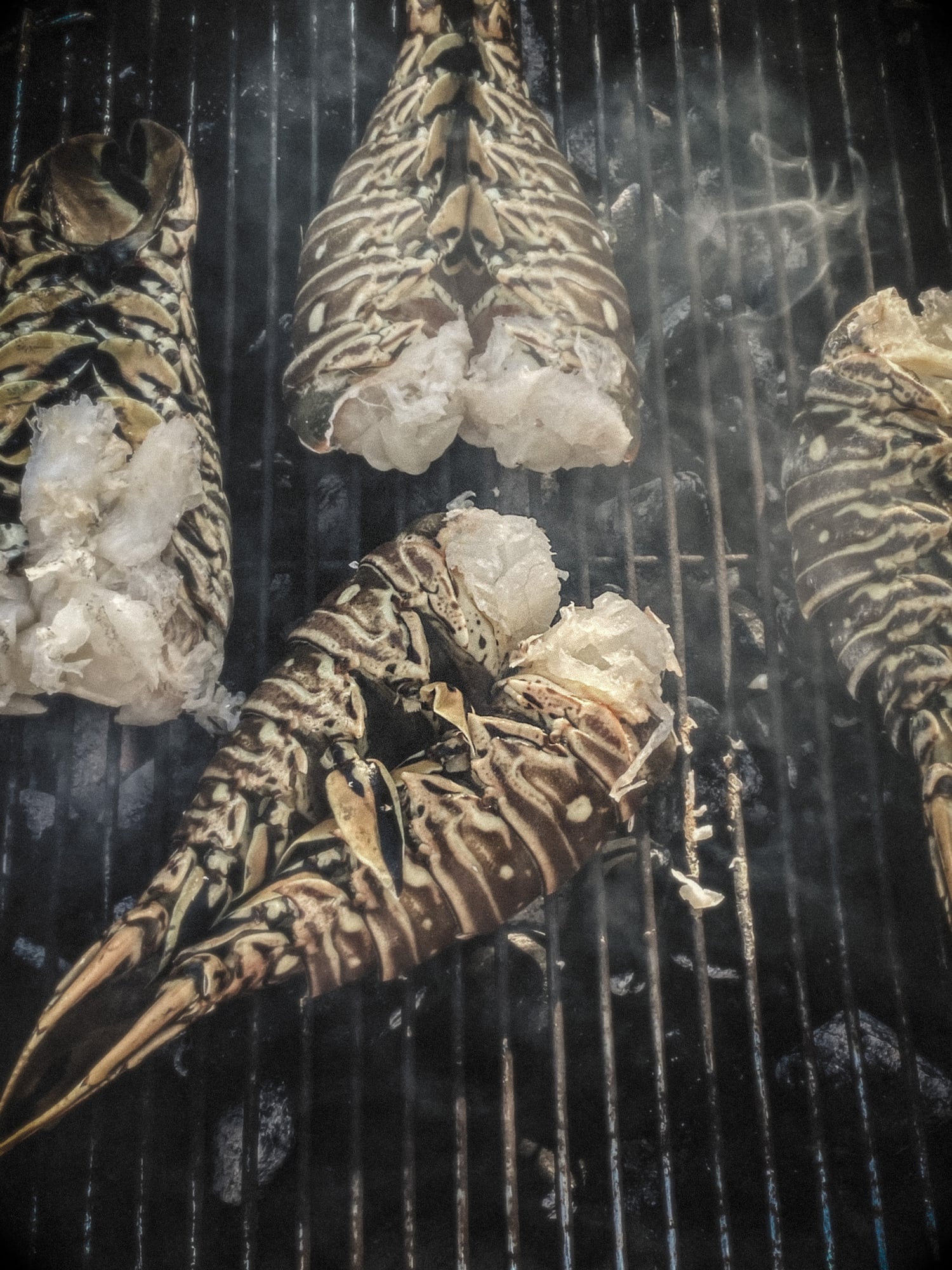
Caribbean spiny lobsters march across the ocean floor in long chains, following invisible magnetic highways. Even on pitch-black nights, they know where they’re going.
Young lobsters pick up these routes from their elders. It’s an underwater tradition that gets passed down generation after generation.
Monarch Butterflies

Monarchs travel up to 3,000 miles from Canada to Mexico. They use both magnetic sensing and sun positioning for this epic journey.
Here’s the wild part – the butterflies flying back north are great-great-grandchildren of the ones that flew south. Yet somehow, they know the route. It’s hardwired into their DNA.
Like Go2Tutors’s content? Follow us on MSN.
Honeybees

Bees don’t just use magnetism to find flowers. They work it into their waggle dance communications too.
When a worker returns to the hive, she factors in magnetic field changes to give the most accurate directions possible. Picture adding exact coordinates to a treasure map.
Sharks
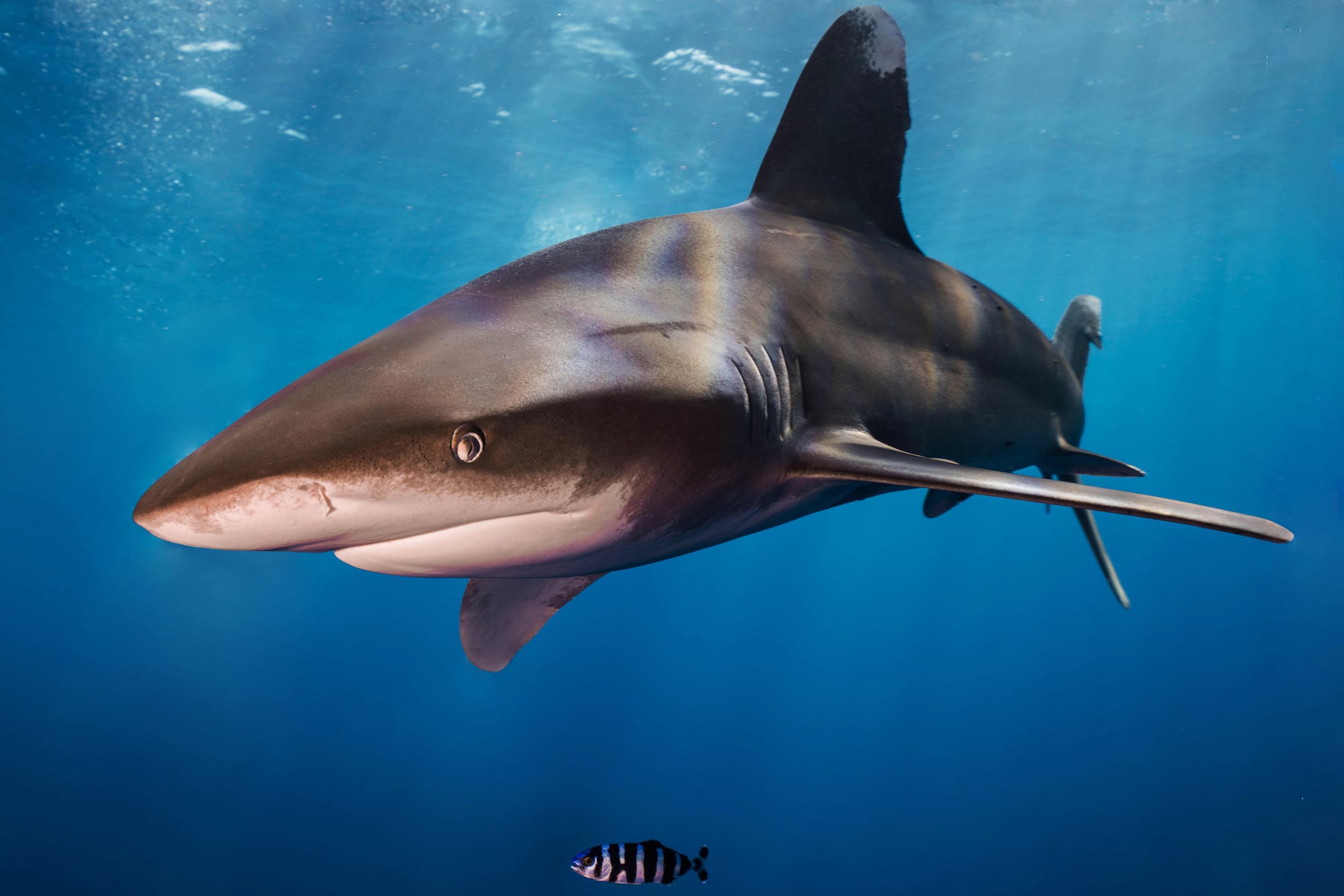
Great whites and other sharks have special sensors called ampullae of Lorenzini. These detect electrical fields that Earth’s magnetism creates.
Sharks use this for patrolling territory and long-distance travel. Scientists have tracked some swimming thousands of miles in almost straight lines, following magnetic paths we can’t see.
Whales
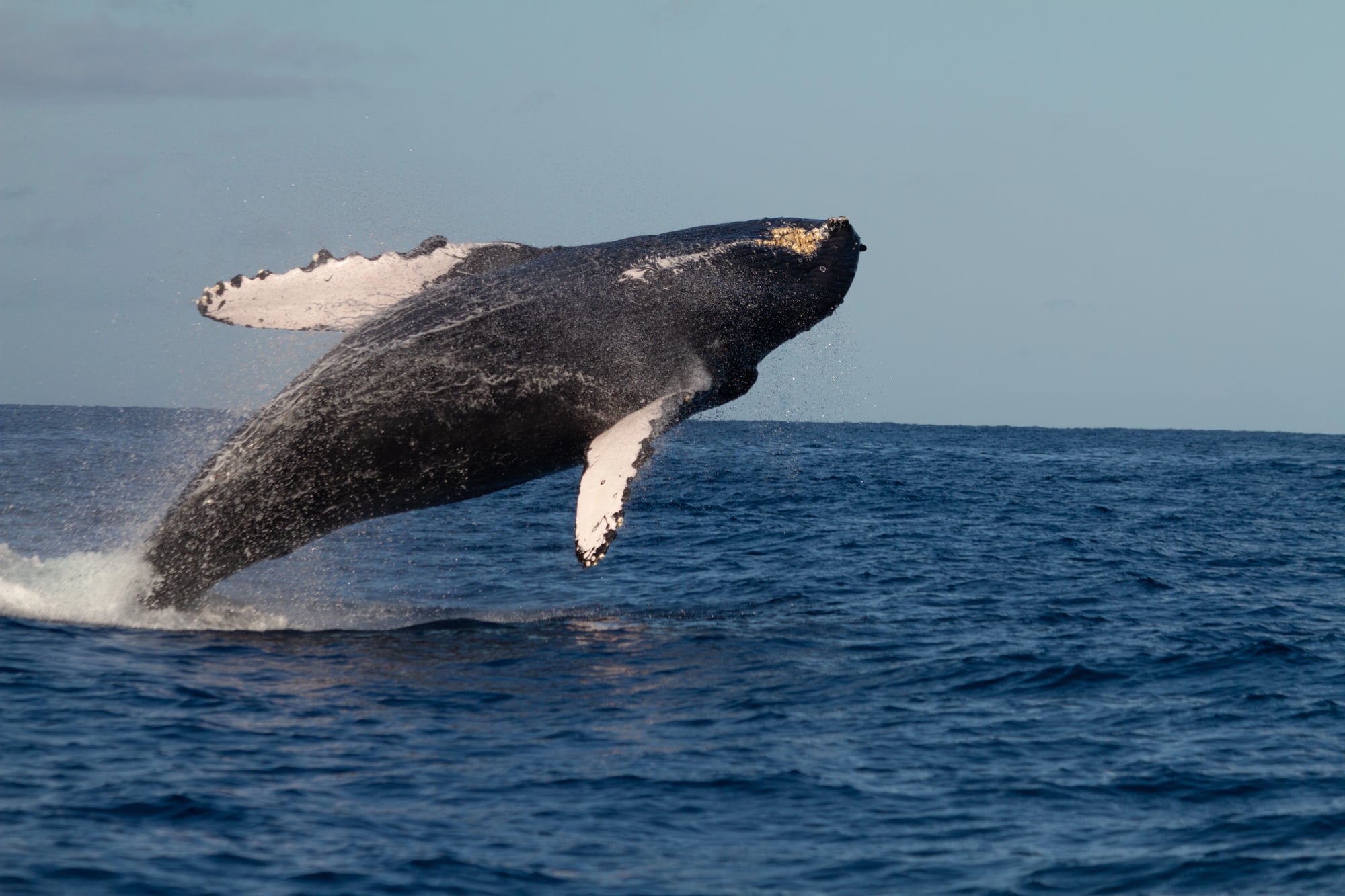
Humpbacks, gray whales, and other giants treat magnetic field lines like underwater freeways. They can sense magnetic variations that match specific locations.
This keeps them on course even in deep water where there’s nothing else to navigate by. Their migration routes line up remarkably well with magnetic patterns on the seafloor.
Like Go2Tutors’s content? Follow us on MSN.
Arctic Terns

Arctic terns win the migration championship – they fly about 44,000 miles every year from Arctic to Antarctic and back. Over endless stretches of open ocean, magnetic navigation is all they’ve got.
Their internal compass is so good it adjusts for the tiny yearly changes in Earth’s magnetic field.
Red Foxes
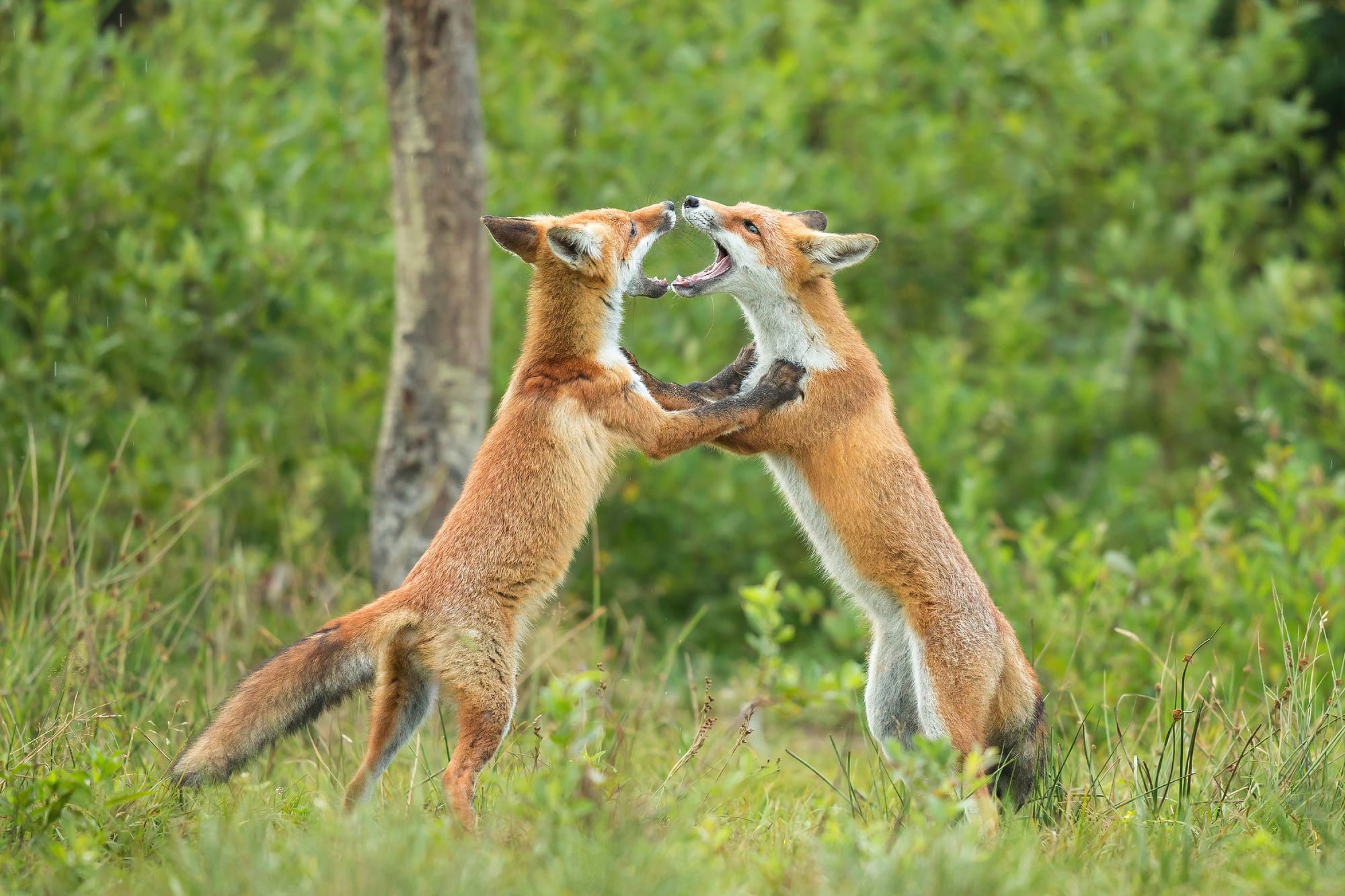
Foxes have a clever hunting trick involving magnetism. When jumping on prey buried in snow, they line up with Earth’s magnetic field first.
They’re most successful facing northeast, which suggests they’re using magnetic data to calculate the perfect pounce angle and distance.
Mole Rats
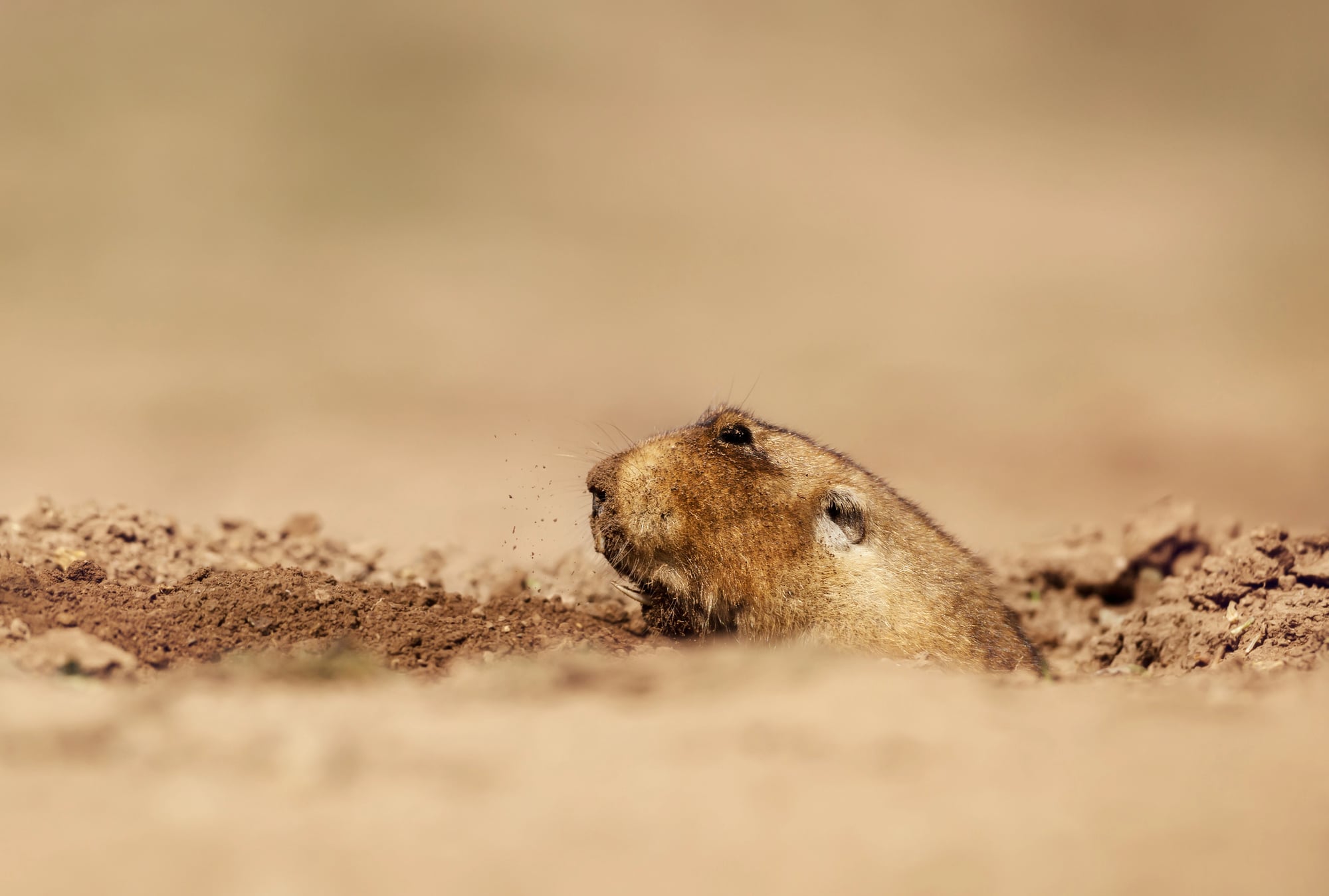
Underground animals like mole rats rely on magnetic navigation since they can’t see landmarks. They maintain direction in total darkness, using Earth’s magnetic field as an internal compass.
Their tunnel systems often align with local magnetic directions, though researchers are still figuring out all the connections.
Like Go2Tutors’s content? Follow us on MSN.
Newts
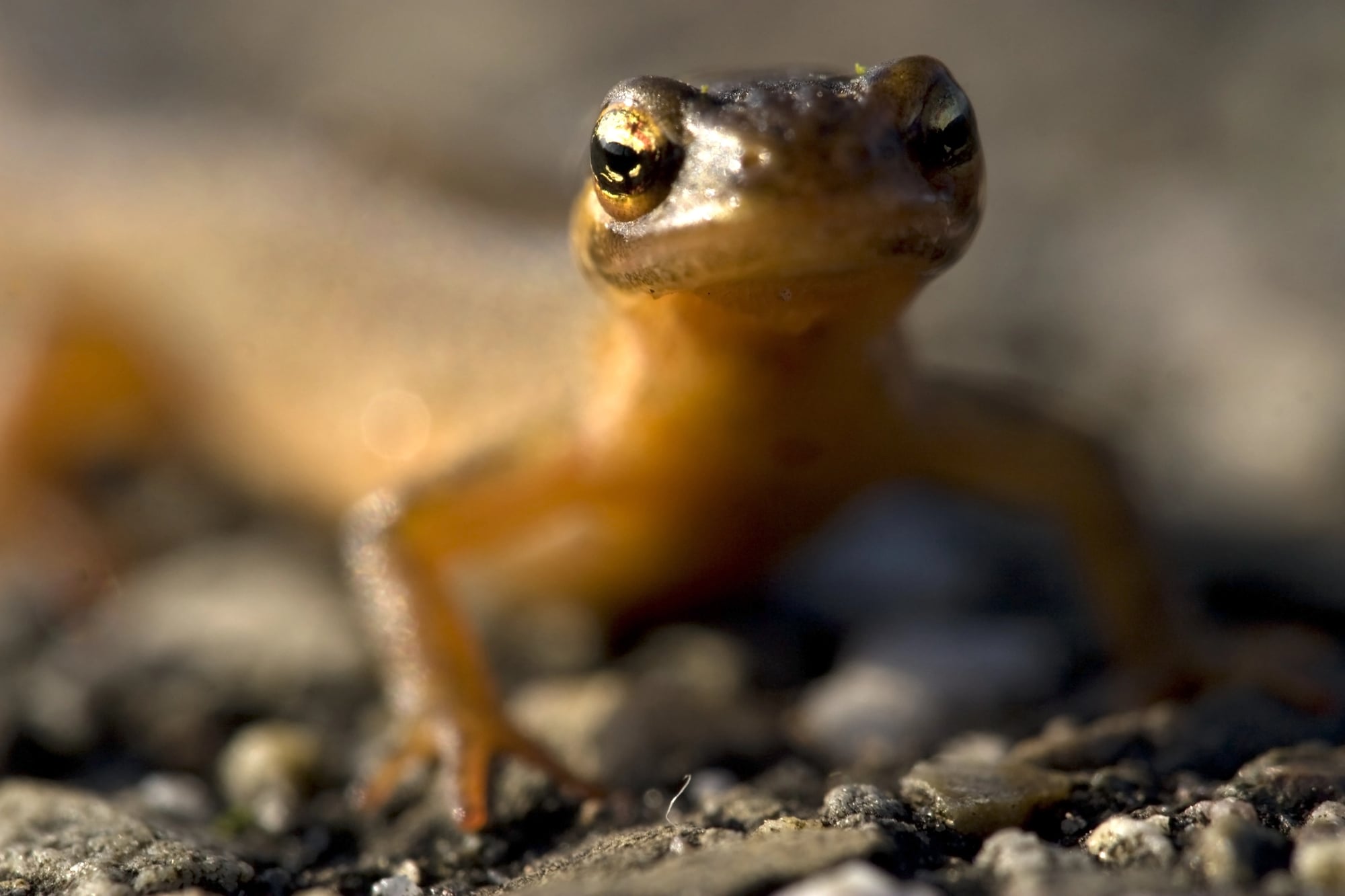
Eastern red-spotted newts can find their birth ponds for breeding using magnetic navigation. Transport them miles away, and they’ll still know which way to go.
Scientists discovered that artificial magnetic fields mess with their senses completely. They wander around lost until the interference stops.
Fruit Flies

Even tiny fruit flies have magnetic abilities, just on a smaller scale than globe-trotting animals. They combine magnetic info with what they see to fly consistently and find food.
Their sensors are pretty sensitive – household magnets can throw them off, which might explain why they sometimes act confused around certain appliances.
Pigeons
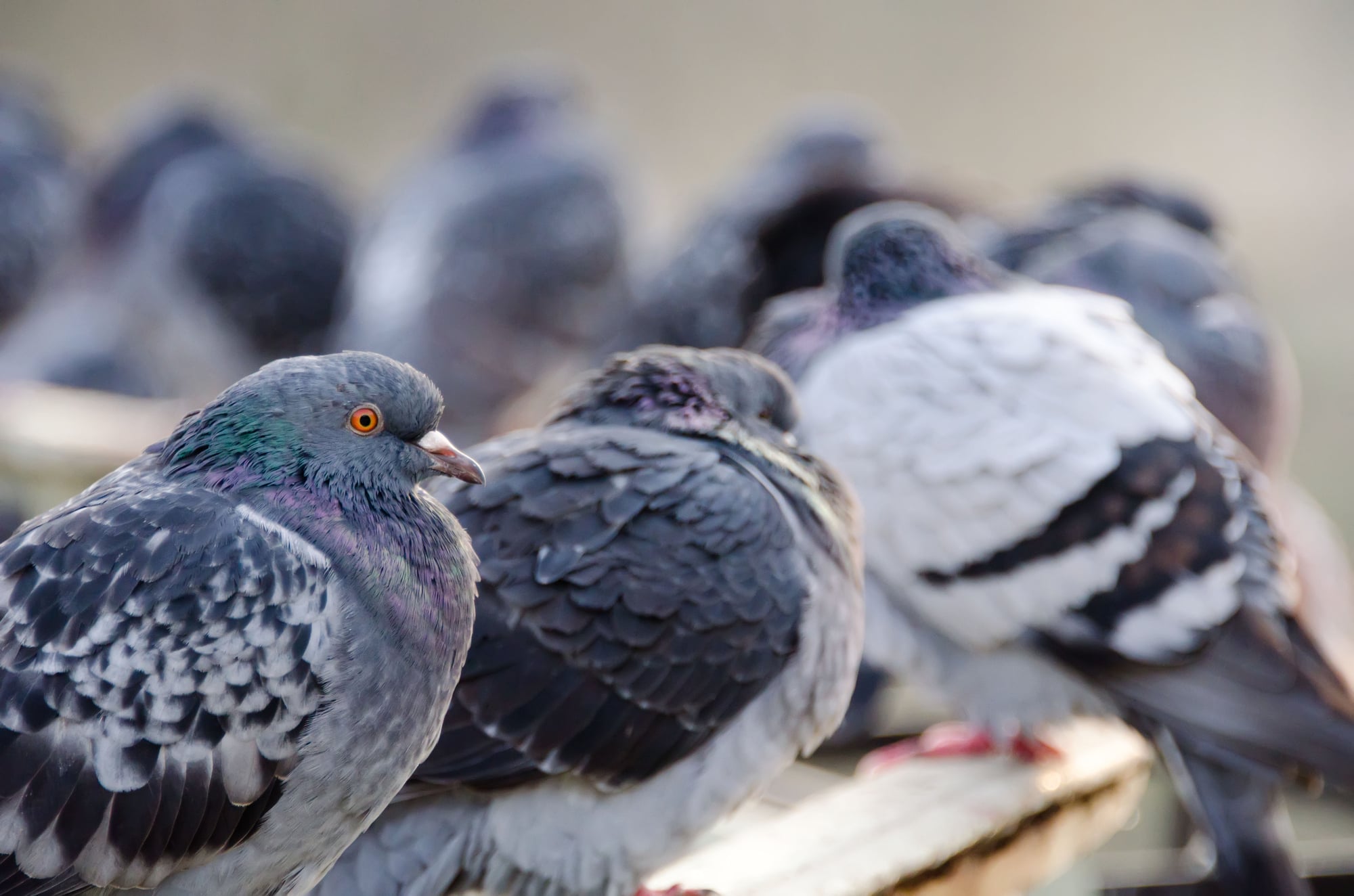
Racing pigeons fascinate researchers because they can find home from practically anywhere. They layer magnetic sensing with landmarks, sound detection, and smell.
Stick a magnet on a pigeon’s head, and its navigation gets noticeably worse. It won’t get completely lost, but definitely struggles more.
Like Go2Tutors’s content? Follow us on MSN.
Domestic Dogs

Your dog probably uses magnetism more than you realize. Studies found that dogs prefer aligning with Earth’s magnetic field when doing their business – usually north-south.
Most pet owners never notice this pattern, but it’s consistent across breeds. It shows magnetic sensing is way more common than we thought.
Built-In Navigation Beats Technology

Animal magnetic navigation represents millions of years of fine-tuning. These biological systems often work better than our best tech – they’re more reliable and don’t need batteries.
Animals were using Earth’s magnetic field as GPS long before humans existed. Studying these abilities teaches us about more than just animal behavior. We’re discovering principles that could revolutionize how we think about navigation technology.
More from Go2Tutors!

- 16 Historical Figures Who Were Nothing Like You Think
- 12 Things Sold in the 80s That Are Now Illegal
- 15 VHS Tapes That Could Be Worth Thousands
- 17 Historical “What Ifs” That Would Have Changed Everything
- 18 TV Shows That Vanished Without a Finale
Like Go2Tutors’s content? Follow us on MSN.