Unexpected Facts About Your Favorite Animals
Animals fill our lives with wonder, whether they’re the pets curled up on our couches or the wild creatures we admire from afar. We think we know them pretty well—until science reveals something that makes us do a double-take.
Turns out, even the most familiar animals are hiding secrets that sound more like science fiction than reality. Here is a list of 15 unexpected facts about your favorite animals that might just change how you see the natural world.
Koalas have human-like fingerprints
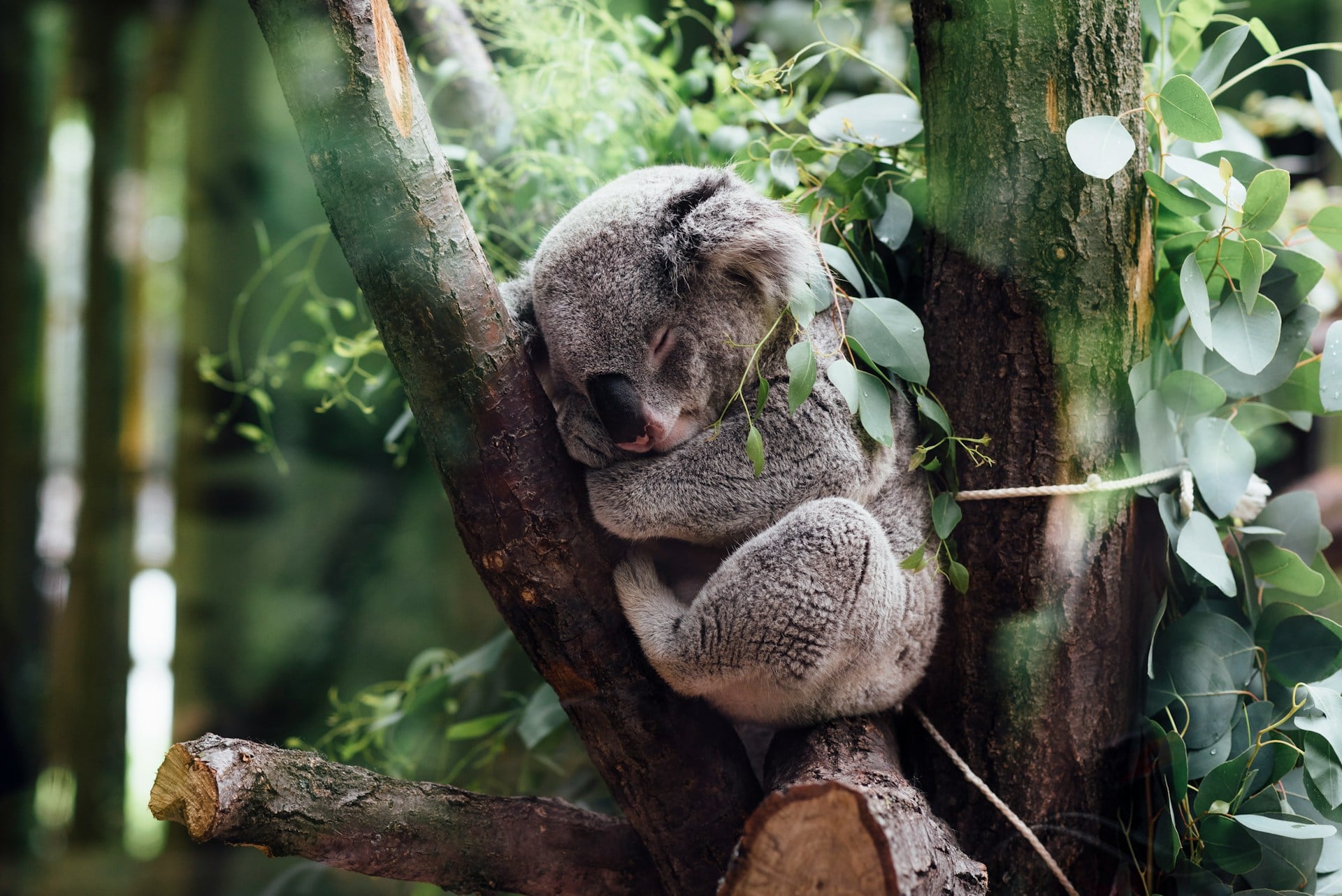
If you ever find yourself at a crime scene in Australia, you might want to rule out koalas as suspects. These eucalyptus-munching marsupials have fingerprints so similar to humans that they could potentially confuse criminal investigations.
The loops and arches in their prints are nearly identical to ours, which is bizarre considering koalas and humans aren’t closely related at all. Scientists believe koalas developed these prints for the same reason we did—better grip when climbing and handling objects.
Wombats produce cube-shaped droppings
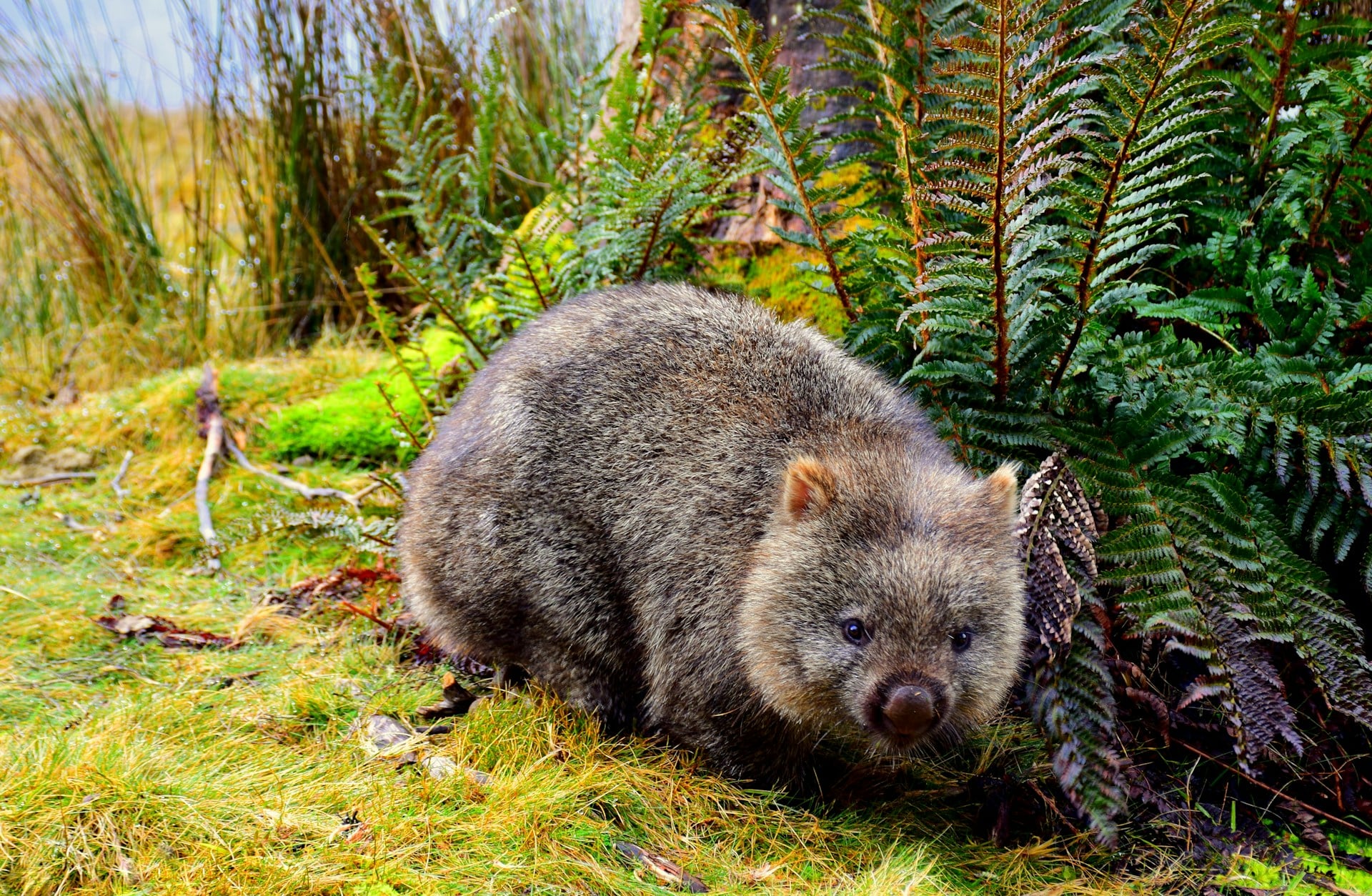
Nature’s most perplexing packaging comes courtesy of wombats, who somehow manage to poop perfect cubes. This isn’t a party trick—it serves a genuine purpose.
Wombats live in arid climates and extract every last drop of moisture from their food, leaving extremely dry waste. Their intestines have irregular, stretchy sections that sculpt the material into cubes as it passes through.
Why cubes though? They don’t roll away, making them perfect territorial markers that stay exactly where wombats place them on rocks and logs.
Dolphins get high on pufferfish toxins
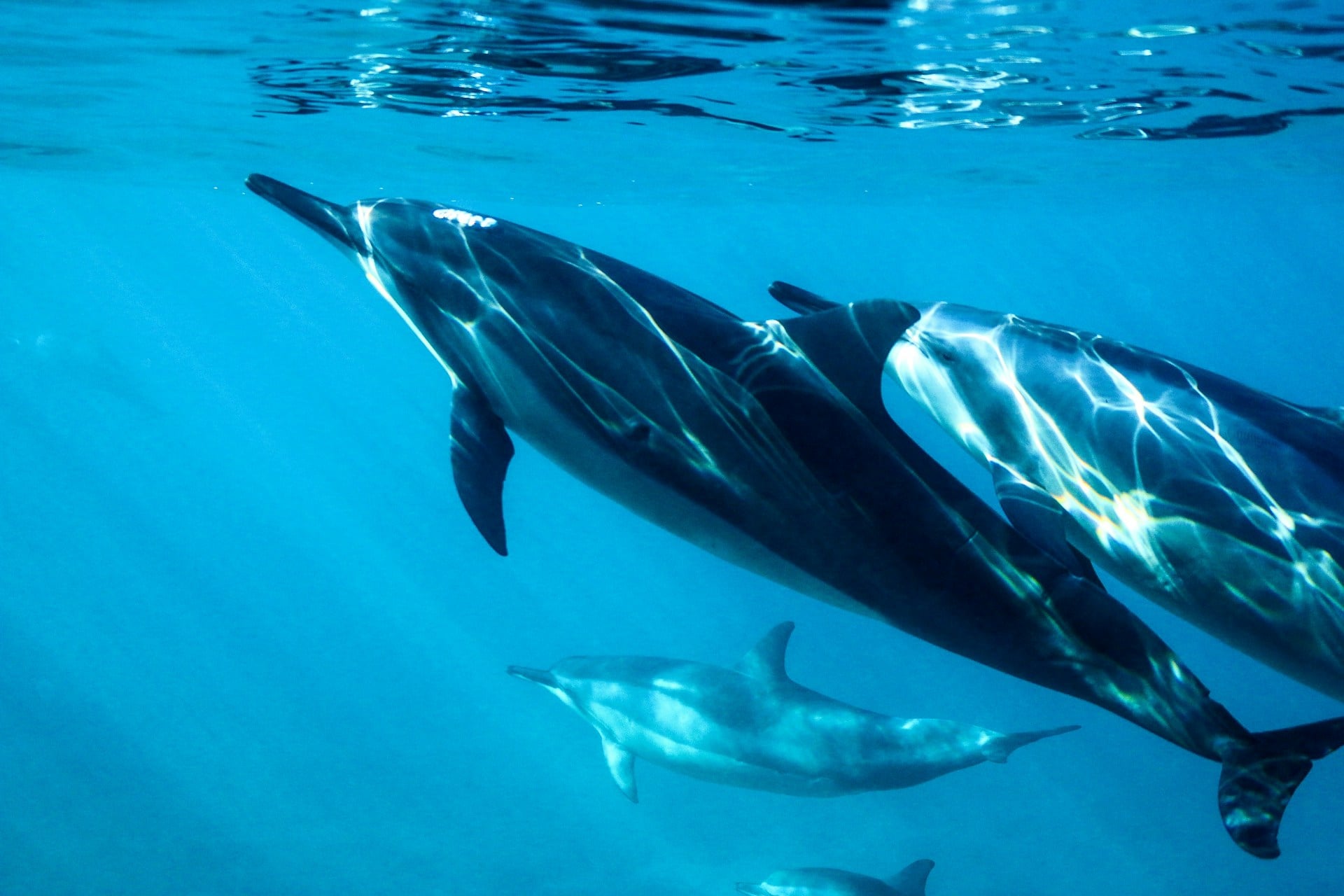
Dolphins have been caught red-handed—or should we say fin-handed—deliberately provoking pufferfish to release their toxins. While pufferfish venom can be deadly in high doses, smaller amounts act as powerful hallucinogens.
Researchers have observed dolphins carefully handling these fish, passing them around in what looks suspiciously like an underwater party. The dolphins appear to enter a trance-like state afterward, sometimes floating just below the surface as if zoning out.
Octopuses have three hearts and blue blood
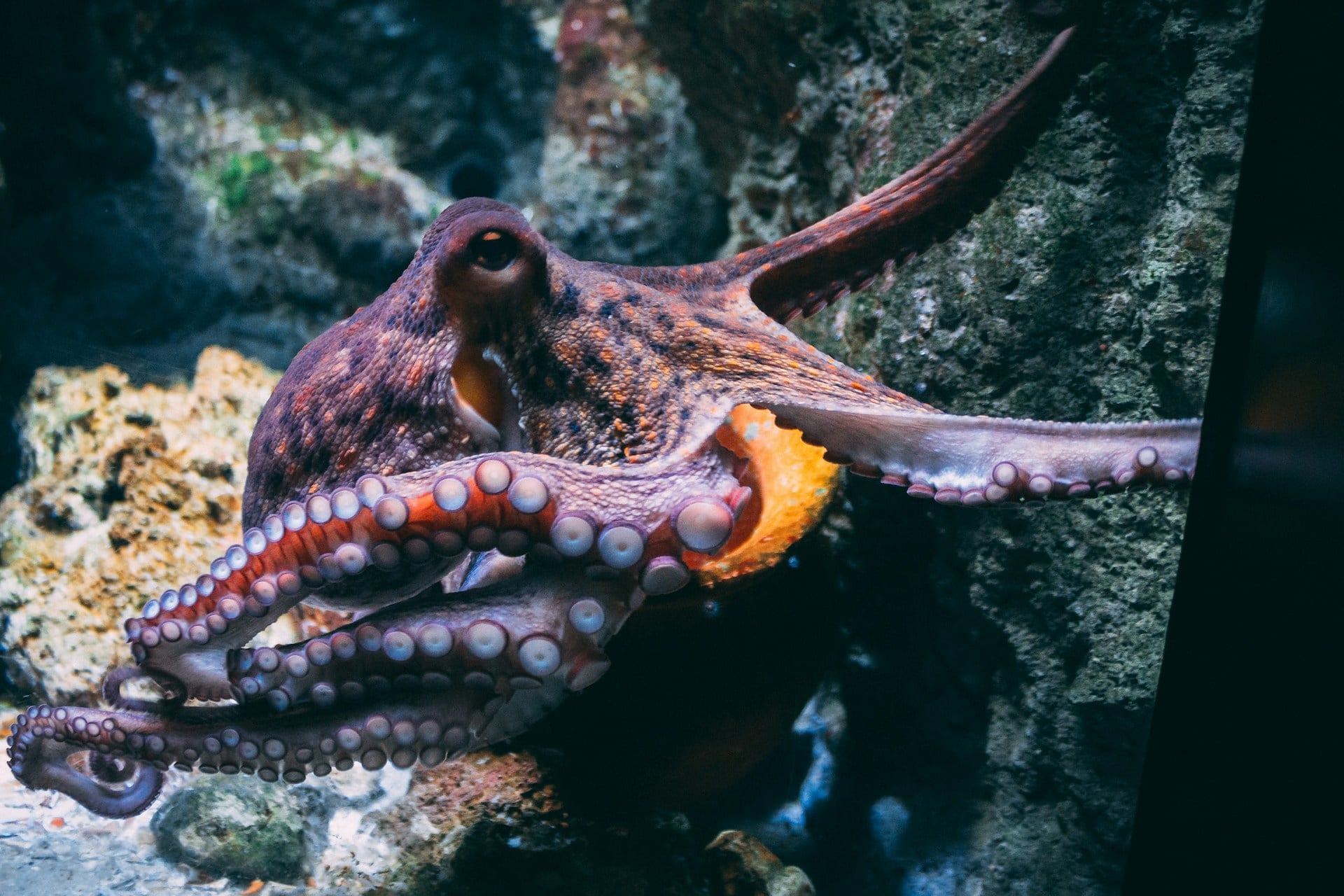
If octopuses seem alien, there’s a good reason—their biology is genuinely bizarre. Two of their hearts pump blood to the gills, while the third circulates it to the rest of the body.
Even stranger, their blood is blue thanks to a copper-based molecule called hemocyanin instead of the iron-based hemoglobin we have. This setup actually works better in cold, low-oxygen ocean environments.
Flamingos lose their pink color without the right diet
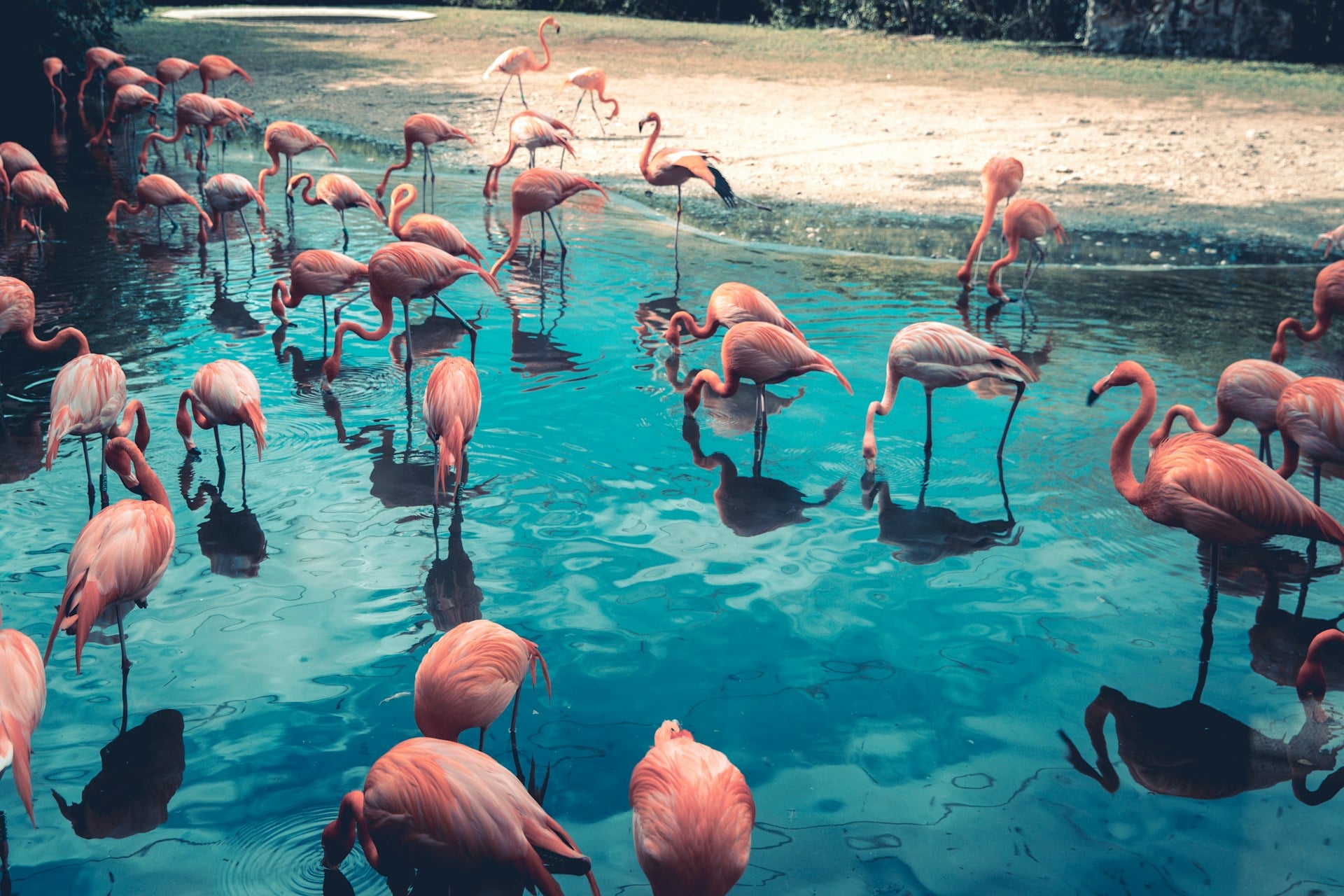
Flamingos aren’t actually born pink—they start out gray and white. That signature cotton-candy color comes entirely from their diet of shrimp and algae, which contain natural pink pigments called carotenoids.
In zoos, flamingos started losing their vibrant hue until keepers figured out they needed to supplement their food with these pigments. Without the right diet, flamingos fade back to their original drab colors.
Squirrels adopt orphaned babies from their relatives
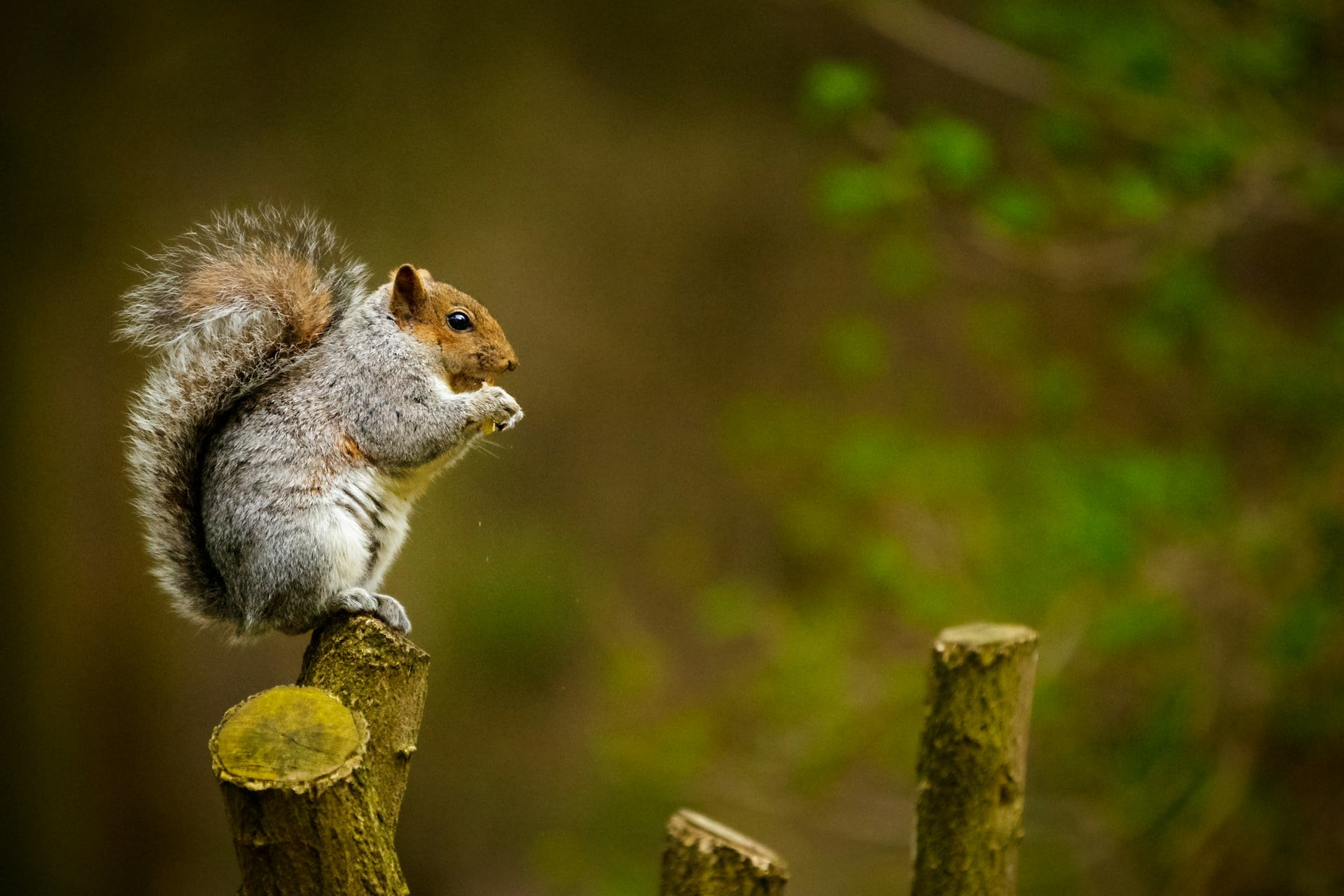
Despite being notoriously territorial and living in complete isolation, squirrels have a surprisingly soft side. Female squirrels will adopt orphaned pups from late family members, even though they’ve never lived together and competition for resources is fierce.
Researchers found this especially remarkable because unlike social animals like lions that are always surrounded by relatives, squirrels actively defend their territory from other squirrels. Yet when they sense an orphaned relative nearby, maternal instinct overrides their usual hostility and they’ll take in the youngster as their own.
Hummingbirds are the only birds that can fly backward
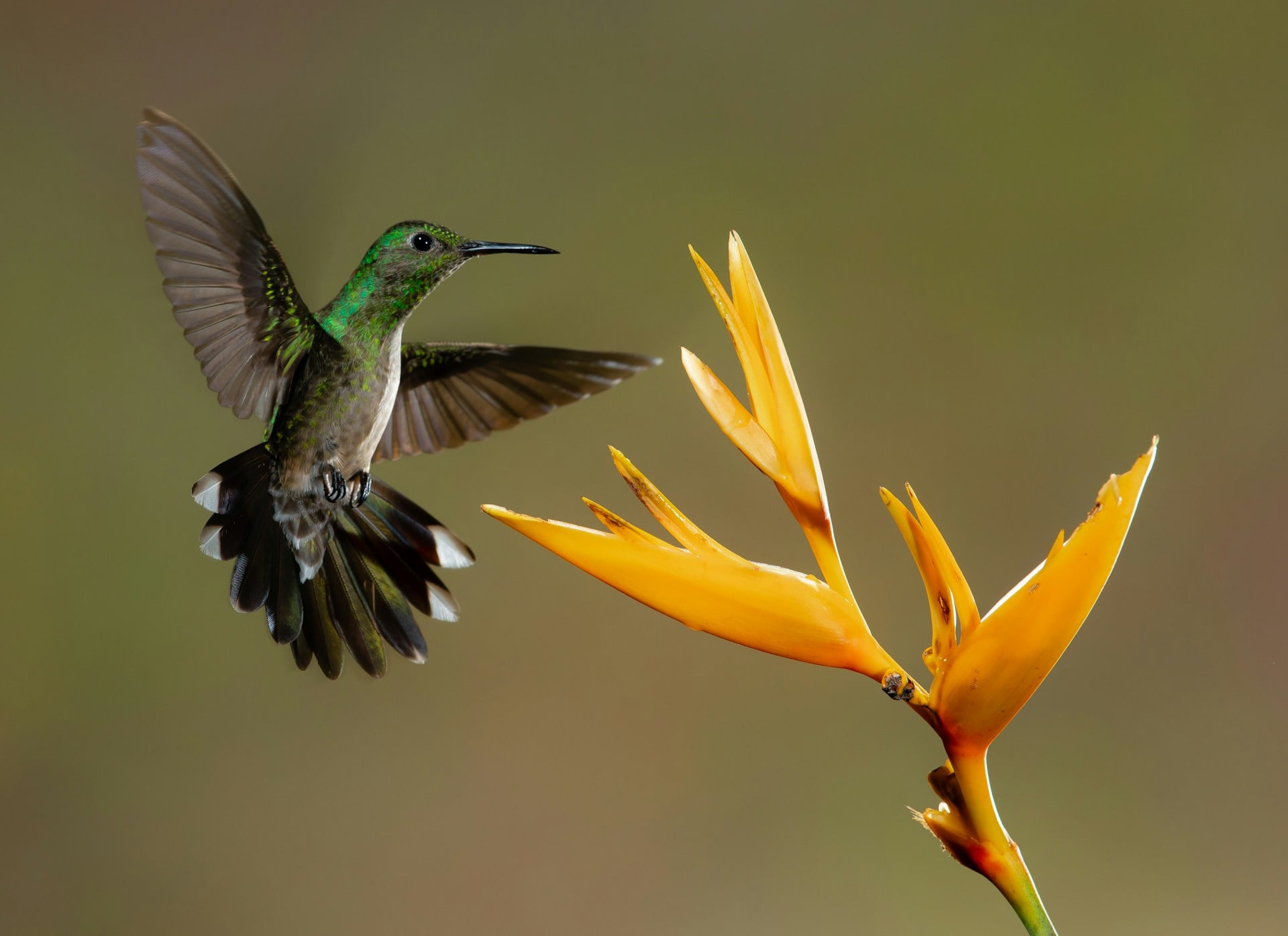
Hummingbirds have mastered aerial acrobatics that would make a helicopter jealous. They’re the only birds capable of sustained backward flight, which comes in handy when backing away from flowers after feeding.
Their wings rotate in a full circle at the shoulder, allowing them to generate lift on both the forward and backward strokes. They can also hover in place by flapping their wings in a figure-eight pattern at speeds up to 80 times per second.
Bats are the only mammals that can truly fly
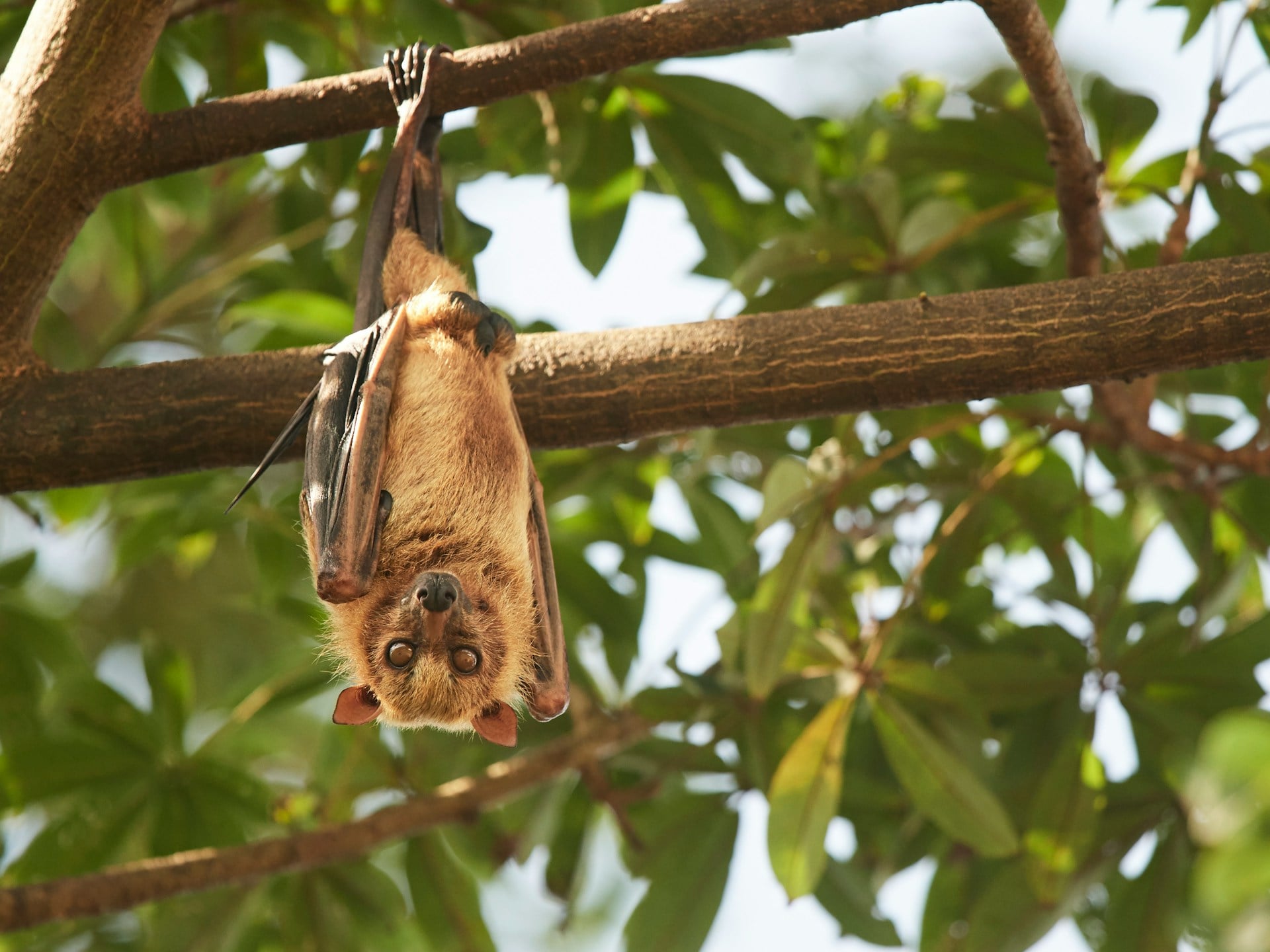
Flying squirrels might glide impressively between trees, but bats are the only mammals that achieved actual powered flight. Their wings are essentially hands with extremely elongated fingers covered by a thin, flexible membrane.
This design gives them incredible maneuverability in the air, allowing them to perform tight turns and sudden stops that birds can’t match. The tradeoff is that their leg bones are so thin and weak that only two out of over 1,100 bat species can walk on the ground.
Elephants have a death ritual and mourn their dead
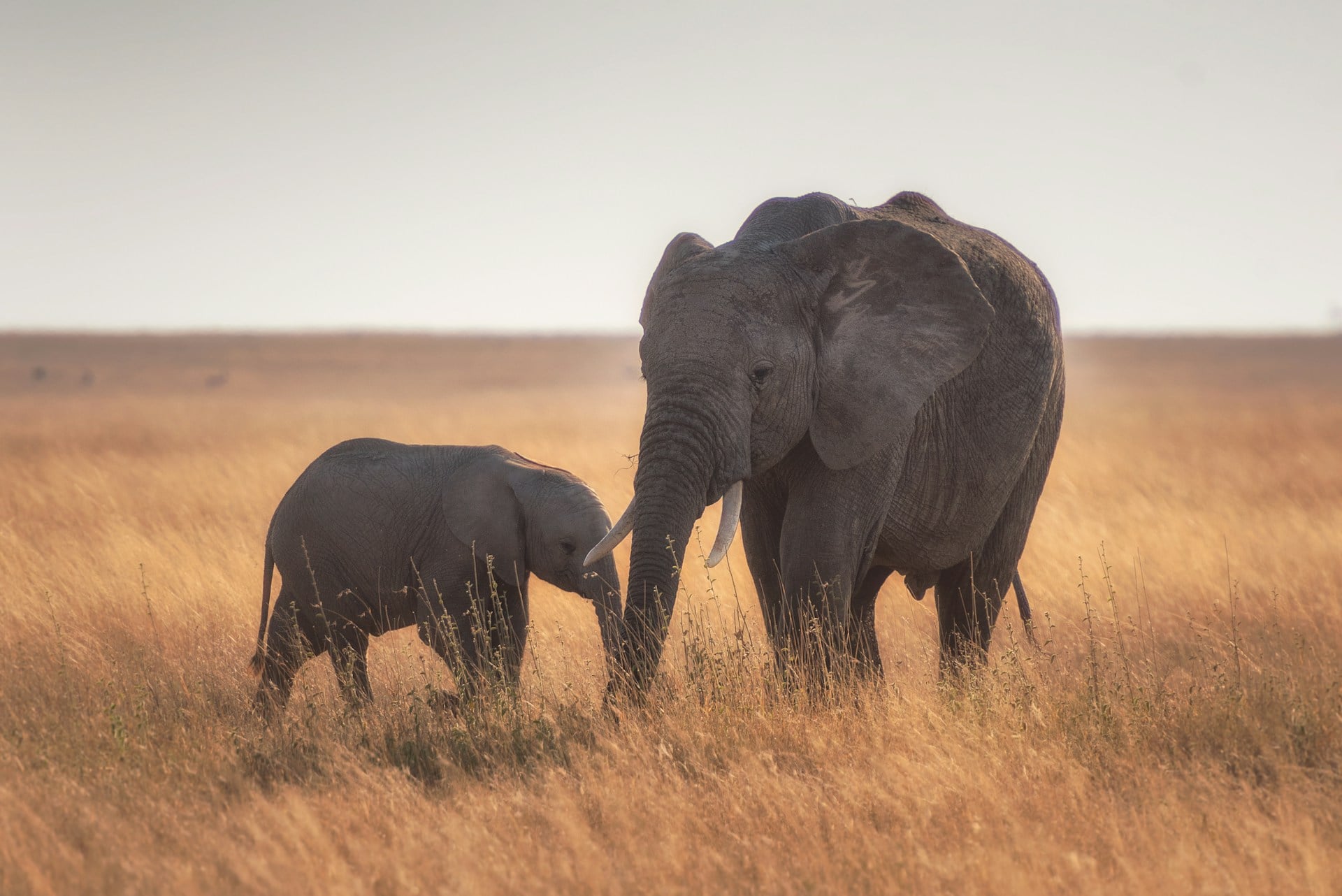
Elephants display one of the most profound examples of animal emotion and intelligence. When a member of their herd dies, elephants engage in what can only be described as a funeral.
They touch the body with their trunks, sometimes covering it with dirt and vegetation, and stand vigil for hours or even days. Elephants also show interest in the bones of deceased elephants they encounter, often stopping to examine and touch them gently.
Tardigrades can survive in outer space
These microscopic creatures, affectionately called water bears, are virtually indestructible. Tardigrades can withstand temperatures from near absolute zero to over 300 degrees Fahrenheit, survive radiation doses that would kill most organisms, and go without food or water for more than 30 years.
Most impressively, they’re the first known animals that can survive in the vacuum of space. When conditions get tough, tardigrades enter a state of suspended animation called cryptobiosis, essentially shutting down all metabolic processes until the environment improves.
Narwhal tusks are actually inside-out teeth
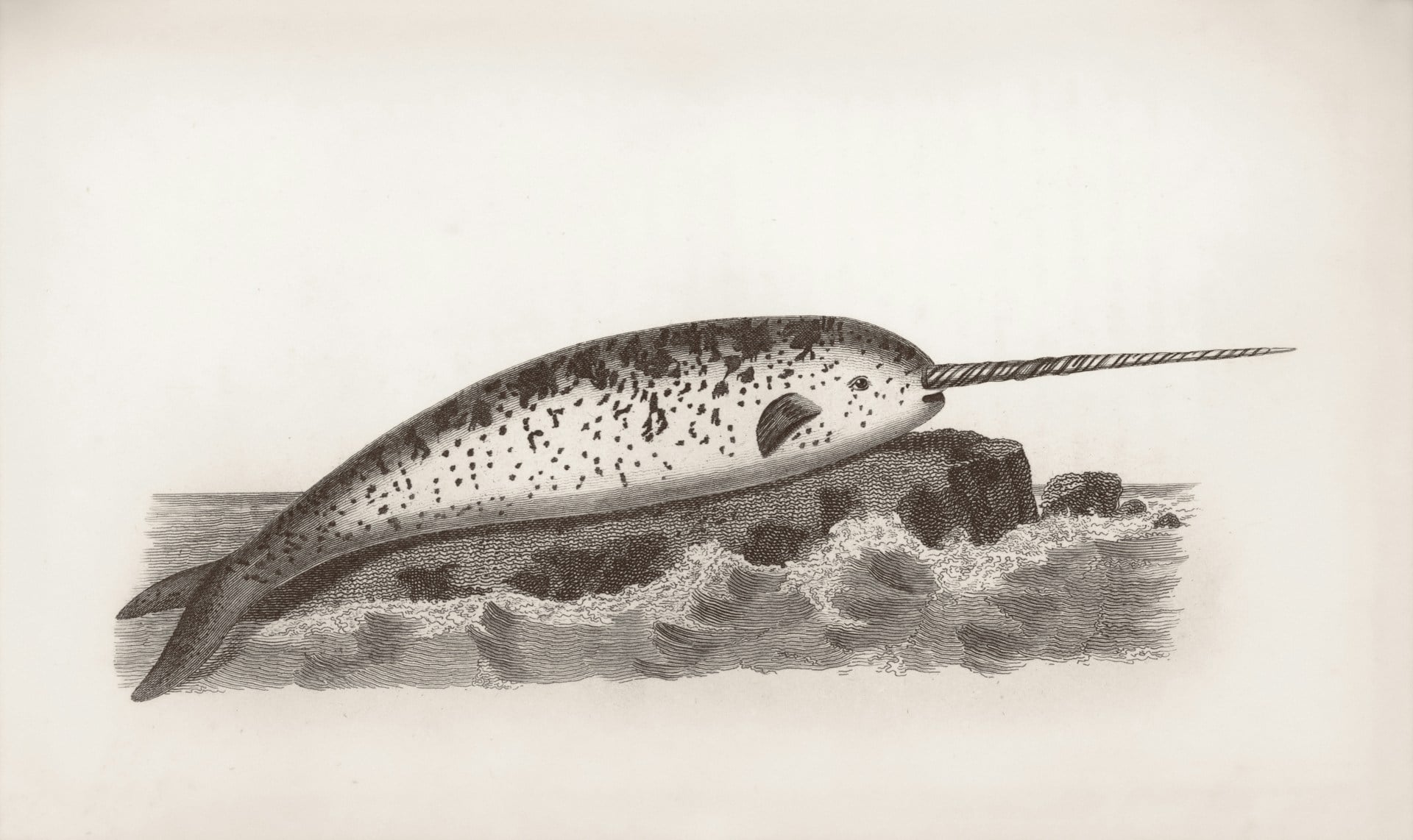
That majestic spiral tusk jutting from a narwhal’s head isn’t a horn or a tusk in the traditional sense—it’s a tooth growing straight through the animal’s lip. Male narwhals have a left canine tooth that spirals counterclockwise as it grows, reaching lengths of up to 10 feet.
The tusk is loaded with millions of nerve endings, making it one of the most sensitive organs in the animal kingdom. Scientists believe narwhals use it to detect changes in water temperature and salinity, and possibly to stun fish before eating them.
Mantis shrimp have the fastest punch in the animal kingdom
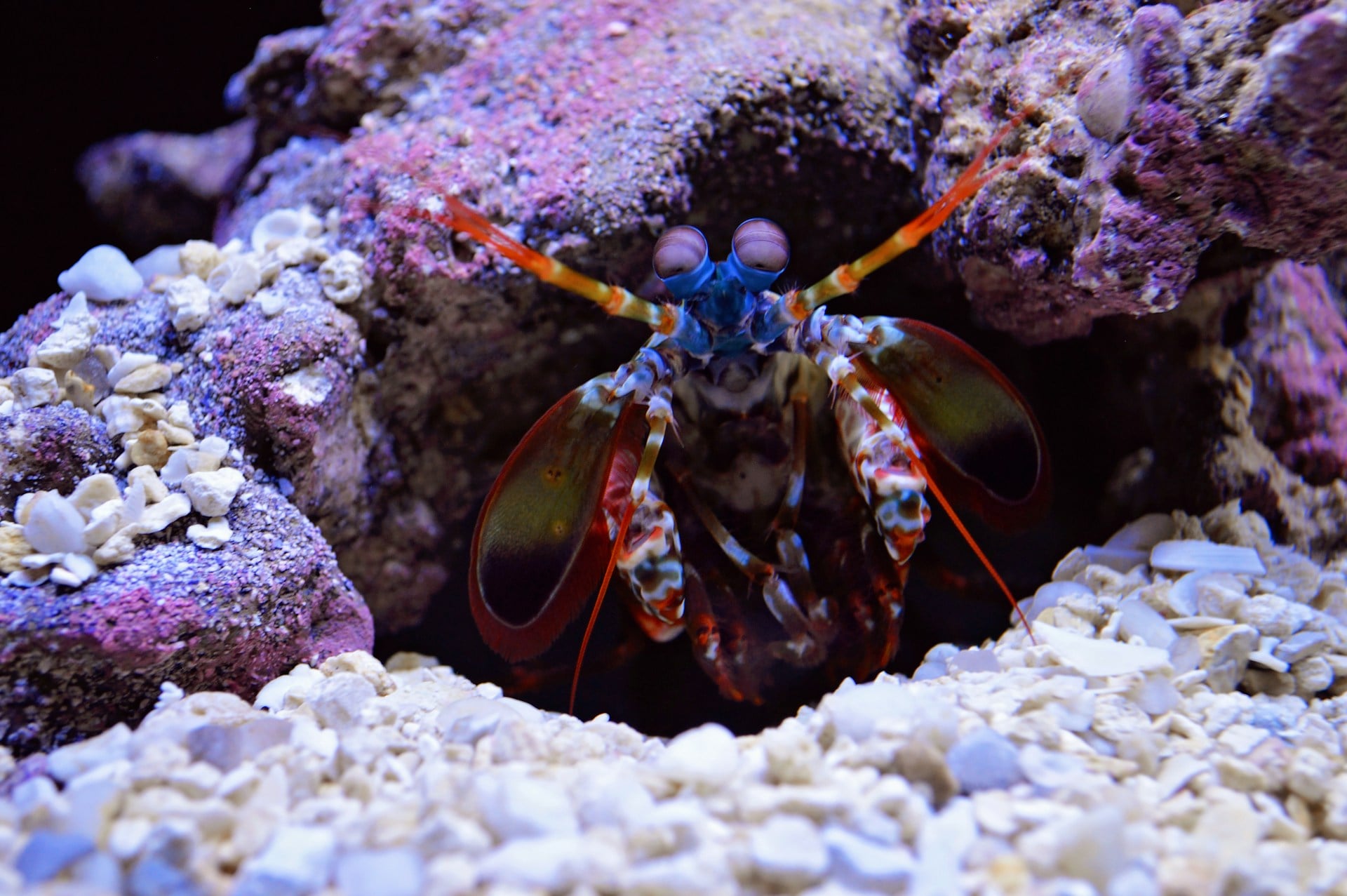
Don’t let the name fool you—mantis shrimp are crustaceans, not actual shrimp, and they pack a wallop that rivals a bullet. These colorful creatures can strike at speeds of around 50 miles per hour, generating enough force to break through aquarium glass and crack open the hardest shells.
The acceleration is so extreme that it causes the water around their club-like appendages to boil, creating a shockwave and a flash of light. They also have the most complex eyes in the animal kingdom, capable of seeing colors and patterns humans can’t even imagine.
Greenland sharks can live over 400 years
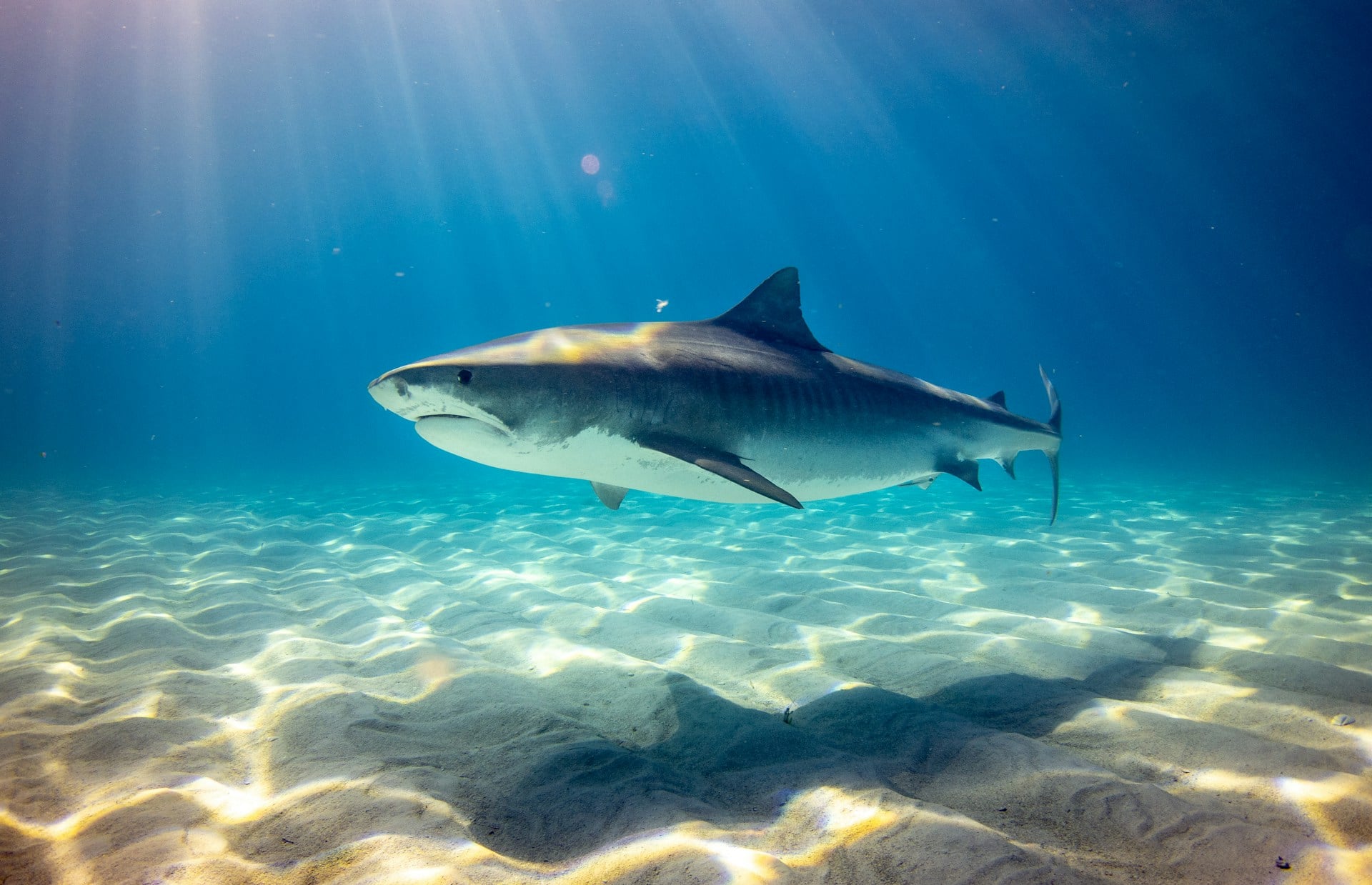
If you want to talk about longevity, Greenland sharks make giant tortoises look like mayflies. These deep-sea predators are believed to be the longest-living vertebrates on Earth, with some individuals estimated to be over 400 years old.
One shark was found to be around 392 years old, meaning it was born during the reign of King James I of England. They grow incredibly slowly—less than half an inch per year—and don’t reach maturity until they’re about 150 years old.
Lyrebirds can mimic chainsaws and car alarms
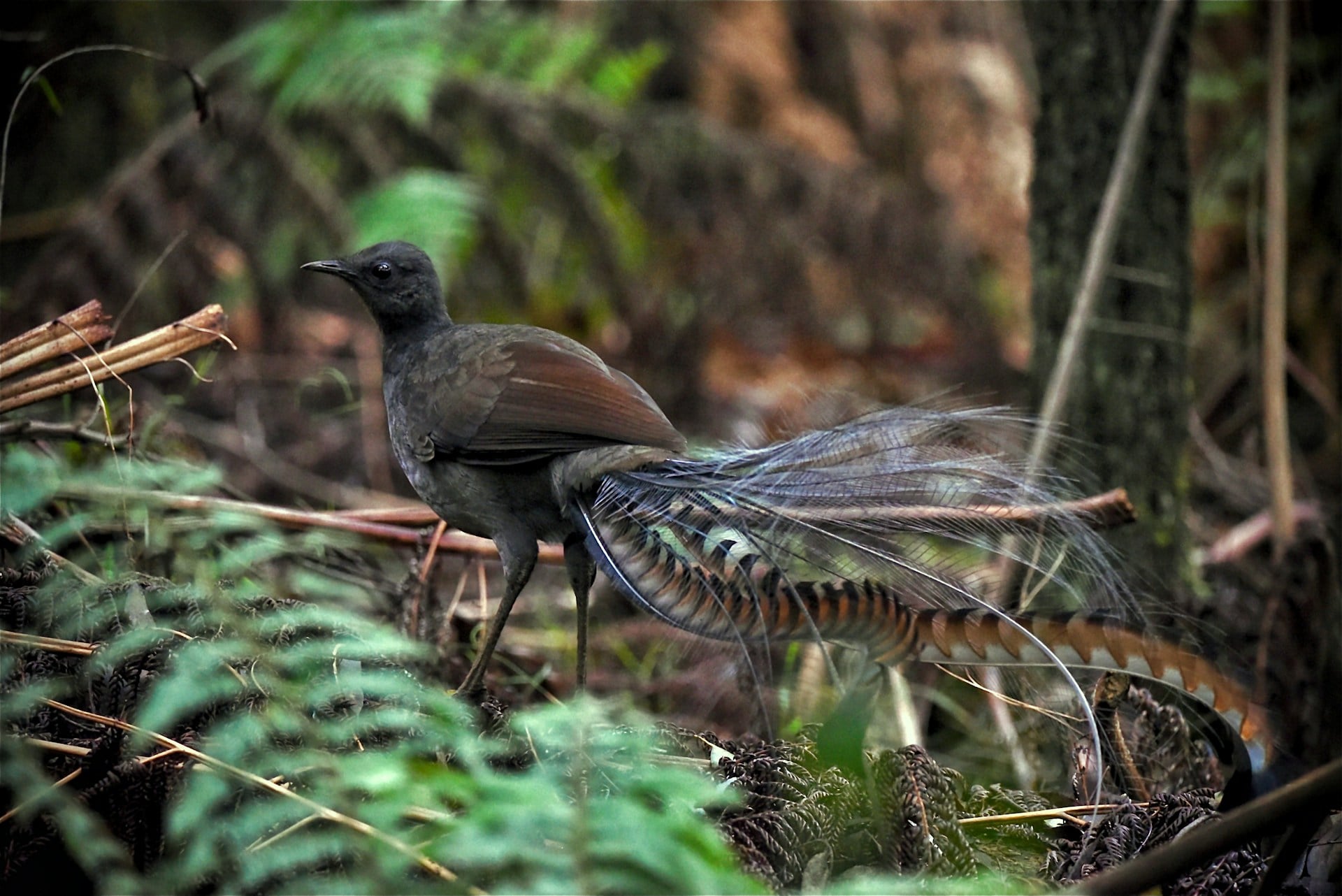
Australian lyrebirds are the ultimate impressionists of the bird world. These ground-dwelling birds can accurately reproduce not just the songs of other birds, but also mechanical sounds like chainsaws, camera shutters, car engines, and even car alarms.
Male lyrebirds perform these elaborate mimicry shows to attract mates, demonstrating their prowess and adaptability. Some lyrebirds in forests near construction sites have been heard perfectly imitating the sounds of power tools, while others have picked up ringtones and alarm sounds from nearby campsites.
Parrotfish sleep in a bubble of their own mucus
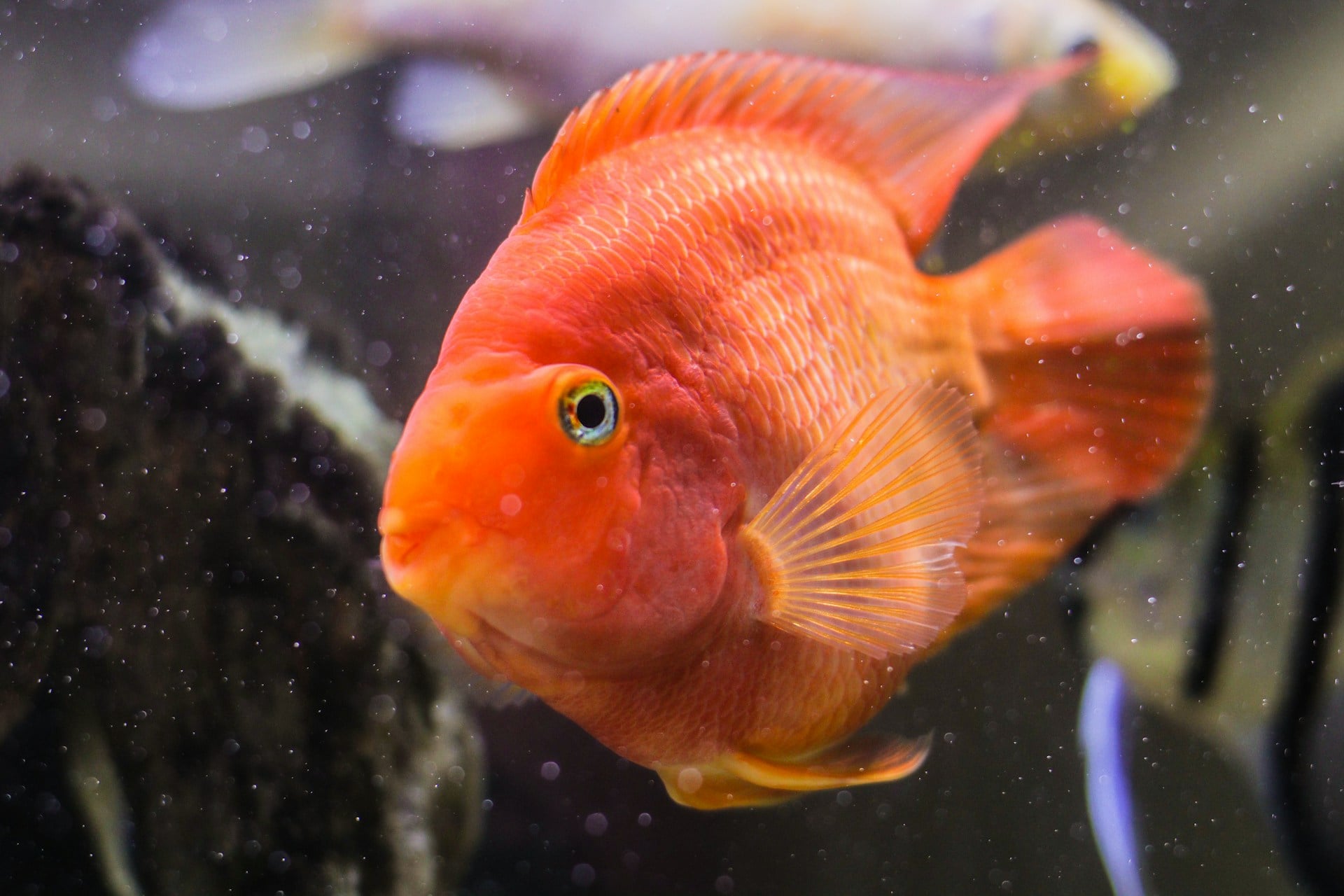
When night falls, parrotfish take bedtime preparation to a whole new level of gross and genius. These colorful reef fish secrete a mucus cocoon around their entire body before settling down to sleep.
Within about 30 minutes, they’re completely enclosed in a surprisingly spacious transparent sleeping bag made of slime. This bizarre ritual serves a crucial purpose—the mucus masks their scent from nocturnal predators like moray eels that hunt by smell.
The animal kingdom never runs out of surprises
These unexpected facts remind us that even animals we think we know well have been keeping secrets. Evolution has equipped creatures with adaptations that solve problems in ways we’d never imagine, from cube-shaped droppings to mucus sleeping bags.
Every bizarre trait serves a purpose, shaped by millions of years of survival pressure. The next time you see a common animal, remember there’s probably something extraordinary about it that science hasn’t told you yet.
More from Go2Tutors!

- The Romanov Crown Jewels and Their Tragic Fate
- 17 Halloween Costumes Once Considered Taboo
- Famous Hoaxes That Fooled the World for Years
- 15 Child Stars with Tragic Adult Lives
- 16 Famous Jewelry Pieces in History
Like Go2Tutors’s content? Follow us on MSN.