Toys from Ancient Rome
Children have always found ways to play. The streets of ancient Rome weren’t just filled with soldiers and senators—they echoed with the laughter of kids who played games, built miniatures, and treasured their toys just like children do today.
What’s surprising is how many of these playthings survived, preserved in tombs and ruins, giving us a glimpse into the daily lives of Roman families two thousand years ago.
Miniature Chariots and Horses

Roman children grew up watching chariot races at the Circus Maximus, so naturally they wanted their own versions. Archaeologists have found tiny clay and bronze chariots complete with horses, some with wheels that actually turned.
These weren’t crude figurines—craftsmen made them with remarkable detail, down to the reins and harnesses.
Kids would race these miniatures against each other, mimicking the Green and Blue factions that divided the city. The wealthier families commissioned bronze versions with moving parts, while poorer children made do with clay models they could shape themselves.
Dolls Made from Every Material
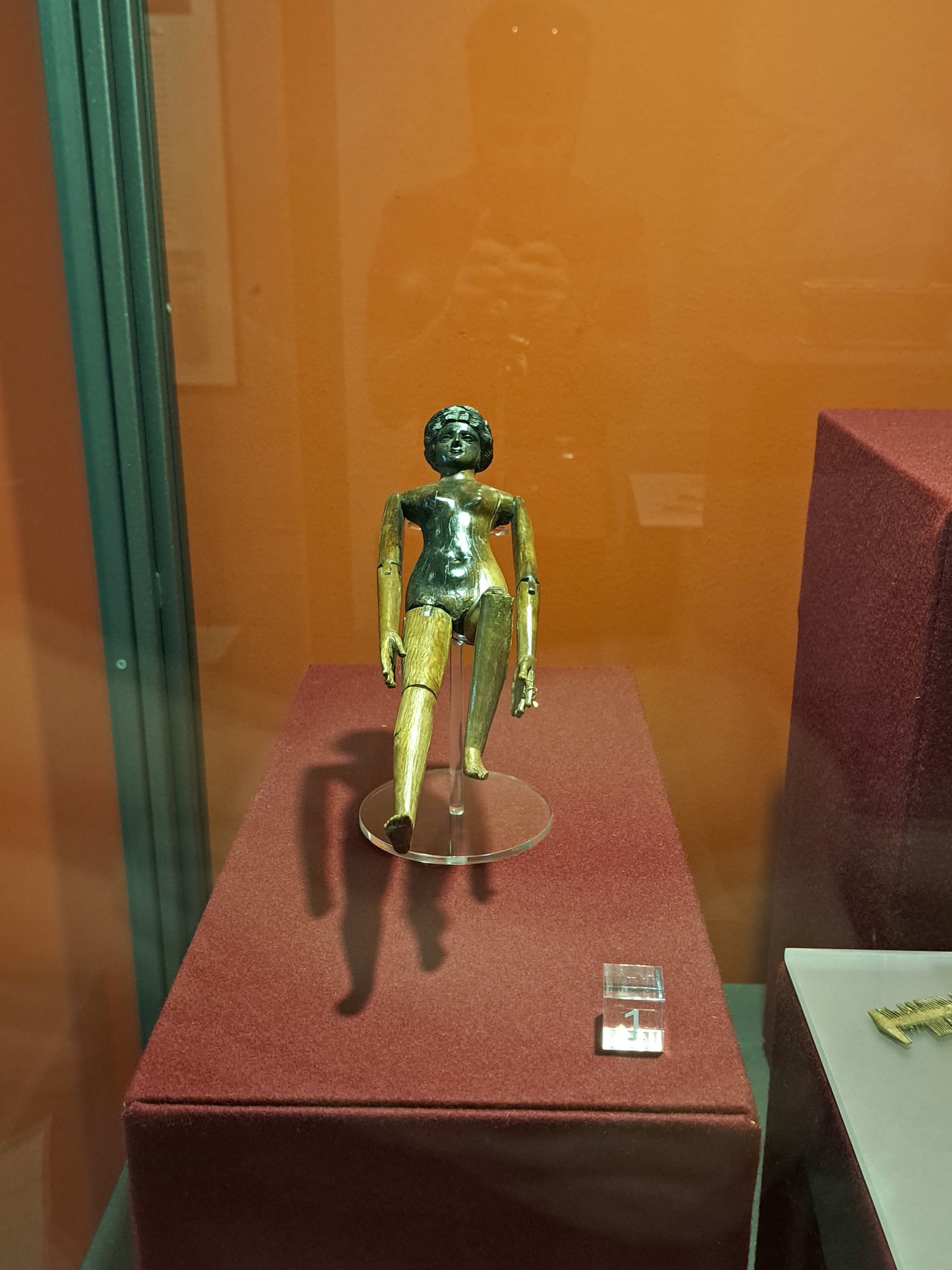
Look at those old Roman toys, and it becomes clear how much they resemble today’s dolls. Depending on money, families used materials like bone, wood, clay, or even ivory.
Wires or strings connected moving arms and legs. Real hair sometimes topped their heads, along with miniature outfits stitched by hand.
Found inside a Roman tomb, the best-known one is the Crepereia Tryphaena doll. Made of ivory, it had clothes for every occasion plus a small wooden case holding little rings and trinkets.
A child once loved this toy deeply. She passed away early, so her family placed it beside her in death.
Knucklebones: A Global Pastime

Long ago, people used knucklebones instead of dice. Kids and grownups tossed them just the same.
Made from sheep or goat joints, these little pieces were uneven. One side might be smooth, another marked.
When they settled, every face counted differently. The curved tips never lay flat like modern cubes do.
One version after another kept appearing. Tossing them up, catching on the back of a hand was one way.
Hitting a mark by throwing came next. Some used them as dice when betting.
Glass or bronze sets showed wealth. Precious stones marked luxury.
But kids found bones at the butcher just fine. Any street corner held possibilities.
Spinning Tops That Never Stop
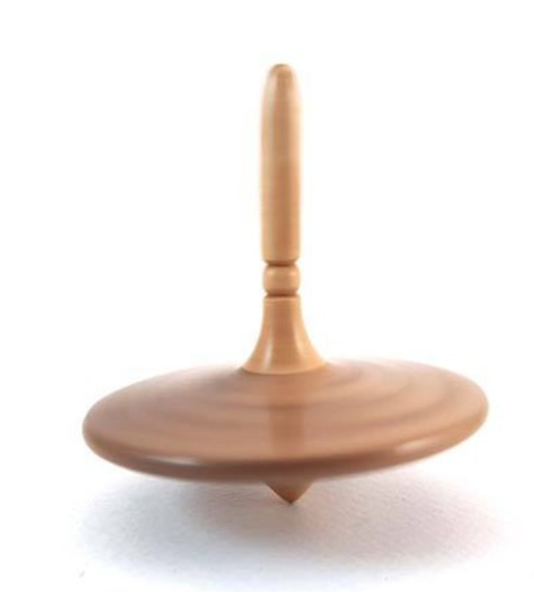
Wooden tops appear in Roman art and archaeological sites across the empire. Children would wind strings around them and pull to set them spinning, competing to see whose top could spin longest.
Some tops had metal tips to reduce friction, and kids painted them in bright colors to create visual effects as they spun.
The game transcended class boundaries. A senator’s son and a slave child might both own tops, though one would be painted wood and the other might be crafted from fine materials with inlaid designs.
Hoops and the Art of Rolling

Rolling a hoop with a stick was so popular in Rome that it appears constantly in art and literature. The hoop itself was simple—a metal or wooden ring—but keeping it rolling required skill and practice.
Children would race each other, navigate obstacle courses, or just roll their hoops through the streets for hours.
Adults sometimes mocked this as a pointless pastime. But children loved it for the same reason kids always love simple toys: it gave them freedom to move, compete, and play on their own terms.
Yo-Yos Before They Had a Name
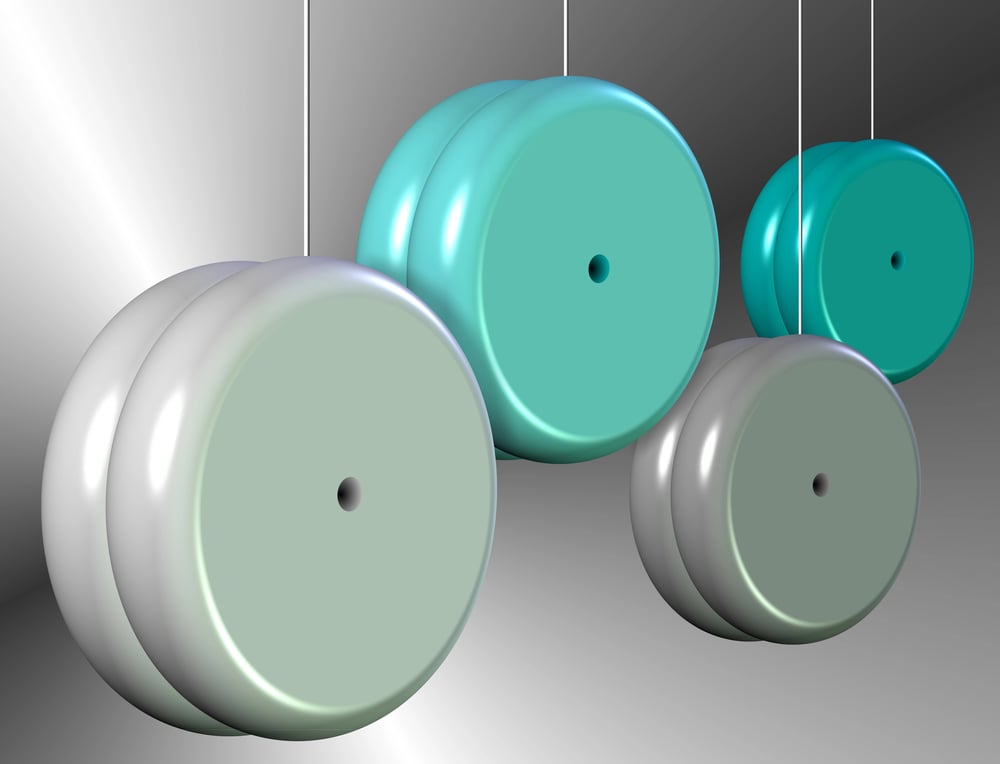
Clay disks attached to strings have been found at Roman sites, and experts believe they functioned like yo-yos. These toys date back even further to ancient Greece, but Roman children adopted them enthusiastically.
Made from terracotta, they had two disks connected at a central axis with a string wound around the middle.
Playing with these required practice. You had to master the flick of the wrist to make the disk drop and return smoothly.
Some examples were painted with geometric patterns or faces, turning them into both toys and decorative objects.
Toy Soldiers and Gladiators

Roman boys played with miniature soldiers and gladiators the way modern children play with action figures. These figurines came in clay, lead, or bronze, depicting legionnaires, cavalrymen, and various types of gladiators with their distinctive armor and weapons.
Sets of gladiators were particularly popular because the arena was central to Roman entertainment. Children would stage their own mock battles, learning the names and fighting styles of different gladiator types long before they were old enough to attend the real games.
Building Blocks from Broken Pottery
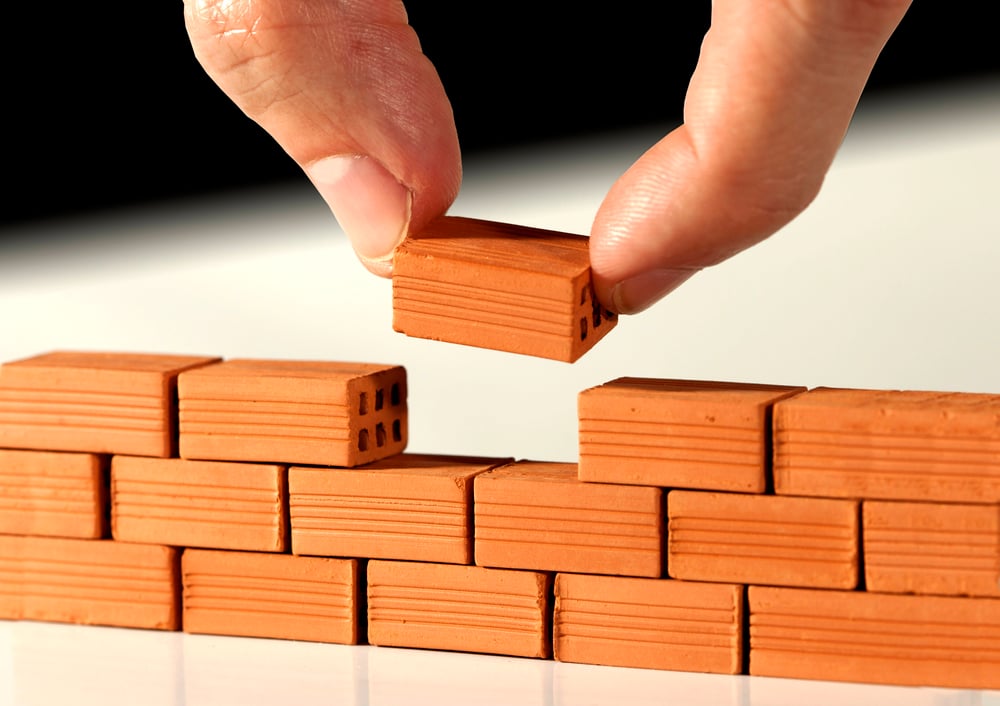
Not every toy came from a shop. Children would collect broken pieces of pottery and tiles to use as building blocks.
These fragments, smoothed by wear, could be stacked, arranged, or used to create imaginary structures and walls.
This kind of play cost nothing but encouraged creativity and spatial thinking. A pile of broken terracotta could become a fortress, a temple, or whatever the child’s imagination desired.
Rattles for the Youngest Romans

Even infants had toys designed specifically for them. Clay and bronze rattles filled with pebbles or seeds entertained babies and helped with teething.
Many featured animal shapes or bells attached to handles, and parents believed the noise scared away evil spirits while keeping their children occupied.
Some wealthy families gave their infants rattles made from silver with coral beads, which were thought to have protective properties. These weren’t just playthings—they were charms meant to keep children safe.
Pets as Companions

Roman children kept small animals as pets and playmates. Dogs were common, but so were birds, rabbits, and even mice.
Artwork shows children playing with these animals, and inscriptions on tombs sometimes mention beloved pets that died.
These relationships mattered deeply to children. When a girl named Aelia Sabina lost her pet bird, her parents commissioned a small monument to commemorate it, showing that they understood how real her grief was.
Marbles from Stone and Clay

Small spheres made from clay, stone, or glass were used in various games throughout Rome. Children would shoot them at targets, try to knock each other’s pieces out of a circle, or simply collect them for their colors and patterns.
Glass marbles were particularly prized because craftsmen could create swirls and patterns inside the clear material. Finding a perfect glass specimen meant you had something valuable to trade or show off to friends.
Swings in Gardens and Groves

Paintings from Pompeii show children playing on swings, usually simple ropes or leather straps hung from tree branches. Wealthier families had more elaborate swings in their gardens, sometimes with seats carved from wood or stone.
Swinging wasn’t just play—it was also associated with certain religious festivals where both children and adults would swing as part of celebrations. The motion itself held symbolic meaning in Roman culture, connecting the earthly and divine.
Rounds of Leather and Stuffing

Although playing with spherical objects was common, Roman children used versions made from leather sewn together and stuffed with various materials like feathers, wool, or even air. These soft projectiles were used in countless games—tossing back and forth, trying to keep them in the air, or playing early versions of catch and dodgeball.
Athletes and adults also played with larger versions for exercise. But children had their own smaller sizes suited to their hands and strength.
Board Games as Family Time

Families played board games together, and children learned strategy from watching adults. Games like latrunculi (similar to chess) and terni lapilli (like tic-tac-toe) used simple boards that could be scratched into pavement or drawn in dirt.
Gaming pieces made from glass, bone, or colored stone have survived in archaeological sites. These weren’t always owned by children—often the whole family shared them, with younger kids gradually learning the rules by watching and then participating.
Kites That Never Were
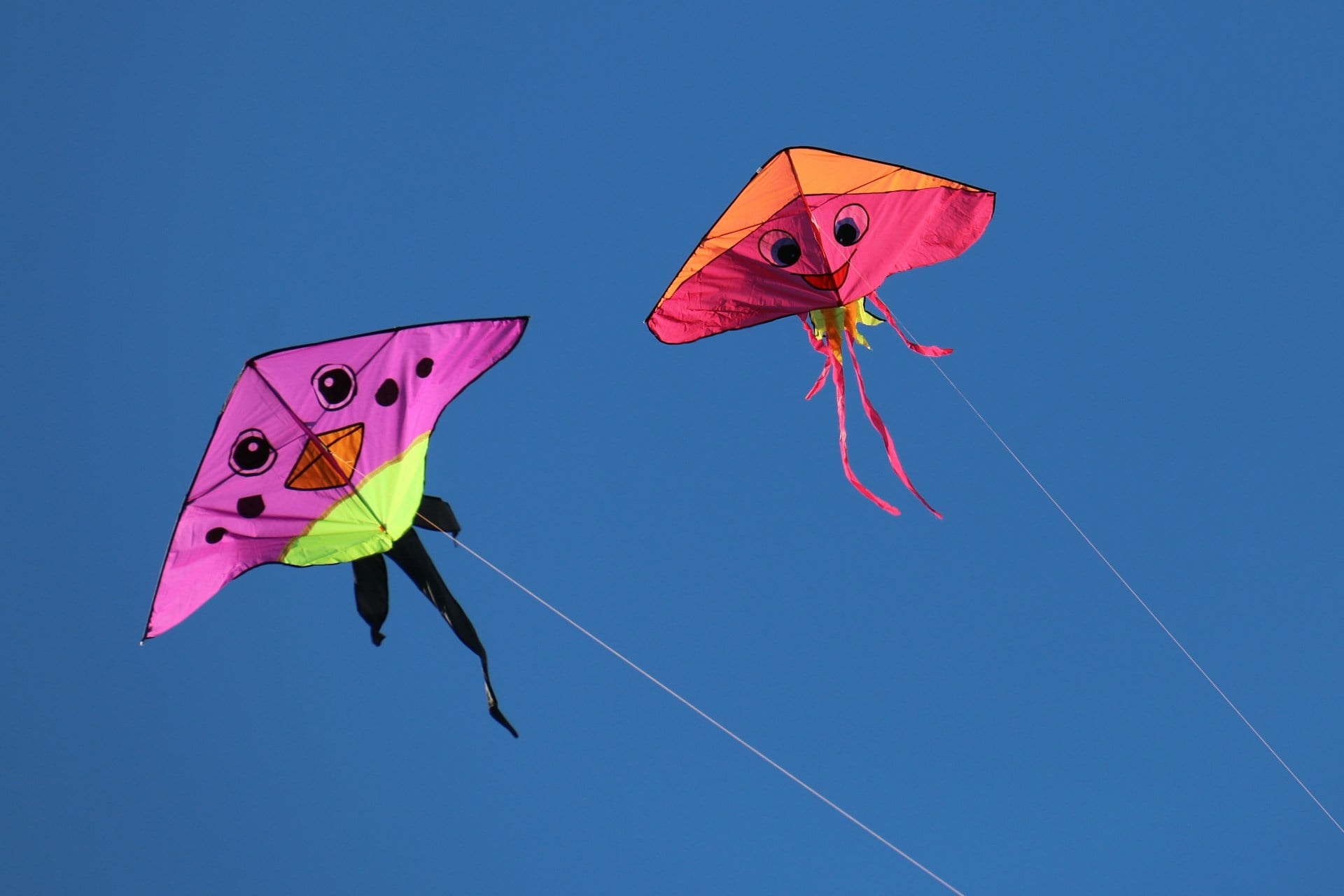
The funny thing is, Romans never seem to have tried flying kites – even though they had everything required. It shows how games take strange paths across societies – one culture’s simple idea can be invisible to another.
The Echo Across Centuriles

A toy found in ancient dust had moving limbs, like magic. One step inside the hall, a small cart catches your eye – its wheels spin even now.
Not gifts for gods or rulers, these things lived in small hands. They got squeezed daily, dropped often, worn down by play.
When kids grew taller, some of these stayed close, buried quietly where love felt strongest.
Funny how little play has shifted over time. Sure, toys look different now, yet the urge to dream up stories, test skills against others, or just mess around stays strong.
Back then, kids in Rome used what they had – simple objects, made-up rules – to feel smart, to laugh, to connect. Today’s young ones grab tablets or blocks, chasing the very same feelings.
Their tools change, never the reasons behind the game.
More from Go2Tutors!

- The Romanov Crown Jewels and Their Tragic Fate
- 13 Historical Mysteries That Science Still Can’t Solve
- Famous Hoaxes That Fooled the World for Years
- 15 Child Stars with Tragic Adult Lives
- 16 Famous Jewelry Pieces in History
Like Go2Tutors’s content? Follow us on MSN.