Toys That Are Complex Robots
The toy aisle looks different than it did twenty years ago. Where simple action figures and board games once dominated, you now find machines that respond to voice commands, learn from their environment, and even display something that resembles personality.
These aren’t just toys with a few programmed responses. They’re sophisticated pieces of engineering that happen to be designed for play.
Parents shopping for gifts now face choices that sound more like science fiction than childhood fun. But these complex robot toys offer something beyond entertainment.
They introduce concepts like coding, artificial intelligence, and mechanical engineering in ways that feel natural to kids who’ve grown up surrounded by technology.
Programming Becomes Play

Robot toys that teach coding don’t look like work. They come in bright colors, make funny sounds, and turn abstract concepts into physical actions.
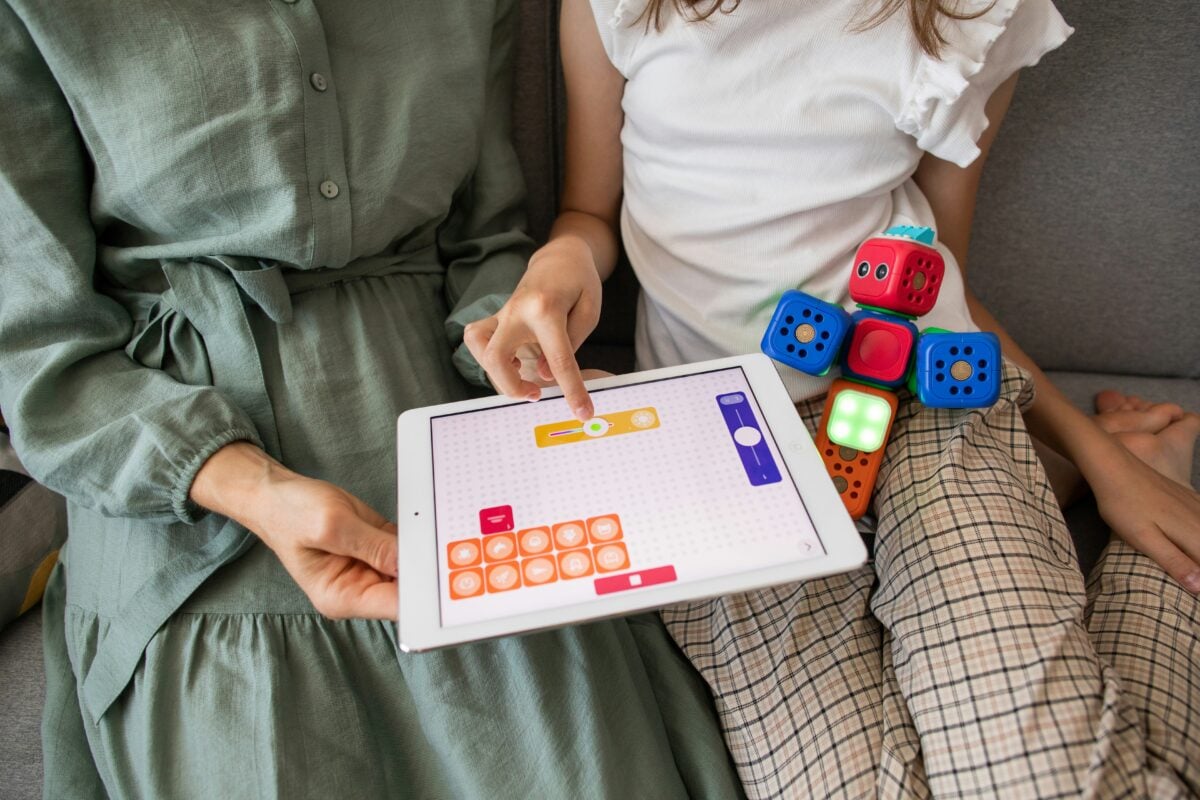
When a child writes code to make their robot move forward three steps and turn right, they see the result immediately. No screen required—just a robot following their instructions across the living room floor.
These toys start simple. Younger kids might use color-coded blocks to create command sequences.
Older children graduate to actual programming languages, writing scripts that make their robots navigate obstacle courses or respond to specific triggers. The progression happens naturally, matching a child’s growing understanding without feeling like formal education.
Sensors That See and Hear

Modern robot toys don’t just follow pre-programmed patterns. They observe their surroundings through an array of sensors that would have seemed impossible in a children’s toy a decade ago.
Infrared sensors detect obstacles. Microphones pick up voice commands.
Some even include cameras that recognize faces or track specific objects. This sensory awareness changes how kids interact with their toys.
Instead of pressing buttons to trigger actions, they can talk to their robots, set them loose in an environment, and watch as the machines figure out how to navigate autonomously. The robots bump into walls, adjust their course, and learn—or at least appear to learn—from their mistakes.
Artificial Intelligence in Miniature
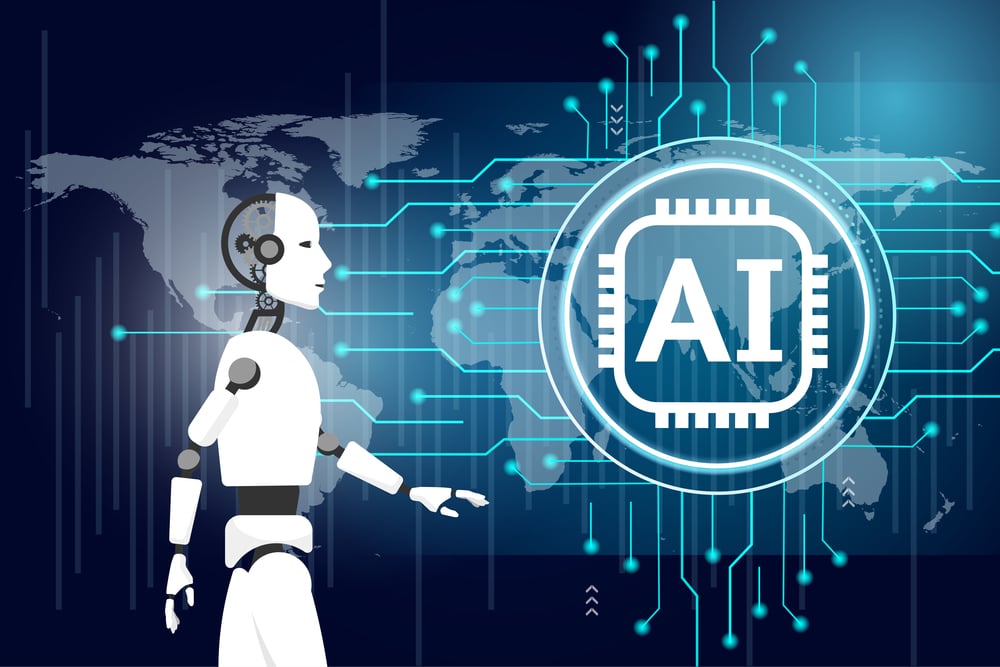
The most advanced robot toys run simplified AI algorithms that adapt to their owners. They remember preferences, recognize individual family members, and adjust their responses based on past interactions.
This isn’t the kind of AI that powers self-driving cars, but it’s sophisticated enough to create the illusion of a relationship between child and machine. Some robots develop unique personalities over time.
The way a child plays with their robot influences how it behaves. Gentle handling might result in a timid robot that moves cautiously.
Rough play could create a more aggressive personality that charges forward. These personality systems use simple algorithms, but they create meaningful differences in how each robot acts.
Building From Scratch

Kit-based robot toys take complexity to another level. Instead of arriving fully assembled, they come as collections of motors, sensors, controllers, and structural pieces.
Kids build the robots themselves, learning how each component contributes to the whole. They see how sensors connect to processors, how motors receive power, how code translates into movement.
These construction experiences demystify technology. When you’ve physically assembled a robot’s arm and connected the servo motor that moves it, you understand mechanical systems in a way that no explanation can match.
The robot becomes less like magic and more like engineering—something knowable and reproducible. Many kits encourage experimentation beyond the basic instructions.
Once kids master the suggested designs, they can reconfigure parts to create entirely new robots. This open-ended approach treats the kit as a platform rather than a single toy, extending its useful life well beyond initial assembly.
Competition and Collaboration

Robot toys often include competitive elements that push kids to refine their designs and programming. Battle bots crash into each other until one stops functioning.
Racing robots compete for the fastest time through a course. Soccer-playing robots face off in miniature matches where superior programming and mechanical design determine the winner.
These competitions create natural motivation for learning. Kids who want their robot to win must understand how to optimize their code, reduce weight, increase power, or improve sensor accuracy.
They iterate through designs, testing and refining until they find something that works. The process mirrors real engineering workflows, just with lower stakes and more fun.
Collaborative challenges flip this dynamic. Some robot toys work better in groups, requiring multiple machines to coordinate their actions.
Kids program robots to communicate with each other, sharing sensor data or dividing tasks. These group projects introduce concepts like network communication and distributed systems through play.
Voice and Gesture Control

Touchscreens and buttons feel outdated when your robot responds to spoken commands. Voice-controlled robot toys interpret natural language, translating phrases like “go to the kitchen” or “spin around” into actions.
The speech recognition isn’t perfect—these are toys, after all—but it’s good enough to feel responsive. Gesture control adds another dimension.
Some robots track hand movements through cameras or motion sensors, following gestures the way a trained dog follows commands. Point left, and the robot turns left.
Raise your hand, and it stops. This physical interaction creates a different kind of engagement than screen-based controls.
Remote Operation and Telepresence
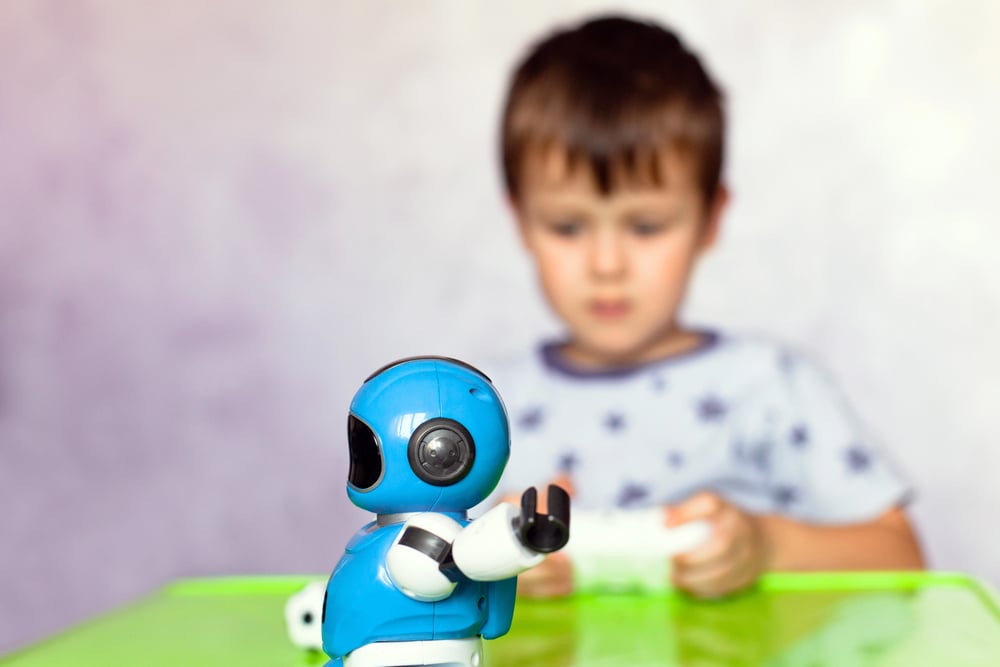
Not all robot toys operate autonomously. Some function as remote avatars, letting kids explore spaces they can’t physically reach.
A robot with a camera and microphone can roll into another room, carrying its operator’s presence along with it. Kids use these machines to check on pets, spy on siblings, or just see what’s happening in different parts of the house.
More advanced telepresence robots include screens that display the operator’s face, turning the machine into a mobile video chat platform. This transforms the robot from a toy into a communication tool that happens to be fun.
Kids separated by distance can play together, with one controlling a robot in the other’s space.
Environmental Mapping and Navigation
Watch a robot toy navigate a room for the first time, and you’ll notice it moving somewhat randomly, bumping into furniture and backing up to try new paths. But many advanced toys create mental maps of their environment, building internal representations of the space they move through.
After a few runs, they navigate efficiently, taking optimal routes and avoiding obstacles they’ve encountered before. This mapping capability requires surprising computational power.
The robot must process sensor data in real-time, match current observations to stored maps, calculate its position, and plan appropriate paths forward. All of this happens inside a package small enough and cheap enough to market as a children’s toy.
Modular Design and Upgrades
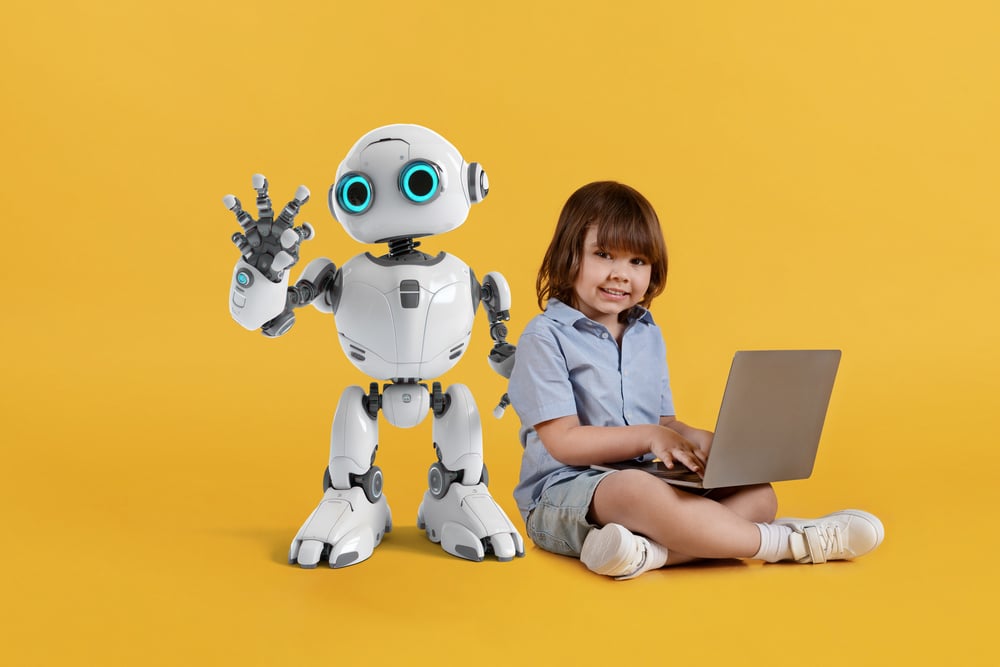
The best robot toys don’t become obsolete when kids outgrow their initial capabilities. Modular designs allow for component upgrades and additions.
Buy a basic robot this year, add an advanced sensor package next year, upgrade the processor the year after that. The toy grows with the child’s abilities and interests.
This modularity also supports customization. Kids attach different tools, sensors, or decorative elements to create unique versions of the same basic platform.
One child’s robot might focus on precise movement and delicate manipulation, while another prioritizes speed and durability. The underlying platform remains the same, but the resulting machines serve different purposes.
Integration With Smart Home Systems
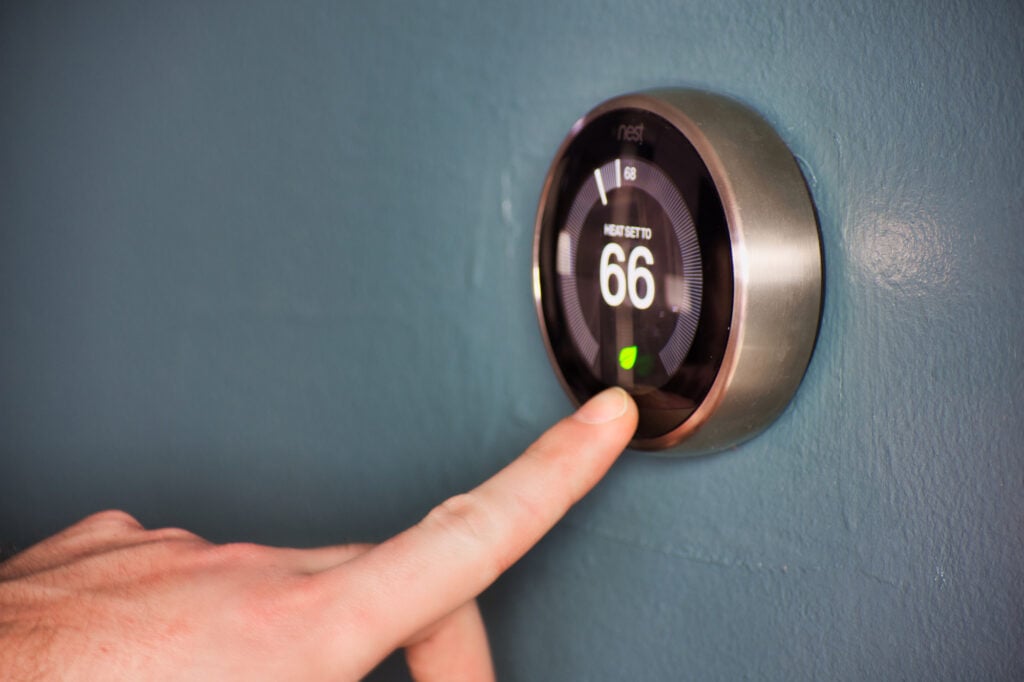
Some robot toys connect to broader smart home ecosystems, responding to the same voice assistants that control lights and thermostats. This integration positions the robot as part of a larger network rather than an isolated device.
Kids can program routines that trigger when they arrive home from school or activate when their alarm goes off in the morning. These connections introduce practical applications for their robots.
A machine that can navigate the house and respond to voice commands might deliver items between rooms, serve as a mobile intercom, or even monitor for specific events like a door opening. The toy becomes a tool that contributes to household function.
Educational Impact Beyond STEM
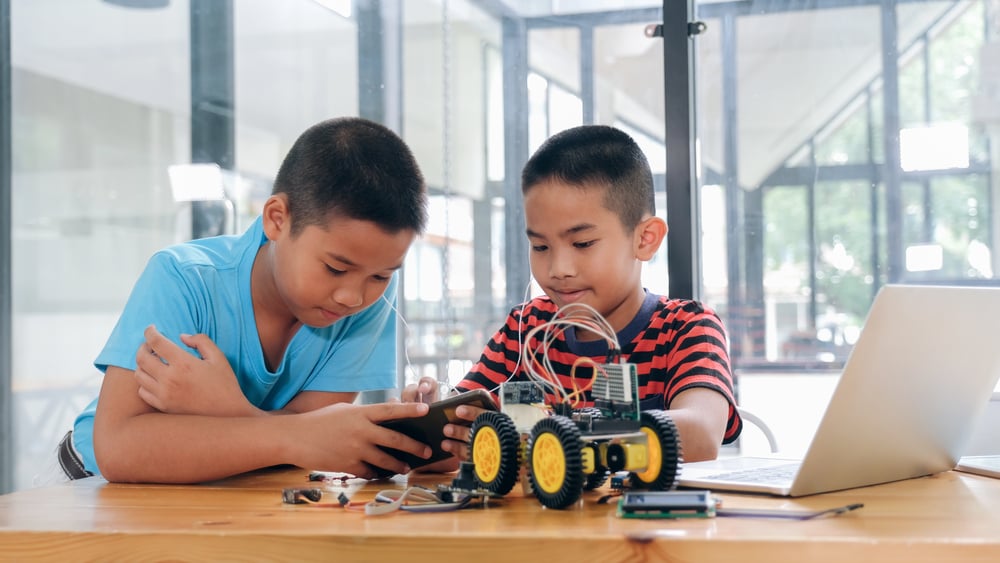
The obvious educational value of robot toys centers on science, technology, engineering, and math. Kids learn coding, mechanical principles, and problem-solving through hands-on experience.
But these toys teach other skills too. Patience develops when programs don’t work the first time.
Persistence grows through repeated failures and incremental improvements. Troubleshooting complex systems requires logical thinking and systematic investigation.
Kids learn to break big problems into smaller pieces, test individual components, and identify where things go wrong. Social skills emerge through collaborative projects and competitions.
Kids must communicate their ideas clearly, accept input from others, and sometimes compromise on design decisions. These soft skills matter as much as technical knowledge in any field.
The Future Playing In Your Living Room

One kid figuring out a robot toy might not seem like much. Yet behind that moment sits something bigger – learning through doing.
A small step now becomes familiarity later. Instead of just watching tech, they shape it.
This kind of play builds quiet understanding. Machines start feeling less mysterious when you’ve told one what to do.
Growing up around smart devices changes how kids see them – not as magic but as things built, tweaked, shaped. What begins as curiosity turns into knowing.
Later on, that matters. Five years down the line, today’s flashy gadgets might seem clunky.
Still, each model adds something fresh to playtime. Right now feels like a turning point – tech sharp enough to intrigue kids, yet tricky enough to stretch their thinking.
Wonder mixes with wires here. Not quite tools, not just toys either.
Fascination hums inside plastic shells.
When Machines Turn Into Friends
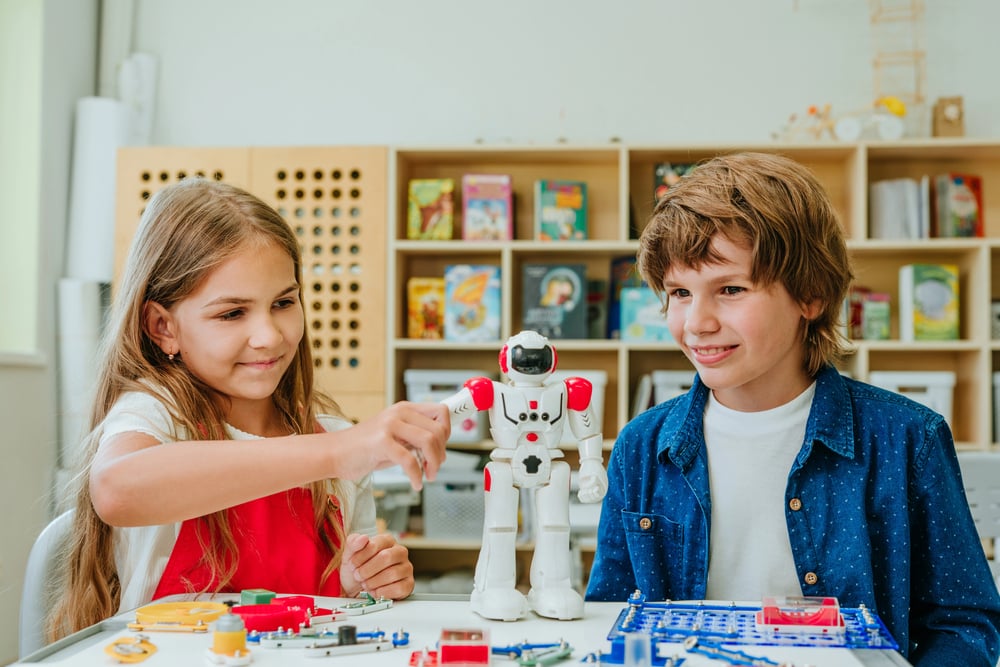
When a toy robot acts just complicated enough, children begin seeing it differently. Instead of playing with it like plastic, they act as if it’s alive somehow.
Names appear out of nowhere, odd little traits get invented on the spot. If the machine stutters or freezes, faces drop – like someone got hurt.
What grows isn’t play. It feels closer to friendship than ownership.
Something about how it works makes the bond possible. Pre-set lines in basic toys fail to keep up the act.
Yet when machines adjust actions, recall earlier moments, then react to surroundings, a true emotional link finds room to grow. Tools fade into the background, leaving behind something close to life.
One moment you’re talking to a toy, next it remembers your name. That shift messes with how children see what’s alive versus what isn’t.
Machines sparking emotional reactions? Not new – but now it happens in playrooms. Older folks might shrug; kids take it as normal.
When gadgets respond like friends, guessing who or what has awareness gets tricky. This wasn’t part of childhood before.
More from Go2Tutors!

- The Romanov Crown Jewels and Their Tragic Fate
- 13 Historical Mysteries That Science Still Can’t Solve
- Famous Hoaxes That Fooled the World for Years
- 15 Child Stars with Tragic Adult Lives
- 16 Famous Jewelry Pieces in History
Like Go2Tutors’s content? Follow us on MSN.