15 Plants That Send Chemical Warning Signals
Most people think of plants as passive organisms that simply sit there and take whatever nature throws at them. Yet the botanical world is actually buzzing with sophisticated communication networks that would make any tech company jealous. Plants have evolved remarkable chemical messaging systems that allow them to warn neighbors about threats, call for backup, and coordinate defensive responses across entire ecosystems.
These airborne chemical signals — called volatile organic compounds — travel through the air like invisible text messages between plants. Here is a list of 15 plants that have mastered the art of chemical communication and warning systems.
Acacia Trees

African acacia trees have developed one of nature’s most famous chemical warning systems through their release of ethylene gas when browsed by herbivores. Within minutes of being munched by giraffes or other large grazers, these trees pump out warning chemicals that drift downwind to neighboring acacias.
The receiving trees respond by rapidly increasing their tannin production — making their leaves bitter and potentially toxic to continued browsing. This coordinated defense can spread across entire groves, forcing herbivores to move to different feeding areas or risk poisoning themselves.
Sagebrush
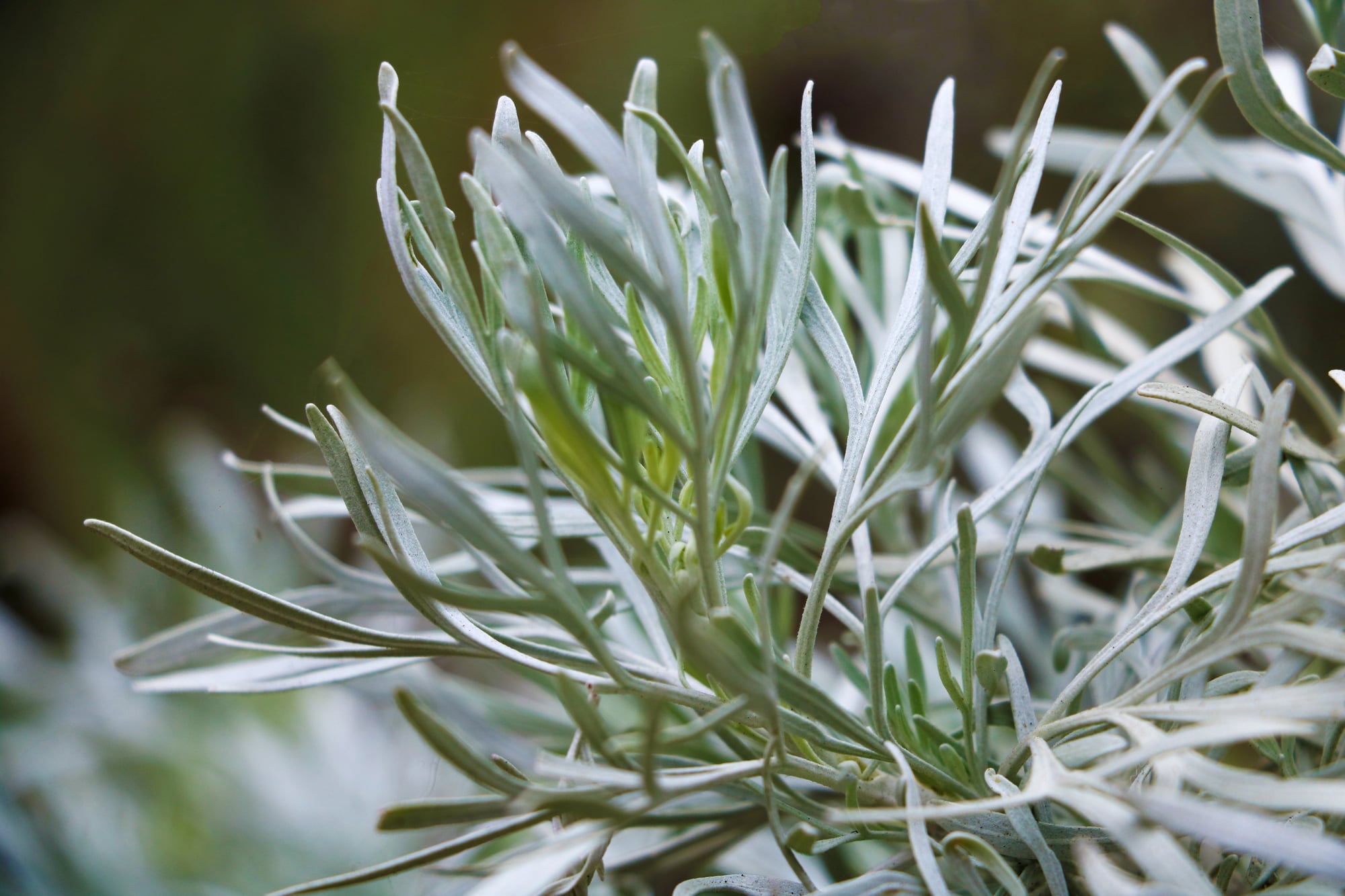
Great Basin sagebrush employs volatile organic compounds to warn neighboring plants about insect attacks and drought stress. When damaged by herbivorous insects, sagebrush releases specific chemical cocktails that nearby plants can detect and interpret.
Neighboring sagebrush and even different plant species respond by increasing their production of defensive compounds before they’re actually attacked. This early warning system has been documented working across distances of several feet — creating coordinated resistance networks throughout sagebrush communities.
Lima Bean Plants
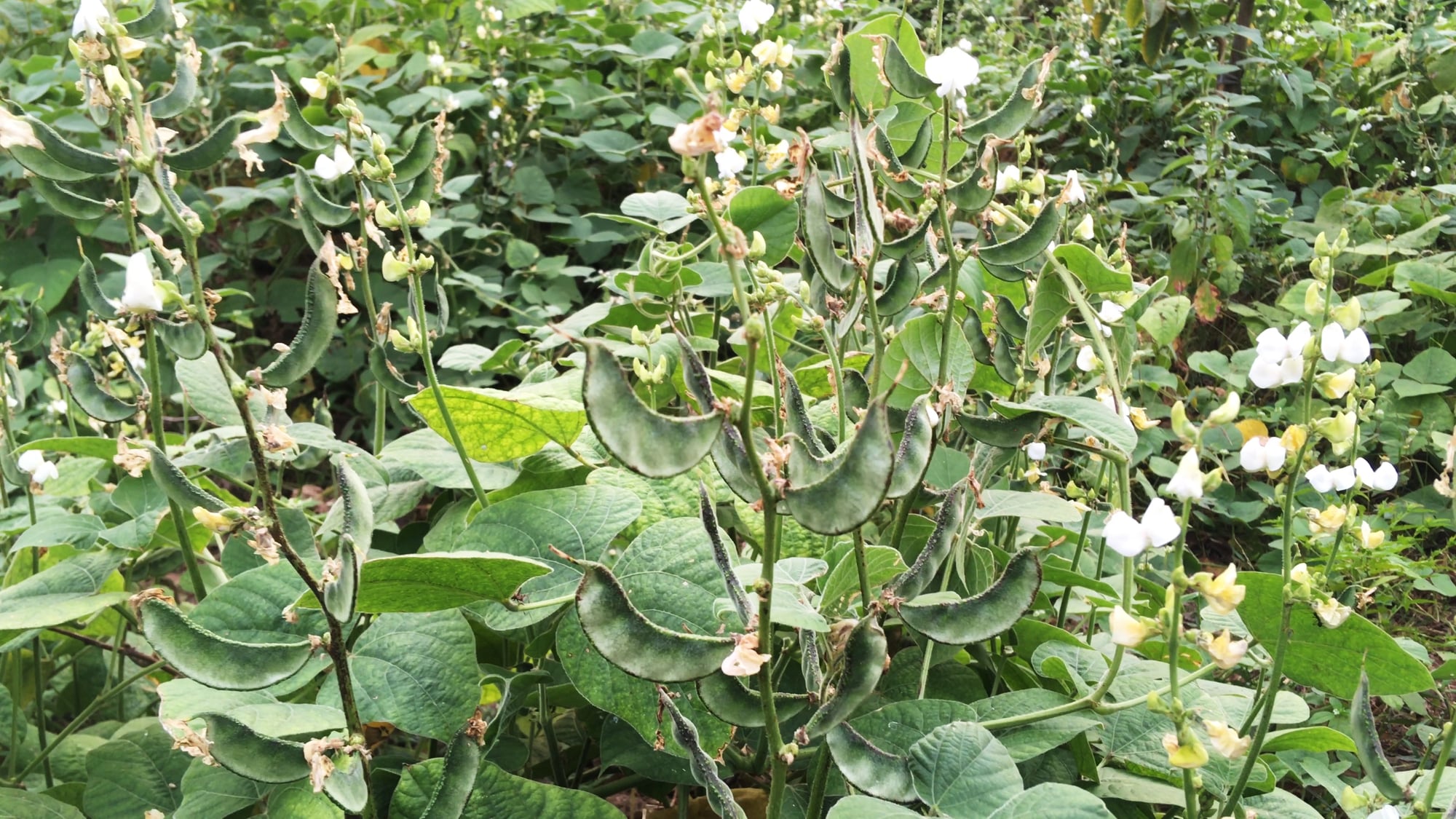
Lima bean plants demonstrate some of the most sophisticated chemical communication documented in agricultural crops. When spider mites attack their leaves, lima beans release a complex mixture of volatile compounds that serves multiple purposes simultaneously.
These chemicals attract predatory mites that feed on the plant-damaging pests while simultaneously warning neighboring lima bean plants to prepare their defenses. The receiving plants respond by producing compounds that make them less attractive to herbivorous mites — essentially creating a neighborhood watch system against agricultural pests.
Poplar Trees
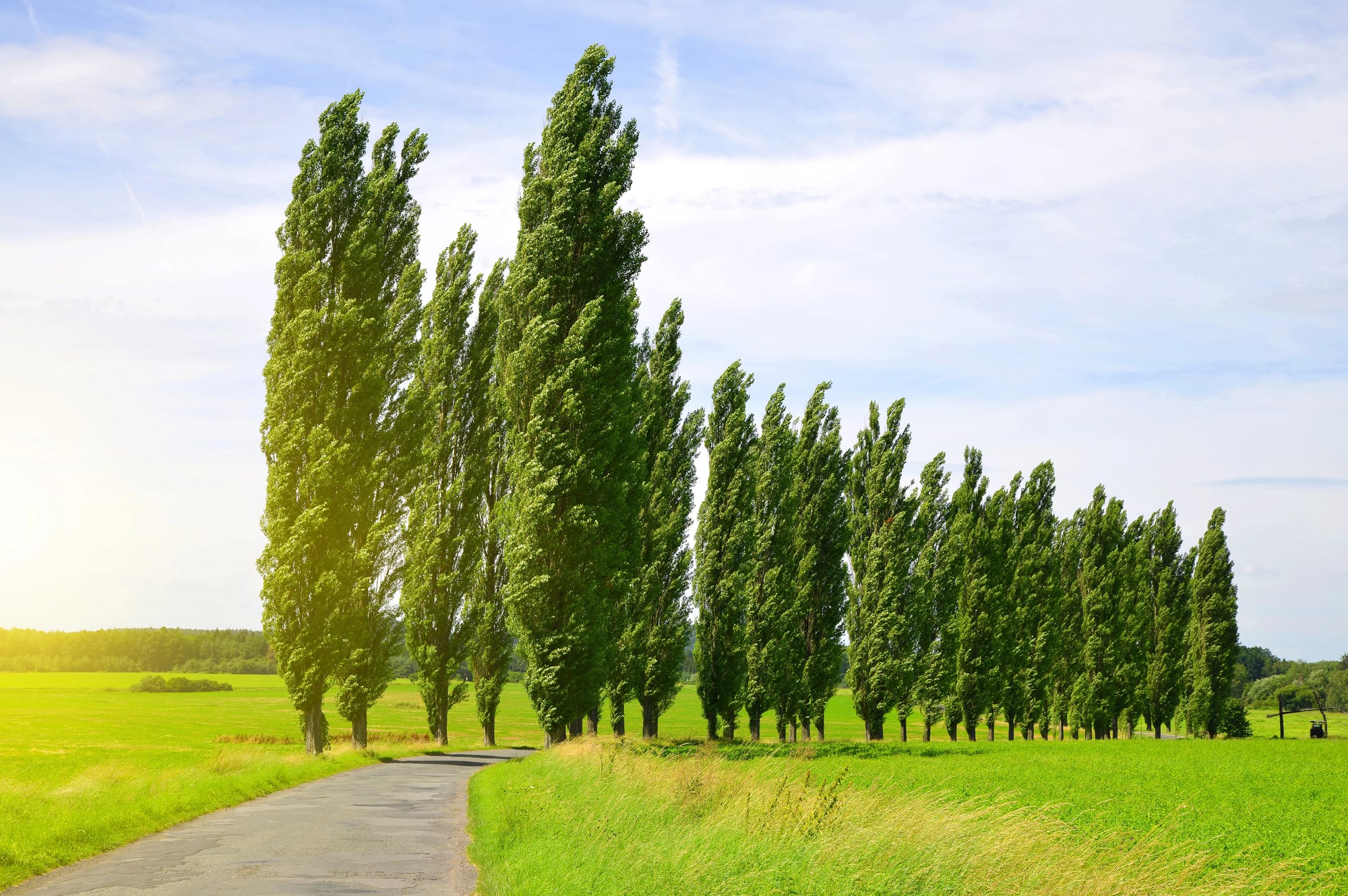
Poplar trees utilize methyl jasmonate and other volatile compounds to coordinate defensive responses across forest stands. When caterpillars or other leaf-eating insects attack one tree, it releases chemical warnings that can travel remarkable distances through forest air currents.
Neighboring poplars that receive these signals begin producing higher levels of tannins and other defensive chemicals — even before they’re directly threatened. This preemptive defense system can reduce herbivore damage across entire forest sections, demonstrating how individual trees contribute to collective survival strategies.
Corn Plants

Corn plants demonstrate remarkable chemical communication abilities when faced with armyworm caterpillar attacks. These crops release specific volatile compounds that attract beneficial insects like parasitic wasps and predatory beetles — essentially calling for cavalry support against their attackers.
The chemical signals are so precise that different compounds attract different types of beneficial insects depending on the specific threat being faced. Neighboring corn plants detect these airborne warnings and begin producing their own defensive compounds as a preventive measure.
Willow Trees
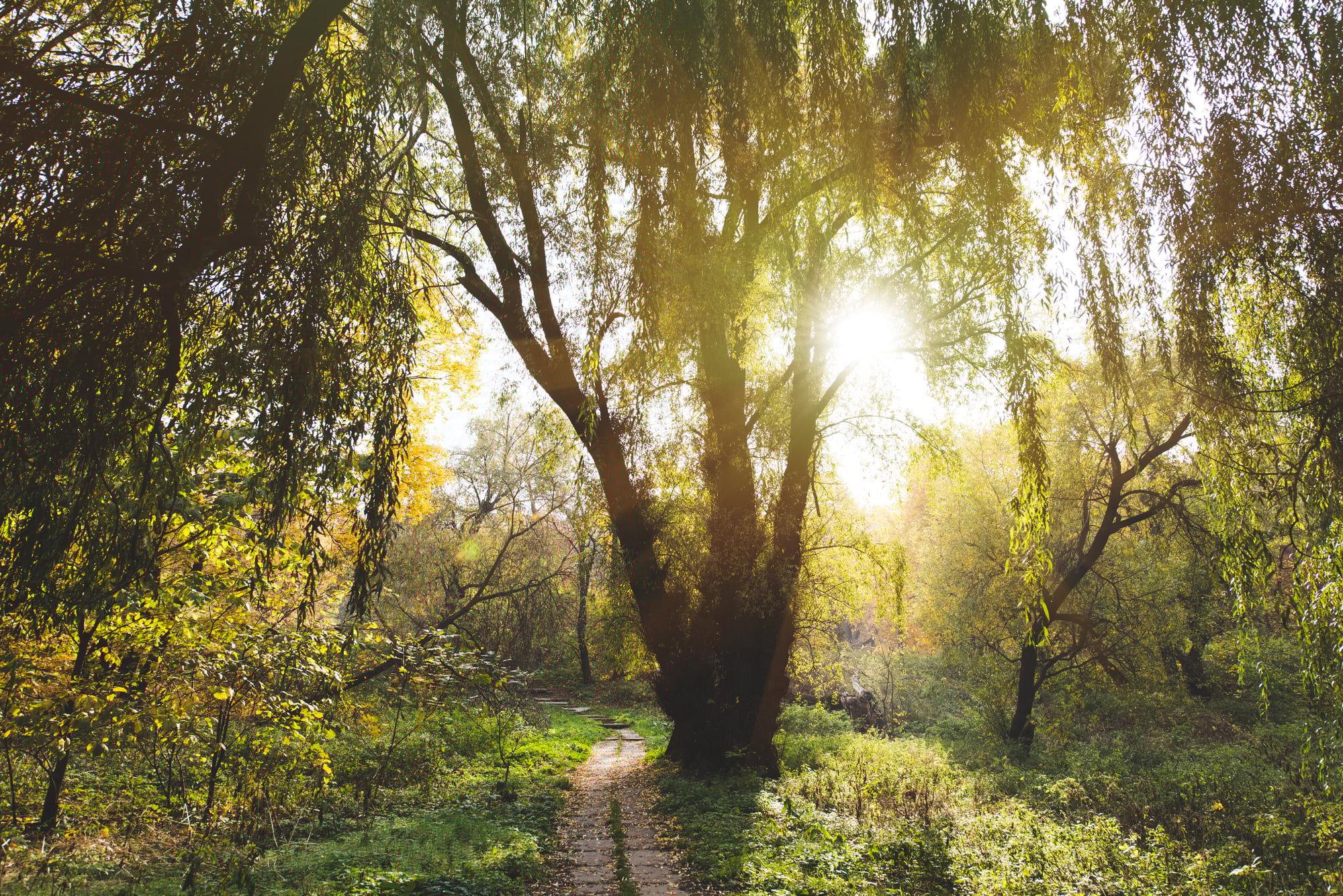
Willow trees employ salicylic acid derivatives and other volatile compounds to warn nearby trees about browsing pressure and insect damage. When deer or other herbivores begin feeding on willow leaves, the damaged trees release chemical signals that neighboring willows can detect within hours.
The receiving trees respond by increasing their production of phenolic compounds — making their leaves less palatable and nutritious to herbivores. This chemical communication network helps protect entire willow stands from overgrazing during periods of high herbivore pressure.
Cotton Plants
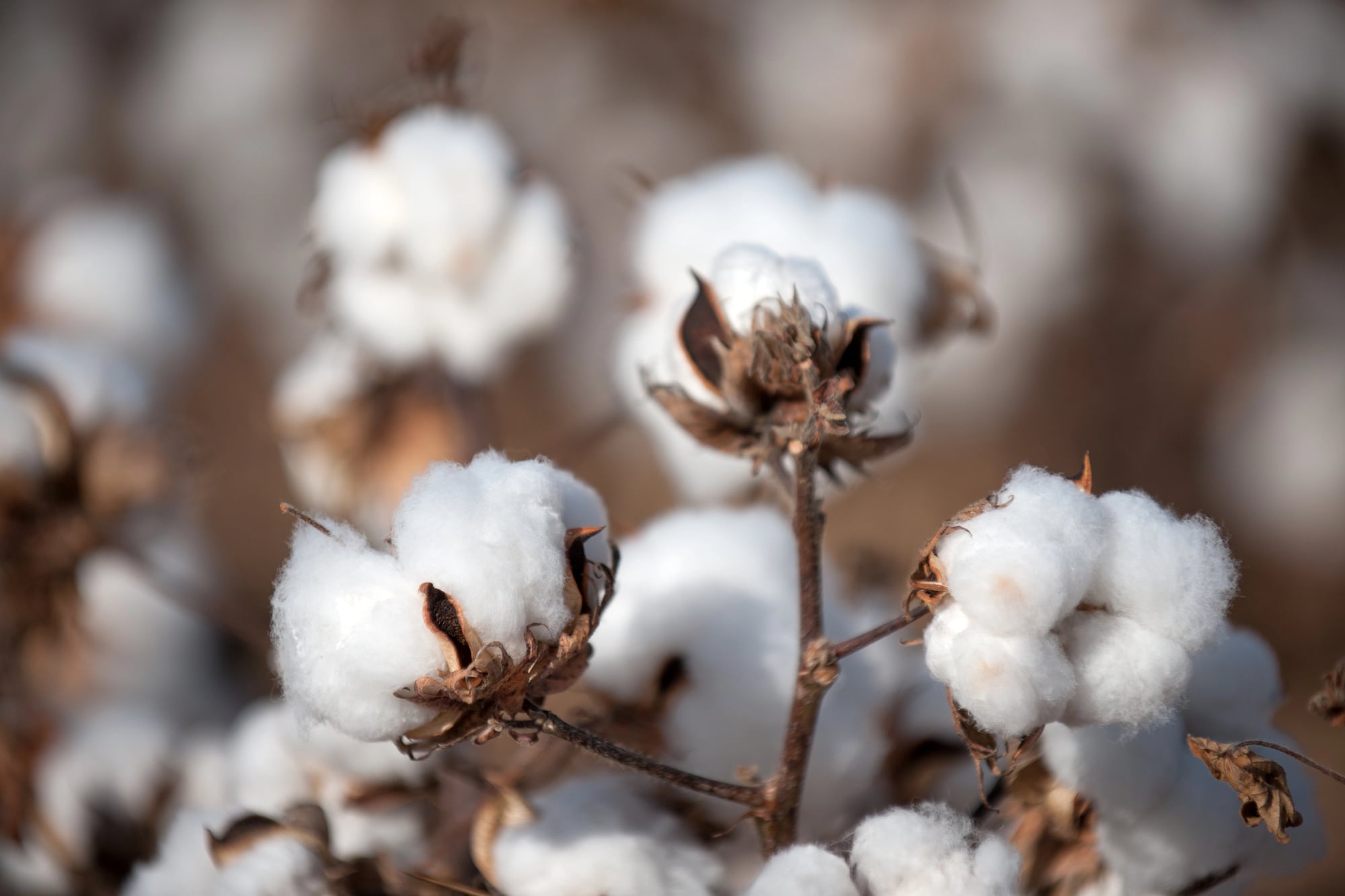
Cotton plants utilize sophisticated chemical signaling to coordinate responses against bollworm attacks and other major agricultural pests. When caterpillars begin feeding on cotton bolls, the plants release volatile organic compounds that serve as both distress signals and recruitment pheromones for beneficial insects.
These chemicals attract predatory bugs, parasitic wasps, and other natural enemies of cotton pests — creating a biological control response that can spread across entire cotton fields. Neighboring cotton plants also detect these signals and begin producing higher levels of gossypol and other defensive compounds.
Artemisia Plants

Desert artemisia species have developed chemical communication systems specifically adapted to arid environments where plant spacing tends to be greater. These shrubs release monoterpenes and other volatile compounds when stressed by drought, herbivory, or mechanical damage.
The chemical signals can travel significant distances in dry air — allowing widely scattered artemisia plants to coordinate their responses to environmental threats. Receiving plants respond by adjusting their water use patterns and increasing production of compounds that deter herbivorous insects and small mammals.
Pine Trees

Pine trees employ complex mixtures of monoterpenes and other volatile compounds to warn forest communities about bark beetle attacks and other threats. When mountain pine beetles or other destructive insects attack a tree, it releases chemical distress signals that can be detected by neighboring pines across considerable distances.
The receiving trees respond by increasing their resin production and modifying their chemical composition to become less attractive to attacking beetles. This early warning system helps slow the spread of bark beetle epidemics through pine forests.
Maple Trees

Sugar maple and other maple species utilize volatile organic compounds to coordinate responses against defoliating insects like gypsy moths. When caterpillars begin consuming maple leaves, the damaged trees release chemical signals that neighboring maples can interpret as threat warnings.
The receiving trees respond by increasing their production of tannins and other compounds that reduce leaf palatability and nutritional value. This chemical communication network can create zones of enhanced resistance that help protect maple forests during major insect outbreaks.
Tomato Plants

Tomato plants demonstrate sophisticated chemical communication when attacked by hornworms, aphids, and other common garden pests. These plants release specific volatile compounds that attract beneficial insects while simultaneously warning neighboring tomato plants about the threat.
The chemical signals are so precise that different pest attacks trigger different warning compounds — allowing receiving plants to tailor their defensive responses appropriately. This communication system works both in agricultural settings and wild tomato populations in their native South American habitats.
Birch Trees
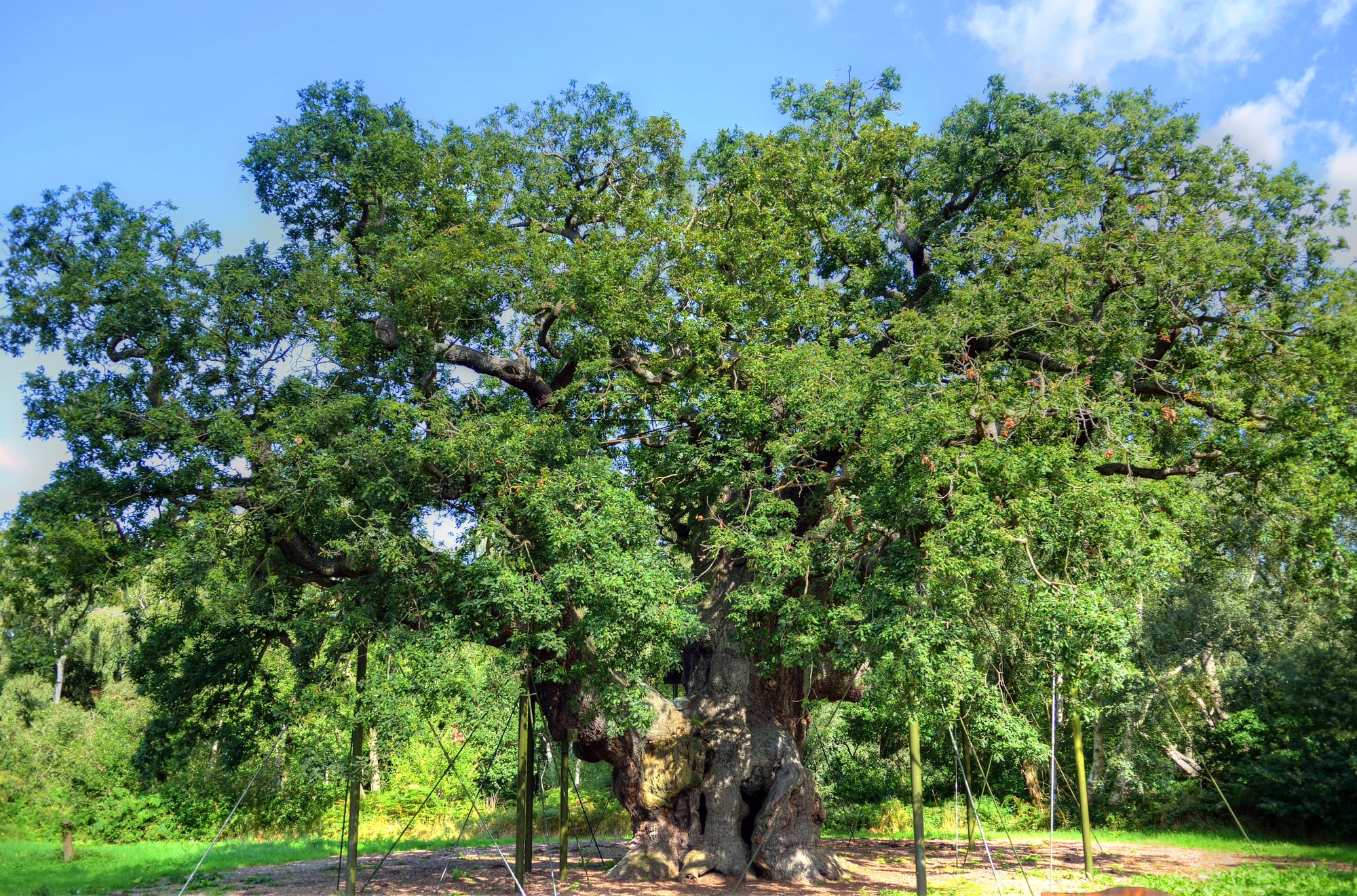
Birch trees employ volatile organic compounds to coordinate forest-wide responses against tent caterpillars and other defoliating insects. When these pests begin constructing their characteristic silk tents and consuming birch leaves, the attacked trees release chemical warnings that spread through forest air currents.
Neighboring birch trees detect these signals and begin producing higher levels of phenolic compounds and other defensive chemicals before they’re actually attacked. This preemptive defense system can significantly reduce the severity of defoliating insect outbreaks across birch forests.
Cucumber Plants

Cucumber plants have evolved chemical communication systems that help them coordinate responses against cucumber beetles and other specialized herbivores. When these pests begin feeding on cucumber leaves or fruits, the plants release volatile compounds that serve multiple defensive functions simultaneously.
These chemicals attract beneficial insects that prey on cucumber beetles while warning neighboring cucumber plants to increase their production of cucurbitacins — bitter compounds that deter continued herbivore feeding. The communication network helps protect entire cucumber patches from devastating pest outbreaks.
Oak Trees

Oak trees utilize complex chemical signaling to coordinate responses against gypsy moths, oak leafrollers, and other major defoliating pests. When caterpillars begin consuming oak leaves, the damaged trees release volatile organic compounds that neighboring oaks can detect and interpret as threat warnings.
The receiving trees respond by increasing their tannin production and modifying their leaf chemistry to become less suitable for caterpillar development. This chemical communication system helps oak forests maintain their resilience against periodic insect outbreaks that could otherwise cause widespread defoliation.
Bean Plants

Various bean species demonstrate chemical communication abilities that extend beyond their immediate agricultural applications to include wild relatives and forest ecosystems. When bean plants detect herbivore damage, they release volatile compounds that warn neighboring plants while simultaneously attracting beneficial insects that prey on the attacking pests.
The chemical signals can cross species boundaries — meaning bean plants can warn other types of plants about threats and receive warnings from different plant species. This interspecies communication network creates broader ecosystem-level responses to herbivore pressure.
Nature’s Internet of Things

These chemical communication networks reveal that plant communities operate like biological internet systems, constantly sharing information about threats, resources, and environmental changes. What scientists once dismissed as simple chemical byproducts of plant stress has proven to be sophisticated signaling that coordinates survival strategies across entire ecosystems.
Modern research continues uncovering new aspects of plant communication — including underground fungal networks that complement these airborne chemical signals. Understanding these natural communication systems offers insights for developing sustainable agriculture practices and forest management strategies that work with, rather than against, the sophisticated networks that plants have evolved over millions of years.
More from Go2Tutors!

- The Romanov Crown Jewels and Their Tragic Fate
- 13 Historical Mysteries That Science Still Can’t Solve
- Famous Hoaxes That Fooled the World for Years
- 15 Child Stars with Tragic Adult Lives
- 16 Famous Jewelry Pieces in History
Like Go2Tutors’s content? Follow us on MSN.