15 Architectural Styles That Define Different Eras
Architecture is humanity’s diary written in stone, steel, and glass. Every building tells the story of its time—what people valued, how they lived, what they feared, and what they dreamed about.
A Gothic cathedral reaching toward heaven reveals medieval spirituality just as clearly as a glass skyscraper reflects modern capitalism’s transparent ambitions. Walk through any historic city and you’re essentially time traveling through time, each era leaving its architectural fingerprint on the landscape.
Here is a list of 15 architectural styles that capture the essence of their respective periods, showing how buildings become monuments to human civilization.
Ancient Egyptian

Egyptian architecture was built for eternity, and it shows. Massive stone blocks, towering pyramids, and temples designed to outlast civilizations reflect a culture obsessed with the afterlife and divine power.
The Great Pyramid of Giza stood as the world’s tallest structure for over 3,800 years, proving that when ancient Egyptians built something, they meant it to last forever.
Classical Greek

Greek architecture gave us the blueprint for democracy in stone—clean lines, perfect proportions, and columns that seem to hold up not just roofs, but entire civilizations. The Parthenon’s mathematical precision reflects Greek philosophy’s emphasis on logic and harmony, while its temple design shows a culture that literally put their gods on pedestals.
These buildings were stages for public life, designed to make citizens feel both humble before the divine and proud of their civic achievements.
Like Go2Tutors’s content? Follow us on MSN.
Roman Imperial
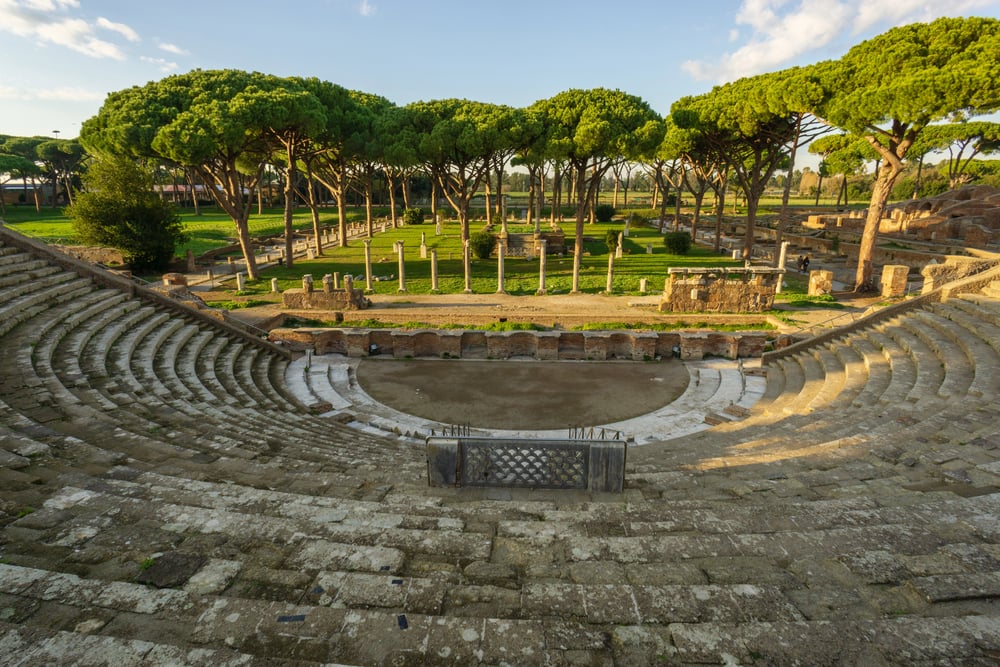
Romans took Greek ideas and supersized them with concrete, creating architecture that screamed imperial power from every arch and dome. The Colosseum could hold 50,000 spectators, while Roman aqueducts carried water across hundreds of miles, proving that Roman engineering was as impressive as their military conquests.
Roman buildings were meant to awe conquered peoples and remind them exactly who was in charge.
Byzantine
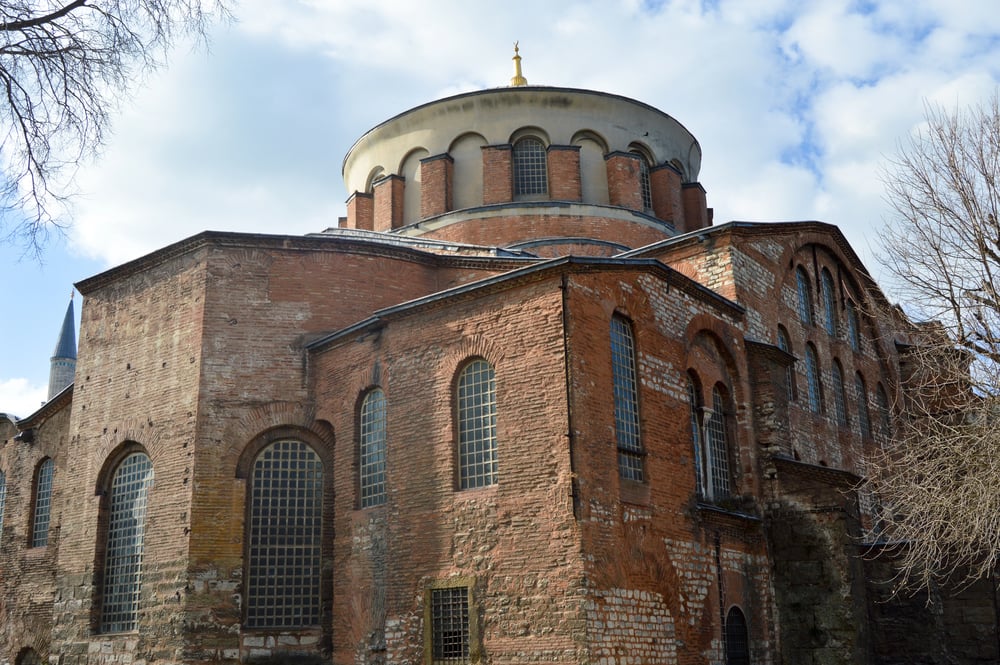
Byzantine architecture married Roman engineering with Christian spirituality, creating spaces that felt like stepping into heaven itself. The Hagia Sophia’s massive dome seems to float without visible support, while golden mosaics catch candlelight like captured starlight.
This style reflected an empire that saw itself as God’s kingdom on earth, where emperors ruled by divine right and every building was a sermon in stone.
Islamic

Islamic architecture turned geometry into poetry, creating patterns so complex they seem to pulse with life. Pointed arches, intricate tilework, and soaring minarets reflect a culture that found the divine in mathematical perfection and infinite repetition.
The Alhambra’s walls have dissolved into lacework, showing how Islamic architects could make stone feel as delicate as fabric.
Like Go2Tutors’s content? Follow us on MSN.
Romanesque

Romanesque buildings look like fortresses that decided to become churches, with thick walls, small windows, and round arches that could withstand both earthly attacks and divine judgment. This style emerged during Europe’s chaotic medieval period, when monasteries were often the only safe places to preserve knowledge and culture.
The massive stone construction reflects a world where permanence was rare and precious.
Gothic
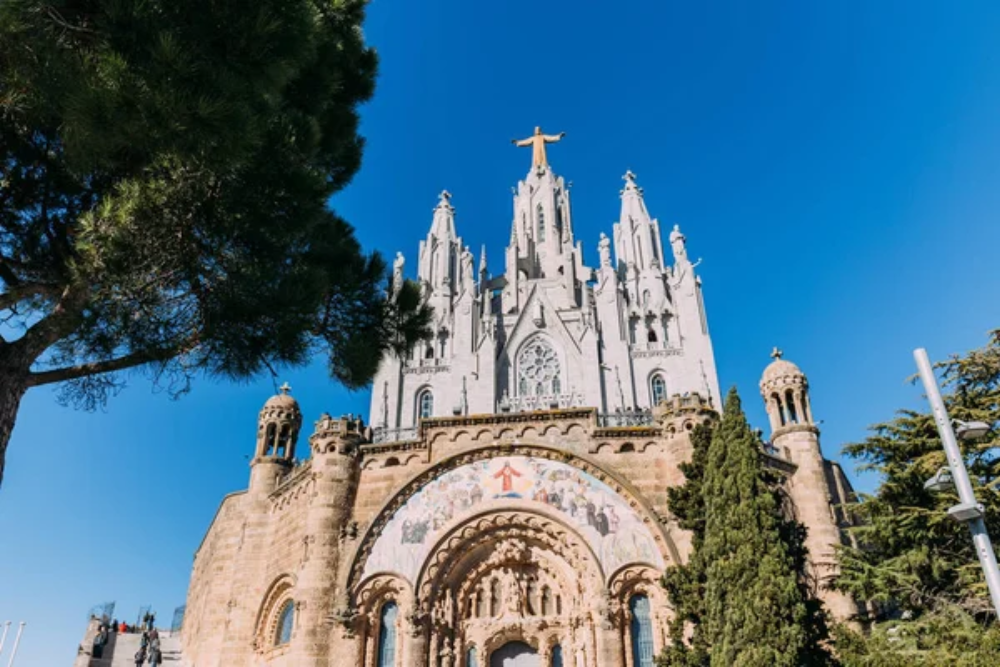
Gothic cathedrals reached toward heaven with an urgency that still takes your breath away today. Flying buttresses allowed walls to soar impossibly high while enormous windows filled interiors with colored light that seemed supernatural.
Notre-Dame and Chartres represent medieval Europe’s greatest achievement—creating spaces so beautiful they convinced entire communities to spend centuries building them, one stone at a time.
Renaissance
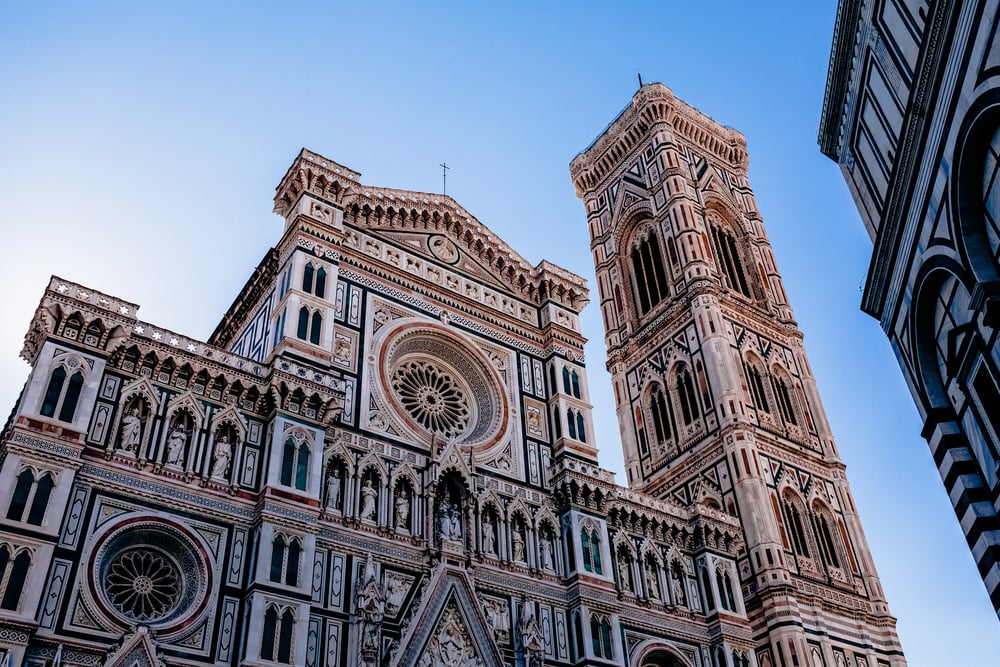
Renaissance architecture brought classical Greek and Roman styles back from the dead, but with a humanist twist that celebrated earthly achievement alongside divine glory. Brunelleschi’s dome in Florence proved that humans could match ancient engineering, while Palladio’s villas showed that regular people deserved beautiful spaces, not just gods and kings.
This style reflected a culture rediscovering confidence in human potential.
Like Go2Tutors’s content? Follow us on MSN.
Baroque
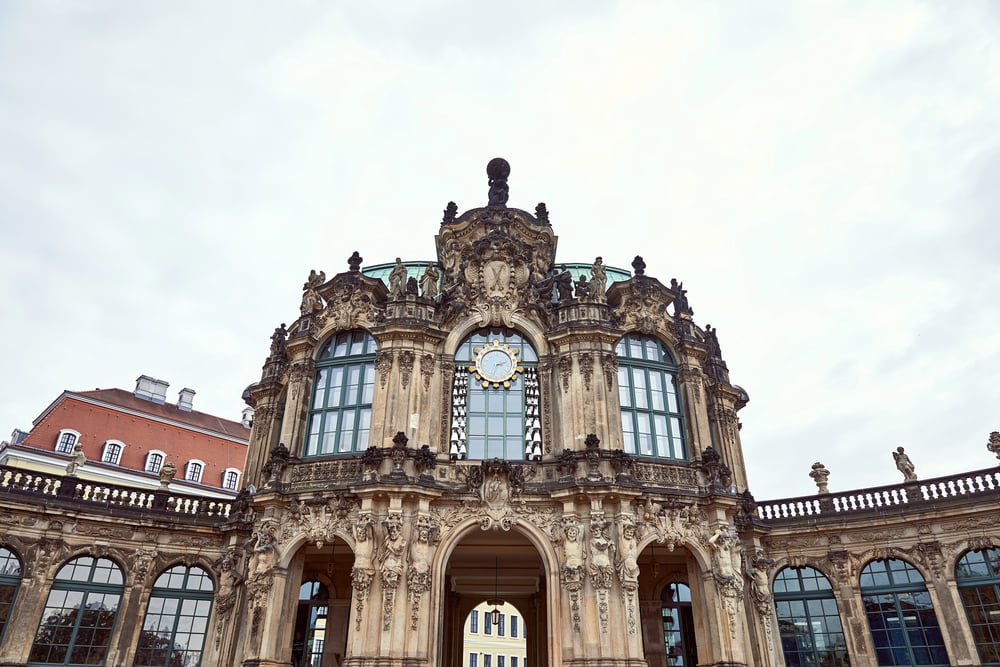
Baroque architecture is drama carved in stone—swooping curves, golden ornaments, and optical illusions that make flat ceilings look like open sky. St. Peter’s Basilica overwhelms visitors with pure spectacle, reflecting the Catholic Church’s response to Protestant criticism through sheer sensory overload.
This style emerged from the Counter-Reformation’s need to make faith feel emotional and immediate rather than intellectual and distant.
Neoclassical

Neoclassical buildings dress up like ancient Greek temples but serve modern democratic purposes—think the U.S. Capitol or the British Museum. This style reflected Enlightenment ideals about reason, democracy, and civic virtue, with clean lines and classical proportions suggesting that the new world could match ancient achievements.
These buildings were designed to make citizens feel connected to classical civilization’s highest ideals.
Victorian

Victorian architecture reflects an era of unprecedented prosperity and industrial innovation, featuring ornate details, asymmetrical designs, and a riot of decorative elements. Elaborate gingerbread trim, bay windows, and turrets show what happened when machine-made materials suddenly became available and affordable.
These houses demonstrate a culture celebrating technological progress and material abundance after centuries of simpler living.
Like Go2Tutors’s content? Follow us on MSN.
Art Nouveau

Art Nouveau architects decided that buildings should grow like plants rather than stand like monuments, creating flowing curves inspired by flowers, vines, and natural forms. Gaudí’s Sagrada Família looks more like a living organism than traditional architecture, while Parisian Metro entrances bloom from sidewalks like iron flowers.
This style emerged as an antidote to industrial ugliness, proving that modern materials could create organic beauty.
Modernist
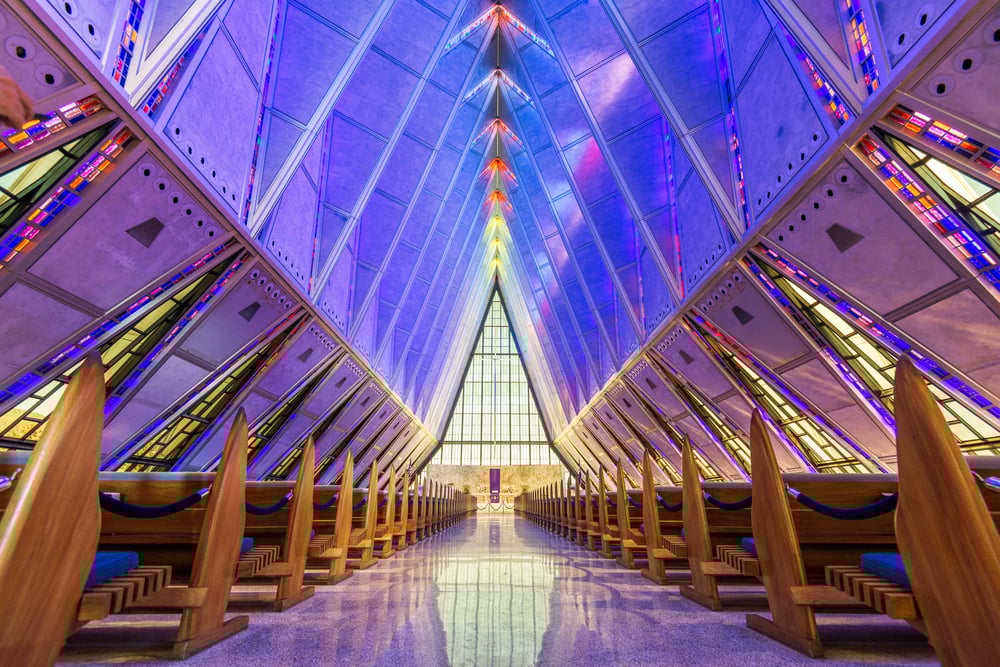
Modernist architecture stripped away all ornament to reveal pure function, creating buildings that look like geometric abstractions come to life. Le Corbusier’s concrete boxes and Mies van der Rohe’s glass rectangles reflect a machine age faith that rational design could solve human problems.
The Bauhaus school taught that good design was moral design—honest materials, efficient layouts, and democratic access to beautiful spaces.
Art Deco

Art Deco buildings reach skyward with the confident optimism of the Jazz Age, featuring zigzag patterns, streamlined curves, and metallic details that catch light like chrome on a luxury car. The Chrysler Building’s steel crown still makes New York’s skyline feel like the future, even decades later.
This style captured the 1920s’ faith in technology, speed, and American prosperity before the Great Depression brought everyone back to earth.
Like Go2Tutors’s content? Follow us on MSN.
Postmodern

Postmodern architecture rebelled against modernist seriousness by mixing historical styles like ingredients in a cultural blender, creating buildings that wink at their own contradictions. Philip Johnson’s AT&T Building tops a glass skyscraper with a Chippendale furniture pediment, while Michael Graves covered buildings in pastel colors that make them look like oversized birthday cakes.
This style reflects a culture that stopped believing in single truths and started celebrating complexity, irony, and playful contradiction.
Building Tomorrow’s History

These architectural styles prove that buildings are never just shelter—they’re statements about who we are and what we value. Medieval cathedrals reached toward God while modernist towers reached toward efficiency, each era literally constructing its worldview in three dimensions.
Today’s glass towers and sustainable green buildings will someday seem as dated as Victorian houses, but they’ll tell future archaeologists exactly what mattered to us: transparency, technology, and our growing awareness that the planet’s resources aren’t infinite. Architecture remains humanity’s most honest autobiography, written large enough that even satellites can read it.
More from Go2Tutors!

- 16 Restaurant Chains That Went Too Fast
- 12 Things Sold in the 80s That Are Now Illegal
- 15 VHS Tapes That Could Be Worth Thousands
- 17 Historical “What Ifs” That Would Have Changed Everything
- 18 TV Shows That Vanished Without a Finale
Like Go2Tutors’s content? Follow us on MSN.