18 Things You’d Only Understand If You Grew Up Without Internet
Remember when life wasn’t dominated by screens and constant connectivity? For those who came of age before the internet became ubiquitous, everyday experiences were dramatically different from today’s digital-first world. The simple joys and frustrations of the pre-internet era shaped an entire generation’s perspective on communication, entertainment, and problem-solving.
Here is a list of 18 nostalgic experiences that will instantly transport pre-internet kids back to simpler times, while giving digital natives a glimpse into what they missed.
Encyclopedia Collections

Those massive multi-volume sets took up entire bookshelves in homes and libraries. When you needed to research something for school, you’d physically pull the volume corresponding to your topic’s first letter and hope the information was comprehensive enough.
The satisfaction of finding exactly what you needed in those crisp, thin pages was incomparable to today’s instant Google searches.
TV Guide Importance
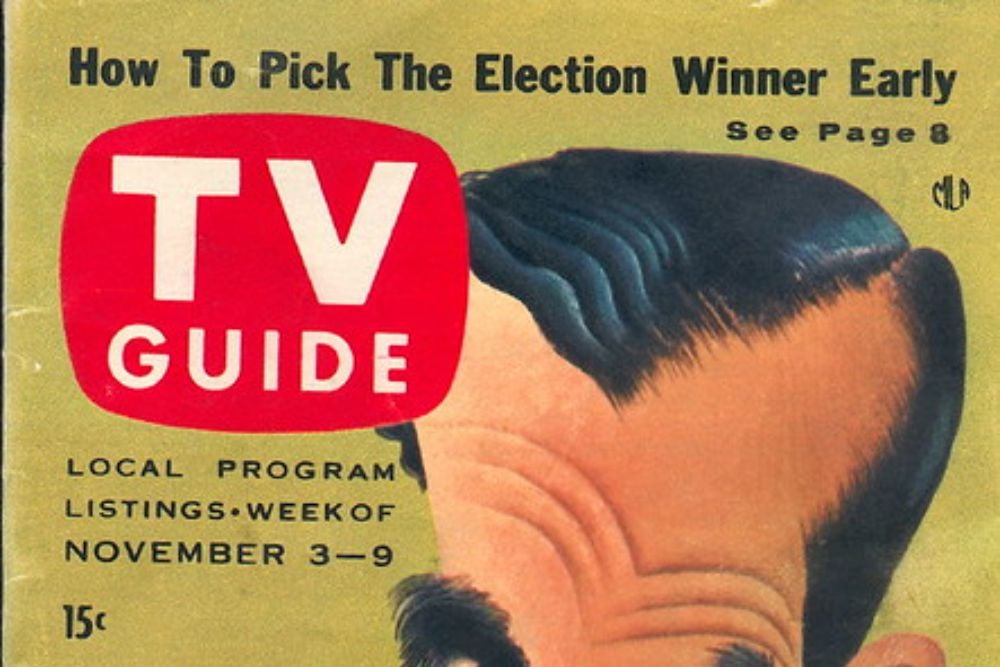
The weekly TV Guide wasn’t just a magazine—it was the sacred text that determined your entire entertainment schedule. Thursday nights meant meticulously circling shows you didn’t want to miss and planning your week around them.
Missing a favorite program meant potentially waiting months for reruns, with no streaming service to save you.
Like Go2Tutors’s content? Follow us on MSN.
Mix Tape Artistry
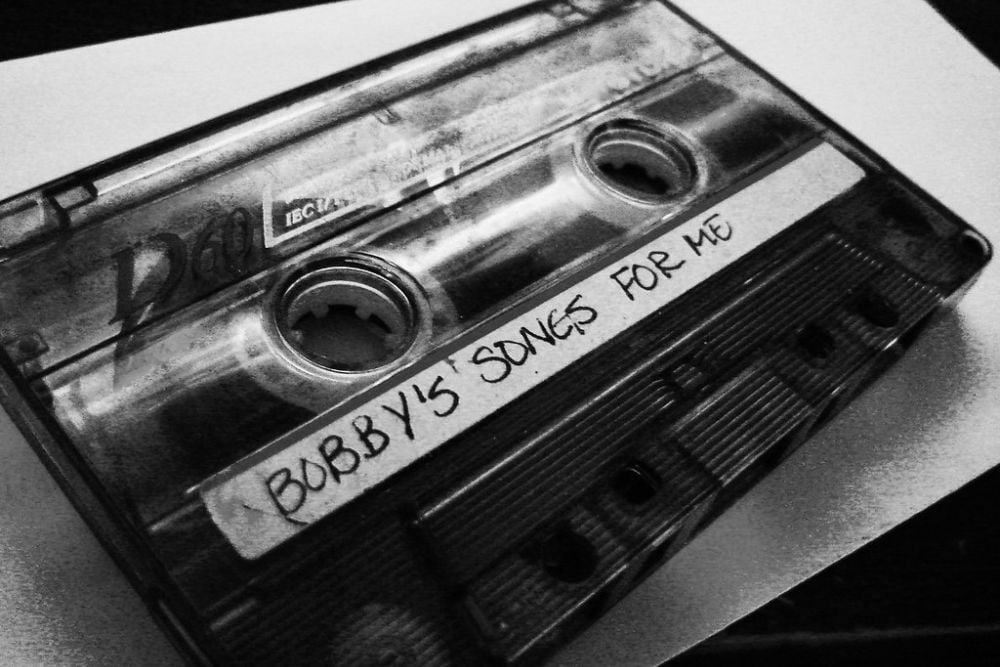
Creating the perfect mix tape required patience, timing, and artistic vision. You’d sit by the radio for hours waiting for your favorite songs, finger hovering over the record button.
Each cassette represented work hours, from the careful song selection to the handwritten track list and decorated case. These weren’t just playlists—they were personalized expressions of emotion and taste.
Phone Call Planning

Long-distance calls were budget-breaking luxuries that required advance planning. Families would gather around the phone for scheduled Sunday evening calls to distant relatives, with everyone taking quick turns to speak.
The phrase “after 7 PM rates” was common knowledge, as calling during off-peak hours could save substantial money.
Library Card Power
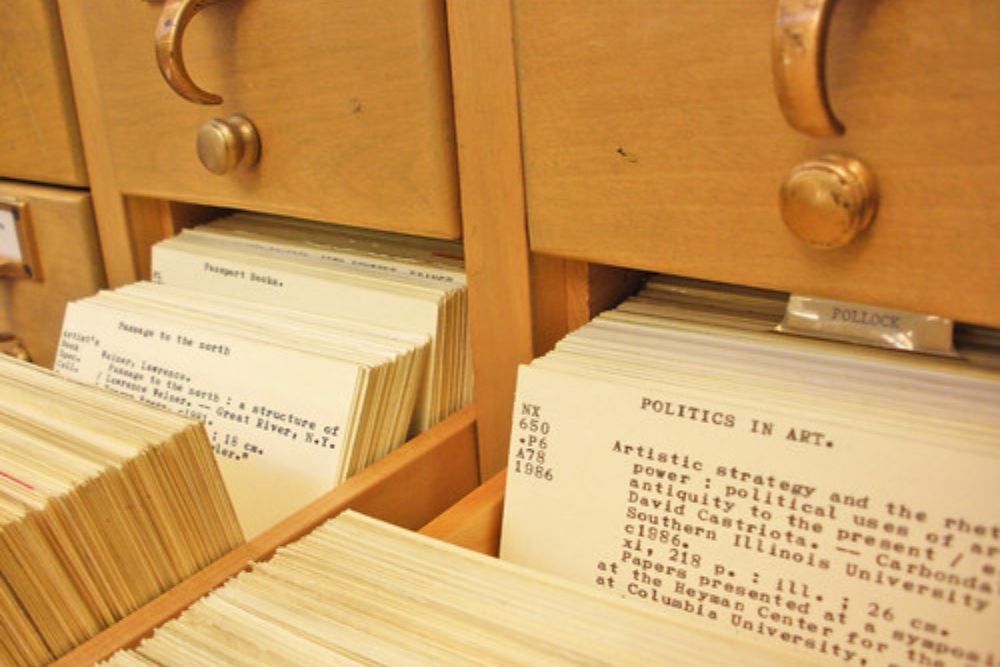
Your library card was essentially your internet browser before the internet existed. Regular trips to the local library meant browsing physical card catalogs, speaking with knowledgeable librarians, and leaving with stacks of books.
The pressure of finishing those books before the due date—without automatic renewal reminders—was real.
Like Go2Tutors’s content? Follow us on MSN.
Encyclopedia Salespeople

Door-to-door encyclopedia salespeople were common visitors to family homes. Parents would debate whether investing hundreds of dollars in a set of knowledge books was worth it for their children’s education.
These charismatic salespeople perfected the art of making you feel your child would fall behind without this crucial home reference collection.
VHS Recording Skills
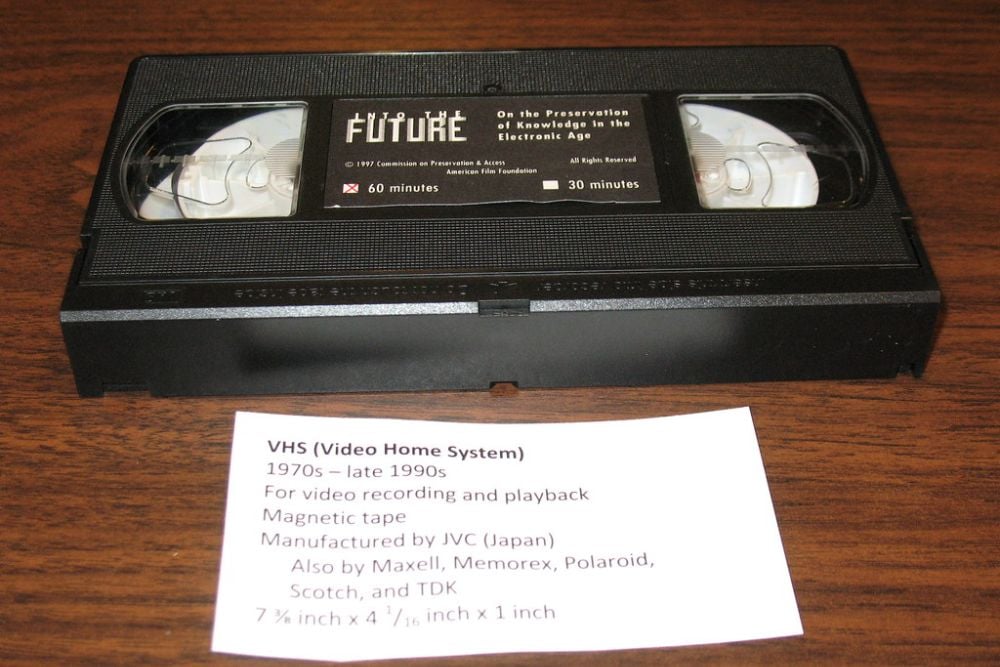
Recording TV shows on VHS required technical expertise and perfect timing. You’d need to program your VCR with the exact time a show began and ended, pray no one changed the channel, and hope the tape had enough space left.
The crushing disappointment of finding someone had recorded over your carefully preserved show was a unique form of heartbreak.
Photo Development Anticipation

Taking photos meant carefully rationing your 24 or 36 exposures on a film roll. After shooting, you’d drop off the film at the photo counter and wait days—sometimes a week—to see how your pictures turned out.
The anticipation of picking up those printed photos was matched only by the disappointment when half came out blurry or with someone’s finger in the frame.
Like Go2Tutors’s content? Follow us on MSN.
Paper Map Navigation
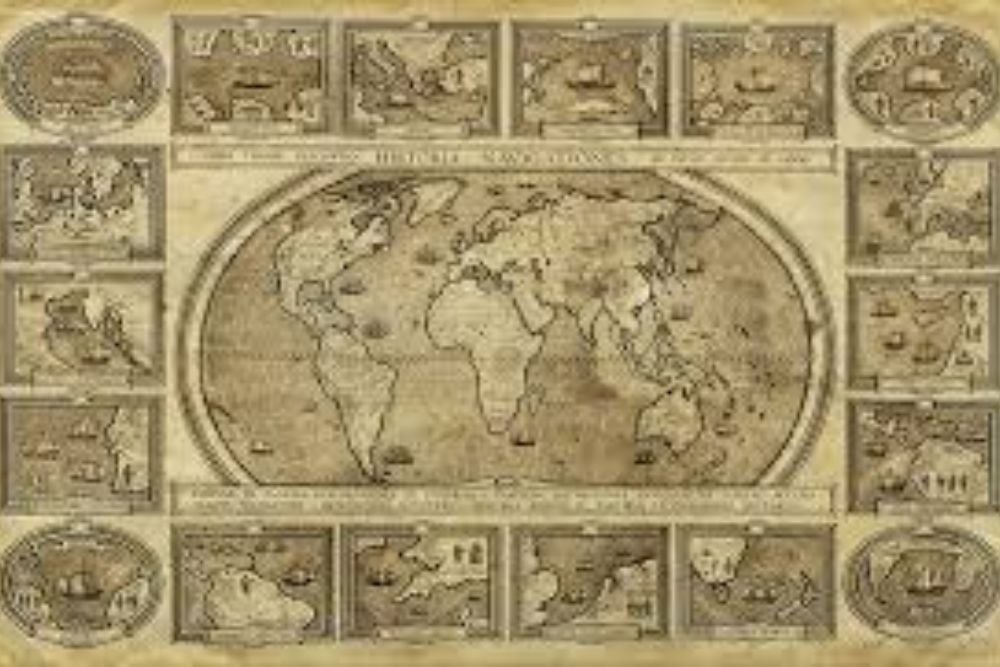
Road trips required physical paper maps that never seemed to fold back correctly. The front passenger typically served as navigator, squinting at tiny road names and tracking progress with their finger.
Making a wrong turn meant pulling over, unfolding the entire map again, and trying to recalibrate—all without a soothing GPS voice telling you to “recalculating route.”
Busy Signals

Calling a friend whose line was already in use meant hearing the repetitive busy signal and trying again later. For important calls, you might redial every few minutes for an hour.
Teens would often tie up the family phone for hours, leading to household rules about call duration and timing.
Physical Photo Albums
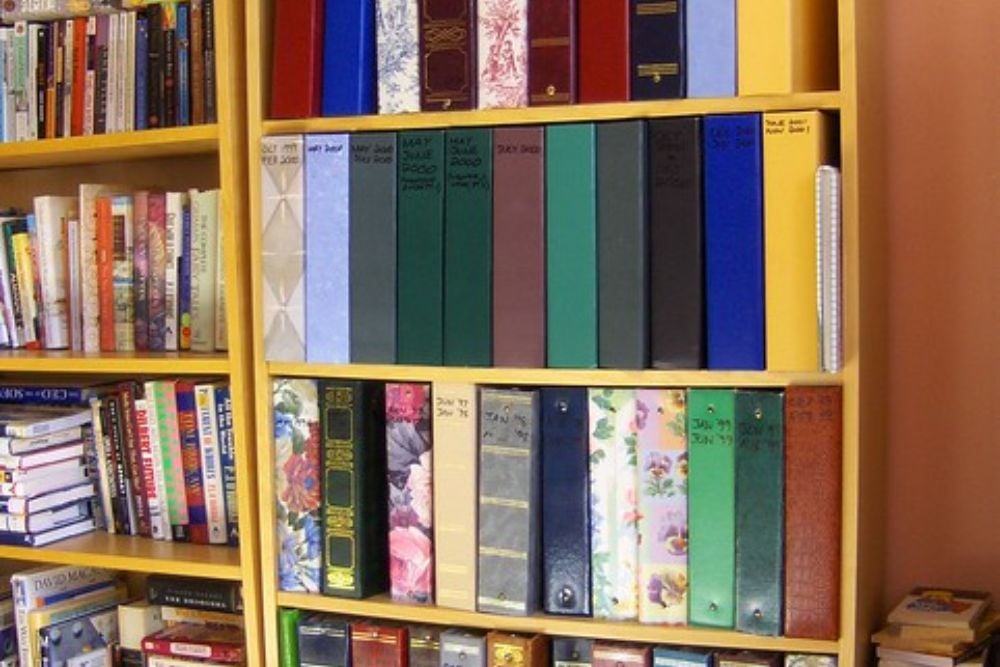
Family memories lived in physical photo albums with sticky pages and plastic overlays. Visiting someone’s home often meant being shown these albums, flipping through pages of chronologically arranged life events.
The limited number of photos taken made each one more precious, with whole stories built around single captured moments.
Like Go2Tutors’s content? Follow us on MSN.
Mall Meetups
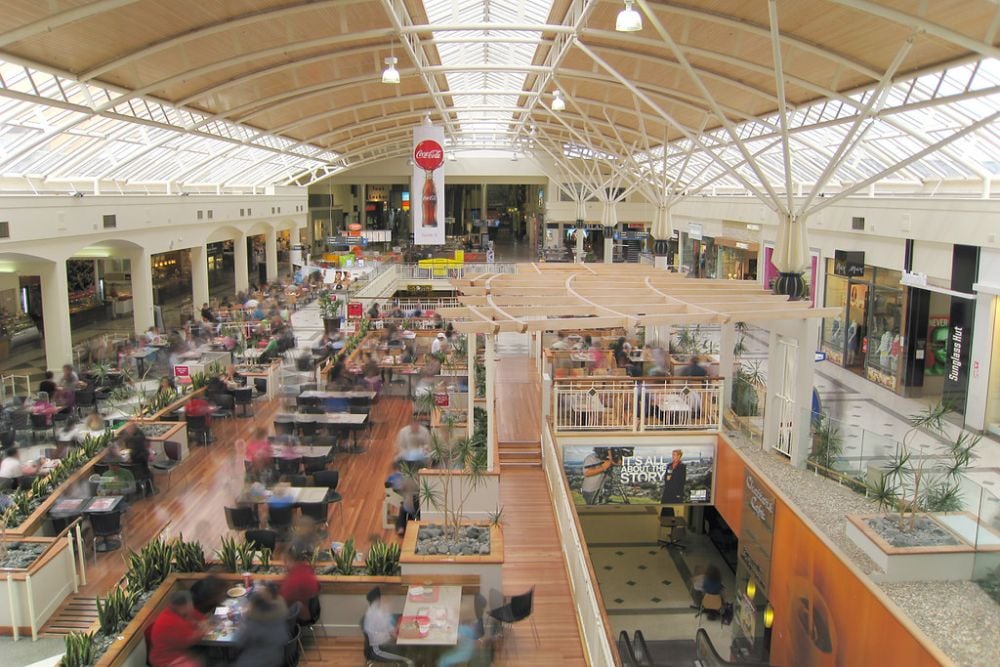
Meeting friends at the mall required advance planning and contingency arrangements. You’d agree on a specific time and location—”2 PM by the fountain”—with no way to update each other if plans changed.
If someone was running late, you’d just wait, unable to text for updates or track their location in real-time.
Directory Assistance
When you needed a phone number for a business or person, you’d dial 411 for directory assistance. A live operator would ask what city and name you were looking for, then read the number aloud for you to quickly write down.
This service wasn’t free, so people often kept personal phone directories next to their phones.
TV Antenna Adjustments
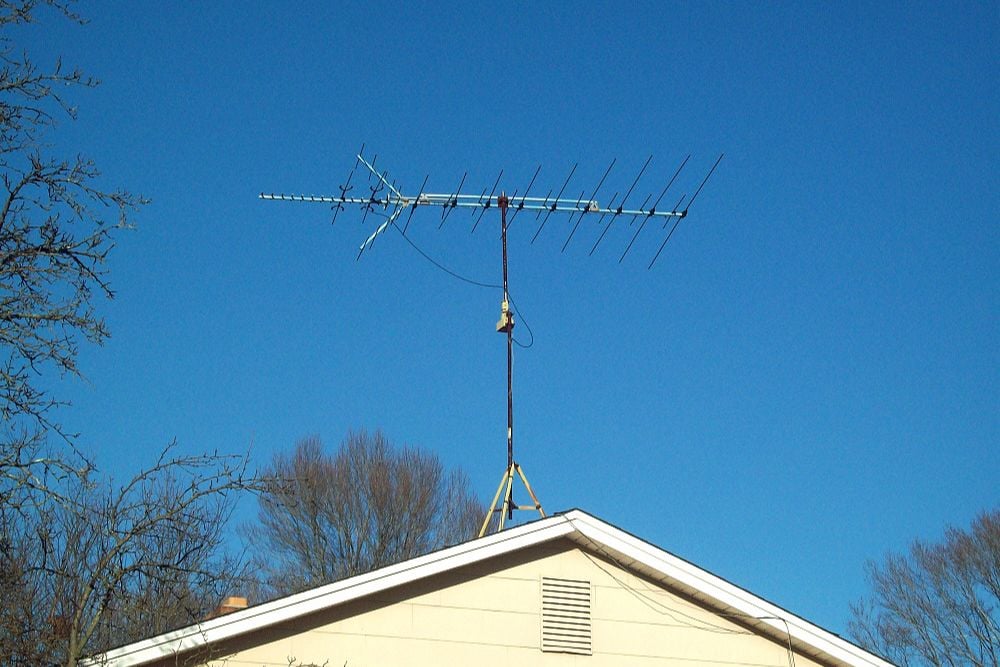
Getting clear television reception was sometimes a two-person job—one watching the screen and shouting directions while another adjusted the antenna. “Rabbit ear” antennas adorned most TV sets, often enhanced with strategic aluminum foil placement.
The sweet spot for reception could be lost with the slightest breeze or movement.
Like Go2Tutors’s content? Follow us on MSN.
Memorized Phone Numbers
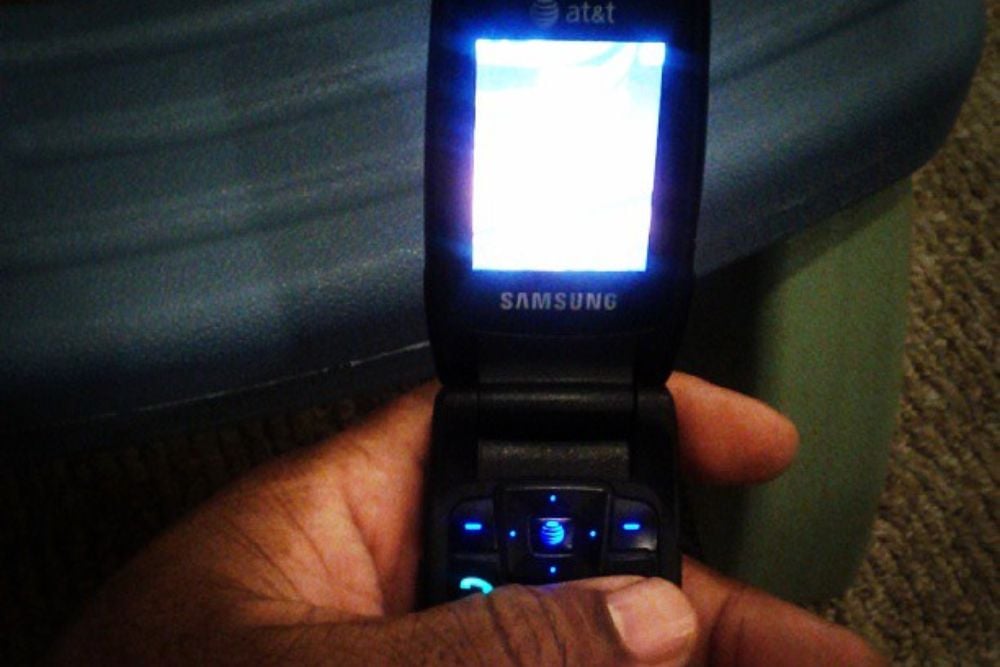
Everyone had at least a dozen phone numbers committed to memory. Your best friends, home, grandparents, and the local pizza place were all instantly recallable.
This mental phone directory was essential since you couldn’t just scroll through contacts on a mobile device.
Handwritten Letters
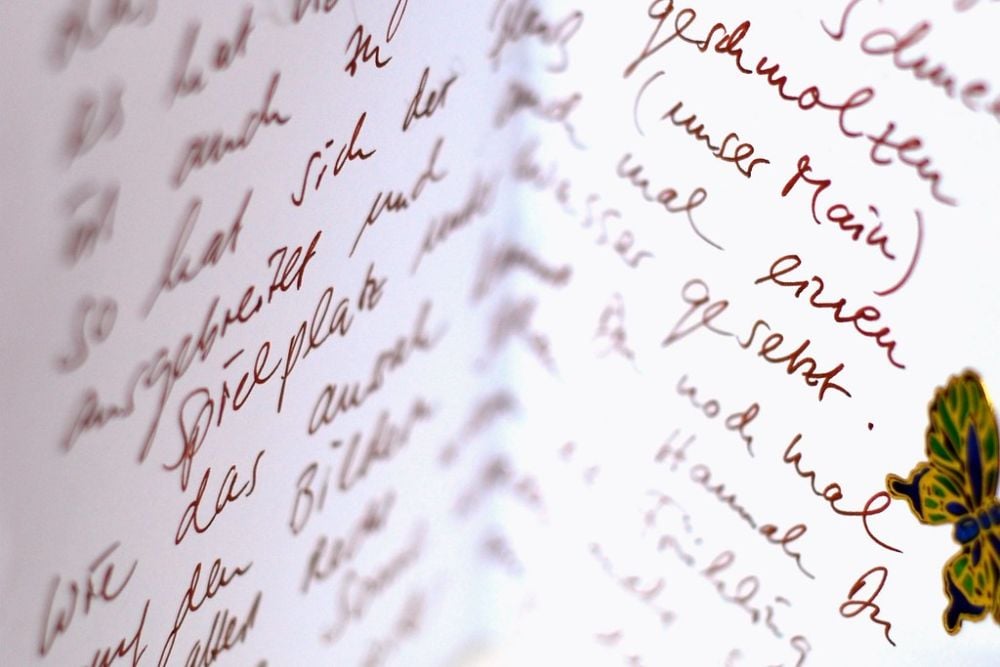
Correspondence with distant friends meant handwritten letters that could take weeks for a response. Special stationery, careful penmanship, and the personal touch of seeing someone’s handwriting made these communications meaningful.
Finding a letter addressed to you in the mailbox created a special kind of excitement that email notifications can’t replicate.
Encyclopedia Rabbit Holes

Before internet browsing, “wiki rabbit holes” happened with encyclopedias. You’d look up one topic and get distracted by an interesting article on the adjacent page, leading to hours of unplanned reading.
This serendipitous discovery process often led to knowledge in unexpected areas, just like today’s internet surfing but at a much slower pace.
Like Go2Tutors’s content? Follow us on MSN.
Video Store Weekends
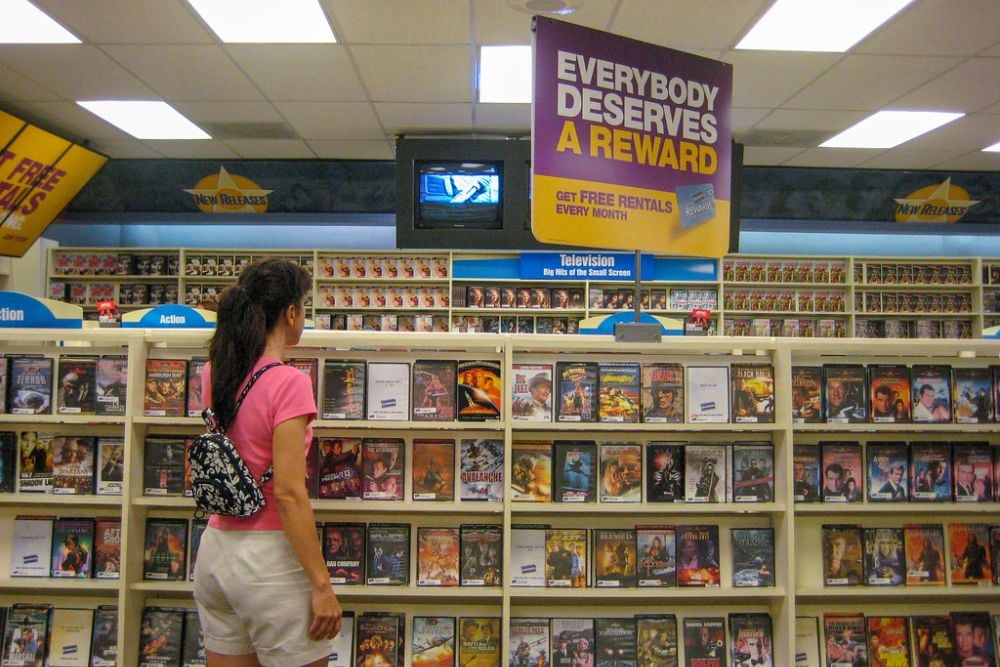
Friday nights often meant trips to the local video rental store, where you’d browse physical shelves hoping the new release you wanted wasn’t already checked out. The pressure of making the perfect selection was immense, knowing you’d be stuck with your choice all weekend.
Late return fees could quickly add up, making video returns a crucial errand.
Memories That Shaped Resilience
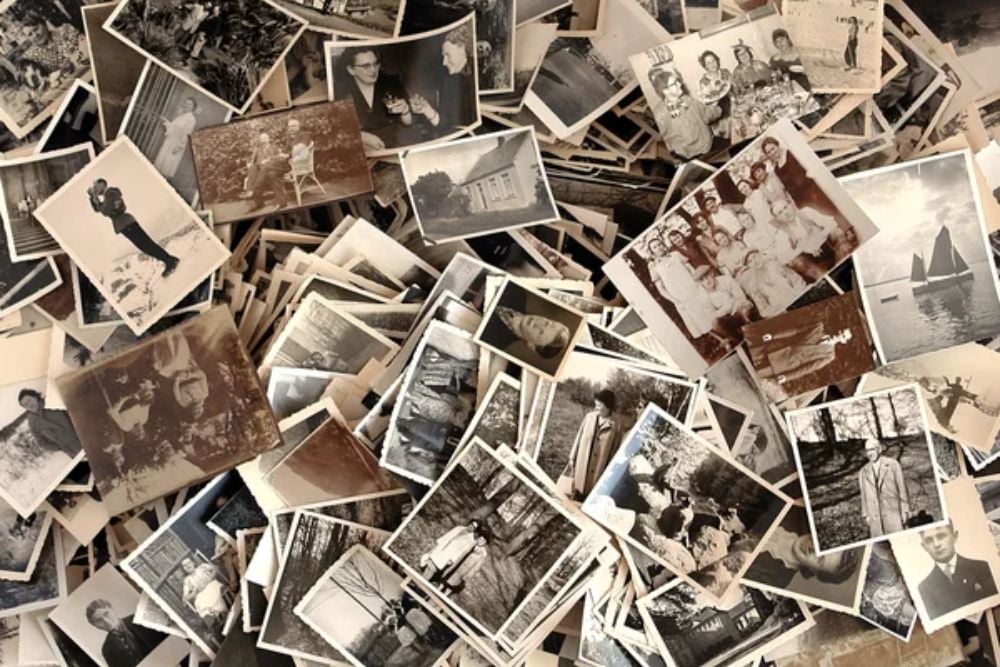
These pre-internet experiences weren’t just quaint inconveniences—they shaped an entire generation’s approach to problem-solving and patience. The skills developed waiting for things, planning ahead, and managing without instant information access created resilience that remains valuable even in today’s instant-gratification world.
While technology has solved many of these challenges, something special exists in the shared memories of those who navigated life before Google had all the answers.
More from Go2Tutors!

- 18 Unexpectedly Valuable Collectibles You Might Have Lying Around
- 20 Little-Known Historical Battles That Had Huge Consequences
- 20 Historical Artifacts That Scientists Can’t Explain
- 15 Inventions That Were Immediately Banned After Being Created
- 20 Actors Who Were Almost Cast in Iconic Roles
Like Go2Tutors’s content? Follow us on MSN.