15 Battles Won by Using Sound Instead of Weapons
Throughout history, military leaders have discovered that sometimes the most effective weapon isn’t a sword or gun, but sound itself. These auditory tactics have proven surprisingly effective at breaking enemy morale, creating confusion, or even causing physical discomfort without firing a single shot.
The psychological impact of unexpected sounds can be as devastating as traditional weapons, often leading to victory with minimal bloodshed. Here is a list of 15 remarkable battles where sound played the decisive role in securing victory, demonstrating the power of auditory warfare throughout the ages.
The Walls of Jericho

According to biblical accounts, Joshua’s army conquered the fortified city of Jericho using nothing but trumpet blasts and shouting. After marching around the city walls for six days in silence, on the seventh day they circled seven times before unleashing a tremendous shout accompanied by ram’s horn trumpets.
The massive sound reportedly caused the walls to collapse, allowing the Israelites to capture the city without traditional siege weapons.
Hannibal’s Alpine Crossing
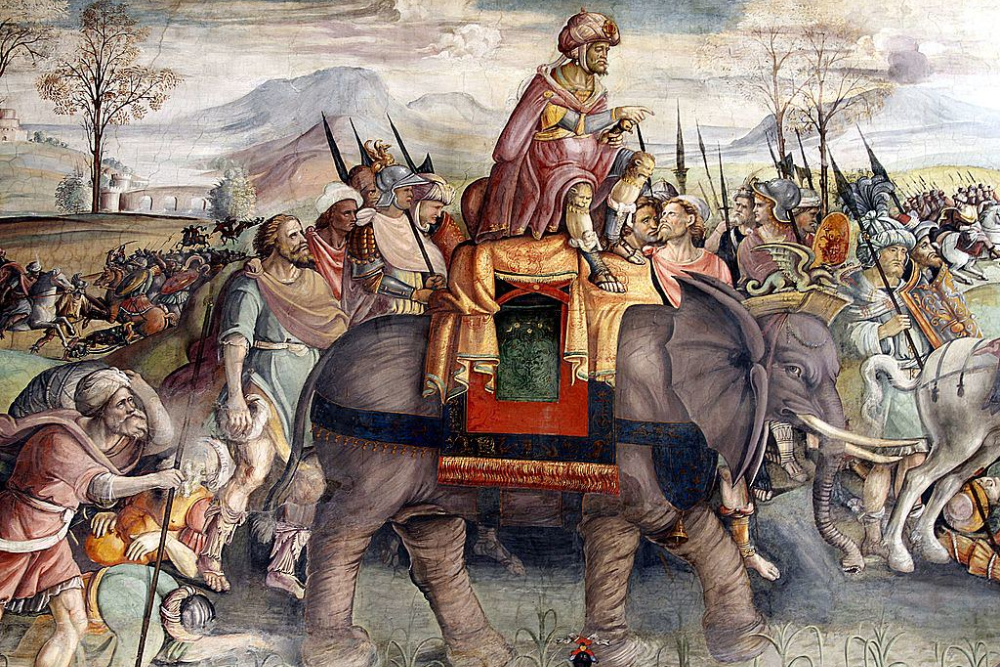
When crossing the Alps to invade Italy in 218 BCE, Hannibal’s army encountered hostile mountain tribes blocking narrow passes. Rather than engaging in direct combat, Hannibal ordered his troops to create massive noise at night by blowing horns, beating shields, and creating echoing sounds throughout the mountains.
The unexpected cacophony terrified the superstitious tribesmen who believed mountain spirits were angry, causing them to abandon their positions.
The War Pipes of Scotland
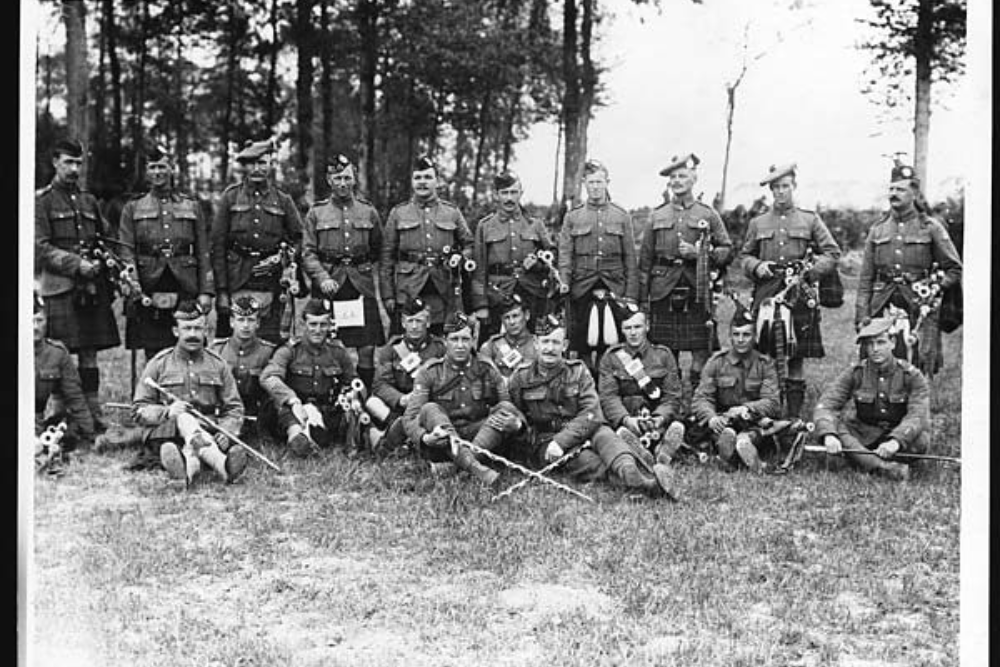
Scottish Highland clans developed bagpipes not just as musical instruments but as psychological weapons. The distinctive wailing sound of Highland war pipes carried for miles across battlefields and through valleys, striking fear into enemies while boosting Scottish morale.
English troops at battles like Bannockburn reported being unnerved by the otherworldly sounds before combat even began, giving Scottish forces a psychological advantage.
Byzantine Naval Deception
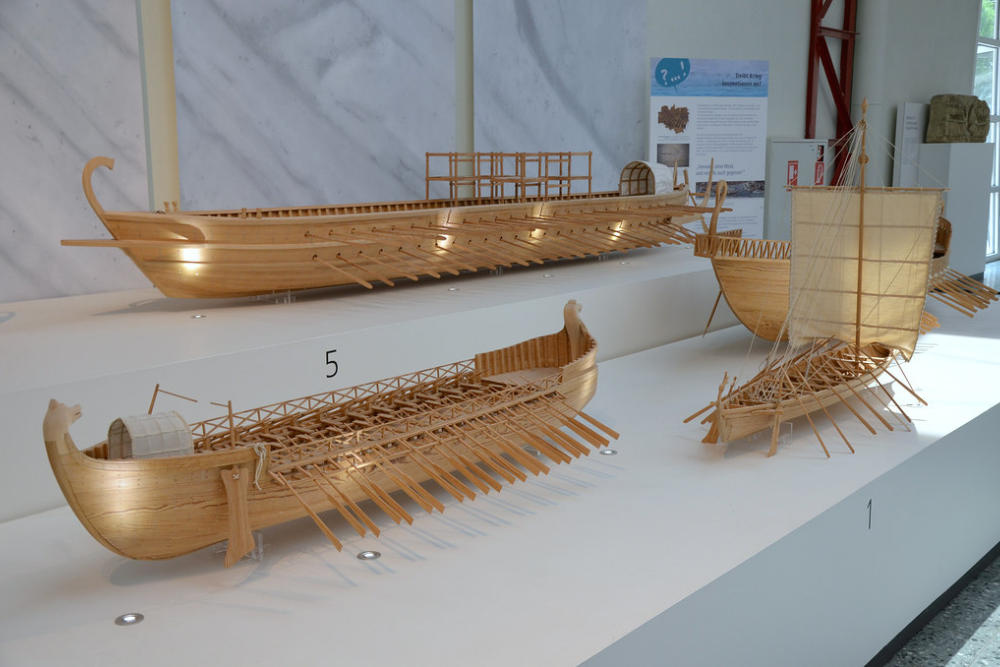
In the 7th century, Byzantine admiral Flavius Basiliscus used sound deception to defeat a superior Arab fleet. He ordered hundreds of empty amphorae (clay jars) to be thrown into the sea at night near the enemy ships.
The strange sounds of shattering pottery and unexplained splashing convinced the Arab commanders they were being attacked by underwater saboteurs, causing them to move their ships into a position that favored the Byzantine attack at dawn.
Mongol Ghost Armies
Genghis Khan’s forces regularly employed sound tactics to appear more numerous than they actually were. Each Mongol rider would tie branches to their horses’ tails that dragged behind them, creating dust clouds and thunderous noise suggesting a much larger army.
Additionally, they attached whistles to arrows that created terrifying screaming sounds as they flew through the air, often causing enemy formations to break before actual combat began.
The Hussite War Wagons

In 15th-century Bohemia, Hussite rebels developed “war wagons” equipped with primitive sound amplifiers. These wooden carts contained resonating chambers and horns that projected battle cries and commands across the battlefield with surprising volume.
At the Battle of Domažlice in 1431, the synchronized sound from these wagons created such confusion among crusader forces that many fled before the actual Hussite attack began.
The Swiss Alphorn Advantage

Swiss mountaineers used their massive alphorns to coordinate defense against Habsburg invaders in the late 13th century. These enormous instruments could project signals across alpine valleys, allowing Swiss forces to communicate positions and coordinate attacks while remaining hidden.
At the Battle of Morgarten in 1315, Habsburg knights were ambushed from multiple directions after Swiss defenders used alphorns to time their attacks perfectly despite being physically separated by mountain terrain.
The Sound Cannons of Constantinople
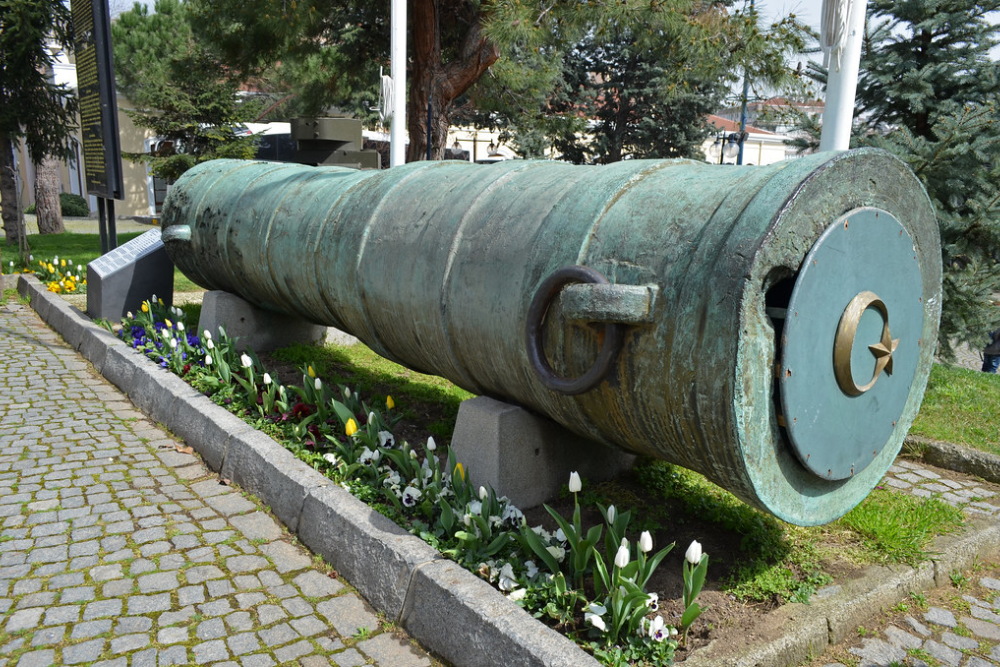
When Constantinople faced Arab sieges in the 7th and 8th centuries, Byzantine defenders employed “echeia” – massive bronze resonators mounted on the walls. These acoustic devices amplified the sounds of the city, making the defender force seem much larger than it actually was.
During nighttime, operators would create sounds mimicking massive troop movements, convincing besiegers that reinforcements had arrived and causing them to abandon advantageous positions.
Napoleon’s Drumline Deception

During his Egyptian campaign, Napoleon faced a massive Mamluk cavalry force at the Battle of the Pyramids in 1798. Outnumbered, he positioned drummers behind his infantry squares, instructing them to play specific patterns that echoed off nearby structures.
The reverberating drums confused the Mamluk cavalry about the actual location and size of French forces, causing them to charge into prepared defensive positions rather than finding weak points in the formation.
The Ghost Army of WWII

Perhaps the most sophisticated sound deception in military history was the US Army’s 23rd Headquarters Special Troops, nicknamed the “Ghost Army.” This unit used massive sound trucks that could broadcast recorded battlefield noises heard up to 15 miles away.
In Operation Viersen in March 1945, they simulated the sounds of an entire armored division crossing the Rhine River, successfully drawing German forces away from the actual crossing points and saving thousands of Allied lives.
The Haitian Revolution Drums
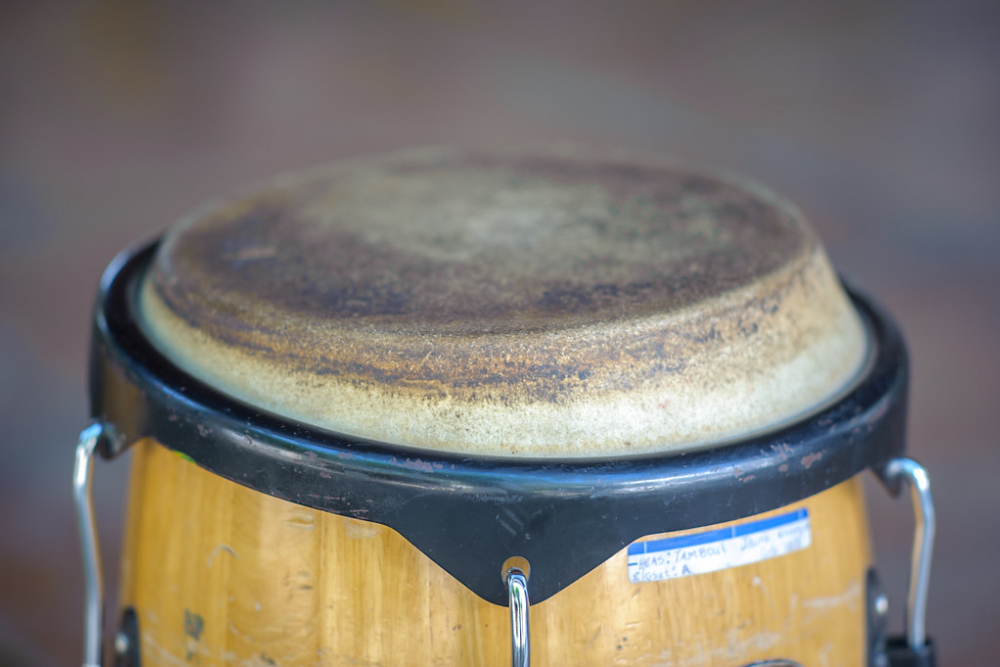
During the Haitian Revolution, former slaves used complex drum communications that French forces couldn’t decipher. These drum patterns, based on traditional Vodou rhythms, allowed rebel forces to coordinate attacks across the island without written messages that could be intercepted.
At the decisive Battle of Vertières in 1803, drummed commands allowed Haitian forces to execute complex maneuvers that confused and ultimately defeated Napoleon’s expeditionary force.
The Falklands War Deception
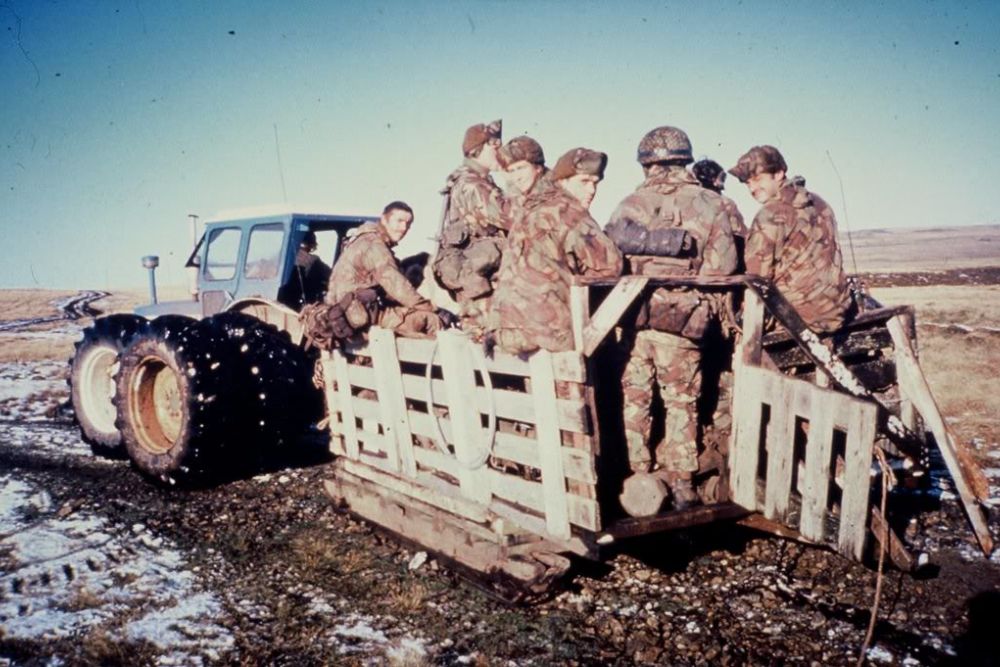
During the 1982 Falklands War, British forces facing limited resources used sound deception against Argentine positions. Royal Marines deployed commercial audio equipment playing recorded sounds of tanks and heavy vehicles, broadcast across open ground at night.
The deception convinced Argentine commanders they faced armored units rather than just light infantry, causing them to withdraw from strategic positions without fighting.
Operation Wandering Soul

American forces in Vietnam created “Operation Wandering Soul,” an auditory psychological operation based on Vietnamese beliefs about the wandering spirits of those improperly buried. Helicopters equipped with powerful speakers flew over jungle areas at night broadcasting recordings of ghostly voices speaking Vietnamese, supposedly the souls of dead Viet Cong soldiers warning comrades to return home.
The eerie sounds caused many superstitious fighters to abandon their positions without combat.
Baltic Singing Revolutions

In Estonia, Latvia, and Lithuania, the “Singing Revolutions” of 1987-1991 used mass singing as a weapon against Soviet control. Hundreds of thousands gathered to sing banned national songs in peaceful protest.
The sound of massive unified singing created a psychological effect that Soviet military forces found impossible to counter with traditional weapons, ultimately contributing to these nations regaining independence without armed conflict.
The Siege of Lachish

Assyrian King Sennacherib employed psychological sound warfare during the siege of Lachish in 701 BCE. His forces constructed enormous rams and siege towers, but before using them, spent days creating continuous noise – pounding drums, blasting horns, and shouting in shifts that prevented defenders from sleeping.
After three days of this acoustic bombardment, defenders were so exhausted and demoralized that they surrendered without the Assyrians needing to breach the main walls.
The Enduring Power of Sound
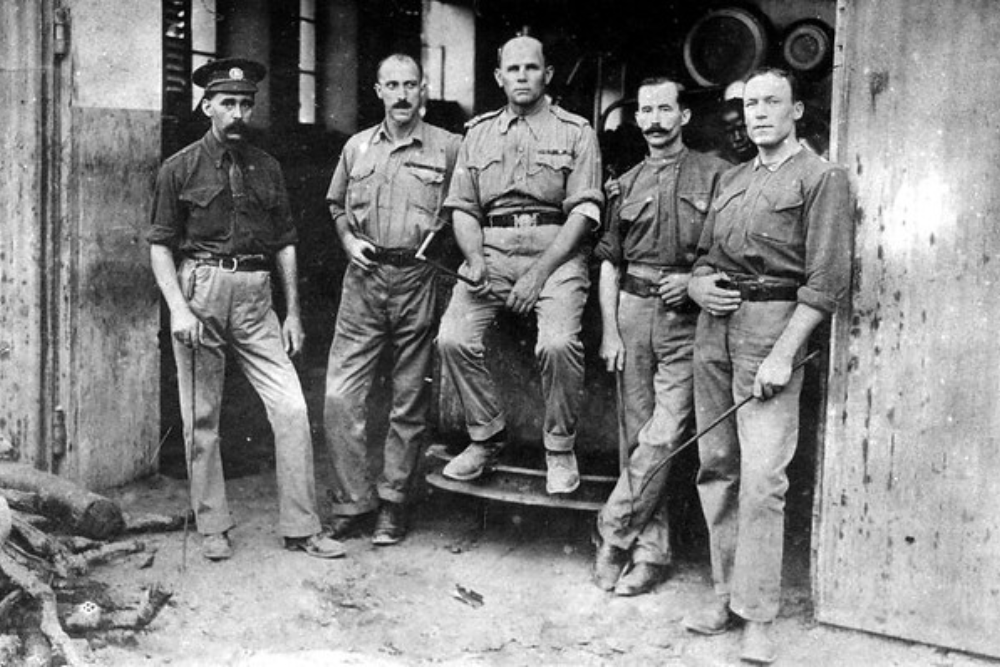
Throughout military history, innovative commanders have recognized that the human mind can be more vulnerable than the body. These sound-based victories reveal how auditory tactics can overcome physical defenses, demonstrating warfare’s psychological dimension.
From ancient horns to electronic broadcasts, sound continues to shape modern conflicts where psychological operations often prove more effective than conventional weapons. The strategic use of sound in warfare reminds us that victory often belongs not to those with the most destructive weapons, but to those who understand human psychology and find creative ways to exploit it.
As military technology advances, the fundamental power of sound to influence behavior remains a constant across the centuries.
More from Go2Tutors!

- The Romanov Crown Jewels and Their Tragic Fate
- 13 Historical Mysteries That Science Still Can’t Solve
- Famous Hoaxes That Fooled the World for Years
- 15 Child Stars with Tragic Adult Lives
- 16 Famous Jewelry Pieces in History
Like Go2Tutors’s content? Follow us on MSN.