Weird Insect Habits
You think you know insects? You don’t. Sure, you know they buzz around and occasionally ruin picnics, but the actual things they do on a daily basis are so strange that if humans behaved the same way, we’d all be in therapy.
We’re talking about creatures that explode themselves as weapons, navigate by starlight, and get hijacked by parasites that turn them into literal zombies.Let’s get into the really disturbing stuff.
Zombie Ants Are Actually Real

There’s a fungus called Ophiocordyceps unilateralis that infects carpenter ants and completely takes over their brains. The ant wanders away from its colony like it’s in a trance, climbs to a specific height on a plant (usually about 25 centimeters above the forest floor, because the fungus is picky), bites down on a leaf vein, and just… stays there until it dies.
Then the fungus erupts out of the ant’s head like something from Alien and spreads spores to infect more ants. This happens in tropical forests, and scientists have found entire “graveyards” of zombie ants all clamped onto leaves at the exact same height.
The fungus can control the ant’s behavior for about a week before killing it.
Some Ants Literally Explode As A Defense Mechanism

Colobopsis saundersi, a species found in Southeast Asia, has workers that can contract their abdominal muscles so violently that they rupture their own bodies and spray toxic glue everywhere. It’s called autothysis (which is a fancy word for “mass bombing”), and it’s their defense strategy when the colony is threatened.
The exploding ants are basically walking grenades that sacrifice themselves to protect the nest. The glue immobilizes predators and apparently smells terrible (not that you’d care if you were covered in exploded ants).
Dung Beetles Navigate Using The Milky Way
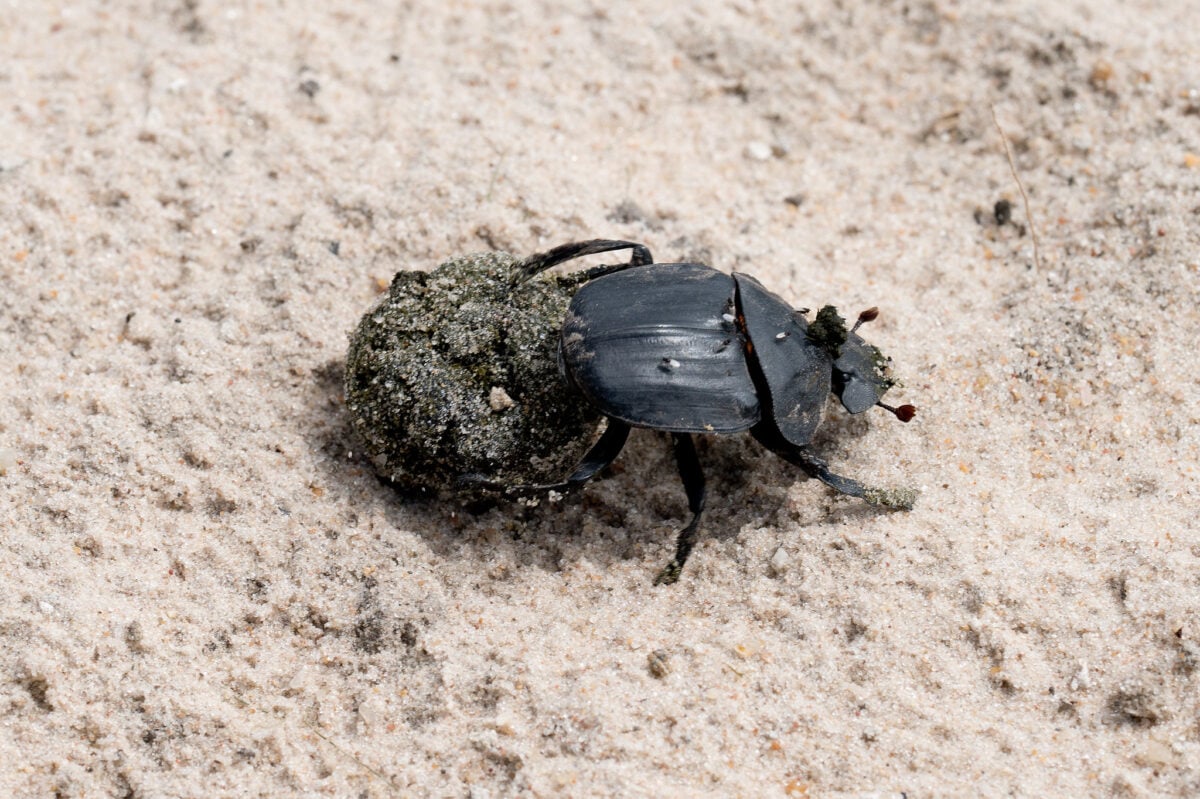
When a dung beetle finds a pile of poop (which is basically their life goal), they roll it into an orb and push it away in a straight line to avoid other beetles stealing it. But here’s the weird part—they navigate using the stars.
Specifically, they use the Milky Way as a celestial compass to roll their dung orbs in straight lines. Scientists put tiny hats on dung beetles to block their view of the sky, and the beetles immediately started rolling in circles.
Take the hats off, and they went straight again (which must have been a very strange experiment to conduct).
Honeybees Vote On Where To Live
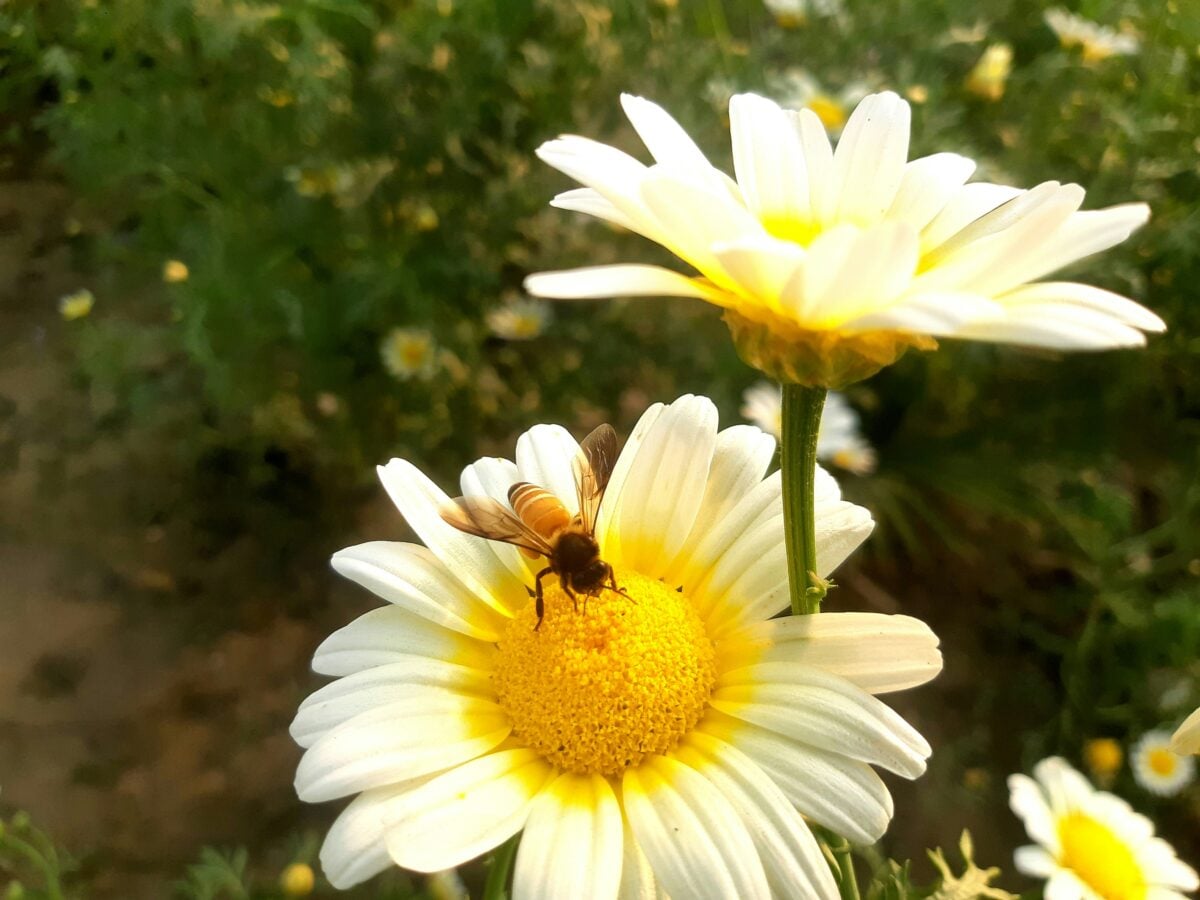
When a bee colony needs a new home, scout bees fly out and find potential sites, then come back and perform a “waggle dance” to tell the other bees about the location. The quality of the site determines how enthusiastically they dance.
Other scouts check out the proposed locations and either dance for them or ignore them. This continues until enough bees are dancing for the same location—basically reaching a quorum—and then the whole colony moves there.
It’s one of the most sophisticated democratic decision-making systems in nature, and it works way better than most human elections.
Moths Are Suicidal For Reasons Nobody Fully Understands

The whole “moths flying into flames” thing isn’t just stupidity. Scientists think moths navigate by keeping a constant angle to the moon (which is far away, so the angle doesn’t change much as they fly).
Artificial lights screw up this navigation system because they’re close, so maintaining a constant angle to a nearby light source creates a spiral path that leads directly into the light. But that doesn’t fully explain why they don’t just fly away once they realize something’s wrong.
Some think they’re confused and believe they’re flying toward the moon to escape danger, while others think the light just completely overloads their navigation system. Either way, it’s a fatal design flaw.
Female Praying Mantises Eat Their Partners During Copulation
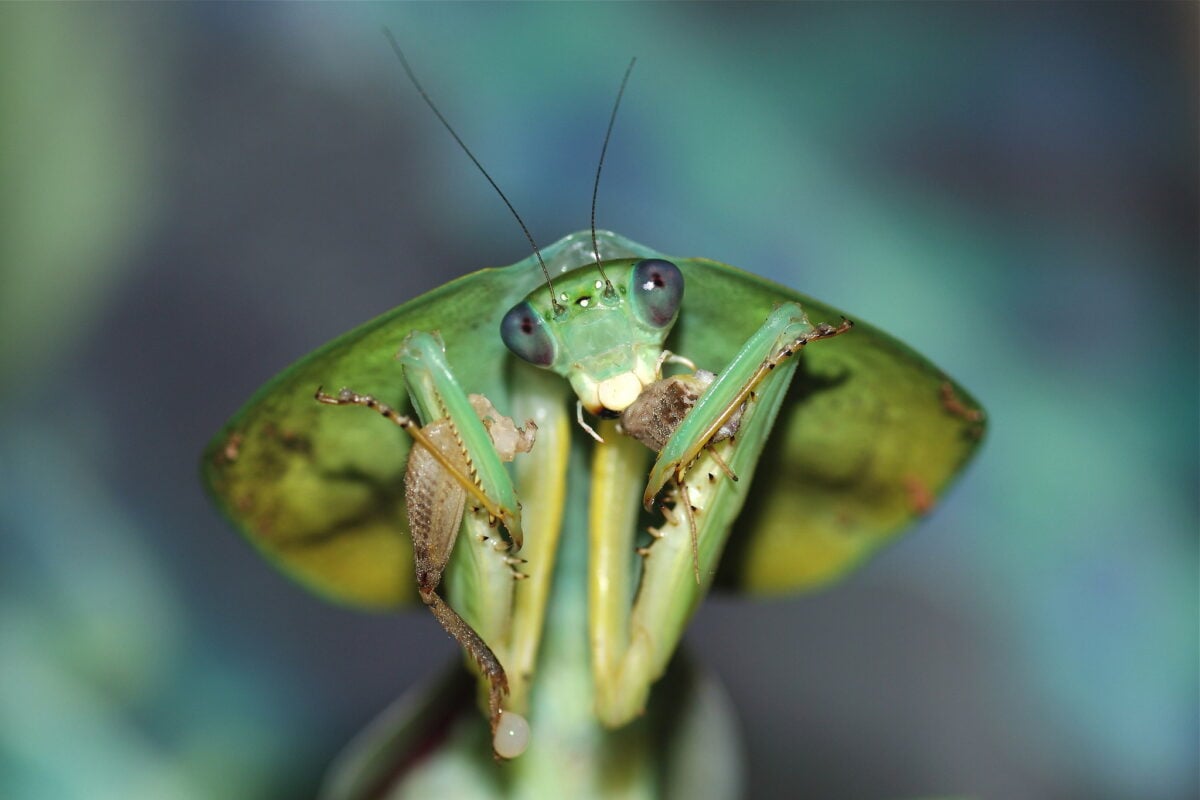
Everyone knows this one, but it’s still disturbing. The female mantis will often bite off the male’s head while they’re mating (sometimes before, sometimes during, sometimes after—she’s flexible).
And here’s the really messed up part: removing the male’s head actually improves his performance because it eliminates inhibitions from his brain. The male’s body continues mating more vigorously without his head.
About 13-28% of mantis matings end in cannibalism, depending on the species and how hungry the female is. Nature is horrifying.
Cicadas Have The Weirdest Life Cycles
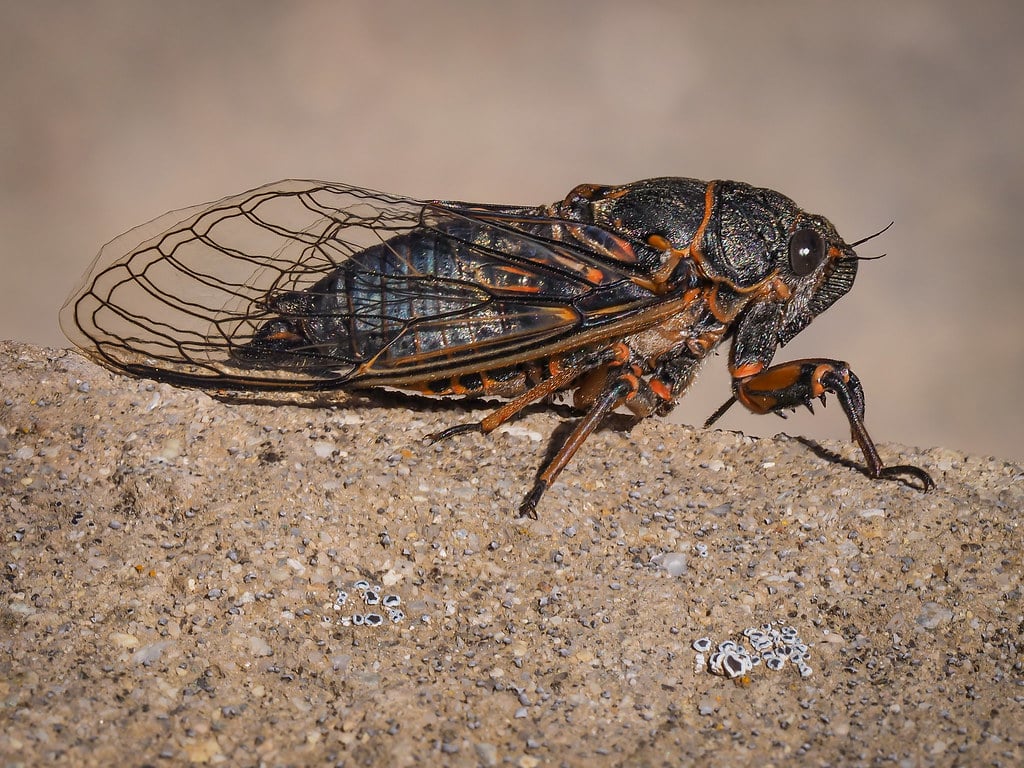
Periodical cicadas live underground for either 13 or 17 years (depending on the species), feeding on tree roots in the dark, and then they all emerge at once in massive numbers—billions of them—to mate, scream for a few weeks, and die. The 13 and 17 year cycles are prime numbers, which scientists think evolved to avoid syncing up with predator population cycles.
When they emerge, there are so many of them that predators literally can’t eat them all (it’s called predator satiation). The ground is just covered in cicada shells and the noise is deafening.
Bombardier Beetles Have Built-In Flamethrowers
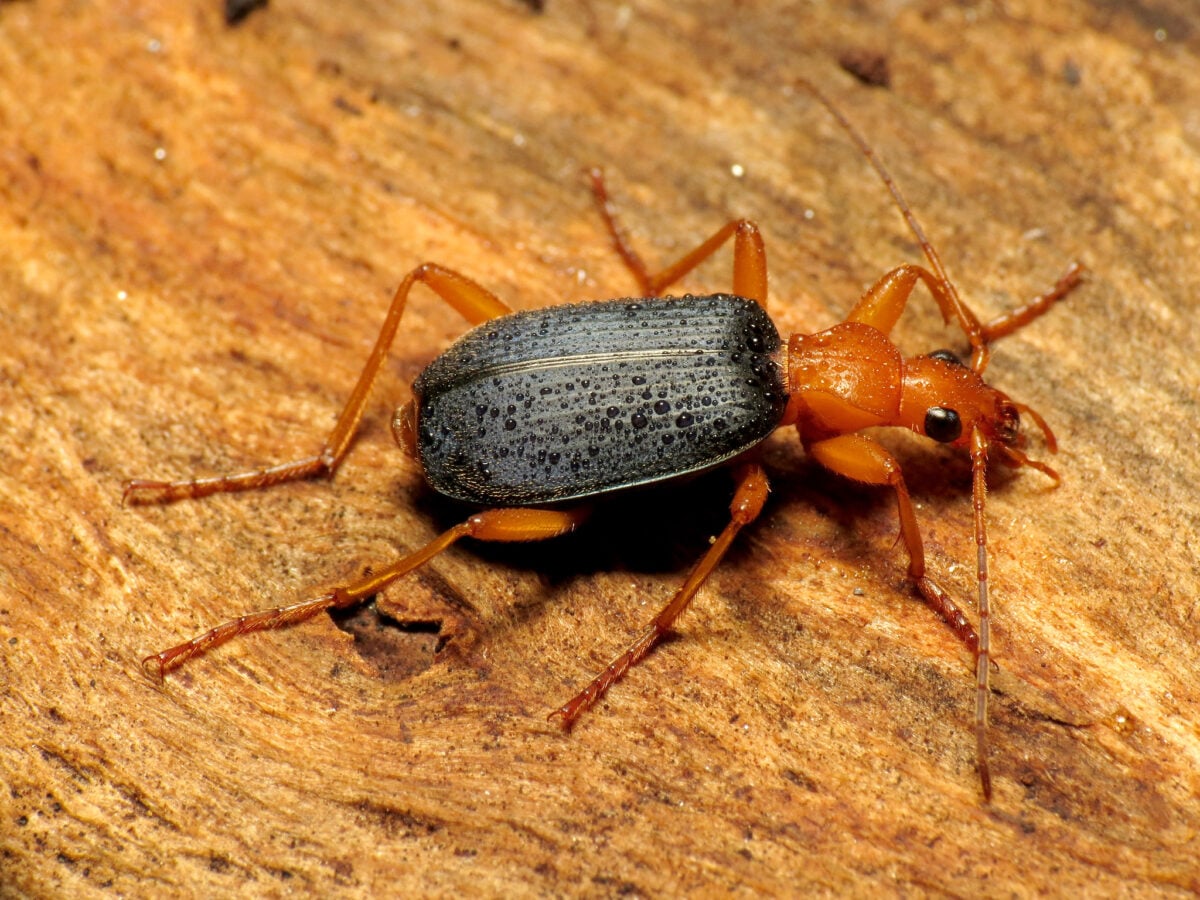
These beetles store two separate chemicals in their abdomen, and when threatened, they mix them in a special chamber where they react explosively, creating a boiling hot spray (around 100°C) that they shoot at predators with shocking accuracy. They can aim the spray in different directions by swiveling the tip of their abdomen.
The spray is toxic, boiling hot, and fired in rapid pulses. It’s basically a biological defense mechanism that should not work but absolutely does.
Fire Ants Build Living Rafts

When floods happen, fire ants link their bodies together using their legs and mandibles to create a waterproof raft that can float for weeks. The ants on the bottom layer form air pockets with their bodies and rotate positions so no ant drowns (though the ones on the bottom definitely have the worst job).
The queen and larvae stay safe in the middle of the raft. Thousands of ants work together as a single floating organism. They can survive like this until they find dry land, and the whole raft can support significant weight without sinking.
Fireflies In Southeast Asia Synchronize Their Flashing
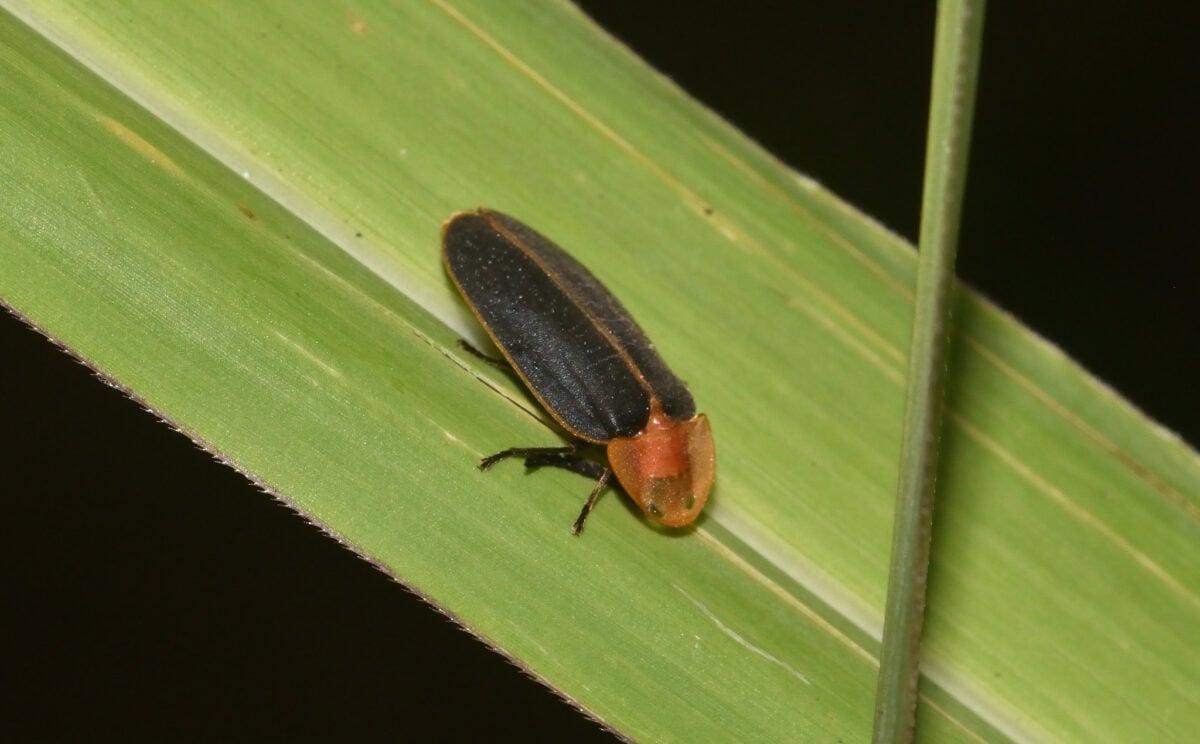
In places like Thailand and Malaysia, thousands of fireflies gather in trees along riverbanks and flash in perfect sync—all at once, like a massive biological Christmas display. Nobody’s quite sure how they coordinate it (there’s no leader firefly conducting the orchestra). Current theory is that each firefly adjusts its flash timing based on the flashes it sees around it, and eventually they all sync up.
It’s one of nature’s most spectacular light shows and it happens every night in certain locations.
Parasitic Wasps Turn Other Insects Into Living Nurseries

Some wasp species inject their eggs into caterpillars or spiders, and the larvae eat the host from the inside out, carefully avoiding vital organs to keep the host alive as long as possible. When they’re ready to pupate, they burst out of the still-living host (Alien style), and in some species, the host actually protects the wasp cocoons from predators even as it’s dying.
One species makes the caterpillar weave a silk tent over the wasp cocoons before it dies. The level of manipulation is genuinely disturbing.
Bees Do Geometry To Communicate
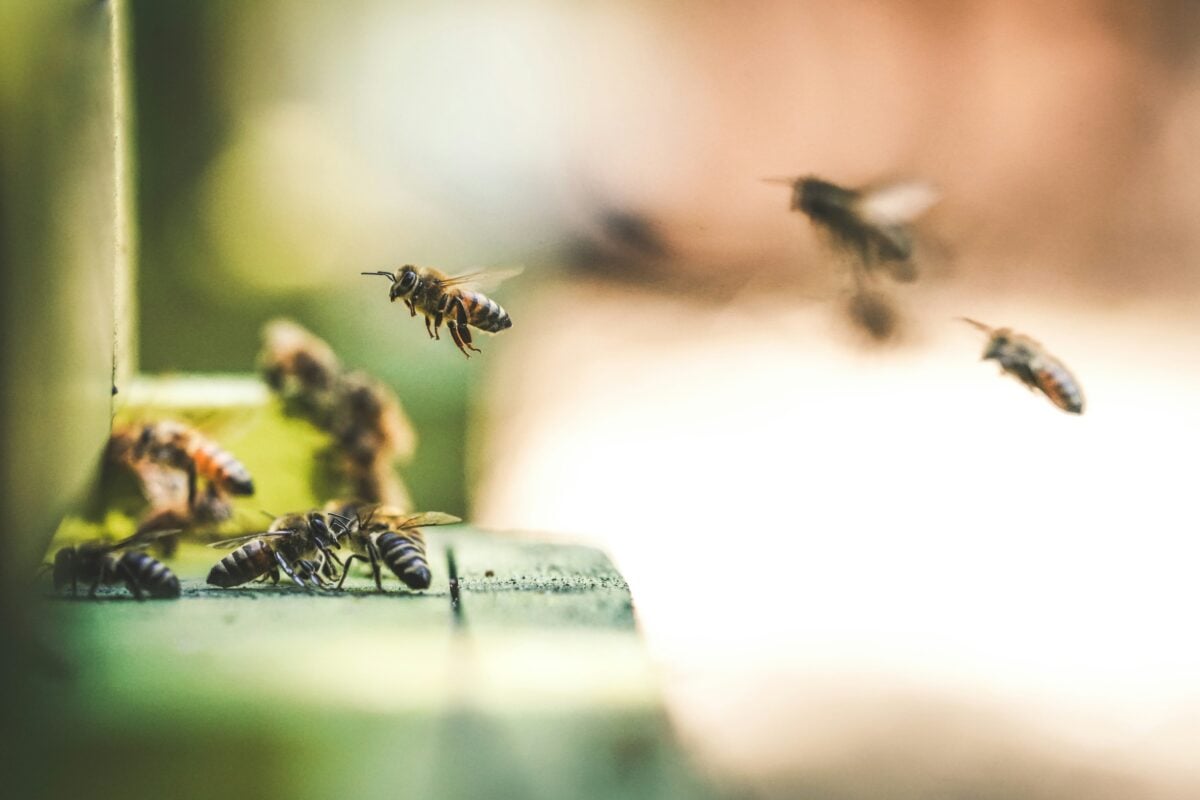
The waggle dance isn’t just for voting on hive locations. Bees use it constantly to tell each other where food is.
The angle of the dance relative to vertical represents the angle to the food source relative to the sun, and the duration of the waggle indicates the distance. They’re literally doing vector mathematics through interpretive dance (and it works incredibly well).
A bee can watch another bee dance and then fly directly to a food source miles away that it’s never seen before.
Some Butterflies Drink Blood And Tears

While most butterflies stick to nectar, some species have developed a taste for less wholesome liquids. Certain butterflies in the Amazon will land on turtles, caimans, and even humans to drink tears for the salt and proteins.
Others prefer rotting flesh, dung, or blood from fresh wounds. The Julia butterfly has been photographed sipping blood from dead caimans.
It’s a surprisingly metal behavior for something that looks so delicate and pretty (kind of ruins the Disney princess vibe).
Termites Have Air Conditioning Systems
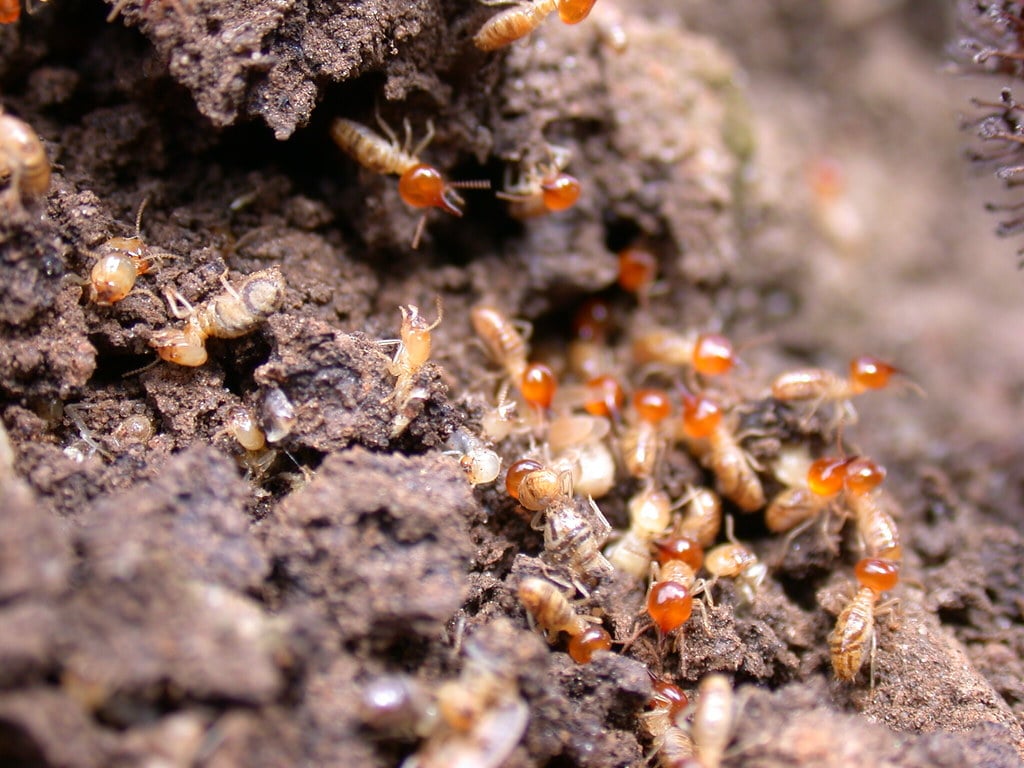
Termite mounds in Africa can reach 30 feet tall and house millions of termites, and they maintain a constant internal temperature using a sophisticated ventilation system. The mounds have carefully designed channels and tunnels that create air circulation—hot air rises through central chimneys while cool air enters through lower passages.
They adjust the structure seasonally to account for temperature changes. It’s passive climate control that human architects actually study and try to replicate in green building designs.
The Tiny Architects Of Chaos

Insects have been perfecting their weird habits for over 400 million years, which means they were doing this bizarre stuff long before humans showed up to judge them. Maybe exploding yourself to save the colony or navigating by starlight isn’t weird at all—maybe it’s just efficient.
Or maybe insects are genuinely unhinged and we’re only now starting to understand just how strange life on this planet actually is.
More from Go2Tutors!

- The Romanov Crown Jewels and Their Tragic Fate
- 13 Historical Mysteries That Science Still Can’t Solve
- Famous Hoaxes That Fooled the World for Years
- 15 Child Stars with Tragic Adult Lives
- 16 Famous Jewelry Pieces in History
Like Go2Tutors’s content? Follow us on MSN.