15 TV Shows That Were Misbranded — Then Took Off Later
Television history is filled with surprising success stories. Shows that networks didn’t quite understand, series that were marketed to the wrong audience, or concepts that needed time to find their footing often become some of the most beloved programs.
What’s particularly fascinating is how many iconic shows we almost missed out on entirely because they were initially misunderstood or poorly positioned. Here is a list of 15 television shows that overcame early misbranding issues to eventually find their audience and achieve lasting success.
Breaking Bad
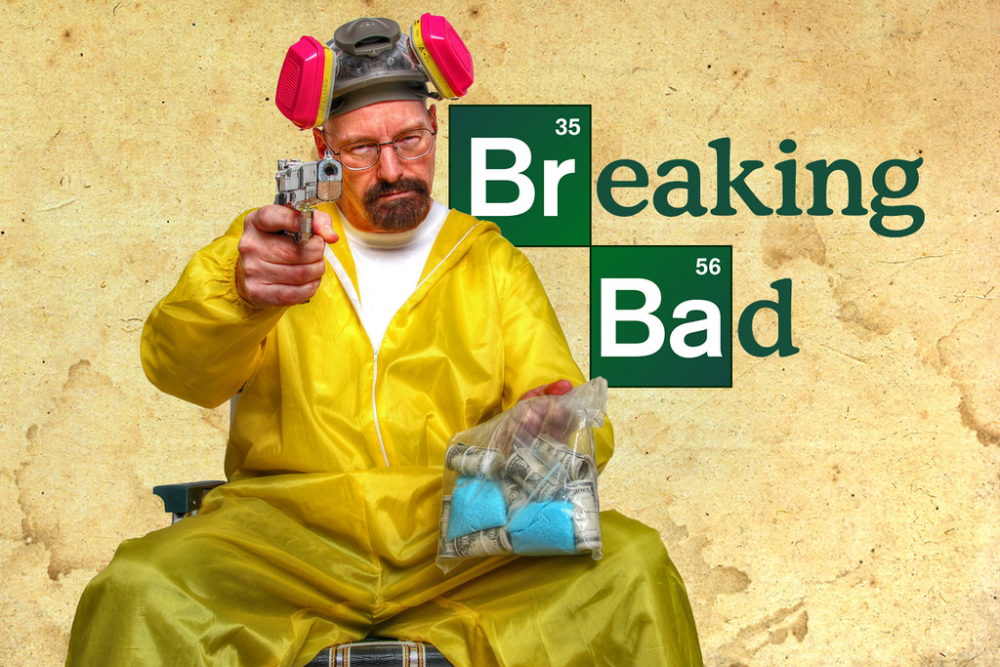
AMC’s groundbreaking drama was initially marketed as a dark comedy about a desperate man making questionable choices. The early promotional materials focused heavily on the fish-out-of-water aspect of a chemistry teacher cooking methamphetamine rather than the profound character study it would become.
Viewership was modest during its first two seasons. Still, word-of-mouth praise and critical acclaim eventually transformed it into a cultural phenomenon by its final season, with audiences recognizing it as one of television’s greatest dramatic achievements.
The Office

Originally marketed as an exact copy of its UK predecessor, NBC’s version of the British workplace comedy was promoted with ads stressing awkward humor and uncomfortable circumstances. Early reviews were scathing and unfavorable to the original.
Until season two, when it created warmer character interactions and its own unique identity, the program did not discover its own unique voice. Even years after its end, this transformation from embarrassing comedy to sincere workplace ensemble helped it to be among the most-streamed programs ever.
Like Go2Tutors’s content? Follow us on MSN.
Seinfeld

Often called ‘the show about nothing,’ Seinfeld was initially marketed as a conventional sitcom about a stand-up comedian and his quirky friends. NBC executives were confused about how to position a show with no romantic storylines, character growth, or life lessons.
The early episodes suffered from low ratings and uncertain direction until Larry David and Jerry Seinfeld doubled down on everyday minutiae and social observations. This commitment to their unique vision eventually created a television juggernaut that redefined what a sitcom could be.
Buffy the Vampire Slayer
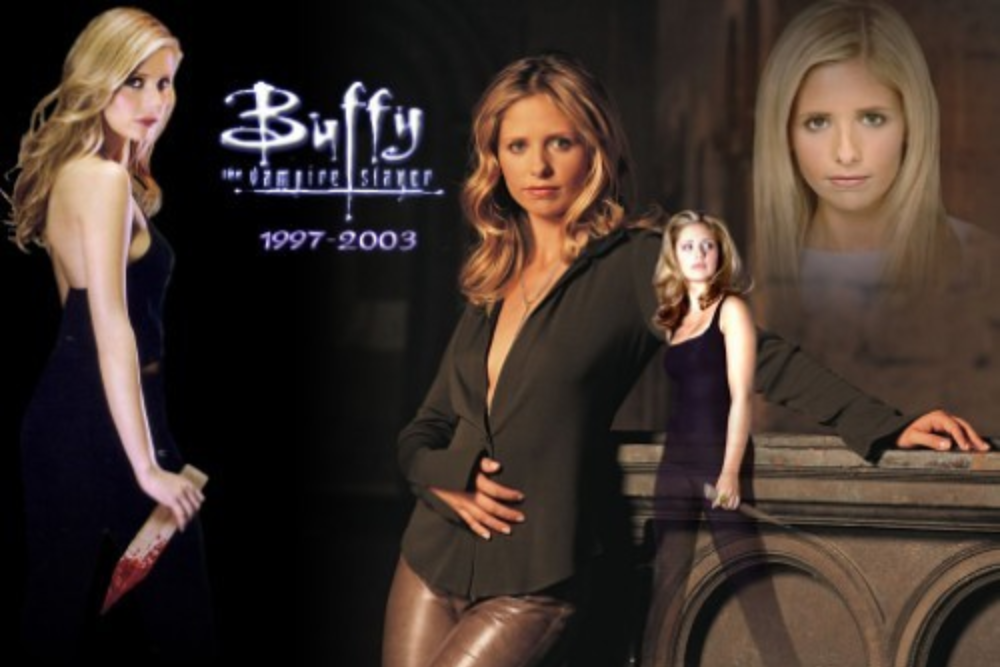
Following a mediocre movie of the same name, Buffy was initially branded as a teen-focused monster-of-the-week show for the fledgling WB network. The early marketing focused on vampire-hunting action and high school romance rather than the show’s deeper themes of female empowerment and growing up.
As creator Joss Whedon developed more complex storylines and metaphorical monsters, the show attracted a wider audience that appreciated its blend of horror, comedy, and coming-of-age drama, establishing it as a cult favorite and feminist touchstone.
Star Trek: The Next Generation
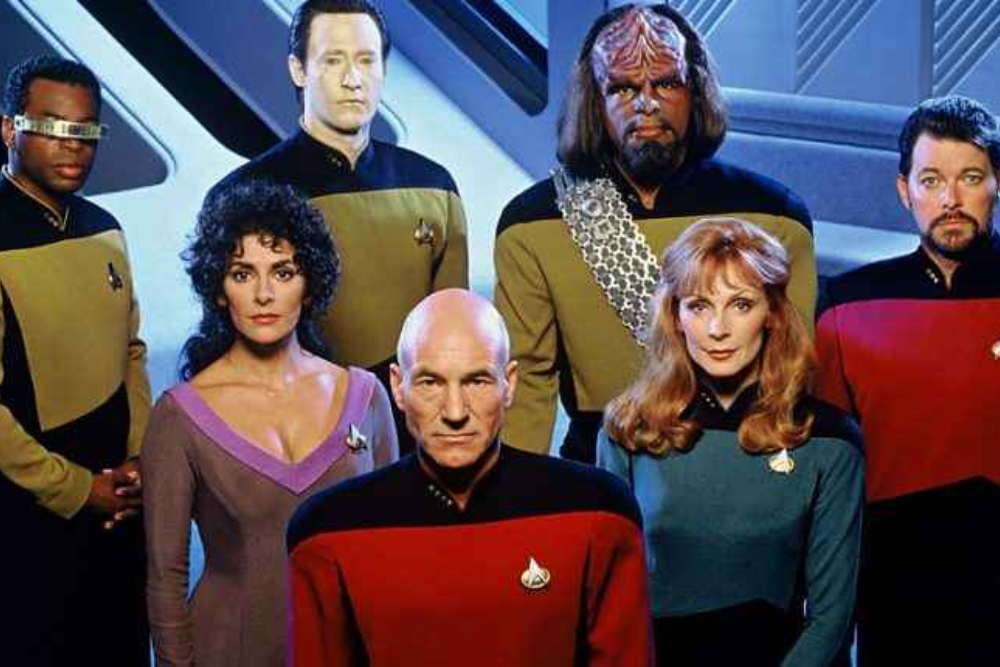
Aiming to persuade skeptics that a fresh crew could sustain the franchise, Paramount marketed this sequel series in 1987 mainly to current Star Trek fans, highlighting ties to the original series. Many people dismissed it as a flimsy replica since the early episodes were rigid and derivative.
But by season three, the program had settled into a groove with better character development and more intricate storytelling. In the end, the seven-season series outperformed its predecessor in many aspects and became a stand-alone science fiction masterpiece.
Like Go2Tutors’s content? Follow us on MSN.
Parks and Recreation
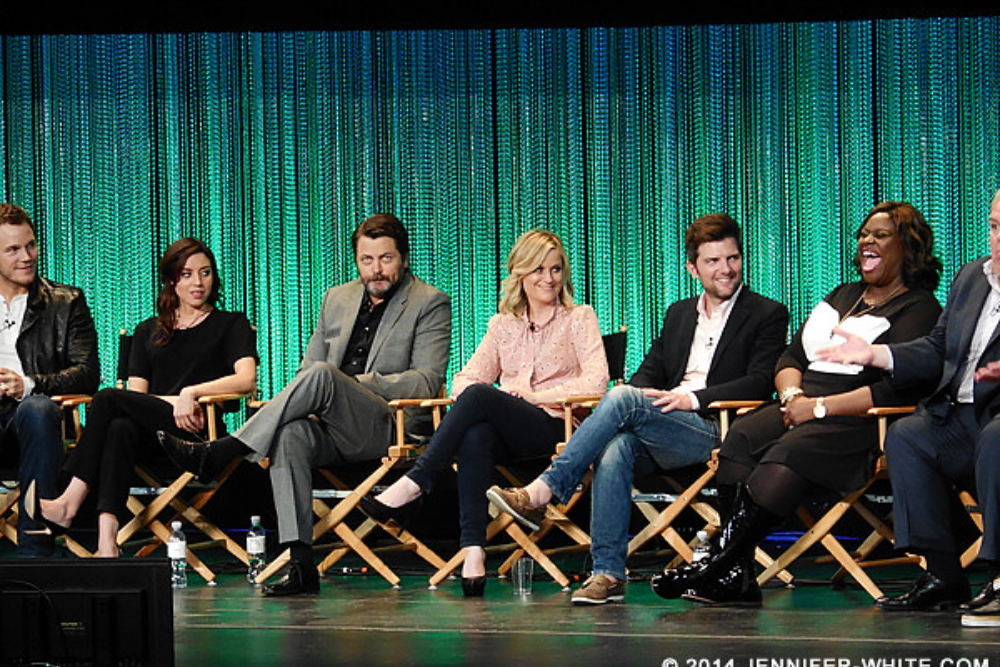
NBC initially positioned this show as essentially ‘The Office in a parks department,’ with early marketing highlighting Amy Poehler’s Leslie Knope as a female Michael Scott. The first season struggled with this comparison, featuring a less likable protagonist and a cynical tone that didn’t resonate with viewers.
A significant recalibration for season two transformed Leslie into an optimistic overachiever and the show into a warm celebration of public service and friendship. This shift helped the series build a devoted audience and critical acclaim through its seven-season run.
Bob’s Burgers
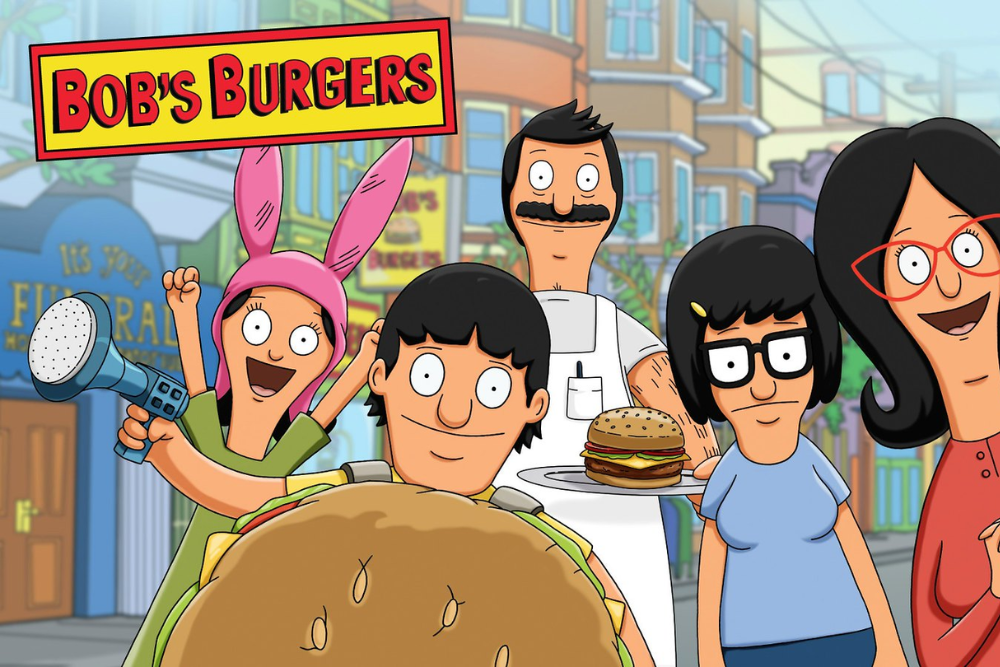
Fox originally marketed this animated series as an edgy, adult-oriented show in the vein of Family Guy, with early promotional materials highlighting crude humor and dysfunctional family dynamics. Instead, viewers discovered a surprisingly heartwarming and quirky show about a loving, working-class family.
As the marketing eventually aligned with the show’s actual tone—whimsical rather than cynical—it found a dedicated audience that appreciated its unique blend of weird humor and genuine affection between characters. Now in its fourteenth season, it has become one of animation’s most enduring success stories.
The Wire

HBO initially promoted this series as a conventional police procedural, focusing marketing on drug busts and criminal investigations. This misrepresentation failed to convey the show’s ambitious examination of Baltimore’s institutions and systemic urban issues.
Viewership remained low throughout its five-season run, but critical acclaim grew as audiences recognized creator David Simon’s novelistic approach to television. Today, it’s widely regarded as one of the greatest television series ever made, studied in universities and celebrated for its unflinching portrayal of American cities.
Like Go2Tutors’s content? Follow us on MSN.
Schitt’s Creek
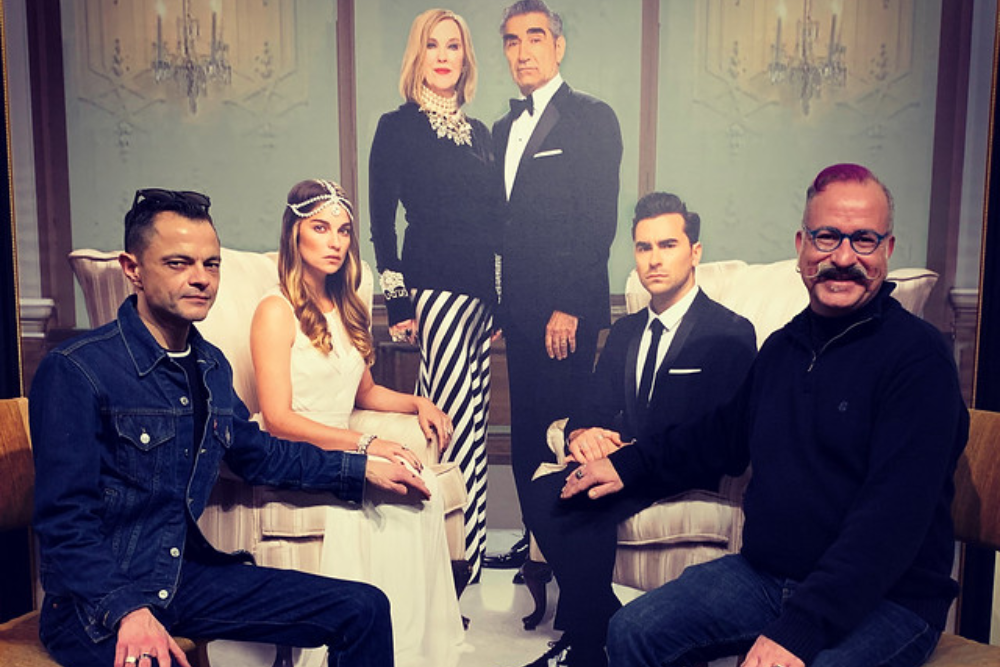
This Canadian comedy was initially marketed as a fish-out-of-water sitcom about rich people stuck in a small town, emphasizing culture clash humor and the Rose family’s snobbery. Early seasons had minimal viewership outside Canada until Netflix introduced it to international audiences as the show evolved into a heartwarming story about personal growth and found family, word of mouth spread about its genuine emotional core.
By its final season, it had transformed from an obscure Canadian export to an awards juggernaut, sweeping the comedy categories at the 2020 Emmys.
Supernatural
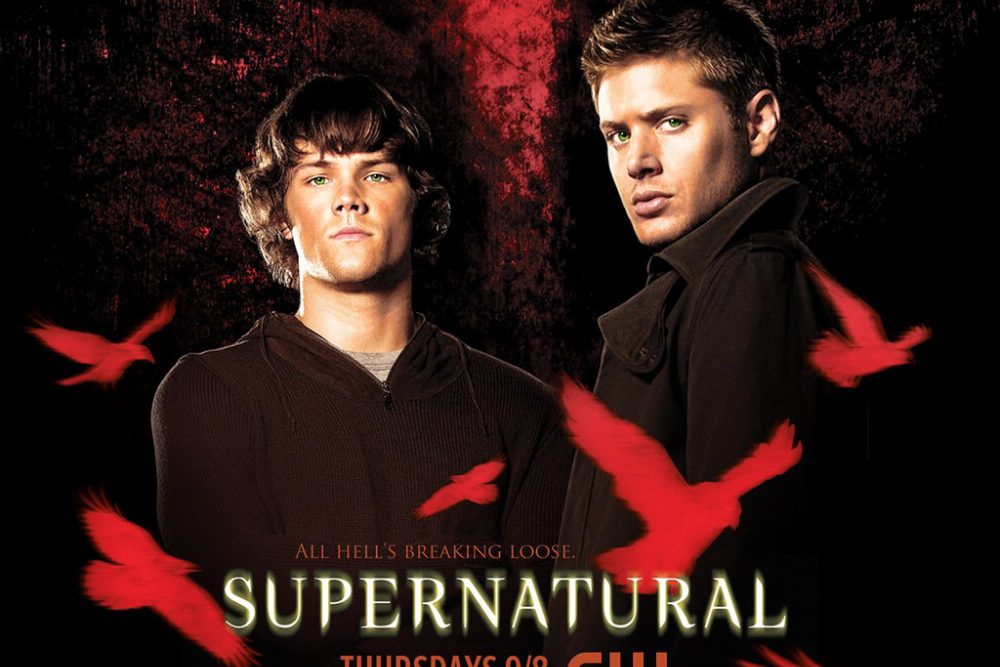
The CW (previously WB) initially branded this series as a horror show aimed primarily at young male viewers, with early promotions focusing on monster hunts and creepy atmospherics. The show struggled to find a consistent audience until it leaned into the chemistry between leads Jensen Ackles and Jared Padalecki, developing the brotherly relationship at its core.
This shift, along with increasingly complex mythology and self-referential humor, helped it build a passionate fanbase—particularly among women—that sustained it through fifteen seasons, making it the longest-running fantasy series in American television history.
Cougar Town
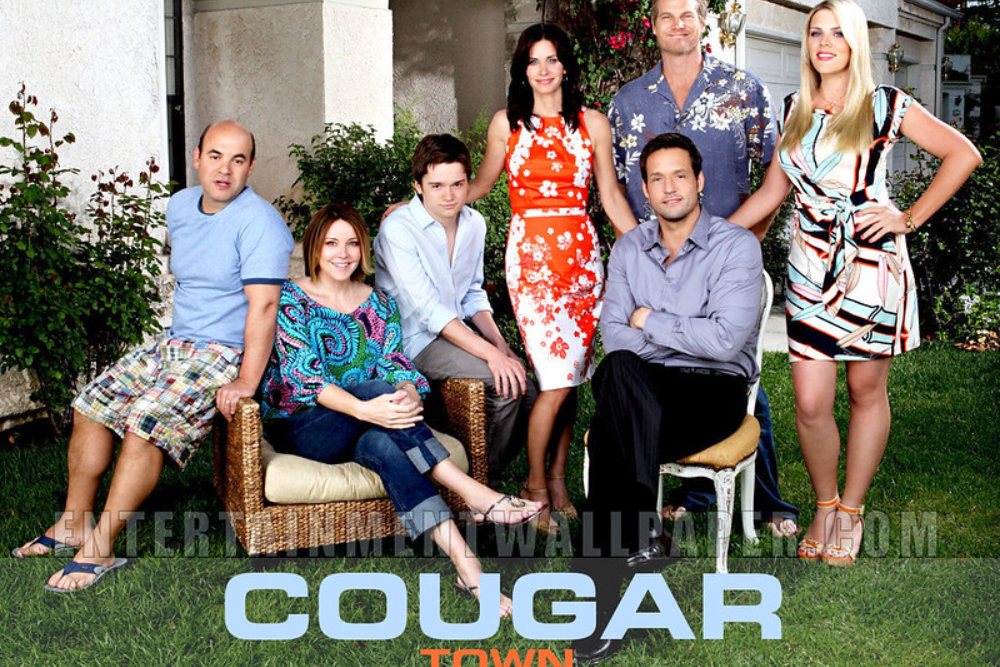
ABC’s comedy suffered from perhaps the most notorious case of misbranding in recent TV history, with a title and marketing campaign focused entirely on Courteney Cox’s character dating younger men. This premise was abandoned after just a few episodes, with the show evolving into an ensemble comedy about friendship and wine drinking among neighbors.
The title became such a liability that the show’s creators incorporated jokes about it into the opening credits. Despite this initial misstep, the series developed a devoted following that followed it to TBS for its final seasons.
Like Go2Tutors’s content? Follow us on MSN.
Community

NBC promoted this sitcom as a conventional comedy about a study group at a community college, with marketing that emphasized its familiar setting and former movie star Joel McHale. Early episodes hinted at the show’s true nature, but nothing prepared viewers for how creator Dan Harmon would deconstruct television conventions through meta-commentary, genre parodies, and ambitious concept episodes.
This approach alienated casual viewers but built a passionate fanbase that embraced its unique vision. The rallying cry ‘six seasons and a movie’ became a successful campaign for the show’s continuation despite low ratings.
The X-Files
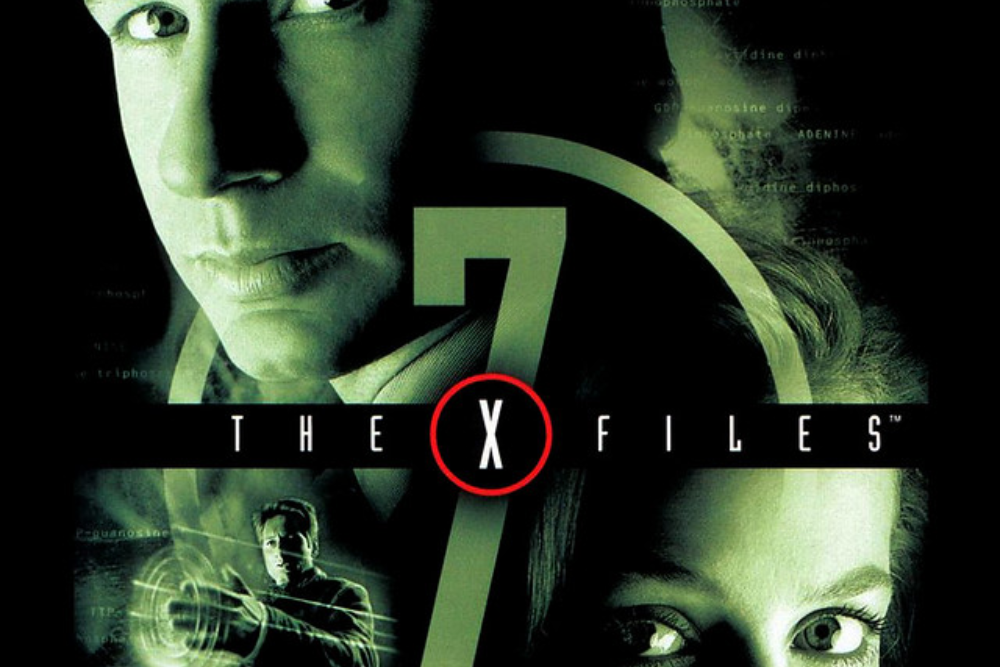
Fox initially marketed this series primarily as a procedural about FBI investigations into paranormal phenomena, with early promotions heavily focused on monsters and aliens. While these elements remained important, the show’s popularity exploded when audiences connected with the complex relationship between skeptic Dana Scully and believer Fox Mulder.
Their partnership, along with growing mythology arcs about government conspiracies, transformed the series from a cult favorite to a mainstream hit that ran for nine seasons and spawned two movies, with viewers tuning in as much for character development as for supernatural mysteries.
It’s Always Sunny in Philadelphia
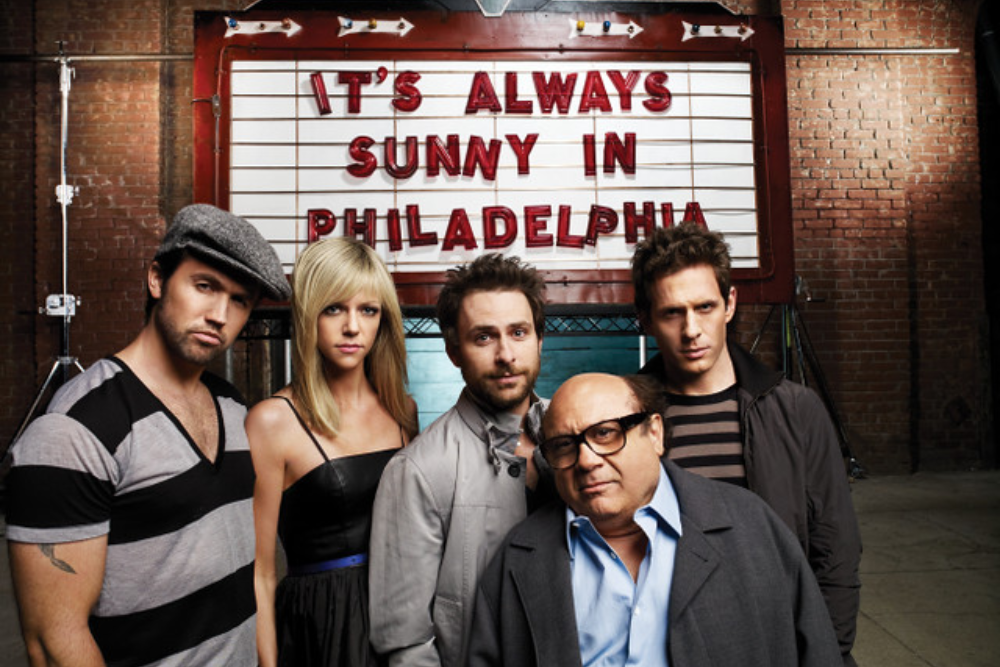
FX originally positioned this comedy as a smaller-scale, edgier version of Seinfeld, focusing on the selfish hijinks of its core group. Early marketing failed to capture the show’s unique brand of dark comedy and satire.
The addition of Danny DeVito in season two helped broaden its appeal. Still, the series didn’t find widespread recognition until later seasons when viewers began to appreciate its willingness to tackle controversial topics through the lens of its deliberately terrible protagonists.
Now the longest-running live-action comedy series in American television history, it has built a devoted following that appreciates its unique voice.
Like Go2Tutors’s content? Follow us on MSN.
Better Call Saul
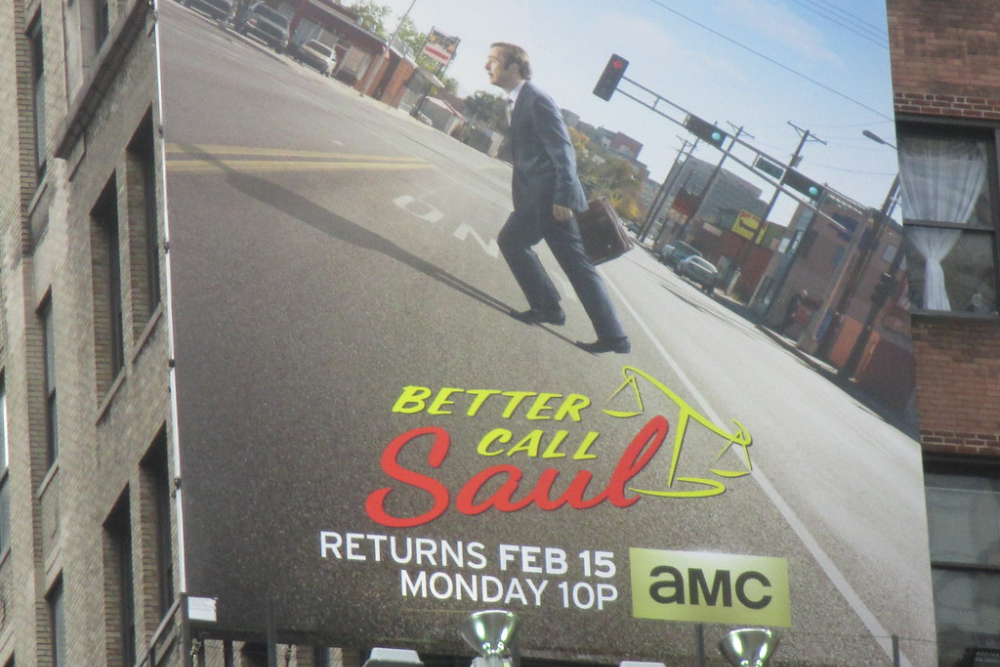
AMC initially presented this Breaking Bad prequel as a lighter spin-off focused on the comedic elements of Bob Odenkirk’s sleazy lawyer character. Early promotions emphasized humor and connections to its predecessor rather than the character study it would become.
The show started slowly, with some Breaking Bad fans disappointed by its methodical pacing and focus on Jimmy McGill’s pre-Saul Goodman life. As the series progressed, however, it developed into an acclaimed drama in its own right, with many critics ultimately ranking it alongside—or even above—the series that inspired it.
The Twilight Zone

Looking beyond recent examples, even this classic anthology series faced branding challenges when it premiered in 1959. CBS initially marketed it as a straightforward science fiction and horror program during an era when those genres were considered suitable primarily for children.
Creator Rod Serling had to convince the network that his show was actually using fantastical elements to explore serious social and philosophical issues. Once viewers recognized the sophisticated storytelling beneath the supernatural trappings, the show became a cultural touchstone that has influenced generations of filmmakers and television creators.
Finding Their True Identity
Television history repeatedly shows us that initial impressions can be misleading. Many of the shows we now consider groundbreaking classics struggled against misconceptions created by their own networks and marketers.
The transformation from misunderstood outliers to beloved successes often came when creators were allowed to embrace their authentic vision rather than conform to conventional expectations. These 15 examples remind us that sometimes the most innovative and enduring television comes from shows that refuse to be easily categorized or branded.
Like Go2Tutors’s content? Follow us on MSN.
More from Go2Tutors!

- 18 Unexpectedly Valuable Collectibles You Might Have Lying Around
- 20 Little-Known Historical Battles That Had Huge Consequences
- 20 Historical Artifacts That Scientists Can’t Explain
- 15 Inventions That Were Immediately Banned After Being Created
- 20 Actors Who Were Almost Cast in Iconic Roles
Like Go2Tutors’s content? Follow us on MSN.