15 bizarre accessories from the 1800s
The 19th century was filled with progress, invention, and style that often crossed into the downright peculiar. While people today might picture the 1800s as a world of stiff collars and flowing gowns, the accessories of the era reveal just how inventive—and sometimes odd—Victorian fashion could be. Many of these items were practical, others were decorative, and a few were simply baffling. Yet all of them tell a story about what people valued and feared at the time.
Here is a list of 15 bizarre accessories from the 1800s that highlight the quirks, creativity, and eccentricity of the century’s fashion landscape.
Ear trumpet

Long before sleek hearing aids, those with hearing loss often carried ear trumpets. These cone-shaped devices amplified sound, though they weren’t subtle—people carried them tucked under the arm or hung from a ribbon. It looked a bit like listening through a tiny megaphone.
Memento mori jewelry
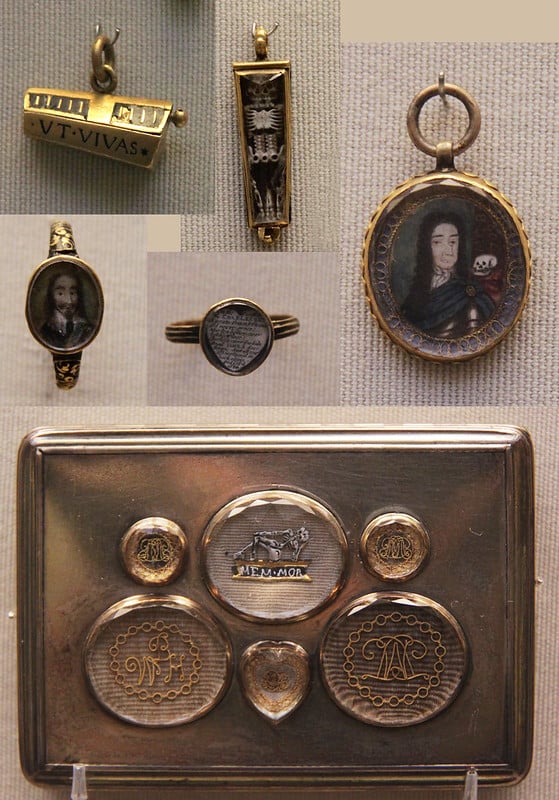
Death was not hidden away in Victorian life, and mourning inspired a whole category of fashion. Jewelry made from braided human hair or featuring tiny skull motifs became treasured keepsakes. Strange to modern eyes—yet deeply sentimental at the time.
Chatelaine

Practical but elaborate, the chatelaine was a decorative hook worn at the waist with chains that held keys, scissors, thimbles, and even watches. Think of it as the ultimate 19th-century multitool, dangling with rattling trinkets at every step.
Crinoline cage

Hoop skirts grew so wide that lightweight steel or whalebone cages were used underneath to hold their shape. They made a dramatic silhouette—sometimes so large that women struggled to pass through doorways. Style over comfort, without question.
Smelling salts vial

Fainting was almost fashionable, and many carried small vials of smelling salts tucked into ornate cases. A whiff of ammonium carbonate promised to revive someone swooning under tight corsets or the heat of a crowded ballroom.
Bustle pad
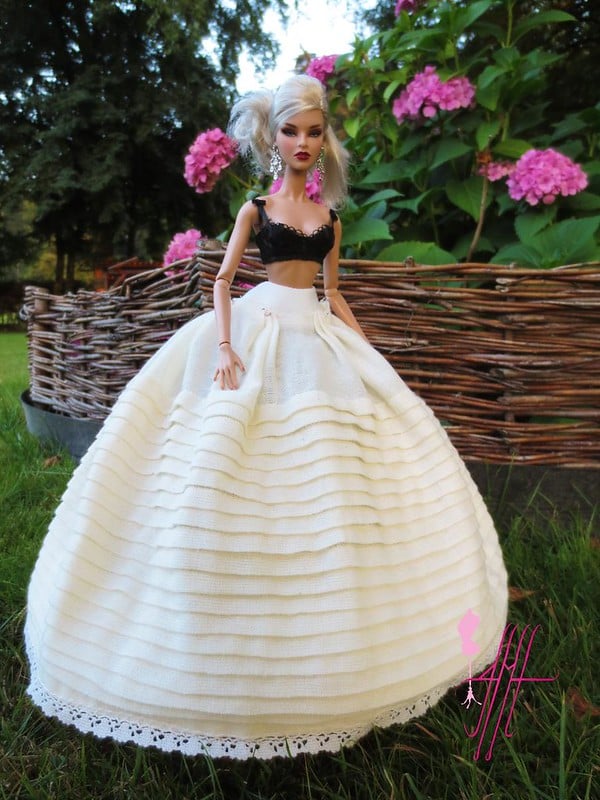
When crinolines fell out of favor, bustles took their place. These padded structures tied at the waist exaggerated the rear profile of a dress. A curious choice—fashion quite literally shifted shape.
Parasol

More than shade, parasols were status symbols. Ladies carried lace-trimmed parasols to protect pale skin, seen as a sign of refinement. Painted designs and carved handles added flair, though on windy days they were more nuisance than shield.
Mourning veil
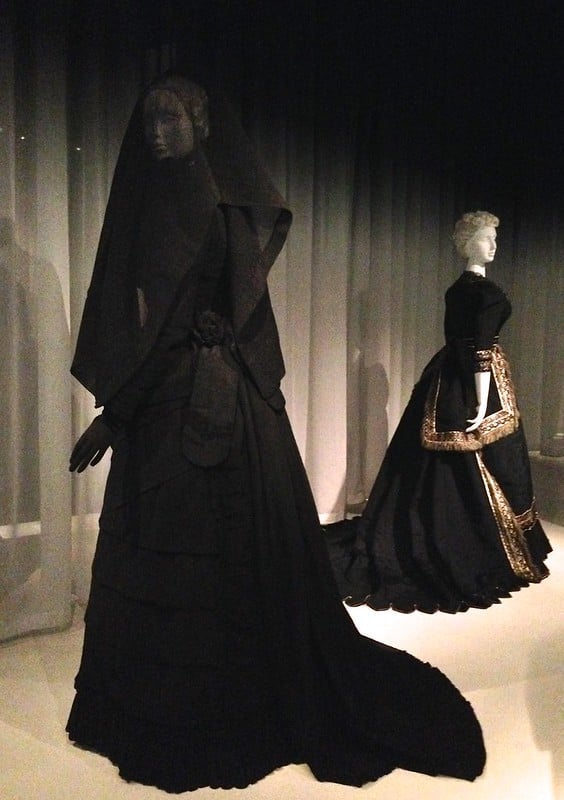
For months—or even years—after a loved one’s death, women wore heavy black veils made of crepe. The fabric obscured the face and made daily life challenging, yet society demanded strict adherence to mourning etiquette.
Tooth key

Dental tools were a nightmare, and the tooth key proves it. Shaped like a door key with a claw, it was used to yank teeth in a single brutal twist. Effective, but hardly elegant.
Quizzing glass

Part magnifier, part fashion statement, the quizzing glass hung from a chain and was lifted to the eye to inspect details—or people. It wasn’t just for vision; it was a subtle way to show authority, even superiority, in conversation.
Snuff box

Taking snuff, or powdered nicotine, was a widespread habit, and finely crafted snuff boxes became status objects. These tiny containers were often made of gold, enamel, or ivory—luxuries designed for a messy indulgence.
Fichu
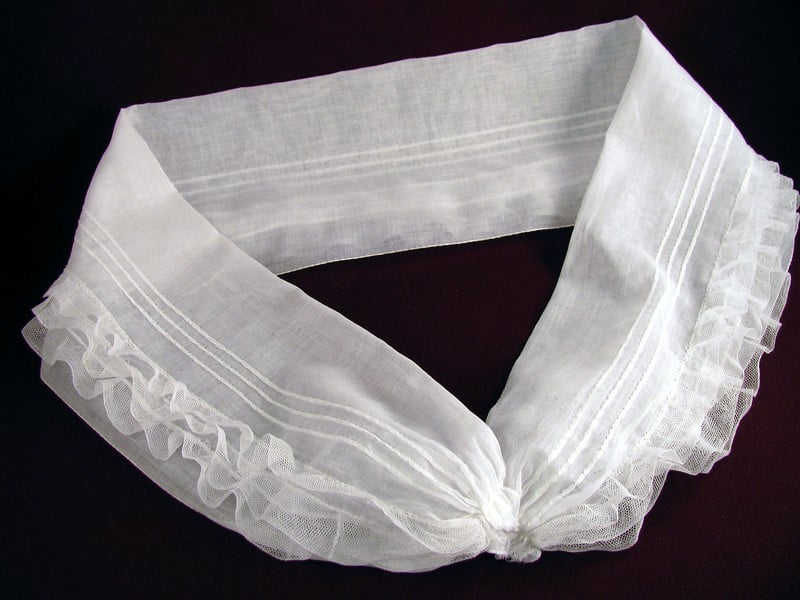
A fichu was a delicate scarf or shawl worn around the shoulders and tucked into the bodice. It softened low necklines, adding modesty, though lace versions could be just as daring as they were demure.
Pomander
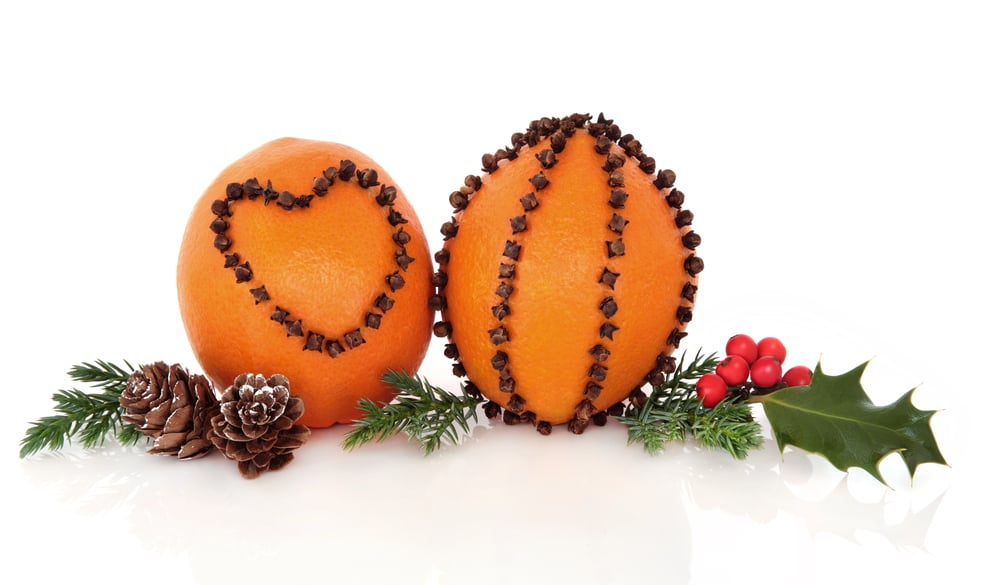
Perfume wasn’t always enough to mask city odors, so people carried pomanders—small, often ornate orbs filled with herbs and spices. Held close to the nose, they were a fragrant defense against foul air and disease.
Bonnet veil

Unlike mourning veils, bonnet veils were light and decorative. Draped over bonnets, they shielded the face from dust and sun while adding an air of mystery. A touch impractical, but undeniably dramatic.
Muff

A cylindrical pouch of fur or fabric, the muff was used to keep hands warm. It doubled as a statement piece—some so large they looked almost comical, yet no winter wardrobe was complete without one.
Fashion echoes today
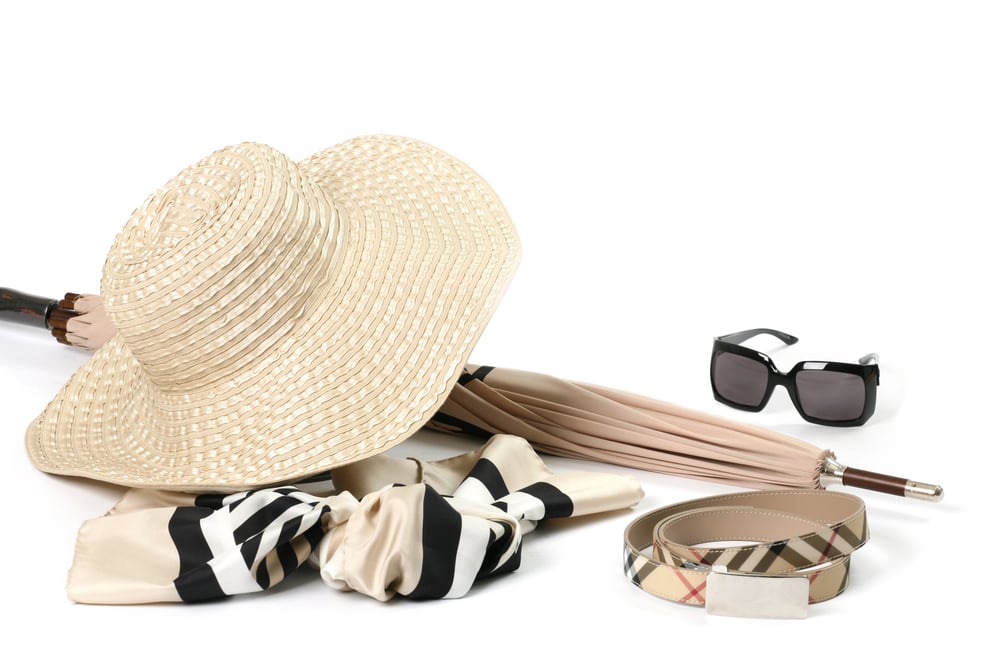
Looking back, these accessories may seem quirky, extravagant, or downright strange, but they reveal how closely fashion is tied into daily life and social expectations. Many were born of necessity, while others sprang from mourning customs or vanity. Some, like parasols or chatelaines, were practical tools wrapped in beauty. Others, like the tooth key, remind us just how far technology has come. Together, they show that fashion has always walked the line between utility and spectacle—sometimes tipping more heavily toward the bizarre.
More from Go2Tutors!

- 16 Historical Figures Who Were Nothing Like You Think
- 12 Things Sold in the 80s That Are Now Illegal
- 15 VHS Tapes That Could Be Worth Thousands
- 17 Historical “What Ifs” That Would Have Changed Everything
- 18 TV Shows That Vanished Without a Finale
Like Go2Tutors’s content? Follow us on MSN.