17 Baffling Mysteries About the Moon
You look up at the moon almost every night, but how much do you really know about it? Scientists have been studying Earth’s closest neighbor for centuries, and despite sending astronauts there and analyzing countless samples, some things still don’t add up.
The moon keeps its secrets well. These mysteries range from ancient puzzles that have stumped researchers for generations to recent discoveries that raise more questions than they answer.
Some challenge what we thought we knew about planetary formation. Others suggest the moon behaves in ways we can’t fully explain.
The Moon Rings Like a Bell

When Apollo astronauts crashed equipment into the lunar surface, something strange happened. Seismometers placed on the moon detected vibrations that lasted for hours.
The moon rang like a gong, continuing to reverberate long after the initial impact. Scientists expected the vibrations to dampen quickly, the way they do on Earth.
Instead, the moon kept shaking. Some tremors lasted over three hours.
This suggests the moon’s internal structure differs dramatically from what researchers initially predicted. The exact composition that creates this bell-like quality remains unclear.
Where Did All the Water Go?

Recent discoveries show that the moon contains far more water than scientists once believed. Ice hides in permanently shadowed craters near the poles. Water molecules cling to the surface in places you wouldn’t expect.
But here’s the puzzle: if the moon formed from a catastrophic collision between Earth and another planetary body, where did all this water come from? The early moon should have been molten, with any water boiling away into space.
The temperatures would have vaporized everything. Yet water persists. Some researchers think comets delivered it later.
Others propose the water somehow survived the moon’s violent birth. Neither explanation fully satisfies the evidence.
The Mystery of Lunar Swirls
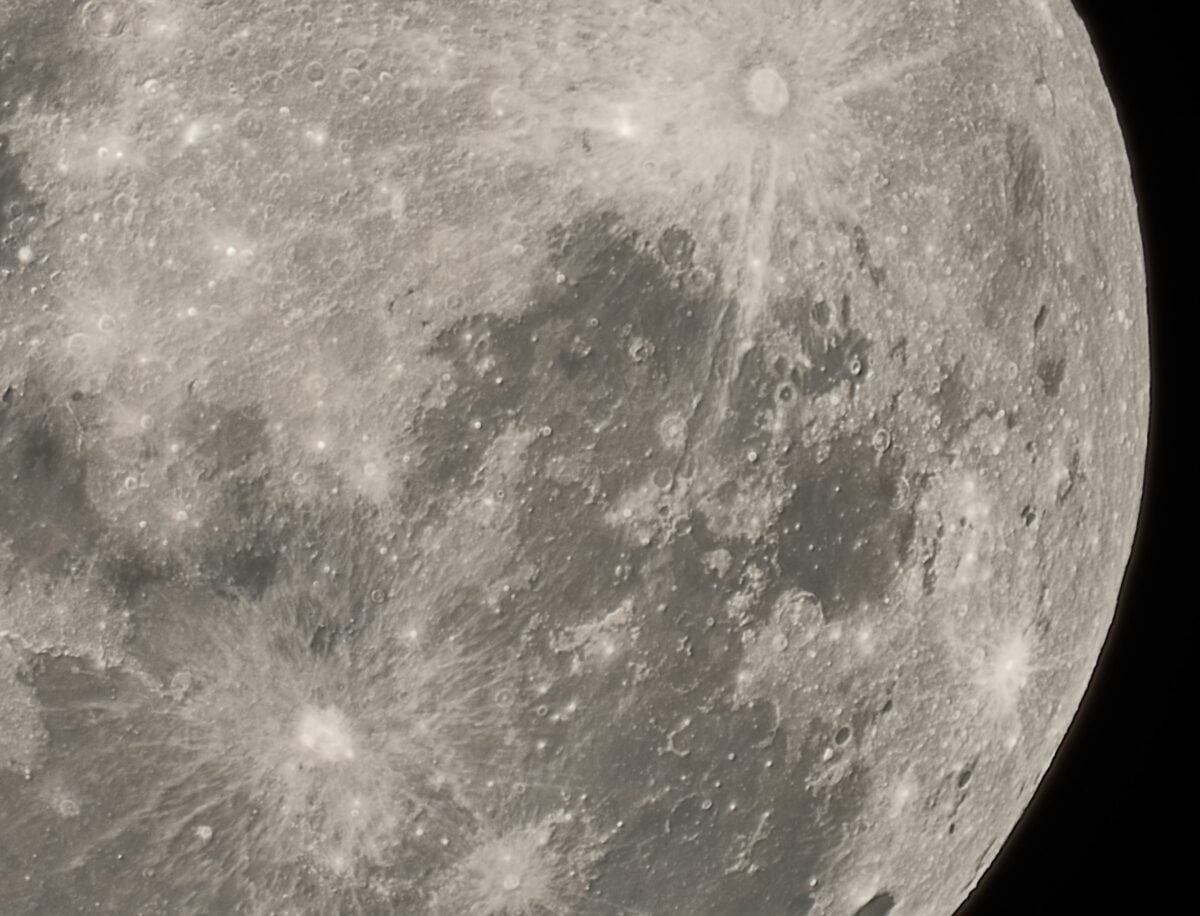
Strange, bright patterns snake across parts of the lunar surface. These swirls look like someone took a giant paintbrush and made flowing marks across the dark maria.
They reflect more sunlight than surrounding terrain, creating distinctive patterns visible from Earth. What makes them even stranger: they don’t correspond to any particular topography.
You’d expect these bright areas to mark ridges or young craters, but they don’t. They appear on flat plains with no obvious geological features to explain them.
Magnetic anomalies often coincide with these swirls, but scientists still debate whether the magnetism created the swirls or vice versa. The patterns seem to protect the underlying surface from solar wind weathering.
But the mechanism remains unknown. Some propose ancient comets created them. Others think they formed from magnetic fields deflecting particles.
The swirls keep defying simple explanations.
The Uneven Mass Distribution
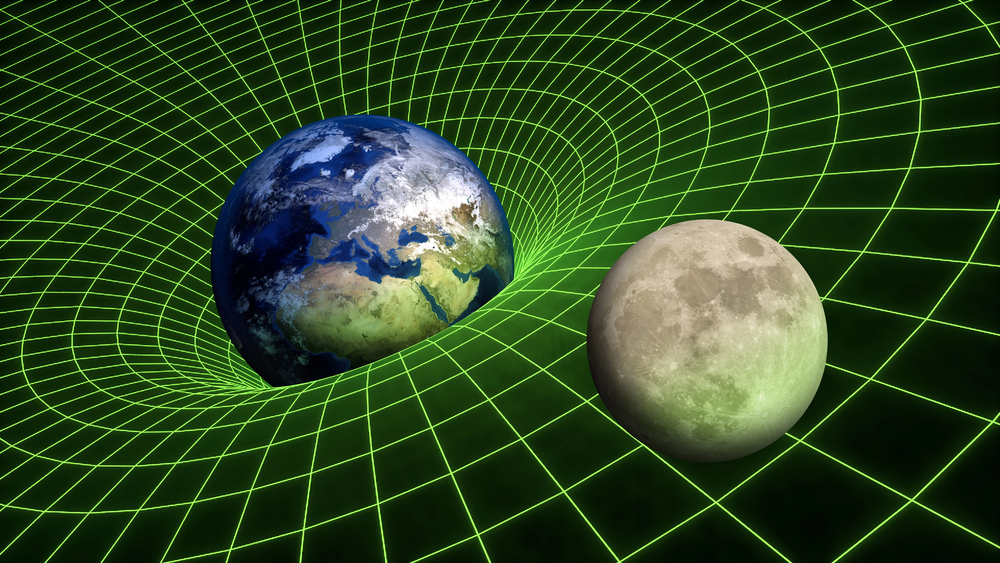
The moon’s center of mass sits about two kilometers closer to Earth than its geometric center. This asymmetry affects everything from the moon’s orbit to its rotation.
But nobody knows why it exists. You’d expect a natural satellite to have relatively even mass distribution.
The moon doesn’t follow this rule. Its far side has a thicker crust than the near side. Giant impact basins exist on one hemisphere but not the other.
Something disrupted the moon’s normal formation pattern.
Those Impossibly Ancient Rocks
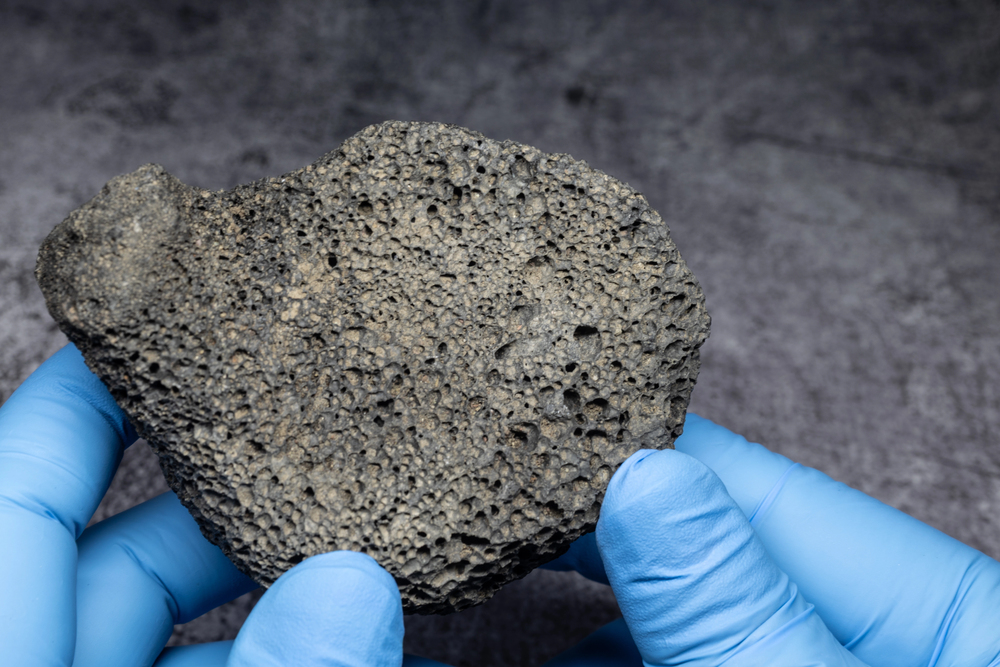
When astronauts brought lunar samples back to Earth, geologists got a shock. Some rocks were older than anything found on Earth.
We’re talking about samples dating back 4.5 billion years, to the very formation of the solar system. But here’s what doesn’t make sense: if the moon formed from a collision with Earth, how did it end up with rocks older than our planet’s oldest specimens?
The collision should have melted everything, resetting the geological clock. Yet these ancient rocks exist, seemingly predating the event that created the moon itself.
The Transient Lunar Phenomena
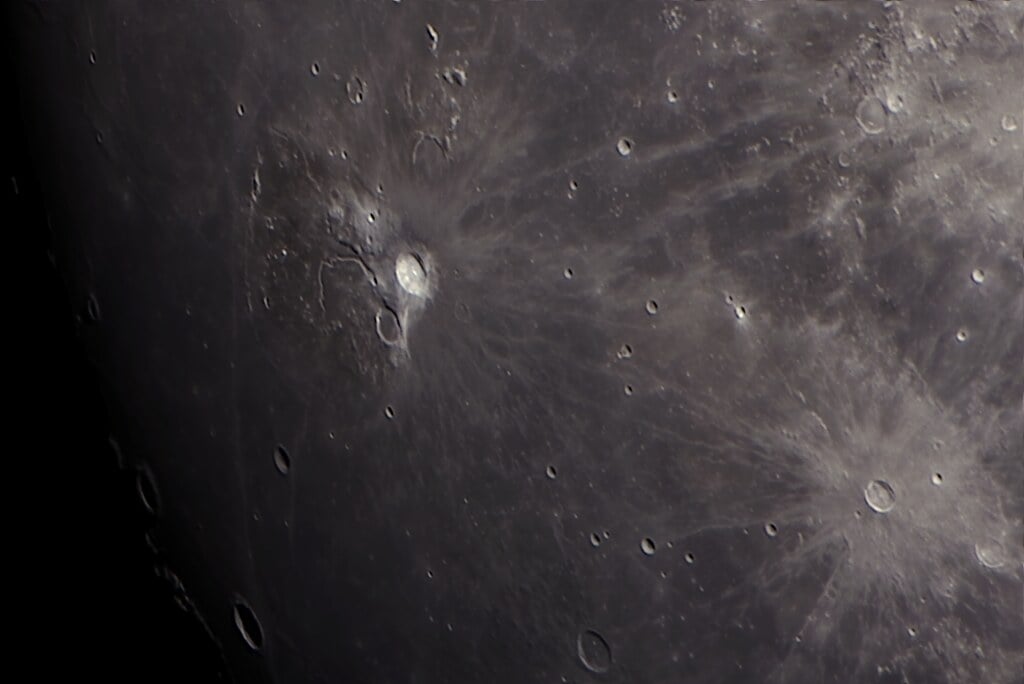
For centuries, observers have reported seeing lights, flashes, and colored glows on the moon. These events appear randomly, lasting from seconds to hours.
Some areas experience them more frequently than others. Scientists call them the Transient Lunar Phenomena, or TLP.
The observations come from credible sources, including professional astronomers. Yet capturing them remains difficult.
They don’t follow predictable patterns. Some researchers think they result from gas escaping the surface. Others propose electrostatic dust levitation.
A few wonder if they’re just Earth’s atmosphere playing tricks. What makes TLP frustrating is the lack of hard data.
Modern automated telescopes sometimes catch them, but analysis proves difficult. The moon might be actively releasing gases, or these events might be optical illusions.
Both explanations have problems.
The Bulge That Shouldn’t Exist
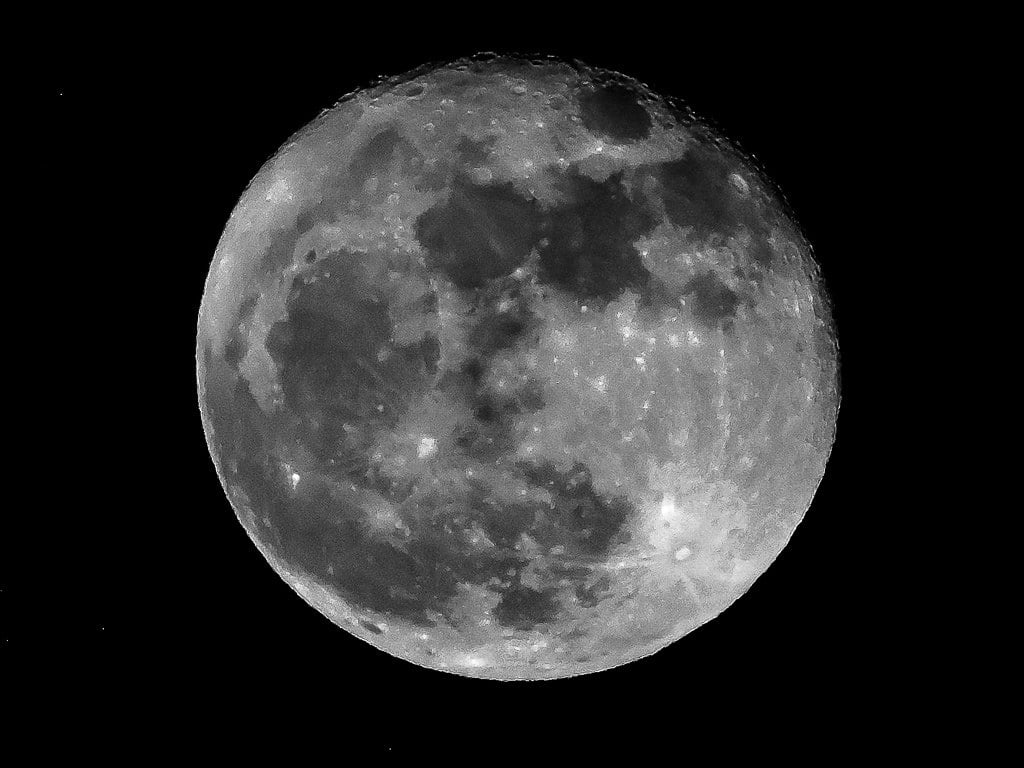
The moon has a permanent tidal bulge pointing toward Earth. This makes sense given gravitational forces. But the bulge is frozen in place, locked into solid rock.
When the moon’s interior was molten, tidal forces shaped it. As it cooled, the bulge solidified.
Here’s the problem: calculations show the moon should have been too far from Earth when it solidified for tidal forces to create such a pronounced bulge. The math doesn’t work.
Either the moon was once much closer to Earth than models suggest, or some other mechanism created the bulge.
Why Is One Side So Different?
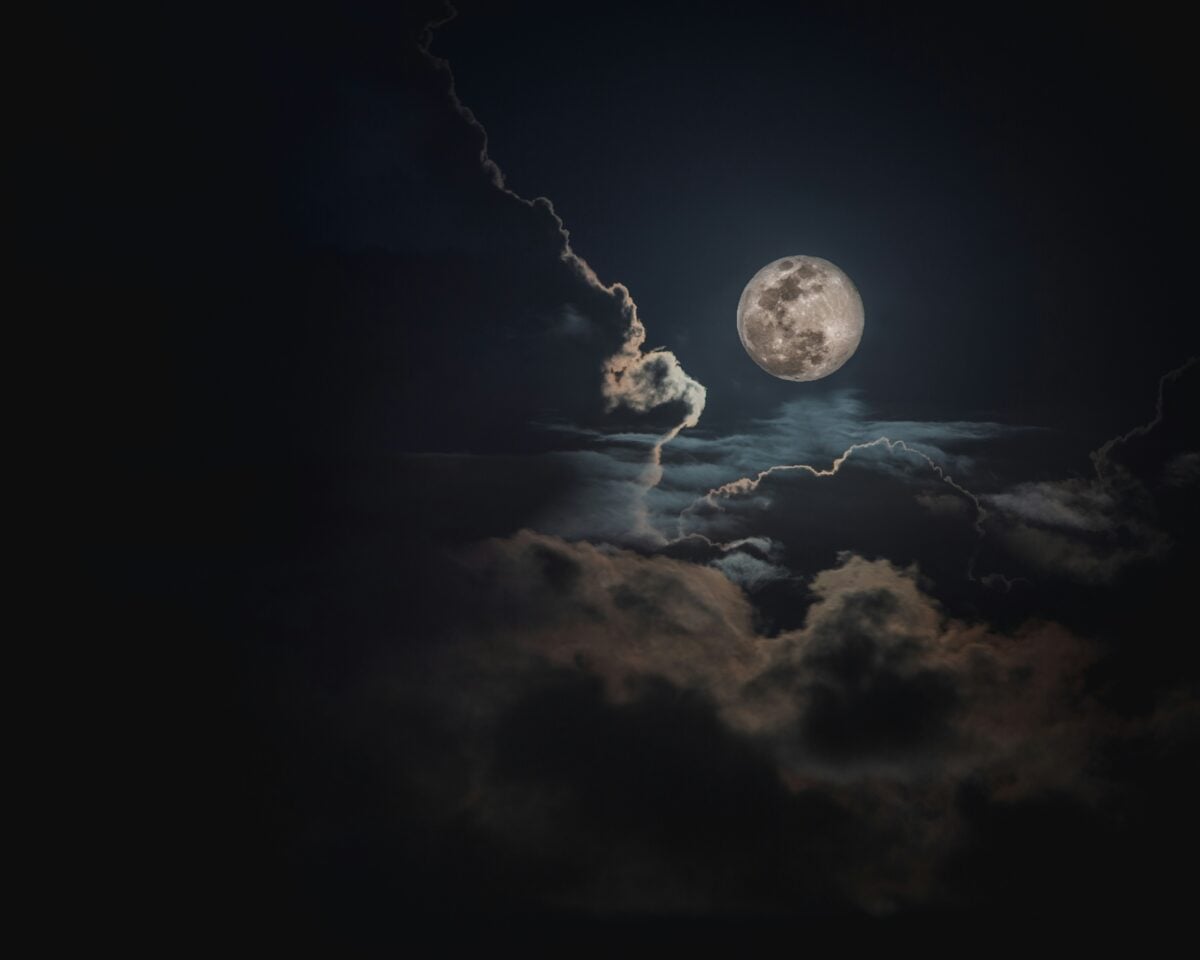
Stand on the moon and look up at Earth. You’ll always see it in the same spot in the sky.
The moon keeps one face permanently toward our planet, a phenomenon called tidal locking. But the two hemispheres look completely different from each other.
The near side has dark maria formed from ancient lava flows. The far side is heavily cratered with almost no maria at all.
The crust thickness varies dramatically between the two hemispheres. One hemisphere seems to have experienced fundamentally different geological processes than the other.
Scientists have proposed various explanations. Maybe a second moon crashed into the far side billions of years ago.
Perhaps the near side’s thinner crust allowed more volcanic activity. Or maybe something about facing Earth created the difference.
None of these theories fully accounts for all the observations.
The Missing Magnetic Field
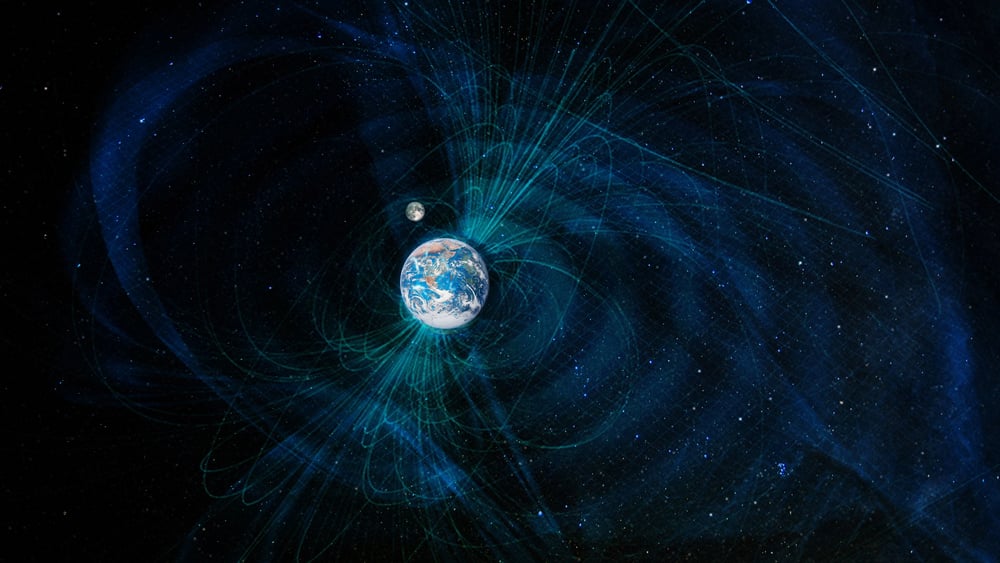
Earth has a protective magnetic field generated by its molten iron core. The moon doesn’t.
It has no global magnetic field today. But rocks brought back by Apollo missions tell a different story.
Ancient lunar rocks contain magnetized minerals. Something gave them magnetic properties billions of years ago. The moon must have had a magnetic field in its distant past, probably generated by a liquid core.
But small bodies like the moon shouldn’t maintain molten cores long enough to create the magnetic signatures found in these rocks. The field disappeared somehow. When and why remains unclear.
The moon’s core might have frozen faster than expected, or perhaps it never worked the same way Earth’s core does. Scattered magnetic anomalies across the surface hint at a complex history researchers are still piecing together.
The Titanium Abundance
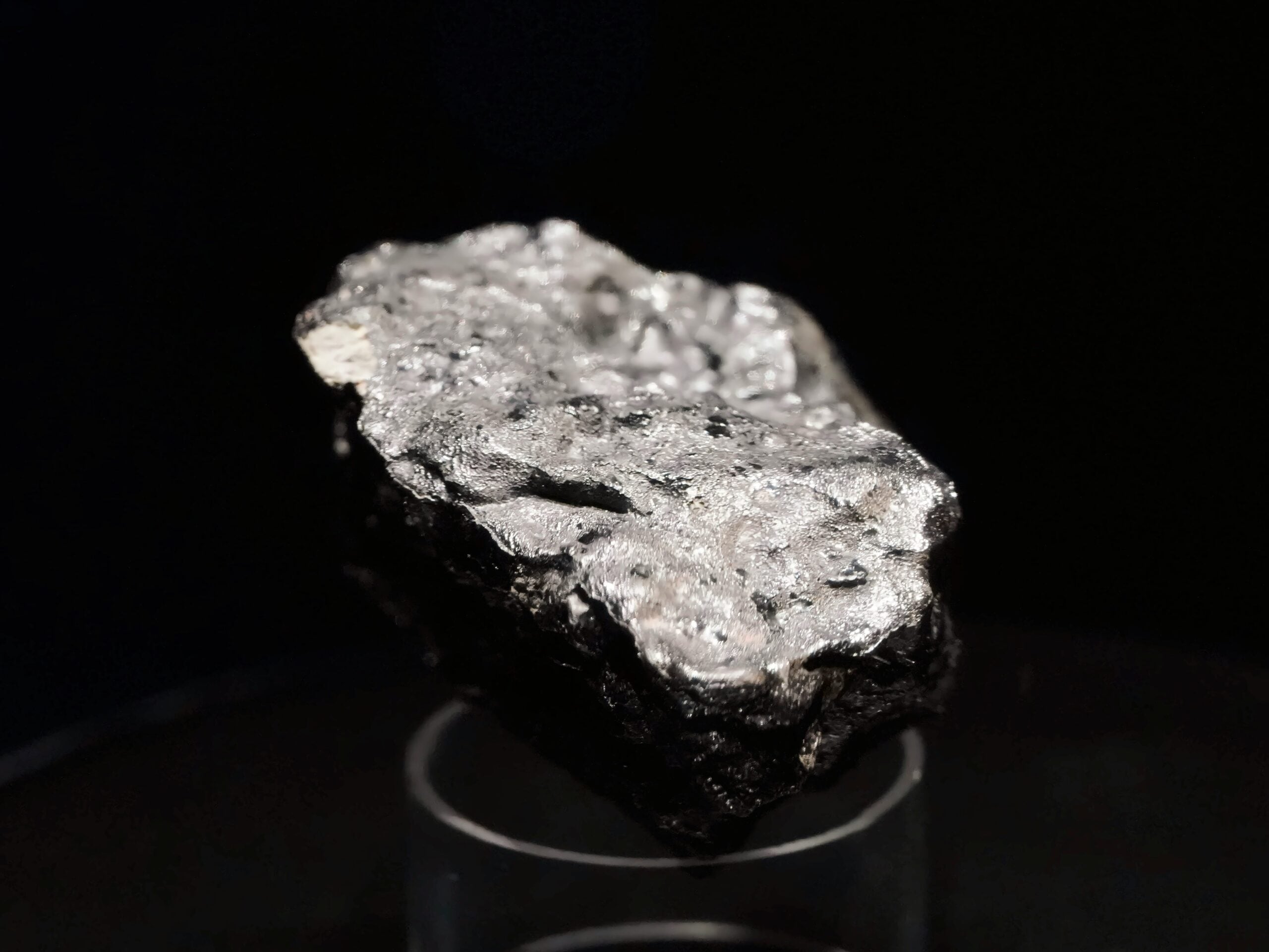
The moon contains unusually high concentrations of titanium, particularly in the dark maria. Some lunar samples have titanium levels ten times higher than comparable rocks on Earth.
This element should be rare on a small body like the moon. Planetary formation models struggle to explain this abundance.
If the moon formed from Earth material thrown off during a giant impact, it should have similar elemental composition to our planet’s mantle. It does for most elements, but not titanium.
The enrichment suggests something unusual happened during the moon’s formation or early history.
Those Mysterious Mascons
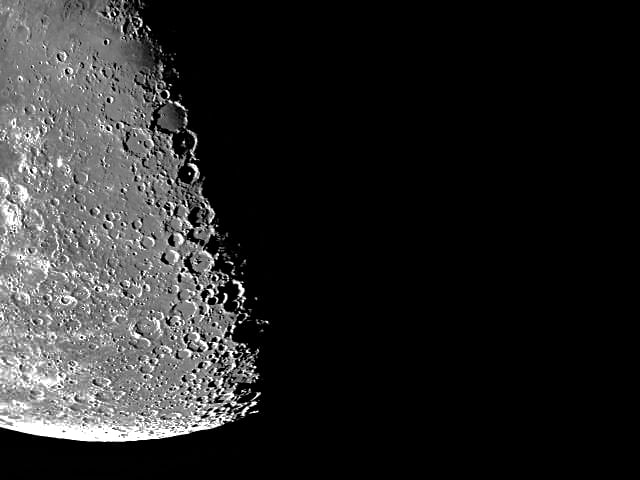
Gravity doesn’t distribute evenly across the moon’s surface. Concentrated pockets of dense material create regions of higher gravitational pull.
Scientists call them mascons, short for mass concentrations. These mascons sit beneath major impact basins.
When meteors slammed into the moon billions of years ago, they apparently left behind unusually dense material. But the details don’t quite add up.
The mascons are denser than they should be just from compressed rock. Something else must contribute to the mass concentrations.
They affect spacecraft orbits significantly. Satellites circling the moon drift off course because of these gravitational anomalies.
Understanding them matters for future missions, but explaining how they formed in the first place remains tricky.
The Moon’s Odd Orbit
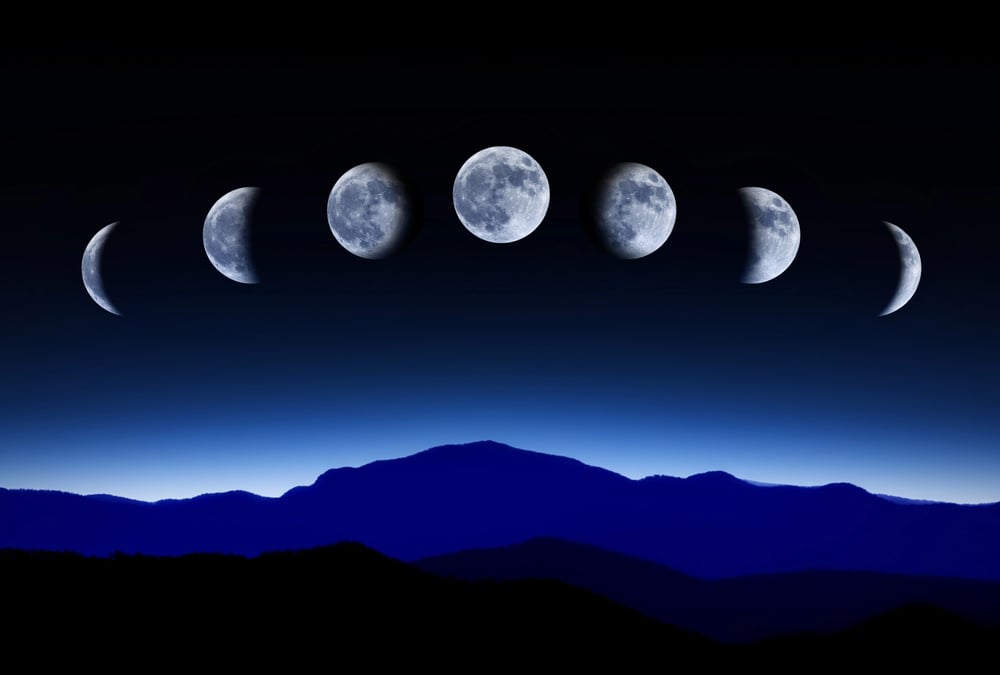
The moon’s orbit around Earth isn’t quite circular. It follows an elliptical path, sometimes coming closer, sometimes moving farther away.
This eccentricity seems small but has measurable effects. What puzzles astronomers is how the orbit acquired and maintains this shape.
Tidal interactions with Earth should have circularized the orbit over time. Instead, it remains noticeably elliptical.
Something keeps pumping energy into the orbital eccentricity, but identifying that something proves difficult. The orbit also tilts relative to Earth’s equator.
This tilt varies over time in complex ways influenced by the sun, Earth, and the moon’s own gravity. But the full dynamics still contain surprises that pop up in detailed calculations.
Why Does It Have So Much Aluminum?

Lunar soil contains high levels of aluminum oxide, more than you’d expect from standard planetary formation. The bright highland rocks get their color partly from aluminum-rich minerals.
This abundance creates another compositional puzzle. Aluminum should have been distributed differently during the moon’s formation.
Heavy elements sink while lighter ones float in molten rock. But aluminum’s distribution across the moon doesn’t match simple models.
Either the moon’s formation was more complex than standard theories suggest, or something redistributed elements after the fact.
The Radon Mystery
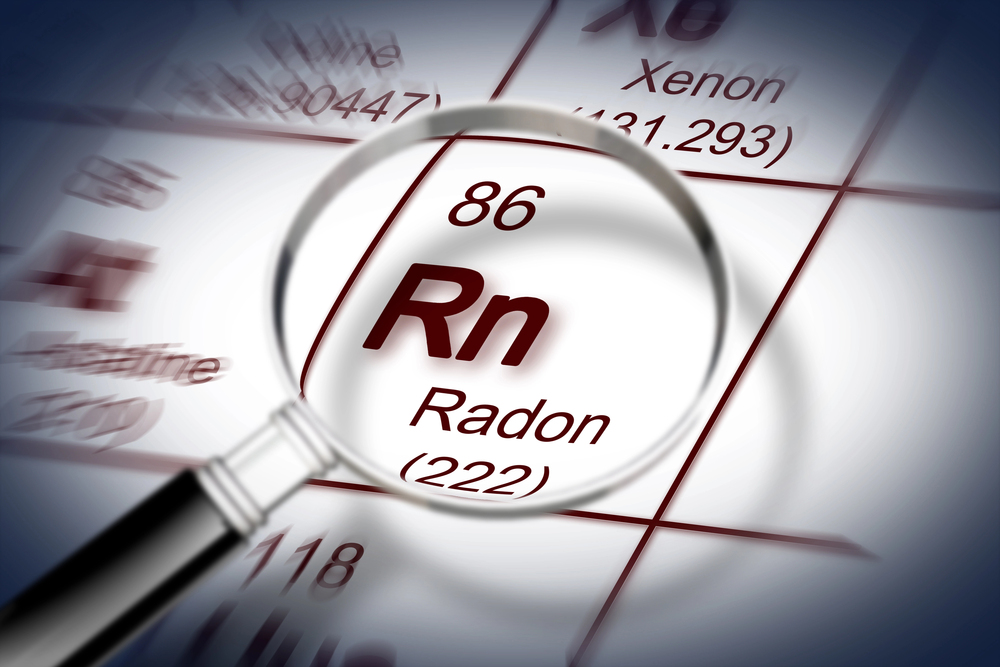
Instruments have detected radon gas escaping from the lunar surface. Radon forms when radioactive elements decay. Its presence means the moon contains uranium and thorium, which break down over time, releasing radon as a byproduct.
But radon is a noble gas.
It doesn’t react with other elements and should escape into space easily. Yet it appears in concentrations higher than predictions suggest.
Either the moon’s interior contains more radioactive material than expected, or some mechanism concentrates and releases the radon in ways researchers don’t fully understand.
Those Strange Crater Distributions
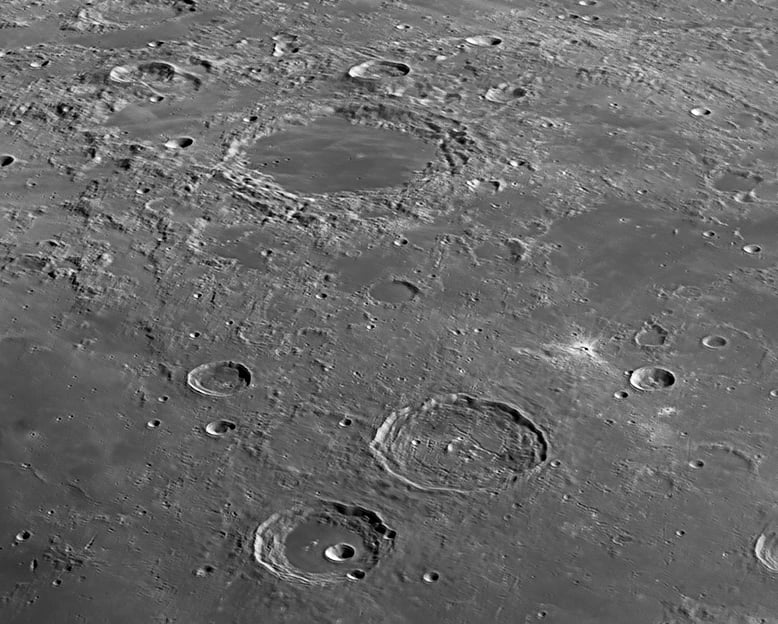
Craters cover the moon, recording billions of years of impacts. But they don’t distribute randomly.
Some regions have far more craters than others, even accounting for age differences in the surface. Scientists expected impact patterns to vary somewhat, but the actual distribution seems too uneven.
Large craters on the far side outnumber those on the near side disproportionately. Something about the moon’s orientation or structure apparently influences where and how often impacts occur.
Smaller craters show different patterns than large ones. The smallest craters concentrate in unexpected places.
These distribution anomalies suggest multiple factors affect impact rates across the lunar surface.
The Thermal Mystery
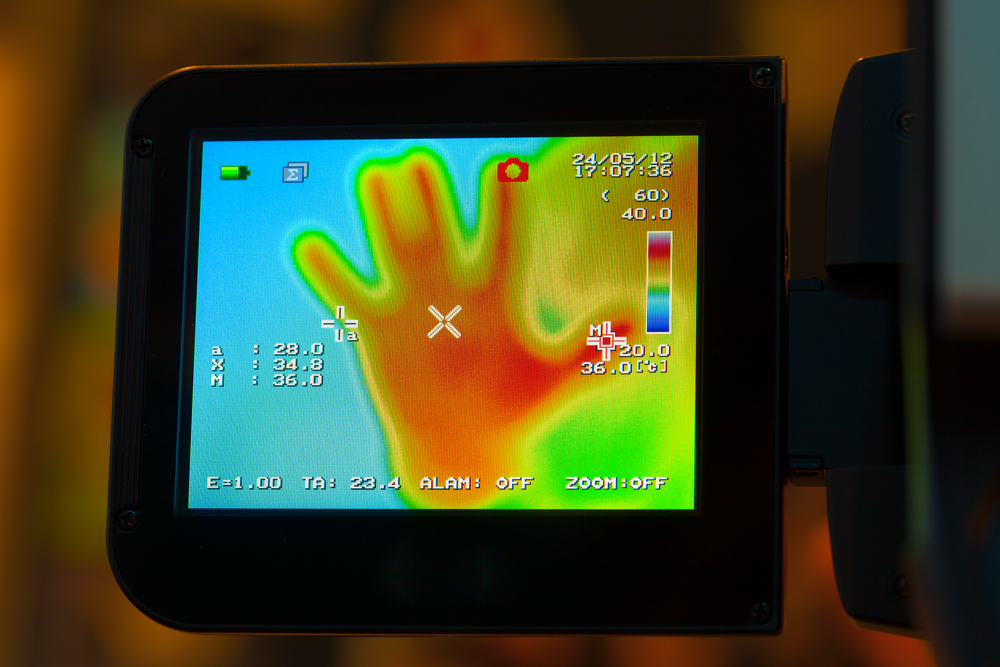
The moon’s interior retains heat longer than it should. Seismic data and heat flow measurements indicate the moon’s core might still be partially molten.
For a small body that should have cooled billions of years ago, this warmth poses a problem. Radioactive decay generates some heat, but probably not enough to keep parts of the core liquid for 4.5 billion years.
The moon lacks the gravitational compression that keeps Earth’s core hot. Yet temperatures deep inside remain higher than simple cooling models predict.
Something about the moon’s interior composition or structure slows heat loss. Identifying what exactly that something is would help explain not just lunar thermal history, but planetary cooling in general.
The Glass Beads
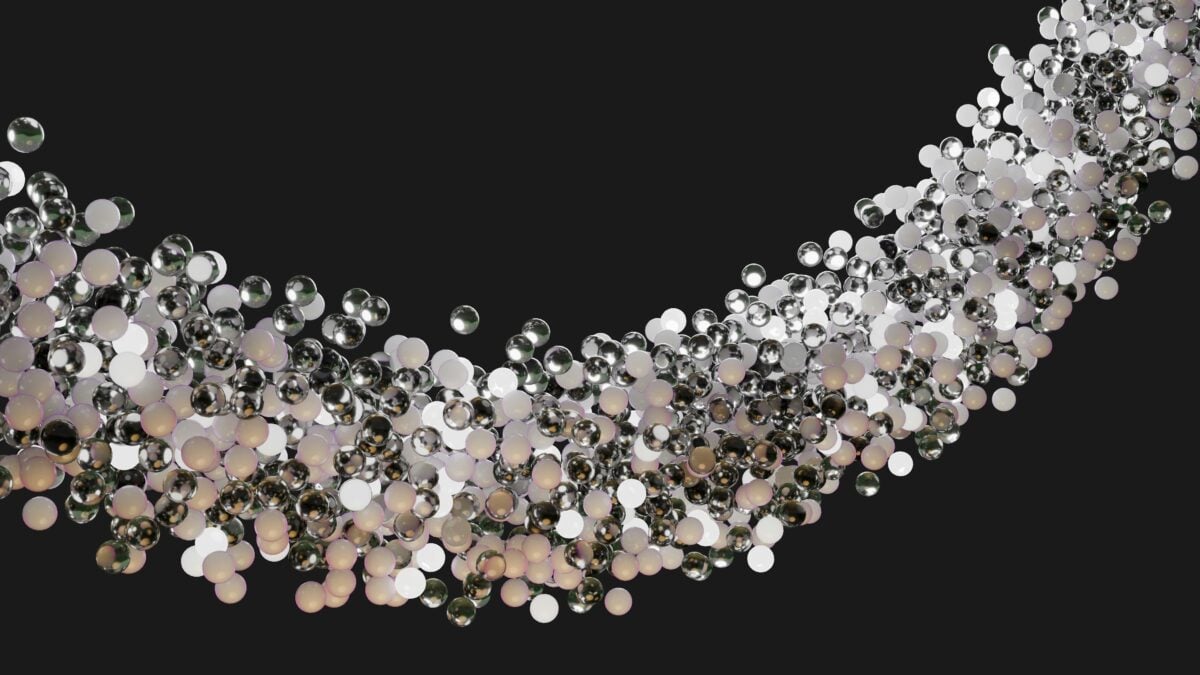
Apollo moonwalkers spotted little glass orbs lying around on the Moon’s ground. When space rocks smash into stone, heat melts it – then blobs cool fast mid-air.
Sure, that checks out. Yet how many there are – and where they’re spread – is still puzzling. The huge count of tiny glass beads catches scientists off guard.
While crashes can make a few, this much points to extra collisions – or another way they’re forming. A bunch have strange mixes inside that don’t line up with nearby stuff.
A new look spotted moisture tucked within tiny glass orbs. Liquid in melted rock sounds wild – heat should’ve wiped it out.
Still, here it sits, sealed up in minuscule droplets flung far and wide eons back.
Reflections in the Darkness
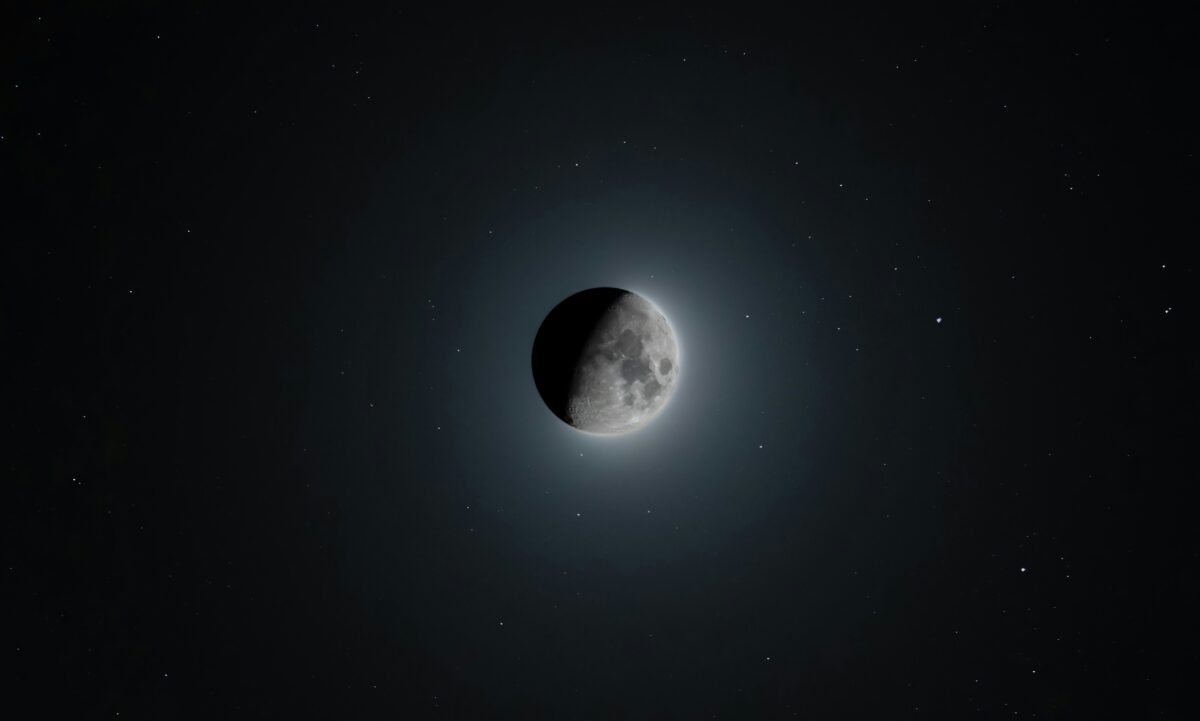
The moon’s about 240,000 miles out, soaked in sunbeams along with space rays. You’re familiar with its craters and dark plains – seen ‘em a ton.
Yet whenever researchers take a sharper peek, surprise features pop up. These puzzles don’t prove the Moon can’t be understood.
Instead, they show it’s trickier than we first thought. Solving one riddle brings up another. Every solution leads into fresh territory.
The moon gives hints about Earth’s distant past, also how worlds like ours come together, along with the chaotic events that built our solar system. Figuring out these puzzles isn’t just about feeding wonder – it ties into deeper ideas on human origins and how space around us runs.
Up above, the moon stays quiet, holding tight to stories it hasn’t told yet.
More from Go2Tutors!

- The Romanov Crown Jewels and Their Tragic Fate
- 13 Historical Mysteries That Science Still Can’t Solve
- Famous Hoaxes That Fooled the World for Years
- 15 Child Stars with Tragic Adult Lives
- 16 Famous Jewelry Pieces in History
Like Go2Tutors’s content? Follow us on MSN.