Most Protected People Alive
Some people need protection that goes far beyond what you or anyone you know will ever require. Their security details cost millions of dollars annually.
Hundreds or even thousands of personnel dedicate their careers to keeping these individuals safe. The threat level is real and constant. One wrong move could trigger an international crisis or change the course of history.
These aren’t just celebrities hiring bodyguards. These are world leaders, religious figures, and individuals whose safety matters to entire nations.
Their protection involves layers of security so complex that most people can’t begin to imagine what goes into a single public appearance.
Vladimir Putin’s Three Thousand Shadows
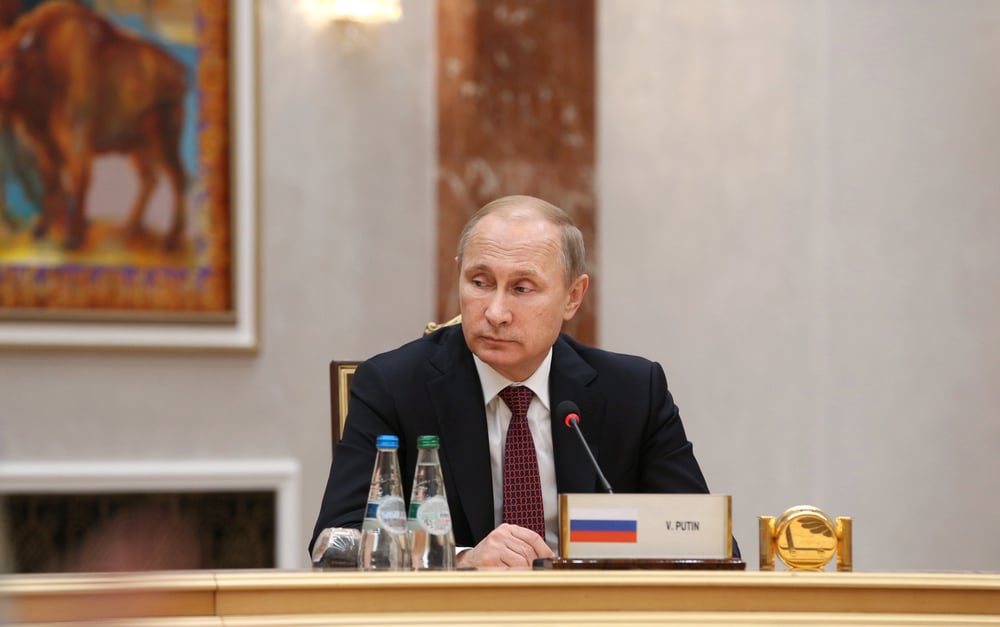
The Russian president maintains what many consider the most extensive personal security apparatus on the planet. Over 3,000 bodyguards work exclusively for his protection.
These aren’t just guards standing around looking intimidating. They form an elite force that collects intelligence on perceived threats, plans every detail of his movements, and maintains an extensive network of surveillance.
Putin frequently changes his travel routes and schedules. He uses decoys and reportedly employs body doubles.
His residences are heavily fortified bunkers connected by a secret underground railway system beneath Moscow. The Russian Federal Protective Service handles his security with a level of paranoia that reflects the real dangers he faces.
Every meal gets tested for poison. Every room gets swept for bugs and explosives. His motorcade includes armored vehicles capable of withstanding heavy weapons fire.
When Putin travels abroad, his security team arrives days in advance to establish safe zones and evacuation routes. Russian intelligence agencies work around the clock to identify potential threats before they materialize.
Kim Jong Un’s Hundred Thousand Guards

North Korea’s Supreme Leader commands the Supreme Guard Command, a force estimated at 100,000 personnel. That number dwarfs the security detail of any other living person.
The Supreme Guard Command operates as its own military branch with tanks, artillery, and missiles at its disposal. Recruiters visit North Korean high schools looking for candidates.
They need well-proportioned bodies without scars. Families must demonstrate impeccable loyalty to the party going back multiple generations.
Once selected, recruits receive an ID number while all other records vanish. Contact with family becomes forbidden for at least twelve years.
Training lasts two years and includes breaking granite slabs on your chest, crushing tiles with your head, and extensive martial arts. The commandos who run alongside Kim’s armored Mercedes during public appearances go through specialized fitness programs.
They train specifically for that task. The Supreme Guard Command also conducts surveillance on senior party and military officials.
Few North Korean elites escape their scrutiny. Beyond personal protection, they defend Pyongyang and secure key government buildings and arms factories.
They provide Kim’s chauffeur service, deliver documents, maintain IT infrastructure, and handle construction projects.
The Pope’s Renaissance Warriors
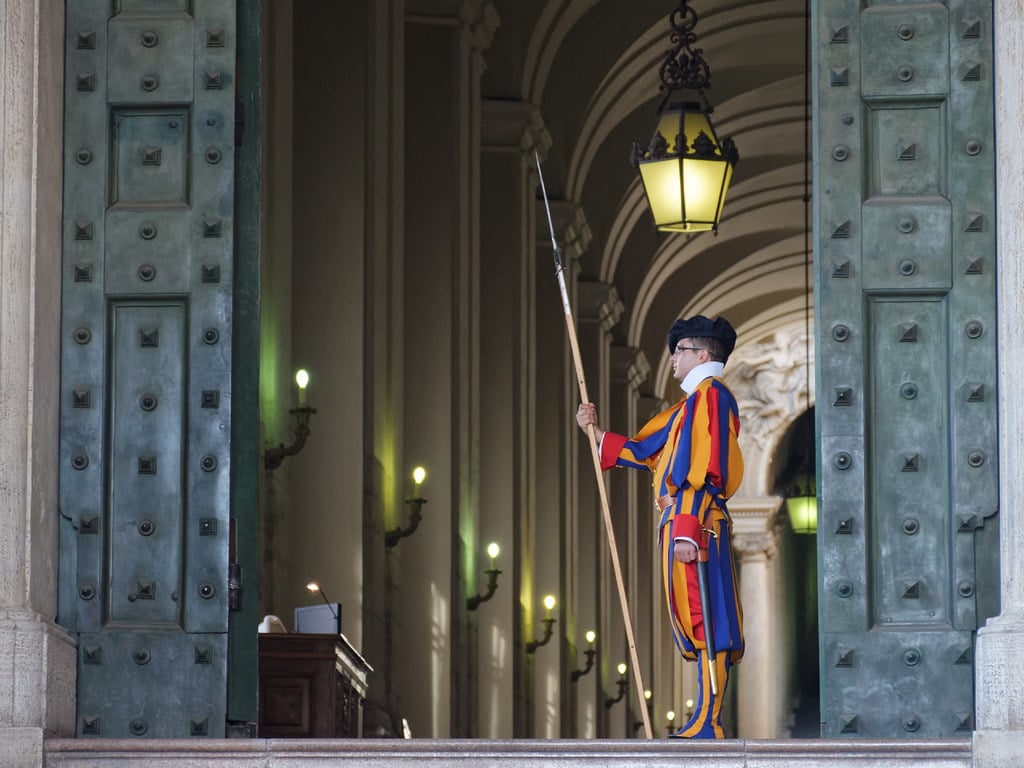
The Pontifical Swiss Guard protects the Pope with a force that dates back to 1506. These 135 guards wear Renaissance-era uniforms striped in red, blue, and yellow.
But don’t let the ceremonial appearance fool you. They train in counterterrorism, close-quarters combat, bomb disposal, and hostage rescue.
Candidates must be unmarried Catholic Swiss men between 19 and 30 years old. They need to stand at least 5 feet 8.5 inches tall.
They must complete Swiss military basic training and hold a professional diploma or high school degree. Competition for positions runs intense because the Swiss Guard represents an elite military unit.
The assassination attempt on Pope John Paul II in 1981 changed everything. Before that day, the Swiss Guard served mostly ceremonial functions.
After a gunman shot the Pope in St. Peter’s Square, the Guard placed much greater emphasis on real security work. They now carry modern firearms alongside their traditional halberds.
They train with the Swiss Armed Forces on tactical operations. The Pontifical Gendarmerie, a 130-member police force, assists with Vatican security.
Together these forces protect the Pope at home and during international travels. When Islamic State issued threats against the Vatican in 2015, Italian authorities collaborated with Vatican officials to improve defenses against drone attacks and other modern threats.
On May 6, 1527, during the Sack of Rome, 147 Swiss Guards died defending Pope Clement VII. The modern guard holds its swearing-in ceremony on that date every year. New recruits swear to faithfully serve the Pope and to sacrifice their lives if necessary to defend him.
That oath isn’t ceremonial. It means exactly what it says.
The American President’s Continuous Shield
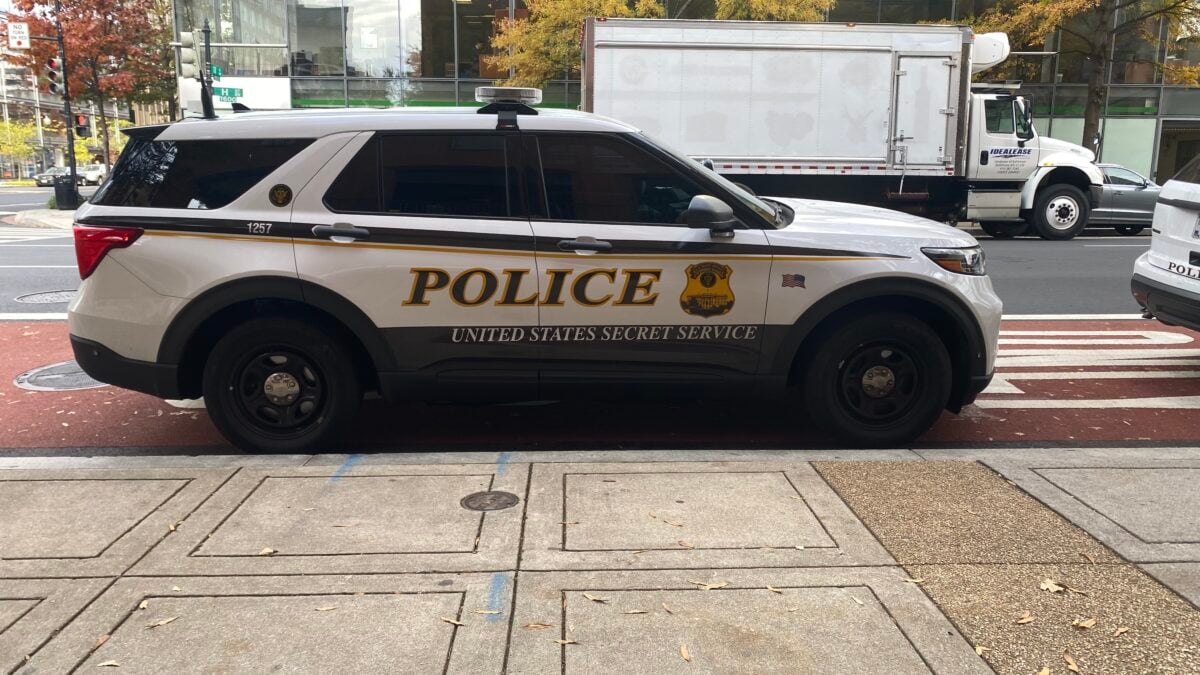
The United States Secret Service provides protection for the sitting president that never stops. This protection is mandatory.
The president cannot decline it. The detail includes special agents permanently assigned to the role, supported by the Secret Service Uniformed Division, Metropolitan Police, and U.S. Park Police.
Presidential protection goes far beyond surrounding someone with armed agents. Meticulous advance work precedes every trip.
Threat assessments identify potential risks. When the president travels, an advance team works with local law enforcement and public safety officials to implement security measures.
The Secret Service coordinates with military units for explosive ordnance disposal and communications resources. The White House Mail Screening Facility processes over 2 million pieces of mail annually.
Every letter gets screened for chemical, biological, radiological, nuclear, and explosive hazards. In 2020, the facility detected and mitigated a letter laced with ricin before it reached White House protectees.
Protection extends to the president’s family, the vice president and family, former presidents and their spouses, and children under 16. When major presidential candidates enter the race, they receive Secret Service protection too.
The agency also handles security for National Special Security Events like the State of the Union and presidential inaugurations. During fiscal year 2020, with fewer than 8,000 personnel, the Secret Service conducted protected visits to more than 4,000 domestic locations and 185 international destinations.
The permanent protectee count reached 41 individuals, not including temporary coverage for campaign candidates.
King Charles III’s Royal Protection
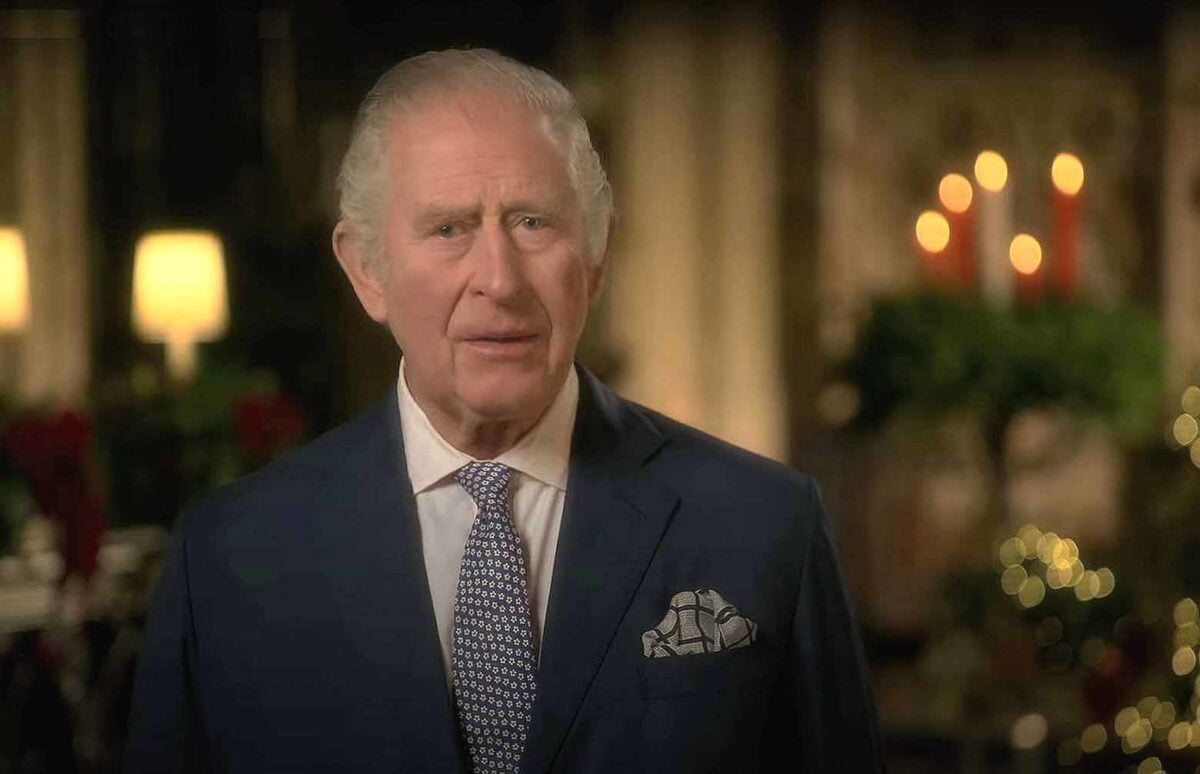
The British monarch receives protection from multiple agencies working in coordination. The Metropolitan Police Service provides the primary security detail.
The Royalty and Specialist Protection Command handles close protection for the King and other senior royals. The security team’s primary goal stays focused on ensuring the safety of the monarch and royal family members at all times.
Protection covers the King at home, while traveling domestically or abroad, and during public events. Security personnel manage crowds, screen visitors and guests, monitor areas for potential threats, and take action to prevent security breaches.
The level of protection reflects centuries of threats against British monarchs. Royal protection extends beyond just the King.
Senior working members of the royal family receive varying levels of security based on their position and threat assessment. The system balances visibility and accessibility with the genuine security risks that come with being one of the most recognized figures on Earth.
When the King travels abroad, security teams coordinate with host nation authorities. The complexity of international travel requires weeks of planning.
Every venue gets secured. Every route gets checked.
Backup plans exist for the backup plans. Nothing gets left to chance when protecting someone whose death or injury could destabilize a nation.
Donald Trump’s Layered Defense

As a former U.S. president, Donald Trump receives mandatory lifetime Secret Service protection.
But his security situation differs from most former presidents. He faces sharp political polarization, manages mass public gatherings, navigates multiple legal battles, and deals with both domestic and international threats.
His net worth of around $2.5 billion allows him to supplement Secret Service protection with private security. This combined approach creates a multi-layered defense.
The Secret Service handles the core protective mission while private security adds extra coverage for specific situations. Trump’s security challenges include protecting multiple properties across different states.
Trump Tower in New York, Mar-a-Lago in Florida, and his golf courses all require permanent security infrastructure. The Secret Service spent millions fortifying these locations after he became president.
Those security measures remain in place. His continued involvement in politics means he attends rallies and public events where crowd control becomes crucial.
The attempted assassination in Butler, Pennsylvania, in July 2024 demonstrated the genuine threats he faced. A gunman with an AR-15 fired at Trump from an elevated position during a campaign rally.
Secret Service counter-snipers neutralized the threat, but not before Trump sustained an injury to his ear.
Xi Jinping’s Central Security Bureau

The President of China commands a nation of 1.4 billion people and the world’s largest military. The Central Security Bureau provides its protection through its elite Special Guard Unit.
These agents deliver round-the-clock personal protection using state-of-the-art systems, armored convoys, secure aircraft, and loyal soldiers. Xi’s travels involve motorcades shielded by vast security perimeters and overhead helicopter support.
Like other top-level leaders, he uses decoys, disguises, and regularly rotates between fortified residences and command bunkers. The security apparatus operates with military precision and absolute loyalty to the Communist Party.
The Central Security Bureau represents one of the most powerful agencies in China. Its responsibilities extend beyond just protecting Xi.
The bureau secures other top leadership positions and maintains an intelligence network focused on internal and external threats. Chinese security forces take no chances with the safety of their paramount leader.
International trips require exceptional coordination. Chinese security personnel arrive well in advance to establish secure zones.
They work with host nation authorities but maintain their own protocols. The detail brings specialized equipment and vehicles.
They create a Chinese security bubble around Xi wherever he goes.
Mohammed bin Salman’s Saudi Shield

The Crown Prince and Prime Minister of Saudi Arabia maintain formidable security structures. As the second most important figure in the kingdom, his protection reflects both his political significance and the genuine threats he faces in a volatile region.
Personal guards and detectives accompany him constantly on local and international trips. Saudi security forces have access to virtually unlimited resources.
The Crown Prince’s fleet of vehicles includes some of the most advanced armored cars available. His residences and offices feature cutting-edge security systems.
Saudi intelligence services monitor potential threats across the Middle East and beyond. The scale of Saudi royal protection extends across the entire royal family.
Thousands of security personnel dedicate their careers to protecting the House of Saud. The Crown Prince receives the highest level within this system.
His movements require extensive planning and coordination among multiple security agencies. When Mohammed bin Salman travels abroad, his security detail can number in the hundreds.
They bring their own vehicles, equipment, and protocols. The Saudi approach to security prioritizes overwhelming force and redundant systems.
Nothing gets overlooked in protecting one of the world’s most powerful and controversial figures.
Prince Harry and Meghan Markle’s Fort Knox

Since leaving the Royal Family, the Duke and Duchess of Sussex fund their own private security. Their Montecito, California estate has been compared to Fort Knox.
Eight-foot-high walls surround the multimillion-pound property. Guards monitor the grounds 24 hours a day with surveillance systems covering every angle.
Harry and Meghan are the only renowned residents in their area who bring security guards whenever they go out in public. Their security costs run between $1.6 million and $2.5 million annually.
That figure covers personal protection officers, home security systems, and protective measures for their two children. The couple’s security challenges differ from typical royal protection.
They no longer have access to British royal security resources. They face unique threats as high-profile figures who stepped away from royal duties.
Media attention follows them constantly. The security team must balance their desire for privacy with the genuine risks they face.
Their protection officers include former British military personnel and elite security professionals. These aren’t ordinary bodyguards.
They bring experience from special forces operations and executive protection assignments. The team plans every movement, sweeps locations in advance, and maintains secure transportation options.
Mark Zuckerberg’s Tech Fortune Shield
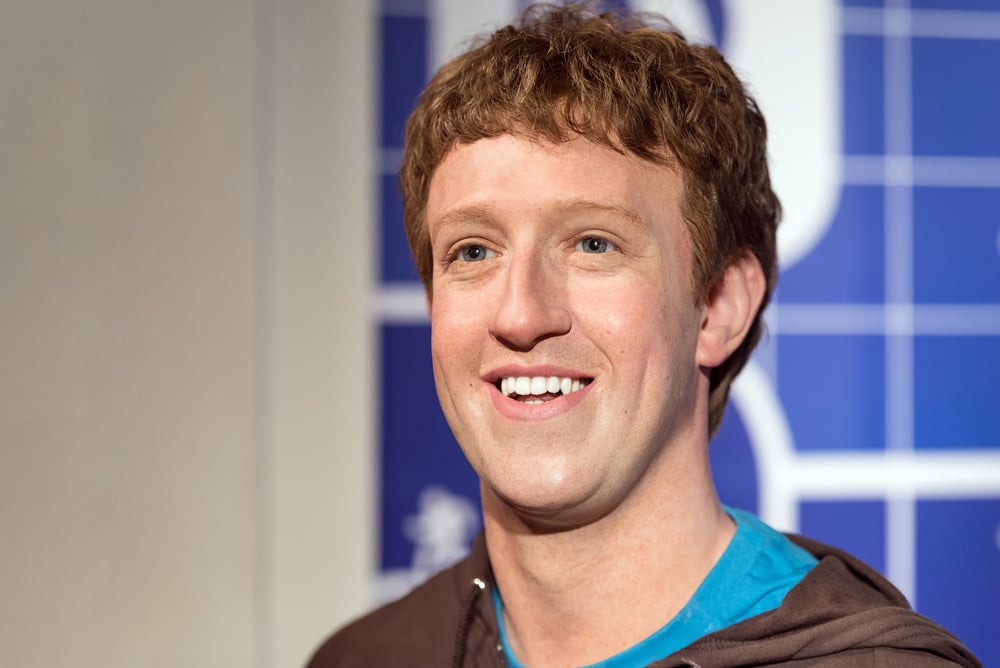
The Facebook founder’s personal security budget has exploded in recent years. The company allocated $22 million to his security detail, more than double the previous years.
This includes $2.6 million spent on private jets listed as part of his security program. The spending increased after Zuckerberg faced elevated risks from abuse and threats following the company scandals.
His security team oversees defending Facebook’s global operations and infrastructure from physical and cyber threats, in addition to Zuckerberg’s personal protection. The team monitors social media and online platforms for potential threats like harassment or stalking.
They collaborate with law enforcement to resolve security issues. The scale of his protection reflects his status as one of the richest people in the world and as the head of one of the most influential companies ever created.
His decisions affect billions of users globally. That influence makes him a target for various groups with different grievances.
Tech executives face unique security challenges. Their digital footprint creates vulnerabilities that traditional security can’t address.
Zuckerberg’s team must defend against both physical threats and sophisticated cyberattacks. The integration of digital and physical security requires specialized expertise and significant resources.
Jay-Z and Beyoncé’s Fortress Living

One of the most famous power couples in the world spent an estimated $88 million transforming their Bel-Air mansion into a fortress. The renovations included building living quarters for personal security guards who monitor the gated property around the clock.
A two-story carport protects their collection of high-end vehicles. Their security measures reflect both their massive wealth and their status as global cultural icons.
They travel with security teams that rival those of heads of state. Their children require constant protection from paparazzi, fans, and potential kidnappers.
Every public appearance involves extensive security planning. Celebrity security operates differently from political protection.
The threats come more from obsessed fans, stalkers, and criminals looking for high-value targets. But the planning and execution require similar expertise.
Routes get planned. Venues get secured.
Escape plans get prepared. The couple’s security team leaves nothing to chance.
Their wealth allows them to hire the best security professionals available. Former military special operations personnel and elite bodyguards work for the couple.
The security detail uses the latest technology for surveillance, threat detection, and communication. When Jay-Z and Beyoncé move, they move inside a protective bubble that few can penetrate.
The Cost of Being Untouchable
These individuals share something beyond fame and power. They live with the knowledge that people want to harm them.
Some face threats from terrorists. Others worry about political rivals or deranged individuals.
The specific dangers vary, but the constant pressure stays the same. The security measures described here represent only what’s publicly known.
Much of what protects these people remains classified or deliberately obscured. The best security often works invisibly.
You don’t see it until something goes wrong. Consider the psychological toll. Imagine never walking down a street alone.
Never making a spontaneous decision to visit a restaurant. Never trust that the people around you aren’t threats.
That’s the reality for the most protected people alive. They sacrifice normal human experiences for safety.
The economics of protection have created an entire industry. Companies specialize in executive protection, threat assessment, and security technology.
Thousands of people build careers protecting high-value individuals. The market for armored vehicles, surveillance equipment, and security personnel grows every year.
Living Inside the Security Bubble
Protection at this level fundamentally changes how someone experiences the world. Every interaction gets filtered through security protocols.
Every location gets assessed for threats. Every person in your vicinity has been vetted or watched.
Spontaneity becomes impossible. Privacy becomes a luxury you can’t afford.
The most protected people alive share this strange existence. They command nations, lead religions, or influence billions of people.
But they can’t do simple things that regular people take for granted. They can’t walk through a park without armed guards.
They can’t drive their own cars. They can’t make unplanned stops at a coffee shop.
Some accept this reality as the price of power. Others chafe against the constraints.
But none of them have real choices anymore. Once you reach this level of importance, your safety stops being just about you.
Your death or injury would create ripples felt around the world. So you get protected whether you want it or not.
You live inside a bubble that keeps you safe and keeps you separate from the normal human experience. That’s what it means to be among the most protected people alive.
More from Go2Tutors!

- The Romanov Crown Jewels and Their Tragic Fate
- 13 Historical Mysteries That Science Still Can’t Solve
- Famous Hoaxes That Fooled the World for Years
- 15 Child Stars with Tragic Adult Lives
- 16 Famous Jewelry Pieces in History
Like Go2Tutors’s content? Follow us on MSN.



