15 Brands that Used to Dominate Malls
Malls used to be the heart of American shopping, bustling with foot traffic and anchor stores that drew millions of customers weekly. These massive retail complexes were home to some of the most recognizable brands in the country, stores that seemed permanent fixtures of our shopping culture. Yet over the past two decades, many of these once-mighty retailers have vanished completely or shrunk dramatically from their former glory.
The shift to online shopping, changing consumer habits, and the rise of big-box discount stores have fundamentally altered the retail landscape. What we’re witnessing is often called the ‘retail apocalypse’ – a wave of store closures and bankruptcies that has left countless malls struggling to fill empty spaces where beloved brands once thrived.
Here is a list of 15 brands that used to dominate malls but have either disappeared entirely or dramatically reduced their presence.
Toys”R”Us

— Photo by jax10289
Toys”R”Us filed for bankruptcy in 2018 and closed nearly all of its 800+ stores across the United States. The toy giant was a mall staple for decades, known for its backwards ‘R’ logo and massive aisles packed with every toy imaginable. While the brand has made a limited comeback with small stores inside Macy’s locations and a flagship store at American Dream mall in New Jersey, it’s a shadow of its former empire that once had thousands of locations worldwide.
RadioShack
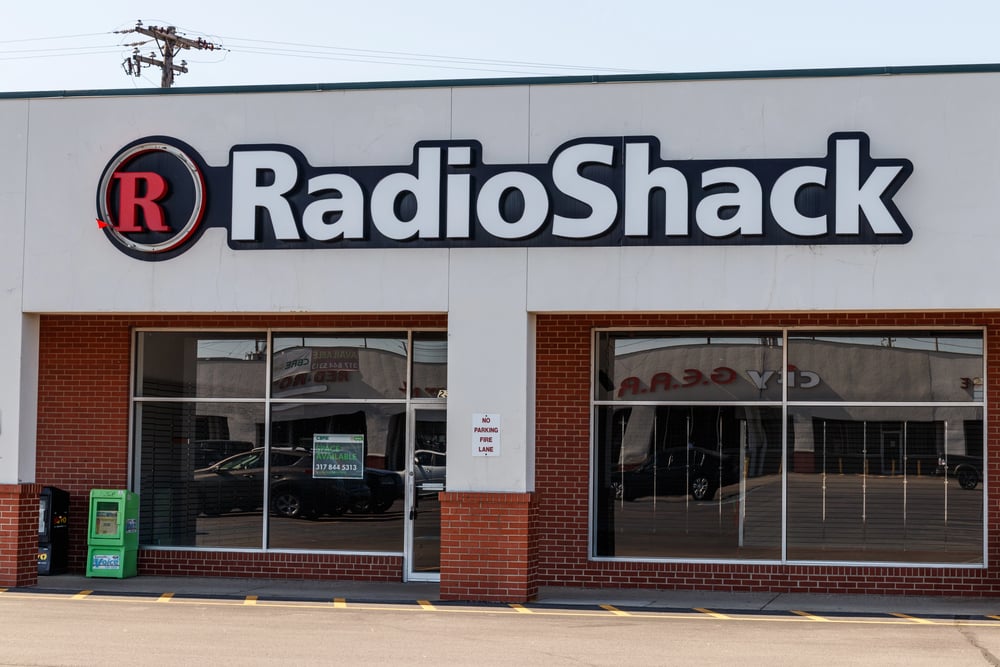
— Photo by jetcityimage2
RadioShack failed to keep up with changing electronics trends and was overtaken by competitors like Best Buy and Amazon. The electronics retailer was once synonymous with gadgets, batteries, and CB radios, occupying prime mall real estate for decades. Most RadioShack locations have now closed, marking the end of an era for electronics retail. The brand that used to have thousands of stores nationwide has essentially disappeared from the mall landscape.
Blockbuster
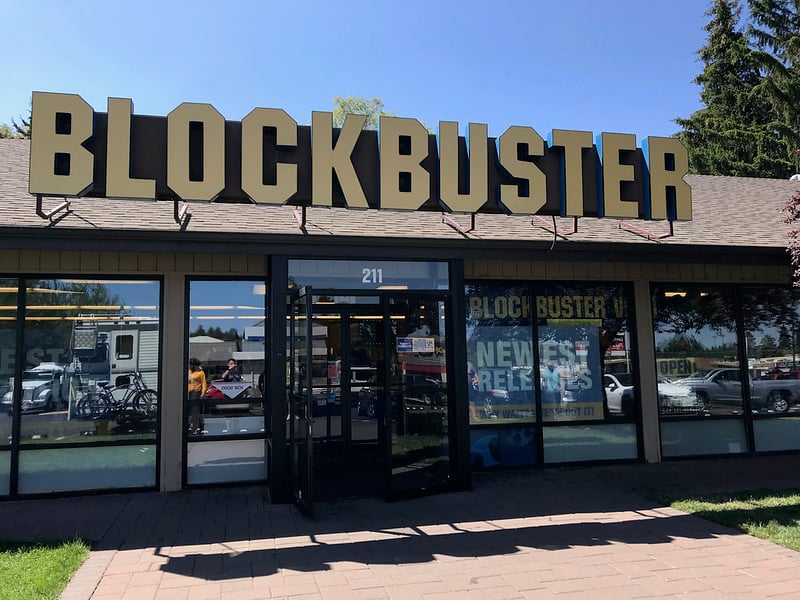
Blockbuster filed for bankruptcy in 2010 and officially shut down in 2014, with only one location remaining in Bend, Oregon. The video rental chain dominated mall entertainment sections throughout the 1990s and early 2000s. Netflix’s rise with DVD-by-mail service and later streaming completely disrupted Blockbuster’s business model. What was once a Friday night ritual for millions of families became obsolete almost overnight.
Borders

Borders declared bankruptcy and was forced to liquidate in 2011 after failing to adapt to e-readers and online shopping. The bookstore chain was a cultural hub in malls, where people would spend hours browsing books and enjoying coffee. Unlike Barnes & Noble, which developed its website and Nook tablet, Borders was slow to embrace digital transformation. The closure left book lovers with fewer physical bookstore options.
The Limited
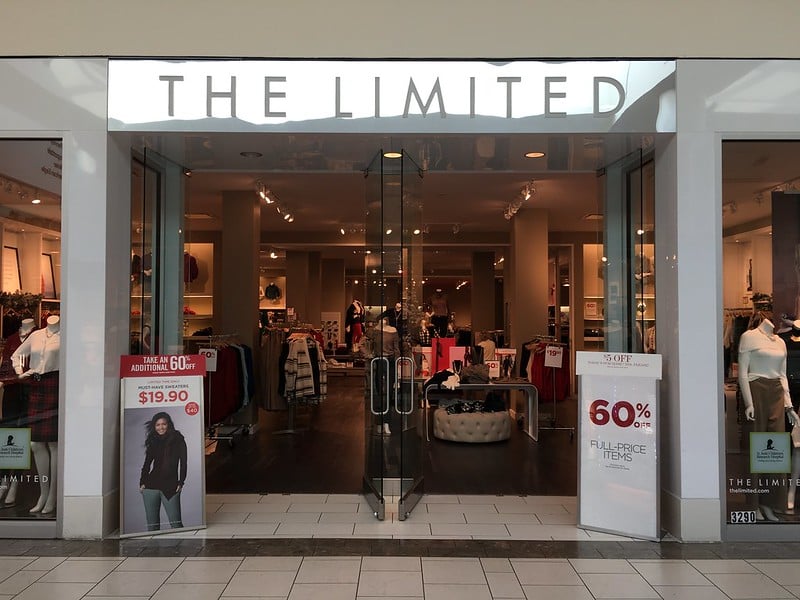
The Limited closed its remaining 250 stores and filed for bankruptcy in 2017 after struggling against e-commerce and fast fashion brands. The women’s clothing retailer was a mall anchor for 60 years, known for professional workwear and casual clothing. At its peak, The Limited had more than 750 stores across the U.S. and owned Victoria’s Secret and Abercrombie & Fitch. The brand simply couldn’t compete with the speed and pricing of online retailers.
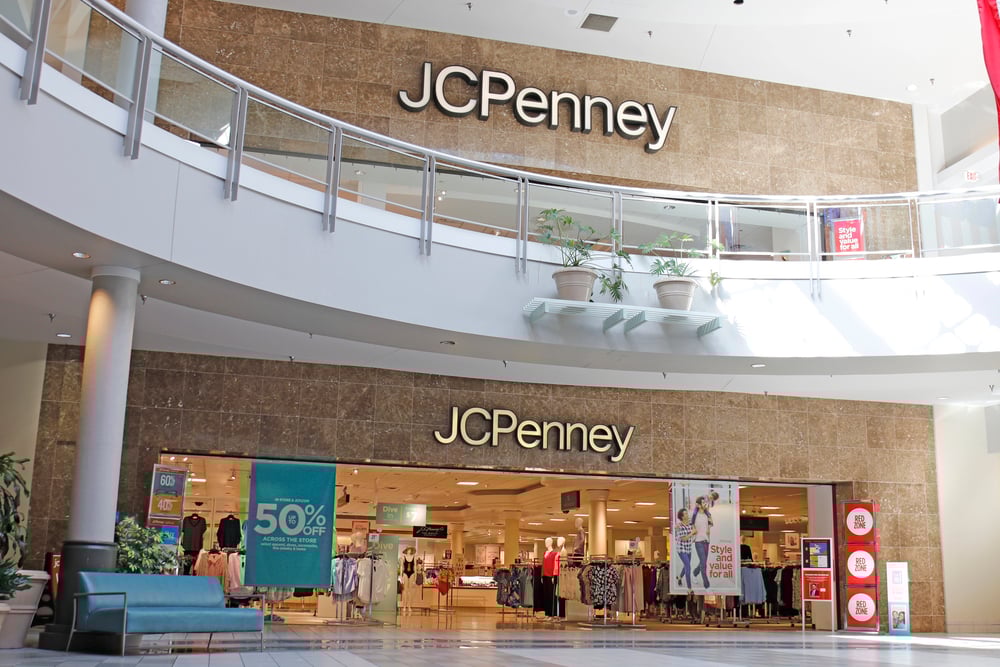
JCPenney
— Photo by jetcityimage2
JCPenney filed for bankruptcy in May 2020 and planned to close about 30% of its 800+ stores. The department store has been hemorrhaging money since 2010 and has accumulated billions in losses due to poor executive decisions and changing shopping habits. The company has closed more than 200 stores in recent years and continues to struggle with declining mall foot traffic. While JCPenney still operates, it’s a fraction of its former size.
Sears

— Photo by canadapanda
Sears filed for Chapter 11 bankruptcy in 2018 and now has just eight locations remaining after closing hundreds of stores. The once-iconic retailer used to anchor many malls nationwide, selling everything from clothing to appliances. Sears has been largely outdone by retailers with better pricing like Costco and more convenient options like Amazon. The brand that once defined American retail is now barely hanging on.
KB Toys

KB Toys was a fixture in mall toy sections, offering a smaller but focused selection compared to larger toy stores. Many KB Toys locations were taken over by Toys”R”Us during the recession when KB Toys closed its doors. The chain couldn’t compete with big-box retailers like Walmart and Target, which offered toys at lower prices. KB Toys represented the kind of specialty mall retailer that became increasingly difficult to sustain.
Tower Records
— Photo by mikeledray
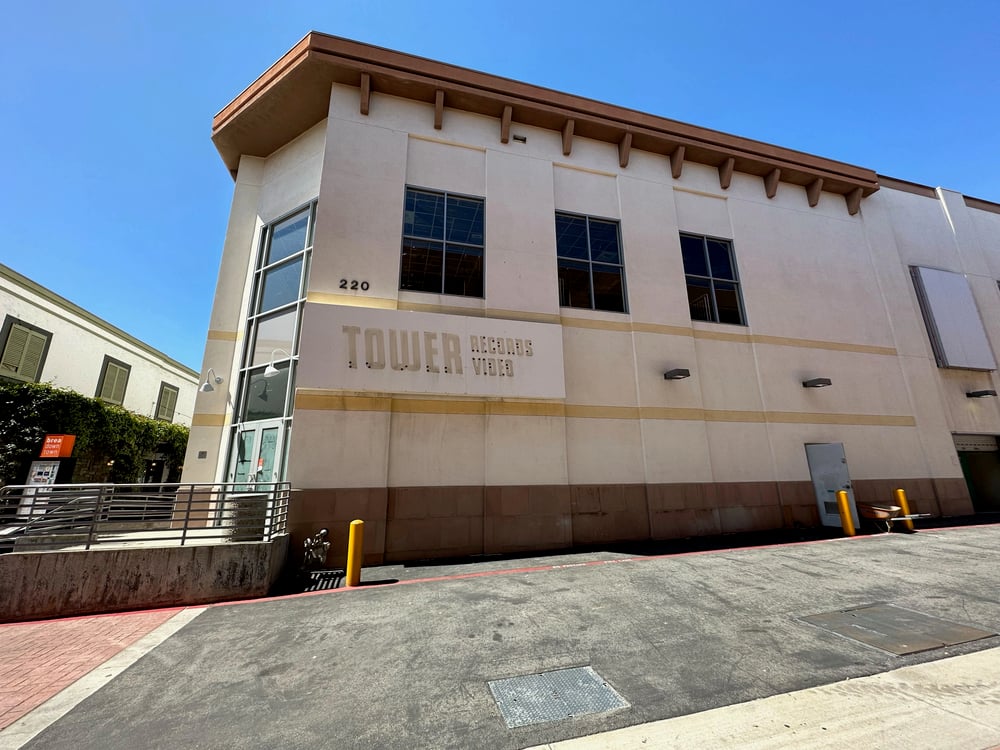
Tower Records lost money 13 quarters in a row before closing in 2006 after 46 years in business. The legendary music store was a cultural institution in malls, with highly curated collections and passionate staff. The rise of online music and discount chains like Best Buy undercut Tower’s prices and sales. Digital music downloads and streaming services made physical music retail nearly obsolete.
Bed Bath & Beyond

— Photo by jetcityimage2
Bed Bath & Beyond filed for bankruptcy in 2023 after being a home goods category killer for decades. The store was famous for its sky-high stacks of linens, towels, and home accessories, plus those ubiquitous 20% off coupons. Founded in 1971, the company grew to 241 stores and $1.1 billion in annual sales by 2000. Online shopping and changing consumer preferences finally caught up with the overstuffed retailer.
Forever 21
— Photo by wolterke
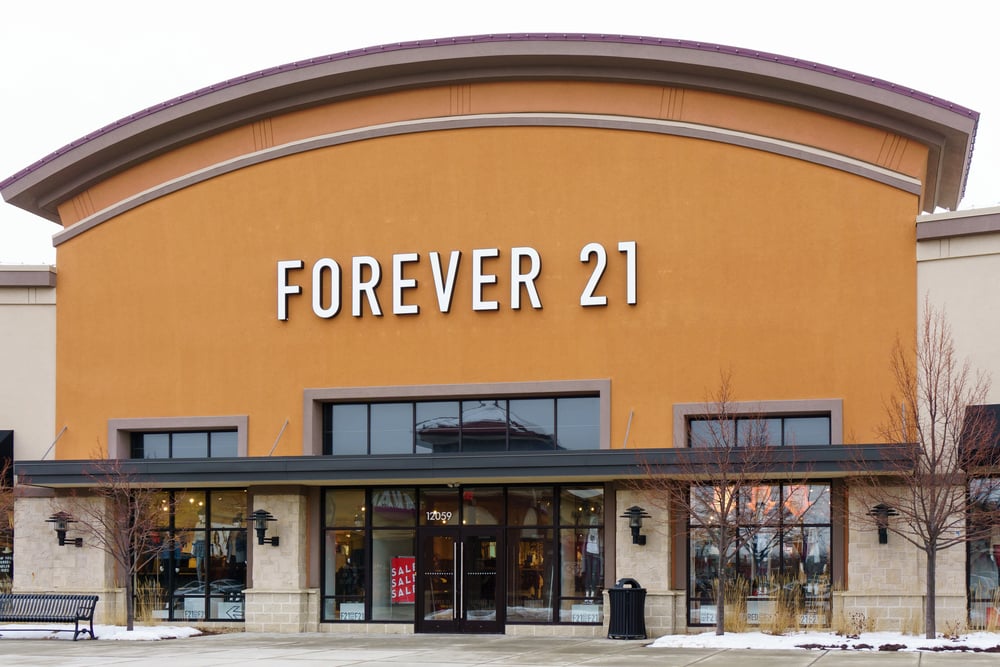
Forever 21 is winding down operations in all 354 of its U.S. stores unless a buyer emerges, citing competition from foreign fast fashion companies. The trendy clothing chain exploded in popularity during the early 2000s by offering runway-inspired styles to young adults at low prices. The company is reportedly $1.6 billion in debt while its assets are worth only $100 to $500 million. Fast fashion became even faster online, leaving Forever 21 struggling to keep up.
American Eagle Outfitters
— Photo by sainaniritu
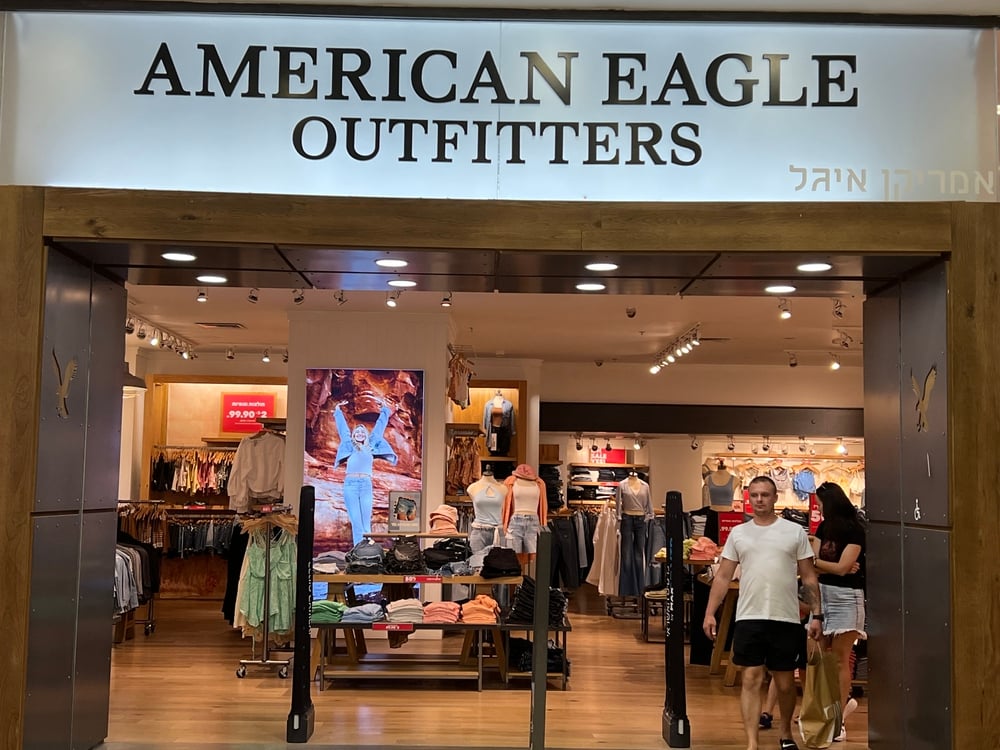
American Eagle Outfitters announced it would close up to 250 mall-based locations in 2021 while expanding its Aerie subsidiary. The teen clothing retailer was a mall staple for casual wear and jeans throughout the 1990s and 2000s. The closures were part of a strategic shift away from mall locations toward online and standalone stores. While American Eagle still exists, its mall presence has significantly diminished.
Gadzooks
Gadzooks grew from a T-shirt store founded in 1983 to a 250-store mall fashion retailer before making the fatal decision to discontinue menswear. The youth-oriented clothing chain was known for trendy graphic tees and casual wear that appealed to teenagers. The brand made several strategic missteps and couldn’t adapt to changing fashion trends quickly enough. Gadzooks represents the kind of specialty teen retailer that once thrived in malls but became unsustainable.
The Bon-Ton

The Bon-Ton filed for Chapter 11 bankruptcy in February 2018 and announced plans to go out of business after being purchased by liquidators. The regional department store served as a mall anchor in the mid-Atlantic and Southern regions for nearly 150 years. The company was eventually acquired by May Department Stores, which was then bought by Federated, leading to many locations being converted to Macy’s. The Bon-Ton’s closure left many smaller malls without a major anchor tenant.
Things Remembered

Things Remembered closed all of its remaining 176 stores and headquarters in January 2023, moving to become an online-only gift retailer. The personalized gift chain was a mall mainstay for decades, specializing in engraved items perfect for holidays and special occasions. The company had previously filed for bankruptcy in 2019 and closed over 224 stores in the following years. The shift to online shopping made small gift stores increasingly difficult to maintain in expensive mall locations.
When Malls Ruled America
These closures represent more than just business failures – they mark the end of an era when malls were central to American social and retail life. The rise of category killers in the 1980s transformed how Americans shopped, offering massive selection and competitive prices that drove out smaller retailers. But the same forces that made these stores successful – focus on specific categories and physical presence – became their weakness in the digital age. As Harvard Business School professors predicted in 2011, online retailers are leading to the death of big-box category killers, just as those stores once killed mom-and-pop shops. The mall-centric retail model that defined American shopping for decades has given way to a new reality where convenience and pricing matter more than browsing in person.
More from Go2Tutors!

- 16 Historical Figures Who Were Nothing Like You Think
- 12 Things Sold in the 80s That Are Now Illegal
- 15 VHS Tapes That Could Be Worth Thousands
- 17 Historical “What Ifs” That Would Have Changed Everything
- 18 TV Shows That Vanished Without a Finale
Like Go2Tutors’s content? Follow us on MSN.