Communication Methods That Foreshadowed Tech
Back when there were no phones or quick texts, folks figured out how to pass messages over miles. What might seem basic today laid the groundwork for habits we keep using.
Needing to talk quicker, stretch further, connect better – this pushed change for hundreds of years. Stuff we think is new often had older versions running on much the same ideas.
Smoke Signals Created Visual Networks

Indigenous peoples across North America, Australia, and other continents used smoke signals for long-distance communication. Different patterns meant different messages—one puff for attention, multiple puffs for danger, sustained smoke for specific information.
This wasn’t random. Communities developed codes that their members understood, though meanings varied widely between cultures and regions.
The concept mirrors modern digital communication: patterns carrying encoded meanings across distances. Smoke signals required line of sight and clear weather, just like early wireless transmission needed specific conditions to work properly.
Carrier Pigeons Pioneered Message Delivery

People used homing pigeons to carry messages for over 3,000 years. Ancient Egyptians, Romans, and Persians all relied on them.
During World War I and II, militaries sent tens of thousands of pigeons carrying crucial intelligence. The birds could fly 300 to 600 miles depending on breed and conditions, with some capable of longer distances.
They could navigate home reliably. This created an early version of point-to-point message delivery.
You sent information to a specific recipient who received it relatively quickly. The pigeon system foreshadowed email’s basic function—sending a message from one location that arrives at another without you physically traveling there.
Telegraph Cables Became the First Internet
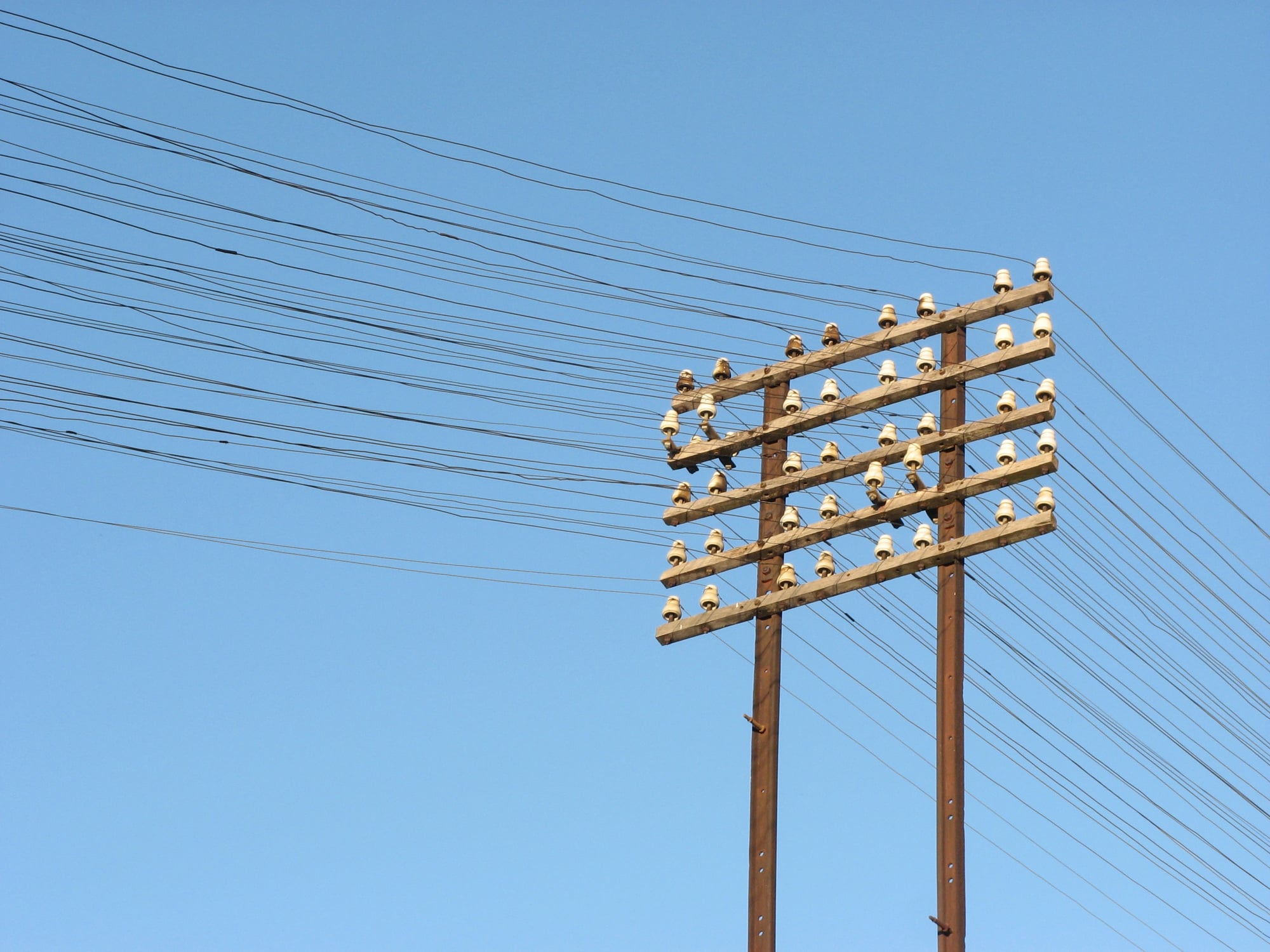
The telegraph system that developed in the 1830s and 40s created the world’s first wired communication network. By 1866, a transatlantic cable connected Europe and North America.
Messages that took weeks by ship now arrived in minutes. Telegraph operators learned Morse code—a system of dots, dashes, and variable spacing representing letters.
Telegraph companies built massive infrastructure connecting cities and countries. This network infrastructure directly foreshadowed the internet.
Physical cables carrying encoded information between distant points. The business model even looks familiar—people paid per message based on length, similar to how early internet and mobile services charged for data usage.
Pneumatic Tubes Built Urban Networks

Cities in the late 1800s and early 1900s installed pneumatic tube systems that shot message capsules through underground pipes using air pressure. Paris built an extensive network connecting post offices.
New York’s system stretched about 27 miles between select post offices, handling mail delivery across the city in minutes. Large department stores used internal tube systems to send payment and receipts between floors.
While primarily postal infrastructure, these systems created something resembling a local area network—a closed system for rapid internal communication. Modern office networks and interoffice messaging systems serve the same basic function.
Semaphore Towers Created Signal Chains

France built a semaphore telegraph system in the 1790s—towers placed within visual range of each other, typically 10 to 20 miles apart, each with movable arms that could form different positions. Operators read messages and repeated them to the next tower.
A message could travel from Paris to the French border through multiple relay points in minutes instead of days. This required standardized codes, trained operators at each node, and clear weather.
The system anticipated how modern telecommunications work—information hops between relay points (cell towers, servers) to reach its destination. Each tower was essentially a router passing the signal along.
Heliographs Used Light for Distance Communication

Military forces in the 1800s used mirrors to flash sunlight in Morse code patterns. A skilled operator could typically send messages 20 to 30 miles, with exceptional conditions allowing distances beyond 50 miles.
The U.S. military used heliographs extensively in the Southwest during the Apache Wars. This was optical communication—using light to carry information.
Fiber optic cables that form the backbone of modern internet infrastructure work on the same principle, just with laser light instead of reflected sunlight. The heliograph showed that light could carry encoded information across distances faster than physical transport.
Party Lines Shared Communication Channels

Telephone systems used party lines—multiple households sharing a single telephone line—from the early days of telephony into the 1980s in rural areas. You picked up the phone and might hear your neighbors talking.
Everyone on the line could listen to everyone else’s conversations. You had to wait your turn to make calls.
This shared-resource system foreshadowed how internet bandwidth works. Multiple users share the same infrastructure, and heavy usage by some affects everyone else’s speed.
Party lines also created the first privacy concerns about electronic communication—the same debates we have about data security today.
Ham Radio Built Amateur Networks

Amateur radio operators, starting in the early 1900s, created a global communication network run by enthusiasts. They developed their own codes, relayed messages between operators, and established protocols for making contact.
During emergencies when commercial systems failed, ham radio operators provided crucial communication. This community-driven network shared a cultural ethos with early internet developers—technically skilled amateurs building infrastructure, developing standards, and helping each other through open sharing of information.
While ham radio didn’t directly influence internet protocols, the communities shared similar values about access and collaboration.
Postal Systems Standardized Addressing

Modern postal systems that developed in the 1800s began establishing the concept of standardized addresses and reliable delivery networks, though global standardization took much longer—some countries didn’t adopt structured addressing until the 20th century. Before these reforms, sending mail was unreliable and expensive.
The Penny Post in Britain (1840) made mail affordable for ordinary people. This required creating addressing standards, sorting systems, and delivery routes.
Every modern digital communication system uses similar concepts—unique addresses (email, IP addresses, phone numbers), routing systems that determine the best path for delivery, and protocols ensuring messages reach the right destination.
Telegraph Newsrooms Created Real-Time Updates

When telegraph technology reached newsrooms in the mid-1800s, it transformed journalism. Papers could publish news from across the country or around the world the same day it happened, though delays of minutes to hours still occurred depending on operator load and line availability.
This created demand for faster news updates and breaking coverage. Telegraph operators in newsrooms received dispatches throughout the day.
This accelerated information flow foreshadowed 24-hour news cycles and social media’s real-time updates. The practice of sending short, urgent messages to inform people of breaking developments is the same pattern Twitter and news alerts follow.
Ticker Tape Delivered Financial Data

Stock market ticker tape machines, invented in the 1860s, sent price information over telegraph lines to machines in brokers’ offices. These machines printed abbreviated stock symbols and prices on paper tape.
Updates arrived every few seconds to minutes depending on trading volume and line traffic. Traders could see market movements much faster than waiting hours for messengers.
This rapid financial data transmission created modern markets where prices adjust based on new information flowing throughout the trading day. Every stock app and financial platform today does what ticker tape did—delivers price data to users as quickly as possible so they can make informed decisions.
Signal Flags Developed Visual Languages

Navies developed flag signaling systems where different flag combinations represented specific messages. The International Code of Signals was first standardized in 1857, with the modern form we use today dating from 1931.
This allowed ships of different nations to communicate. Each flag pattern had an agreed meaning.
This created a visual protocol—a shared language that worked across barriers. Digital communication protocols work the same way.
HTTP, TCP/IP, and other internet protocols are sets of agreed-upon standards that let different systems communicate. Without shared protocols, neither signal flags nor modern networks function.
Jungle Drums Encoded Complex Messages

African communities used talking drums to send messages across distances. Through relay systems under ideal conditions, messages could travel 20 miles or more.
These weren’t simple beats. Skilled drummers replicated tonal patterns of spoken languages, essentially speaking through rhythm and pitch.
Different communities understood different drum languages. The drums could announce births, deaths, warnings, or summons.
This audio encoding of information foreshadowed how modern digital systems convert all information—text, images, video—into audio signals or electromagnetic pulses. The drums proved you could represent complex information through simple changes in sound.
Message Runners Established Route Networks

Before mechanical systems, civilizations used human runners to carry messages. The Persian Empire’s royal road system included relay stations where fresh runners took over.
The Inca had chasquis—trained runners who carried messages using quipu (knotted cords that served as data aids) and sprinted between way stations. These systems could move information hundreds of miles in a day.
They established the concept that communication networks need infrastructure—roads, rest points, and people who know the routes. Modern internet architecture follows this pattern with physical infrastructure (cables, servers, routers) and protocols for routing information efficiently.
When Distance Collapsed

The jump from smoke signals to fiber optics? It’s all about folks trying to share info quicker – without having to go places.
Every old-school way laid groundwork that today’s tech just polished up, didn’t create from scratch. Wanting to reach others far away stays the same.
What we use has shifted big time. Yet a person tapping out Morse code back in 1850 would still get what you’re up to when you fire off a text.
The setup shifted, yet the core urge behind tech stayed put. Each new tool for talking came from blueprints left by older ones – different fixes arrived when past attempts fell short.
More from Go2Tutors!

- The Romanov Crown Jewels and Their Tragic Fate
- 13 Historical Mysteries That Science Still Can’t Solve
- Famous Hoaxes That Fooled the World for Years
- 15 Child Stars with Tragic Adult Lives
- 16 Famous Jewelry Pieces in History
Like Go2Tutors’s content? Follow us on MSN.