10 Board Games That Were Pulled from Shelves for Wild Reasons
Board games have entertained families for generations, bringing people together around tables for friendly competition and shared laughter. Yet sometimes these seemingly innocent pastimes cross unexpected lines, leading to hasty removals from store shelves for reasons ranging from bizarre to genuinely concerning.
Here is a list of 10 board games that were yanked from circulation for truly wild reasons that their creators likely never anticipated.
Monopoly: The Islamic Version

An Arabic version of Monopoly was banned in several Middle Eastern countries because it featured interest-based financial transactions that conflicted with Islamic banking principles. The game that teaches capitalism basics had to be redesigned entirely to comply with religious laws regarding money lending.
Even the iconic properties and gameplay had to undergo significant changes to respect cultural norms.
Scrabble: Slur Edition

Hasbro removed hundreds of offensive words from official Scrabble dictionaries and tournament play after complaints that racial and derogatory terms shouldn’t count for points. Competitive players protested that removing terms decreased strategic options, while others maintained that games shouldn’t award points for harmful language.
The controversy pitted free speech advocates against those concerned about normalizing offensive terminology through casual gameplay.
The Game of Life: Lawsuit Landmine
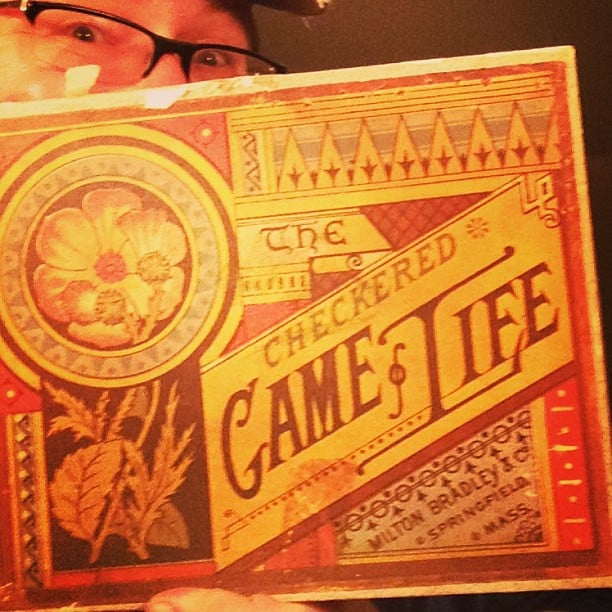
Milton Bradley recalled thousands of Game of Life copies after a photographer claimed the game used his image without permission on the Rich Uncle card. The image that had been guiding players’ financial fates for years turned out to be someone who never consented to his face being used.
The company quickly replaced the card with newer editions to avoid further legal trouble.
Connect Four: Patent Wars

The original Connect Four game temporarily disappeared from shelves during a heated patent dispute between manufacturers claiming rights to the gameplay mechanism. The simple concept of dropping colored discs to form rows became the center of complex litigation that affected availability.
The game that seems impossibly basic was entangled in intellectual property battles most players never knew about.
Guess Who: Diversity Backlash

The classic guessing game faced criticism and redesign demands for its predominantly white male character selection that limited representation. The simple facial recognition game suddenly seemed outdated in a world increasingly aware of inclusion issues.
Newer versions were quickly produced with more diverse character sets after the public outcry.
Operation: Medical Inaccuracy
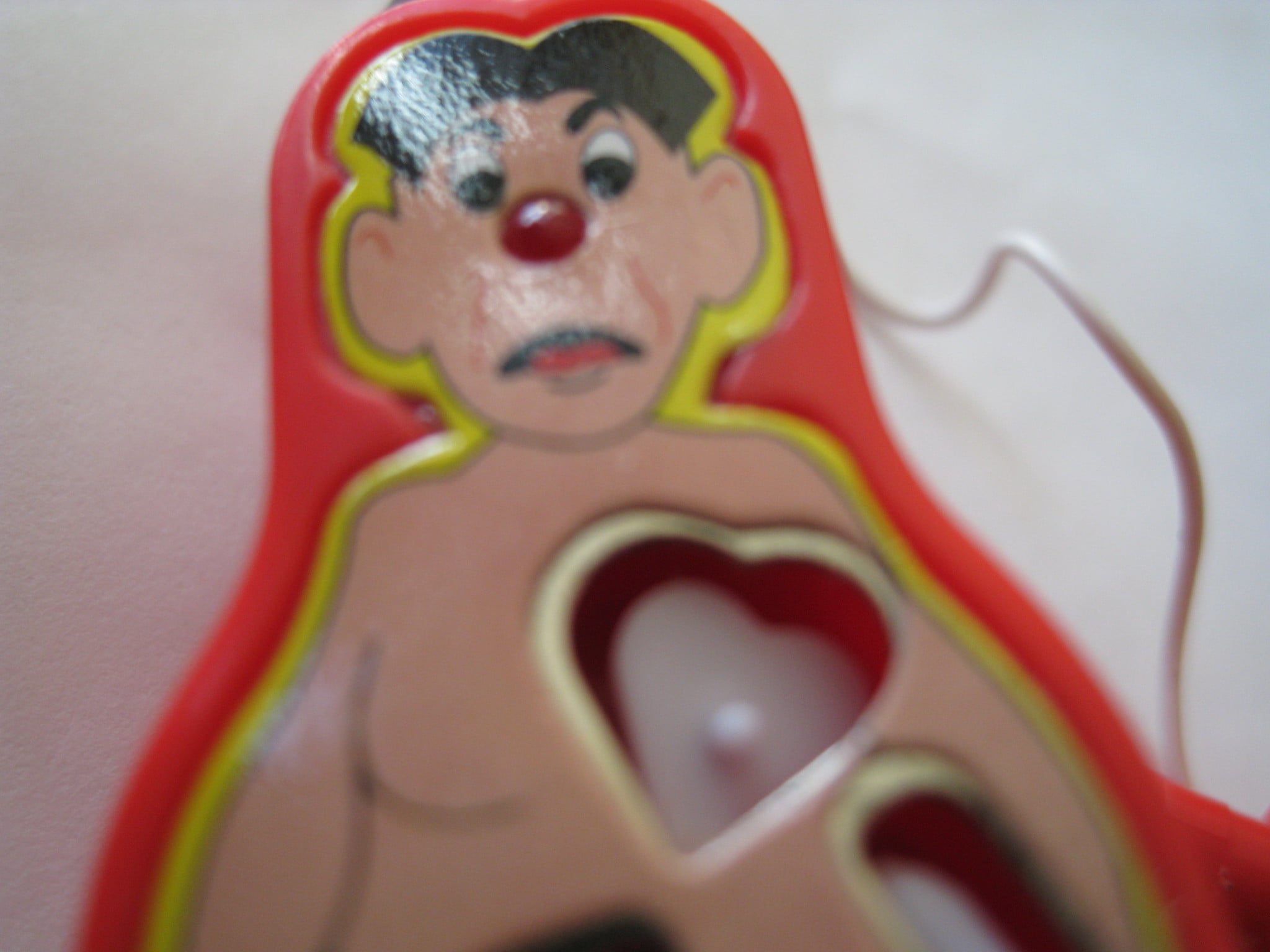
A special edition of Operation was pulled when medical professionals complained about anatomical inaccuracies that could mislead children about human biology. The buzzing game that taught generations of kids steady hands contained body parts in completely wrong locations.
The toy company hadn’t anticipated that actual doctors would take issue with a cartoon body cavity filled with punny objects.
Risk: International Borders Dispute

Several country-specific versions of Risk were withdrawn from particular markets due to controversial border representations that offended national sensibilities. The game of global domination inadvertently stepped into real geopolitical tensions with its map designs.
Different countries often demanded different territorial boundaries, making international distribution a diplomatic minefield.
Monopoly: Junior Banking Edition
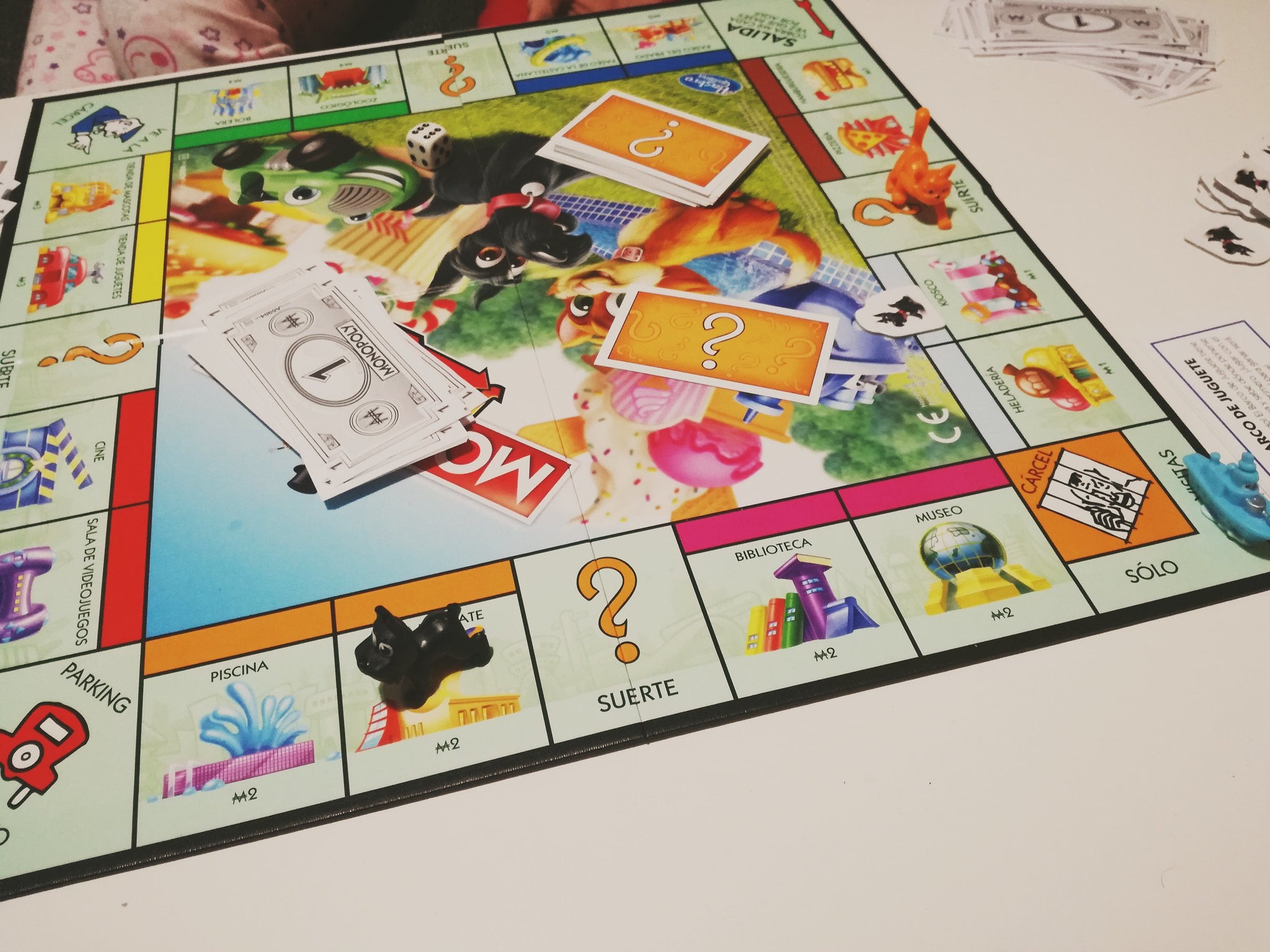
This children’s version featuring electronic banking was recalled when parents discovered the ATM machine could be manipulated to dispense unlimited funds by pressing buttons in a specific sequence. The glitch inadvertently taught children how to cheat rather than manage money responsibly.
The technical oversight completely undermined the game’s educational financial literacy goals.
Stratego: Military Sensitivity
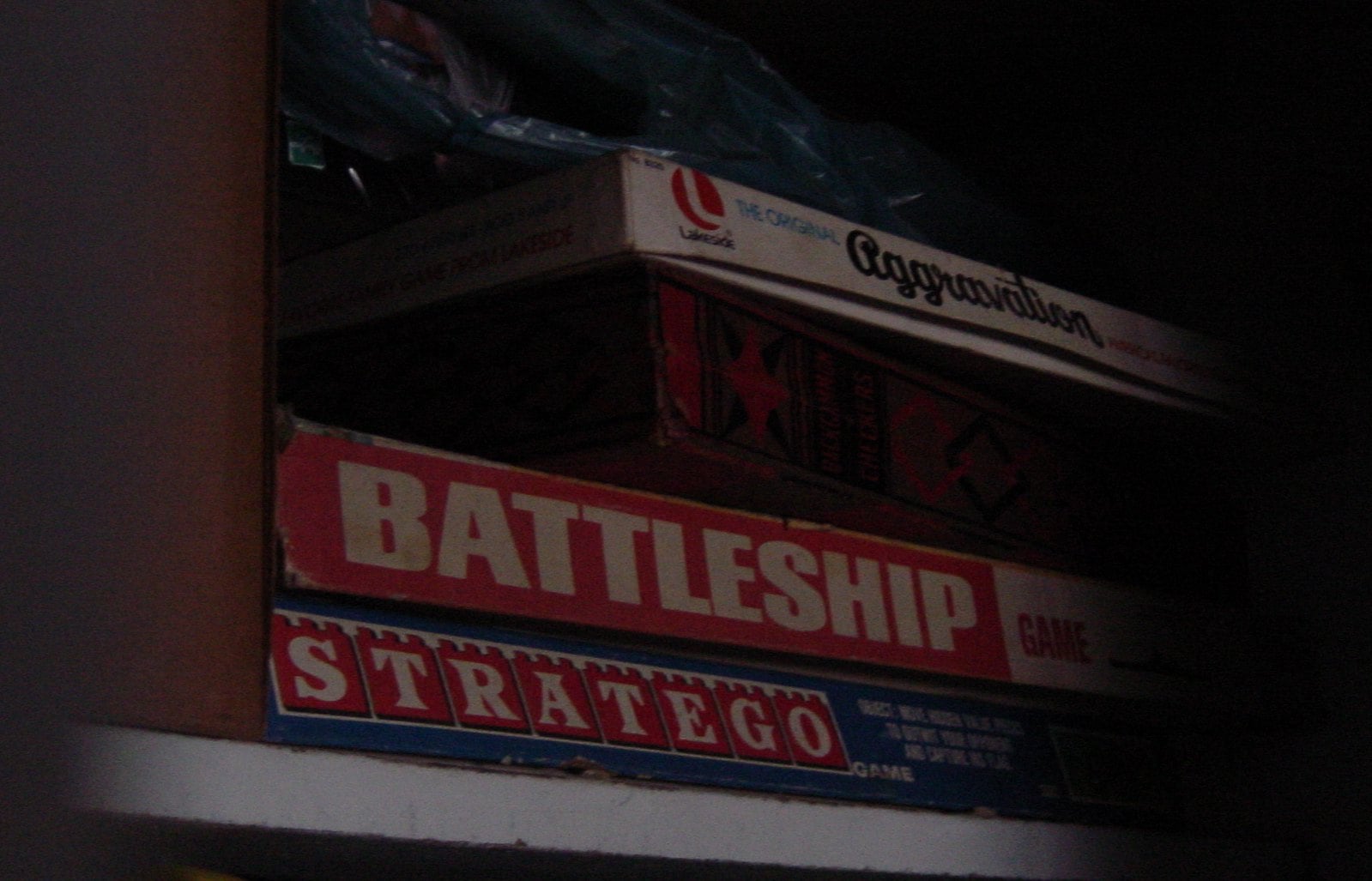
During certain international conflicts, versions of Stratego were temporarily removed from markets due to military imagery that suddenly seemed inappropriate during real-world tensions. The abstract war game with red and blue armies occasionally felt too relevant during actual geopolitical crises.
Retailers would quietly return the game to shelves once tensions eased.
Ouija Board: Religious Objections

While not technically a board game, the Ouija board has been repeatedly pulled from toy stores due to pressure from religious groups claiming it promotes occult practices. The simple pointer and alphabet board became one of retail history’s most frequently challenged games.
What manufacturers marketed as harmless entertainment was viewed by some communities as a gateway to dangerous spiritual territory.
When Play Gets Serious

These board game controversies reveal how even recreational activities can intersect with complex social issues, cultural sensitivities, and unexpected technical problems. What begins as entertainment designed for kitchen tables can sometimes touch nerves that designers never anticipated.
Perhaps the most interesting game of all is navigating the line between harmless fun and unintended consequences in creating the pastimes that bring us together.
More from Go2Tutors!

- The Romanov Crown Jewels and Their Tragic Fate
- 13 Historical Mysteries That Science Still Can’t Solve
- Famous Hoaxes That Fooled the World for Years
- 15 Child Stars with Tragic Adult Lives
- 16 Famous Jewelry Pieces in History
Like Go2Tutors’s content? Follow us on MSN.



