15 Cartoon Characters That Were Banned in Certain Countries
Cartoons might look innocent, but they’ve often ended up in the crosshairs of censorship. Whether it’s for cultural reasons, political undertones, or religious beliefs—some animated characters have stirred enough controversy to be banned entirely in certain countries.
These restrictions offer a glimpse into how different societies respond to themes like rebellion, identity, and foreign influence. Here are 15 cartoon characters that didn’t make it past the gatekeepers in specific regions.
SpongeBob SquarePants
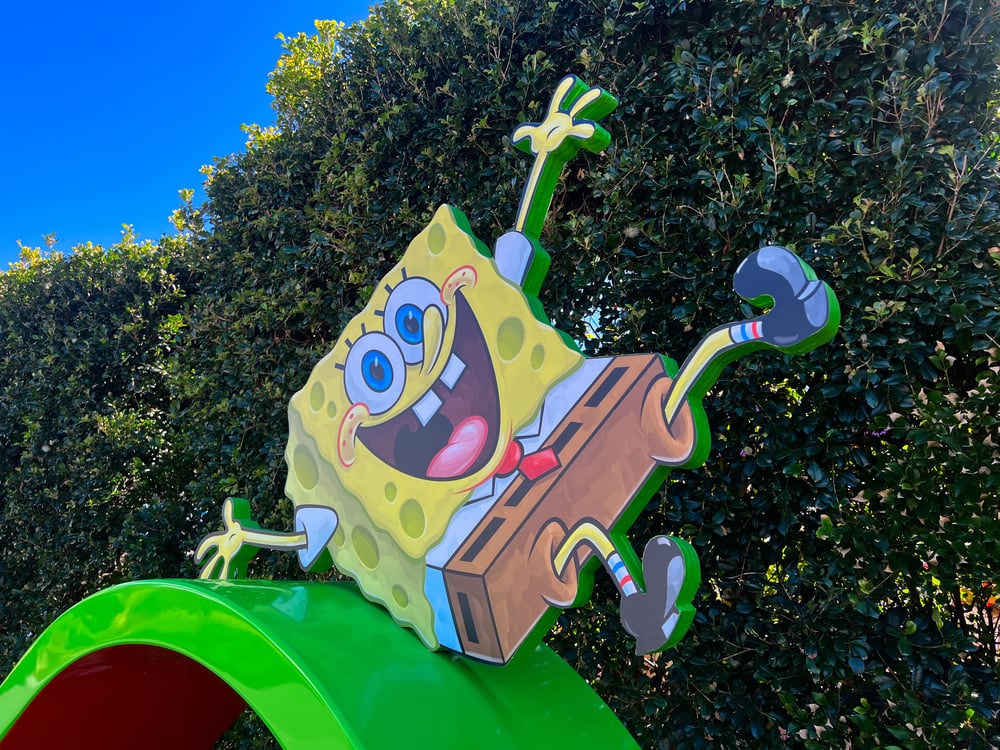
— Photo by lucidwaters
Back in 2017, Ukrainian officials banned SpongeBob—claiming the show undermined traditional family values. His exaggerated personality and close friendship with Patrick were viewed as promoting LGBTQ+ themes. While the move sparked intense public debate, many felt the government was overanalyzing a simple sea sponge.
Peppa Pig
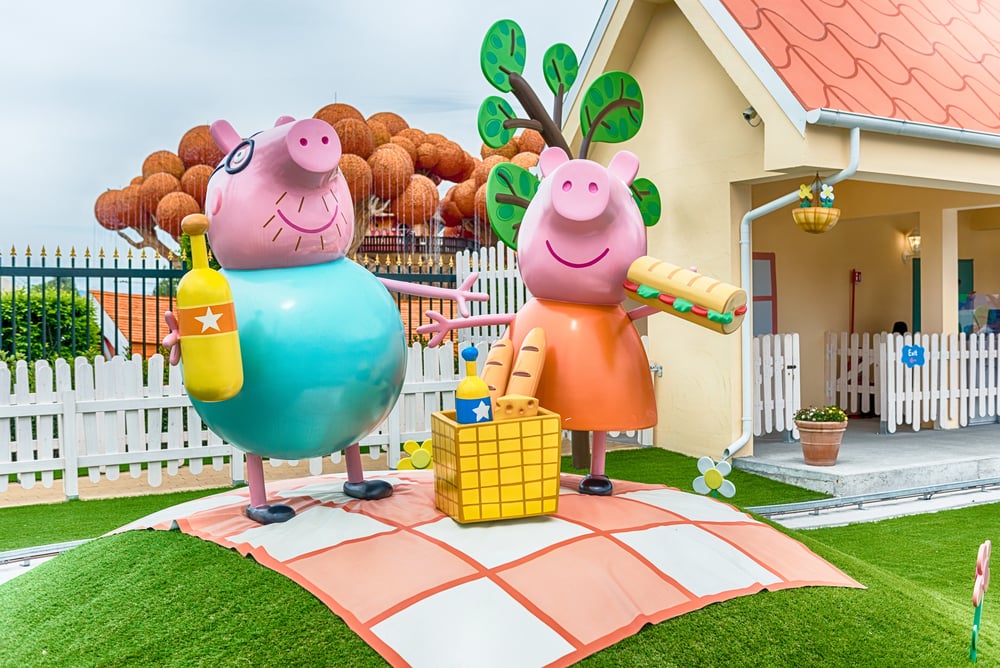
— Photo by marcorubino
In 2018, Peppa Pig was temporarily pulled from Chinese media. What started as a harmless children’s show turned into an unexpected symbol of rebellion. Memes portraying Peppa as a sarcastic anti-authority figure caught on quickly—prompting censors to intervene.
Pokémon
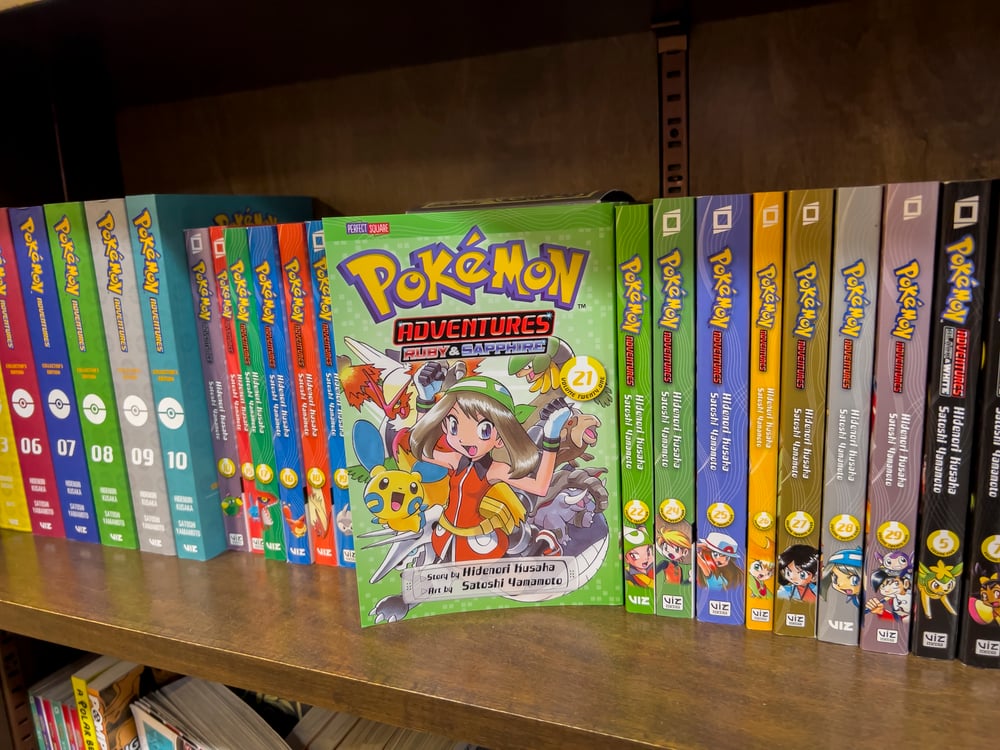
— Photo by ColleenMichaels
Several Islamic countries—including Saudi Arabia—banned Pokémon during the early 2000s. The franchise was criticized for promoting gambling through its card games and referencing evolution, which conflicted with religious teachings. The backlash wasn’t limited to the TV show—it extended to video games, toys, and trading cards.
The Simpsons
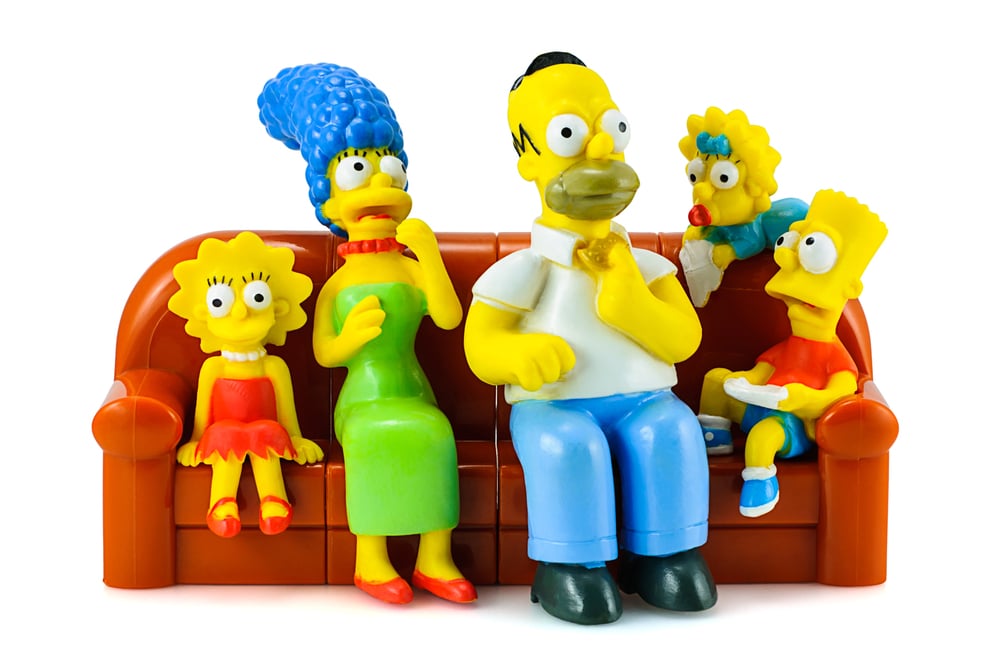
— Illustration by nicescene
In 2008, Venezuela removed The Simpsons from daytime television. Officials argued it encouraged misbehavior and didn’t align with the values being promoted to younger audiences. The show was replaced with educational programs—though the decision was met with criticism from fans.
Mickey Mouse
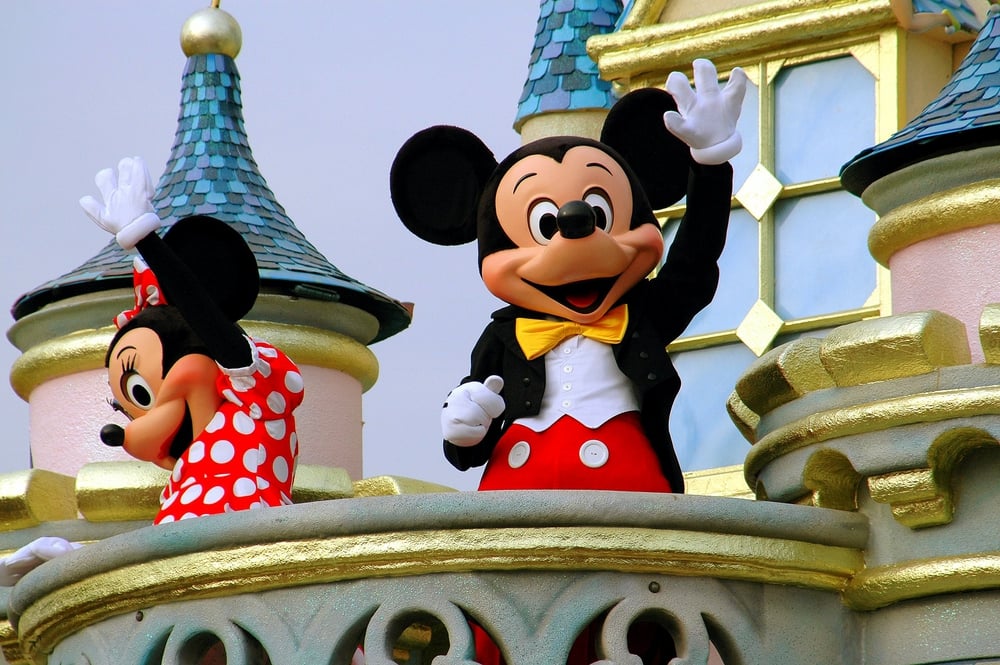
— Photo by LeeSnider
Even the world’s most famous mouse wasn’t immune to bans. In the 1930s, Romanian authorities thought Mickey’s exaggerated features—and unpredictable antics—might frighten children. Though short-lived, the restriction revealed how even globally beloved characters aren’t always welcomed everywhere.
Winnie the Pooh
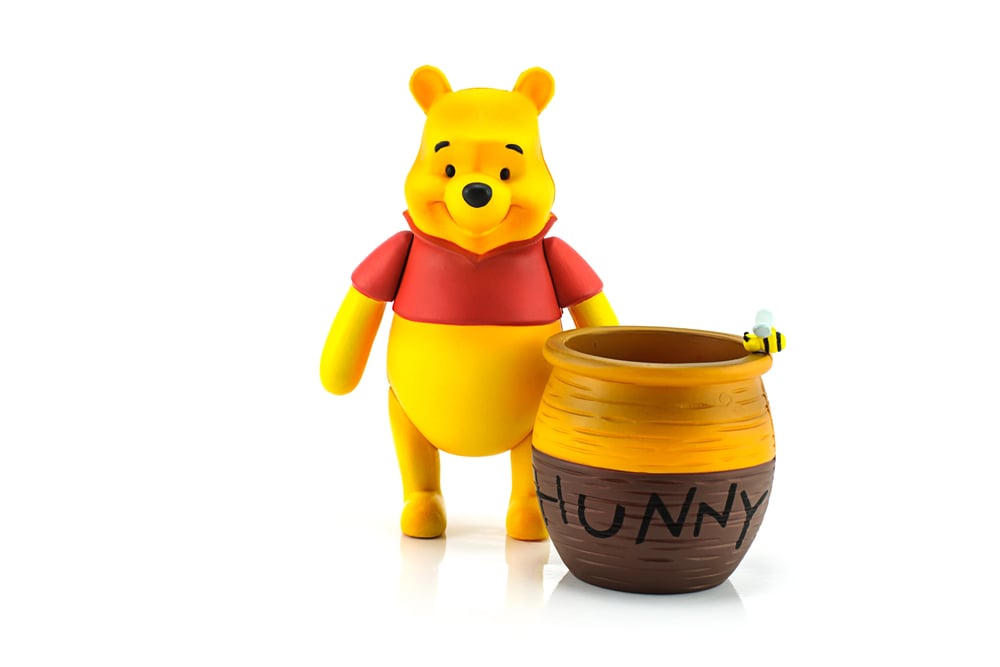
— Illustration by nicescene
China began cracking down on Winnie the Pooh after online users started comparing the bear to President Xi Jinping. The memes gained traction—and Chinese censors responded by removing Pooh-related content from social media. Though the show itself wasn’t officially banned, online references were heavily restricted.
Garfield
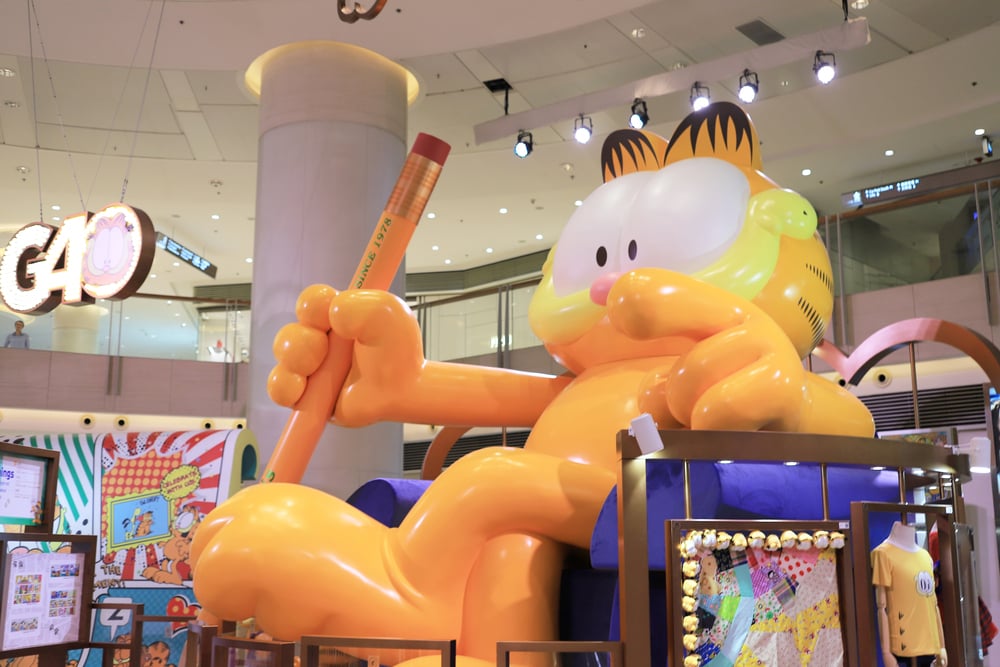
— Photo by seaonweb
Iran banned Garfield and several other Western cartoon characters in 2006 as part of a cultural protection initiative. The government pushed for locally created animation that would better reflect Iranian values—arguing that characters like Garfield represented passive Western attitudes.
South Park Characters
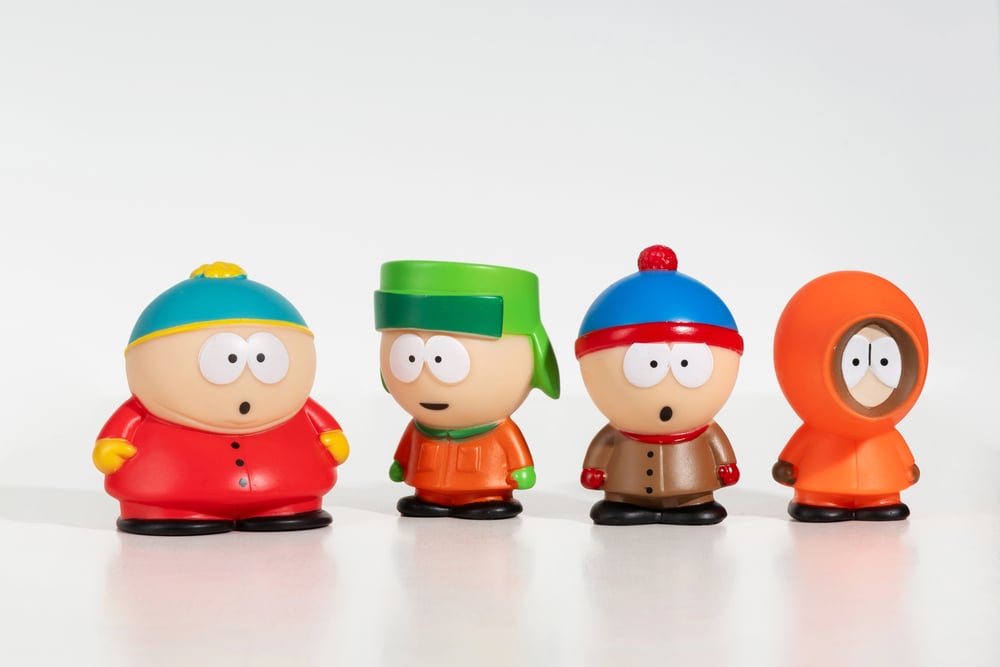
— Photo by PHOTOLOGY1971
South Park has a long track record of pushing boundaries, which hasn’t gone unnoticed by global authorities. Malaysia banned the entire series, while other countries opted to restrict specific episodes that tackled religion or politics too aggressively for their audiences.
Doraemon
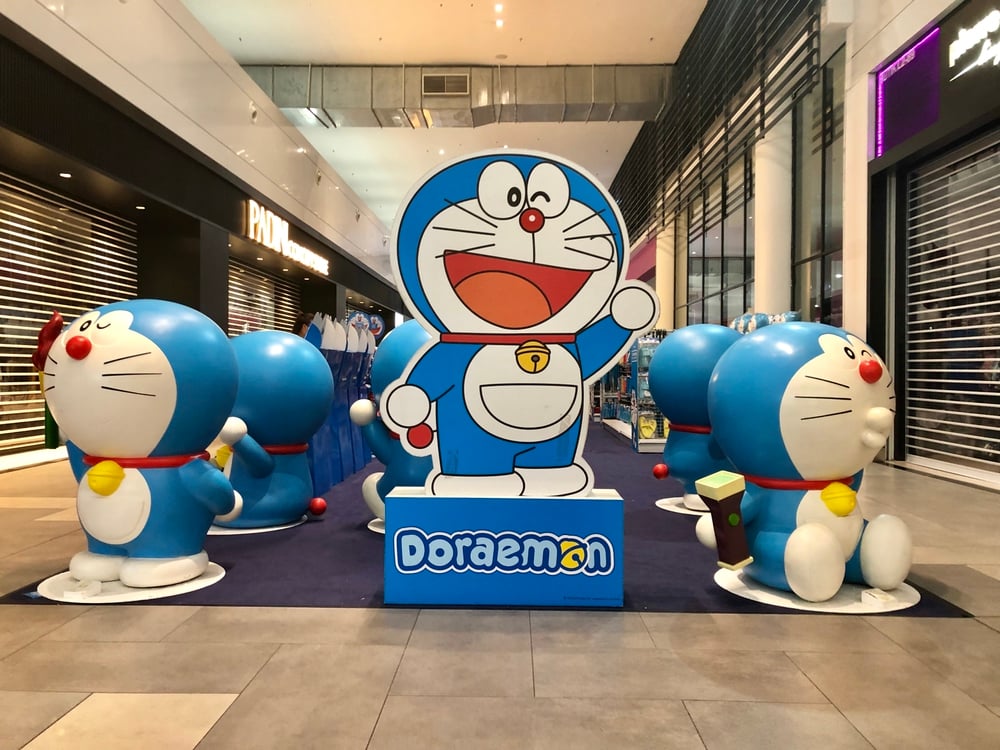
— Illustration by fadhli.adnan19@gmail.com
Doraemon was temporarily restricted in Bangladesh in 2013. Concerns grew over children speaking Japanese phrases picked up from the show—instead of Bengali. Some educators argued it threatened the development of local language skills. After some pushback, the ban was eventually lifted.
Barney the Dinosaur
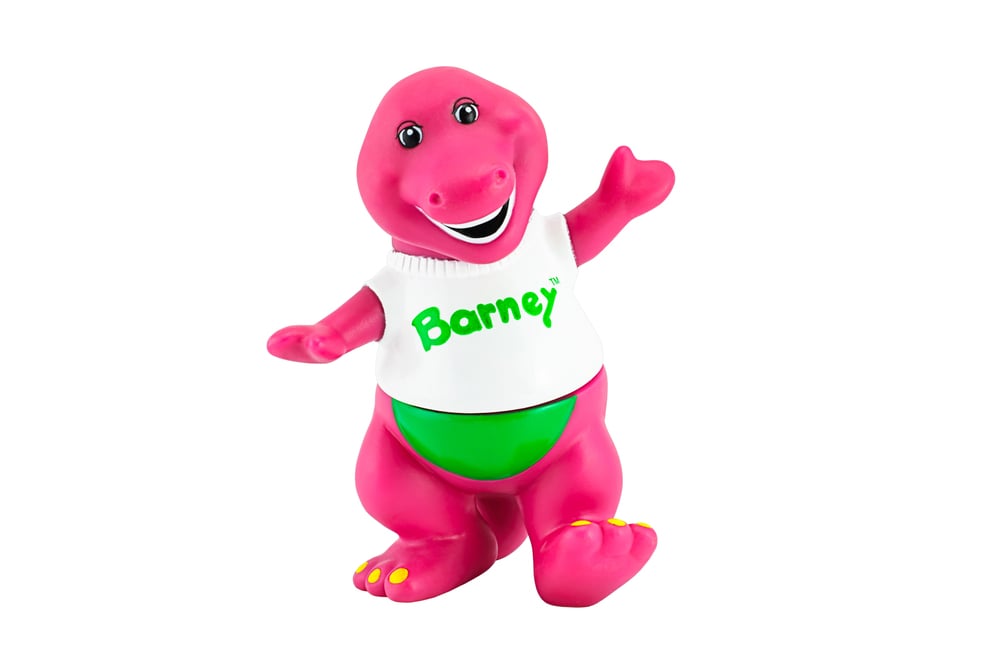
— Illustration by nicescene
Barney may be endlessly cheerful, yet not everyone saw that as a good thing. Critics in several countries felt his unrealistic positivity—and repetitive simplicity—might hinder emotional development in children. While the show wasn’t universally banned, it was quietly dropped from schedules in a few places.
Betty Boop
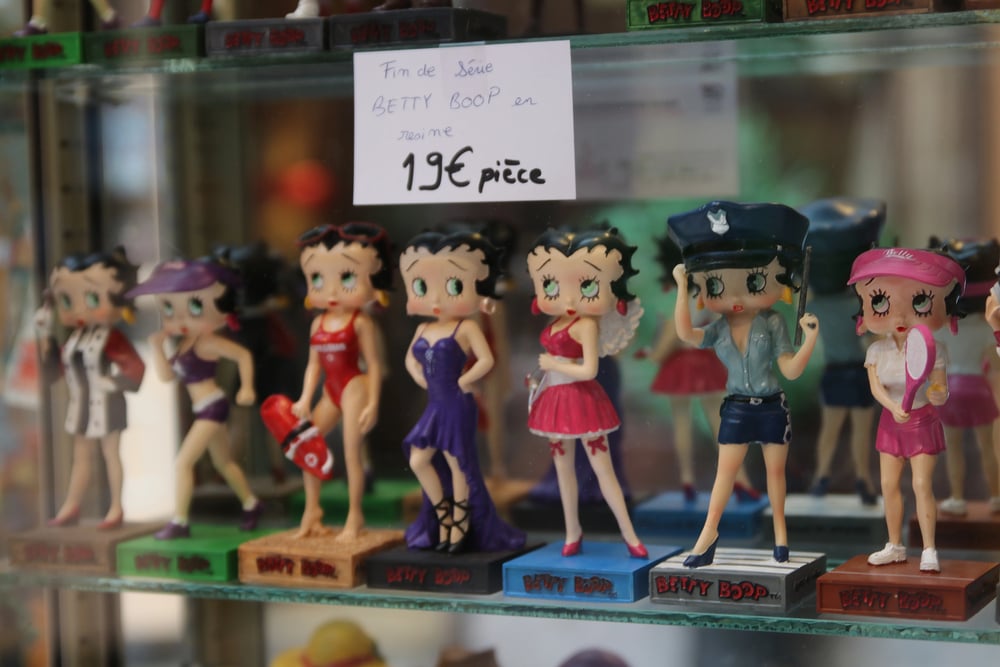
— Photo by Bellanoche
Back in the 1930s, Betty Boop’s flapper style and suggestive behavior didn’t sit well with conservative audiences. Several countries banned her appearances entirely, worried she might challenge traditional values and influence social norms—especially around how women were portrayed.
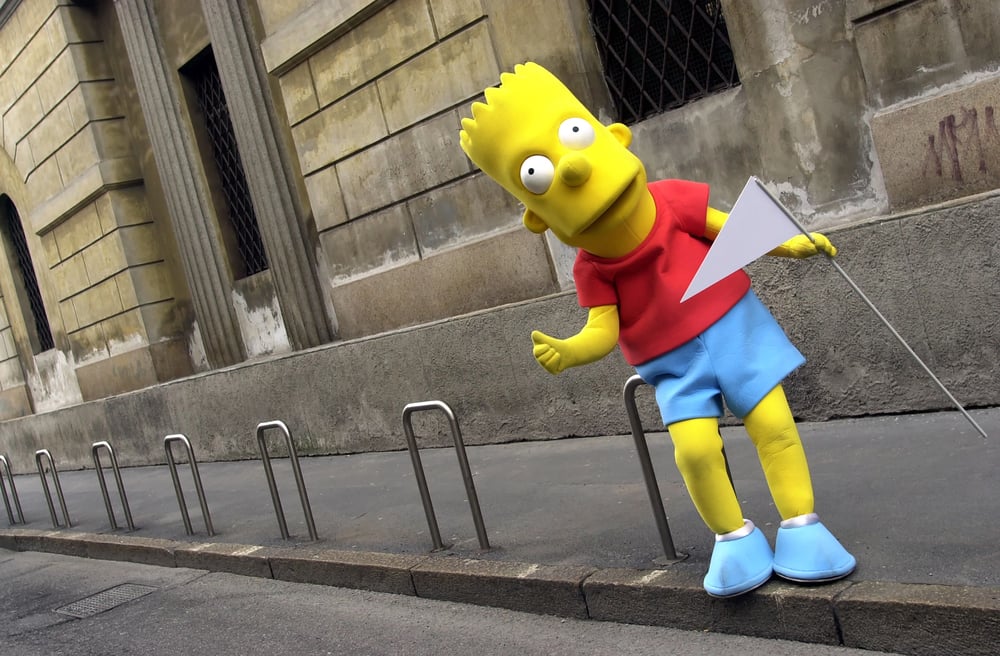
Bart Simpson
— Photo by PHOTOLOGY1971
Bart’s “bad boy” image wasn’t always welcome overseas. In certain countries, episodes that featured his rebellious antics and casual disrespect toward authority were either censored or completely banned. Concerns centered on the idea that kids might imitate his behavior.
Power Rangers Characters

Malaysia banned Power Rangers in 1995 due to fears that kids might imitate the characters’ high-energy fight scenes. The government cited concerns over violence and unsafe behavior—especially among younger viewers. Other Southeast Asian nations followed suit with similar action.
Mighty Mouse
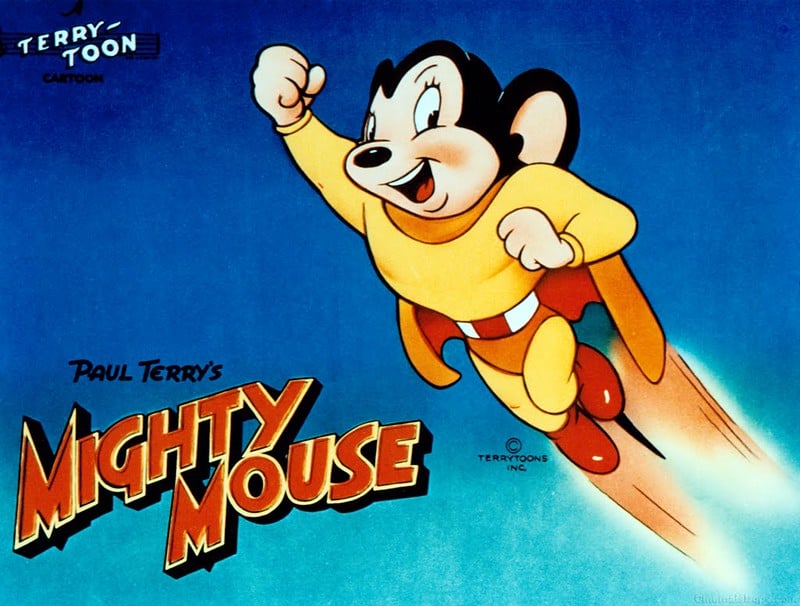
During the 1980s, a controversial scene in Mighty Mouse raised red flags internationally. In it, the hero appeared to sniff a white substance—though animators insisted it was just crushed flower petals. Still, several countries weren’t convinced and pulled the episode to avoid a potential scandal.
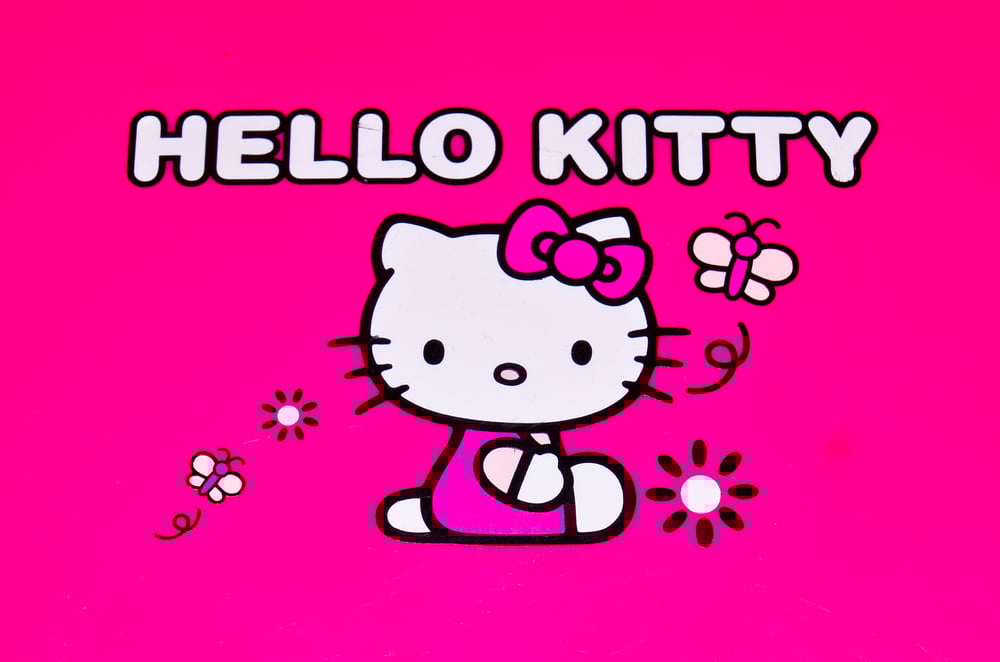
Hello Kitty
— Illustration by bertys30
In North Korea, Hello Kitty fell under the broad ban on Japanese cultural imports. The iconic character was seen as part of Japan’s soft power strategy—something North Korean officials were determined to block. It wasn’t about the cat—it was about keeping foreign influence out.
Animation vs. Authority: A Global Tug-of-War
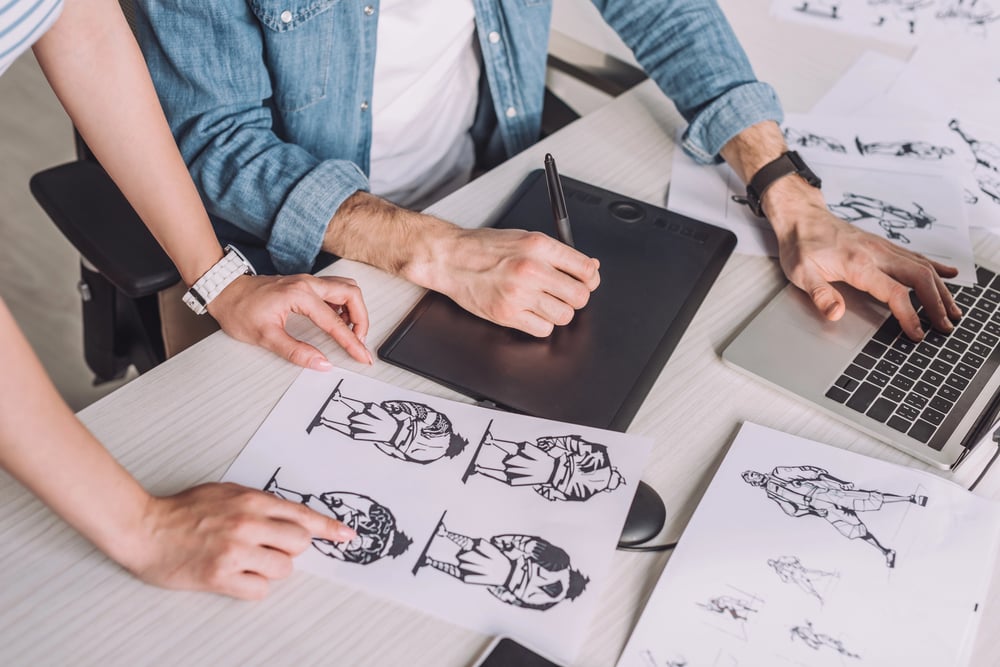
These bans highlight more than simple censorship—they reflect how societies interpret meaning, reinforce norms, and manage cultural influence. What’s harmless in one country can feel threatening in another. While animation is designed to entertain, it occasionally touches nerves that go far deeper.
From satire to symbolism, these characters—meant to amuse and delight—sometimes find themselves swept up in political tension, cultural anxiety, or ideological resistance. It’s a reminder that behind every animated face, there’s a potential message—and not every place is ready to hear it.
More from Go2Tutors!

- 16 Historical Figures Who Were Nothing Like You Think
- 12 Things Sold in the 80s That Are Now Illegal
- 15 VHS Tapes That Could Be Worth Thousands
- 17 Historical “What Ifs” That Would Have Changed Everything
- 18 TV Shows That Vanished Without a Finale
Like Go2Tutors’s content? Follow us on MSN.