15 Car Technologies That Originated from Space Program Innovations
When NASA engineers were busy figuring out how to land humans on the moon and bring them back safely, they probably weren’t thinking about your daily commute. Yet many of the technologies developed for space exploration have found their way into modern vehicles, making our cars safer, more efficient, and surprisingly sophisticated.
The connection between space programs and automotive innovation runs deeper than most people realize. Here are 15 car technologies that trace their origins back to space program innovations.
Memory Foam Seats

NASA developed memory foam in the 1960s to improve crash protection for airline pilots and passengers. The material’s ability to conform to body shape while distributing weight evenly made it perfect for space applications. Today’s car seats use this same technology to provide comfort during long drives and reduce pressure points that cause fatigue. The foam responds to body heat and weight, creating a custom fit that traditional padding simply can’t match.
Anti-Lock Braking Systems

The concept behind ABS came from aerospace anti-skid systems designed to prevent aircraft wheels from locking during landing. Space shuttles needed similar technology for their runway touchdowns, where precise braking control meant the difference between a successful landing and disaster. Modern cars use the same principle of rapid brake pressure modulation to maintain steering control during emergency stops. The system prevents wheels from locking up on slick surfaces, allowing drivers to steer around obstacles while braking hard.
GPS Navigation
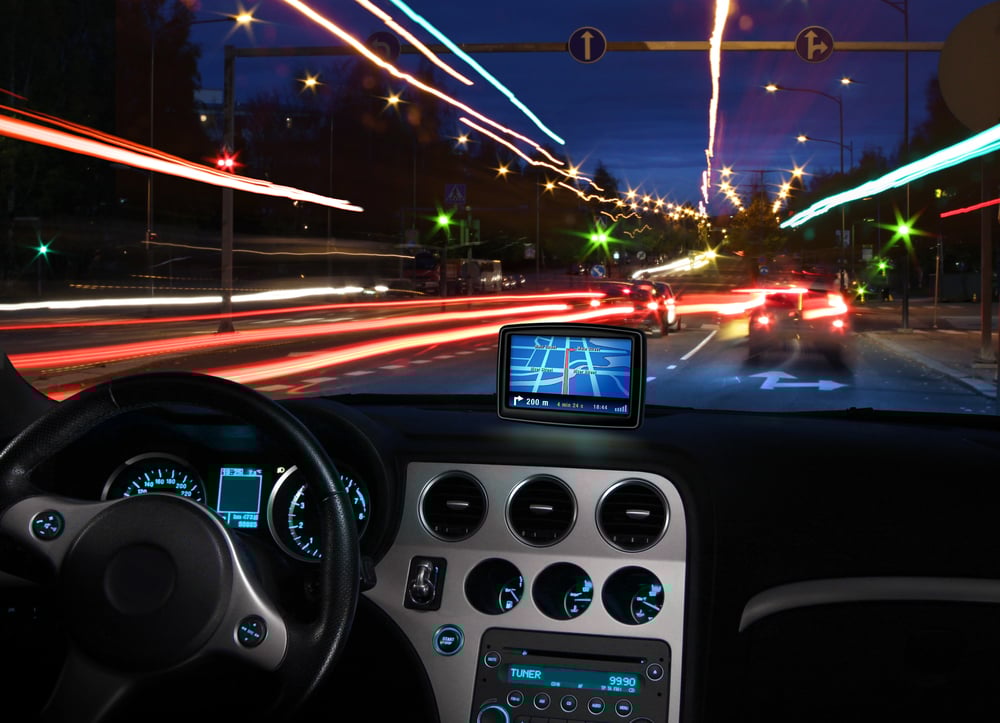
The Global Positioning System started as a military and space program initiative to provide precise location data for satellites and spacecraft. NASA needed accurate navigation for space missions, leading to the development of satellite-based positioning technology. Car navigation systems now use this same network of satellites to guide millions of drivers daily. What once helped astronauts navigate the vastness of space now helps you find the nearest coffee shop.
Heads-Up Displays
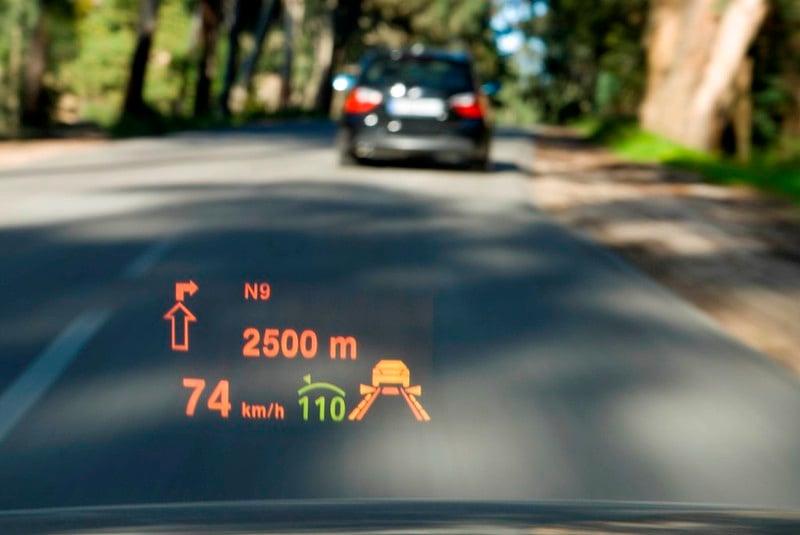
Fighter jets and spacecraft pioneered heads-up display technology to keep critical information in pilots’ line of sight without forcing them to look down at instruments. NASA refined this technology for space missions where astronauts needed constant access to vital data while maintaining visual contact with their surroundings. Modern luxury cars project speed, navigation, and warning information onto the windshield, allowing drivers to stay focused on the road. The technology reduces the dangerous split-second delays that come from glancing at dashboard instruments.
Advanced Composite Materials

The space program’s need for lightweight yet incredibly strong materials led to breakthroughs in carbon fiber and other composite technologies. These materials had to withstand the extreme conditions of space travel while keeping spacecraft weight to a minimum. Today’s high-performance cars use these same composites in body panels, chassis components, and interior trim. The materials provide superior strength-to-weight ratios compared to traditional steel, improving both performance and fuel efficiency.
Cordless Power Tools
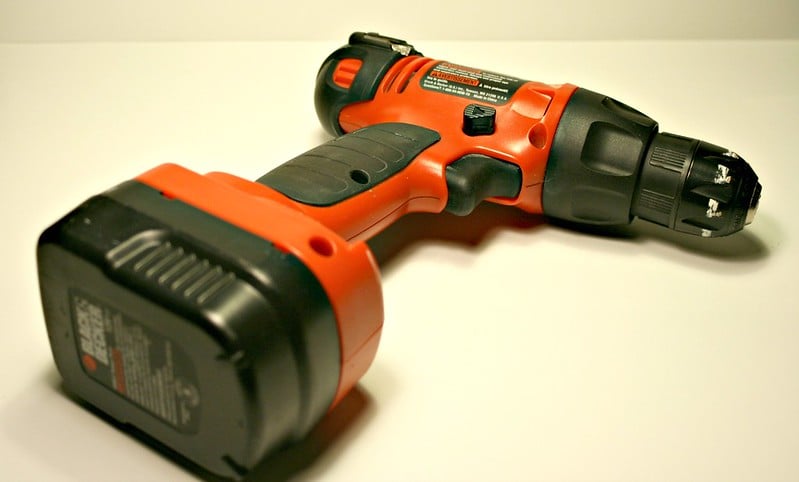
NASA developed cordless drill technology for the Apollo missions, where astronauts needed portable tools that could function in the vacuum of space. The challenge of creating powerful, battery-operated tools for space exploration pushed the boundaries of motor and battery technology. Auto mechanics and car manufacturers now rely on cordless tools for assembly and maintenance tasks. These tools trace their lineage directly back to the equipment that helped build the International Space Station.
Shock Absorbing Materials

Space capsules needed advanced shock absorption systems to protect astronauts during the violent forces of launch and re-entry. NASA engineers developed materials that could absorb and dissipate tremendous amounts of energy without failing. Modern car bumpers, crumple zones, and safety systems use similar energy-absorbing principles to protect passengers during collisions. The same physics that helped astronauts survive 4G forces now help reduce injuries in everyday fender-benders.
Improved Lubricants

Space missions required lubricants that could function in extreme temperatures and the vacuum of space without evaporating or breaking down. NASA’s research into synthetic lubricants pushed the development of advanced formulations that lasted longer and performed better than conventional oils. Today’s engine oils and transmission fluids benefit from this space-age chemistry, lasting longer between changes and protecting engines better. Your car’s extended oil change intervals exist thanks to technology developed for spacecraft.
Advanced Insulation

Spacecraft needed insulation that could protect against the extreme temperature swings of space while weighing almost nothing. NASA developed multi-layer insulation systems using reflective materials and air gaps to create incredibly efficient thermal barriers. Modern cars use similar principles in engine compartments, exhaust systems, and climate control to manage heat more effectively. The same technology that keeps spacecraft from freezing or overheating now helps your car’s air conditioning work more efficiently.
Miniaturized Electronics

The space program’s weight and size constraints drove the development of smaller, more efficient electronic components. Every ounce mattered when launching into orbit, forcing engineers to miniaturize computers, sensors, and control systems. Today’s cars pack more computing power into dashboard displays and control modules than the Apollo command module had. Your car’s infotainment system probably has more processing capability than the computers that guided humans to the moon.
Improved Tire Technology

NASA’s lunar rover program required tires that could handle the moon’s rocky, airless environment without failing. The research into tire compounds, tread patterns, and construction techniques influenced earthbound tire development. Modern all-weather and performance tires use compounds and design principles first tested for space exploration. The same engineering that helped vehicles roll across the lunar surface now helps your tires grip wet pavement.
Fuel Injection Systems

Rocket engines pioneered precise fuel injection technology to achieve optimal combustion efficiency and power output. NASA’s work on throttle control and fuel metering systems for spacecraft engines influenced automotive fuel injection development. Modern cars use electronic fuel injection systems that trace their precision and efficiency back to rocket engine technology. These systems provide better fuel economy and lower emissions than the carburetors they replaced.
Advanced Welding Techniques

Building spacecraft required welding methods that created incredibly strong, lightweight joints that wouldn’t fail under extreme stress. NASA developed new welding technologies and techniques that produced joints stronger than the base materials themselves. Automotive manufacturers adopted these same welding methods to create safer car frames and body structures. The welds holding your car together use techniques perfected for spacecraft construction.
Thermal Management Systems

Spacecraft face enormous thermal challenges, from the heat of atmospheric re-entry to the cold of deep space. NASA developed sophisticated cooling and heating systems that could maintain stable temperatures in impossible conditions. Modern cars use similar thermal management principles in engine cooling, battery cooling for electric vehicles, and cabin climate control. Your car’s ability to maintain comfortable temperatures while efficiently managing engine heat owes much to space program innovations.
Emergency Communication Systems
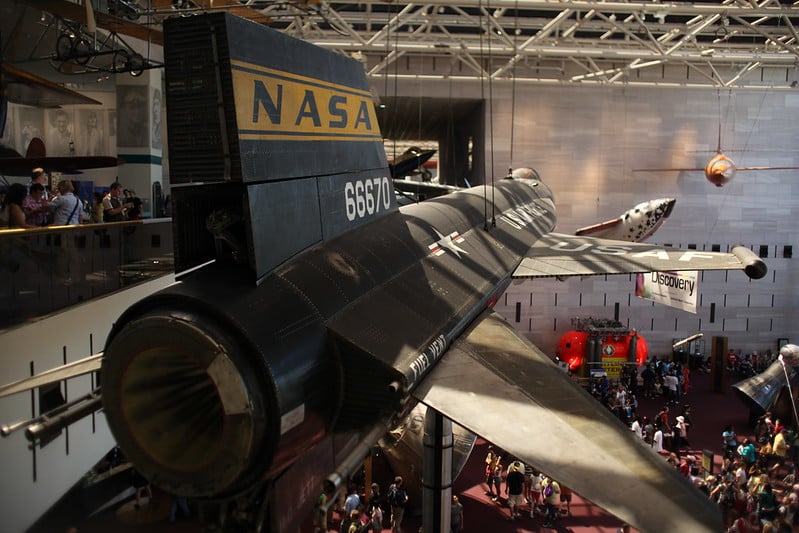
Space missions needed reliable communication systems that could function even when primary systems failed. NASA developed backup communication technologies and emergency beacon systems for spacecraft and astronauts. Today’s cars include similar emergency communication features like automatic crash notification and emergency assistance buttons. These systems can automatically call for help after an accident, potentially saving lives just as they were designed to do for astronauts in distress.
When Rocket Science Meets Rush Hour

The next time you’re sitting in traffic with your GPS guiding you home, your anti-lock brakes ready to respond, and your memory foam seat keeping you comfortable, remember that you’re benefiting from humanity’s greatest adventure. The technologies that helped us reach for the stars have quietly revolutionized how we travel here on Earth. What started as solutions for the ultimate driving challenge—navigating the cosmos—became everyday features that make our roads safer and our journeys more comfortable. The space program’s legacy lives on in every mile we drive.
More from Go2Tutors!

- 16 Historical Figures Who Were Nothing Like You Think
- 12 Things Sold in the 80s That Are Now Illegal
- 15 VHS Tapes That Could Be Worth Thousands
- 17 Historical “What Ifs” That Would Have Changed Everything
- 18 TV Shows That Vanished Without a Finale
Like Go2Tutors’s content? Follow us on MSN.