15 Rare Gins and How They Get Flavor
So you think gin tastes like drinking a Christmas tree? That’s basically what people who’ve only tried bottom-shelf well gin at college parties say. The reality is that gin has become this incredibly diverse spirit with botanicals ranging from the expected (juniper berries, obviously) to the completely bizarre (wait until you hear about the ants).
The whole flavor thing in gin comes down to how distillers extract essential oils from botanicals. There’s maceration where you steep ingredients in alcohol like making really expensive tea, vapor infusion where steam passes through suspended baskets of botanicals, and even vacuum distillation that works at lower temperatures to preserve delicate flavors.
Some of these rare bottles take it to absolutely wild extremes. Here are 15 gins that’ll make you rethink everything.
Watenshi Gin
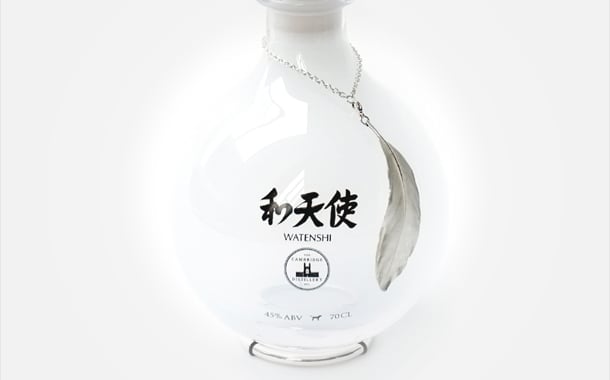
This Japanese gin costs around $700 per bottle and there’s a reason for it (actually several reasons). Cambridge Distillery developed a vacuum distillation method that captures what’s called the “angel’s share”—that’s the evaporated portion that normally escapes during distillation.
Each rum distillation only yields 15 milliliters of gin, so filling one 700ml Watenshi bottle requires 50 separate distillations. The flavor profile is ethereal and clean with notes of citrus, cherry blossom, and yuzu.
It’s almost closer to sake than traditional gin. The vacuum distillation operates at such low temperatures that delicate botanical compounds survive intact, creating this incredibly pure and refined taste. Only 36 bottles per batch.
Nolet’s Reserve
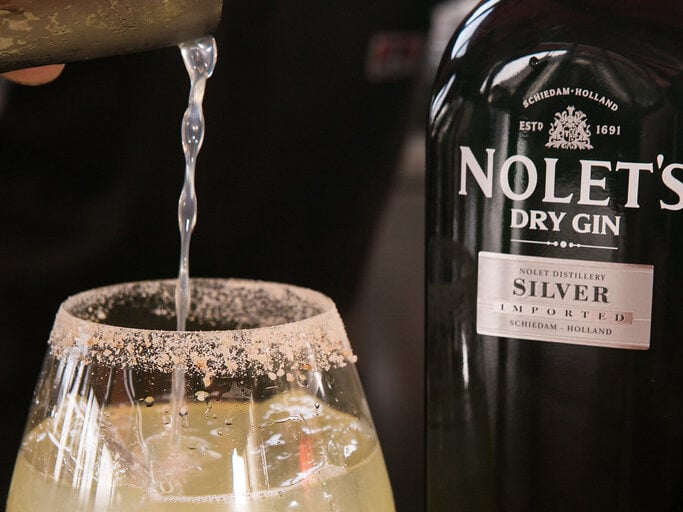
Carolus Nolet Sr. spent over 40 years developing this recipe. Forty years.
The Nolet family has been distilling in Schiedam, Netherlands since 1691, so they know what they’re doing (you’d hope so after three centuries). The Reserve uses Nolet’s Silver as a base, then adds massive amounts of saffron and verbena.
Saffron is one of the most expensive spices in the world, which explains why this bottle runs about $700. The flavor is exotic and complex—floral, slightly sweet, with that distinctive saffron character.
Each bottle is hand-numbered. The botanicals are macerated in the neutral grain spirit for an extended period before distillation to extract maximum flavor.
Monkey 47 Distiller’s Cut
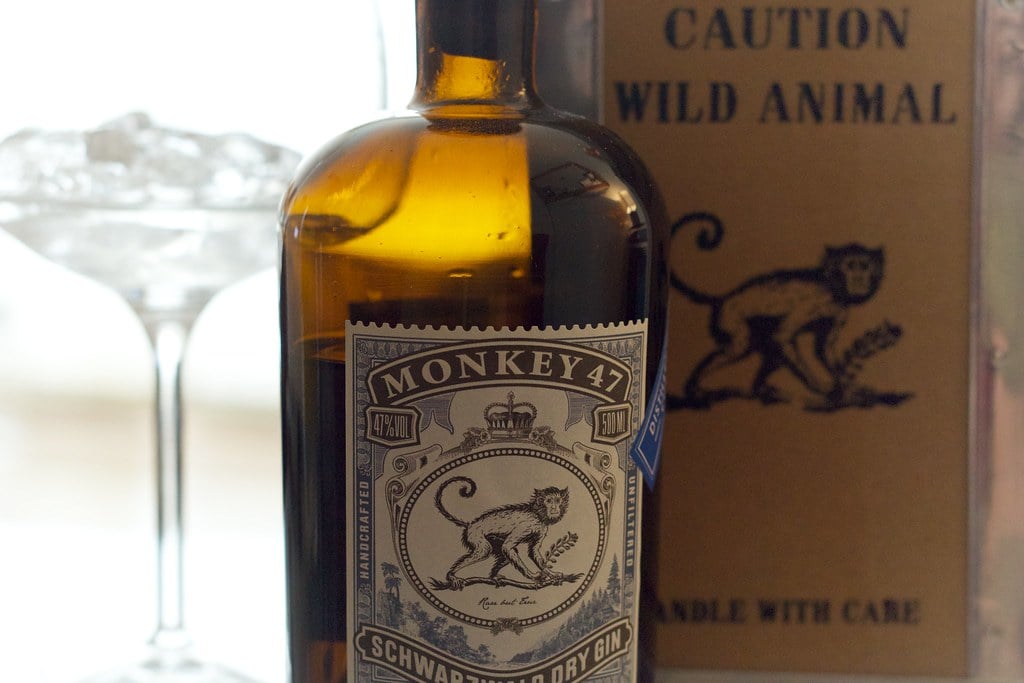
The regular Monkey 47 uses 47 botanicals (get it?) from Germany’s Black Forest, but the Distiller’s Cut is where things get interesting. Each year they release a limited edition featuring a 48th botanical that changes annually.
The 2025 version includes rare black lemon and wild thyme. Previous years have featured things like woodruff, which requires an extensive drying process to achieve the perfect flavor. These botanicals are distilled in small copper stills and aged in clay pots.
The base includes lingonberries, spruce shoots, and various local herbs. Complex, herbal, slightly woody with bold citrus.
And yes, the ABV is also 47%. Someone at this distillery really committed to the number theme.
Morus LXIV Jam Jar Gin
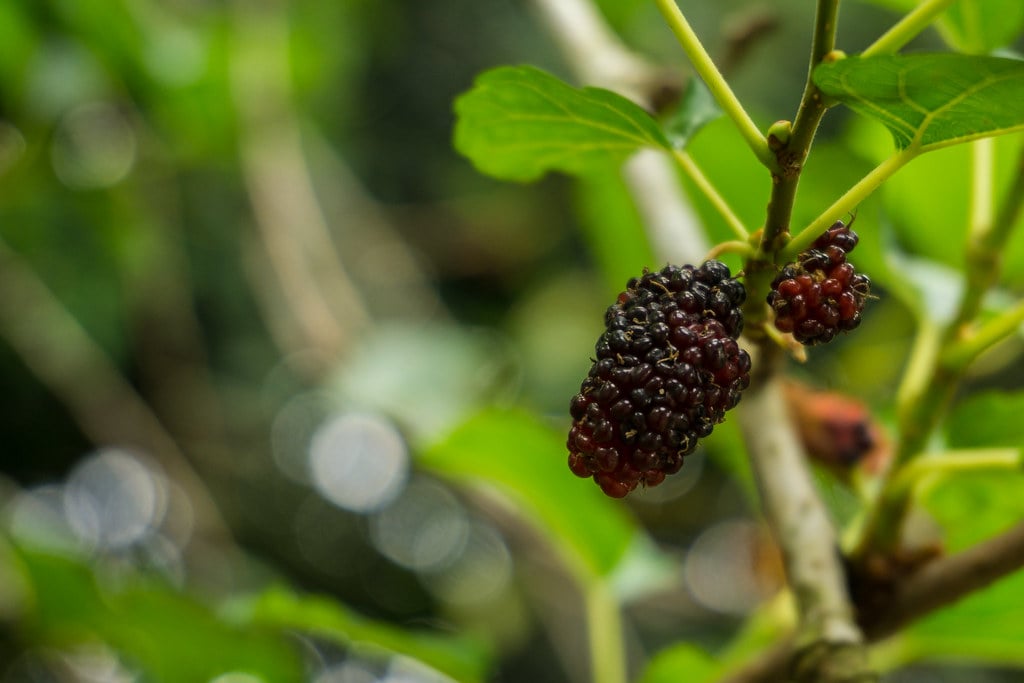
You’ll need about $7,050 to buy this one. Is it worth it? That’s for you to decide.
The London-based Morus distillery hand-harvests mulberry leaves from the same ancient tree for each single-batch production. Legacy botanicals grown over generations contribute to the flavor profile.
The maceration process for mulberry leaves is incredibly delicate—too long and the flavor becomes bitter, too short and you lose the distinctive character. They age the gin for over 18 months, which is unusual.
Most gin isn’t aged at all. The result is savory and distinctive, designed for slow sipping.
The handmade porcelain bottles come in artisanal leather cases, because when you’re already spending seven grand what’s a fancy case.
Anty Gin
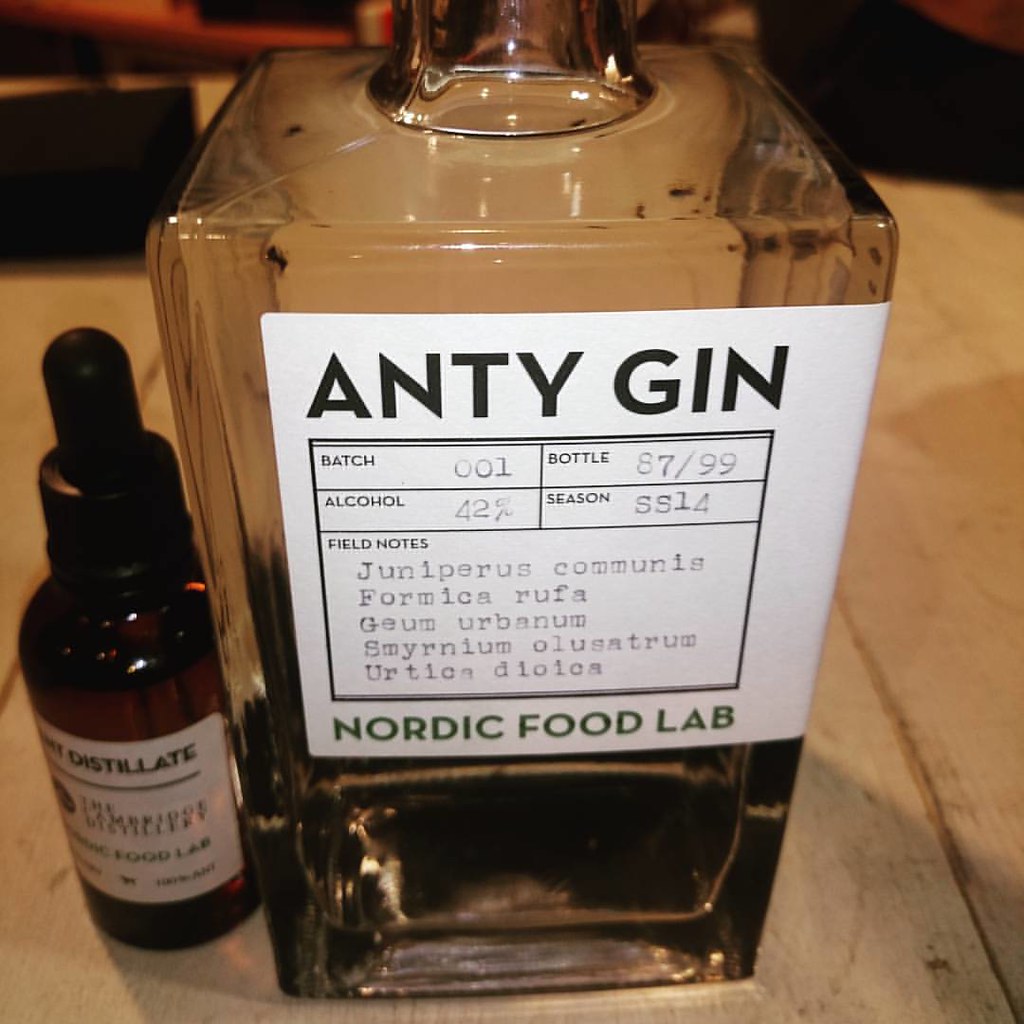
Let’s address the elephant in the room. Or rather, the ants in the bottle.
Cambridge Distillery uses 62 red wood ants per bottle of this gin, and before you ask—yes, they actually distill the ants into the spirit. It costs around $258.
The ants provide a uniquely tangy flavor that’s apparently impossible to replicate with any botanical (I believe them, who else is distilling insects?). The formic acid from the ants creates citrusy, slightly sour notes.
Hand-forged botanicals round out the profile. The distillation process has to be carefully controlled because ant proteins behave differently than plant matter when heated.
Obviously vegans should skip this one. Everyone else seems divided between fascinated and horrified.
Cambridge Distillery Darwin Collection Americas Herbarium
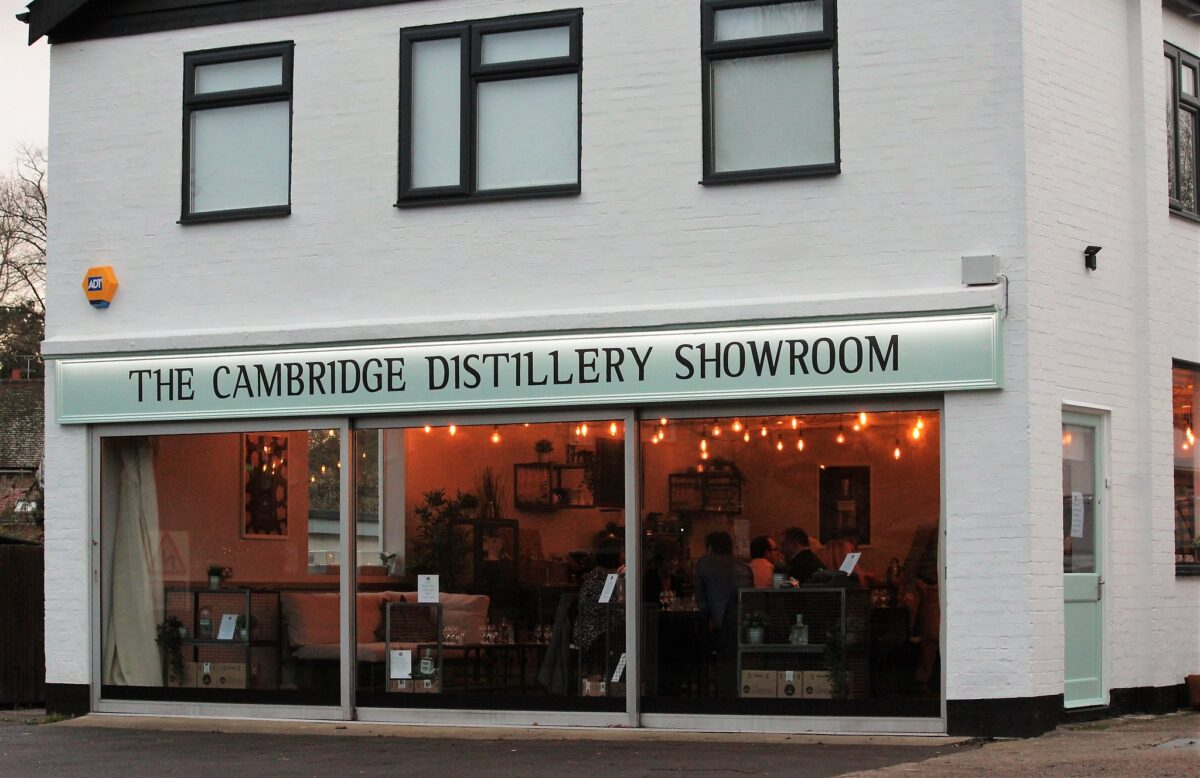
This is one of Cambridge Distillery’s more “affordable” offerings at $290. The Darwin Collection pays tribute to Charles Darwin’s voyage through the Americas, using botanicals native to the regions he explored.
Each botanical is macerated separately at different temperatures and alcohol percentages to achieve optimal extraction. Some flavor compounds are water-soluble, others require high-proof alcohol.
By treating each botanical individually, they maintain flavor integrity that would be lost in a combined maceration. Then they blend the single-botanical distillates together.
Traditionalists argue this method loses the interaction between botanical oils that happens in the still, but the results speak for themselves.
Hendrick’s Orbium
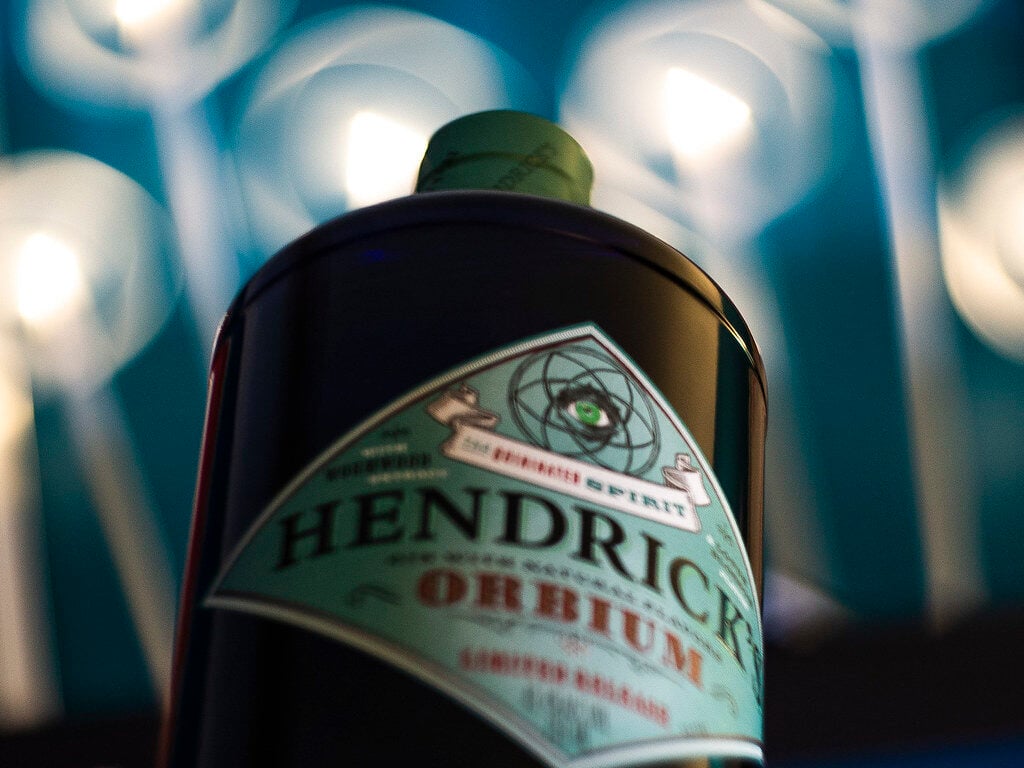
Hendrick’s decided to ask themselves what their gin would taste like if designed for complexity instead of broad appeal. Master Distiller Lesley Gracie added quinine, wormwood, and blue lotus blossom to the base recipe.
These are botanicals you normally find in tonic water and vermouth, not gin. The blue lotus was used medicinally by ancient Egyptians and Mayans (it’s mildly psychoactive, though not enough to feel in a cocktail).
The quinine creates that distinctive bitter profile, wormwood adds green, herbal notes, and the lotus blossom brings floral sweetness. If you don’t like Hendrick’s regular gin or tonic water, you won’t like Orbium.
If you love both, this is perfect. It’s excellent in Negronis and martinis but pairs terribly with fruity or dessert cocktails.
Sipsmith V.J.O.P.
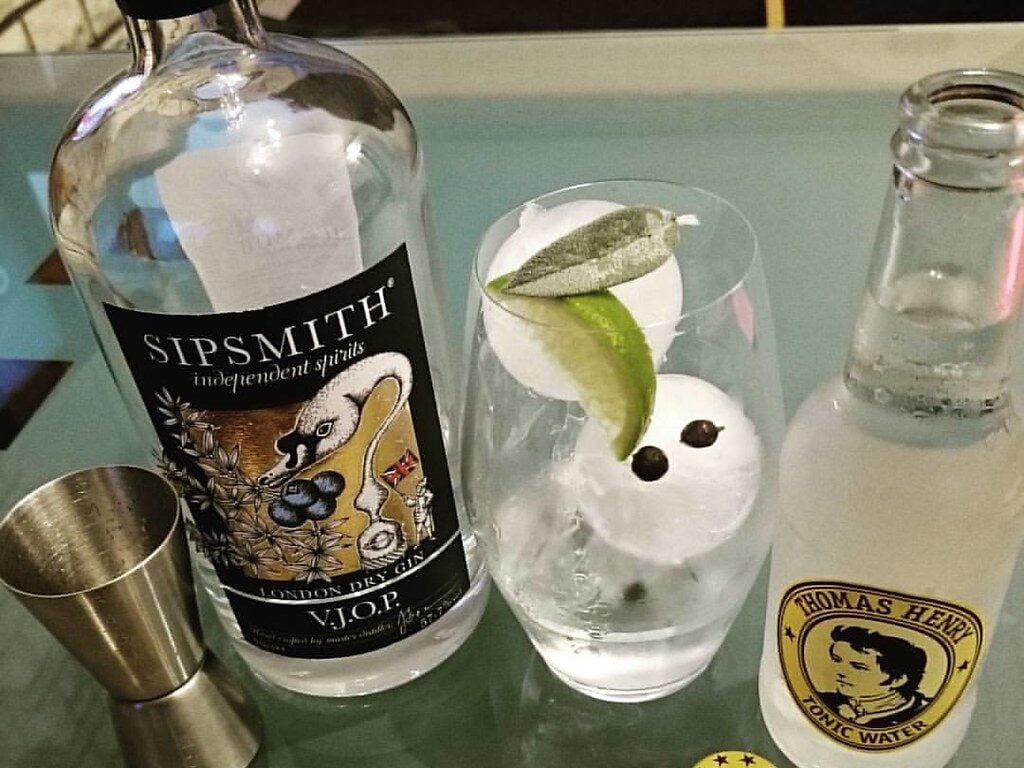
V.J.O.P. stands for “Very Junipery Over Proof” and that’s not marketing speak, they mean it. This gin uses triple the amount of juniper berries compared to Sipsmith’s London Dry.
But it’s not just about quantity—the juniper undergoes a three-part infusion process. First it’s macerated in warm neutral spirit overnight to burst the skins and release essential oils.
Then more juniper goes directly into the pot still during distillation. Finally, additional juniper is placed in a Carter Head basket for vapor infusion.
At 57.7% ABV, this is navy strength. The high proof is necessary because when you increase the flavor profile dramatically, you need the alcohol percentage to match or the gin tastes unbalanced.
Pine, cedar wood, orange zest. For juniper lovers only.
Ki No Bi Cask Aged Gin
From Kyoto Distillery, this gin takes Japanese botanicals like akamatsu and sansho pepper, then ages them in oak casks that previously held sherry. Most gin isn’t aged at all—aging is a whiskey thing.
But some distillers are experimenting with barrel-aging, and Ki No Bi has found success with it. The wood imparts vanilla, caramel notes that complement the citrusy Japanese botanicals.
The sansho pepper provides a numbing, tingly quality that’s distinctive. Currently sits around $347 per bottle (interestingly, down from $414 last year, which is rare in this market).
The casks are carefully selected to avoid overpowering the delicate botanical profile.
Fifty Pounds Cask at the Back Aged Gin
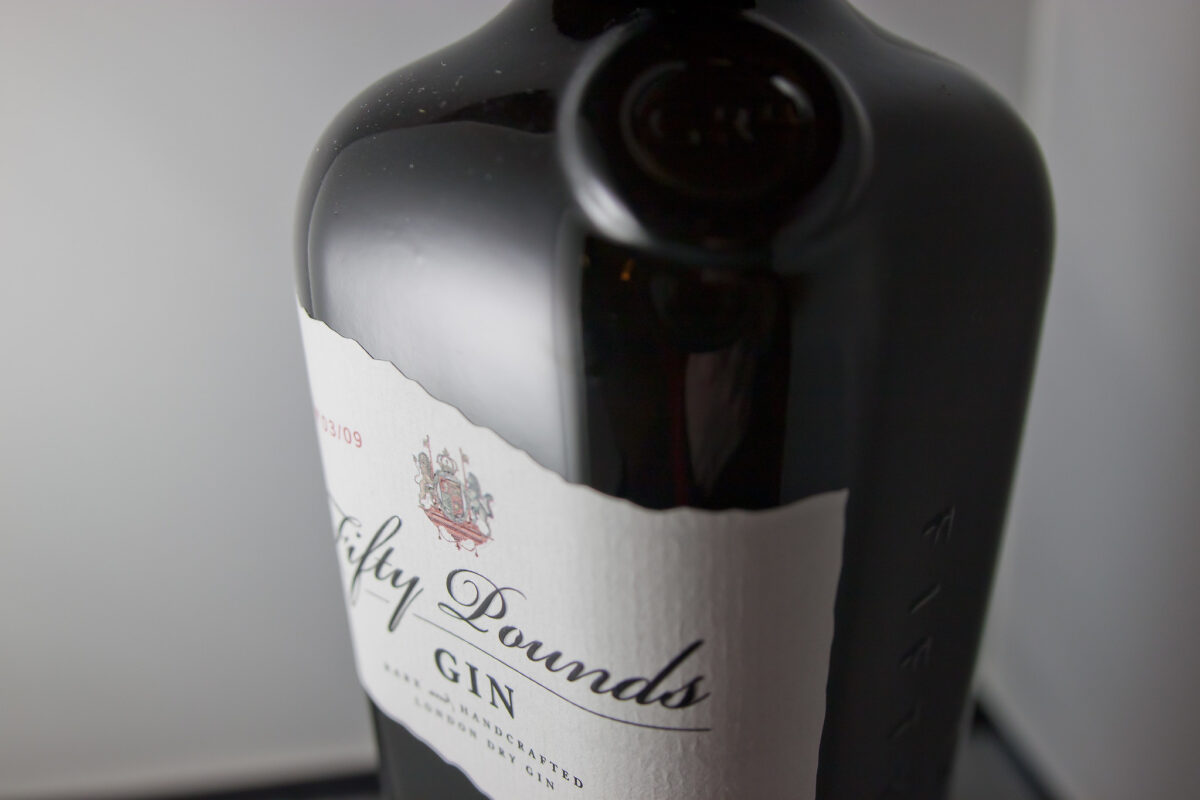
Named after the 1736 Gin Act which imposed a fifty-pound annual license fee on gin producers. Only 500 bottles were produced. This gin is aged in oak barrels that previously housed sherry, harking back to when gin was transported in barrels and certain casks at the back of warehouses were left longer simply because they were harder to access.
The accidental extended aging created richer, more complex flavors. Thames Distillers recreated this with intentional aging.
You get traditional London Dry botanicals—juniper, coriander, angelica—with added vanilla, dried fruit, and oaky complexity from the barrel. The sherry cask influence is prominent but doesn’t overwhelm.
Silent Pool Black Juniper Gin
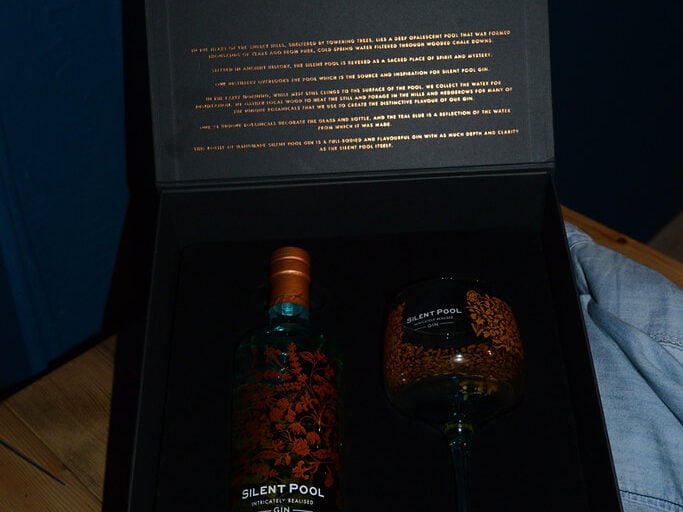
A rare one-off from Surrey distillery Silent Pool. Founded in 2013 on the Duke of Northumberland’s Albury Estate (so yes, very English).
Black juniper is different from regular juniper—it’s a specific variety that grows in certain regions and has a deeper, more resinous flavor. Finding enough black juniper for commercial production is difficult, hence the one-off nature.
Currently around $320. The packaging is stunning, which matters when you’re displaying a bottle this expensive.
The maceration process for black juniper requires different timing than regular juniper because the oil composition differs. Too aggressive and you extract bitter compounds.
Porfidio Juniper Tree Agave Gin
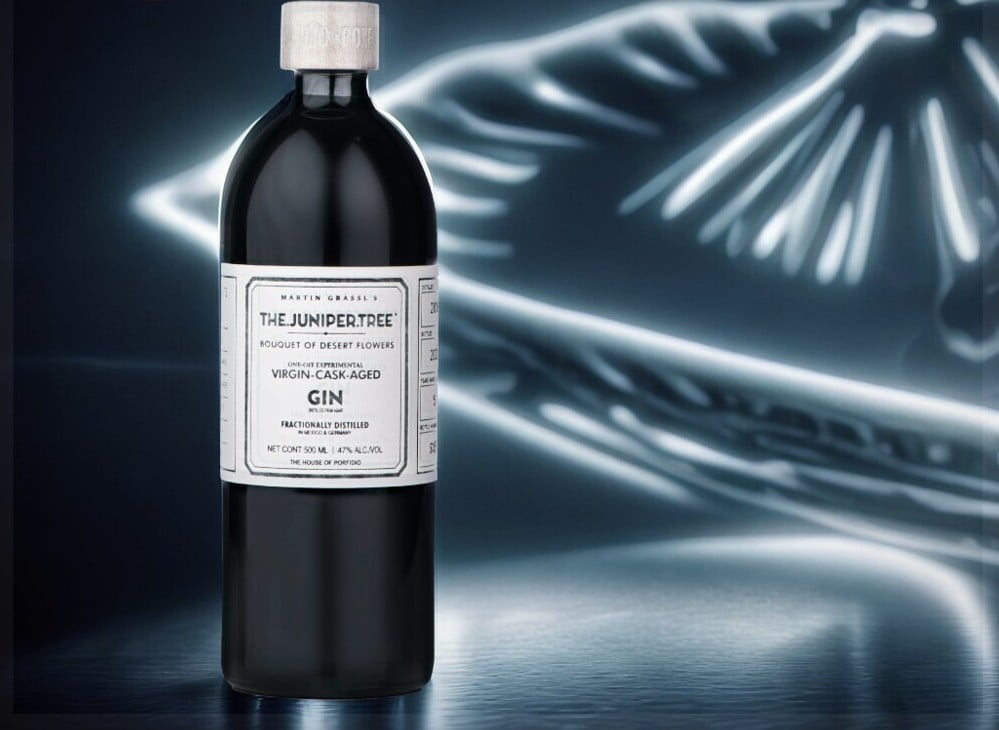
A Mexican distillery making gin with agave, the plant normally used for tequila. This is weird but somehow works.
The agave provides earthy, slightly sweet base notes that are completely different from the grain neutral spirits most gin uses. Traditional juniper and other botanicals are macerated in the agave spirit.
The decorated bottle is reminiscent of high-end tequila packaging. At around $519, it’s pricey but not absurd by rare gin standards.
The agave character is subtle—it’s definitely gin, not tequila—but provides an unusual foundation that makes traditional gin botanicals taste slightly different. Only four offers are currently listed worldwide.
Adler KPM Edition Berlin Dry Gin
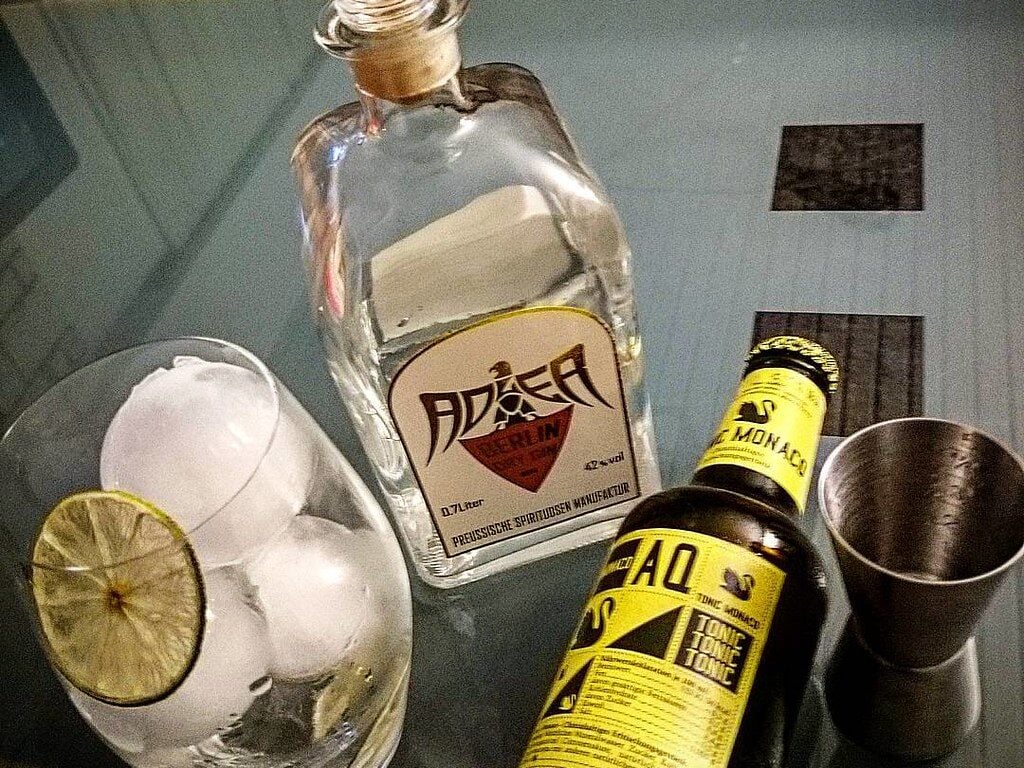
As of 2022, produced by Michelberger X Preussische Spirituosen Manufaktur (try saying that after a few G&Ts). “Adler” translates to eagle in German.
The key botanicals are cardamom, ginger, and lemon, which is a less traditional combination. Most London Dry gins lean heavily on juniper, coriander, angelica.
This takes a different approach with warming spices. Cardamom can be tricky to work with in gin—too much and it overwhelms everything else, too little and you lose its distinctive character.
The ginger adds heat and the lemon keeps things bright. Currently $452 per bottle, up from $429 last year. The KPM Edition features decorated bottles.
Globe Trotter x No. 3 Martini Case
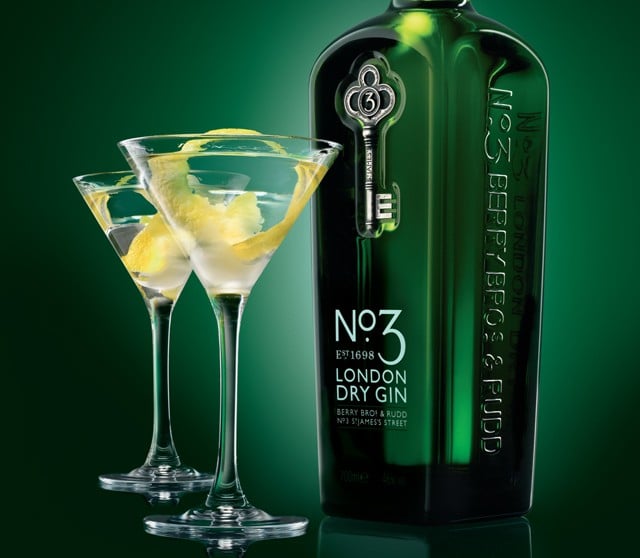
Okay, technically this is sort of cheating because it includes glassware and accessories, not just gin. But it’s so exclusive and expensive ($3,847) that it deserves mention.
The No. 3 London Dry Gin was developed in partnership with Berry Brothers & Rudd and Dr. David Clutton (who has a PhD in gin, apparently that’s a thing).
The gin itself focuses on harmony between juniper, citrus, and spice. Nothing too exotic in the botanical bill. What makes this rare is the complete package—custom luggage case, premium glassware, the whole luxury travel experience.
It’s gin as a lifestyle product. Only three offers are currently listed worldwide, which tells you something about the target market.
Buton Dry Gin
Most bottles date back to the 1950s or ’60s. This is a collectors’ item, not really for drinking (though you could if you wanted to taste what gin was like 70 years ago).
Available primarily through auctions, prices range from $60 to $260 depending on the bottle’s condition and provenance. Little is known about the actual flavor profile because almost nobody opens these bottles.
The few who have reported it’s dated compared to modern gin—rougher, less refined distillation. But that’s part of the appeal if you’re into spirits history. Italian-made, from an era when gin production was less standardized.
Why All This Matters (Or Doesn’t)
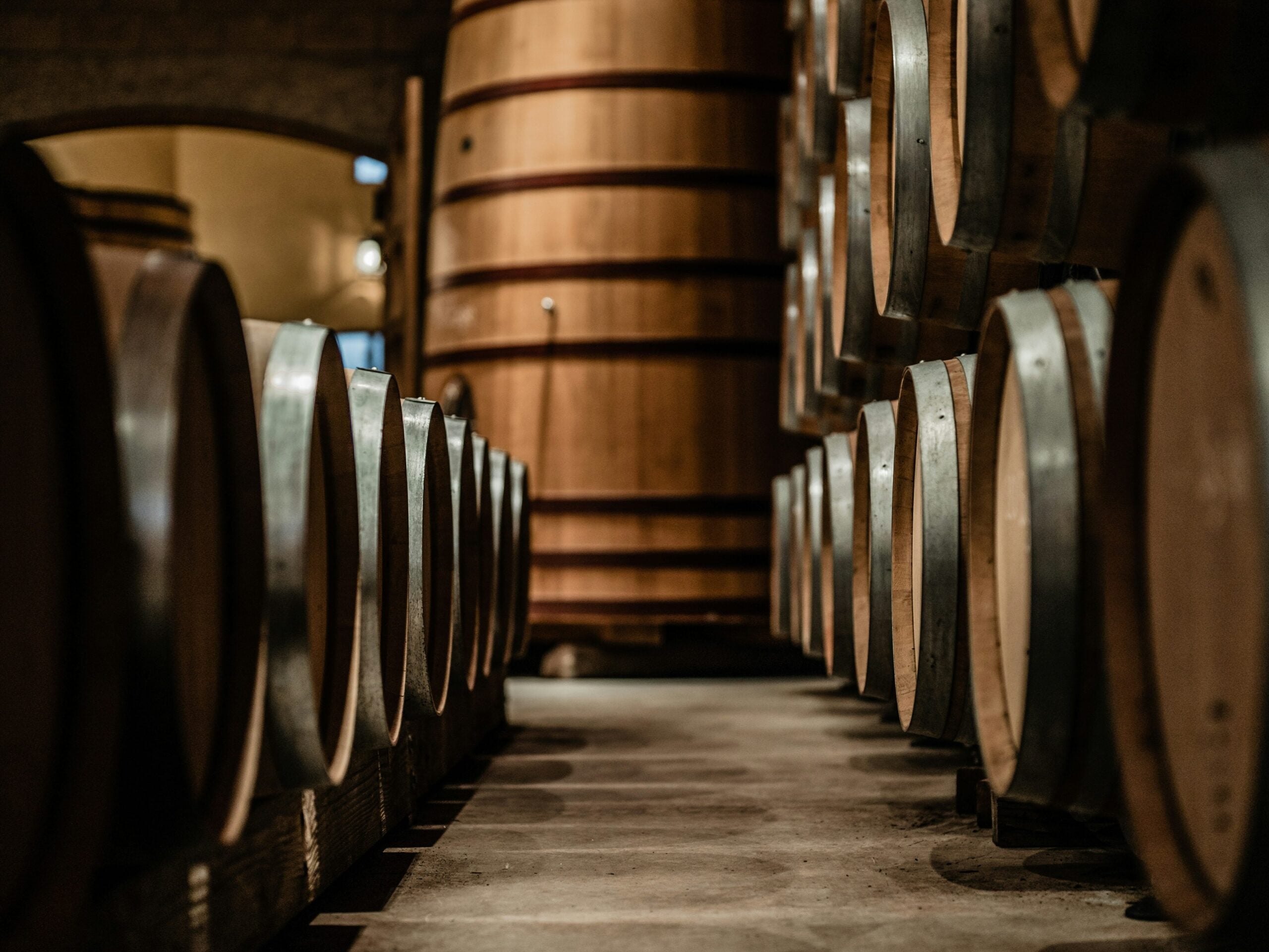
The craft gin movement has gotten completely out of control in the best possible way. Distillers are experimenting with vacuum distillation, aging in exotic casks, using ingredients nobody would’ve considered 20 years ago (ants!), and charging prices that rival rare whiskey.
Some of it is genuinely innovative. Some of it is marketing theater. But here’s what actually creates flavor in all these gins: alcohol extracting essential oils from botanicals, heat (or lack of it) breaking down chemical compounds, time allowing certain reactions to occur.
Juniper contains α-pinene for that piney flavor, limonene for citrus notes, and various other terpenes. How you extract those compounds—maceration temperature, distillation pressure, vapor infusion—determines what ends up in the bottle.
Whether a $7,000 mulberry gin tastes better than a $40 bottle is subjective. What’s not subjective is that these rare bottles represent distillers pushing boundaries, trying techniques that would’ve been impossible or unthinkable even a decade ago.
And that’s pretty cool, even if you’re not dropping four figures on a bottle.
More from Go2Tutors!

- The Romanov Crown Jewels and Their Tragic Fate
- 13 Historical Mysteries That Science Still Can’t Solve
- Famous Hoaxes That Fooled the World for Years
- 15 Child Stars with Tragic Adult Lives
- 16 Famous Jewelry Pieces in History
Like Go2Tutors’s content? Follow us on MSN.