15 Countries Freed From British Rule
For many years, the British Empire ruled over lands far beyond its own island. At one point, it controlled nearly a quarter of the world’s population. But over time, countries stood up, pushed back, and claimed their independence. Some did it through peaceful talks. Others had to fight hard for freedom.
Here are 15 countries that broke away from British rule and became their own.
India

India became independent in 1947 after nearly 200 years under British control. The struggle involved both non-violent protests and strong political pressure.
Leaders like Mahatma Gandhi pushed for peaceful change. The moment of freedom was marked by both celebration and division.
It also led to the creation of Pakistan.
Kenya
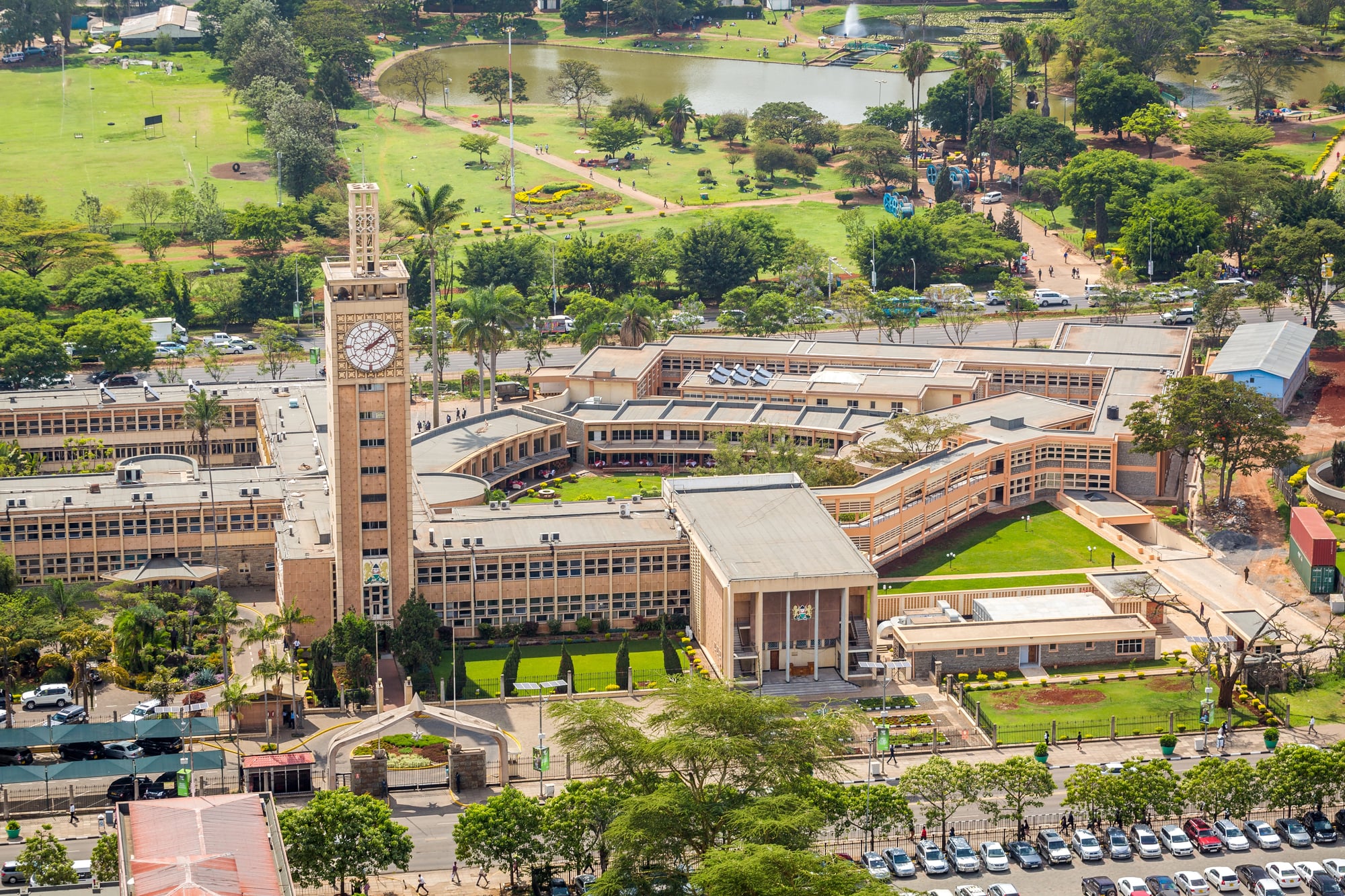
Kenya gained independence in 1963 after years of resistance. One major turning point was the Mau Mau uprising, where fighters clashed with colonial forces.
Thousands were arrested, and many lives were lost. But the fight for land and dignity couldn’t be ignored.
Today, Kenya honors those who stood up during those times.
Jamaica

Jamaica became independent in 1962, though it remained part of the Commonwealth. The island’s long colonial past included plantations, slavery, and outside rule.
After independence, Jamaica built its own government. It also started shaping a stronger cultural identity through music, sports, and language.
Its influence now reaches far beyond its shores.
Ghana

Ghana was the first sub-Saharan African country to win independence, which happened in 1957. The country became a symbol of hope for others on the continent.
Kwame Nkrumah, its first leader, played a major role in pushing for freedom. Celebrations lasted for days.
Ghana’s new path inspired many across Africa.
Pakistan
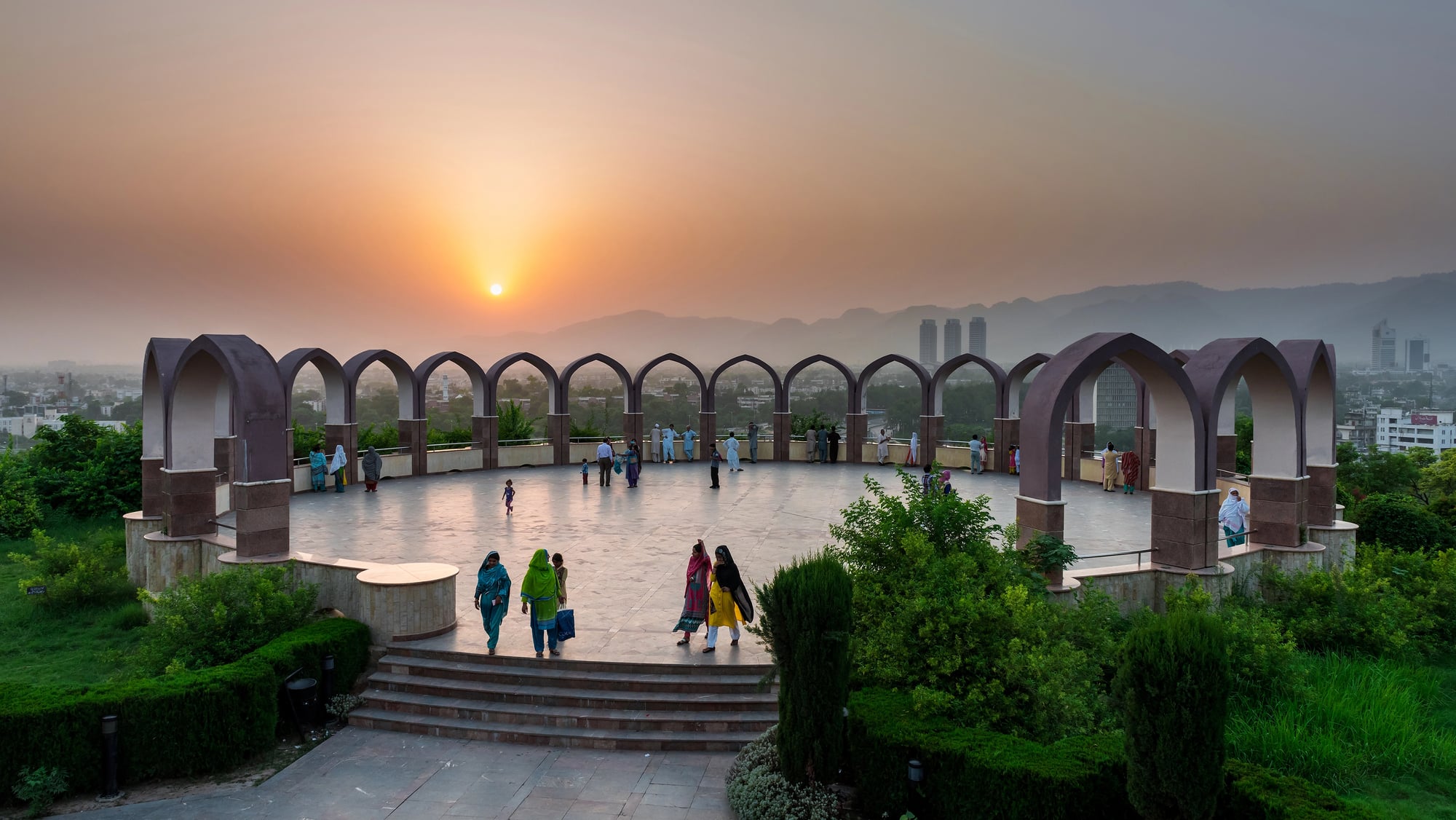
Pakistan was formed in 1947, at the same time India gained independence. It became a separate country for Muslims living in British India.
The move was followed by large migrations and violence on both sides of the new border. Though independence came with challenges, Pakistan began building its own future.
Its capital was later moved from Karachi to Islamabad.
Nigeria

Nigeria got its independence in 1960 and became a republic three years later. It had a mix of cultures, tribes, and languages, all under British rule before.
After freedom, it faced tough questions about unity and leadership. Still, the country grew quickly.
Today, it’s one of the largest economies in Africa.
Malaysia

Malaysia became independent in 1957, starting with the Federation of Malaya. Later, it expanded to include more states, forming Malaysia in 1963.
The country’s independence followed years of planning and negotiation. Unlike some other places, Malaysia’s path was mostly peaceful.
It continues to grow as a trade and travel hub.
Zimbabwe

Zimbabwe gained independence in 1980, after a long and violent struggle. It was once called Rhodesia, named after a British colonist.
The fight involved guerrilla warfare and resistance against white minority rule. After independence, Robert Mugabe became the country’s first leader.
The journey was long, but it marked a major shift in southern Africa.
South Africa

South Africa became a self-governing country in 1910 but only fully broke from British rule in 1961. However, full freedom for all its people didn’t come until the end of apartheid in the 1990s.
Before that, most people lived under unfair laws. Nelson Mandela’s release and election helped turn a page in history.
Now, it stands as a reminder of both struggle and change.
Sudan

Sudan became independent in 1956 after British-Egyptian rule. The country was large and diverse, which later led to internal conflicts.
Its early years were filled with leadership changes and unrest. Still, it was one of the earlier African nations to break away.
Its history remains complex, even after freedom.
Bangladesh

Bangladesh was once part of British India, then later East Pakistan. It gained full independence in 1971 after a brutal war with West Pakistan.
Though not a direct break from Britain, its path started with the 1947 split. The struggle for language, culture, and rights led to its own nation.
Today, it’s known for resilience and rapid growth.
Myanmar (Burma)

Myanmar, once called Burma, became independent in 1948. Its road to freedom followed decades of colonial rule and influence.
After independence, the country faced many years of internal conflict and military control. Still, leaving British rule was a major milestone.
The country continues to search for stability and peace.
Sri Lanka

Sri Lanka, once called Ceylon, became independent in 1948. The island had been under European rule for centuries before gaining full control.
After independence, it went through name changes, leadership shifts, and civil unrest. But its rich culture remained strong.
Today, it’s known for its beauty, history, and tea exports.
Uganda

Uganda achieved independence in 1962. Like many African countries, it had borders drawn by outsiders and groups forced together.
After independence, it went through ups and downs, including rule by military leaders. Still, many remember the day Uganda raised its flag for the first time.
It marked a chance to rebuild and own its path.
Trinidad and Tobago

Trinidad and Tobago became independent in 1962. This twin-island nation was under British rule for over 100 years.
After gaining freedom, it kept close ties with the UK through the Commonwealth. It also grew into a strong voice in the Caribbean.
Its culture blends African, Indian, and European roots, giving it a unique flavor.
From empire to independence

These 15 countries all took different paths to break free from British control. Some used protests. Others had to fight.
A few gained independence through quiet talks. No matter how it happened, the result was the same—control moved from outsiders back to the people.
Today, these countries continue to shape their futures. Some are still healing from the struggles of the past.
Others have become powerful voices in global conversations. What they all share is the moment they stood up and said, “We’ll lead ourselves now.”
And that moment changed the world map forever.
More from Go2Tutors!

- The Romanov Crown Jewels and Their Tragic Fate
- 13 Historical Mysteries That Science Still Can’t Solve
- Famous Hoaxes That Fooled the World for Years
- 15 Child Stars with Tragic Adult Lives
- 16 Famous Jewelry Pieces in History
Like Go2Tutors’s content? Follow us on MSN.



