15 Famous Photos with Strange Backstories
Behind every iconic photograph lies a story that’s often more fascinating than the image itself. What we see in these famous shots is usually just the tip of the iceberg, with bizarre circumstances, hidden meanings, and unexpected twists lurking beneath the surface. The real drama often happens before the shutter clicks or after the film develops.
These seemingly straightforward images carry secrets that transform how we understand them completely. Here is a list of 15 famous photographs whose backstories are far stranger than they appear.
The Hindenburg Disaster
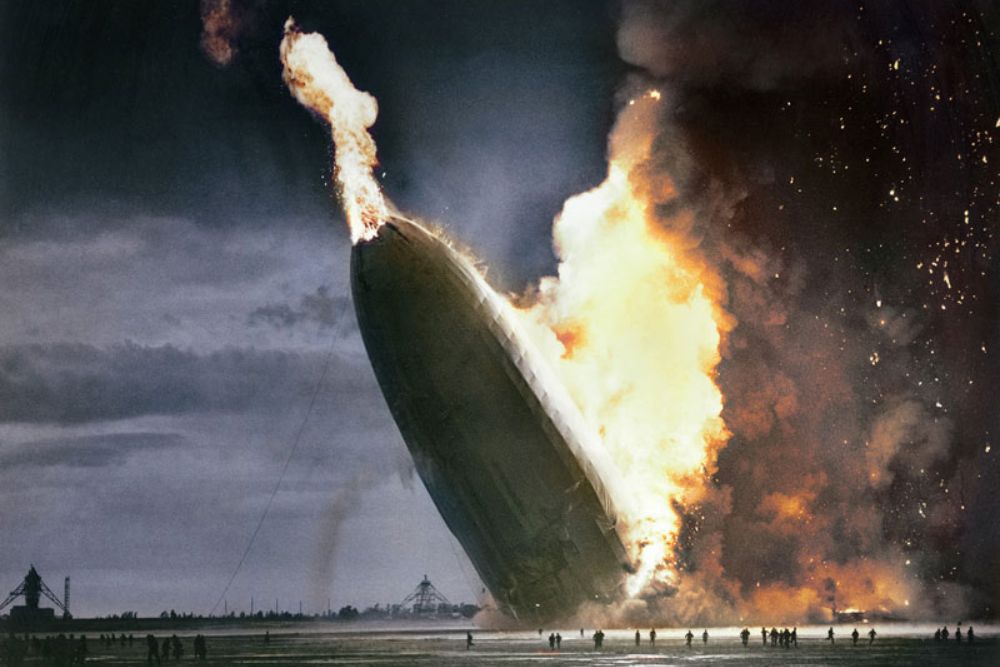
Sam Shere’s famous shot of the Hindenburg exploding in 1937 appears to show him perfectly positioned to capture the disaster. The reality is much more accidental and terrifying. Shere was actually running away from the airship when it caught fire, and he snapped the photo while sprinting backward without looking through his viewfinder.
The image that became one of history’s most famous disaster photographs was essentially a lucky shot taken in pure panic.
Tank Man at Tiananmen Square
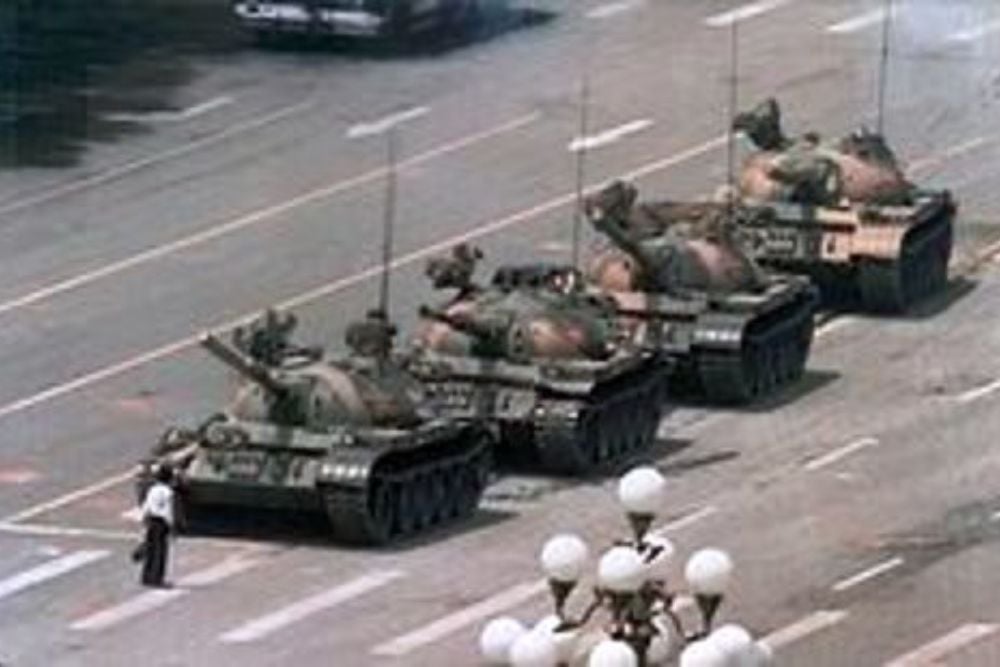
The iconic image of a lone protester standing in front of tanks became a symbol of resistance, but nobody knows who the man was or what happened to him. Jeff Widener, the Associated Press photographer, nearly missed the shot entirely because he was recovering from a concussion and had to be reminded to change his film.
The protester climbed onto the tank and had a brief conversation with the crew before disappearing into the crowd, never to be identified.
The Falling Man
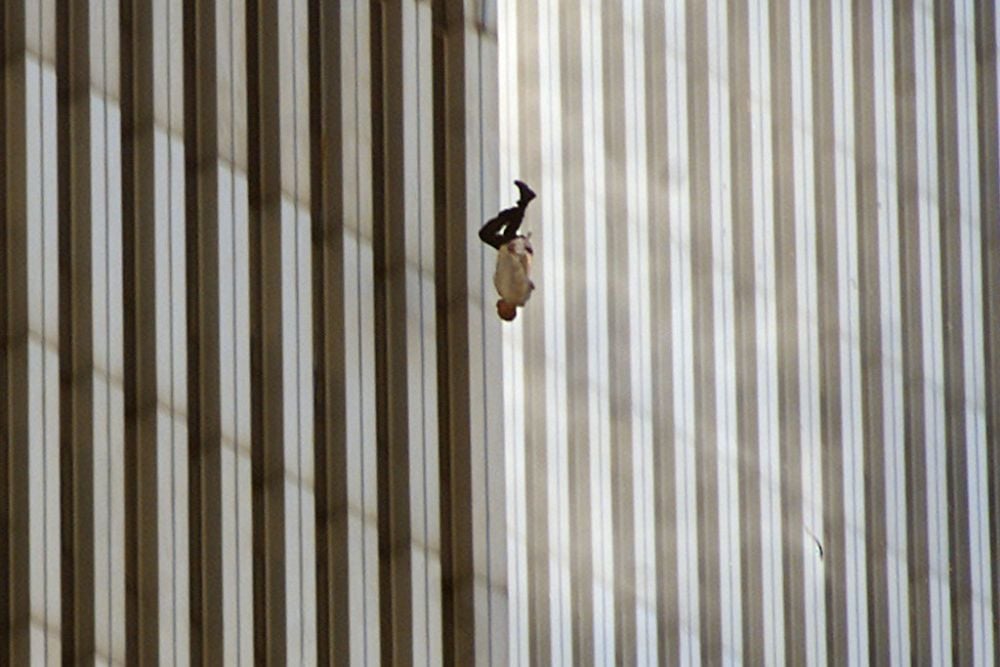
Richard Drew’s haunting photograph of a man falling from the World Trade Center on September 11th sparked a massive controversy when it was published. The image was so disturbing that many newspapers refused to run it again after the initial publication.
Despite extensive investigation, the man’s identity remains disputed, with several families claiming it could be their loved one, making this one of the most emotionally charged unknown person cases in modern history.
Afghan Girl

Steve McCurry’s piercing portrait of a young Afghan refugee became one of the most recognized photographs in the world after appearing on National Geographic’s cover in 1985. The girl, later identified as Sharbat Gula, had no idea the photo was taken until McCurry tracked her down 17 years later.
She was actually quite upset about the image’s fame, as it went against her cultural beliefs about women being photographed, and she felt exploited by its widespread use.
Lunch Atop a Skyscraper
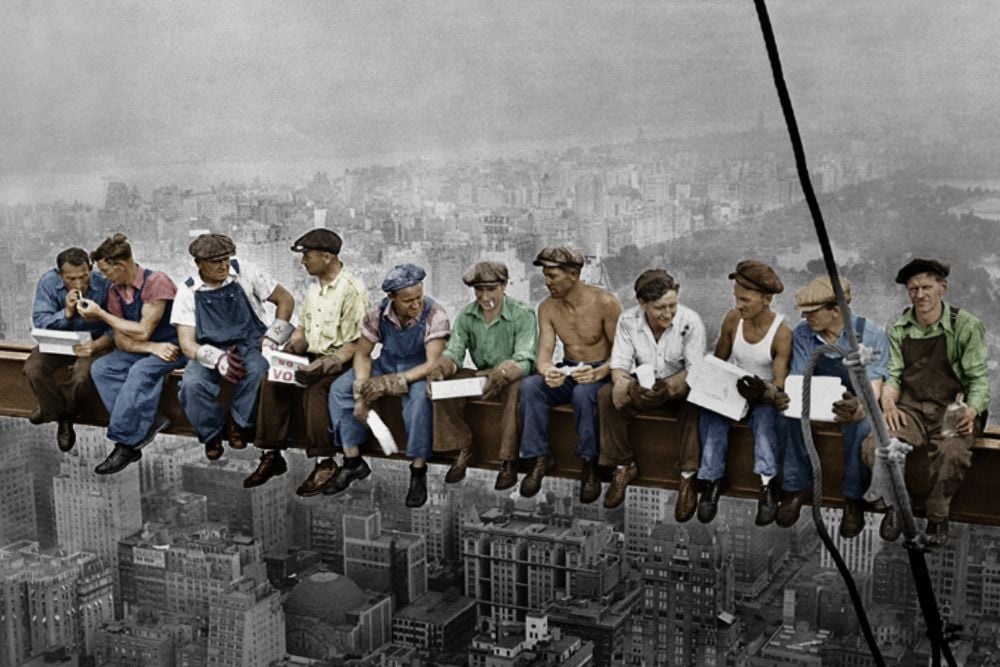
This famous 1932 photograph of construction workers eating lunch while sitting on a steel beam 840 feet above New York City wasn’t as candid as it appears. The entire scene was actually a publicity stunt orchestrated by Rockefeller Center to promote the building’s construction.
The workers were real construction employees, but they were specifically posed for this shot, and safety cables were likely used but edited out of the final image.
The Surgeon’s Photograph
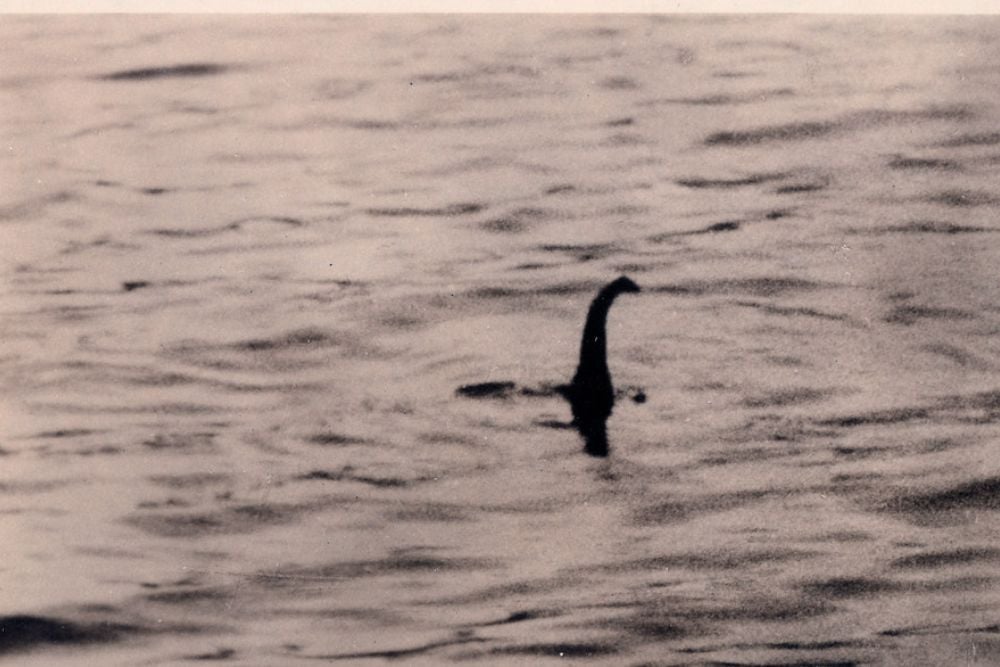
The famous 1934 ‘Surgeon’s Photograph’ of the Loch Ness Monster was revealed decades later to be an elaborate hoax involving a toy submarine and a sculpted head. Robert Kenneth Wilson, the respected gynecologist who claimed to have taken the photo, was actually part of the conspiracy.
The hoax was masterminded by Marmaduke Wetherell, who was seeking revenge after being humiliated by a previous failed Loch Ness Monster hunt.
V-J Day in Times Square
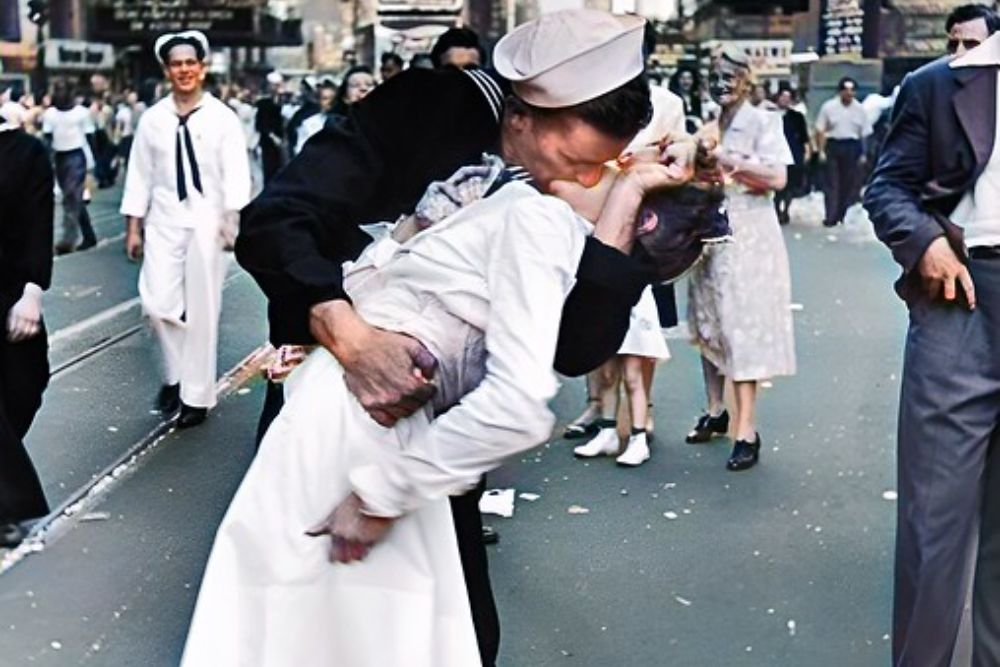
Alfred Eisenstaedt’s celebratory kiss photograph from 1945 shows what appears to be a romantic moment between lovers celebrating the end of World War II. The truth is much more problematic: the sailor was actually grabbing and forcibly kissing a complete stranger without her consent.
The nurse later said she was frightened and trying to get away, turning this symbol of celebration into a complicated example of wartime misconduct that wouldn’t be tolerated today.
Napalm Girl
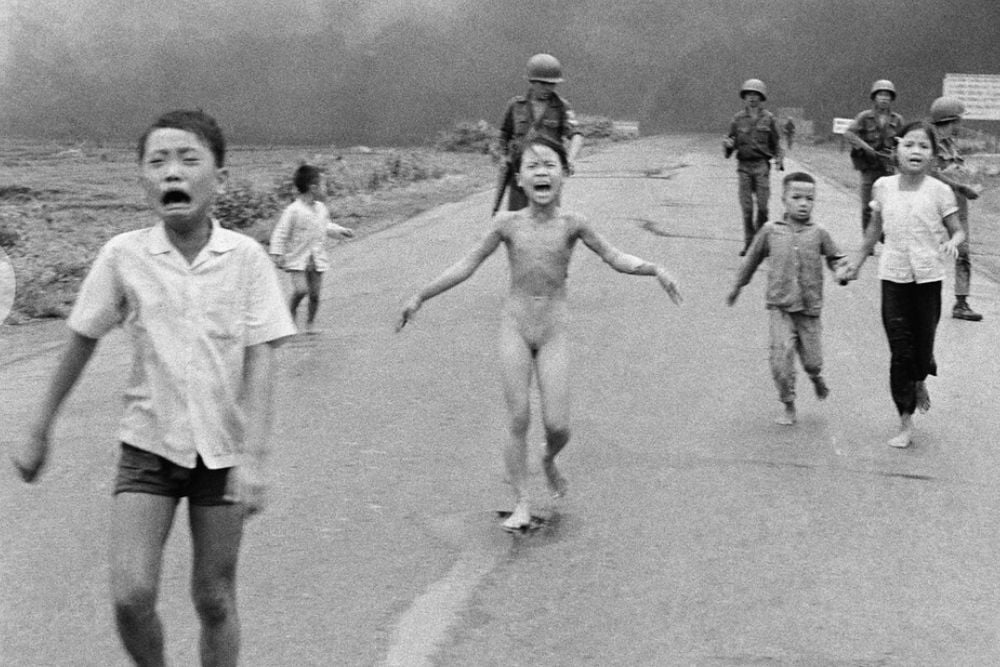
Nick Ut’s Pulitzer Prize-winning photograph of nine-year-old Phan Thi Kim Phuc running from a napalm attack in Vietnam nearly didn’t get published because of her undressed state. After taking the photo, Ut rushed the severely burned girl to a hospital and demanded she receive treatment, likely saving her life.
The photographer maintained a relationship with Kim Phuc for decades, and she eventually became a peace activist, making this one of the few war photographs where the subject and photographer remained connected.
Raising the Flag on Iwo Jima
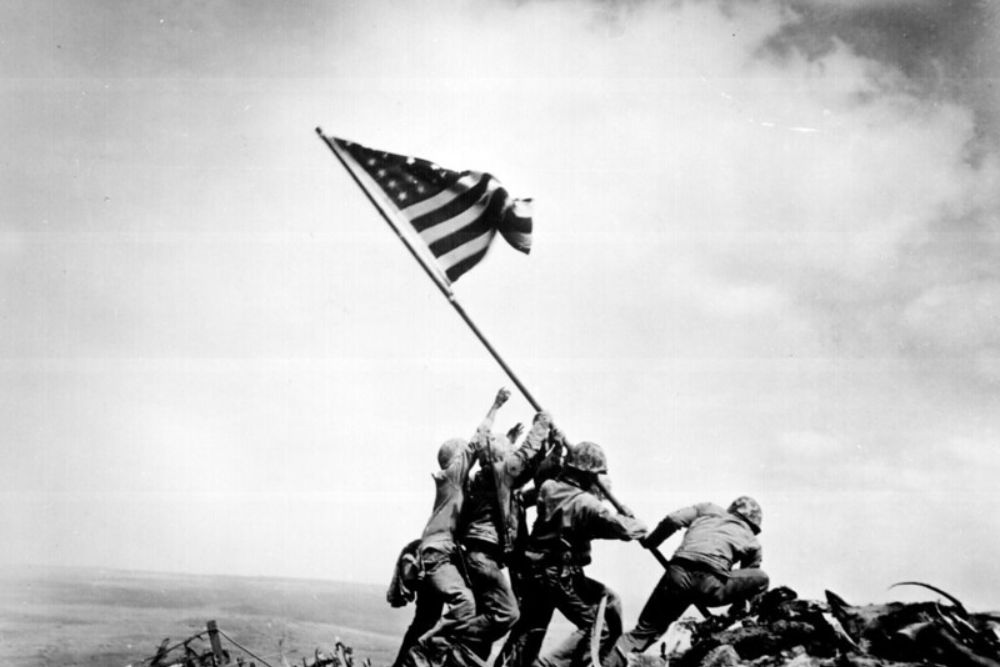
Joe Rosenthal’s famous World War II photograph was actually the second flag-raising of the day, staged for better publicity after the first, smaller flag was deemed insufficient for photos. Three of the six men in the photograph died in battle before the war ended, never knowing they were part of an iconic image.
The photo was so perfect that many people initially accused Rosenthal of staging it entirely, though he maintained it was a genuine moment during the second flag ceremony.
The Situation Room
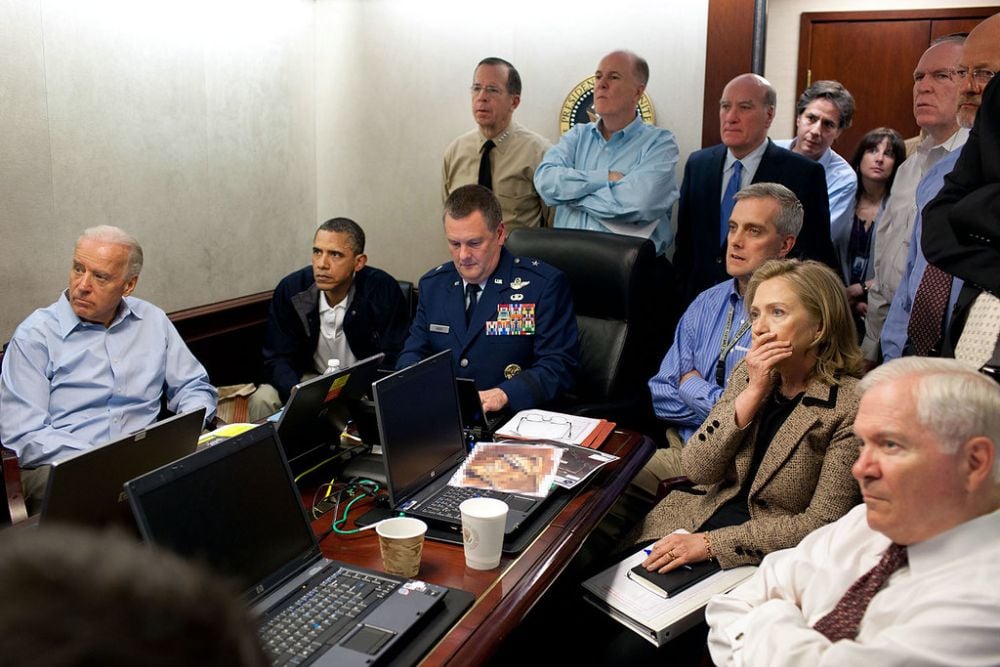
Pete Souza’s photograph of President Obama and his team watching the Osama bin Laden raid appears to show them witnessing the actual killing, but they were actually watching a blank screen during the crucial moments. The live feed had technical difficulties and cut out during the most important parts of the operation.
Hillary Clinton’s hand-over-mouth expression, which became iconic, was actually her reaction to something completely unrelated to the mission itself.
Migrant Mother
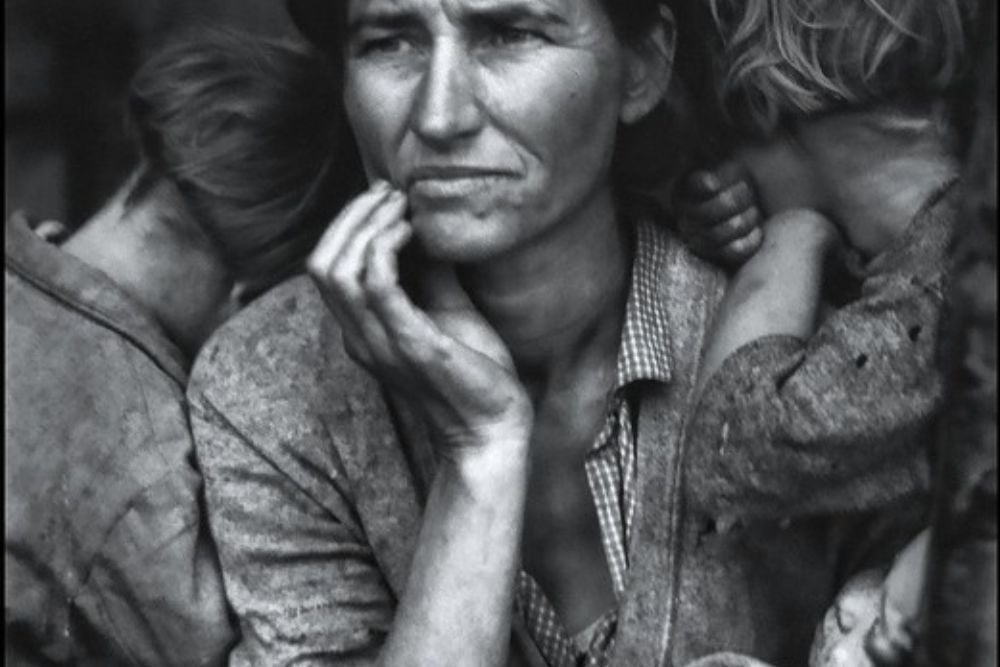
Dorothea Lange’s Depression-era portrait of Florence Owens Thompson and her children became a symbol of American hardship, but Thompson later felt betrayed by how the image was used. Lange promised the photo wouldn’t be published, but it appeared in newspapers nationwide within days.
Thompson received no compensation despite the photo’s fame and felt it misrepresented her family’s situation, as they were stranded temporarily rather than destitute migrant workers.
Breakfast at Tiffany’s
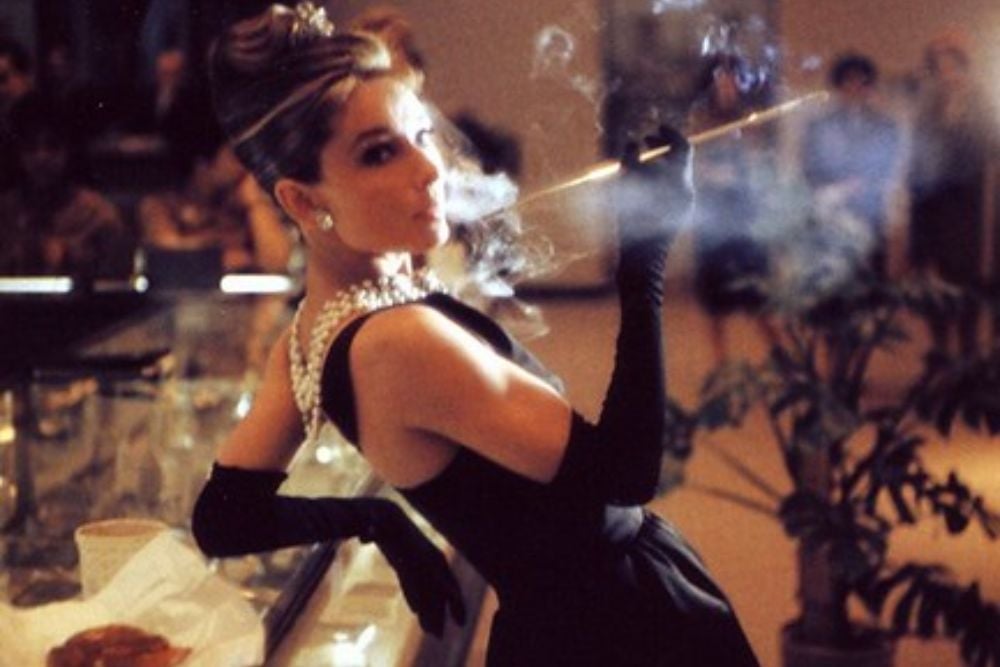
The famous promotional photograph of Audrey Hepburn outside Tiffany & Co. was actually taken very early in the morning before the store opened, with Hepburn having to hold a pastry and coffee cup while looking glamorous. The shoot was more challenging than it appears because Hepburn was reportedly hungover from the previous night’s party.
The photographer had to take multiple shots because Hepburn kept nearly dropping her breakfast props while trying to maintain her elegant pose.
The Blue Marble
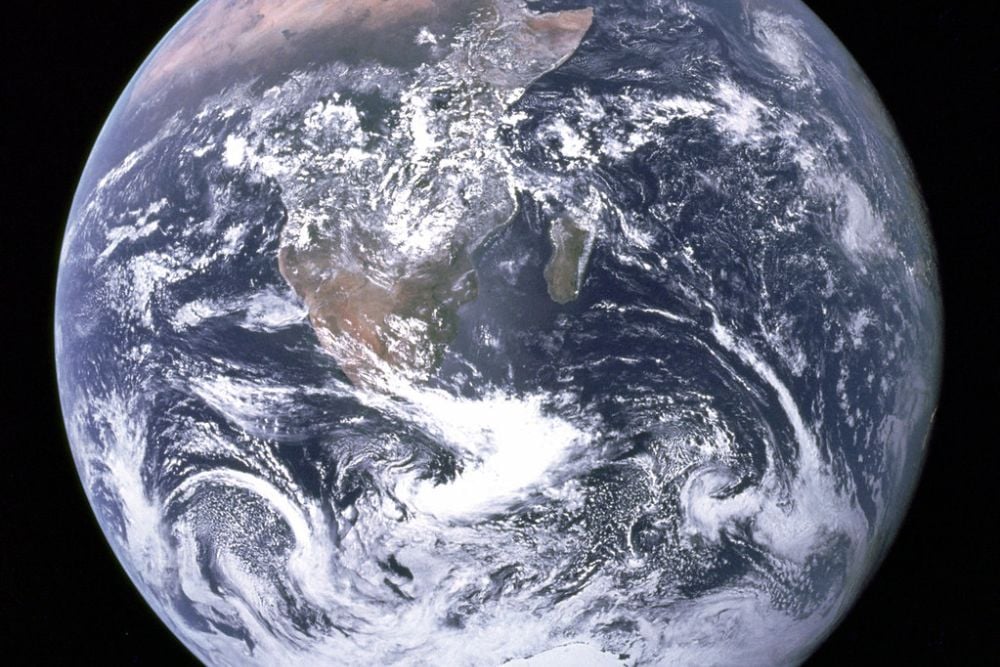
NASA’s famous 1972 photograph of Earth was actually rotated 180 degrees from how the astronauts originally saw it, with the South Pole at the top. The agency flipped the image to match conventional map orientations before release.
The crew of Apollo 17 almost missed taking any full-Earth photos because they were so focused on their lunar mission, and this shot was captured during a brief window when the entire planet was illuminated.
Abbey Road
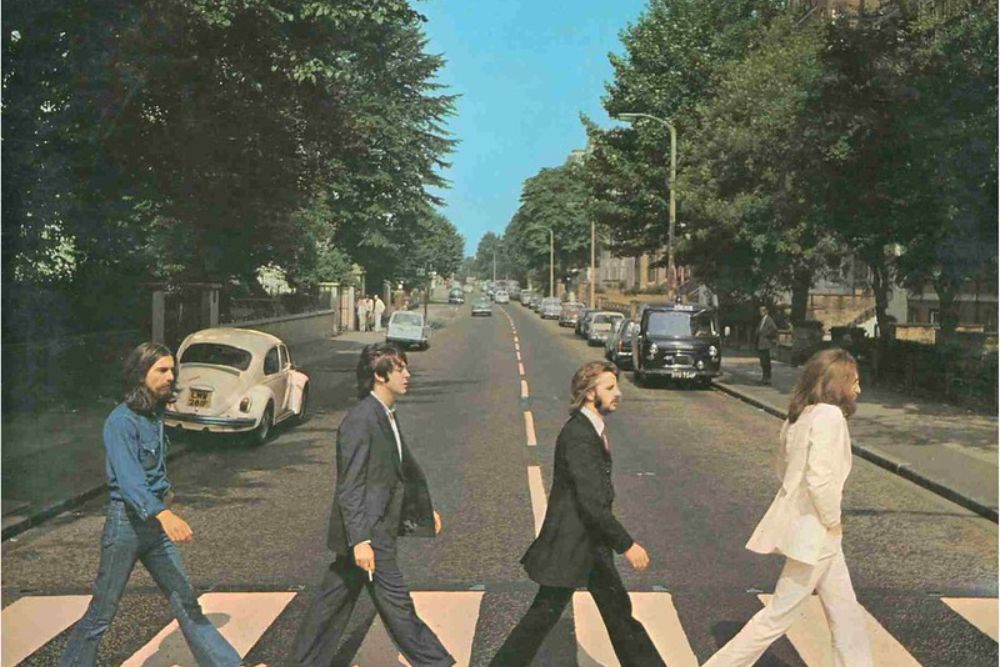
The Beatles’ iconic album cover nearly didn’t happen because Paul McCartney was initially reluctant to walk barefoot across the street. The photographer, Iain MacMillan, had only ten minutes to capture the shot while police held up traffic.
John Lennon was supposed to lead the group across the street, but he stepped back at the last second, creating the formation we see today by pure accident.
Einstein Sticking Out His Tongue
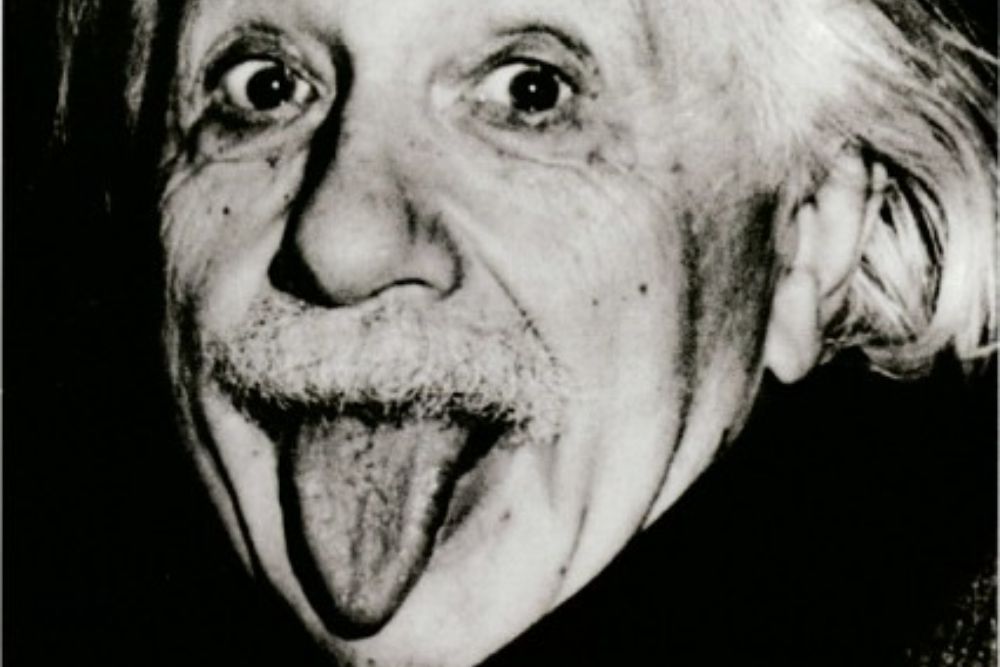
Arthur Sasse’s playful 1951 photograph of Albert Einstein with his tongue out was taken at the end of Einstein’s 72nd birthday party when the physicist was exhausted from posing for formal photos all day. Einstein stuck out his tongue in frustration at seeing yet another photographer, not realizing this candid moment would become more famous than any of his serious portraits.
He later loved the image so much that he ordered prints to give to friends, saying it showed his true personality better than any formal photograph ever could.
When Pictures Tell the Whole Story
These photographs remind us that the most powerful images often carry the most complex truths, with circumstances far more intriguing than what meets the eye. The gap between what we see and what actually happened reveals how photography can both document reality and create its own version of events.
Today’s digital age makes it easier to manipulate images, but these analog-era examples prove that context and backstory have always been crucial to understanding what we’re really looking at. The next time you see an iconic photograph, remember that the most interesting story might be the one that happened just outside the frame or long after the camera clicked.
More from Go2Tutors!

- The Romanov Crown Jewels and Their Tragic Fate
- 13 Historical Mysteries That Science Still Can’t Solve
- Famous Hoaxes That Fooled the World for Years
- 15 Child Stars with Tragic Adult Lives
- 16 Famous Jewelry Pieces in History
Like Go2Tutors’s content? Follow us on MSN.



