15 Countries That Vanished from the Map
The world map looks pretty permanent when you glance at it hanging in a classroom or pulled up on your phone. But history tells a different story.
Countries have appeared and disappeared throughout time, sometimes lasting centuries and other times barely making it through a single generation. Wars, treaties, revolutions, and peaceful mergers have all played a part in erasing nations that once had their own flags, currencies, and national anthems.
Let’s take a look at some of these places that used to exist but now live only in history books and old atlases.
East Germany
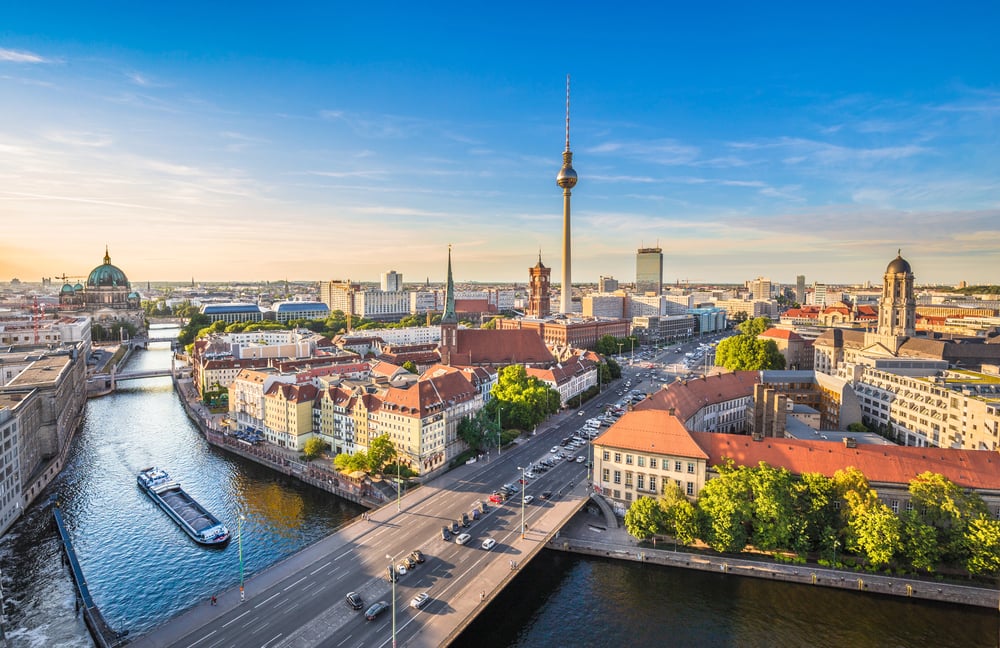
The German Democratic Republic stood as its own country from 1949 to 1990, created when the Soviet Union carved out its chunk of defeated Germany after World War II. Life behind the Iron Curtain meant strict government control, limited travel, and a very different lifestyle from West Germany just across the border.
When the Berlin Wall fell in 1989, it signaled the beginning of the end. By October 1990, East Germany ceased to exist as it reunified with West Germany, making it one of the few countries to voluntarily dissolve itself in modern times.
Yugoslavia
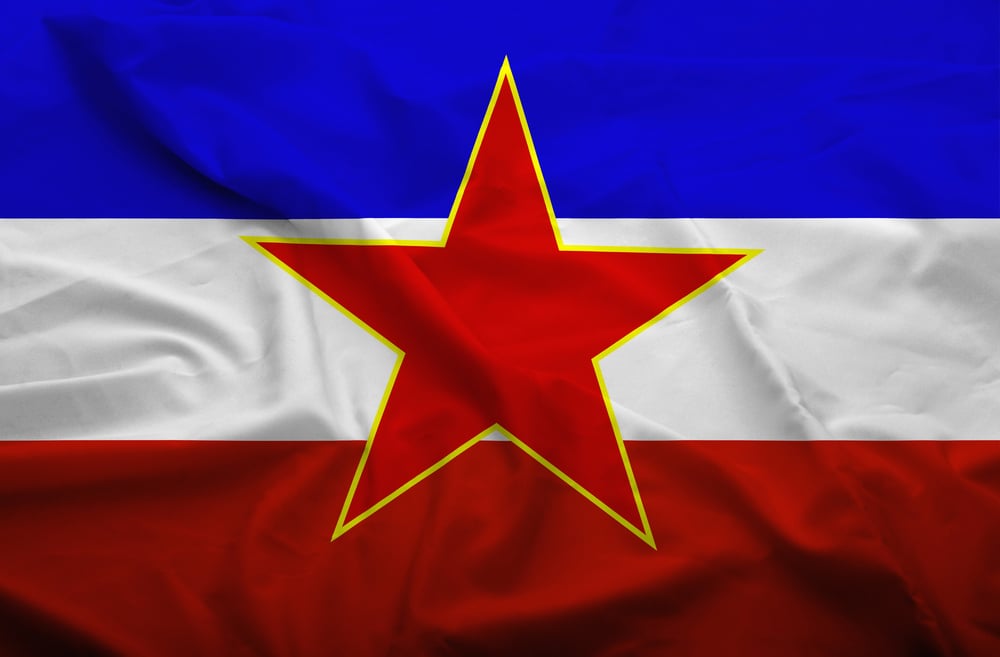
This Balkan nation brought together six republics under one flag starting in 1918, though it went through a few name changes along the way. Serbs, Croats, Bosnians, Slovenes, Macedonians, and Montenegrins shared a country that seemed to work reasonably well under strongman leader Josip Broz Tito.
After his death in 1980, old ethnic tensions bubbled back to the surface. The country broke apart violently during the 1990s, creating seven independent nations through wars that shocked the world with their brutality.
Czechoslovakia

Created from the ruins of the Austro-Hungarian Empire in 1918, this central European country paired Czechs and Slovaks together for over 70 years. The two groups shared similar languages and had lived under the same empires for centuries, but always maintained distinct identities.
Unlike Yugoslavia’s violent breakup, Czechoslovakia split peacefully on January 1, 1993. The divorce was so smooth and friendly that people called it the Velvet Divorce, creating the Czech Republic and Slovakia without a single shot fired.
The Soviet Union
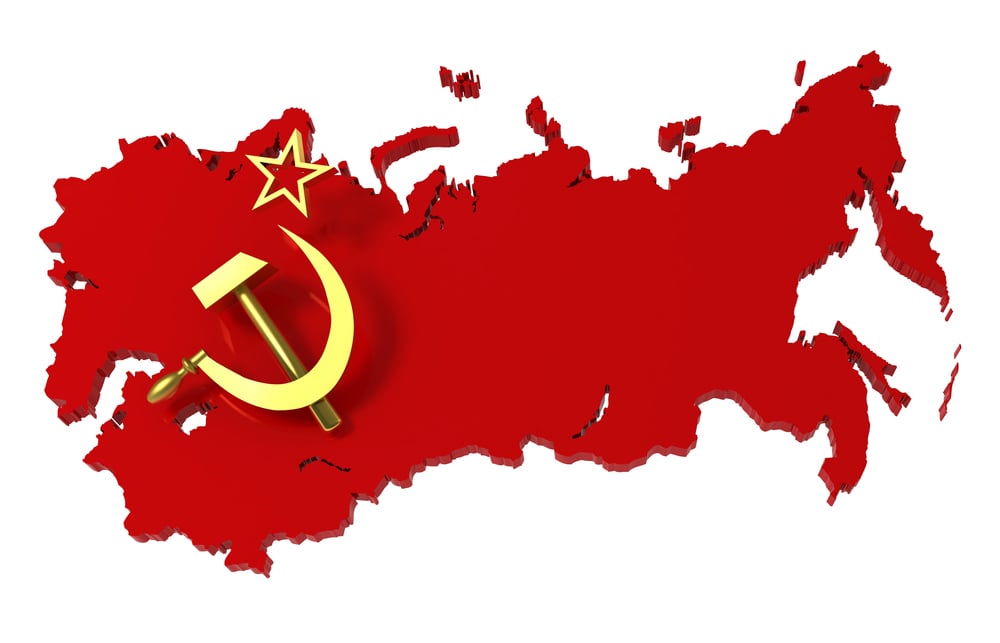
The Union of Soviet Socialist Republics dominated world politics for nearly 70 years after its creation in 1922. This massive country stretched across eleven time zones and brought together fifteen different republics under communist rule.
Economic problems, political reforms, and nationalist movements all contributed to its collapse. On December 26, 1991, the Soviet Union officially dissolved, creating fifteen independent countries and ending the Cold War that had defined global politics for decades.
Tibet
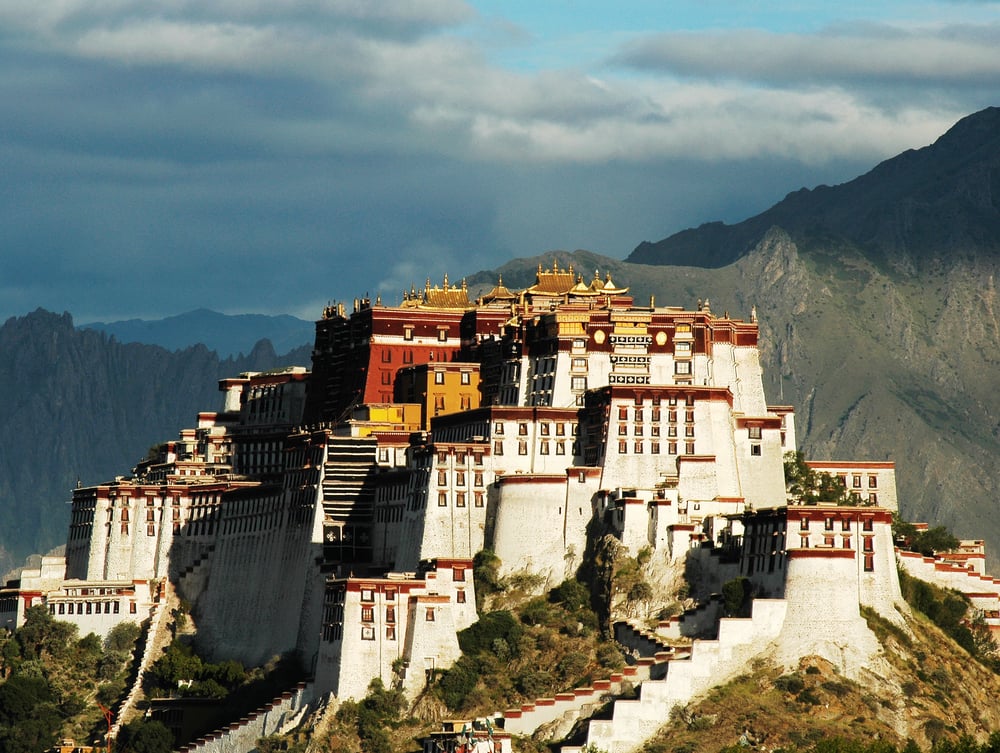
This mountain kingdom maintained independence for centuries, developing a unique Buddhist culture high in the Himalayas. The Dalai Lama ruled both as a spiritual leader and political head of state from the magnificent Potala Palace in Lhasa.
China invaded in 1950, claiming Tibet had always been part of Chinese territory. By 1959, Tibet’s independence was completely crushed, forcing the Dalai Lama into exile where he remains today while China maintains firm control over the region.
Prussia
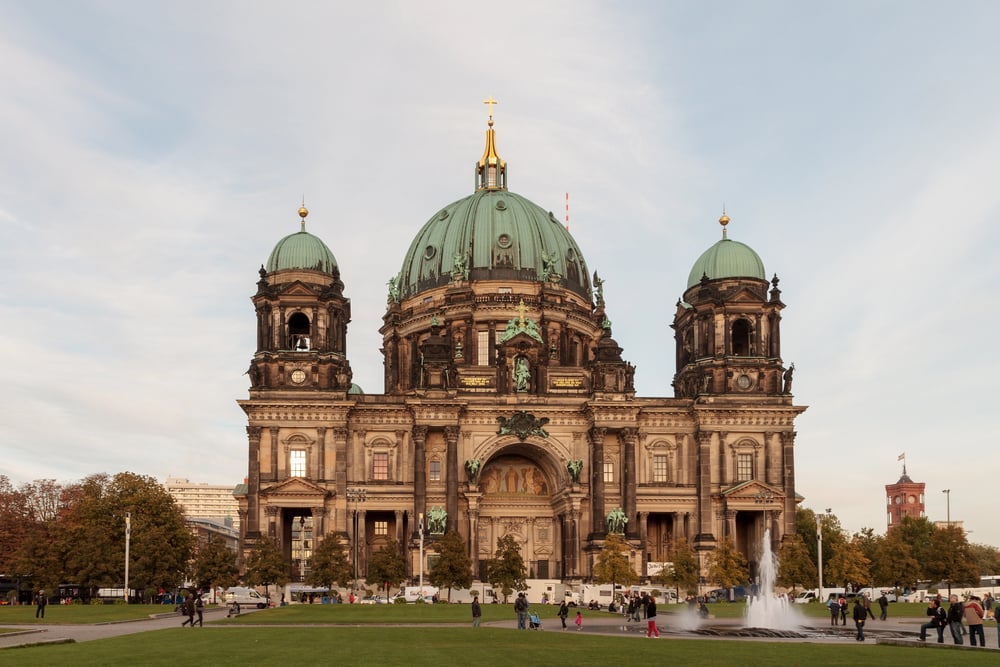
Prussia started as a small duchy but grew into a powerful German kingdom that dominated central Europe for centuries. The Prussian military became legendary for its discipline and efficiency, and Prussian kings eventually unified Germany under their leadership in 1871.
After World War II, the Allied powers decided Prussia had been too militaristic and too responsible for German aggression. They officially abolished Prussia in 1947, dividing its territory between Germany, Poland, and the Soviet Union, erasing centuries of history with the stroke of a pen.
Rhodesia

Named after British empire builder Cecil Rhodes, this African nation declared independence from Britain in 1965 under white minority rule. The government refused to allow the Black majority population to vote or hold power, leading to international sanctions and a brutal civil war.
After years of fighting, the white government finally agreed to elections that brought Black majority rule in 1980. The country immediately changed its name to Zimbabwe, and Rhodesia vanished from the map after just fifteen years of contested independence.
The Ottoman Empire
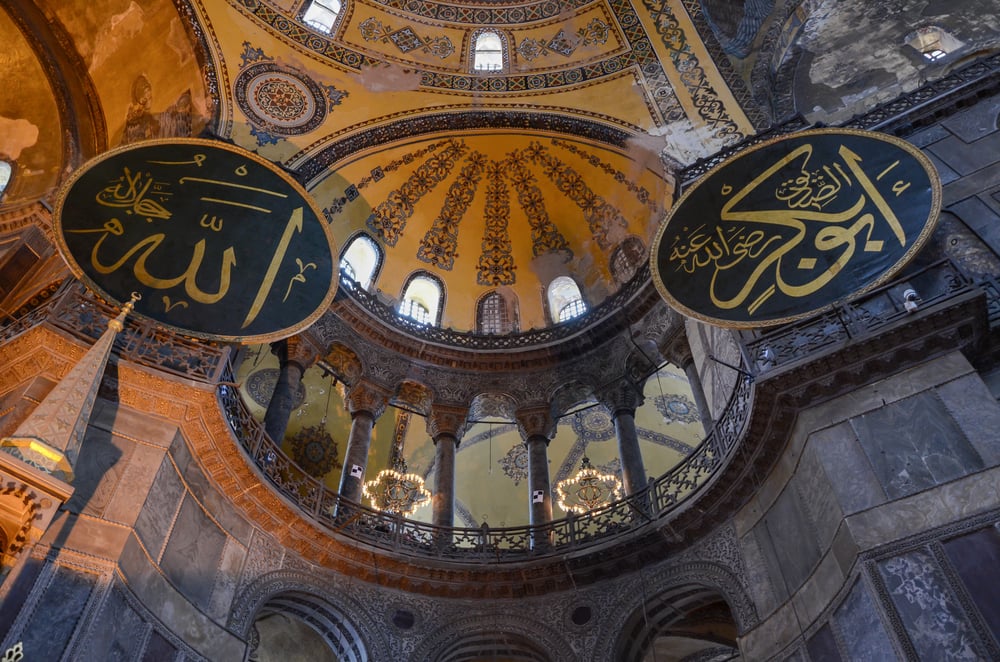
This Islamic empire controlled vast territories across three continents for over 600 years, ruling from Istanbul and threatening European powers repeatedly. At its peak, Ottoman sultans governed lands from Hungary to Yemen, from Algeria to Iraq.
The empire slowly crumbled throughout the 1800s, earning the nickname ‘the sick man of Europe.’ After choosing the losing side in World War I, the Ottoman Empire collapsed completely, replaced by the modern Republic of Turkey in 1922 along with numerous other countries carved from its former territories.
Austria-Hungary
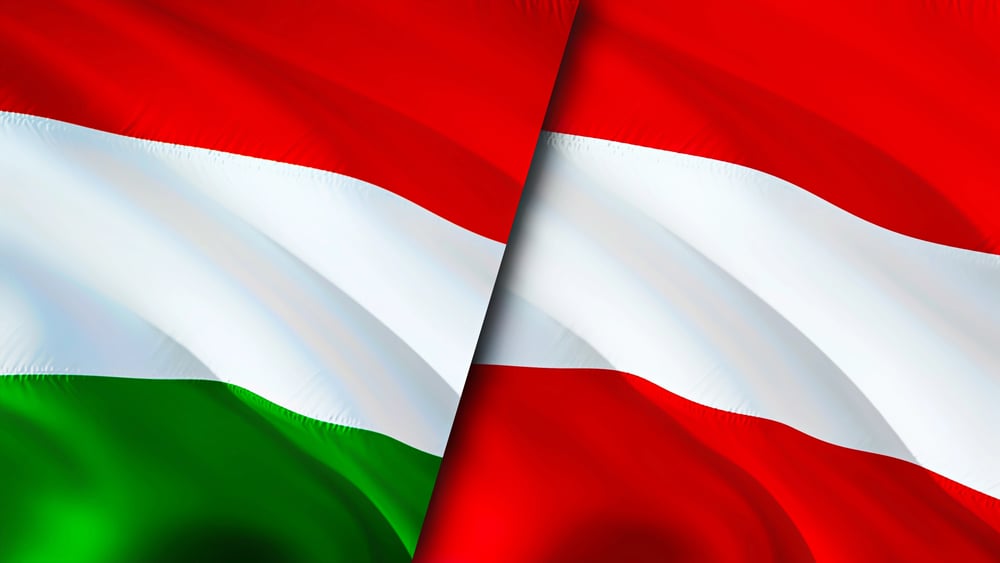
This dual monarchy brought together the Austrian and Hungarian crowns in 1867, creating a major European power that controlled much of central and eastern Europe. Germans, Hungarians, Czechs, Poles, Ukrainians, Romanians, Croats, and Italians all lived under the rule of Emperor Franz Joseph in Vienna.
The assassination of the heir to the throne in 1914 sparked World War I. When the empire lost that war, it shattered into multiple countries including Austria, Hungary, Czechoslovakia, and Yugoslavia, fundamentally redrawing the map of Europe.
Gran Colombia
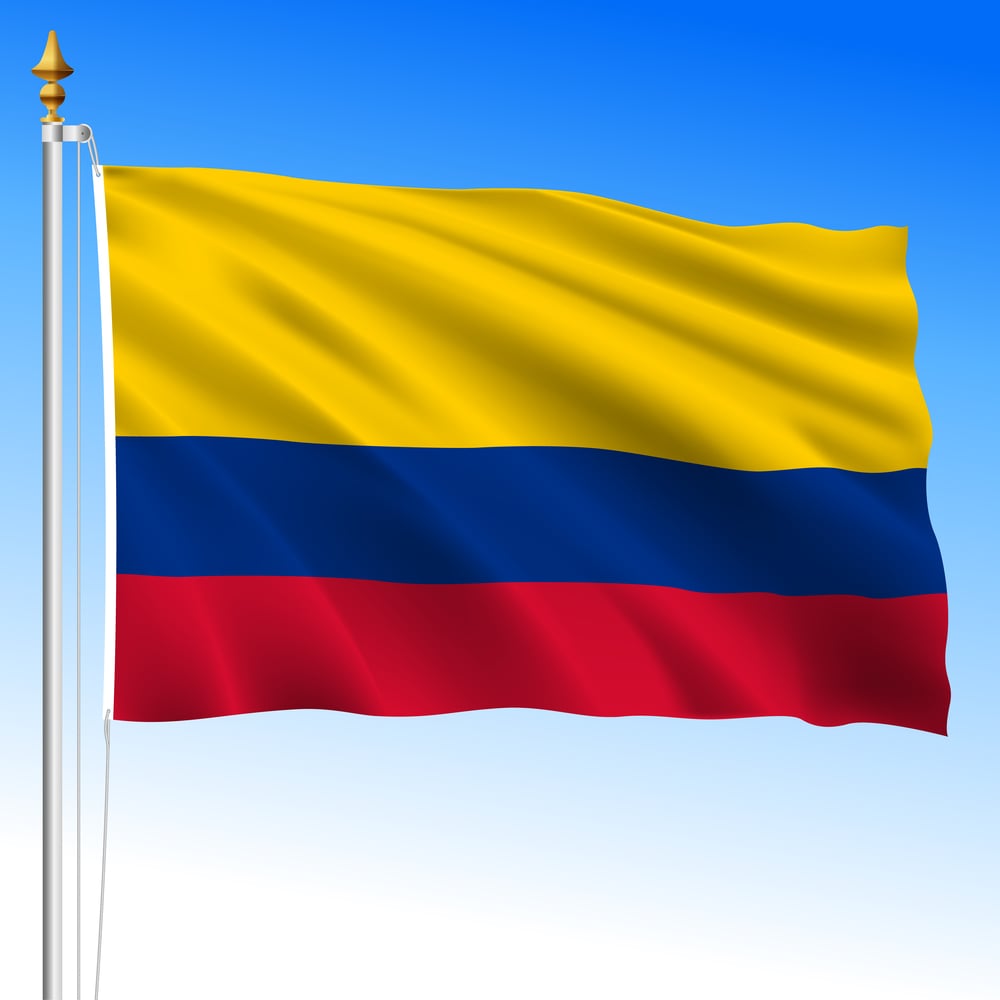
South American liberator Simon Bolivar dreamed of a united region that could rival the United States in power and influence. He created Gran Colombia in 1819, bringing together modern-day Colombia, Venezuela, Ecuador, and Panama into one nation.
Regional differences and personal rivalries made governing this huge territory nearly impossible. The country lasted barely a decade before breaking apart in 1831, as Venezuela and Ecuador split off to form their own nations while Bolivar died disappointed that his grand vision had failed.
Sikkim
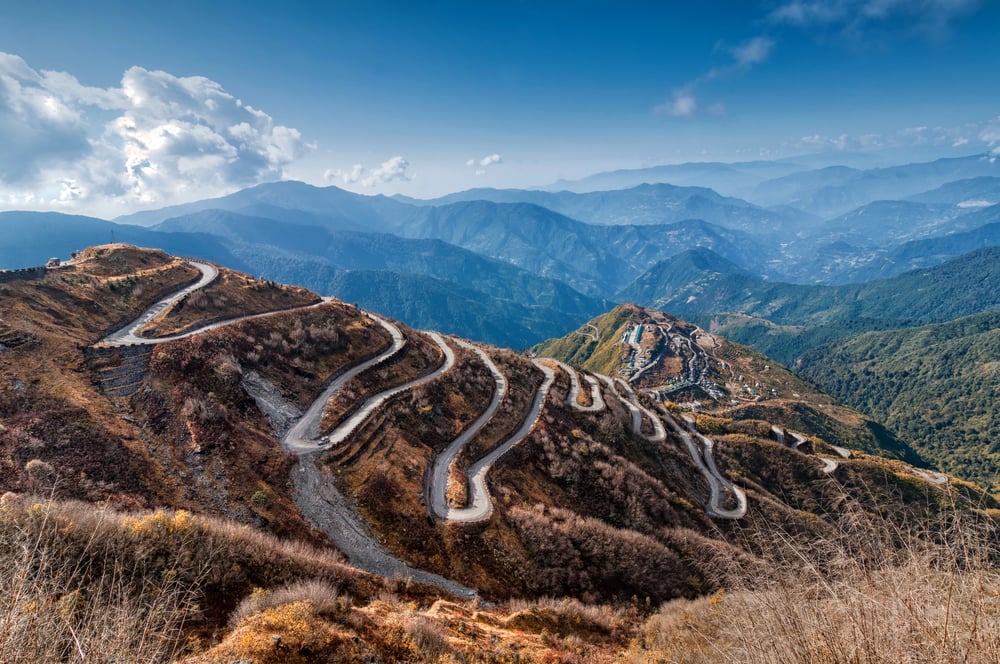
This tiny Buddhist kingdom nestled in the Himalayas between India, China, and Bhutan maintained independence for over 300 years. The Chogyal dynasty ruled from Gangtok, preserving unique traditions and staying neutral in regional conflicts.
India gradually increased its influence after 1947, taking control of Sikkim’s defense and foreign affairs. In 1975, a controversial referendum supposedly showed that Sikkimese people wanted to join India, and the country disappeared as it became India’s 22nd state, though many still question whether the vote was legitimate.
The Republic of Texas
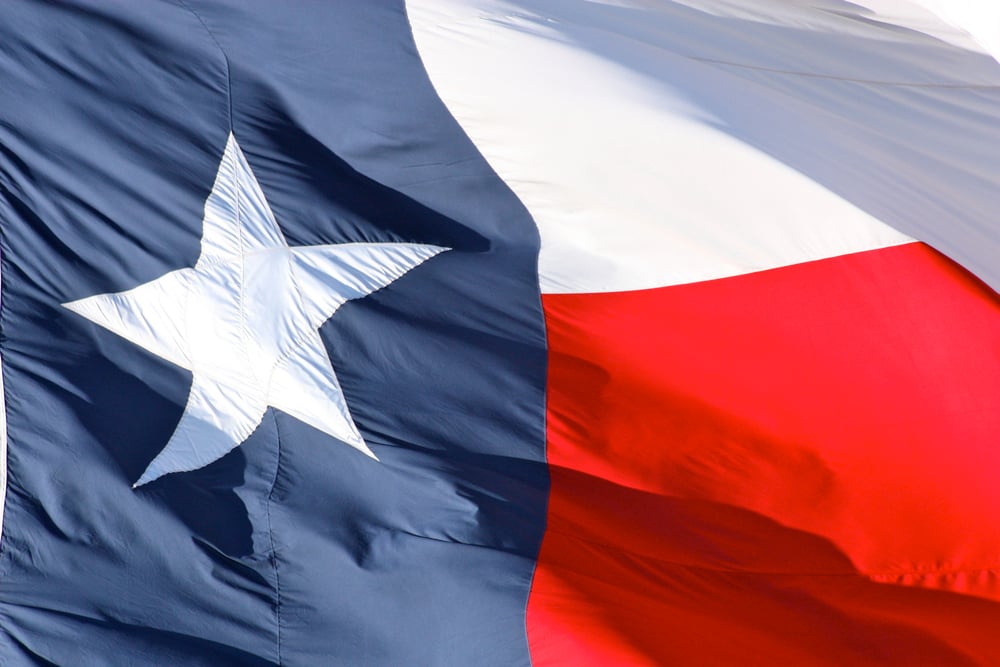
Texas declared independence from Mexico in 1836 after a revolution that included famous battles at the Alamo and San Jacinto. For nearly ten years, Texas existed as its own country with its own president, currency, and foreign policy.
The republic struggled with debt and conflicts with Mexico that continued despite independence. In 1845, Texas agreed to join the United States as the 28th state, ending its brief existence as an independent nation but keeping its reputation for fierce independence and pride.
Zanzibar
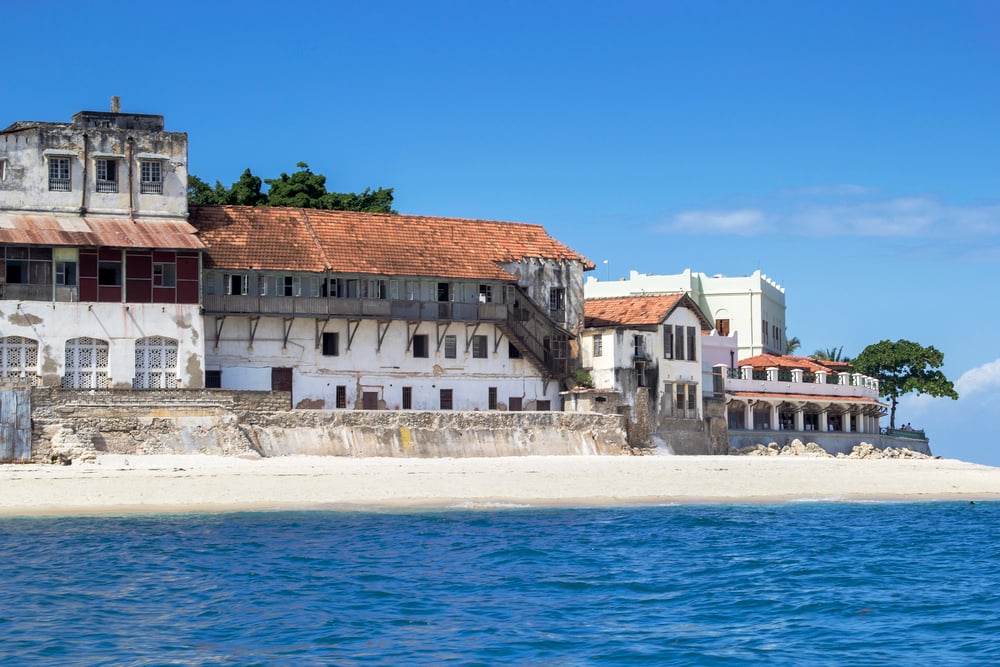
This island nation off the coast of East Africa flourished as an independent sultanate for centuries, growing rich from the spice trade and controlling much of the East African coast. The British made it a protectorate in 1890 but granted independence in December 1963.
Just one month later, a violent revolution overthrew the sultan and killed thousands. The revolutionary government merged Zanzibar with neighboring Tanganyika in April 1964, creating the United Republic of Tanzania, though Zanzibar still maintains some degree of autonomy within that union.
Newfoundland
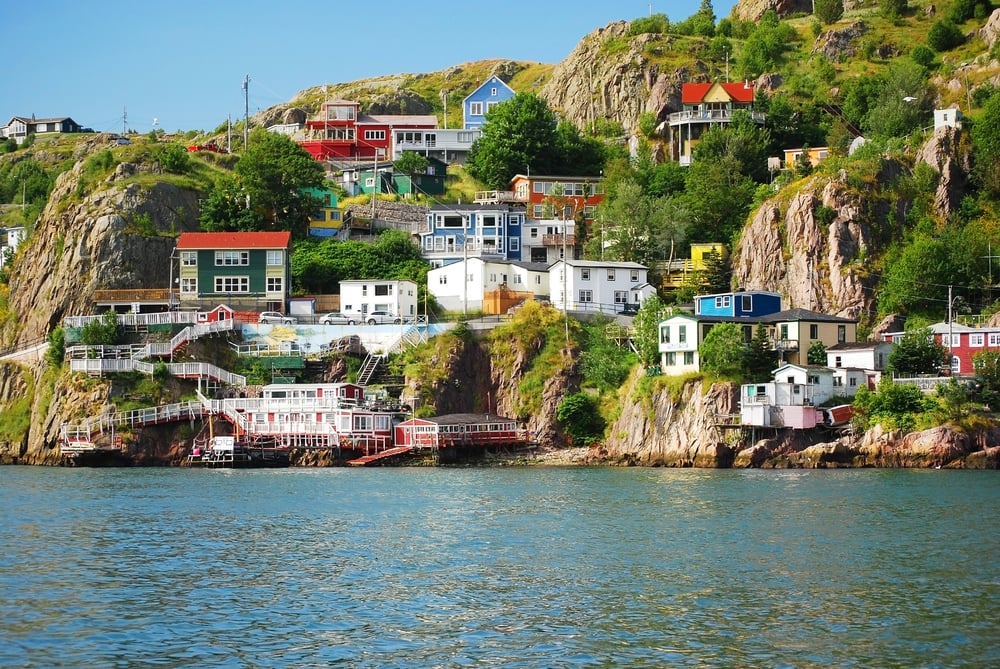
This chunk of land out in the North Atlantic ran itself under Britain’s umbrella starting in 1907, running elections and passing laws on its own terms. Hard times during the economic crash of the 1930s drained its funds so deeply that leaders handed control back to London just to keep accounts balanced.
Following global conflict overseas, locals faced a narrow choice – go solo again or link up with Canada – and picked the latter by a slim margin. Come springtime in 1949, it officially stepped into Confederation as the country’s newest province, closing a long chapter apart.
South Vietnam
A new nation formed in 1955 when France stepped away from Indochina, leaving Vietnam cut at the 17th parallel. Backed strongly by America, the southern half endured a grueling conflict with its northern neighbor ruled by communists.
U.S. soldiers pulled out in 1973 following growing dissent within their own country and rising losses overseas. On April 30, 1975, armored vehicles from the North entered Saigon, marking the collapse of the South and merging both halves into one state led by communists called the Socialist Republic of Vietnam.
Where History Takes Nations

Most folks think maps stay fixed, yet they shift far more than anyone notices. Countries fade out of existence – some quietly, some through chaos – and each leaves tangled traces in history.
Lives once tied to nations must adapt when those labels vanish from atlases. What looks permanent on paper right now will likely be different by the next century. Time does not stop, neither do borderlines remain still, showing nothing lasts unchanged, not even homelands.
More from Go2Tutors!

- The Romanov Crown Jewels and Their Tragic Fate
- 13 Historical Mysteries That Science Still Can’t Solve
- Famous Hoaxes That Fooled the World for Years
- 15 Child Stars with Tragic Adult Lives
- 16 Famous Jewelry Pieces in History
Like Go2Tutors’s content? Follow us on MSN.