15 Little-Known Facts About Walt Disney
Most people know Walt Disney as the man behind Mickey Mouse and the studio that shaped childhood for generations. But the full picture of who he was — where he came from, what he believed, how he worked — is stranger and more interesting than the sanitized legend suggests.
Here are 15 things about Walt Disney that most people never hear.
He Was Rejected By the Army — Twice

Walt tried to enlist during World War I but was turned away for being underage at 16. Not willing to give up, he forged his birth year on a Red Cross application and ended up driving an ambulance in France after the war ended.
The vehicle he drove was covered in cartoon characters he painted himself.
His First Major Character Was Stolen From Him
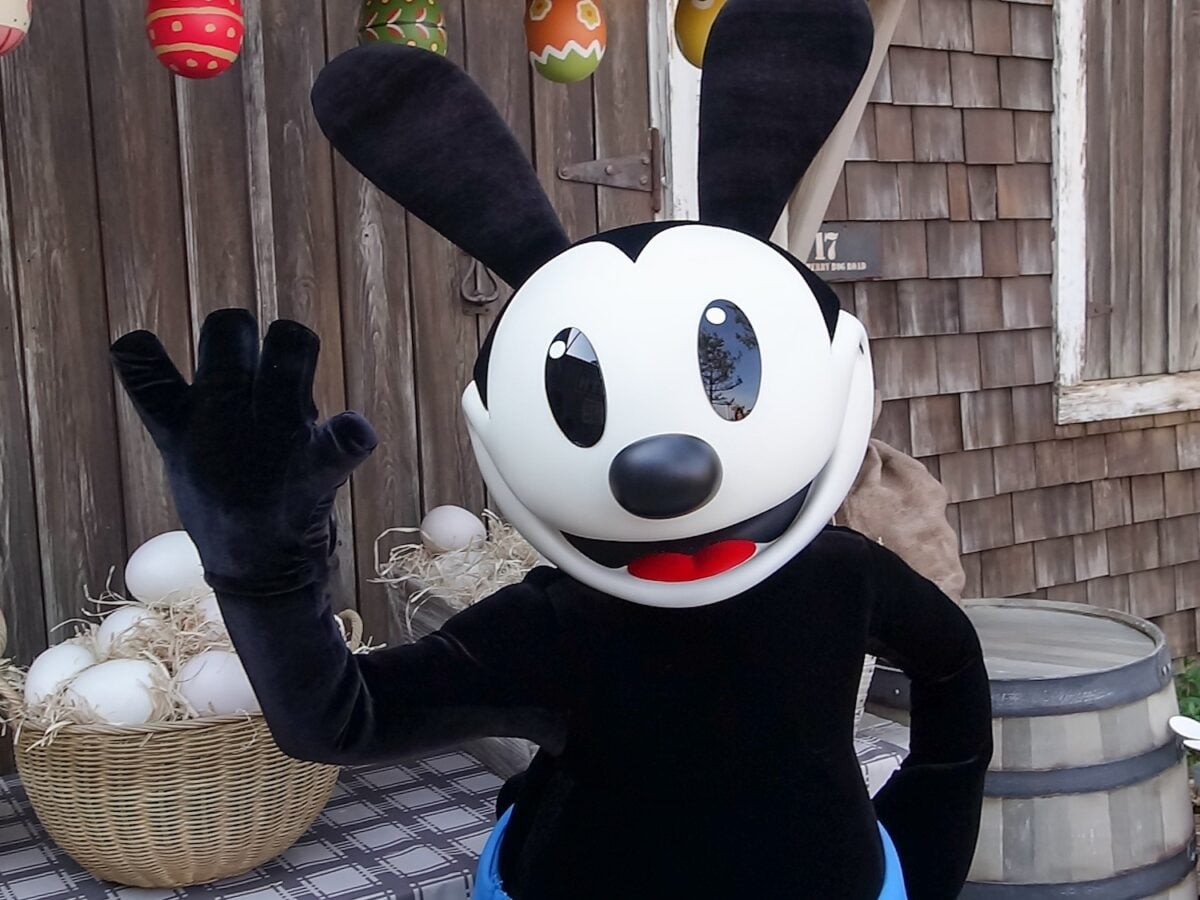
Before Mickey Mouse, Walt created a character called Oswald the Lucky Rabbit. It was a hit.
But when he went to negotiate with Universal Pictures distributor Charles Mintz in 1928, he discovered that Mintz — not Walt — owned the rights to Oswald. Most of his animation staff was poached at the same meeting.
Walt walked away with nothing and had to start over. That betrayal is what pushed him to create Mickey.
Mickey Mouse’s Voice Was Walt’s Own
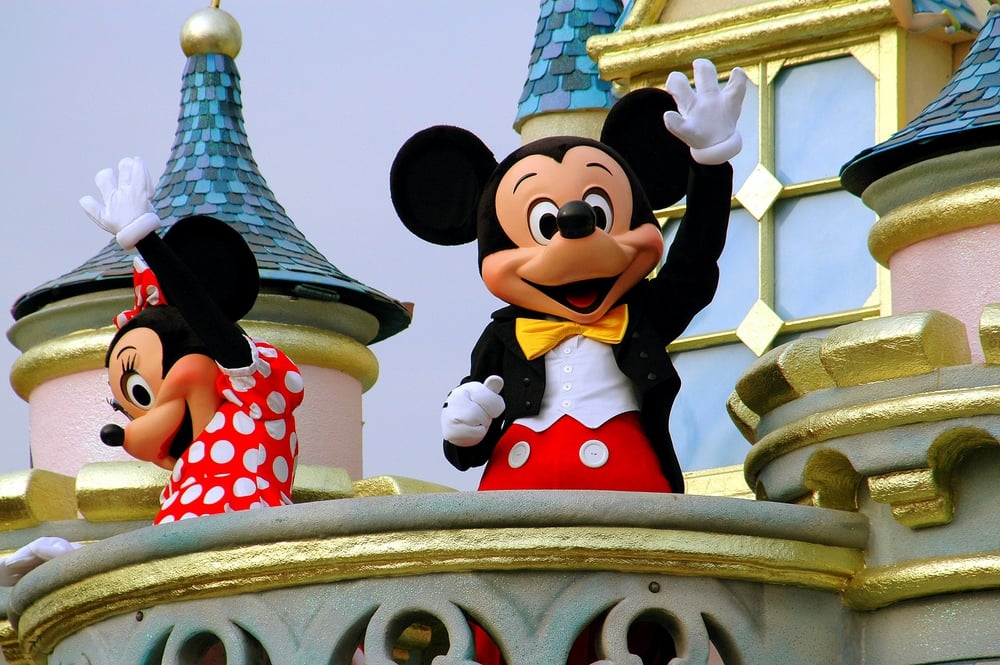
For the first two decades of Mickey’s existence, Walt Disney provided the voice himself. He voiced the character from 1928 all the way through 1947.
If you’ve ever watched Steamboat Willie or the early cartoons, you’ve heard Walt talking.
He Had a Deep Fear of Being Broke

Walt grew up in genuine poverty in Marceline, Missouri, and later in Kansas City. His family moved constantly, often chasing work that didn’t pan out.
That instability followed him. Even after his studio became one of the most successful entertainment companies on the planet, Walt was known to worry obsessively about finances.
He nearly lost everything more than once — including during the early days of Disneyland’s construction, when banks refused to fund it.
Disneyland Was Funded With a TV Deal

When traditional investors wouldn’t back the park, Walt turned to ABC television. In exchange for partial ownership and a guaranteed loan, Walt agreed to produce a weekly TV show called Disneyland.
The show aired in 1954 and was a massive success. It also served as a long-form advertisement for the park, which opened in 1955.
Walt essentially invented branded entertainment decades before anyone had a name for it.
The Opening Day of Disneyland Was a Disaster
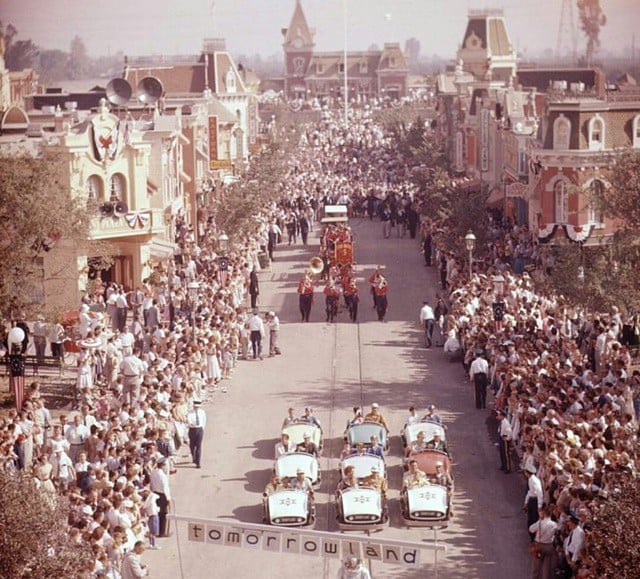
July 17, 1955 is remembered as the birth of the modern theme park. What gets left out is that it was chaos.
Counterfeit tickets flooded the gates, drawing nearly twice the expected crowd. The heat wave that day melted fresh asphalt, trapping women’s heels.
Several rides broke down. The Mark Twain Riverboat was so overloaded it nearly sank. Walt reportedly called it “Black Sunday” afterward.
He Smoked Heavily

Walt was a lifelong chain-smoker, something the studio carefully kept out of public view. Photographers were reportedly asked not to capture him with a cig, and he rarely appeared with one in official materials.
He died in December 1966 from lung cancer, just ten days after his 65th birthday.
He Never Learned to Draw Mickey Mouse

This one surprises people. Walt could sketch Mickey, but his drawing ability was far from polished. The slick, precise version of Mickey that became iconic was largely the work of Ub Iwerks, Walt’s childhood friend and collaborator.
Iwerks was the true artistic engine behind the character’s look. Walt was more director and salesman than animator.
He Was the First Person to Win Four Oscars in a Single Year
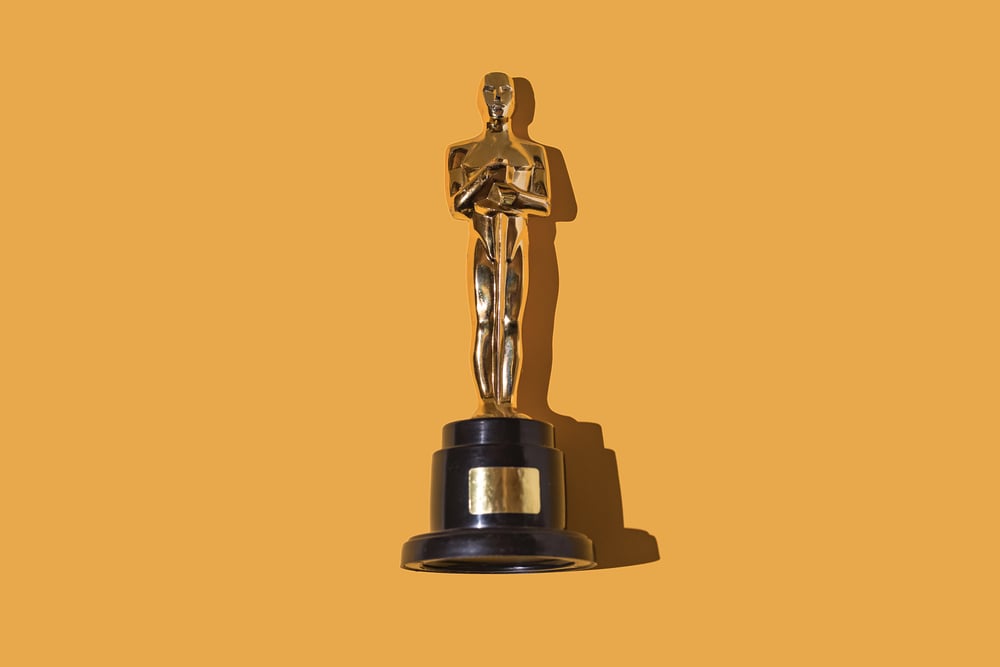
At the 1939 Academy Awards, Walt received one full-size Oscar for Snow White and the Seven Dwarfs — and then seven miniature statuettes, one for each dwarf. It was a one-of-a-kind moment that will almost certainly never be repeated.
He went on to receive 22 competitive Oscars and four honorary ones, making him the most decorated individual in Oscar history.
Walt Hated Facial Hair on His Employees
For decades, Disneyland had a strict no-beard, no-mustache policy for male employees. The rule stuck around long after Walt’s death.
The irony is that Walt himself had a mustache for most of his adult life. The policy wasn’t officially relaxed until 2012.
He Was a Key FBI Informant

During the Cold War era, Walt cooperated with the FBI and served as a secret informant for J. Edgar Hoover. He reported on suspected communists in Hollywood, including some of his own animators.
His cooperation started in part after a bitter strike at his studio in 1941, which he believed was communist-organized. Walt named names, and the FBI kept a detailed file on him.
He Designed the Monorail Before the Highway

Walt was obsessed with urban planning and transportation. He believed the American city was broken and that gridlock would eventually strangle it.
The monorail at Disneyland wasn’t just an attraction — it was Walt’s vision for how people should actually move through cities. He spent considerable time lobbying city officials and planners to take the idea seriously.
Nobody listened during his lifetime, but the monorail still runs at Disney parks today.
EPCOT Was Never Meant to Be a Theme Park

From the start, Walt saw EPCOT not as fantasy but fact. A place where twenty thousand folks might actually reside, trying out fresh ideas for how cities could operate.
Life there would blend home and job within a continuous trial of community design. His passing came too soon, halting his hands-on role.
What arrived by 1982 wore the name yet none of the soul – just rides beneath shiny domes, distant from his blueprint.
He Got an Odd Honorific Title

That year at Harvard, the student humor magazine brought Walt to visit. A fake diploma arrived instead of real honors – titled Doctor of Mousenicity, handed out by the Lampoon crew.
He grinned through the whole thing, saying he enjoyed every minute. Laughter usually won his attention when pride pushed others away.
He Was Cryonically Frozen – Except He Wasn’t

Word spread long ago that Walt Disney had been frozen once he passed away. This idea holds no truth at all.
He was actually cremated December 17, 1966 – shortly after his death. Not until January of the next year did anyone first try freezing a body.
That tale sticks around, perhaps since it mirrors how large he loomed in people’s minds. Still today, some believe it could have happened.
The Man Behind the Mouse

It slips minds sometimes: Walt Disney actually lived – full of contradictions, relentless, hard to handle at times, yet undeniably alive. What people remember now feels airbrushed, shaped too neatly by the very system he set in motion.
Yet the man behind it stumbled early, losing a key character before climbing forward. He bargained his way onto TV screens, lit cig after cig during peak years, never stopping even when fame arrived.
His last thoughts turned toward an unfinished city, imagined but unrealized. Somehow, that story holds more weight.
More from Go2Tutors!

- The Romanov Crown Jewels and Their Tragic Fate
- 13 Historical Mysteries That Science Still Can’t Solve
- Famous Hoaxes That Fooled the World for Years
- 15 Child Stars with Tragic Adult Lives
- 16 Famous Jewelry Pieces in History
Like Go2Tutors’s content? Follow us on MSN.