15 County Fair Rides That Made Childhood Magical
County fairs have been bringing thrills and excitement to communities for generations. The smell of fried dough, the sound of carnival music, and the sight of colorful lights spinning through the night sky created an atmosphere that felt almost otherwaldly.
For kids, the rides were the main event—each one offering a different kind of rush that made those summer evenings unforgettable. Here is a list of county fair rides that defined childhood summers and created memories that still bring a smile decades later.
Ferris Wheel
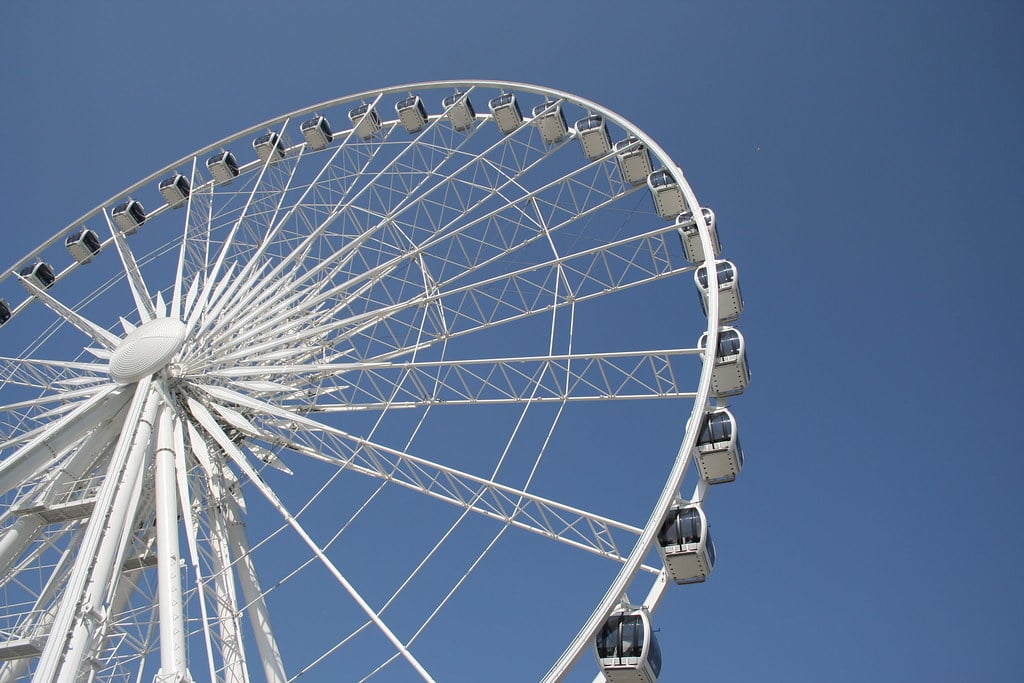
The Ferris wheel stands as the gentle giant of county fairs, offering views that made your hometown look completely different from 100 feet up. Originally designed for the 1893 Chicago World’s Fair by George Washington Gale Ferris Jr., this ride became a staple at every fair worth attending.
The slow, steady climb to the top gave you just enough time to spot your parents waving from below before the view stretched out for miles.
Tilt-A-Whirl
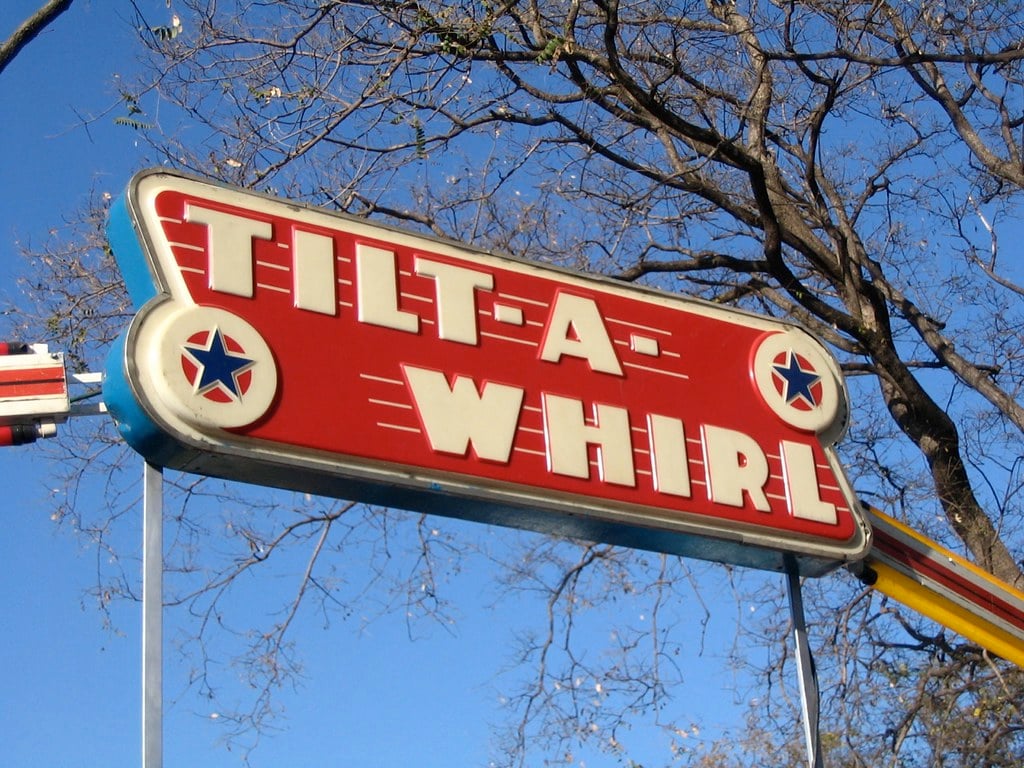
This chaotic spinning ride delivered unpredictability in the best possible way. Each car spun freely on its own axis while the entire platform rotated, creating a different experience every single time you rode it.
The Tilt-A-Whirl has been dizzying fairgoers since 1926, and it’s still impossible to predict whether you’ll get a gentle spin or feel like you’re trapped in a washing machine.
Bumper Cars
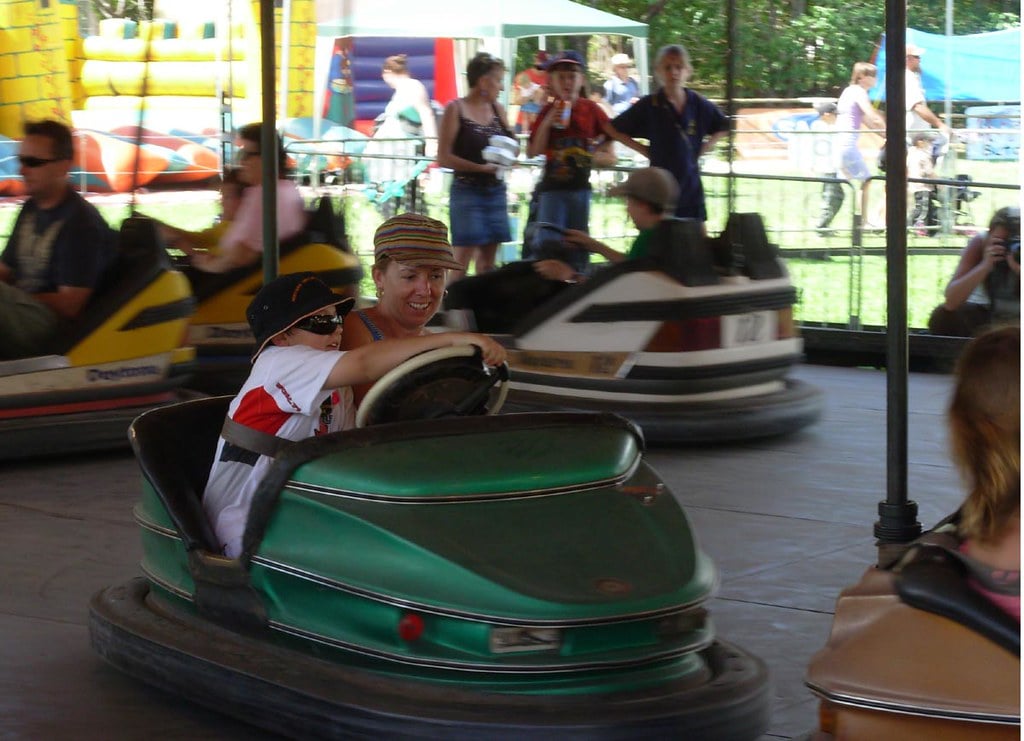
Bumper cars turned everyone into demolition derby drivers for three glorious minutes. The rubber-trimmed vehicles ran on electricity from the metal ceiling grid, and the goal was simple—crash into as many people as possible while avoiding getting cornered.
Kids who couldn’t even reach the gas pedal in a real car suddenly became fearless drivers, hunting down their friends with surprising aggression.
Carousel
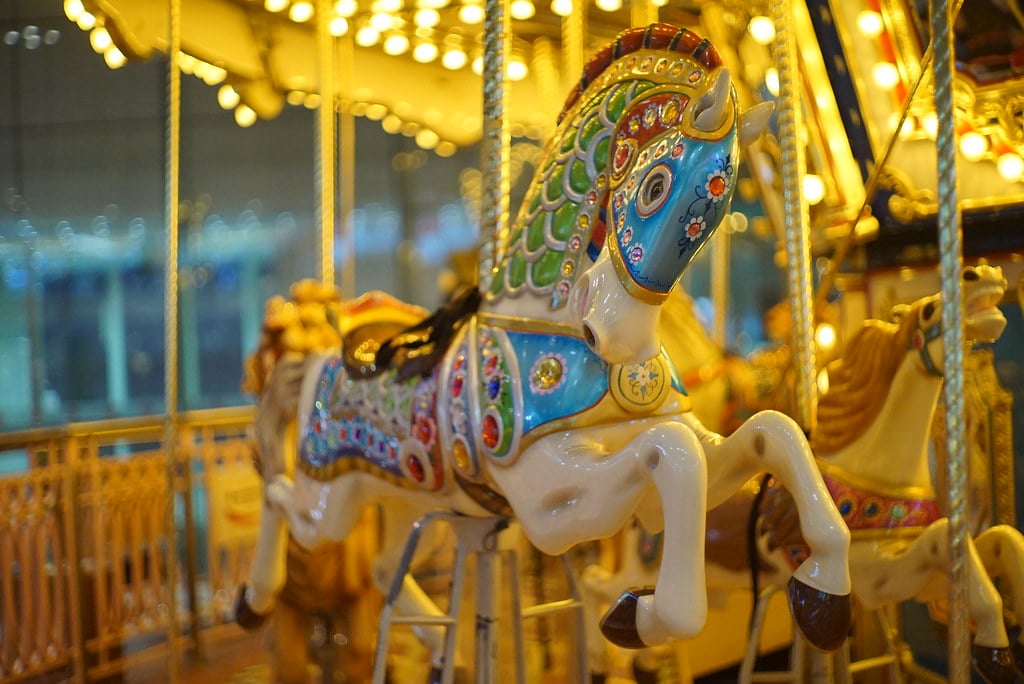
The carousel brought elegance to the midway with its hand-carved horses and nostalgic organ music. These rides date back to the 1600s in Europe, though American carousels really hit their stride in the early 1900s with elaborate designs featuring lions, tigers, and mythical creatures alongside traditional horses.
Catching the brass ring as you passed the dispenser felt like winning the lottery, even though the prize was usually just another free ride.
Scrambler
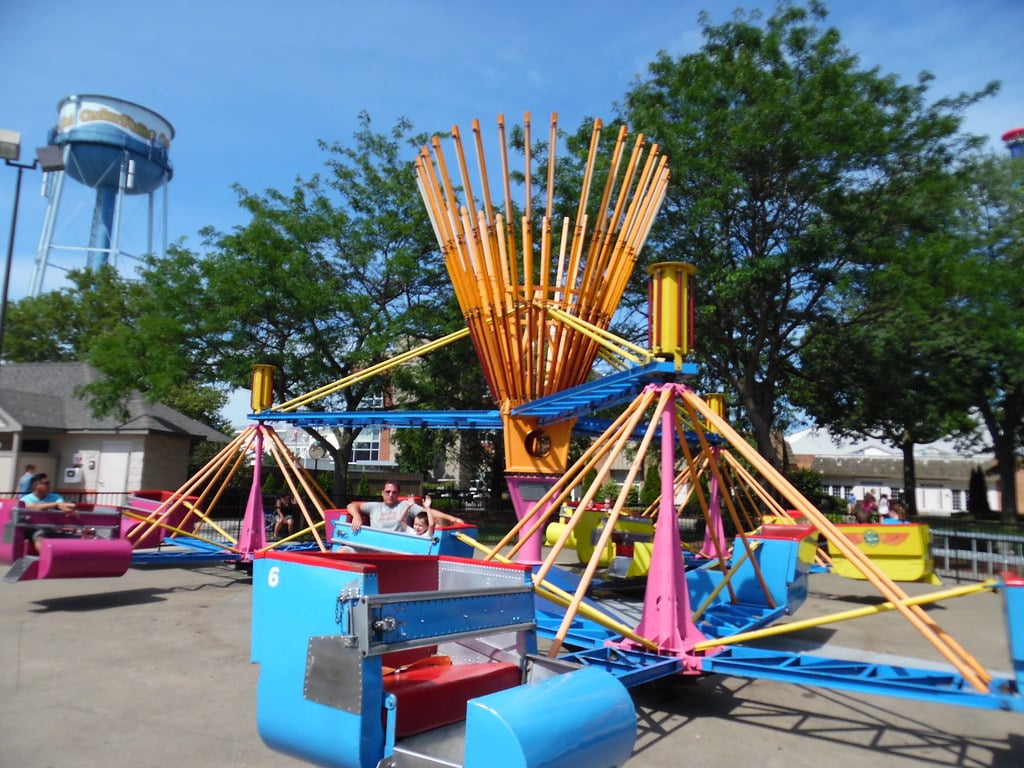
The Scrambler whipped riders around in three different circular motions simultaneously—spinning, rotating, and swinging all at once. This ride taught kids about centrifugal force in the most entertaining way possible, as you got pressed against your seatmate while trying not to lose your funnel cake.
The geometric precision of the Scrambler’s movement created a hypnotic pattern when viewed from outside, but from inside it just felt like controlled chaos.
Gravitron
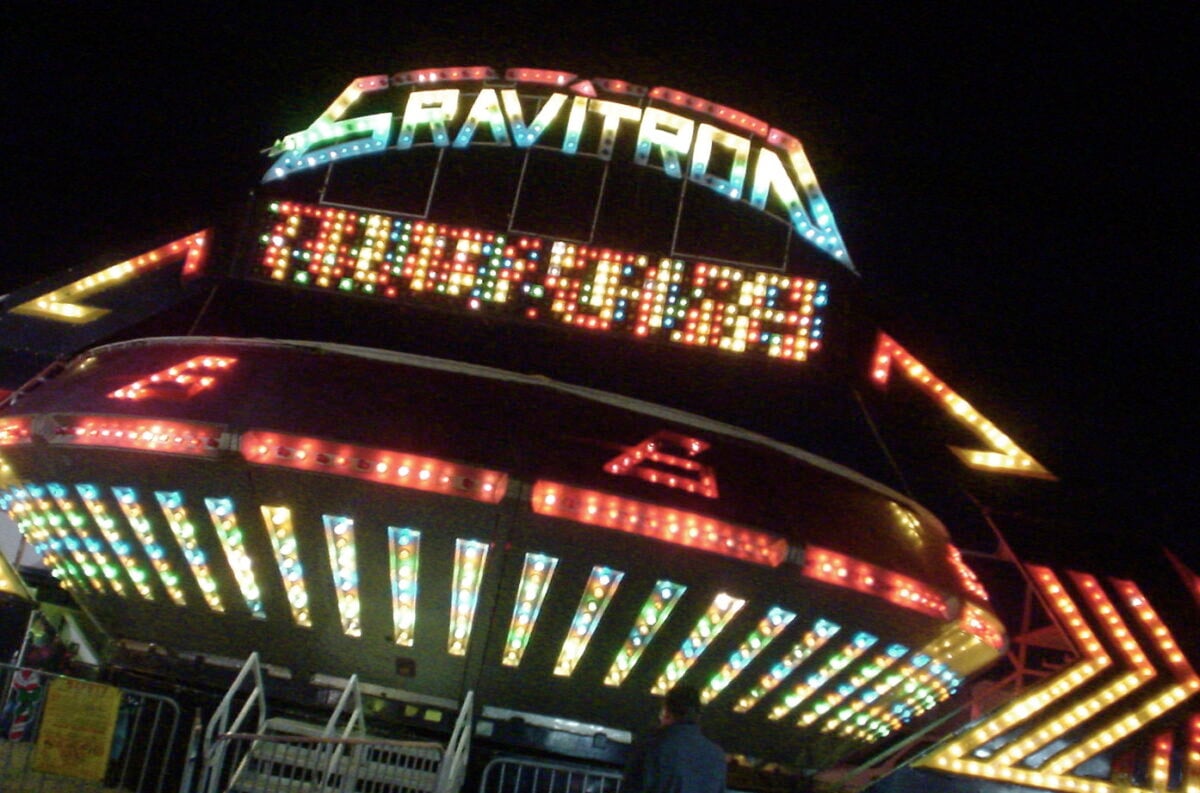
The Gravitron looked like a UFO landed in the middle of the fairgrounds, and once inside, the physics felt equally alien. As the circular walls spun faster and faster, riders got pinned against padded panels, and when it reached full speed, the floor dropped away entirely.
This ride made everyone understand why astronauts need special training—pulling your arm away from the wall felt like lifting a hundred pounds.
Swing Ride

The swing ride lifted riders high above the fairgrounds while spinning in graceful circles, creating the sensation of flying. Also called the wave swinger or chair-o-plane, this ride has been around since the early 1900s and remains one of the most photogenic attractions at any fair.
The higher you climbed and the faster you spun, the more your seat tilted outward, making it feel like one broken chain would send you soaring across the county.
Tea Cups
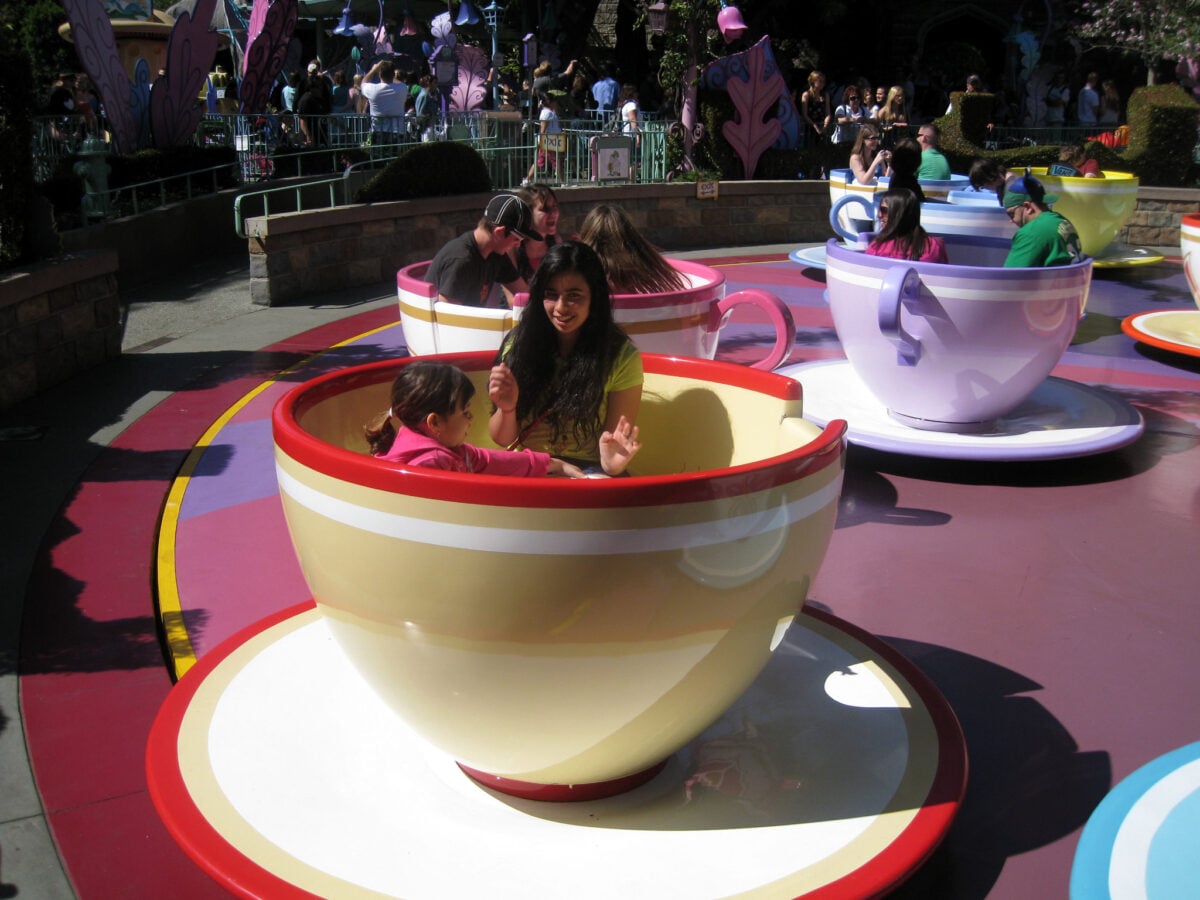
The tea cups let riders control their own destiny—or at least their own nausea levels. While the platform slowly rotated, each individual cup could spin independently thanks to the wheel in the center, and competitive kids always tried to see who could spin fastest.
This ride proved that sometimes the simplest concepts created the most fun, even if it meant staggering off with the world still rotating in your peripheral vision.
Funhouse
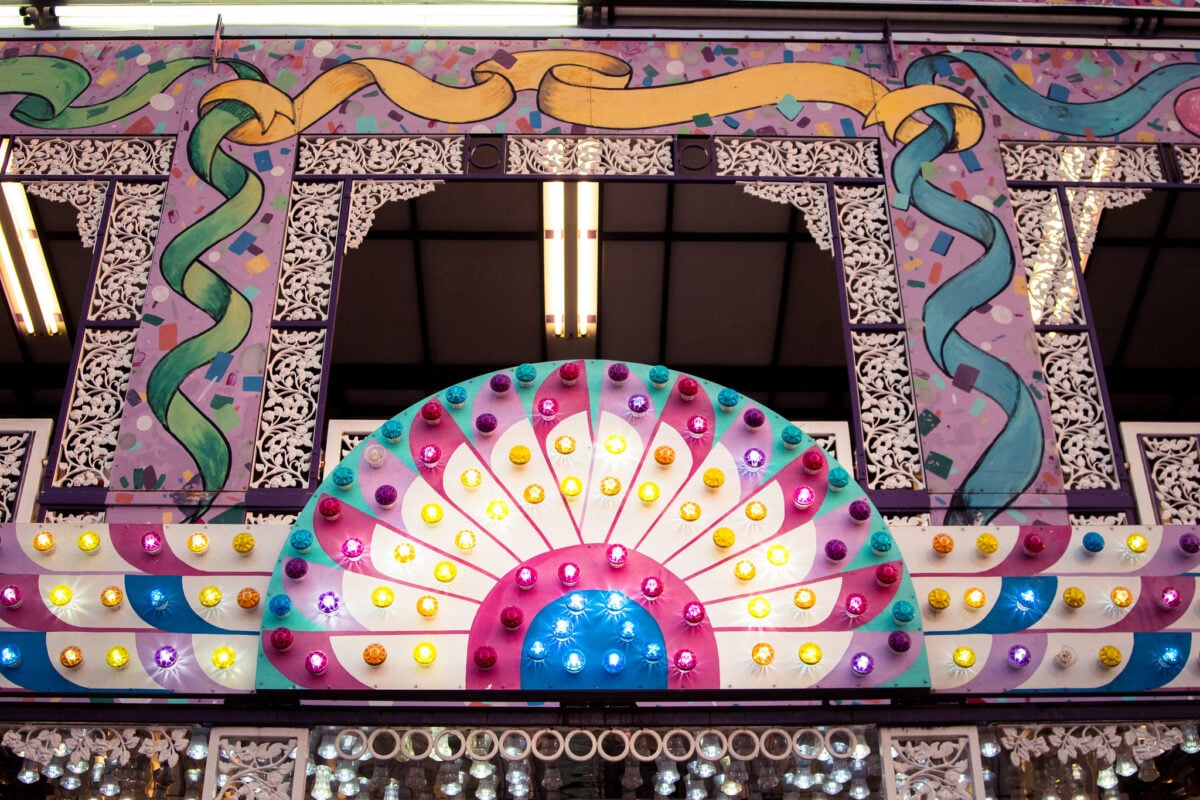
The funhouse wasn’t technically a ride, but the moving walkways, spinning tunnels, and tilted rooms created plenty of motion to qualify. Distorted mirrors made you impossibly tall or ridiculously wide, while air jets from the floor caught girls in skirts off guard at the exit.
These attractions peaked in the mid-20th century, and modern fairs have mostly replaced them with haunted houses, but the original funhouses had a charm that jump-scares just can’t match.
Zipper
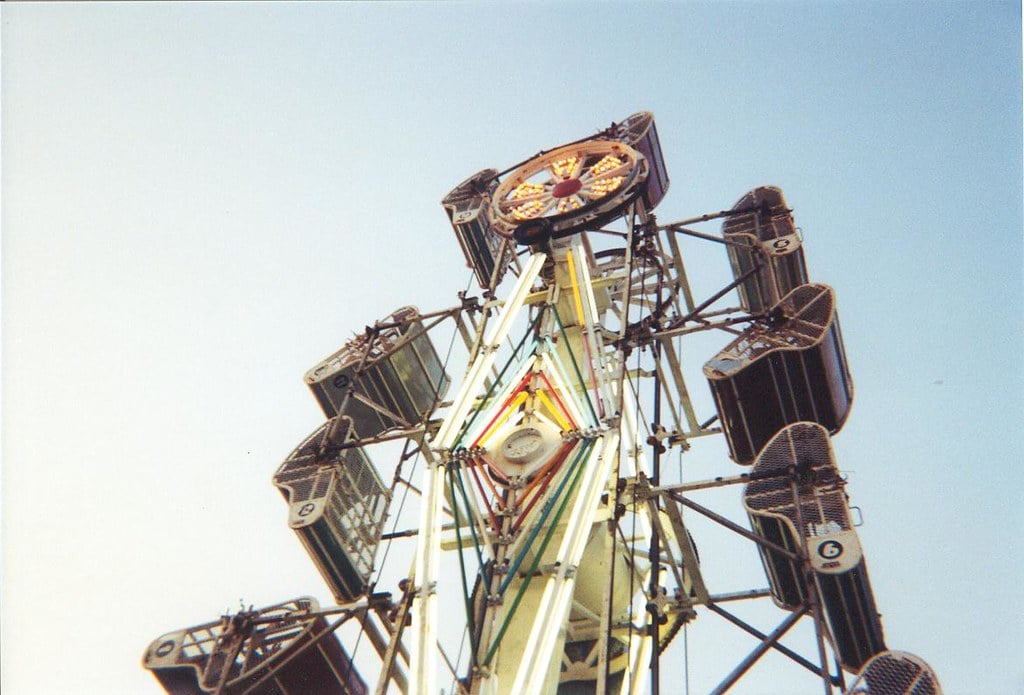
The Zipper earned its reputation as the ride for brave kids who wanted to prove something. Each egg-shaped cage flipped independently while the entire boom rotated in an elliptical pattern, creating a disorienting combination of movements.
Introduced in 1968, the Zipper became legendary for its intensity—riders experienced brief moments of weightlessness followed by crushing G-forces, all while being shaken around inside a metal cage like dice in a cup.
Pirate Ship
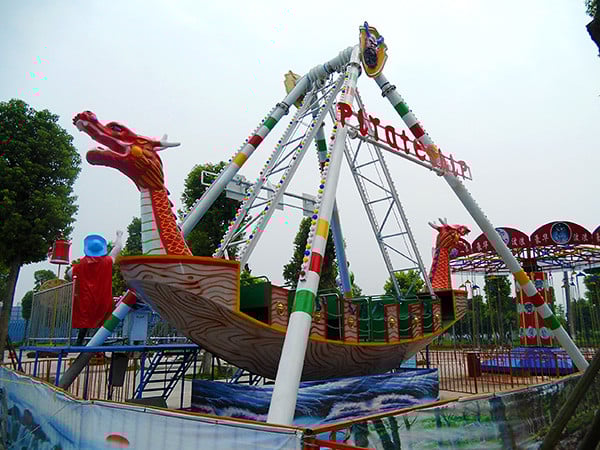
The pirate ship swung back and forth like a giant pendulum, reaching heights where riders briefly experienced zero gravity at each peak. The ride started slow, building momentum with each swing until it reached nearly vertical on both sides.
Sitting at the very end amplified every sensation, turning a moderately intense ride into something that tested your stomach’s resolve with every arc.
Round Up
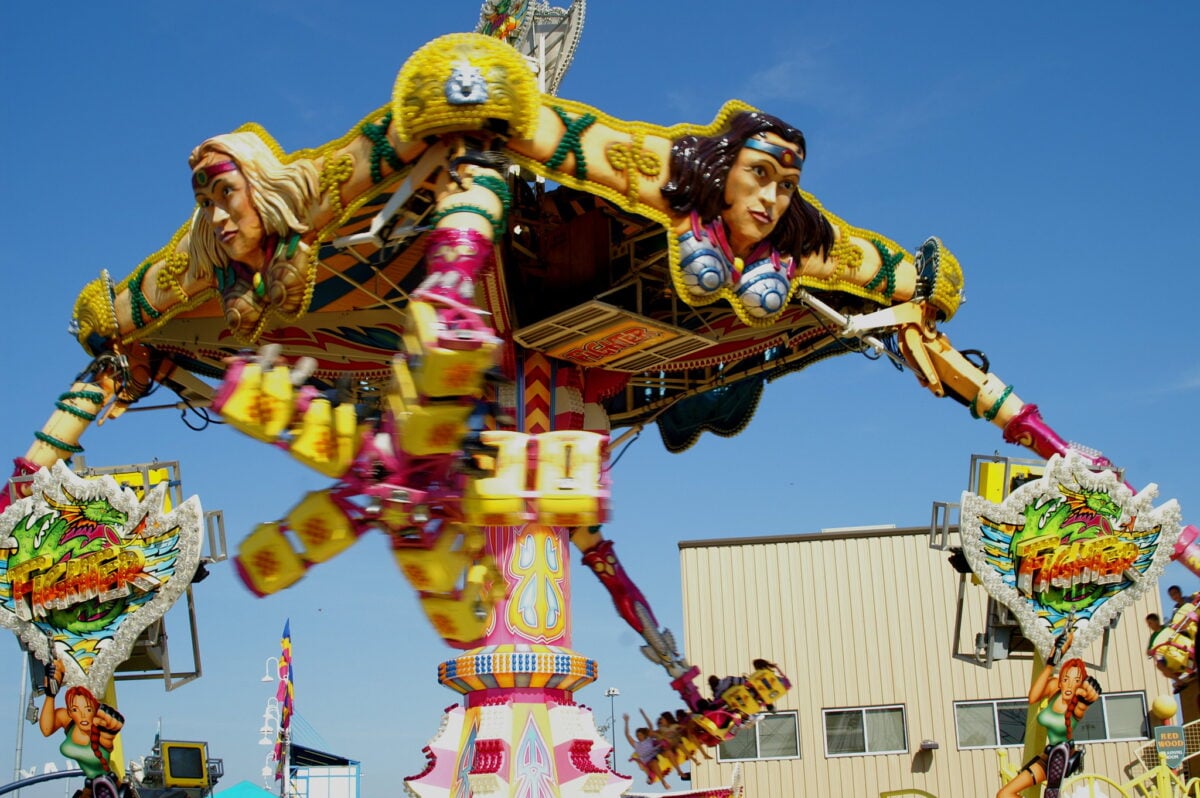
The Round Up spun riders around while tilted at a 90-degree angle, pinning everyone against the back wall of their cage. As the ride reached full speed, the floor dropped away, leaving riders suspended by nothing but centrifugal force and a lap bar.
This 1950s-era ride taught basic physics lessons about rotational velocity while simultaneously making riders question every life choice that led them to this moment.
Sizzler
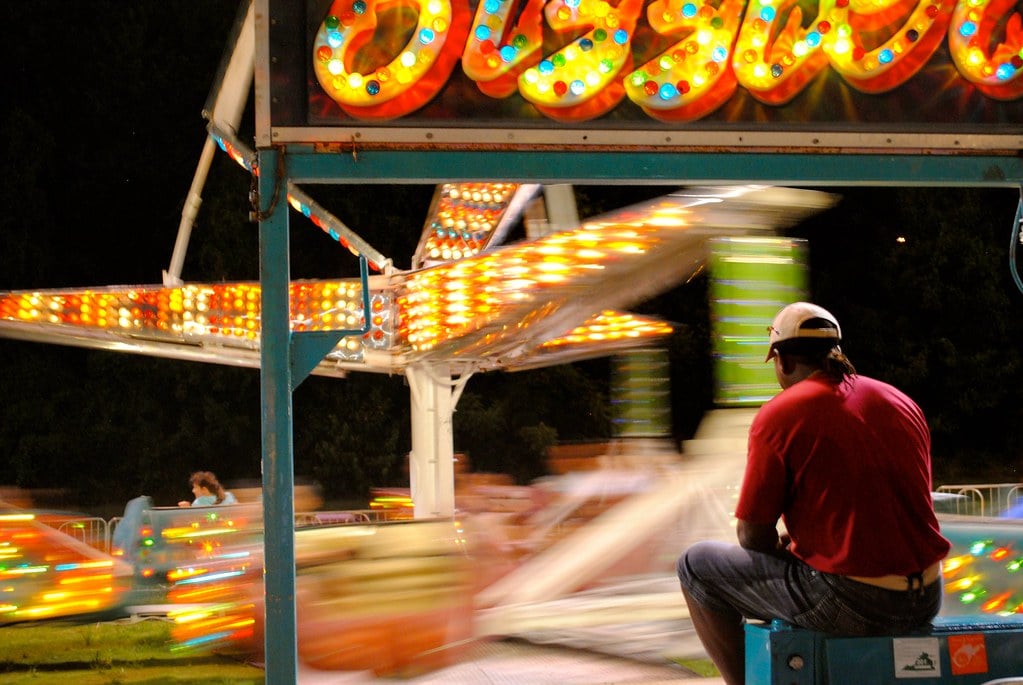
The Sizzler combined elements from several different rides into one dizzy-making package. Individual cars spun around small circles while those circles rotated around a larger central axis, all while the entire platform undulated up and down.
The overlapping motions created a sensation that lived up to its name—by the end, your brain felt thoroughly scrambled.
Rock-O-Plane
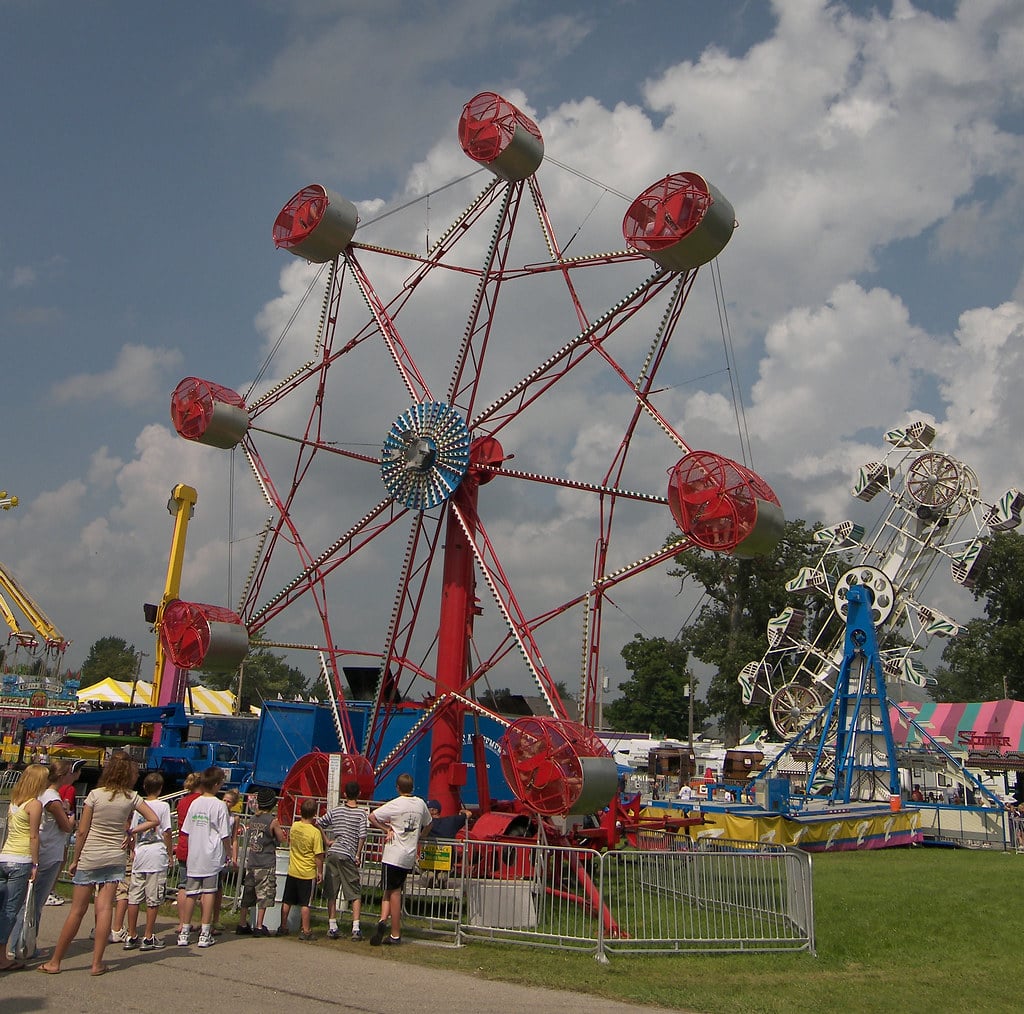
The Rock-O-Plane featured cages that riders could flip themselves by shifting their weight and pulling a release lever. The wheel rotated continuously, giving riders multiple opportunities to go upside down—or to panic and stay right-side up the entire time.
This ride from 1948 created clear social divisions between kids who flipped repeatedly and showed off, and those who gripped the safety bar with white knuckles and regretted their choices.
Wave Swinger
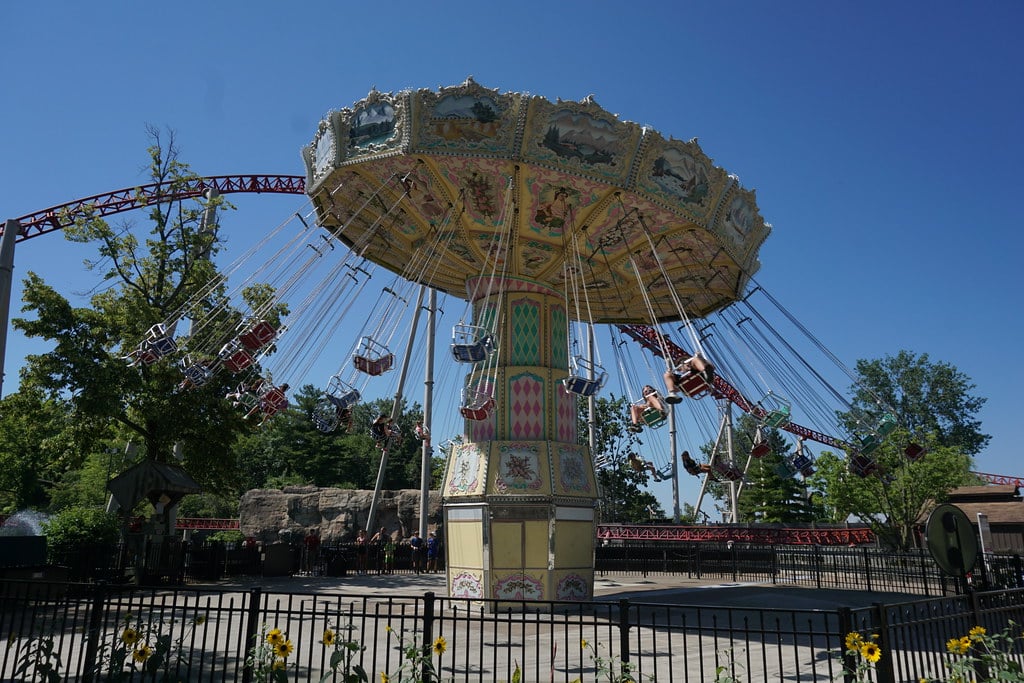
The wave swinger lifted riders high into the air on chains while spinning in wide, sweeping circles. Similar to the regular swing ride but typically taller and faster, this version created a stronger sensation of flight.
The chains angled outward dramatically at full speed, and the ride looked particularly magical at night when hundreds of lights traced patterns against the dark sky.
Full Circle
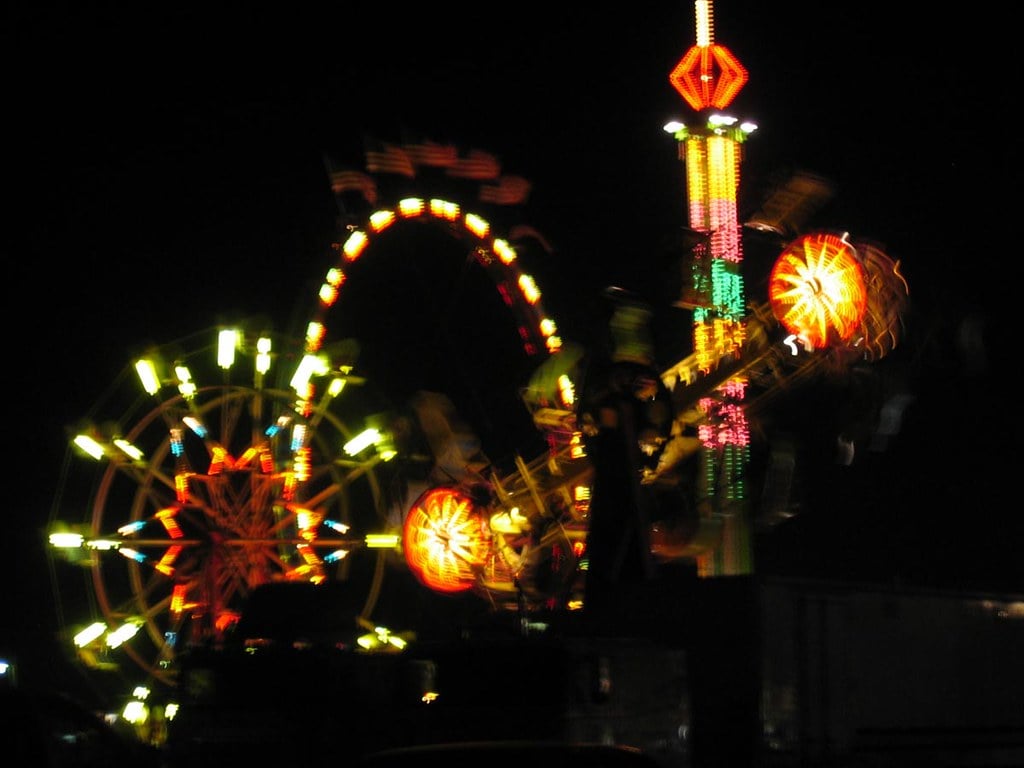
County fairs still draw crowds every summer, and many of these classic rides continue spinning after decades of service. The rides themselves haven’t changed much—the Tilt-A-Whirl still spins unpredictably, the Ferris wheel still offers the best views, and the Zipper still separates the fearless from the sensible.
Those childhood summers taught us that sometimes the best thrills come from simple pleasures, and that memories of laughter and slight nausea can last a lifetime. The magic wasn’t just in the rides themselves but in the feeling of freedom they represented—a few tickets, a warm summer night, and the chance to feel genuinely alive.
More from Go2Tutors!

- The Romanov Crown Jewels and Their Tragic Fate
- 13 Historical Mysteries That Science Still Can’t Solve
- Famous Hoaxes That Fooled the World for Years
- 15 Child Stars with Tragic Adult Lives
- 16 Famous Jewelry Pieces in History
Like Go2Tutors’s content? Follow us on MSN