15 Courtroom Traditions That Make No Sense Today
Step into courtrooms around the world today and something immediately feels off. Modern technology surrounds you, contemporary legal principles guide the proceedings, yet many still cling to centuries-old traditions.
From bizarre dress codes to rituals that predate electricity, numerous courtroom customs have stubbornly outlasted their usefulness across different legal systems. These customs once served clear purposes in bygone eras.
However, in our globally connected, fast-paced world, they often confuse more than they clarify. Here’s a list of 15 courtroom traditions that seem ridiculously out of place in the 21st century.
Wearing Powdered Wigs

Many countries following British legal traditions still cling to those elaborate white wigs that belong in a historical drama. The practice began in the 1600s when wigs were trendy among wealthy Europeans — plus they conveniently hid hair loss from certain diseases.
These horsehair monstrosities now cost thousands and need specialized care. They’re basically expensive museum pieces masquerading as professional attire.
Rising When the Judge Enters
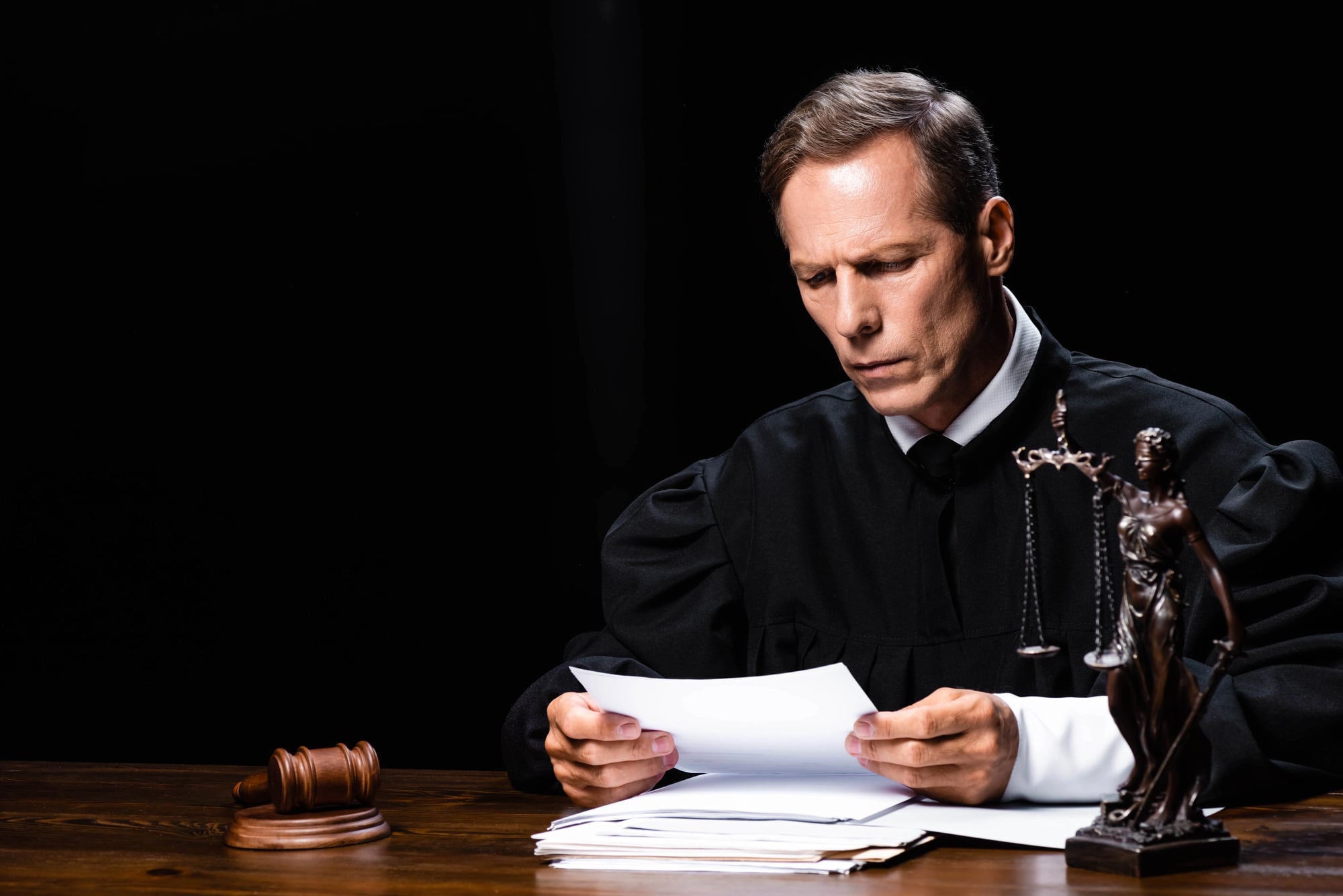
Everyone must leap to their feet when the judge appears, a throwback to times when judges literally represented royal authority. Sure, showing court respect makes sense — but this automatic jumping feels weirdly feudal for a democracy.
It emphasizes hierarchy over the actual pursuit of justice.
Like Go2Tutors’s content? Follow us on MSN.
Calling Judges ‘Your Honor’

This title traces back to British nobility, when judges often held actual lordships or knighthoods. Many legal systems worldwide have adopted similar honorific titles that stem from aristocratic traditions.
Continuing with these titles in modern democratic societies contradicts egalitarian principles — though respectful alternatives could accomplish the same courteous tone without the hierarchical baggage.
Using Latin Phrases

Legal proceedings get stuffed with Latin terms like ‘habeas corpus’ and ‘amicus curiae’ that baffle regular people. Lawyers master these phrases in school, but they create unnecessary walls between citizens and their justice system.
Plain English would make everything more transparent — imagine that.
The Gavel Banging Ritual
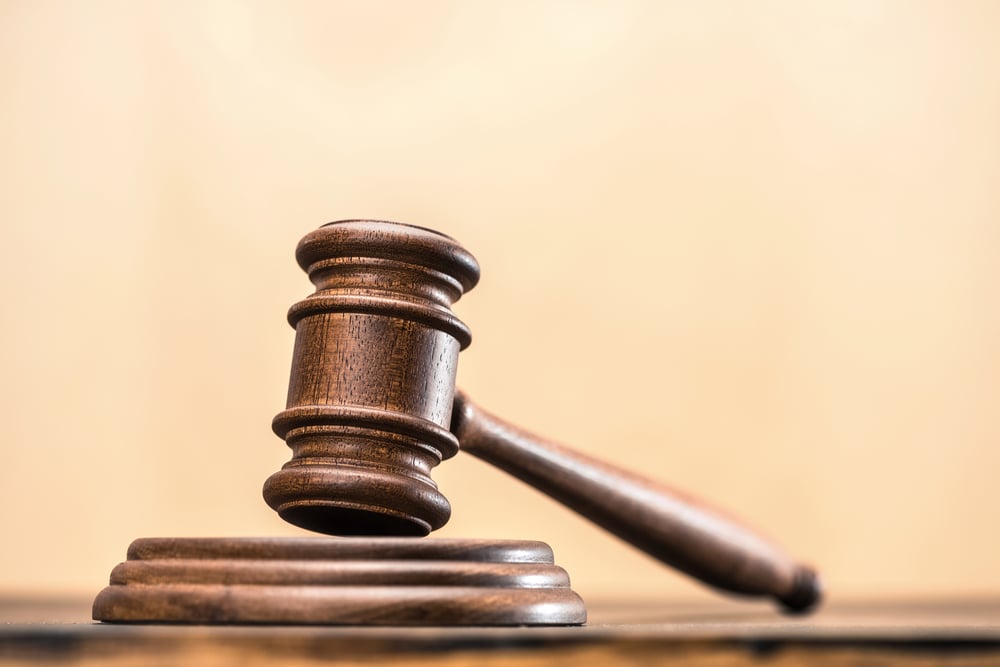
That iconic wooden hammer might be the most famous courtroom symbol, even though many modern courts barely use them. The tradition comes from medieval guild meetings where hammers kept order.
Today’s judges prefer verbal commands or electronic systems. The gavel’s become more of a Hollywood prop than a practical tool.
Like Go2Tutors’s content? Follow us on MSN.
Formal Robes in Hot Weather
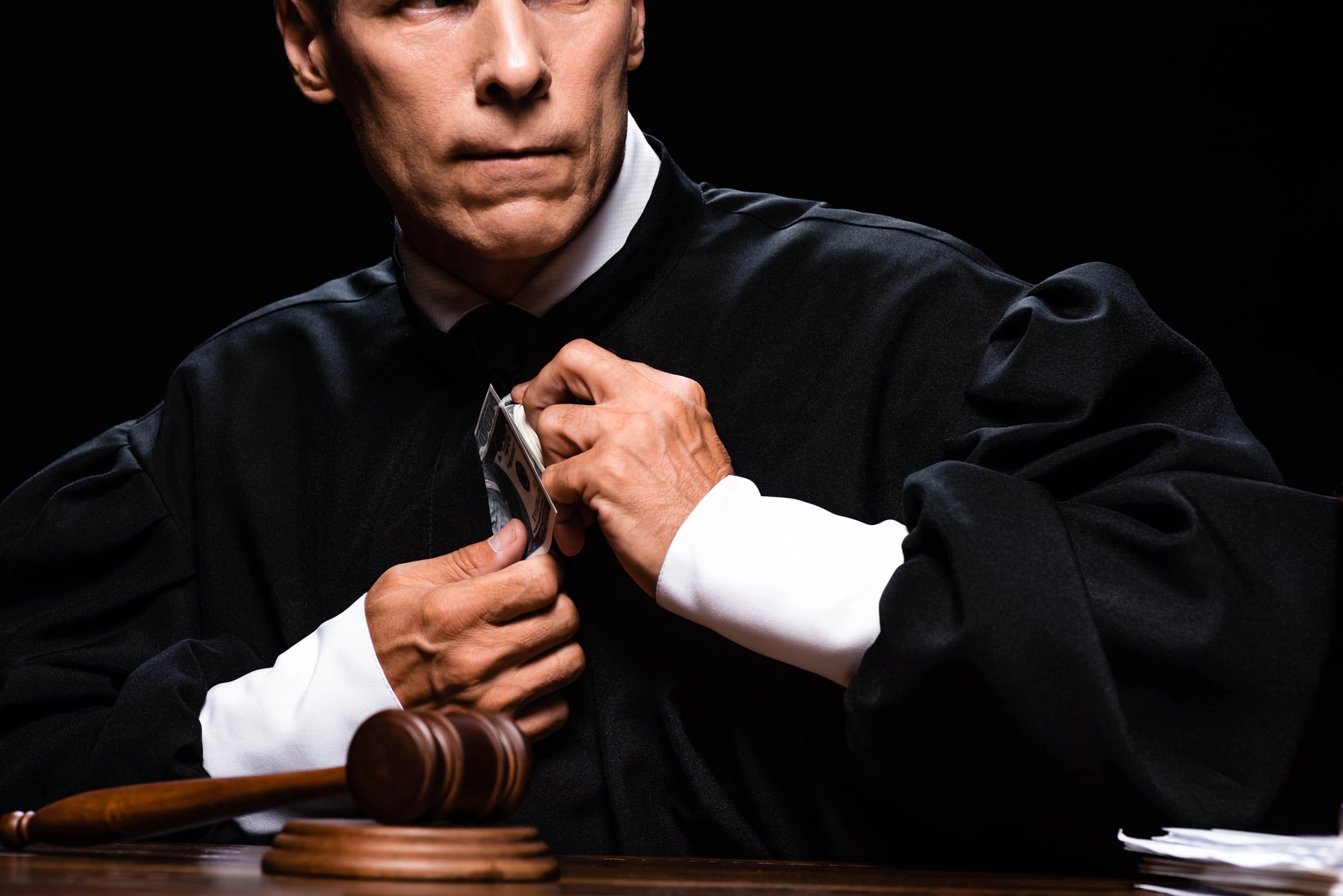
Heavy judicial robes worked fine in drafty European courtrooms — they’re torture in tropical climates or modern heated buildings worldwide. Heavy fabric restricts movement during lengthy proceedings regardless of the legal system.
Some progressive courts globally have tried lighter alternatives, though tradition usually beats comfort and common sense.
Reading Lengthy Oaths

Court officers still recite elaborate oaths packed with archaic language and outdated references. These marathon recitations confuse jurors and witnesses more than they help.
A straightforward modern promise to tell the truth would be far more effective — and actually meaningful.
Separate Seating for Spectators
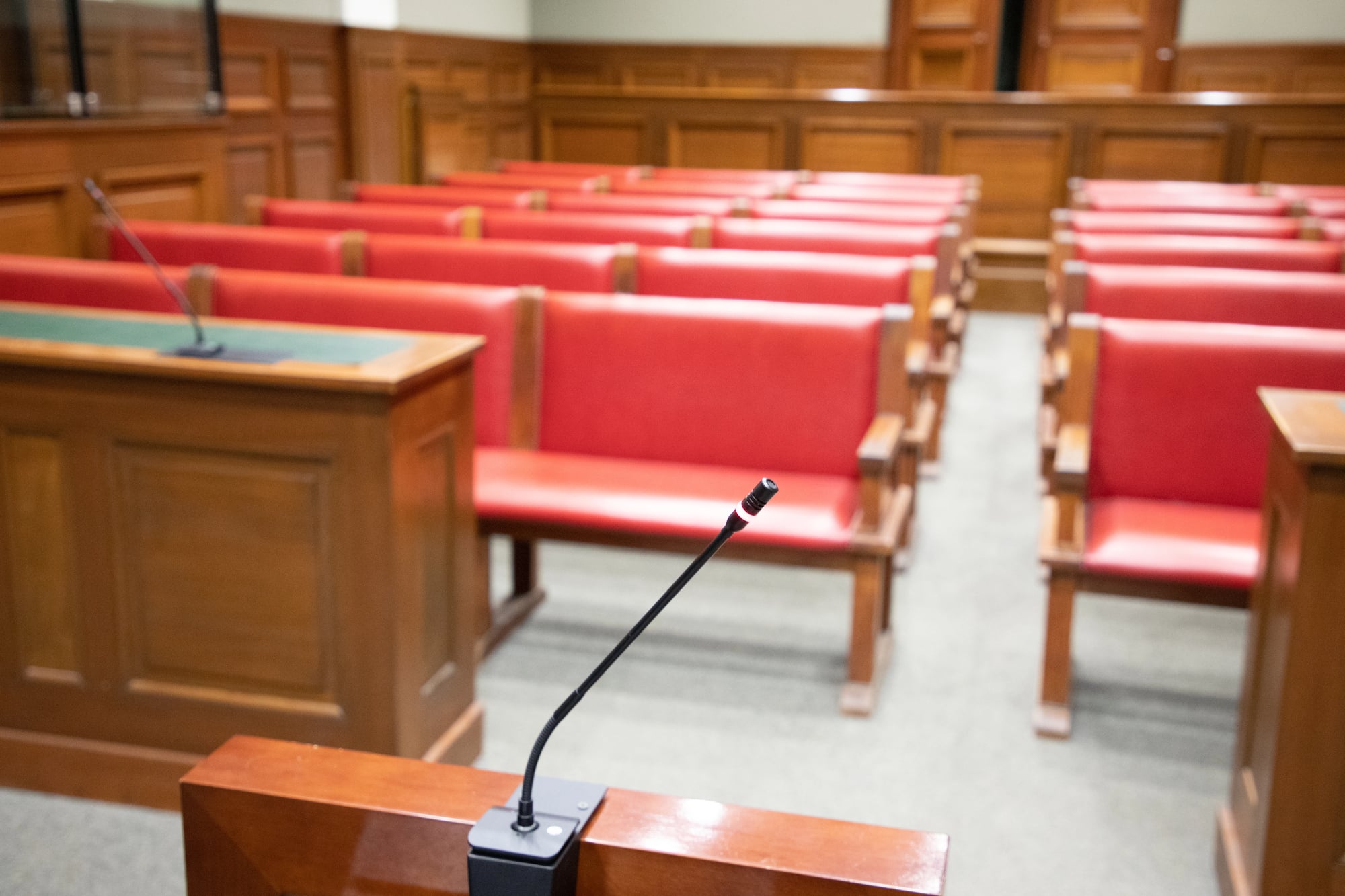
The rigid barrier between the ‘bar’ and public seating reflects old-school class distinctions between legal professionals and ordinary citizens. Organization is necessary, sure — but physical barriers make justice seem exclusive rather than accessible.
Modern courtroom design could balance security with openness better.
Like Go2Tutors’s content? Follow us on MSN.
Hand-on-Bible Swearing
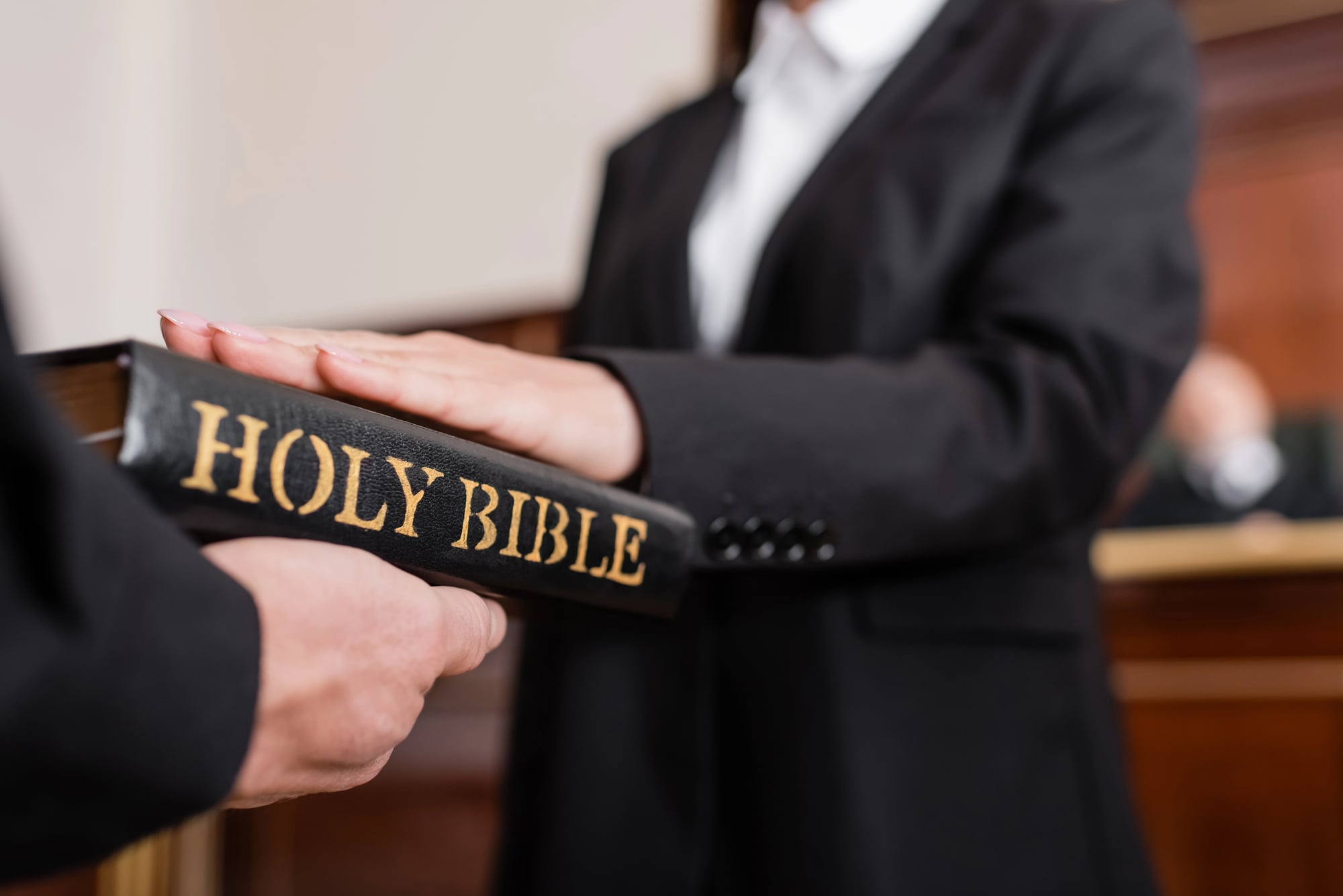
Swearing on religious texts assumes everyone follows a particular faith tradition, which doesn’t match today’s religious and cultural diversity. Many people worldwide practice different faiths or none at all.
This tradition becomes meaningless or potentially offensive in multicultural societies — while simple affirmations work just as well for establishing truthfulness across different belief systems.
All Rise, All Sit Commands

The constant choreography resembles a religious service more than legal proceedings. These movements interrupt testimony flow and can be physically challenging for elderly or disabled participants.
The focus should stay on evidence and arguments — not synchronized standing exercises.
Addressing Opposing Counsel Indirectly

Lawyers must speak to each other through the judge, even for simple procedural matters. This roundabout communication style, borrowed from parliamentary procedure, slows everything down while making interactions artificially formal.
Direct professional communication would be more efficient and natural.
Like Go2Tutors’s content? Follow us on MSN.
Jury Sequestration Practices

The elaborate process of isolating juries from outside information made sense before mass media existed. Today’s approach often seems excessive when jurors need to understand modern technology or contemporary context.
A more balanced approach could protect jury integrity without creating artificial information bubbles.
Formal Court Reporting Methods
Many courts still rely on stenographers using specialized machines when digital recording technology could capture proceedings more accurately and cost-effectively. The stenographic profession developed when mechanical recording was impossible, but clinging to this method seems unnecessarily expensive and potentially less reliable than modern alternatives.
Opening Court with Archaic Proclamations

Court sessions in many legal systems often begin with elaborate announcements using language from centuries past. These proclamations may reference historical calls or invoke traditional authority in ways that feel completely disconnected from contemporary governance worldwide.
A simple statement about court being in session would serve the same purpose more clearly across different cultures and languages.
Like Go2Tutors’s content? Follow us on MSN.
Restricting Technology Use

Many courts ban smartphones, tablets, and laptops for everyone except legal professionals, treating modern communication tools as threats rather than potential aids. While preventing disruptions makes sense, blanket technology bans can prevent people from taking notes, accessing relevant documents, or following complex proceedings.
Reasonable guidelines could balance order with accessibility.
Where Tradition Meets Reality
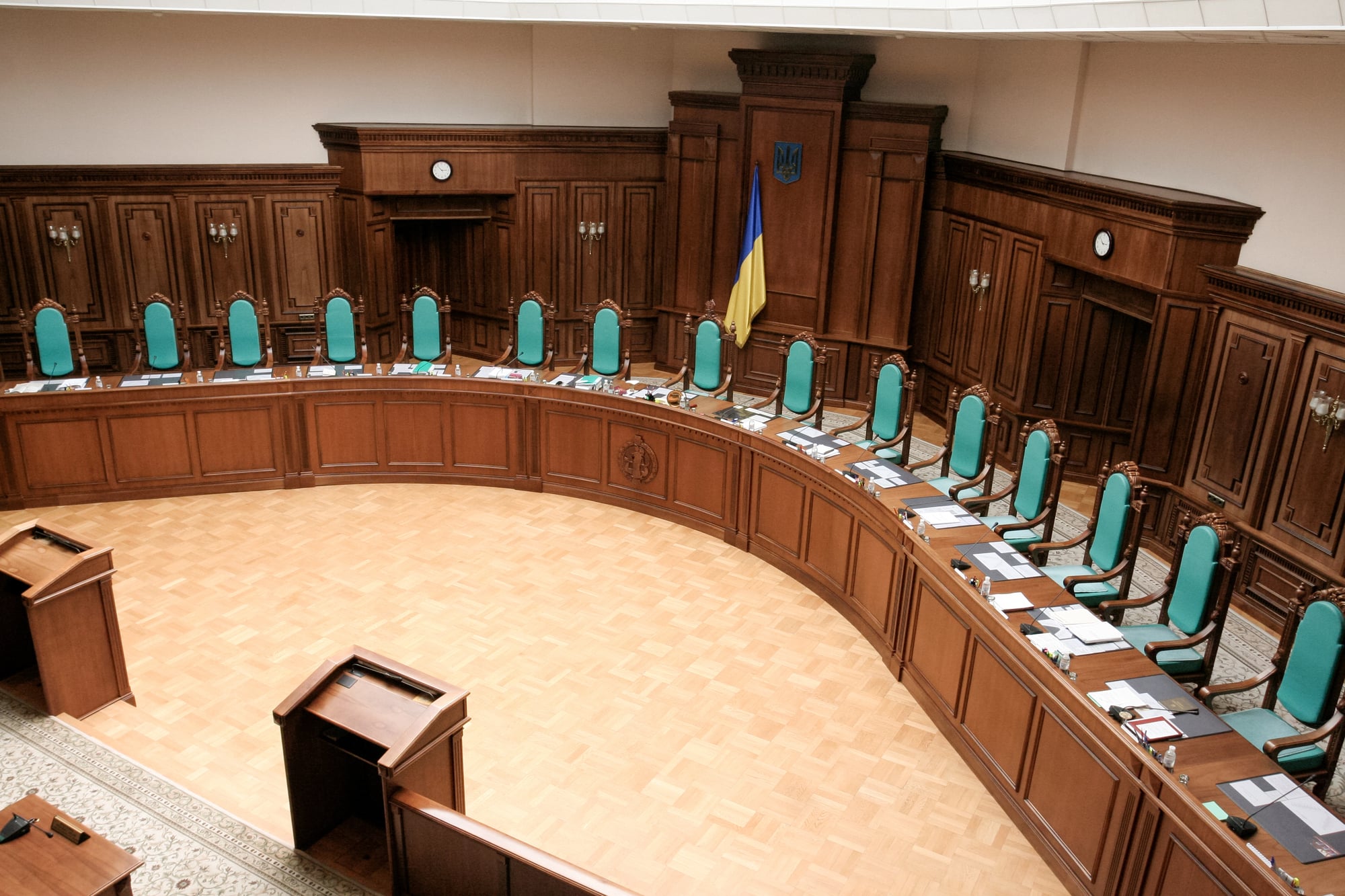
Walking into any courtroom today exposes a fascinating contradiction. There’s undeniable power in age-old traditions—the formal language, ceremonial robes, and “all rise” moments that signal the gravity of legal proceedings.
Yet many of these practices feel increasingly disconnected from the people they’re meant to serve, creating unnecessary distance between citizens and their justice system. The most effective courts are finding ways to maintain appropriate dignity while embracing changes that make justice more accessible, efficient, and relevant to contemporary society.
Perhaps it’s time to examine which traditions truly serve justice and which simply serve tradition itself.
More from Go2Tutors!

- 16 Historical Figures Who Were Nothing Like You Think
- 12 Things Sold in the 80s That Are Now Illegal
- 15 VHS Tapes That Could Be Worth Thousands
- 17 Historical “What Ifs” That Would Have Changed Everything
- 18 TV Shows That Vanished Without a Finale
Like Go2Tutors’s content? Follow us on MSN.