15 Crime Cases That Revolutionized Police Work
Criminal investigations have come a long way from the days when detectives relied purely on witness testimony and hunches. Throughout history, certain cases have pushed law enforcement to develop new techniques, adopt cutting-edge technology, and completely rethink how they approach solving crimes.
Here is a list of 15 landmark crime cases that fundamentally changed how police work gets done, introducing everything from fingerprinting to DNA analysis along the way.
The Stratton Brothers Case (1905)

This London murder case became the first time fingerprint evidence sent someone to the gallows. When Alfred and Albert Stratton killed an elderly shop owner and his wife, they left behind a thumbprint on the shop’s cash box.
Scotland Yard’s new fingerprint department matched it to Alfred, and both brothers were convicted. The case proved that those tiny ridge patterns on our fingertips could be more reliable than eyewitness accounts, launching the fingerprint revolution in criminal investigations.
The Lindbergh Baby Kidnapping (1932)

The kidnapping of Charles Lindbergh’s infant son became America’s ‘Crime of the Century’ and transformed how law enforcement handles missing persons cases. The FBI coordinated a massive investigation involving handwriting analysis, wood grain matching, and currency tracking when the kidnapper used gold certificates from the ransom money.
Bruno Hauptmann’s arrest came after a gas station attendant wrote down his license plate number when he paid with one of those marked bills. This case established many protocols still used in kidnapping investigations today.
Like Go2Tutors’s content? Follow us on MSN.
The Mad Bomber of New York (1940-1956)
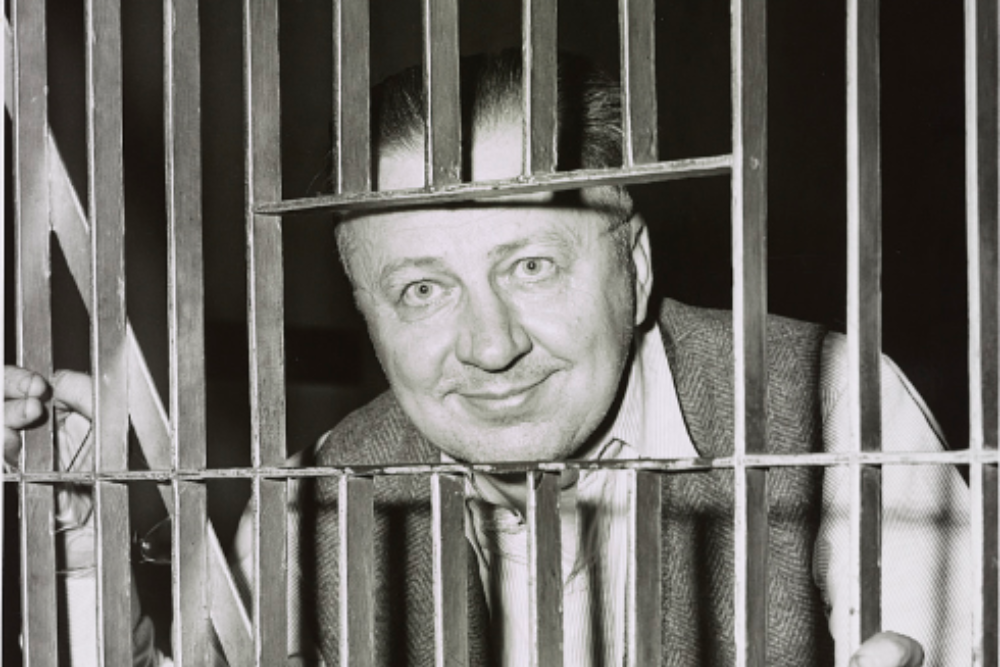
George Metesky terrorized New York City for 16 years with homemade bombs, but his capture introduced criminal profiling to modern policing. Psychiatrist James Brussel created a detailed psychological profile that accurately predicted everything from Metesky’s appearance to his clothing preferences.
When Metesky was arrested, he was wearing the exact double-breasted suit Brussel had described. This case proved that understanding the criminal mind could be just as valuable as physical evidence.
The Boston Strangler Cases (1962-1964)
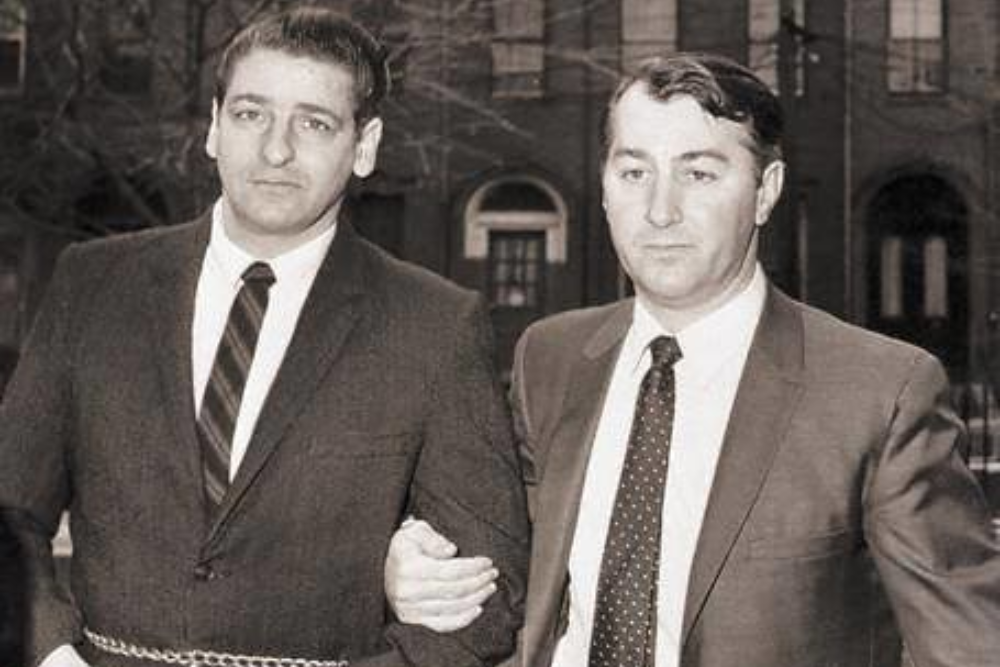
Albert DeSalvo’s confession to 13 murders marked an early milestone in psychological criminal profiling, though the case remains controversial. The investigation involved multiple law enforcement agencies working together in ways that were unprecedented at the time.
More importantly, it highlighted the need for better coordination between different police departments and established protocols for handling serial crime cases that cross jurisdictional boundaries.
The Richard Speck Murders (1966)

When Richard Speck killed eight student nurses in Chicago, his identification came through a distinctive tattoo reading ‘Born to Raise Hell.’ This case revolutionized how police document and catalog identifying marks like tattoos, scars, and birthmarks.
The systematic photography and cataloging of body markings became standard practice, creating databases that help identify suspects and victims decades later. One surviving witness’s detailed description combined with the tattoo evidence sealed Speck’s fate.
Like Go2Tutors’s content? Follow us on MSN.
The Zodiac Killer Cases (1960s-1970s)

Though the Zodiac Killer was never caught, his case transformed how police handle serial crimes and public communications from criminals. The killer’s coded letters forced law enforcement to work with cryptographers and linguistics experts, establishing new interdisciplinary approaches to investigations.
The case also highlighted the importance of preserving evidence for future technological advances, as investigators continue testing Zodiac evidence with modern DNA techniques decades later.
The Ted Bundy Investigation (1970s)
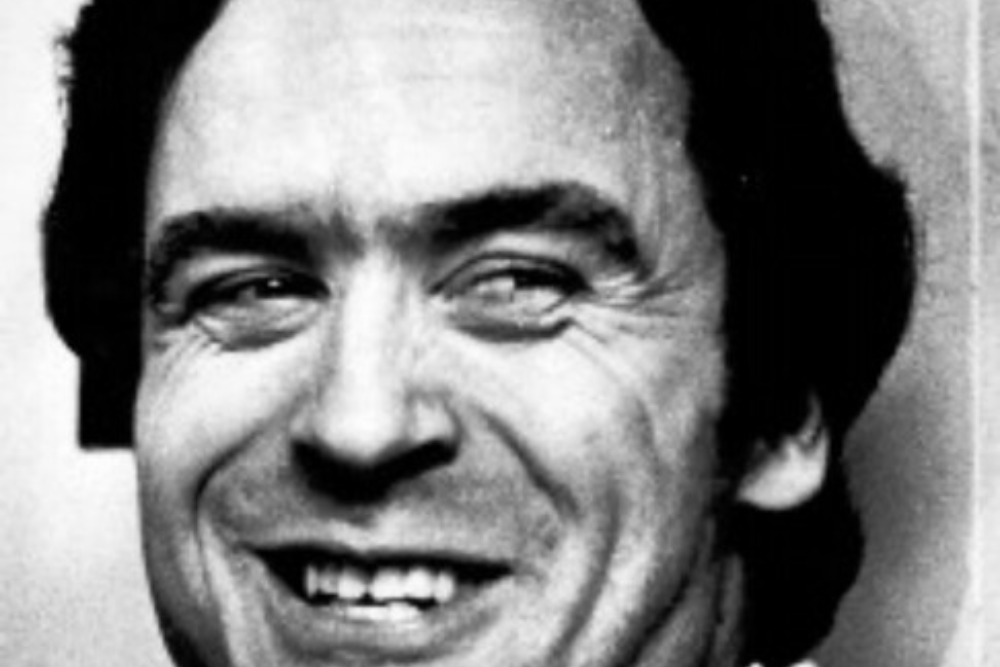
Bundy’s cross-country murder spree exposed major flaws in how different police departments shared information. His ability to kill in multiple states while avoiding capture led to the creation of the FBI’s Behavioral Science Unit and the development of ViCAP (Violent Criminal Apprehension Program).
This centralized database allows investigators to spot patterns in violent crimes across different jurisdictions, preventing future serial killers from exploiting bureaucratic boundaries.
The Atlanta Child Murders (1979-1981)

The investigation into 28 murdered children in Atlanta introduced fiber evidence analysis as a crucial forensic tool. Wayne Williams was convicted largely based on microscopic fibers found on victims that matched carpeting and bedding from his home.
The case required investigators to examine thousands of fiber samples under powerful microscopes, establishing fiber analysis as a reliable forensic science that could link suspects to crime scenes with remarkable precision.
Like Go2Tutors’s content? Follow us on MSN.
The Night Stalker Case (1985)

Richard Ramirez’s capture demonstrated the power of computer databases in modern policing. When investigators found a fingerprint on a stolen car, they ran it through California’s new automated fingerprint identification system and got a match within hours.
This case proved that computerized records could dramatically speed up investigations, leading to widespread adoption of digital fingerprint databases across the country.
The Golden State Killer Investigation (1970s-1986)

Though Joseph James DeAngelo wasn’t caught until 2018, his decades-long crime spree revolutionized DNA evidence collection and storage. California investigators began systematically collecting DNA evidence from crime scenes in the 1980s, even though the technology to analyze it properly didn’t exist yet.
Their foresight in preserving biological evidence eventually led to DeAngelo’s capture through genealogical DNA matching, proving the value of evidence preservation for future technological breakthroughs.
The World Trade Center Bombing (1993)
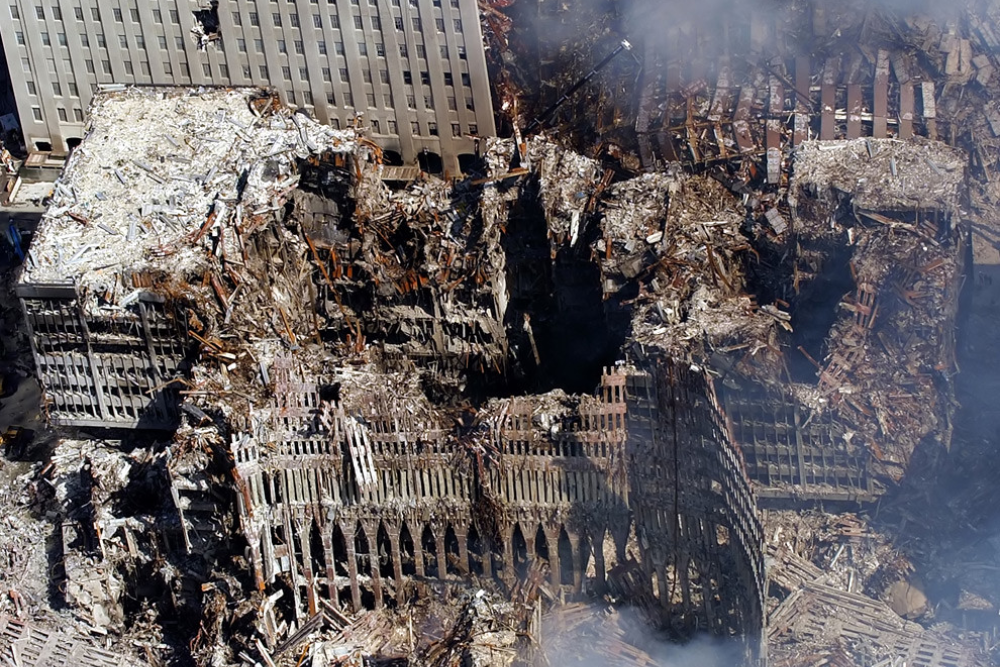
The investigation of this terrorist attack showcased how modern forensics could reconstruct crimes from tiny fragments of evidence. ATF investigators identified the truck bomb’s origin by tracing a vehicle identification number from a tiny piece of the truck’s frame found in the wreckage.
This painstaking work led them to a rental agency and eventually to the terrorists. The case demonstrated how microscopic evidence analysis could solve even the most devastating crimes.
Like Go2Tutors’s content? Follow us on MSN.
The Oklahoma City Bombing (1995)

Timothy McVeigh’s capture after this domestic terrorism attack highlighted the importance of routine police work in solving major crimes. He was initially arrested for driving without a license plate just 90 minutes after the bombing, showing how basic law enforcement procedures can intersect with major investigations.
The case also advanced techniques for processing massive crime scenes and coordinating federal, state, and local law enforcement agencies.
The O.J. Simpson Case (1994)

Regardless of the verdict, this case revolutionized DNA evidence presentation in courtrooms and public understanding of forensic science. The investigation involved cutting-edge DNA analysis techniques that were relatively new to criminal justice.
The case forced prosecutors and defense attorneys to become experts in explaining complex scientific evidence to juries, fundamentally changing how forensic evidence gets presented in court.
The Unabomber Investigation (1978-1995)
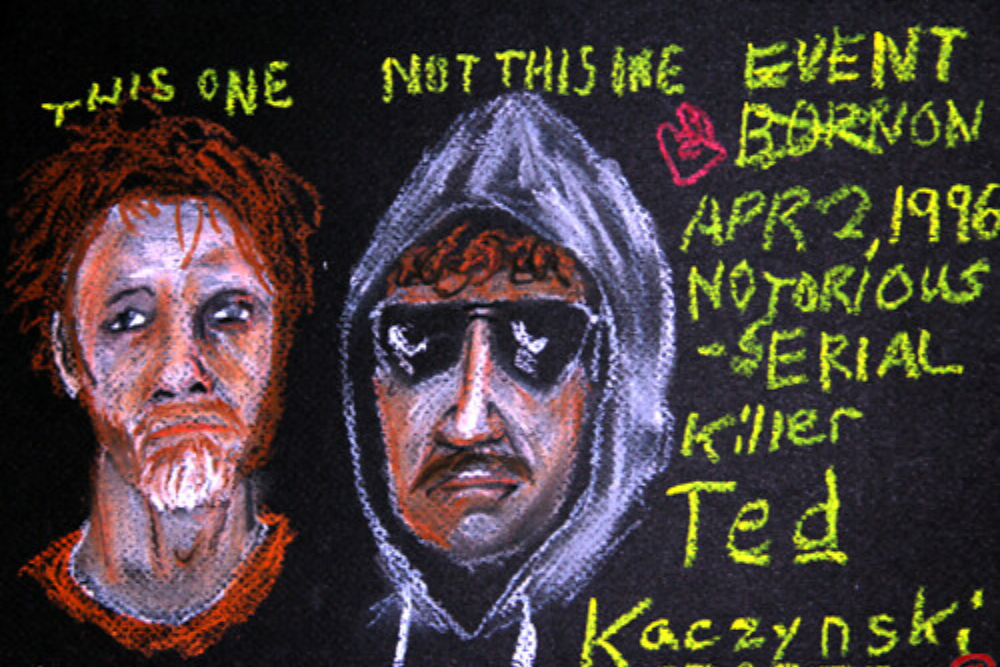
Ted Kaczynski’s 17-year bombing campaign ended through linguistic analysis, introducing a new forensic discipline to criminal investigations. FBI analysts studied the writing style, word choices, and philosophical arguments in the Unabomber’s manifesto, creating a profile that helped identify Kaczynski when his brother recognized the writing.
This case established forensic linguistics as a legitimate investigative tool for analyzing threatening letters, ransom notes, and other criminal communications.
Like Go2Tutors’s content? Follow us on MSN.
The BTK Killer Case (1974-2005)

Dennis Rader’s capture after 31 years demonstrated how advances in computer forensics could crack cold cases. Rader’s downfall came when he sent investigators a floppy disk that contained metadata linking back to his church computer.
Digital forensics experts recovered deleted files showing Rader’s name and church affiliation, proving that electronic evidence could be just as damning as fingerprints or DNA. This case showed how criminals who evaded capture for decades could be caught by leaving digital footprints.
How Yesterday’s Breakthroughs Shape Today’s Justice
These landmark cases didn’t just solve individual crimes—they built the foundation for modern law enforcement techniques that protect communities today. Every time investigators run a fingerprint through a database, analyze DNA evidence, or create a criminal profile, they’re using tools that emerged from these groundbreaking investigations.
The criminals who thought they were clever enough to evade capture ended up teaching police how to catch the next generation of offenders, proving that in the long game between law enforcement and criminal minds, justice tends to find a way forward.
More from Go2Tutors!

- 16 Historical Figures Who Were Nothing Like You Think
- 12 Things Sold in the 80s That Are Now Illegal
- 15 VHS Tapes That Could Be Worth Thousands
- 17 Historical “What Ifs” That Would Have Changed Everything
- 18 TV Shows That Vanished Without a Finale
Like Go2Tutors’s content? Follow us on MSN.