Shows That Made School Feel Cool
Have you ever noticed how certain memories from school can linger for decades? These are typically the times when learning feels more like exploration than labor.
The greatest educational programs had the enchanted power to teach you things you would remember for the rest of your life while making you forget you were in school. These programs changed the way entire generations thought about education, not just to pass the time in between classes.
They demonstrated that learning could be enjoyable, that curiosity could spread, and that any topic could become fascinating with the correct presentation. These 12 shows made going to class feel like an adventure and transformed countless students into eager learners.
Bill Nye the Science Guy
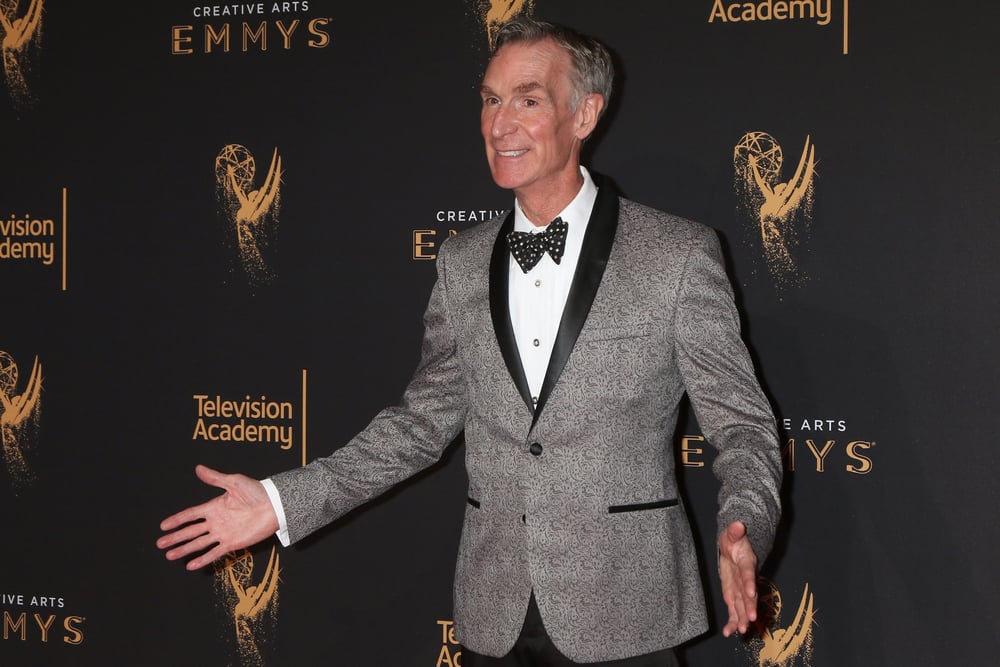
Bill Nye didn’t just teach science—he made it feel like the coolest thing on the planet. His bow tie, lab coat, and infectious enthusiasm transformed intimidating concepts into exciting discoveries that students actually wanted to understand.
The show’s rapid-fire editing, memorable experiments, and that unforgettable theme song created an atmosphere where chemistry and physics felt less like academic subjects and more like thrilling adventures waiting to unfold.
The Magic School Bus

Ms. Frizzle’s classroom took field trips to places no bus could actually go, and that’s exactly what made it brilliant. This animated series shrunk students down to explore the human body, launched them into space, and turned abstract concepts into tangible adventures that made perfect sense.
The show proved that the most effective learning happens when you can actually experience what you’re studying, even if that experience requires a healthy dose of imagination and animated magic.
Like Go2Tutors’s content? Follow us on MSN.
Mythbusters

Mythbusters turned curiosity into a legitimate scientific method, proving that asking ‘what if’ questions could lead to explosive discoveries. The show demonstrated that real science involves trial and error, spectacular failures, and the kind of hands-on experimentation that traditional classrooms rarely allowed.
Students watched Adam and Jamie tackle everything from movie myths to physics principles with genuine enthusiasm, showing that scientific inquiry could be both rigorous and incredibly entertaining.
Planet Earth and Nature Documentaries

David Attenborough’s nature documentaries transformed biology into breathtaking storytelling that made every living creature feel like a character in an epic adventure. These programs showed students that the natural world contained drama, mystery, and beauty that rivaled any fictional narrative.
The combination of stunning cinematography and Attenborough’s gentle narration made even the most reluctant learners genuinely curious about ecosystems, animal behavior, and environmental science.
Schoolhouse Rock
Schoolhouse Rock proved that almost anything could be taught through catchy songs and clever animation, turning grammar rules and historical events into memorable musical experiences. Students who struggled with multiplication tables suddenly found themselves humming along to mathematical concepts, while civics lessons became engaging stories about how government actually works.
The show’s genius lay in its understanding that information set to music becomes nearly impossible to forget.
Like Go2Tutors’s content? Follow us on MSN.
Where in the World Is Carmen Sandiego?

Carmen Sandiego made geography feel like a thrilling detective game where knowledge of world cultures and locations became the key to solving international mysteries. The show transformed memorizing capitals and countries into an exciting pursuit of a master thief, proving that context and storytelling could make even the driest subjects compelling.
Students found themselves genuinely interested in learning about different cultures and geographical features because that knowledge had become essential for cracking each case.
Reading Rainbow

Reading Rainbow didn’t just promote books—it made reading feel like a gateway to infinite adventures and possibilities. LeVar Burton’s warm presence and genuine enthusiasm for literature showed students that books weren’t just assignments to complete but doorways to different worlds waiting to be explored.
The show’s book reviews and real-world connections helped students understand that reading could be both educational and deeply personal, creating lifelong readers who associated books with discovery rather than obligation.
Liberty’s Kids

Liberty’s Kids brought American history to life by placing viewers right in the middle of the Revolutionary War era. The animated series followed young reporters as they witnessed major historical events, making figures like Benjamin Franklin and George Washington feel like real people rather than distant historical names.
The show’s approach of presenting multiple perspectives on historical events taught students that history is complex and nuanced, not just a series of dates and facts to memorize.
Like Go2Tutors’s content? Follow us on MSN.
Newton’s Apple
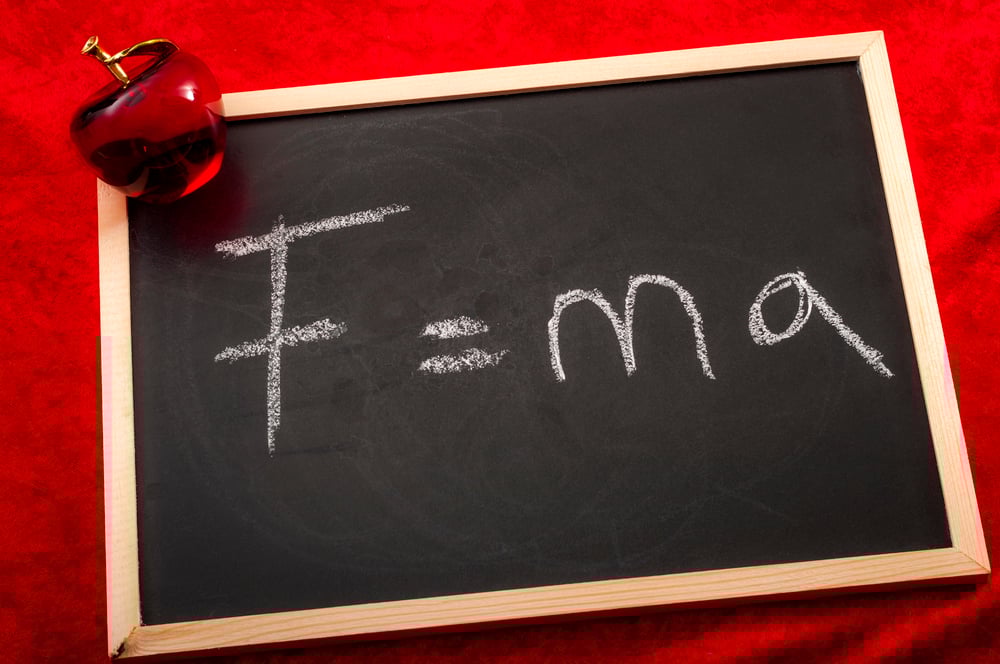
Newton’s Apple turned everyday curiosities into fascinating scientific investigations that made viewers look at the world with fresh eyes. The show tackled questions that students actually wondered about, from why soap bubbles are round to how bridges stay standing during earthquakes.
Each episode demonstrated that science isn’t confined to laboratories but exists all around us, waiting to be discovered and understood through careful observation and experimentation.
Sesame Street

Sesame Street revolutionized early childhood education by proving that learning fundamentals could be joyful rather than tedious. The show’s mix of puppets, music, and repetition made concepts like counting, letter recognition, and social skills feel natural and enjoyable.
Big Bird, Elmo, and the gang created an environment where making mistakes was part of learning, and curiosity was always celebrated.
Square One TV
Square One TV made mathematics feel like entertainment rather than punishment, using comedy skits and parody songs to explain mathematical concepts. The show’s ‘Mathnet’ segments turned problem-solving into detective work, while musical numbers made formulas memorable and fun.
Students who typically dreaded math class found themselves actually enjoying numerical concepts when they were presented with humor and creativity
Like Go2Tutors’s content? Follow us on MSN..
Mr. Wizard’s World

Mr. Wizard’s World demonstrated that science experiments could be performed with household items, making scientific exploration feel accessible to everyone. Don Herbert’s calm demeanor and clear explanations helped students understand that science is about observation and experimentation rather than memorizing complex theories.
The show encouraged viewers to try experiments at home, turning kitchens and garages into personal laboratories.
The Classroom Connection Lives On

Let’s be real—these shows made learning feel like some epic quest instead of, you know, homework in disguise. Suddenly it was cool to ask weird questions or get geeked about random facts.
You’d be picking up all this info and not even realize you were “being taught,” just because someone was cracking jokes or spinning wild stories or geeking out about dinosaurs (or whatever they were into).
That’s what sticks, right? Not the stuff that feels shoved down your throat.
Honestly, the best educational stuff? It never goes stale. Kids and adults still fall for it, decade after decade.
You look at today’s YouTubers or podcasters trying to teach stuff, and hey—they’re all still chasing that same magic mix: a dash of brain food, a heap of fun.
Those old shows cracked the code, and everyone’s been trying to hack it ever since.
More from Go2Tutors!

- 16 Historical Figures Who Were Nothing Like You Think
- 12 Things Sold in the 80s That Are Now Illegal
- 15 VHS Tapes That Could Be Worth Thousands
- 17 Historical “What Ifs” That Would Have Changed Everything
- 18 TV Shows That Vanished Without a Finale
Like Go2Tutors’s content? Follow us on MSN.



