15 Currencies Withdrawn Within a Decade
Most national currencies are built to last generations, backed by central banks, treaties, and decades of trust. But some never got the chance to grow old.
War, revolution, hyperinflation, and simple bad luck have cut plenty of currencies down before their tenth birthday. These are notes and coins that came and went so quickly that entire generations of collectors have never held one.
Their short lives usually say more about the state of the country issuing them than about the money itself.
Continental Currency
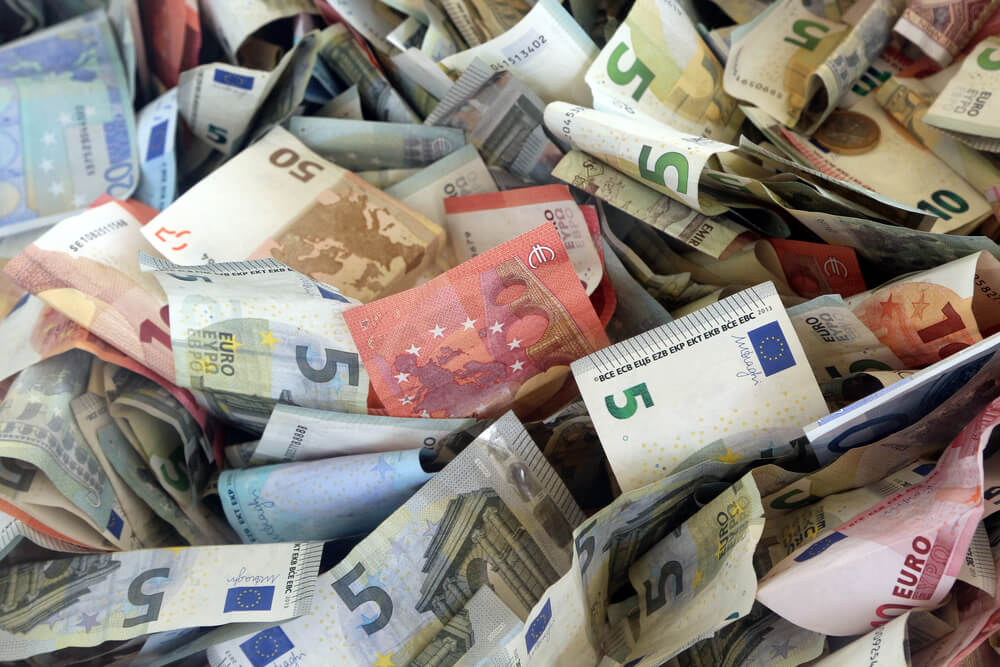
Issued by the fledgling United States starting in 1775 to fund the Revolutionary War, the Continental was backed by nothing but the promise of a future government that did not yet exist. The Continental Congress printed far more of it than the economy could absorb, and by 1781 the notes had become so worthless that the phrase “not worth a Continental” entered the American vocabulary.
It was formally abandoned within six years of its first printing, replaced by state currencies and eventually the dollar.
The French Assignat
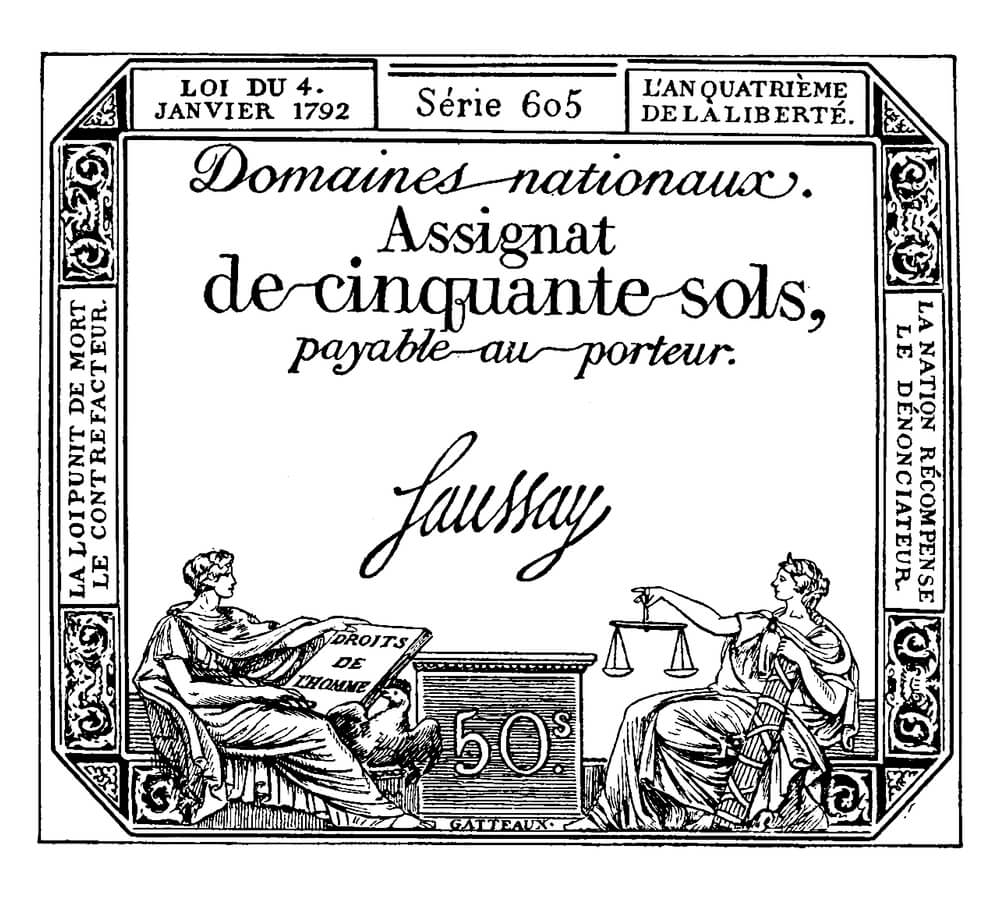
Introduced in 1789 during the early days of the French Revolution, the assignat was originally meant to be a bond backed by confiscated church lands rather than ordinary paper money. The government kept printing more to cover its debts, and the notes collapsed into near-worthlessness within a few years.
By 1796, only seven years after its debut, the assignat was withdrawn and replaced by the short-lived mandat territorial, which itself failed within months.
The Rentenmark
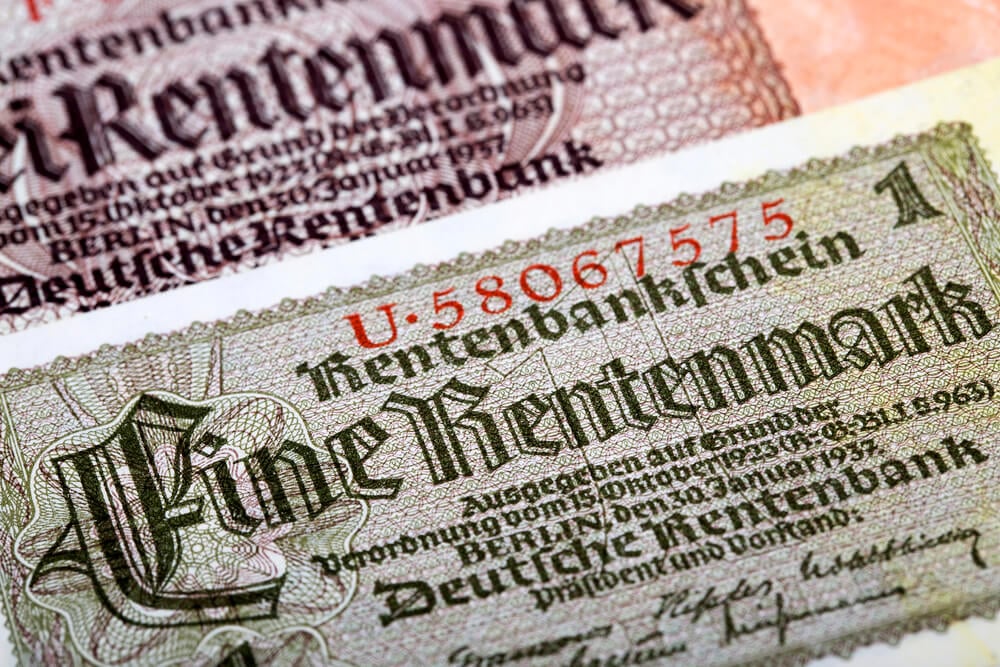
Germany’s Rentenmark was introduced in November 1923 specifically to halt the runaway hyperinflation of the Weimar-era mark, when prices were doubling every few days. It was not backed by gold but by a mortgage on the nation’s land and industry, a stopgap measure that worked well enough to restore public confidence almost overnight.
It was formally succeeded as the country’s primary currency by the Reichsmark in 1924, giving it an active life of barely a year.
The Katangese Franc
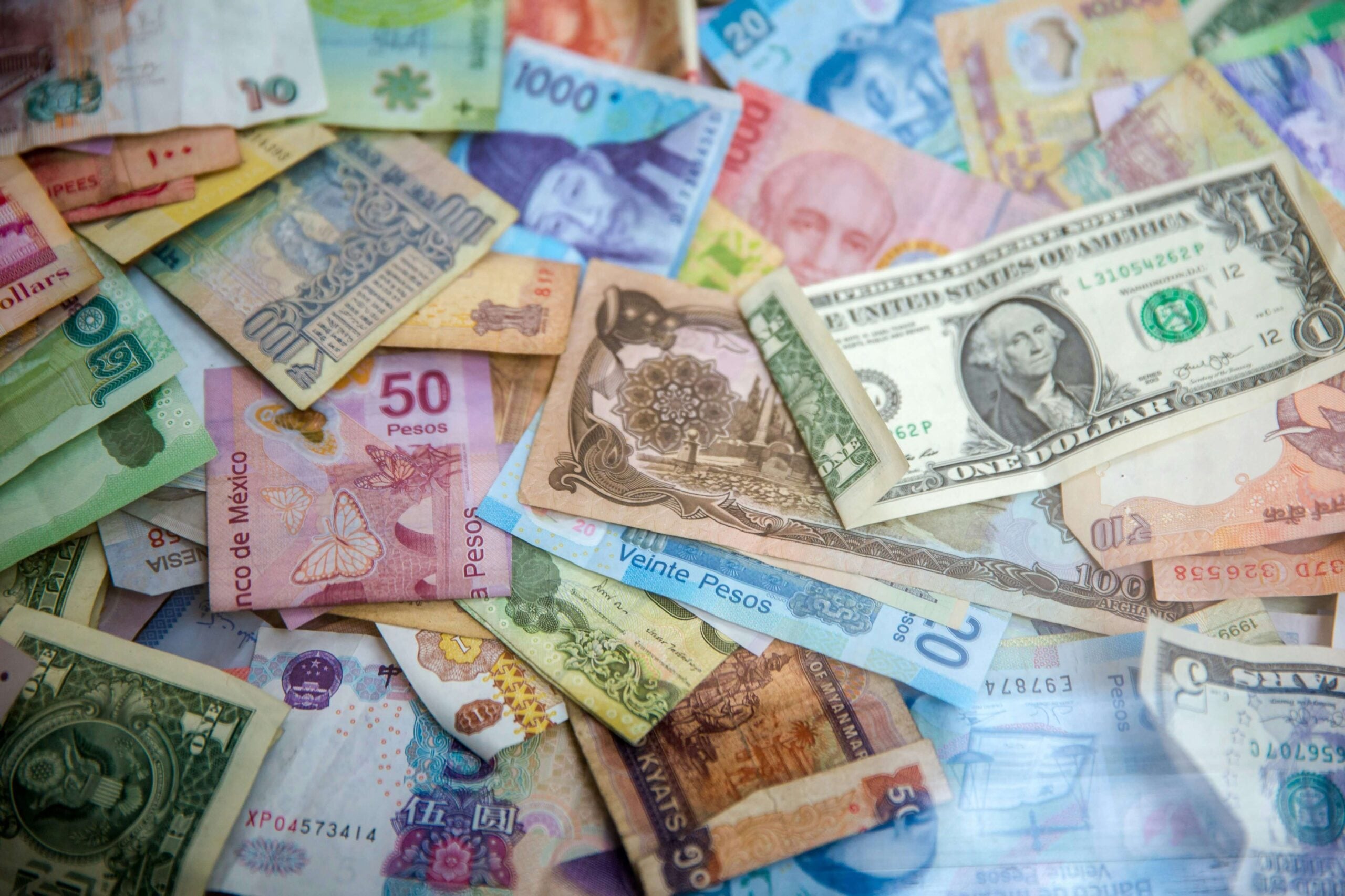
When the mineral-rich province of Katanga broke away from the newly independent Congo in 1960, it issued its own franc to underline its claim to statehood. The breakaway state was crushed by United Nations forces in January 1963, and its currency died with it, giving the Katangese franc a lifespan of under three years.
Surviving notes and coins are now sought by collectors precisely because so few were ever produced.
The Biafran Pound

During Nigeria’s civil war, the secessionist state of Biafra introduced its own pound in January 1968 after Nigerian authorities changed the national currency to cut off the breakaway region’s cash reserves. Biafra’s economy was crippled by blockade for the rest of the war, and when the region surrendered in January 1970 its currency became worthless overnight.
The entire run lasted almost exactly two years.
The Latvian Ruble

As the Soviet Union dissolved, Latvia briefly issued its own transitional ruble in 1992 to replace the Soviet ruble while a permanent currency was designed. It was deliberately meant to be temporary, nicknamed the “Latvian ruble” or informally the “zeimulis” after the type of pencil-drawn design on early notes.
It circulated for barely a year before being replaced by the lats in 1993.
The Georgian Coupon

Newly independent Georgia introduced the coupon, or kuponi, in 1993 as an emergency measure after the collapse of the Soviet ruble zone. Hyperinflation set in almost immediately, with prices rising so fast that some denominations were printed in the millions.
The coupon was withdrawn in 1995, after less than two years, and replaced by the more stable lari.
The Ukrainian Karbovanets
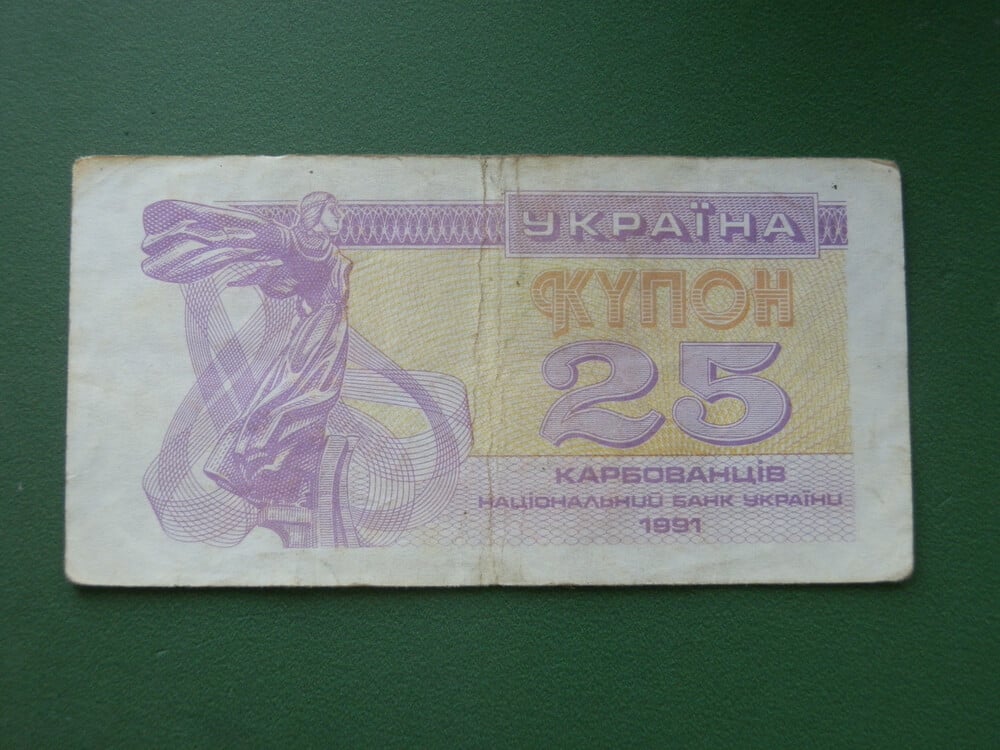
Ukraine’s karbovanets, introduced as a transitional currency in 1992, was intended to last only a short time while the country prepared a permanent currency. Instead it lingered through a period of severe hyperinflation, with denominations eventually reaching into the millions.
It was finally replaced by the hryvnia in 1996, giving it a working life of four years.
The Peruvian Inti
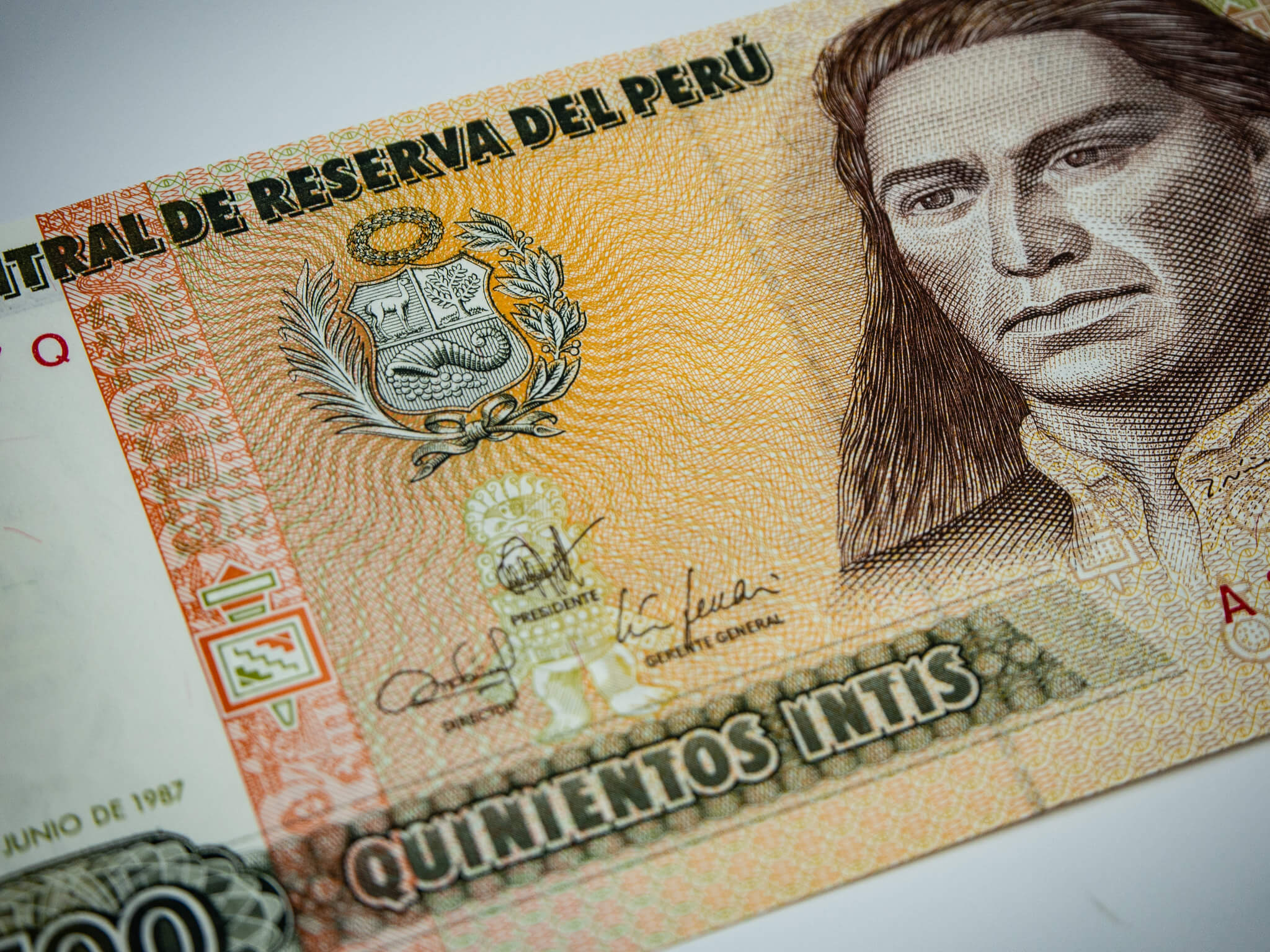
Peru introduced the inti in 1985 to replace the beleaguered sol, hoping a fresh start would calm inflation. Instead, the country slid into one of the worst hyperinflationary spirals in Latin American history, with annual inflation exceeding 7,000 percent at its peak.
The inti was withdrawn in 1991, after just six years, replaced by the nuevo sol at a conversion rate of one million to one.
The Argentine Austral
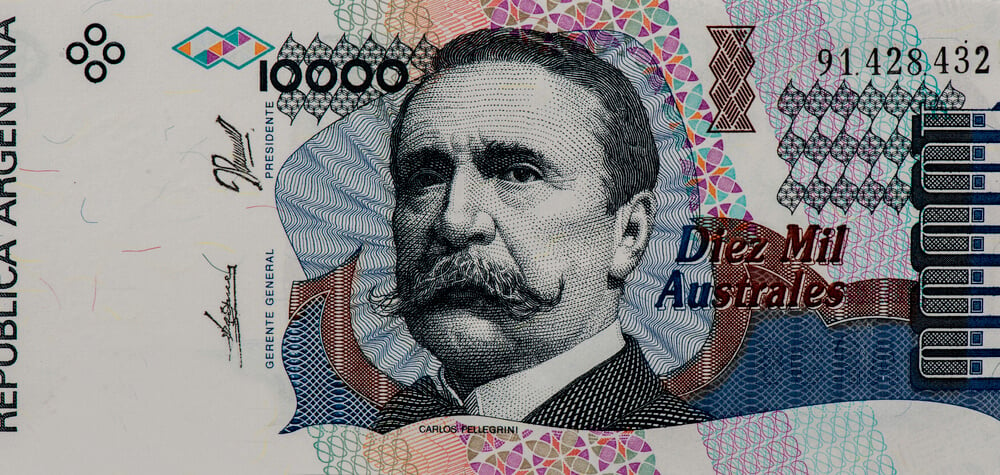
Argentina’s austral was launched in 1985 as part of the Austral Plan, an attempt to break a cycle of chronic inflation by introducing a completely new unit of account. Inflation returned with force by the end of the decade, culminating in a hyperinflationary crisis in 1989 and 1990.
The austral was withdrawn in January 1992, after just under seven years, replaced by the peso convertible at ten thousand to one.
The Brazilian Cruzado
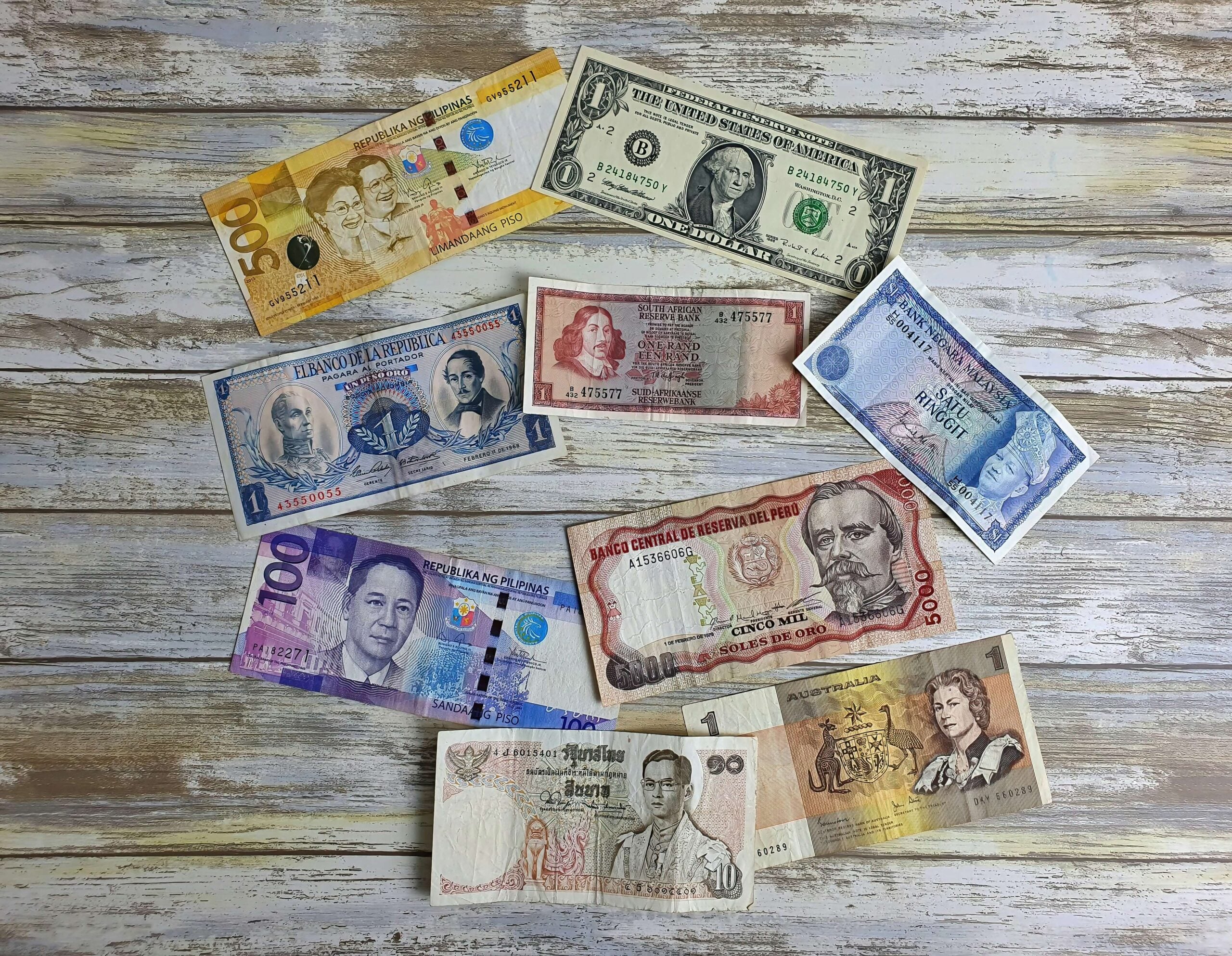
Brazil’s cruzado was introduced in February 1986 as the centerpiece of the Cruzado Plan, an ambitious price-freeze scheme designed to break the country’s persistent inflation. The freeze collapsed within a year, and inflation roared back even worse than before.
The cruzado was formally withdrawn in January 1989, giving it a lifespan of not quite three years.
The Brazilian Cruzado Novo
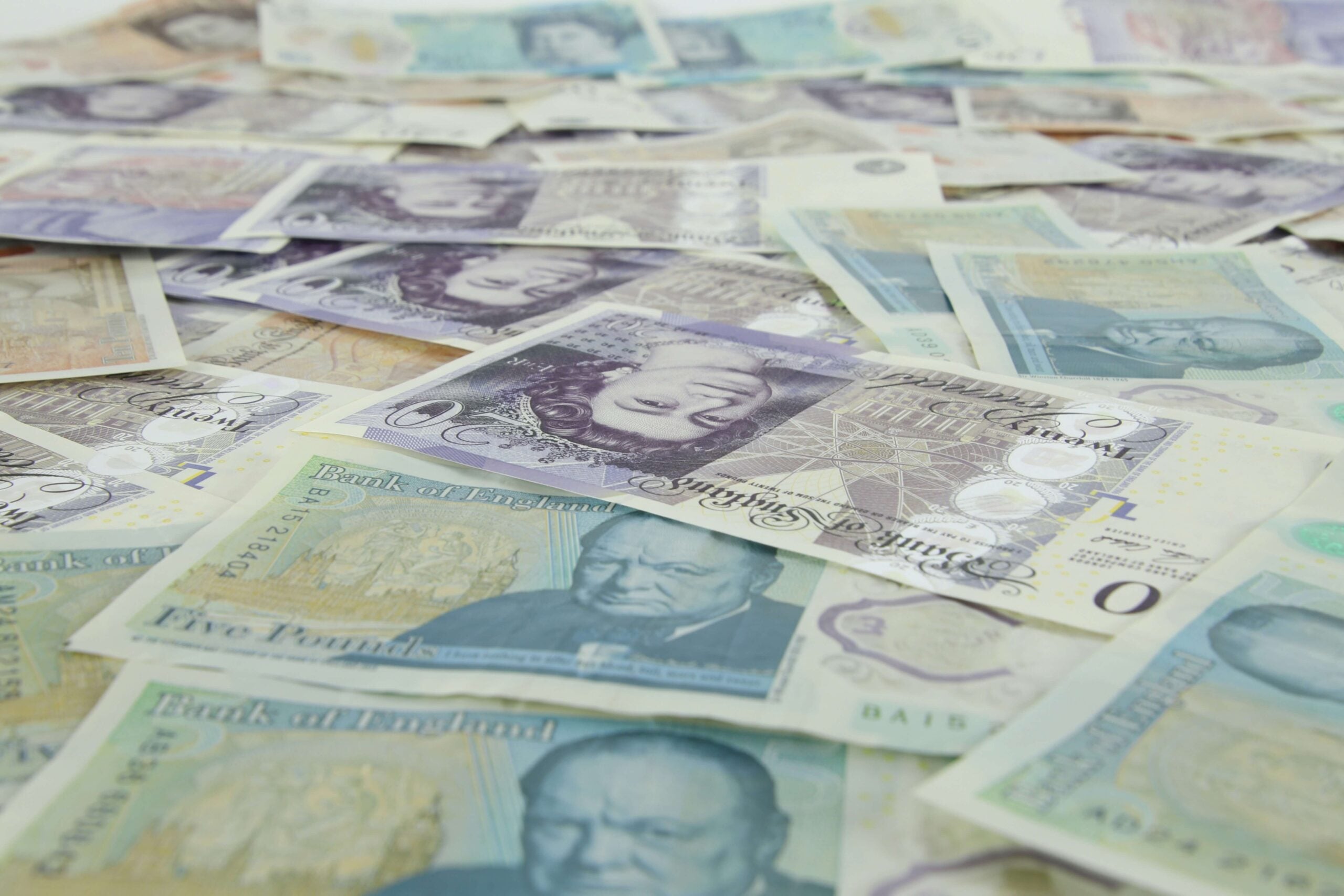
Brazil tried again almost immediately, launching the cruzado novo in January 1989 as the cruzado’s replacement. It fared even worse than its predecessor, lasting barely a year before being scrapped in March 1990 in favor of a revived cruzeiro.
Few currencies anywhere have had a shorter working life than the cruzado novo’s roughly fourteen months.
The Angolan Kwanza Reajustado
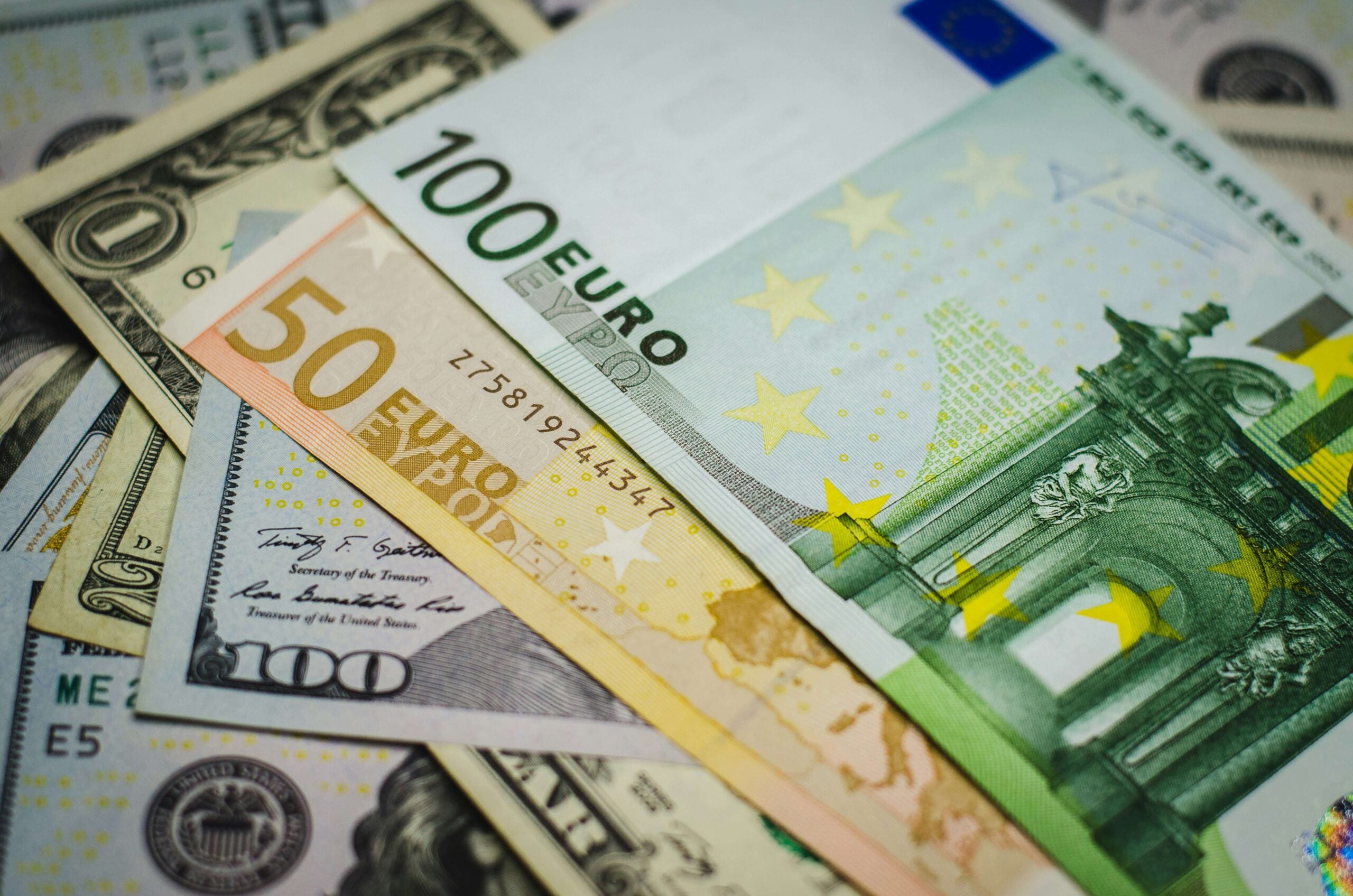
Angola introduced the kwanza reajustado in 1995 in an attempt to control inflation during its prolonged civil conflict, lopping zeros off the previous kwanza. The stabilization did not hold, and prices continued climbing sharply through the late 1990s.
It was withdrawn in 1999 and replaced by a new kwanza, giving it a life of four years.
The Nicaraguan Córdoba (Second Series)
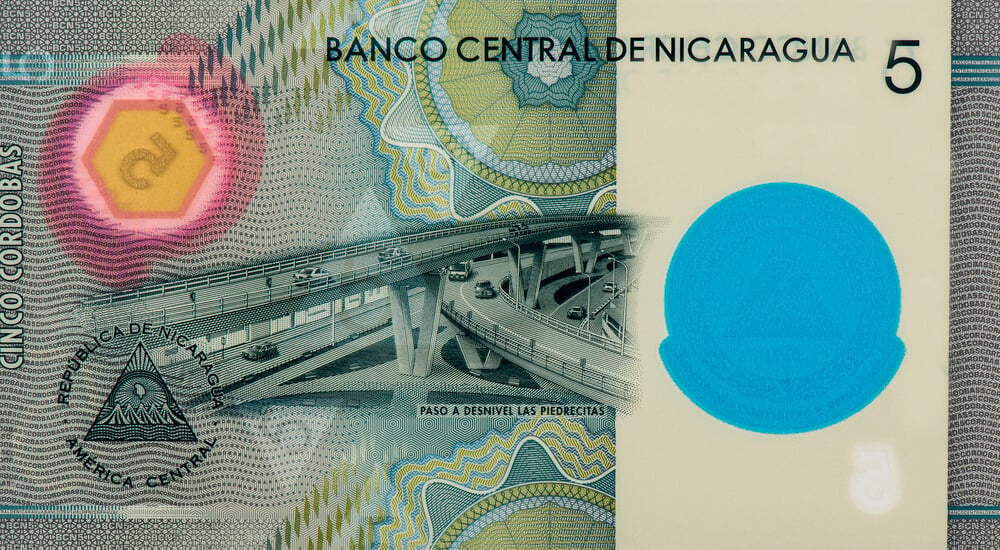
Nicaragua introduced a new córdoba in 1988 in an attempt to escape hyperinflation left over from years of conflict and economic crisis, slashing zeros from the previous currency. Inflation continued to erode its value at an extraordinary pace through the end of the decade.
It was withdrawn in 1991 and replaced by the córdoba oro, which remains in circulation today, giving the second-series córdoba a working life of just three years.
The Zimbabwean Dollar (Third Series)
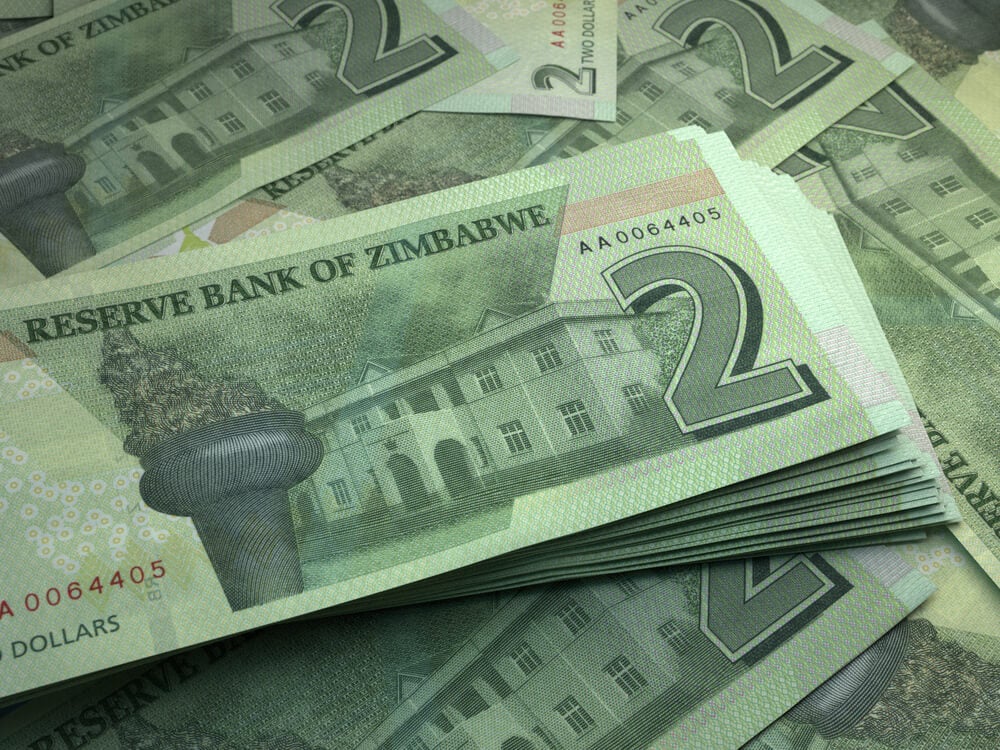
By 2008, Zimbabwe’s hyperinflation had become so extreme that the government was issuing banknotes in denominations of a hundred billion dollars, yet those notes still could not buy a loaf of bread. The third-series dollar, introduced in August 2008 with ten zeros lopped off its predecessor, could not keep pace with prices that were doubling roughly every day.
It was scrapped after only about six months, replaced by a fourth series in February 2009 before the country abandoned its own currency entirely two months later.
Money That Runs Out of Time
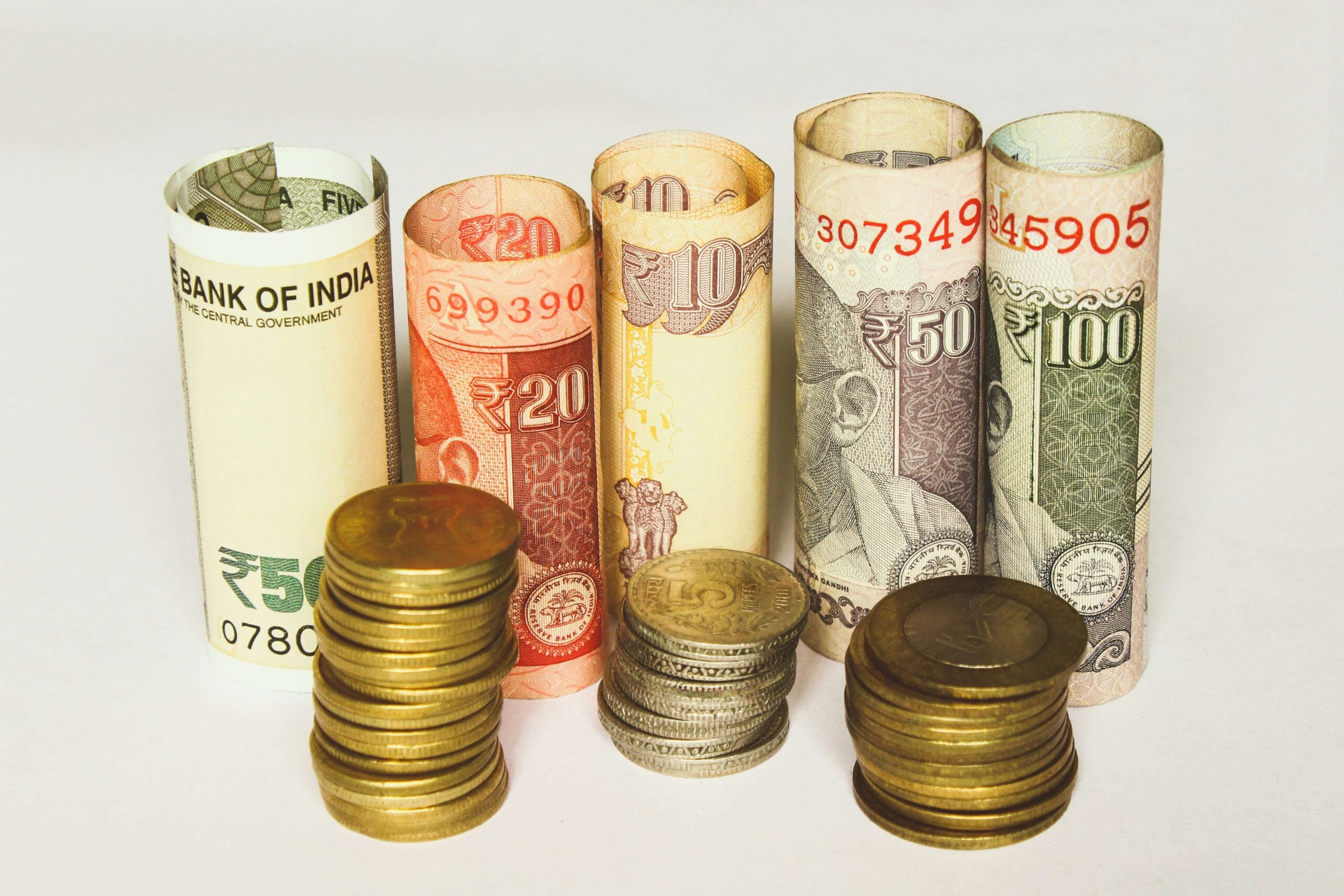
None of these currencies failed because paper money is inherently fragile. They failed because the governments behind them ran out of the one thing a currency actually depends on: the belief that it will still be worth something tomorrow.
War, blockade, and runaway printing presses all do the same underlying damage, just on different timelines. What is striking about this list is how often the shortest-lived currencies were themselves attempts to fix a currency crisis, only to be undone by the same instability that caused the last one to fail.
A new name and a fresh set of zeros can buy a government time, but rarely more than a decade of it.
More from Go2Tutors!

- The Romanov Crown Jewels and Their Tragic Fate
- 13 Historical Mysteries That Science Still Can’t Solve
- Famous Hoaxes That Fooled the World for Years
- 15 Child Stars with Tragic Adult Lives
- 16 Famous Jewelry Pieces in History
Like Go2Tutors’s content? Follow us on MSN.