15 dads from 90s sitcoms we admired
The 1990s gave us television fathers who became more than just characters—they became benchmarks for what good parenting could look like. These dads weren’t perfect, but they showed up for their families in ways that resonated with millions of viewers. From the widowed single father juggling three daughters to the gruff working-class guy with a heart of gold, 90s sitcom dads taught us about responsibility, love, and the art of dad jokes.
Let’s face it: these fictional fathers shaped how an entire generation thought about what it meant to be a dad. Here’s a list of 15 dads from 90s sitcoms who earned our respect and admiration.
Philip Banks
— Photo by s_bukley
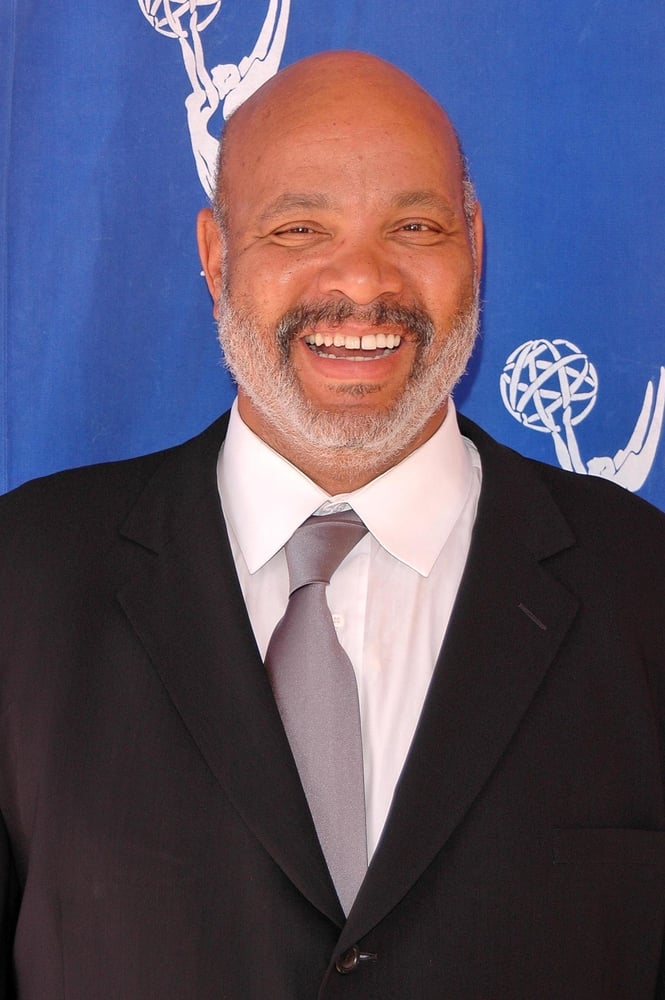
Uncle Phil wasn’t just Will’s uncle—he was the father figure that changed everything. James Avery’s portrayal of the successful lawyer and judge showed viewers what unconditional love looked like, especially in that heart-wrenching scene when Will’s biological father abandons him again. Philip Banks had the perfect combination of stern authority and genuine warmth that made him unforgettable.
Danny Tanner
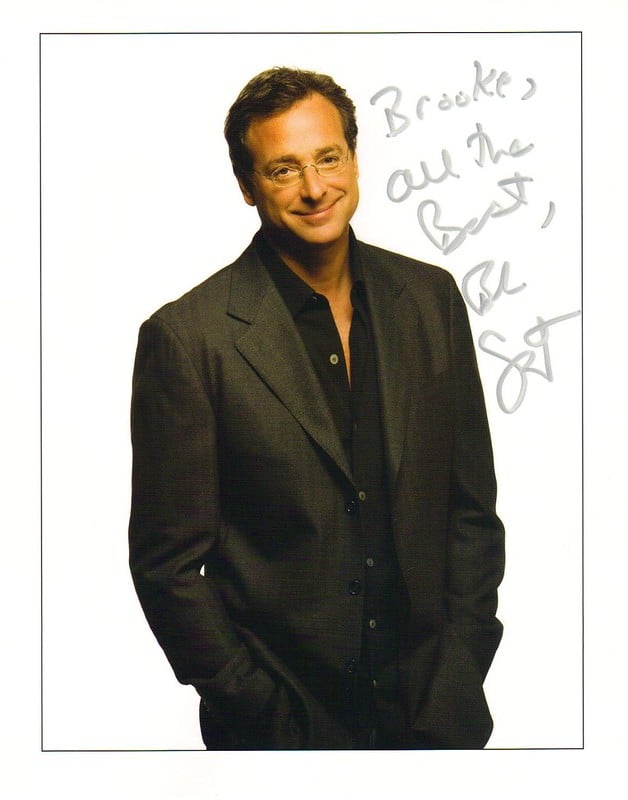
Bob Saget’s Danny Tanner proved that a single dad could raise three daughters with help from his quirky roommates. Sure, he was obsessively clean and sometimes painfully earnest, but Danny always knew the right thing to say when his girls needed guidance. Plus, watching him try to be ‘cool’ was endearingly awkward. His ability to turn every crisis into a teachable moment made him the ultimate feel-good father.
Carl Winslow

— Photo by Jean_Nelson
This Chicago police officer had to deal with Steve Urkel’s constant chaos while raising his own family. Talk about patience. Carl Winslow showed incredible restraint and provided steady leadership for the Winslow household. He even stood up to fellow officers when his son experienced racial profiling, proving that protecting his family came first, no matter what.
Tim Taylor
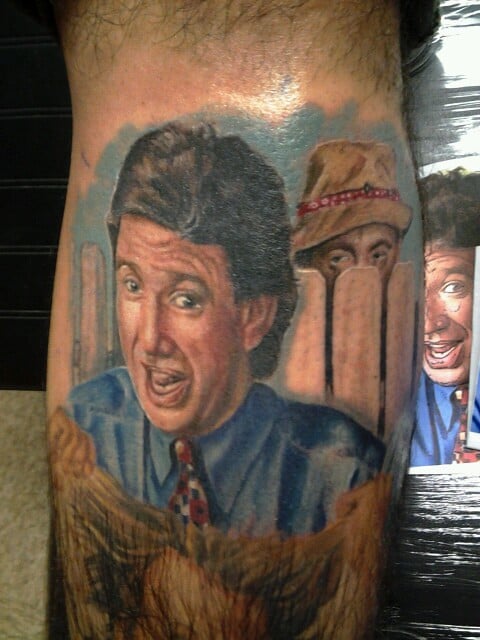
Tim ‘The Tool Man’ Taylor grunted his way through eight seasons of Home Improvement, but beneath all that masculine posturing was a dad who genuinely cared about teaching his three boys. He might have botched every home repair project, still he always found his way to Wilson’s fence when he needed real wisdom to share with his sons. Those grunt-filled conversations were surprisingly heartfelt.
Dan Conner

John Goodman’s Dan Conner worked multiple jobs and odd gigs just to keep his family afloat. He represented the blue-collar dad who didn’t have all the answers but showed up every day anyway. Dan’s laid-back personality made him the voice of reason in the Conner household, even when everything else was falling apart around them.
Alan Matthews

Alan Matthews made working at a grocery store look dignified and proved that steady, reliable fathers could be the real heroes. He guided Cory through the awkward years of adolescence with a perfect blend of humor and wisdom. Alan showed that being present and consistent mattered more than being flashy or wealthy.
Jason Seaver
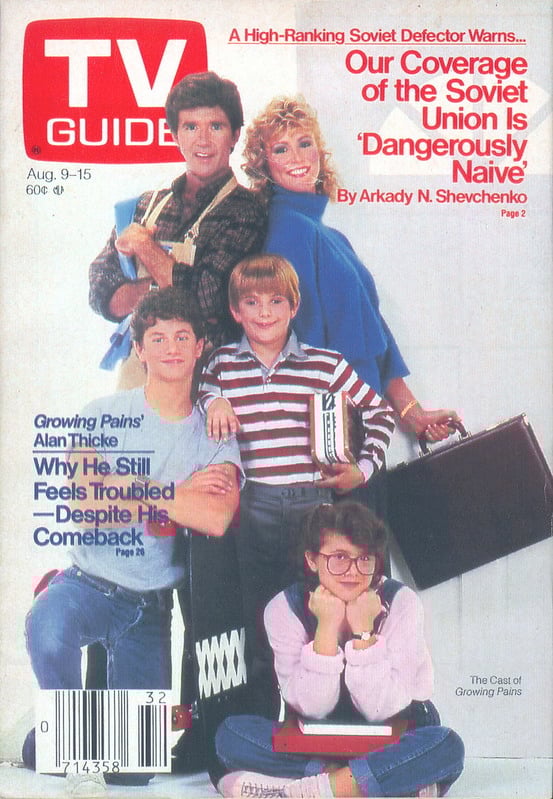
Dr. Jason Seaver worked from home so he could be available for his family, which was revolutionary for its time. Revolutionary and practical. He served as a great moderator for the bickering between his three children and set the tone as both the patriarch of the Seavers and the entire Growing Pains set. His approach to fatherhood balanced professional success with genuine family involvement.
Frank Lambert

Frank Lambert emerged as the victor in the battle between TGIF dads, blending his family with Carol Foster’s family with remarkable grace. Step by Step showed how divorced dads could create new family dynamics that worked for everyone. Frank proved that second chances at fatherhood could be just as meaningful as the first time around—maybe even more so.
Martin Crane
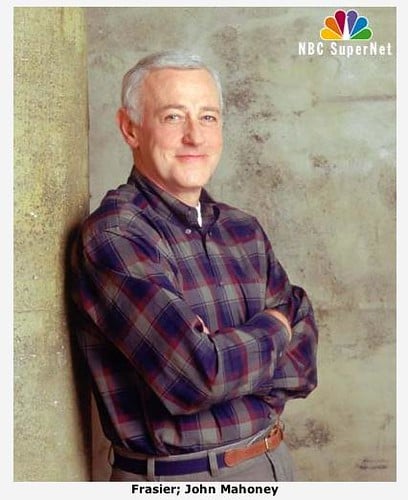
While his sons Frasier and Niles were busy spouting medical diagnoses from textbooks, Martin relied on homespun wisdom that actually worked. This retired Seattle cop taught his pretentious sons more valuable lessons about life and family than all their psychiatric training combined. Martin’s no-nonsense approach cut through his sons’ intellectual superiority with refreshing honesty.
Al Bundy
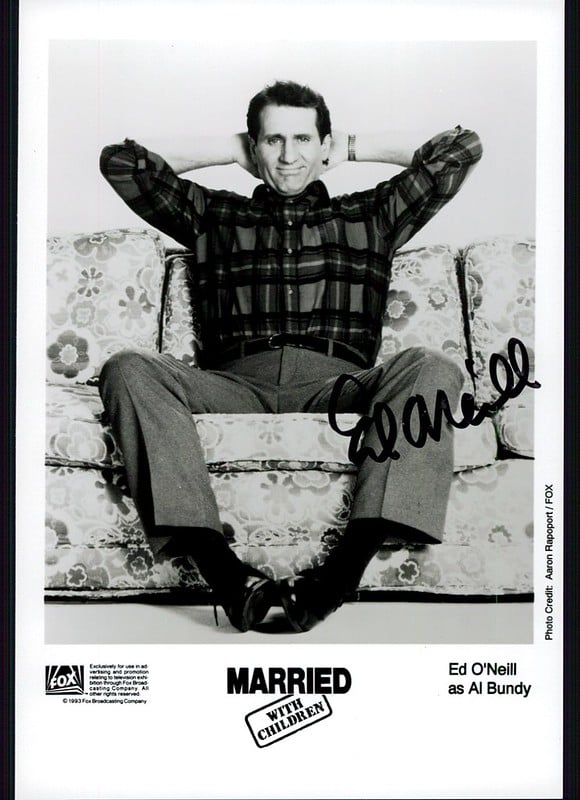
Al Bundy wasn’t exactly father of the year material on the surface, but when it really mattered, his kids knew he cared deeply about them. He’d protect Kelly from questionable boyfriends and want the best for Bud, even if his delivery was less than ideal. Al’s glory days were behind him, so his dedication to providing for his family became his new source of pride.
Ray Campbell

Ray Campbell took in his adoptive daughter’s sister and her mother, showing what it meant to expand your definition of family. He grew into a wonderful father to both girls on Sister, Sister, teaching them about maturity and responsibility. Ray demonstrated that love doesn’t require biology—it just requires commitment and a lot of patience with teenage drama.
Hank Hill

Hank Hill’s obsession with propane and proper lawn care might seem silly, but his dedication to doing things the right way rubbed off on everyone around him. He exercised fiscal responsibility and served as the voice of reason in his Texas neighborhood. Sweet Lady Propane aside, Hank showed that being a good father meant leading by example, even in the smallest details.
Frank Costanza
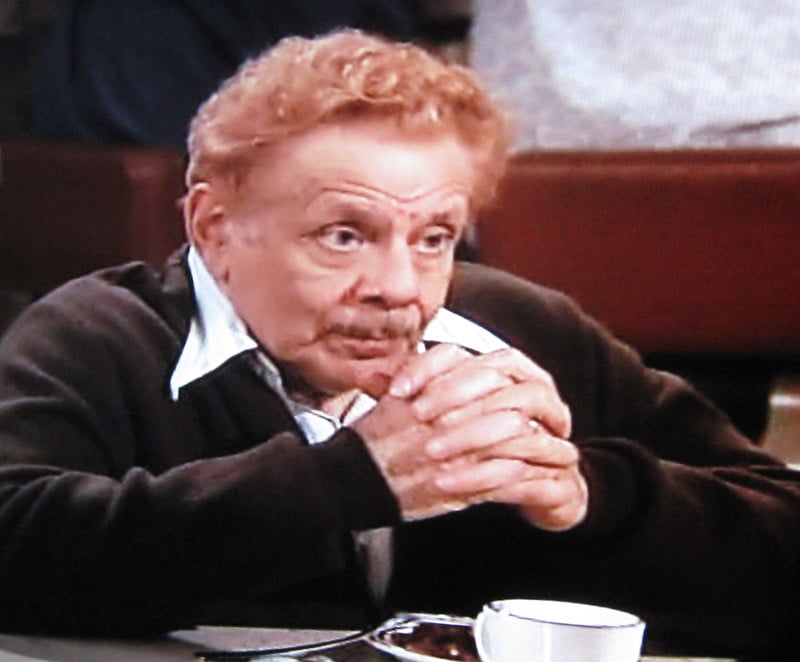
Frank Costanza was loud, angry, and completely unfiltered—but he also defended his son George against anyone who dared to criticize him. His explosive personality and bizarre inventions like Festivus made him unforgettable. Frank proved that even the most unconventional fathers could have fierce loyalty to their children. Serenity now!
Earl Sinclair

This dinosaur dad from the early 90s dealt with the same parenting challenges as any human father, just with a prehistoric twist. Earl worked hard to provide for his family while navigating the generation gap with his kids. He showed that good fathers exist in any era—even 65 million years ago when the biggest worry was avoiding extinction.
Homer Simpson

Homer Simpson might be a cartoon character, but he’s absolutely a hands-on dad who will do anything for his children. His bumbling approach to fatherhood somehow always worked out in the end, usually because his heart was in the right place. Homer taught us that perfect parenting wasn’t the goal—loving your kids unconditionally was. D’oh!
Looking Back at TV’s Greatest Generation of Dads

The traditional TV sitcom concept doesn’t really exist anymore, making these 90s father figures even more precious in hindsight. These dads represented different approaches to parenting, from the nurturing single father to the gruff working-class provider. What united them all was their genuine love for their families, even when they expressed it in wildly different ways. They showed us that being a great dad wasn’t about being perfect—it was about showing up, learning from mistakes, and always putting your family first.
More from Go2Tutors!

- 16 Historical Figures Who Were Nothing Like You Think
- 12 Things Sold in the 80s That Are Now Illegal
- 15 VHS Tapes That Could Be Worth Thousands
- 17 Historical “What Ifs” That Would Have Changed Everything
- 18 TV Shows That Vanished Without a Finale
Like Go2Tutors’s content? Follow us on MSN.



