15 Hot Rod Engines That Defined Street Racing
Street racing has always been about one thing: pure, unadulterated power. From the early days of modified Model T Fords to the modern era of turbocharged monsters, certain engines have become legendary for their ability to transform ordinary cars into asphalt-burning machines. These powerplants didn’t just move cars—they moved culture, inspiring generations of gearheads to chase that perfect combination of speed, sound, and raw mechanical fury.
The engines that truly defined street racing weren’t necessarily the most expensive or technically advanced. Instead, they were the ones that offered the perfect storm of availability, tunability, and potential for massive power gains.
Here is a list of 15 hot rod engines that shaped the world of street racing and continue to influence automotive culture today.
Ford Flathead V8
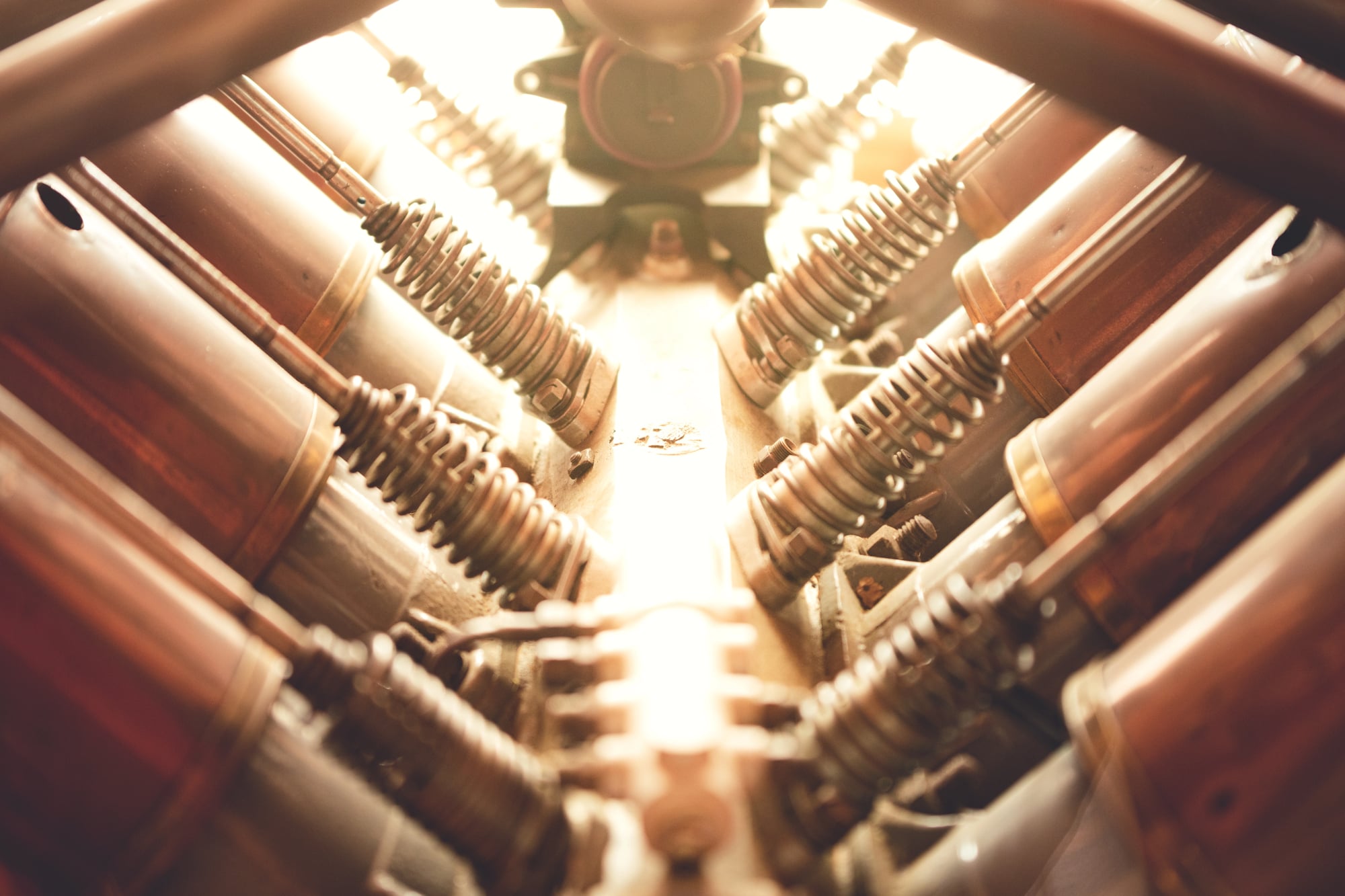
The Ford Flathead V8 started it all when it debuted in 1932. This engine was revolutionary because it brought V8 power to the masses at an affordable price, making it the foundation of American hot rodding.
The Flathead’s simple design meant backyard mechanics could easily modify it with basic tools, leading to countless weekend warriors discovering the thrill of increased horsepower. While it only produced around 65 horsepower in stock form, creative builders found ways to coax significantly more power from these sturdy engines.
Chevrolet Small Block 350
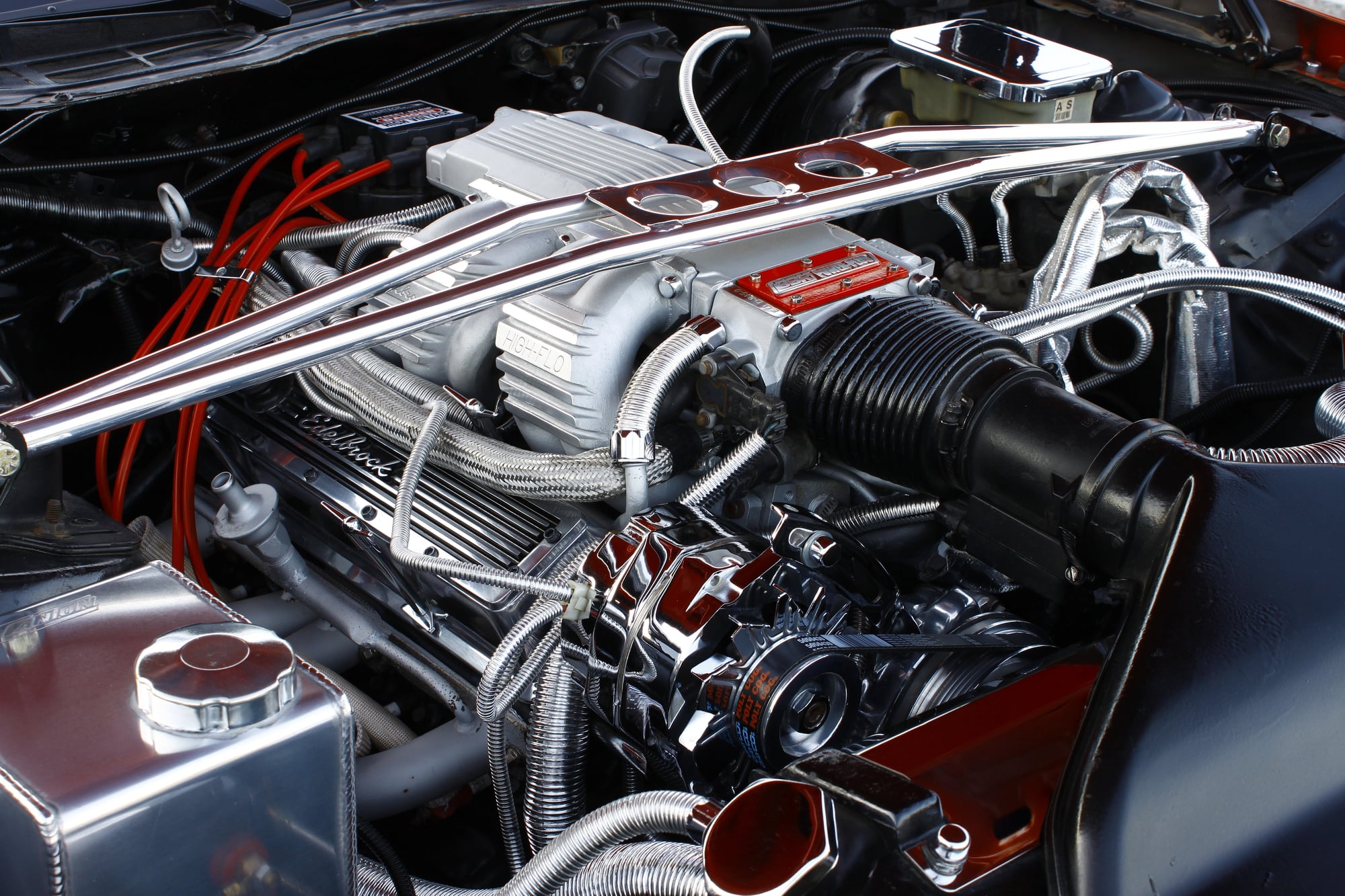
No engine has had more impact on street racing than the Chevrolet Small Block 350. Introduced in 1955 and refined over decades, this engine became the go-to choice for hot rodders due to its incredible versatility and aftermarket support.
The 350 could be found in everything from Camaros to Corvettes, and its compact size made it perfect for engine swaps into lighter vehicles. With the right modifications, these engines could easily produce over 400 horsepower while maintaining reasonable reliability for daily driving.
Chrysler 426 Hemi
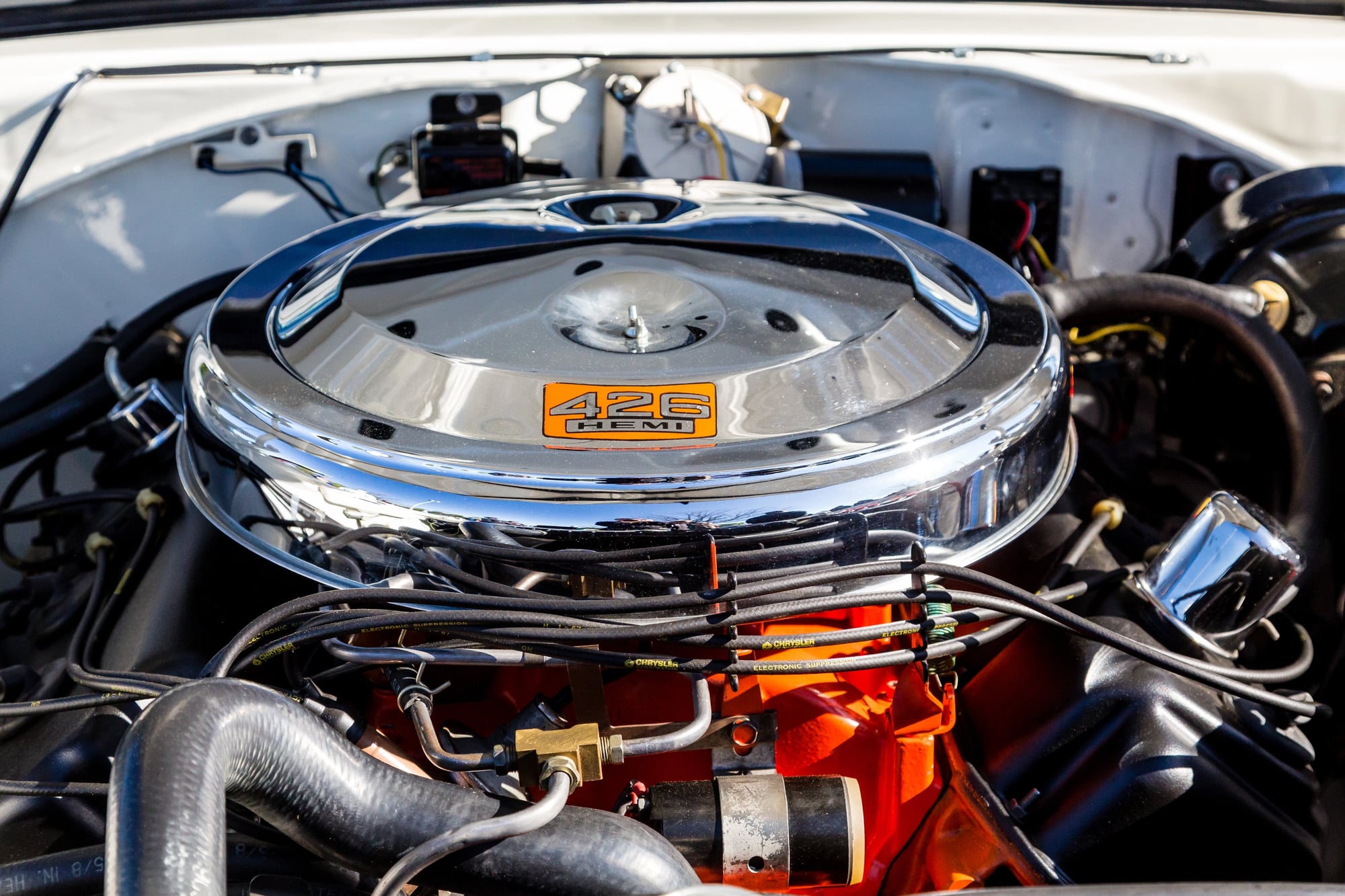
The 426 Hemi earned its fearsome reputation on both the drag strip and the street. This engine’s hemispherical combustion chambers allowed for larger valves and better airflow, resulting in explosive power output that could exceed 500 horsepower with minimal modifications.
Street racers coveted the Hemi not just for its power, but for its distinctive sound and the respect it commanded at any stoplight encounter. The engine’s design was so effective that Chrysler brought back the Hemi architecture in modern times.
Like Go2Tutors’s content? Follow us on MSN.
Ford 289 High Performance
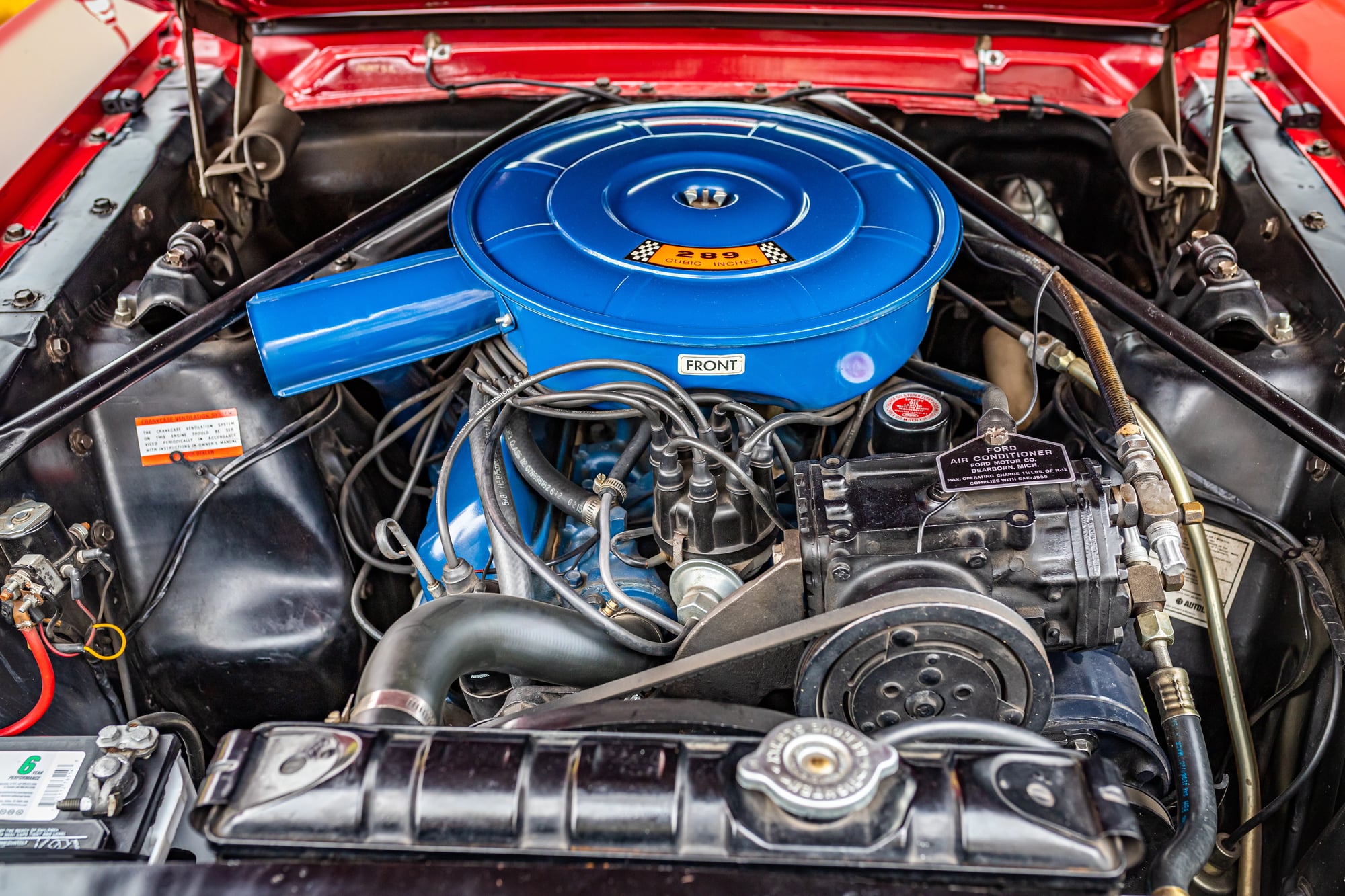
The Ford 289 High Performance engine proved that displacement wasn’t everything in the world of street racing. This compact V8 delivered impressive power-to-weight ratios, especially when installed in lighter Ford Mustangs and Cobras.
The 289 HP featured solid lifters, a wilder camshaft, and better breathing components that allowed it to rev higher than its milder siblings. Many street racers preferred the 289’s quick-revving nature over larger, heavier engines that took longer to spool up.
Chevrolet LS1
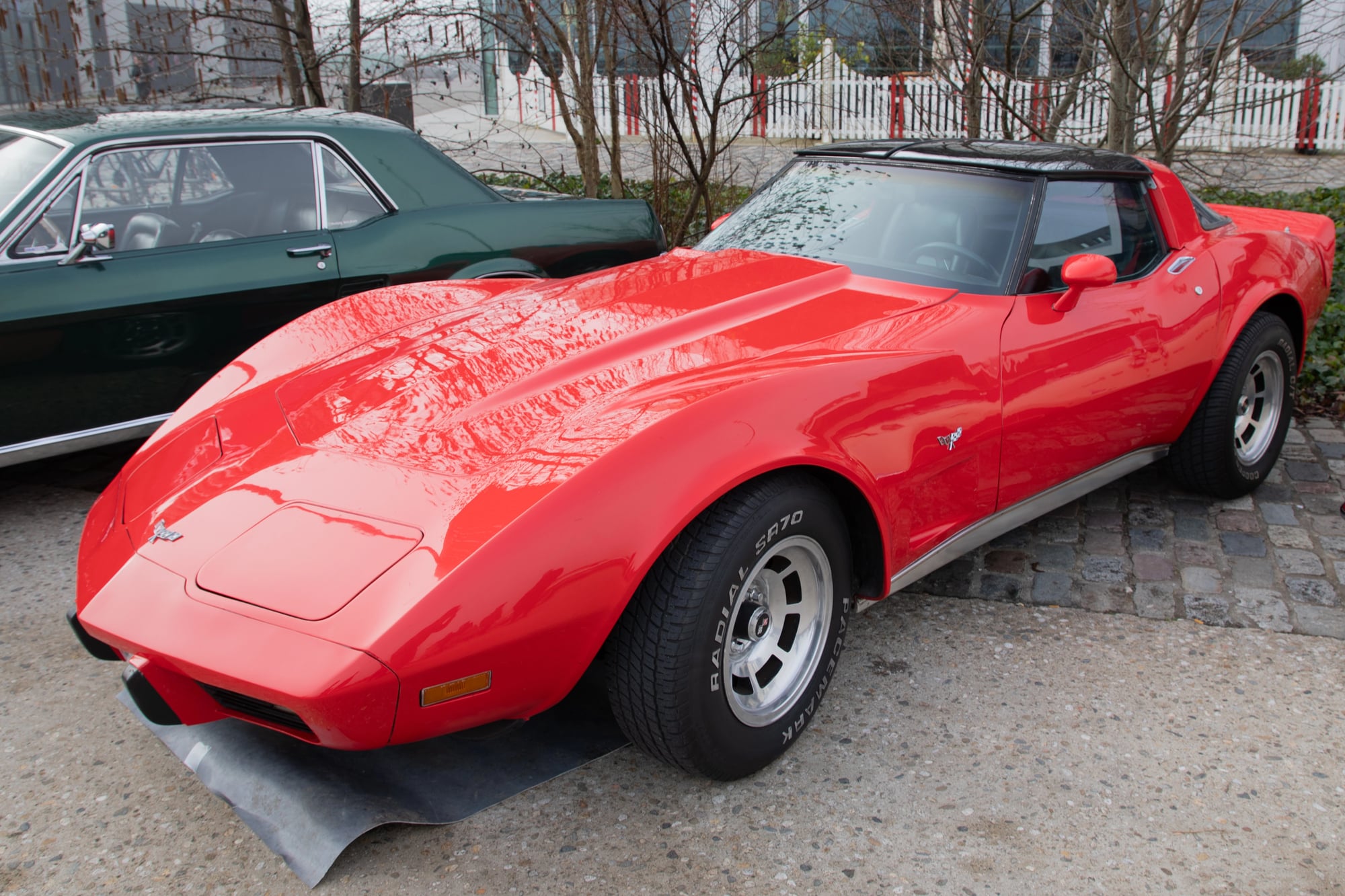
The LS1 represented a new era of street racing when it appeared in 1997. This all-aluminum engine combined modern fuel injection technology with classic V8 architecture, delivering over 300 horsepower in stock form while maintaining excellent fuel economy.
The LS1’s computer-controlled systems made it incredibly reliable, and its lightweight construction meant better weight distribution in performance cars. Tuners quickly discovered that the LS1 could handle significant power increases with relatively simple modifications.
Pontiac 455 Super Duty
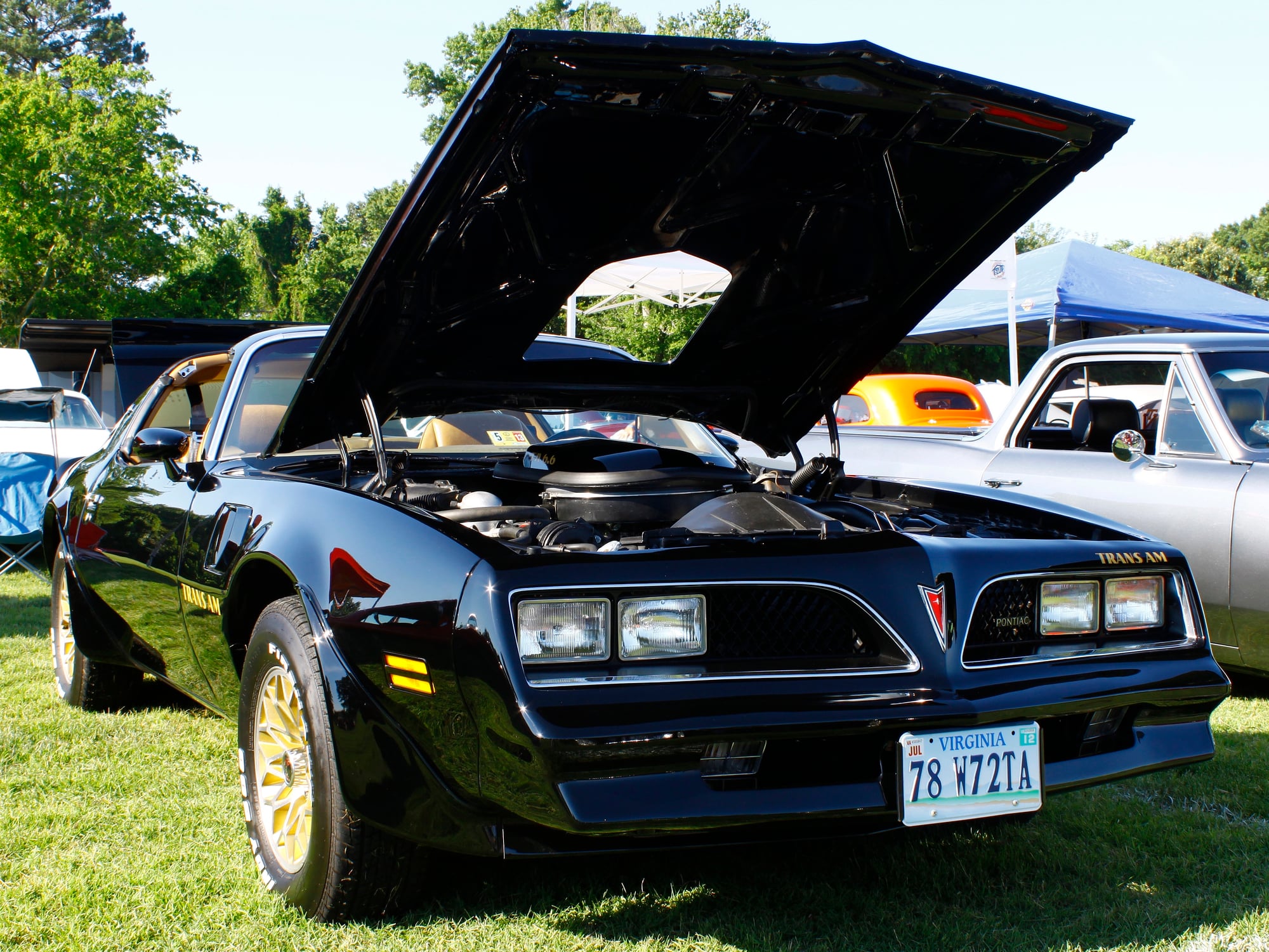
Pontiac’s 455 Super Duty was built specifically for performance, representing the pinnacle of the muscle car era before emissions regulations changed everything. This engine featured heavy-duty components throughout, including forged pistons and a robust bottom end that could handle serious abuse.
The 455 Super Duty produced massive torque that made it perfect for street racing, where low-end grunt often mattered more than peak horsepower numbers. Its rarity today makes it one of the most sought-after engines among collectors.
Like Go2Tutors’s content? Follow us on MSN.
Ford 427 SOHC
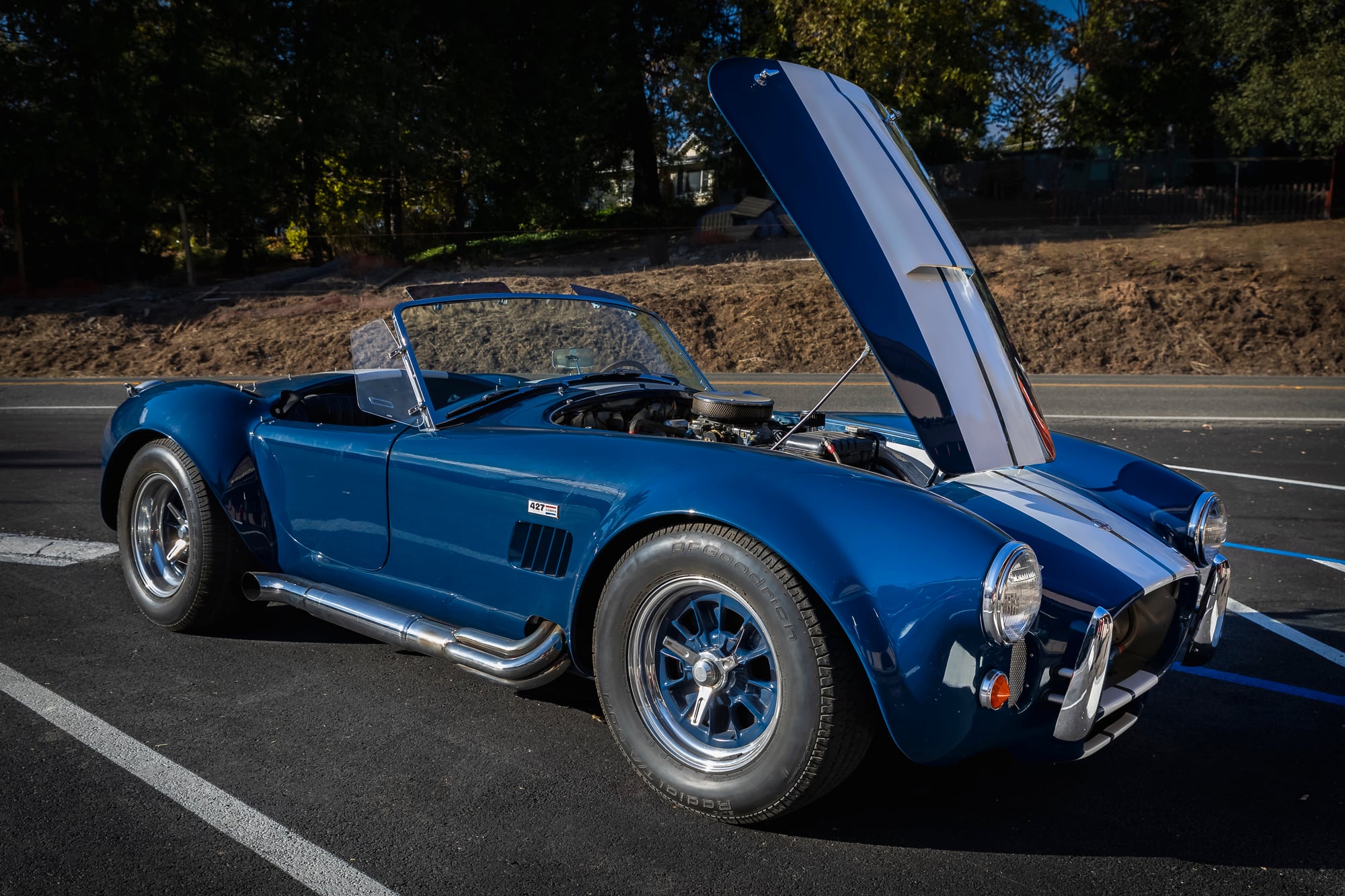
The Ford 427 Single Overhead Cam engine was so powerful that NASCAR banned it before it ever raced. This monster featured an overhead cam design that allowed it to breathe better than conventional pushrod engines, resulting in horsepower figures that terrified the competition.
Street racers who managed to get their hands on a 427 SOHC found themselves with an engine capable of producing over 600 horsepower with minimal effort. The engine’s exotic nature and incredible power output made it a legend among serious racers.
Buick Grand National 3.8L Turbo
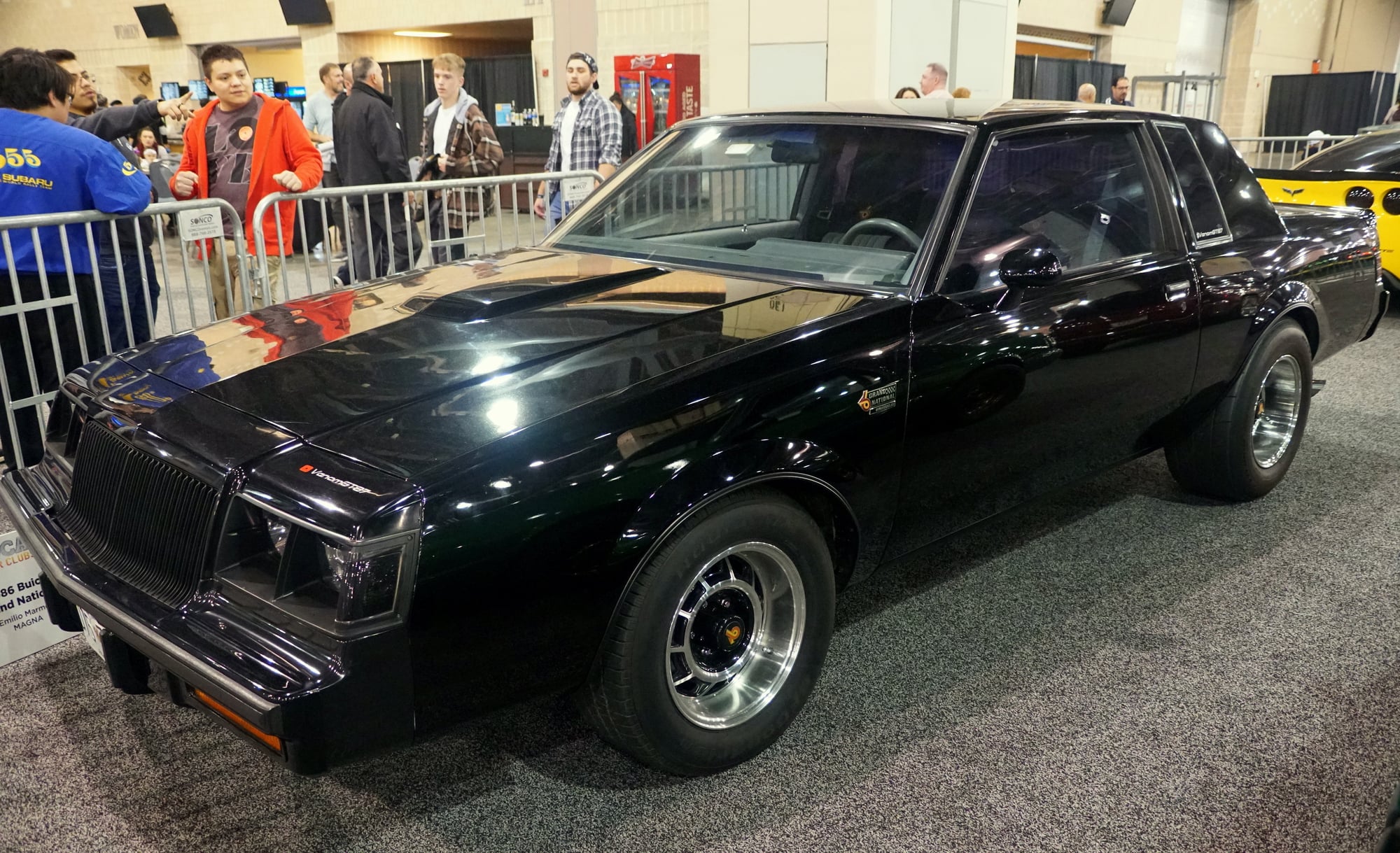
The Buick Grand National’s turbocharged 3.8-liter V6 proved that forced induction could compete with traditional V8 power. This engine used a relatively small turbocharger to produce impressive horsepower and torque figures that surprised many V8 owners at stoplights.
The turbo V6’s ability to make big power from a smaller displacement made it incredibly efficient, and its potential for modification attracted a dedicated following. Many consider the Grand National engine to be ahead of its time in terms of technology and performance.
Chevrolet Big Block 454
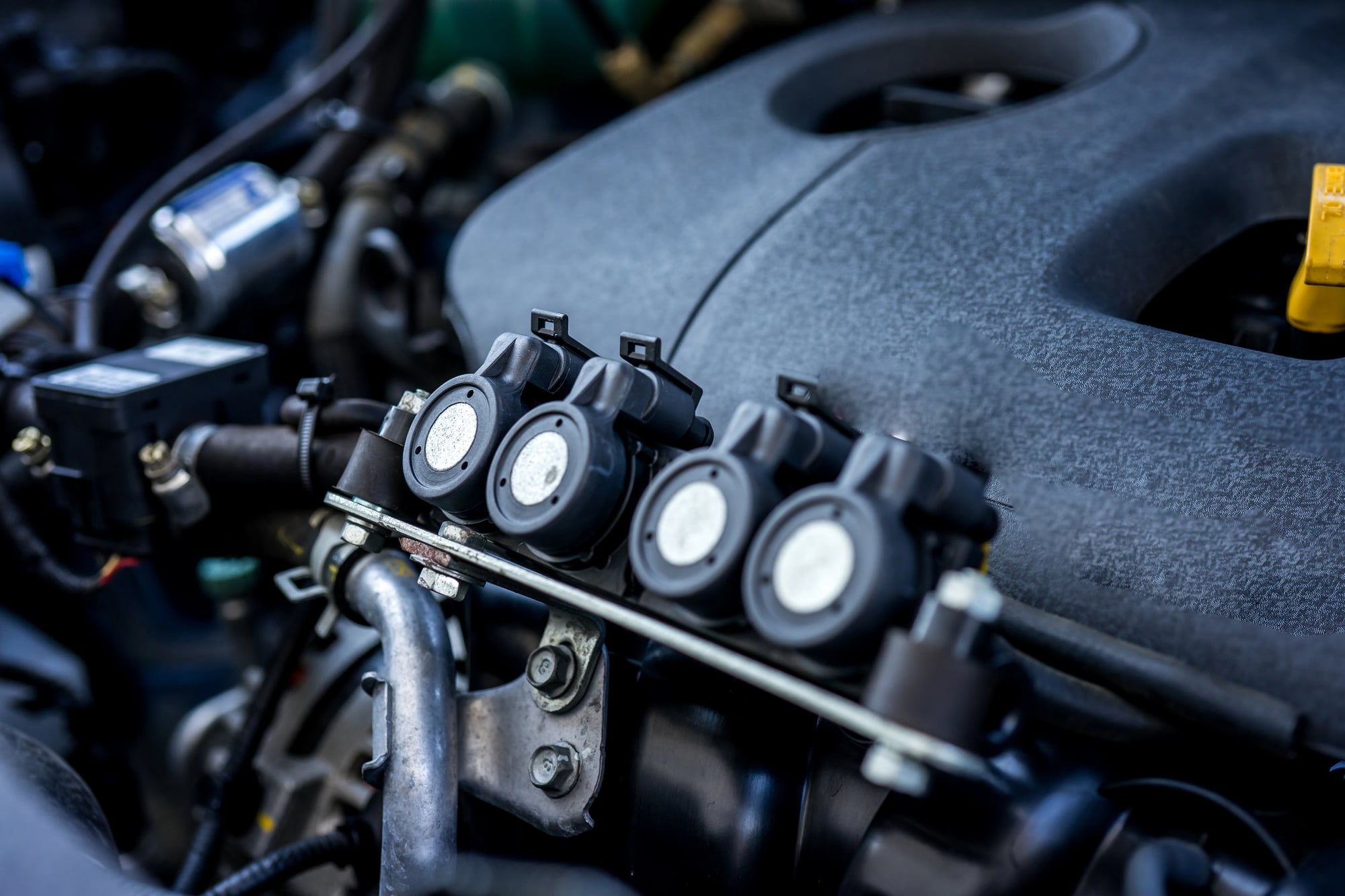
The Chevrolet Big Block 454 represented the ultimate expression of the ‘there’s no replacement for displacement’ philosophy. This massive engine produced incredible torque figures that made it perfect for moving heavy muscle cars with authority.
Street racers appreciated the 454’s ability to produce power across a wide RPM range, making it forgiving to drive while still delivering devastating performance. The engine’s large displacement also meant it responded well to modifications, with many builders achieving over 500 horsepower with basic upgrades.
Like Go2Tutors’s content? Follow us on MSN.
Ford 5.0 High Output
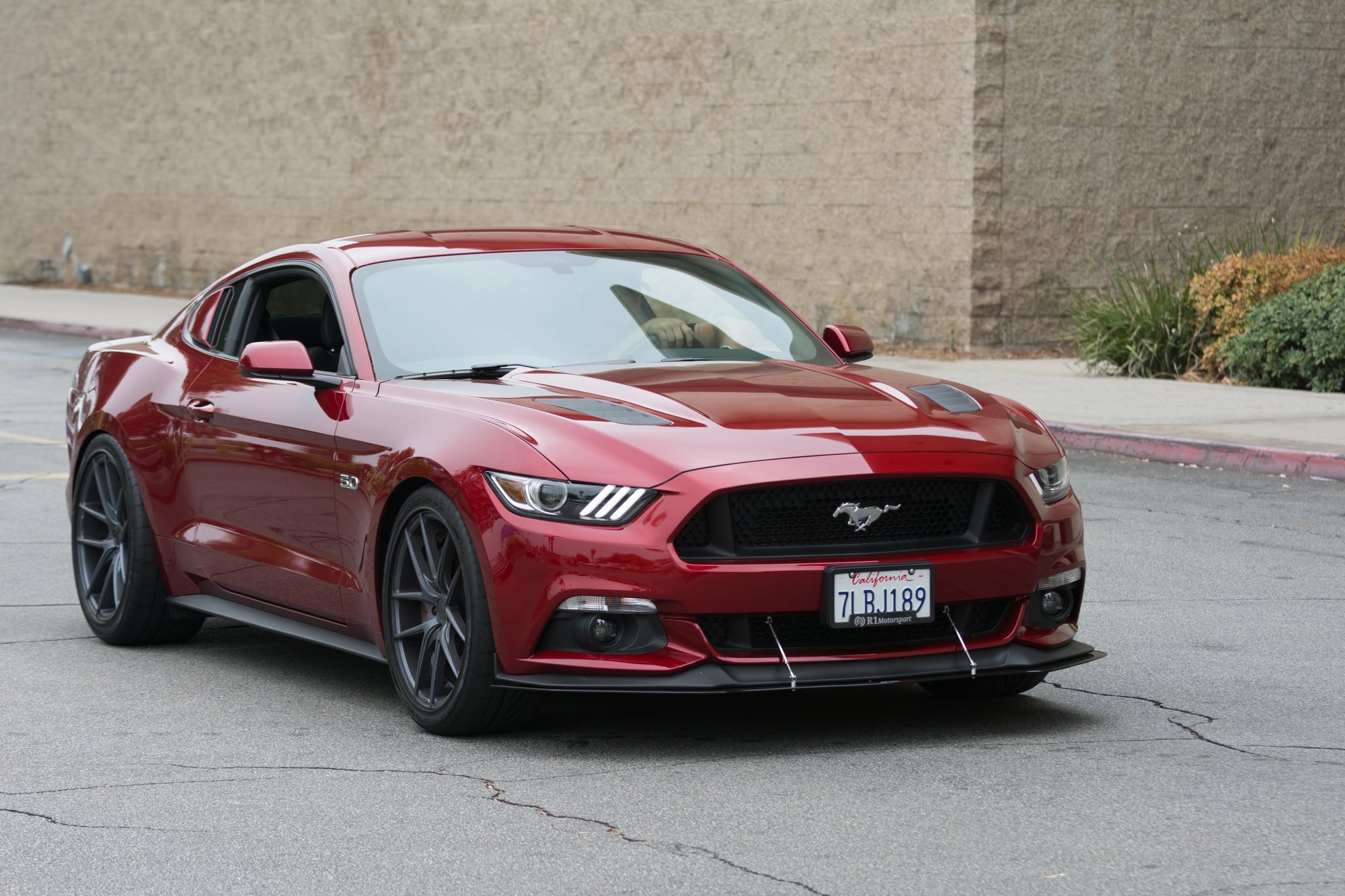
The Ford 5.0 High Output engine became synonymous with 1980s and 1990s street racing culture. This engine powered the legendary Fox Body Mustang, creating a generation of affordable performance cars that dominated street racing scenes across America.
The 5.0’s combination of reasonable price, abundant aftermarket support, and modification potential made it accessible to younger enthusiasts. Many racers cut their teeth on 5.0 Mustangs, learning the fundamentals of engine tuning and performance modification.
Dodge 440 Six Pack
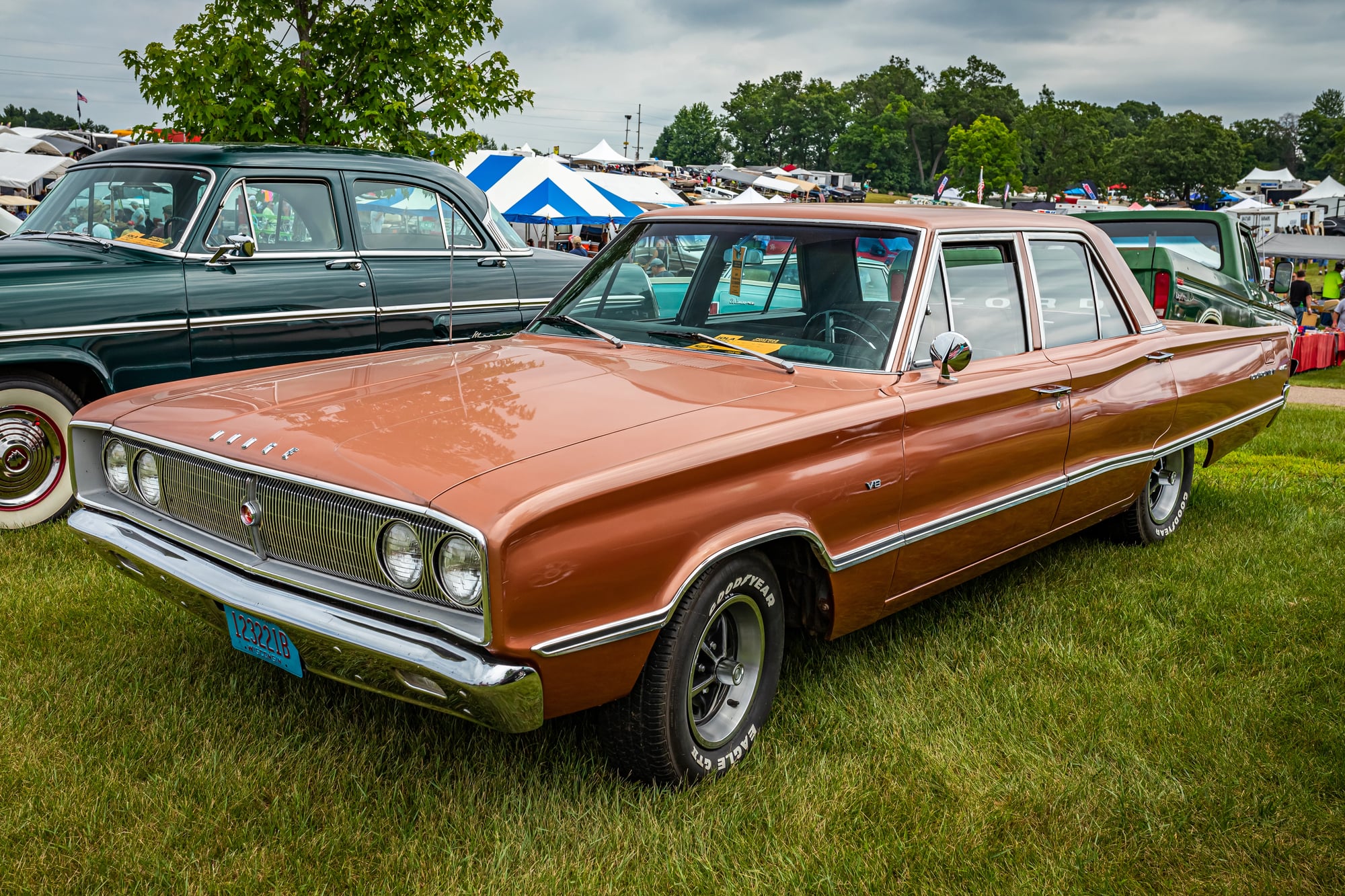
The Dodge 440 Six Pack engine earned its name from its trio of two-barrel carburetors that created a distinctive induction setup. This engine produced tremendous low-end torque that made it perfect for street racing, where quick acceleration from a standstill often determined the winner.
The 440 Six Pack’s aggressive camshaft profile and high-flow cylinder heads allowed it to breathe better than standard big block engines. Its unique appearance under the hood made it instantly recognizable to other enthusiasts.
Toyota 2JZ-GTE
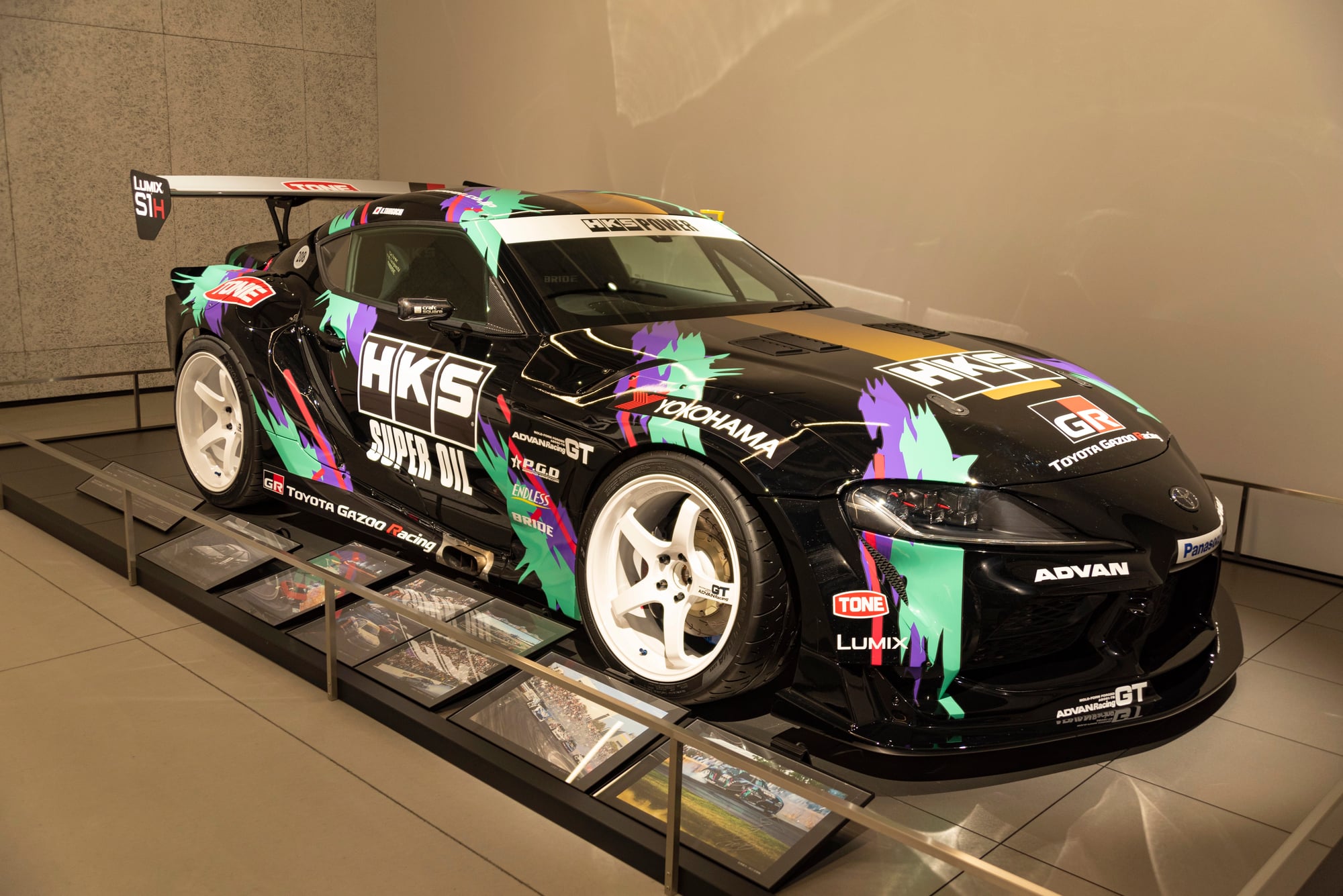
The Toyota 2JZ-GTE proved that imported engines could compete with traditional American V8s in street racing applications. This inline-six engine featured a robust cast-iron block and advanced turbocharging technology that allowed it to handle enormous power increases.
The 2JZ’s ability to produce over 1,000 horsepower with the right modifications made it legendary in the tuner community. Its appearance in the Fast and Furious movie franchise helped cement its status as an icon of modern street racing culture.
Like Go2Tutors’s content? Follow us on MSN.
Oldsmobile 442 V8
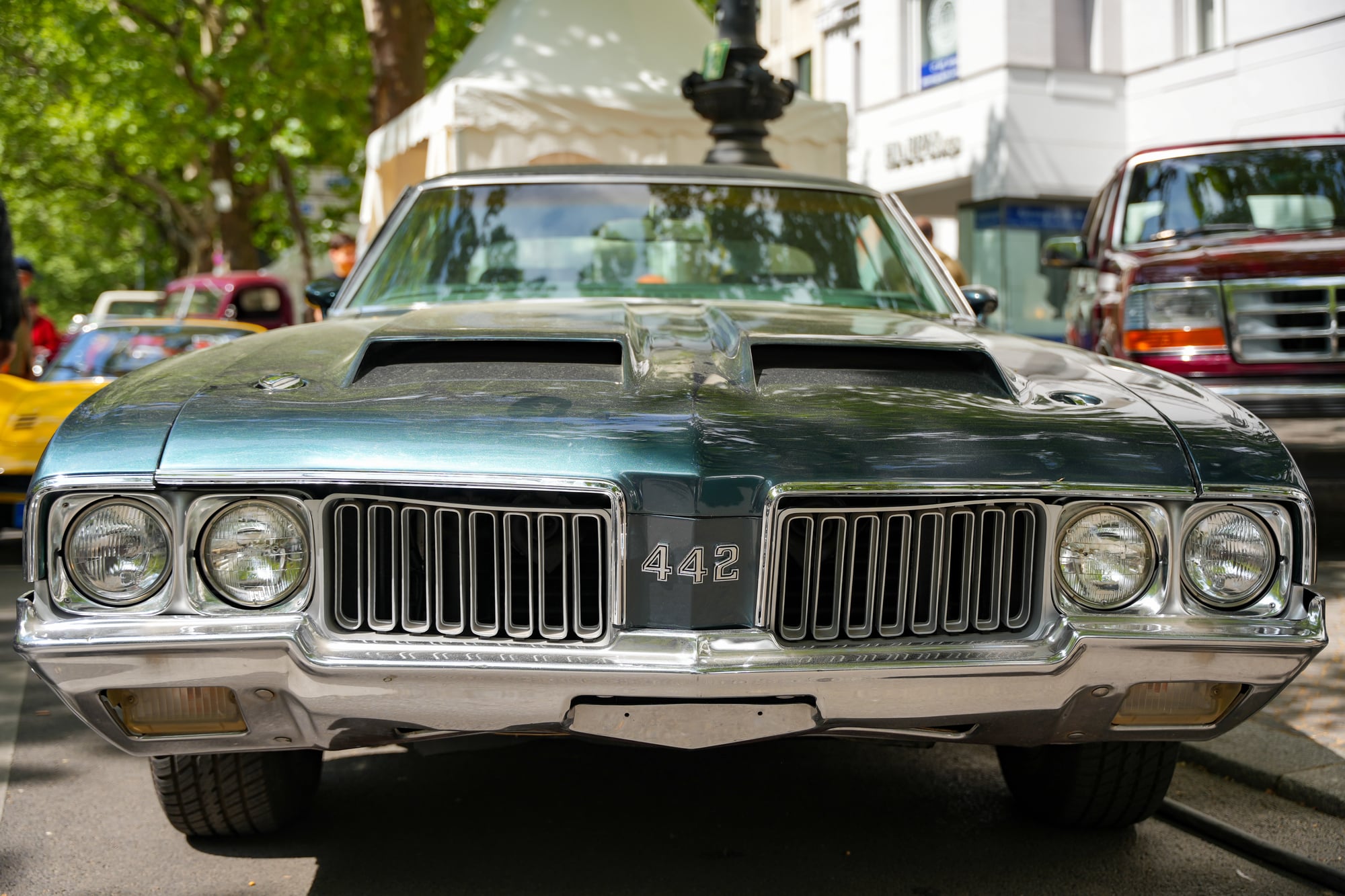
The Oldsmobile 442 V8 represented one of the most underrated engines in street racing history. This engine combined Oldsmobile’s excellent engineering with aggressive performance specifications that included a high-lift camshaft and free-flowing exhaust manifolds.
The 442 V8 produced impressive torque figures that made it competitive with more famous engines from other manufacturers. Many street racers discovered that the Oldsmobile engine offered excellent performance potential at a lower cost than comparable Ford or Chevrolet powerplants.
Nissan SR20DET

The Nissan SR20DET became the backbone of the import street racing scene with its combination of lightweight construction and turbocharging technology. This four-cylinder engine proved that smaller displacement engines could produce serious power when properly engineered and modified.
The SR20DET’s high-revving nature and excellent throttle response made it perfect for road racing applications, while its turbocharger provided the power needed for straight-line acceleration. Its popularity in drifting and time attack racing helped establish its reputation among performance enthusiasts.
AMC 401

The AMC 401 engine often gets overlooked in discussions of classic street racing powerplants, but it deserves recognition for its impressive performance potential. This engine featured a unique design with excellent breathing characteristics that allowed it to produce more power than its displacement would suggest.
The 401’s robust construction meant it could handle significant modifications without major internal upgrades. AMC’s reputation for building durable engines made the 401 a favorite among racers who needed reliability along with performance.
Like Go2Tutors’s content? Follow us on MSN.
The Legacy Lives On
These fifteen engines didn’t just power cars—they powered dreams, friendships, and an entire subculture that continues to thrive today. From the humble Flathead V8 that started it all to the high-tech turbo engines that dominate modern street racing, each powerplant contributed something unique to the sport.
The lessons learned from these engines continue to influence modern performance car development, proving that the pursuit of speed and power remains as compelling today as it was decades ago. Whether you’re building a classic hot rod or modifying a modern sports car, the DNA of these legendary engines lives on in every modification and every quarter-mile pass.
More from Go2Tutors!

- 18 Unexpectedly Valuable Collectibles You Might Have Lying Around
- 20 Little-Known Historical Battles That Had Huge Consequences
- 20 Historical Artifacts That Scientists Can’t Explain
- 15 Inventions That Were Immediately Banned After Being Created
- 20 Actors Who Were Almost Cast in Iconic Roles
Like Go2Tutors’s content? Follow us on MSN.