Most Influential Movie Trailers of All Time
Movie trailers have become their own art form.
Over the span of two minutes or less, these miniature masterpieces need to capture attention, build anticipation, and convince audiences that a particular film deserves their time and money.
Some trailers manage to do more than that.
They introduce techniques that ripple through the industry for decades, redefine how movies are marketed, or create cultural moments that transcend the films themselves.
A few have even become more memorable than the movies they were designed to promote.
The best trailers don’t just advertise.
They innovate, provoke, and occasionally revolutionize the entire medium.
Here’s a closer look at the ones that changed everything.
The Pleasure Seekers
The very first movie trailer appeared in November 1913, created by Nils Granlund, an advertising manager for Marcus Loew’s theater chain.
It was literally a ‘trailer’ because it trailed the main feature, showing rehearsal footage for the Broadway musical ‘The Pleasure Seekers’.
Contemporary reports described it as ‘an entirely new and unique stunt’, which turned out to be something of an understatement.
Granlund’s simple idea of splicing together footage to tease an upcoming production created a marketing tool that would become indispensable to the film industry.
Within a few years, movie studios caught on and started producing their own trailers, transforming what began as a theater promotion into a cornerstone of cinema advertising.
Psycho
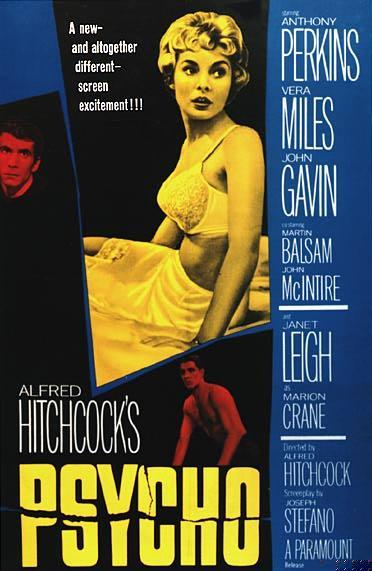
Alfred Hitchcock was obsessed with keeping the twists in ‘Psycho’ under wraps, yet he actually reveals a great deal in the trailer while still managing to tiptoe around explicitly saying what happens.
The trailer plays out like an episode of ‘Alfred Hitchcock Presents’ as he takes viewers on a tour of the Bates Motel and House, telling them where the most significant crimes will be committed, often going into graphic detail.
Hitchcock keeps his descriptions just ambiguous enough that audiences still need to buy a ticket to get the full picture.
The director’s on-screen presence and his sly, darkly humorous narration created a promotional approach that felt more like entertainment than advertising.
It was an unusual balancing act that easily could have backfired, but Hitchcock pulled it off with his signature style.
The result established that trailers could be personality-driven showcases rather than just montages of clips.
Dr. Strangelove
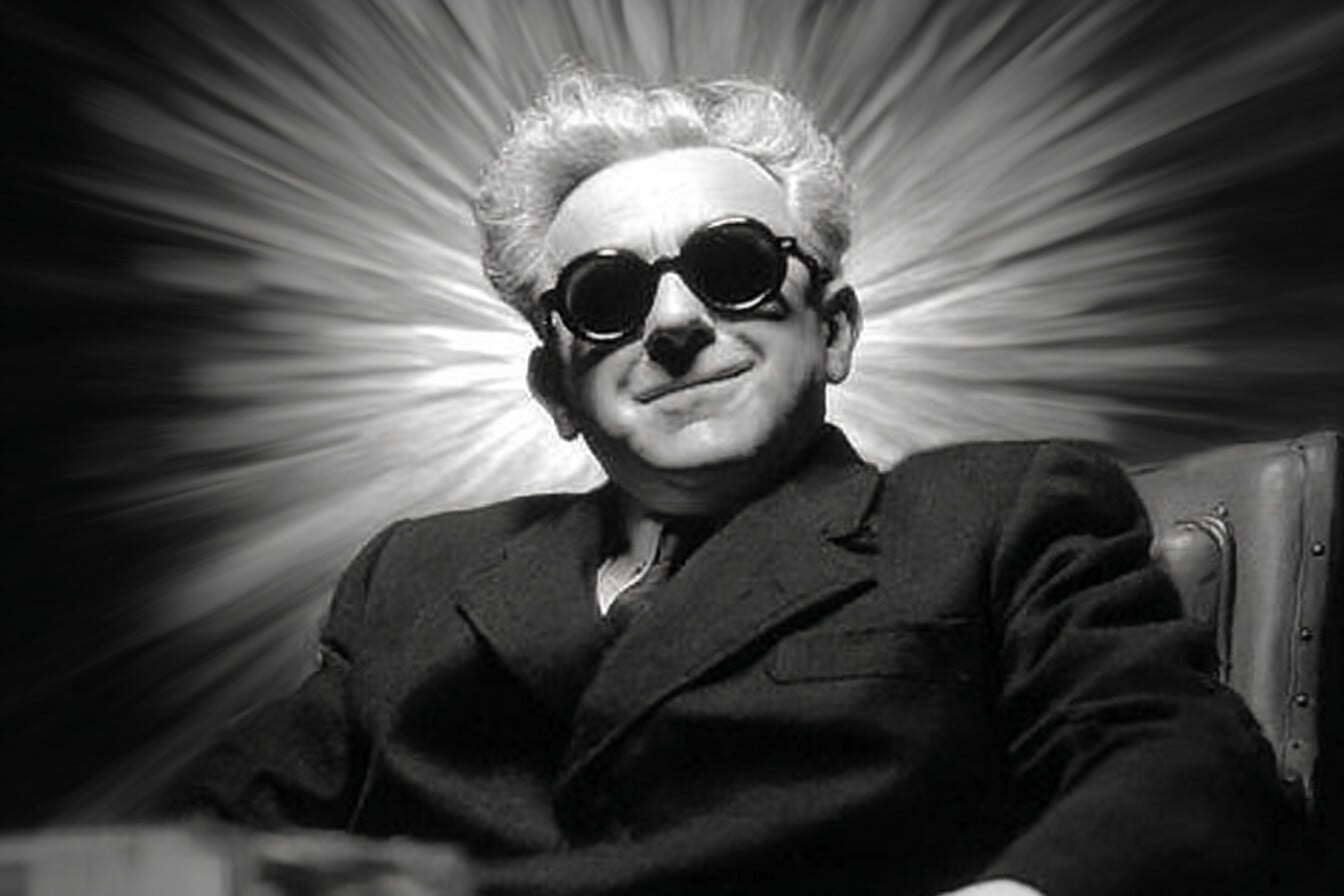
Stanley Kubrick worked with Pablo Ferro, a now iconic graphic designer, to create one of the most innovative trailers of the 20th century.
Ferro gets right in your face, cutting fast between huge title cards and images from the film while cheekily dropping in soundbites to convey the plot and tone.
The trailer for this 1964 satire about nuclear war was a rapid-fire montage of awkward stills, surprising sounds, and handwritten questions.
These disjointed images somehow weave together perfectly to represent both the dark themes and the quirky, hilarious tone of the film.
This marked a turning point where directors began exercising artistic control over their trailers, treating them as extensions of their creative vision rather than purely commercial obligations.
Ferro’s techniques influenced generations of trailer editors who followed.
Friday the 13th
Instead of filling time with loose stories and characters who won’t survive the movie, the trailer is accompanied by a kill count, with scared victims appearing, and then a large number ticking up with each new character.
This was one of the first of its genre where the film’s trailer made it clear that the point of the movie was to rack up a body count, not explore the inner lives of a bunch of camp counselors.
The 1980 slasher set clear expectations for an entire genre.
There’s something oddly effective about advertising from the get-go that a lot of people will die, with the anticipation coming from watching how it happens.
The kill count became famous and appeared again in future trailers, with a film’s kill count becoming a common statistic for action and horror films after ‘Friday the 13th’ was released.
The franchise continued the counting through subsequent trailers, but the original established the template.
Jaws
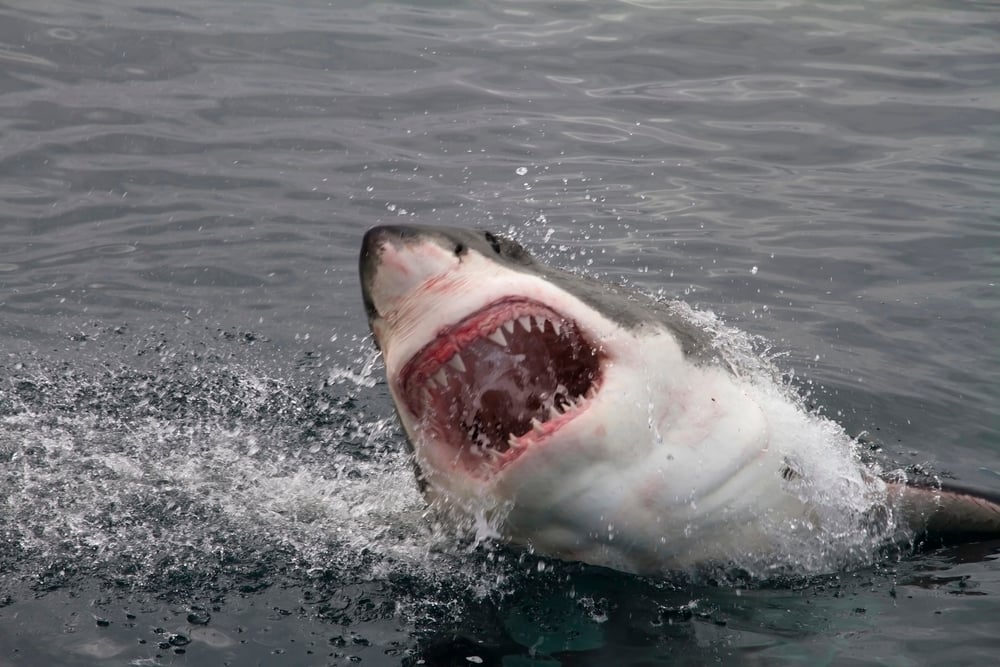
By the 1970s, movies were making more money than ever before, and studios flooded money into marketing campaigns that consisted of not just a single trailer, but multiple teasers, a plethora of posters and ads, and at least three or four full length trailers.
The most famous example is the trailer for ‘Jaws’ in 1975, which goes through nearly the entire plot of the movie in the span of 3 minutes and 21 seconds.
The trailer was shown on televisions worldwide during the summer of 1975, meaning ‘Jaws’ was the first successful film to have a wide release.
Previously, films would start small and then expand to more cinemas.
The massive distribution strategy paid off spectacularly, establishing the modern blockbuster model.
Steven Spielberg’s shark thriller changed not just how movies were released, but how they were advertised.
The era of saturation marketing had arrived.
The Shining
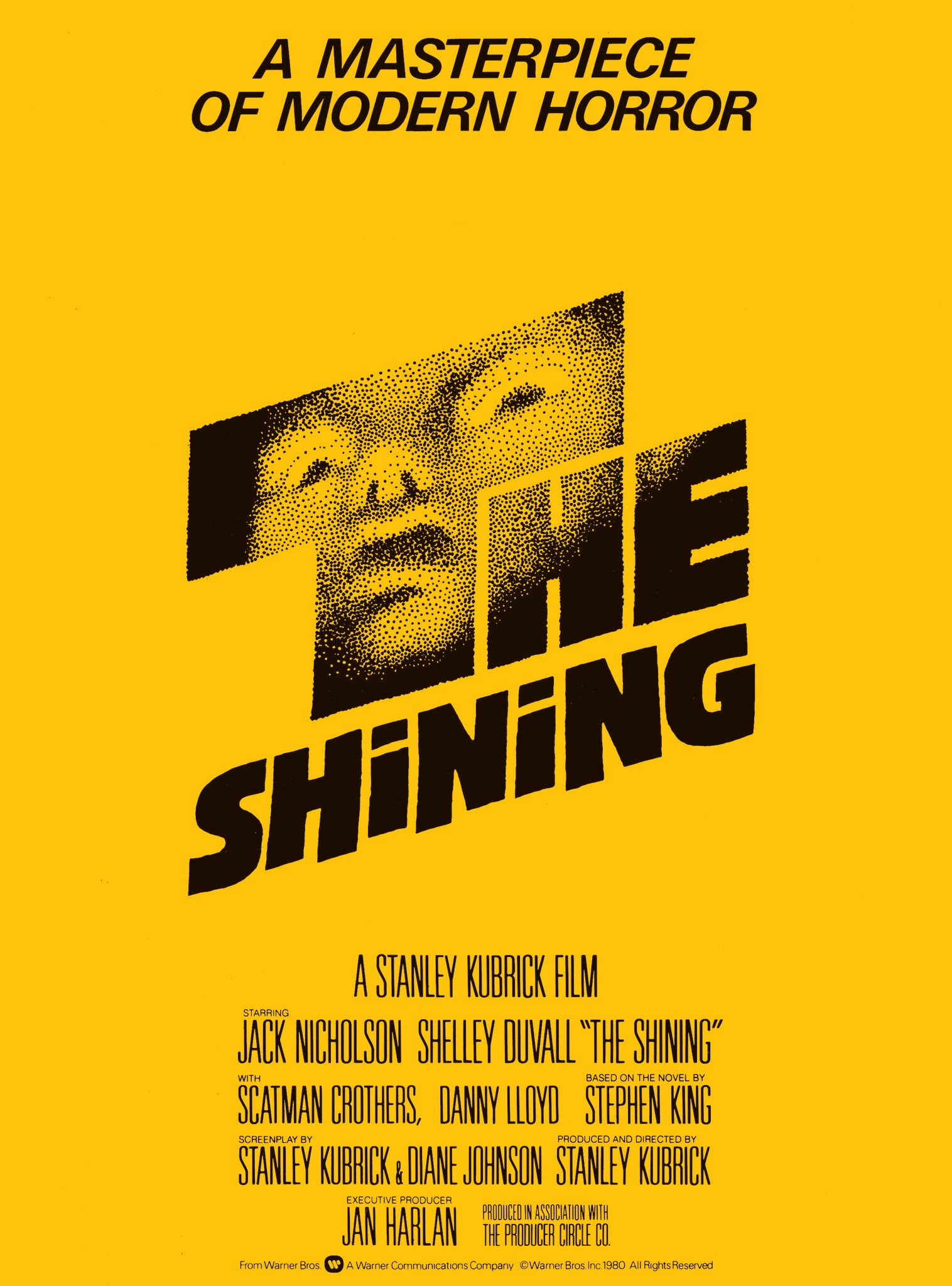
Over a shot of the elevator doors at the Overlook Hotel, credits announce the arrival of Stanley Kubrick’s film, and as those credits continue to roll, the elevator door opens, unleashing a tidal wave of blood so thick that it moves the furniture and splashes against the camera.
That’s essentially the entire trailer for Kubrick’s 1980 horror masterpiece.
No dialogue.
No exposition.
No character introductions.
Just one unforgettable image set to ominous music, with the film’s title appearing at the end.
The restraint was bold, almost defiant.
Kubrick trusted that a single powerful image would be more effective than conventional storytelling.
He was right.
The elevator of blood became one of cinema’s most iconic visuals, and the trailer demonstrated that sometimes less truly is more.
It influenced countless horror trailers that followed, proving that suggestion and atmosphere could outperform jump scares and plot details.
The Blair Witch Project
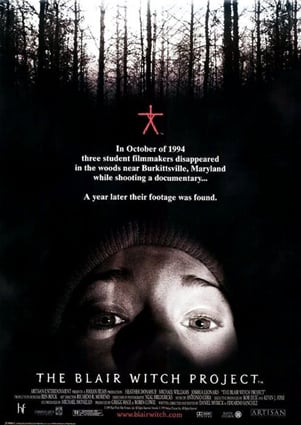
The movie was marketed as a found-film project, with ambiguity surrounding the truthfulness of the story.
The footage was overlaid with text which revealed the legend of the Blair Witch, and the explorers who supposedly lost their lives.
The film had a viral marketing campaign, despite its indie roots, and the tiny budget of less than $60,000, which was directly benefitted by their incredible trailer.
The 1999 horror film pioneered viral marketing in the early days of the internet, blurring the line between fiction and reality.
The trailer’s grainy footage and missing persons framing convinced many viewers that the events were real.
This guerrilla marketing approach turned a shoestring budget production into a cultural phenomenon and one of the most profitable independent films ever made.
It proved that clever marketing could overcome limited resources and established the template for viral campaigns in the digital age.
Inception
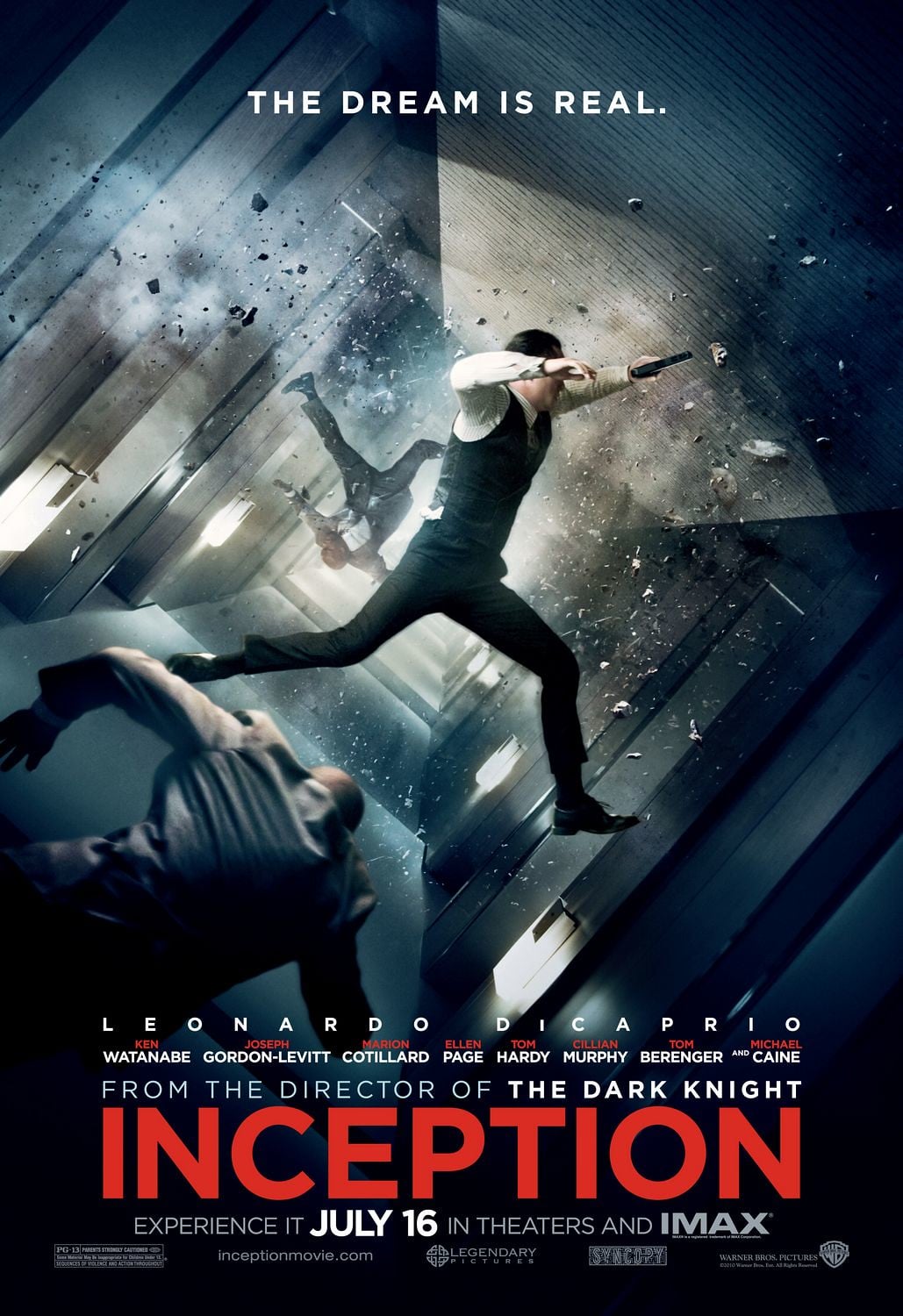
As the mysteries of Nolan’s dream heist thriller unfold, the soundtrack is loaded with a sound created by Hans Zimmer for the soundtrack – a loud, booming horn-like noise that sounds like BRAAM or BWAAM or BWAHH.
That sound has been a fixture for trailers ever since, for better or worse, but it’s never worked so well as it works here.
What made it stand out as one of the most influential trailers of the 21st Century is the use of Hans Zimmer’s score and the now-ubiquitous ‘Braaam’ sound cue, which has since been repurposed in a variety of other trailers.
Christopher Nolan’s 2010 mind-bending thriller introduced a sound that became so overused it spawned parodies and complaints.
Yet the trailer itself remains a masterclass in building mystery and tension.
It revealed almost nothing about the plot while making audiences desperately want to know more.
The combination of striking visuals, cryptic dialogue fragments, and that unforgettable sonic punch created a template that dominated the following decade.
Star Wars: The Force Awakens
It’s hard to remember a time when Star Wars fans were united in their excitement for a new movie in the franchise.
Upon release, this was the most-watched trailer online within its first 24 hours.
The bombast is largely due to the nostalgic cues on which it capitalizes, namely the first glimpse of the Millennium Falcon in action and Han and Chewbacca’s return.
The 2015 trailer for the first new Star Wars film in a decade had an almost impossible task: revive excitement for a franchise that had been tarnished by disappointing prequels.
The trailer encompasses everything fans love about the franchise: starship battles, lightsaber duels, and a John Williams score that immediately gets viewers psyched.
When the Millennium Falcon appeared on screen and Han Solo’s voice declared ‘we’re home,’ grown adults wept openly.
The trailer’s careful balance of nostalgia and new elements set the standard for how legacy franchises could reintroduce themselves to audiences.
Guardians of the Galaxy
Marvel had one chance to totally sell audiences on what was, on paper, a pretty strange superhero movie.
Rather than plot, the trailer focuses on character, breaking down heroes who were largely unknown at the time in a concise and simple fashion for potential new fans, with their rap sheets being a perfect introduction.
It’s all set to ‘Hooked on a Feeling’ by Blue Swede, and with Guardians now among the most well-received Marvel films of all time, it’s fun to look back and remember that all the mania started with a simple ‘Ooga Chaka!’
The 2014 trailer took a massive risk on obscure characters and an irreverent tone that could have fallen flat.
Instead, it set the bar for an entire generation of superhero trailers set to pop music.
The use of a retro soundtrack, the emphasis on humor over heroics, and the self-aware attitude showed that superhero movies didn’t need to take themselves seriously to be taken seriously.
The trailer’s success gave Marvel confidence to take bigger creative swings with future projects.
The Girl with the Dragon Tattoo
Cut to Karen O covering ‘Immigrant Song’, the trailer doesn’t even bother with plot.
It just throws a barrage of dark, violent images in viewers’ faces as Daniel Craig and Rooney Mara navigate the icy landscape, culminating with one of the best kickers in trailer history as the words THE FEEL BAD MOVIE OF CHRISTMAS hammers across the screen.
David Fincher’s 2011 adaptation went against every conventional wisdom about holiday releases.
With no dialogue, sharp cuts and an intriguing glimpse at the film’s narrative, this is one beautifully composed trailer.
The aggressive editing, the pounding cover of Led Zeppelin’s classic, and that darkly humorous tagline created something more akin to a music video than a traditional preview.
It demonstrated that trailers could prioritize mood and style over exposition, trusting audiences to be drawn in by sheer visceral impact.
What Trailers Mean Now
Marvel has perhaps made the most innovative change with trailers with the post-credit scene, which teases the next movie during the movie you are watching.
The result is an eternal trailer where audiences are consistently hooked for upcoming features, accomplished by simply returning to the roots of what the ‘trailer’ is.
The wheel has come full circle.
Trailers started as content that trailed the main feature, and now they’re embedded within movies again, creating an endless cycle of anticipation.
The techniques pioneered over more than a century continue to evolve, but the core principle remains unchanged: give audiences a taste of something extraordinary and make them hungry for more.
These influential trailers didn’t just sell tickets.
They shaped expectations, established genres, and proved that two minutes of carefully crafted footage can sometimes be as memorable as the films themselves.
More from Go2Tutors!

- The Romanov Crown Jewels and Their Tragic Fate
- 17 Halloween Costumes Once Considered Taboo
- Famous Hoaxes That Fooled the World for Years
- 15 Child Stars with Tragic Adult Lives
- 16 Famous Jewelry Pieces in History
Like Go2Tutors’s content? Follow us on MSN.



