Ancient Sports That Look Brutal Now
People have always loved competition. From the earliest civilizations to today, humans have found ways to test their strength, speed, and courage against one another.
But some of the games our ancestors played would make modern audiences cringe. These weren’t just tough sports—they were often deadly, designed to entertain crowds who had very different ideas about what made for good fun.
Let’s take a look at some of these ancient competitions that would never fly today.
Pankration

The ancient Greeks combined wrestling and boxing into one no-holds-barred fight they called pankration. Competitors could punch, kick, choke, and break bones—pretty much anything went except biting and eye gouging.
Fighters often left the arena with broken limbs, and some never left at all. The sport was so popular it became an Olympic event in 648 BC, and crowds loved watching men battle until one gave up or passed out.
Mesoamerican ballgame

The Maya and Aztec civilizations played a game using a heavy rubber orb that could weigh up to nine pounds. Players had to keep the orb in motion using only their hips, thighs, and upper arms while trying to score through stone rings mounted high on walls.
The protective gear barely helped against the solid rubber orb slamming into bodies at high speeds. Some versions of the game ended with the losing team’s captain being sacrificed to the gods, which definitely raised the stakes beyond a typical championship trophy.
Chariot racing
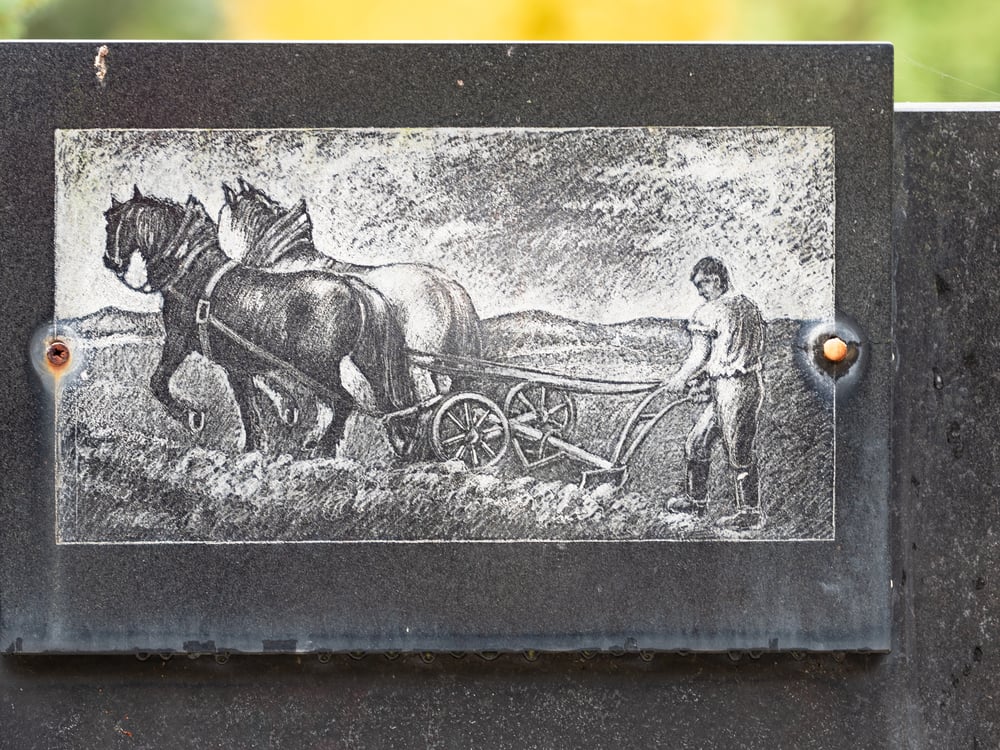
Romans packed the Circus Maximus to watch drivers race chariots pulled by four horses at breakneck speeds around a tight oval track. The chariots were light and unstable, and drivers wrapped the reins around their bodies, which meant a crash could drag them to death if they couldn’t cut themselves free in time.
Collisions were common and expected—the crowd actually loved the spectacular crashes called shipwrecks. A successful charioteer who survived long enough could become incredibly wealthy, but most didn’t make it that far.
Gladiatorial combat
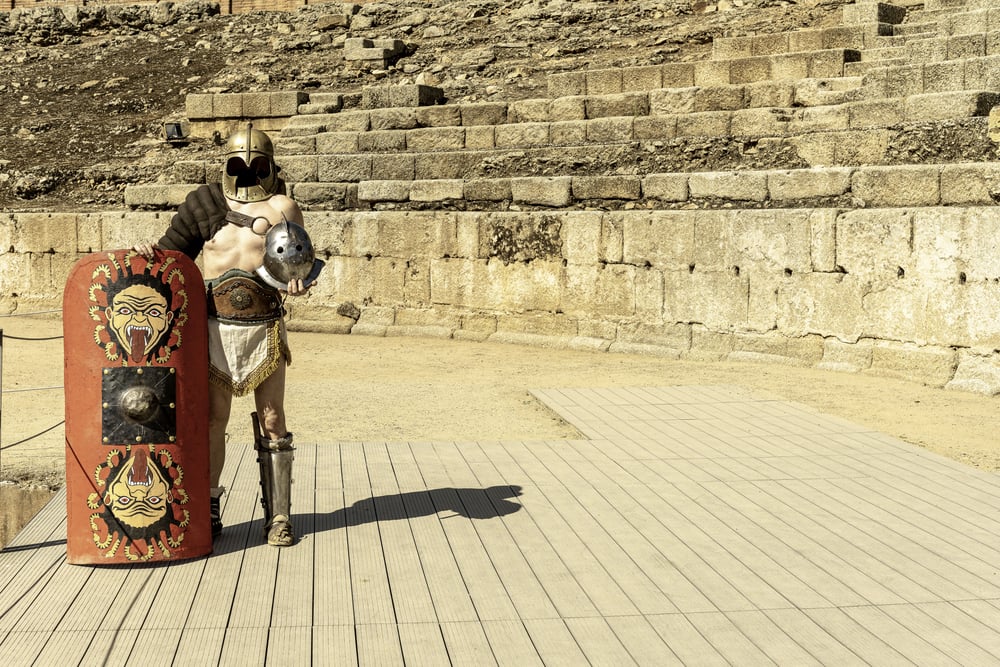
Everyone knows about Roman gladiators, but the reality was even harsher than the movies suggest. These fighters were usually slaves or prisoners forced to battle each other, wild animals, or condemned criminals in front of thousands of screaming spectators.
Different types of gladiators used different weapons and armor, creating matchups designed for maximum entertainment value. While not every fight ended in death, the mortality rate was high enough that becoming a gladiator was essentially a death sentence with occasional reprieves.
Buzkashi

Central Asian horsemen created a game where riders compete to grab a headless goat carcass and carry it to a goal while other players try to steal it away. The game still exists today in Afghanistan and surrounding countries, though modern versions have some rules.
The ancient version was more like organized chaos on horseback, with riders using whips on both horses and each other. Broken bones were routine, and the matches could last for days with hundreds of riders from different villages battling for honor and prizes.
Shin kicking

English farm workers in the Cotswolds developed a folk sport where two men would grab each other by the shoulders and kick each other’s shins until one fell down. Competitors wore steel-toed boots and sometimes hardened their shins beforehand by hitting them with hammers.
The matches took place at local fairs and festivals, with the winner advancing through brackets like a modern tournament. What started as a way for farmers to settle disputes became an organized competition that continued into the early 1900s.
Ancient Egyptian wrestling

The Egyptians took their wrestling seriously, as shown in tomb paintings and carvings dating back over 4,000 years. The sport had some rules, but they were minimal compared to modern standards.
Wrestlers competed unclothed and covered themselves in oil, which made maintaining holds incredibly difficult. The matches continued until one fighter was pinned or submitted, and injuries were just part of the game.
Venatio

Roman beast hunts featured exotic animals from across the empire fighting each other or trained hunters in the arena. Lions, bears, elephants, rhinos, and other creatures were brought to Rome and slaughtered by the thousands for public entertainment.
The hunters, called venatores, had to face these animals with relatively simple weapons while crowds cheered. Sometimes condemned criminals were thrown into the arena with no weapons at all, making it less a sport and more an execution with animal actors.
Calcio Storico

Florence created a game in the 16th century that mixed soccer, rugby, and street fighting into one chaotic event. Two teams of 27 players each compete to score by throwing an orb into a goal, but the rules allow punching, kicking, choking, and head-butting.
Matches turn into massive brawls with dozens of fights happening simultaneously while an orb gets lost somewhere in the middle. The game is still played once a year in Florence, though modern players wear some protection their ancestors would have mocked.
Ulama

This ancient Mesoamerican game predates even the Maya and is still played in a few isolated communities in Mexico. Players hit a heavy rubber orb back and forth across a court using only their hips, and the orb can reach speeds of 40 miles per hour.
The constant impact causes massive bruising and sometimes broken bones or internal injuries. Unlike its more famous cousin that ended in human sacrifice, ulama was primarily played for sport, but that didn’t make it any less painful for the participants.
Nguni stick fighting
Southern African warriors practiced a combat sport using long sticks and shields made from animal hide. Young men from different communities would meet at designated fighting grounds to prove their bravery and skill.
The fights continued until one competitor was beaten badly enough to concede defeat or couldn’t continue. While the practice had rules about not striking a fallen opponent, the hits landed during the match were full-force and meant to cause damage.
Roman boxing

Ancient Roman boxers wrapped their hands in leather straps that were sometimes loaded with metal or studded with spikes. These weapons, called caestus, turned boxing from a test of skill into a bloodbath.
Fighters aimed for maximum damage rather than points, and matches had no rounds or rest periods. The competition ended when one fighter was knocked out, killed, or gave up—though giving up was considered deeply shameful.
Cnapan

Welsh villages played a medieval game where hundreds of men from opposing parishes would fight over a wooden orb soaked in tallow. The goal was to carry the orb back to your village church, which could be miles away across fields, streams, and anything else in the path.
Players tackled, punched, and wrestled each other through mud and water, and matches could last all day. Broken bones and missing teeth were common souvenirs from a game that had almost no rules beyond getting the orb to your destination by any means necessary.
Pitz
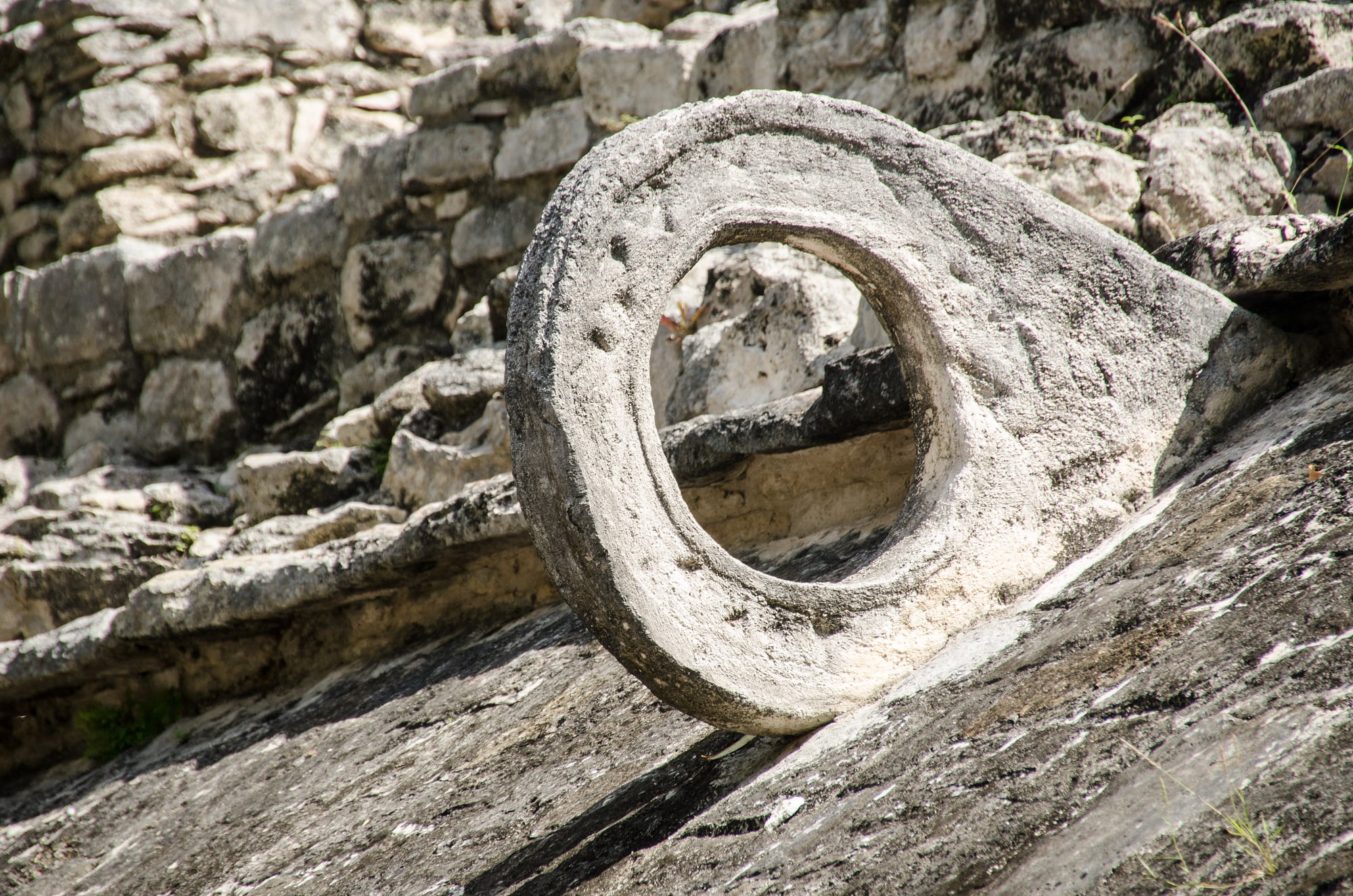
Back in 1400 BC, the Olmecs came up with a game – possibly among the first structured sports across the American continents. A heavy rubber orb flew fast, often bruising or worse when striking bare skin.
This wasn’t just play; rituals tied into every match, since the playing field stood for the realm of the dead in their beliefs. After key games, people may have been killed on site, but experts still argue if that happened each time or only during rare rites.
Singlestick

Folks across the pond once swung thick wooden rods, nearly a yard long, cracking them against one another’s skull until red streaked down the face. Victory came only when someone bled from the scalp – split skin meant you’d lost.
Helmets and padding showed up now and then, yet drawing blood stayed the point of the whole affair. It mimicked fencing moves, so many saw it as solid prep for duels with blades.
Looking back at the arena

Long ago, games that thrilled thousands today strike us as harsh. Crowds roared for events we now see as reckless.
Today’s players test limits too, yet wear helmets, rely on trainers, and follow strict guidelines. Back then, no padding, no doctors nearby, just raw chance.
Those who fought before knew pain might be their only prize. Still, they stepped forward – drawn by honor, hunger, or hope.
People crave meaning through challenge, even when it costs too much.
More from Go2Tutors!

- The Romanov Crown Jewels and Their Tragic Fate
- 13 Historical Mysteries That Science Still Can’t Solve
- Famous Hoaxes That Fooled the World for Years
- 15 Child Stars with Tragic Adult Lives
- 16 Famous Jewelry Pieces in History
Like Go2Tutors’s content? Follow us on MSN.



