15 Everyday Objects People Form Emotional Attachments To
We are interesting beings, humans. Apart from the bonds we establish with family and friends, we can form unexpected emotional ties with the lifeless items filling our everyday existence. These attachments change everyday goods into valued belongings with personal relevance going beyond simple use.
Here is a list of 15 everyday objects with which people commonly form deep emotional bonds and the psychological reasons behind these meaningful connections.
Childhood Stuffed Animals

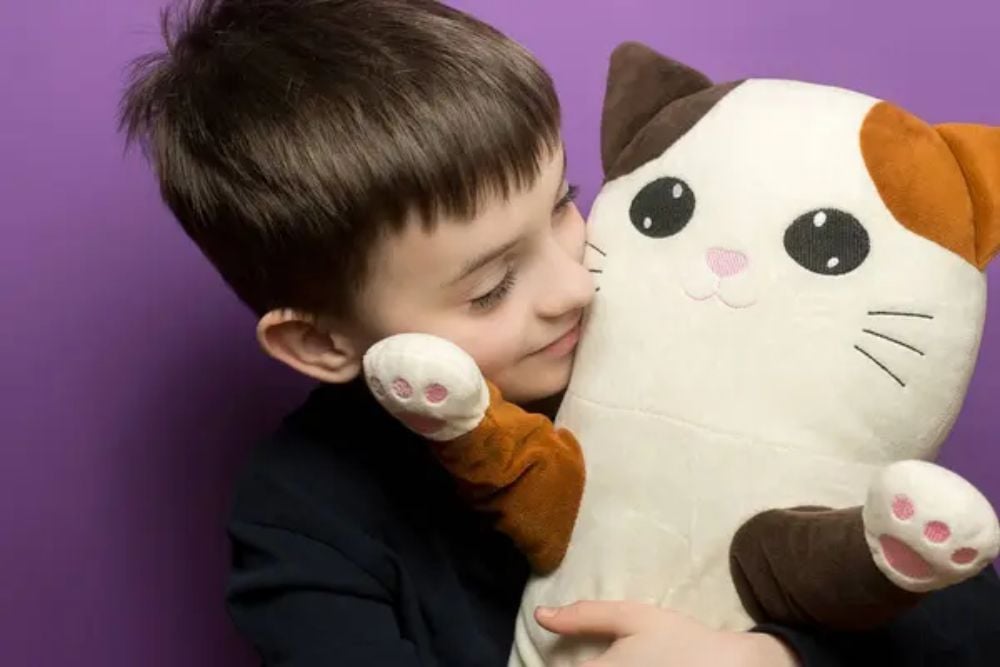
That well-worn teddy bear missing an eye isn’t simply a toy; it’s a repository of childhood memories and comfort. Studies indicate these soft friends may act as “transitional objects” helping kids grow independent while yet feeling safe.
Many keep onto these cherished friends far into adulthood since they cannot let go of the comfort and memories they represent.
Handwritten Letters

In our digital age, receiving a handwritten letter feels increasingly special. The physical evidence of someone taking time to put pen to paper creates a tangible connection that emails simply cannot replicate.
These personal artifacts capture not just words but personality through handwriting quirks, paper choice, and even the occasional coffee stain or tear mark.
Coffee Mugs

Though to some it may appear useless, to you that chipped cup from your college years is priceless. Coffee cups are usually extensions of our everyday routines and morning rituals.
The ideal weight in your hand, the way the rim feels against your lips, these sensory experiences mix with memories to turn a basic container into something quite personal.
Books with Margin Notes
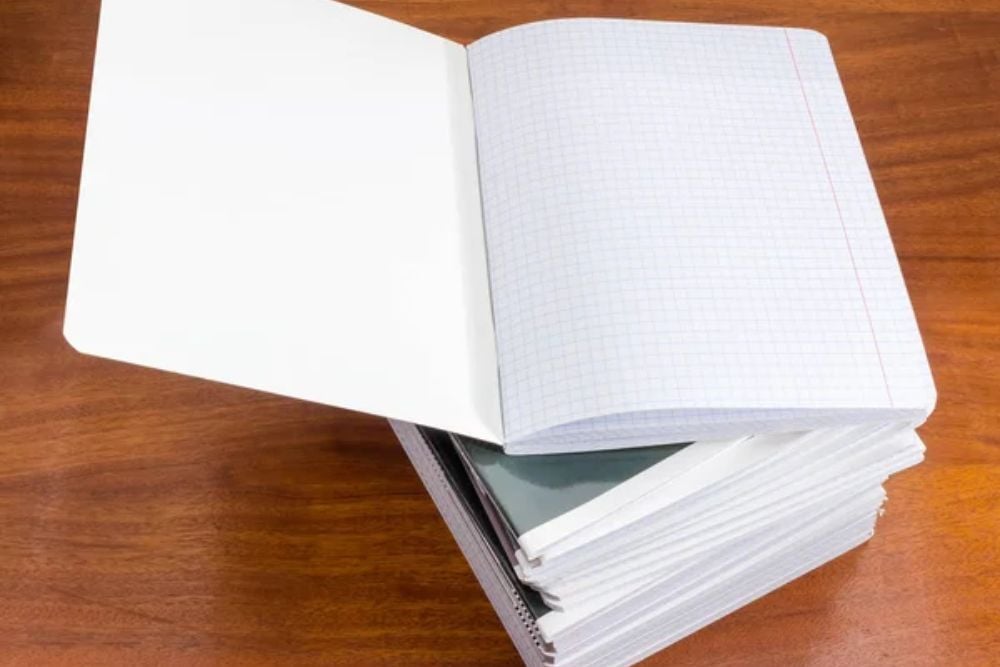
A well-loved book filled with underlines, dog-eared pages, and scribbled thoughts becomes more than just literature, it becomes a record of your intellectual and emotional journey. These annotations create a dialogue between you and the author, turning mass-produced pages into a unique artifact that chronicles your relationship with ideas at specific moments in your life.
Family Recipes
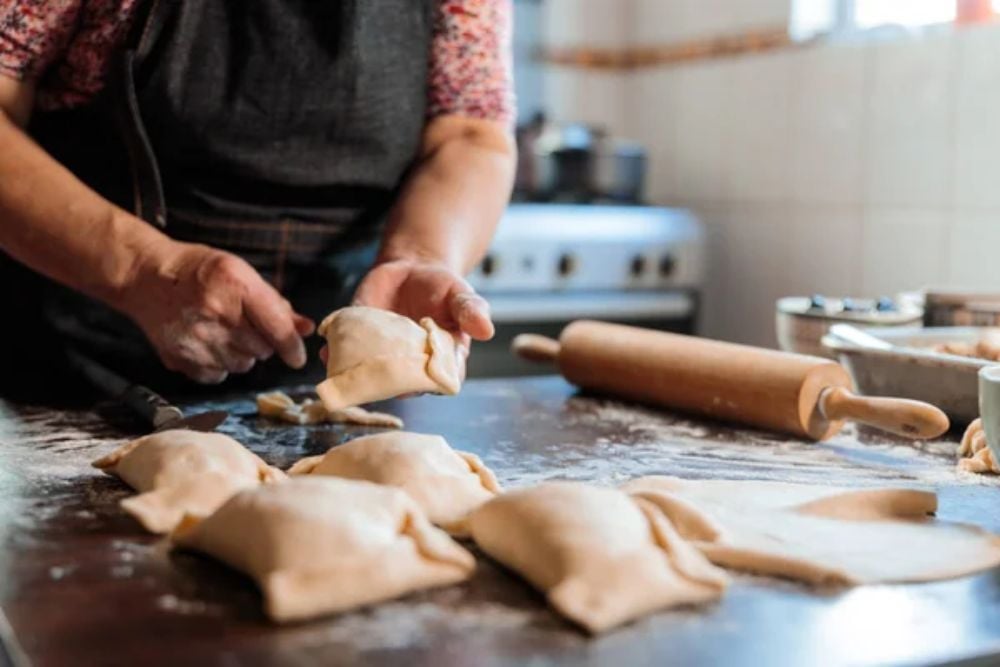
That stained recipe card with grandma’s handwriting isn’t just instructions for making cookies; it directly links to family heritage and shared experiences. Food preparation connects us across generations, and the physical recipe cards often become treasured heirlooms that preserve both culinary traditions and the memory of loved ones who are no longer with us.
Watches and Jewelry

The watch passed down from your grandfather or the necklace your partner gave you carries significance far beyond its material value. These accessories become extensions of our identity and constant reminders of important relationships.
The weight and feel of these items against our skin create a physical connection to absent loved ones or significant life moments.
Concert Tickets and Programs
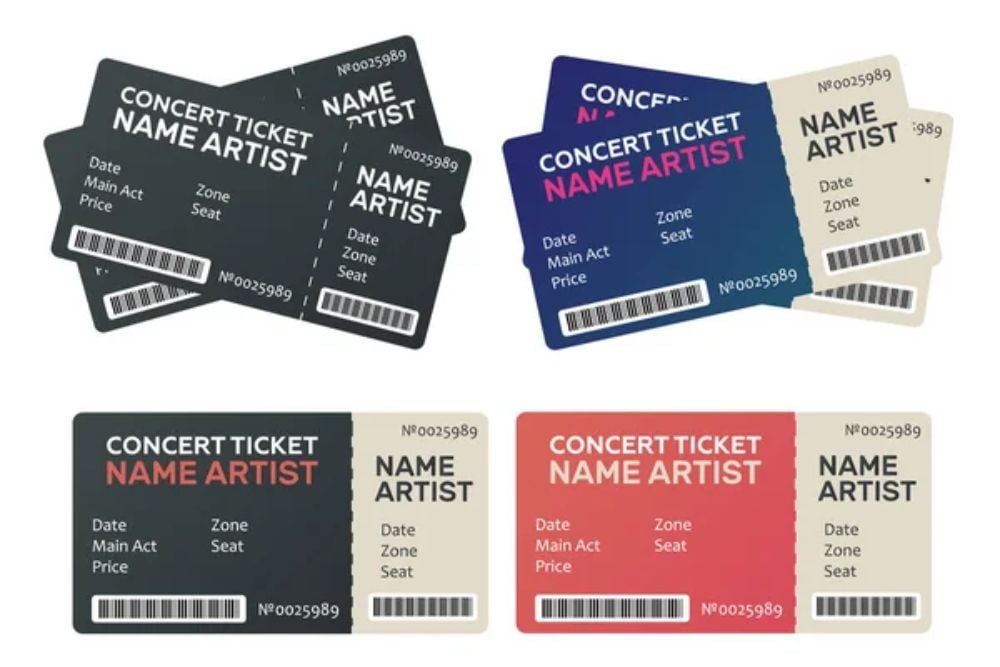
That faded ticket stub from your first concert might seem like trash to someone else, but to you, it’s a portal to a transformative experience. These small paper mementos transport us back to moments of joy, awe, and connection.
They serve as physical evidence of experiences that have shaped our identities and preferences.
Vinyl Records
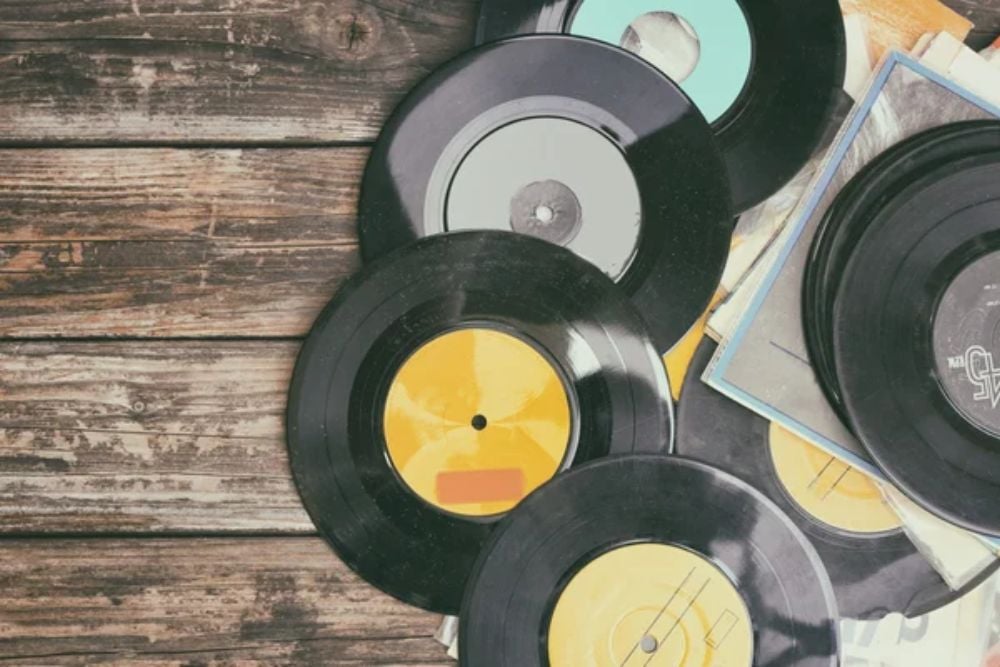
Vinyl albums provide something more real and ceremonial in an era of digital streaming. The emotional experience outside of music listening is produced by the huge artwork, the ceremonial act of putting the needle, and the warm, imperfect sound.
Often, record collections reflect outside our personal taste and musical path.
Handmade Items
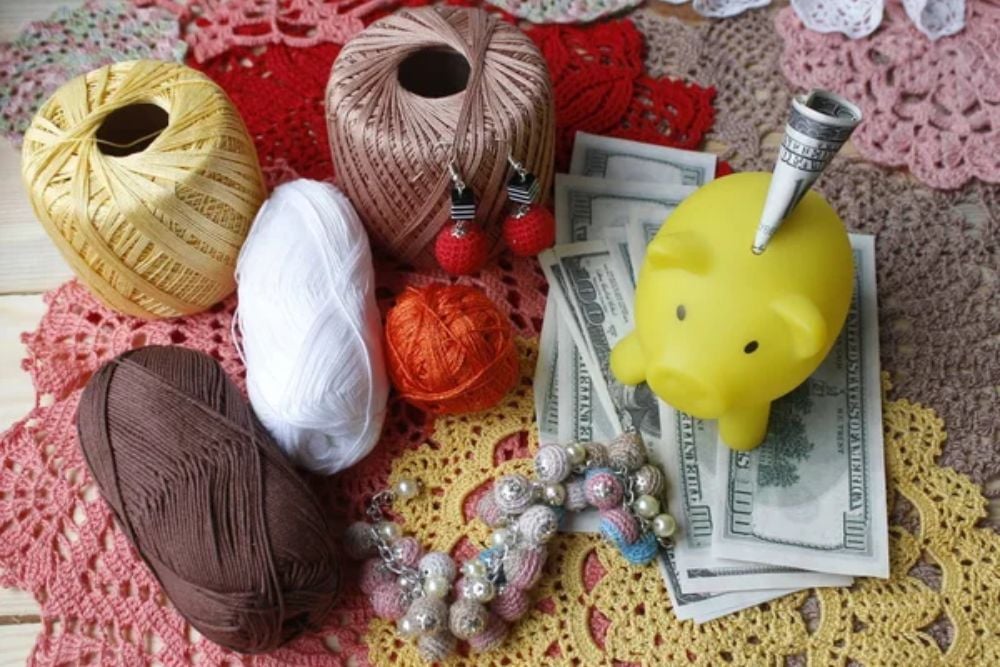
From a quilt sewn by your grandma to a crooked ceramic cup crafted by your child, handmade goods bear the actual fingerprints of their makers. These items reflect the time, work, and expertise of someone who loves you.
Every flaw speaks to a narrative of human connection that mass-produced products just cannot equal.
Plants
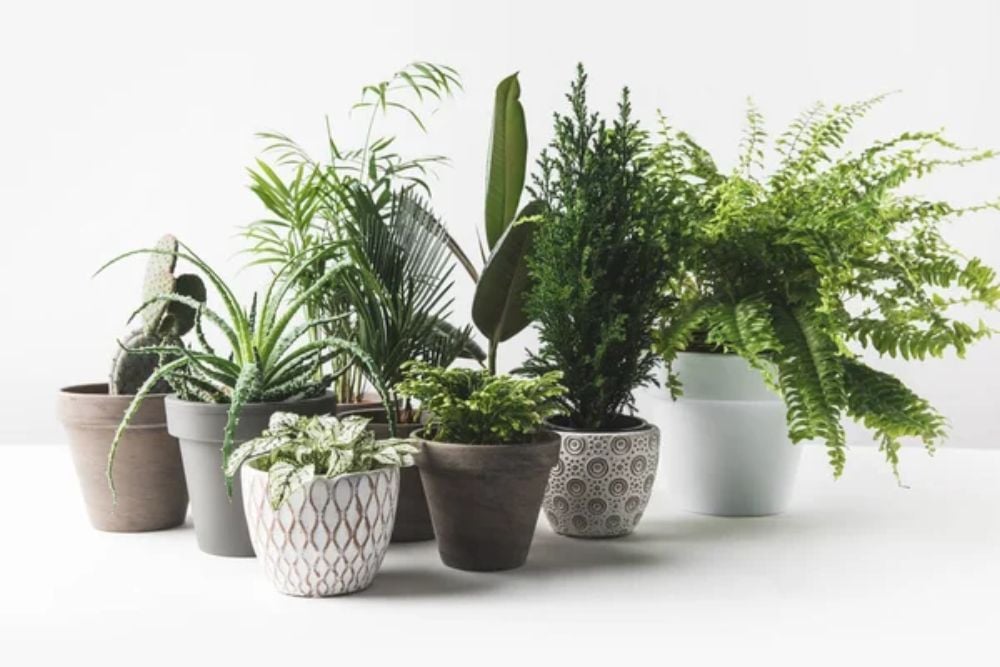
Houseplants often become more than mere decoration as we nurture them over time. The act of caring for another living thing creates attachment, while watching something grow under your care provides a sense of accomplishment and purpose.
Many plant owners name their green companions and feel genuine distress when they show signs of decline.
Old Phones and Computers
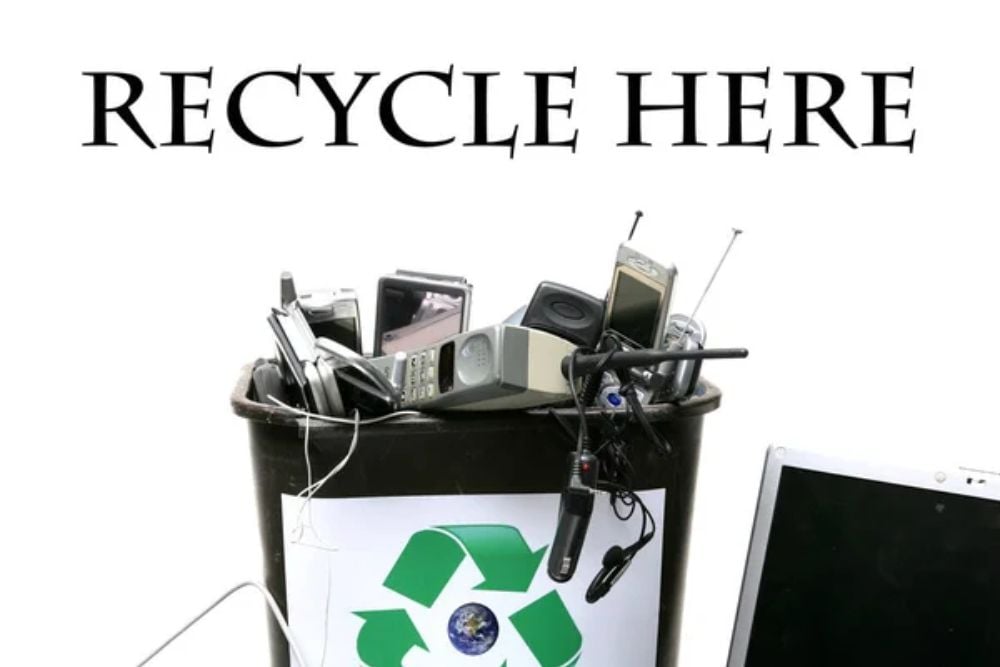
That outdated smartphone or laptop sitting in your drawer might contain years of personal history, photos, messages, and digital breadcrumbs of your past self. These technological time capsules hold enormous emotional value even when their practical usefulness has expired.
The interface and even the physical feel of these devices can trigger powerful nostalgia.
Vehicles

Cars, motorcycles, and even bicycles frequently become extensions of our identity rather than simple transportation tools. The memories created inside them, the places they’ve taken us, and the freedom they represent combine to create powerful attachments.
Many people name their vehicles and genuinely mourn when it’s time to say goodbye to their trusted mechanical companions.
Clothing Items
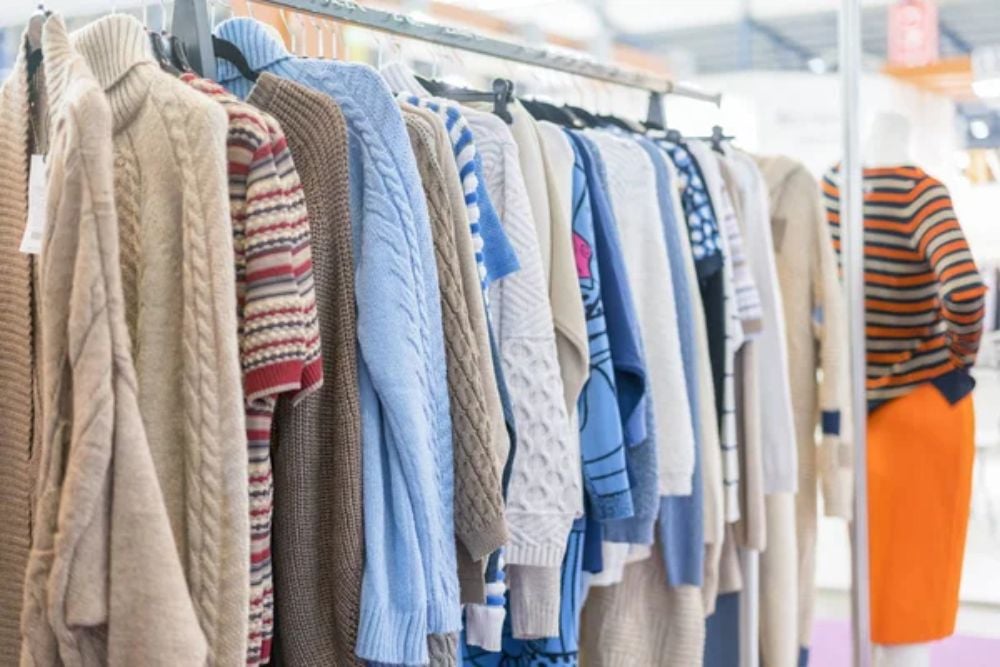
That ratty college sweatshirt or perfectly broken-in pair of jeans often feels irreplaceable despite their deteriorating condition. Clothing items conform to our bodies over time, creating a second-skin comfort that new replacements cannot immediately provide.
They also become associated with significant memories and periods of our lives that we’re reluctant to leave behind.
Photographs

Physical photos have more power than their digital equivalents. Holding a printed image, the aging of the paper, and even the scent of old photo books all contribute to a multisensory link to the past.
These items offer clear proof of events that could otherwise vanish from our thoughts, anchoring our memories.
Childhood Homes
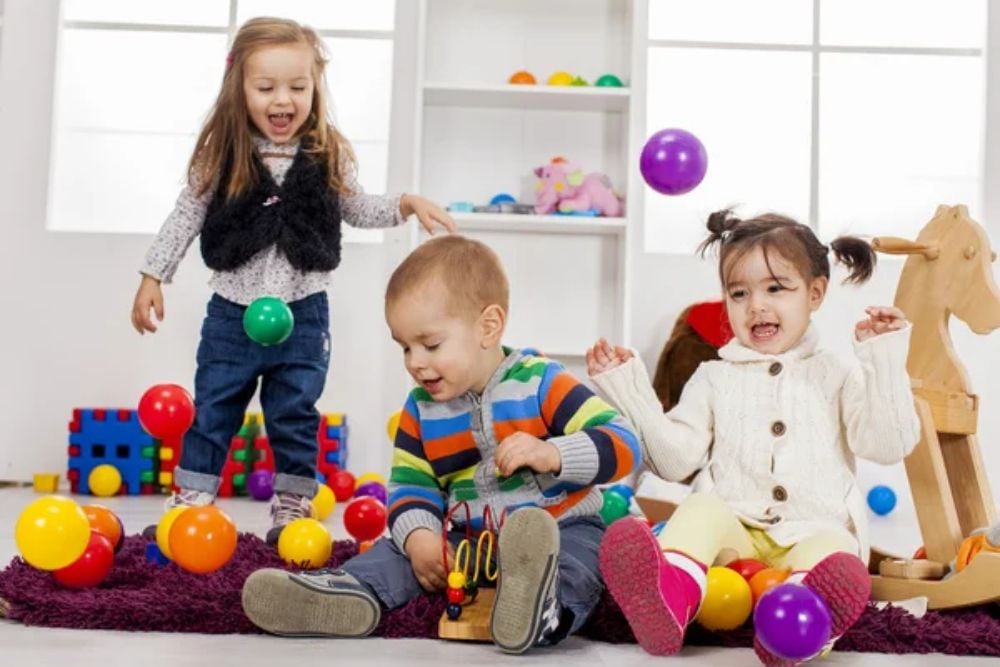
While not something we can keep or carry, our childhood homes remain objects of profound attachment long after we’ve moved away. The familiar sounds of specific creaky floorboards, the way light filters through particular windows, and the distinctive smell of the space become imprinted in our sensory memory.
Many adults experience deep emotional responses when revisiting these architectural touchstones of their formative years.
The Psychology of Object Attachment
Our links to daily items expose a lot about human behavior. These things serve as links to significant relationships, extensions of our identities, and stores for our memories.
Perhaps these emotional ties to tangible items have a significant role in a society of growing disposability and digital experiences, grounding us to our personal pasts and the individuals who matter most in our lives.
More from Go2Tutors!

- The Romanov Crown Jewels and Their Tragic Fate
- 13 Historical Mysteries That Science Still Can’t Solve
- Famous Hoaxes That Fooled the World for Years
- 15 Child Stars with Tragic Adult Lives
- 16 Famous Jewelry Pieces in History
Like Go2Tutors’s content? Follow us on MSN.



