15 Bizarre Holiday Rituals Still Celebrated Today
People celebrate holidays in ways that would seem totally normal to them but absolutely strange to outsiders. Every culture has traditions that connect them to their past, honor their beliefs, or simply add joy to special occasions.
Some of these customs involve beating logs with sticks until they produce candy, while others require hiding brooms from imaginary witches or eating fast food chicken as a sacred meal. These rituals didn’t develop overnight.
They evolved over centuries, blending ancient superstitions with modern life, creating practices that continue today despite how odd they might seem to someone experiencing them for the first time. The holidays on this list prove that tradition doesn’t need to make sense to anyone except the people keeping it alive.
From Christmas to Easter to New Year celebrations, the world has come up with some truly creative ways to mark special occasions.
Kentucky Fried Chicken for Christmas dinner in Japan
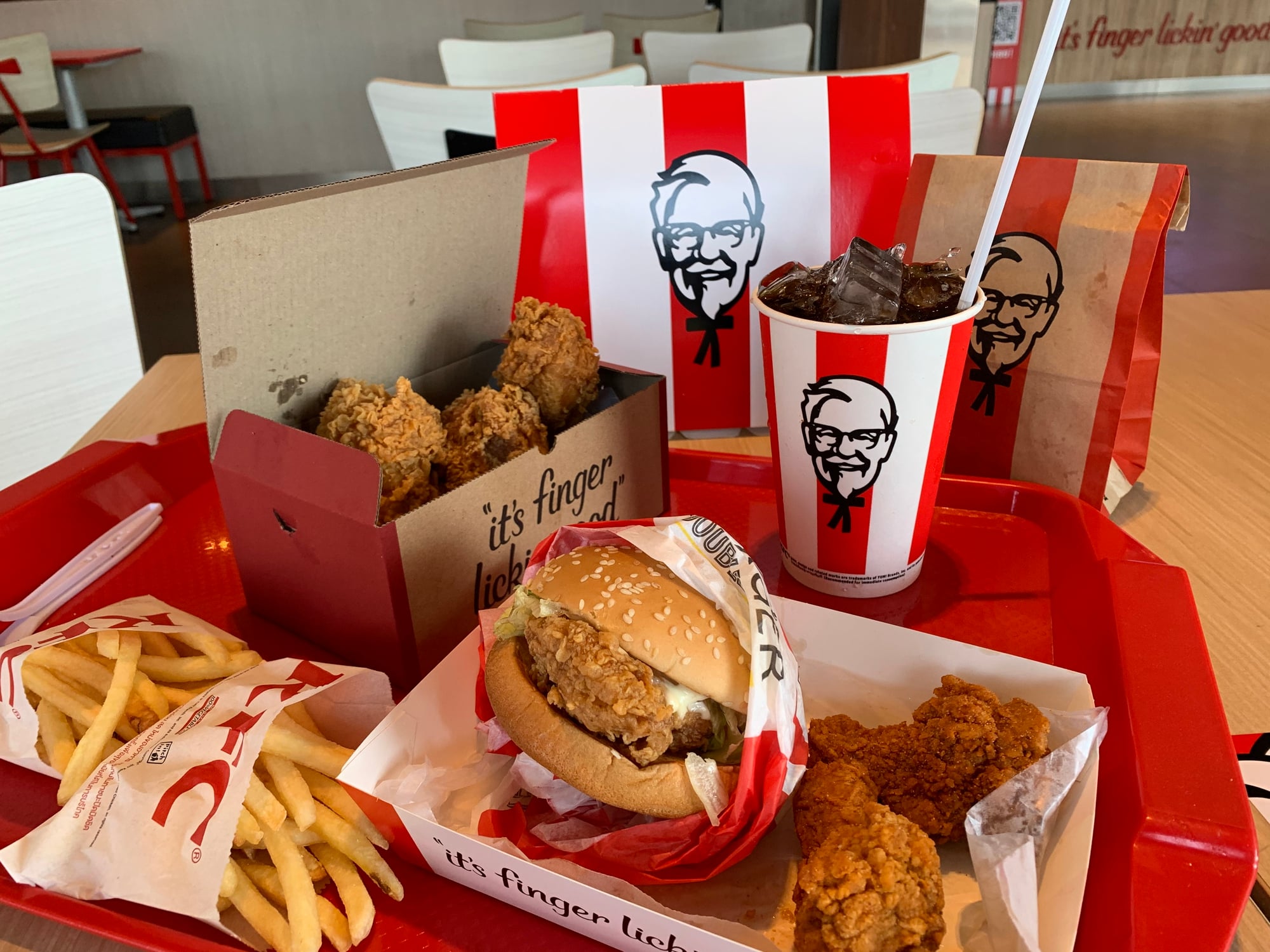
Since a successful marketing campaign in the 1970s called ‘Kentucky for Christmas,’ eating KFC has become a Christmas tradition for millions of Japanese families. An estimated 3.6 million families gather to share a KFC bucket every year, with many ordering weeks or even months in advance.
The tradition started because Christmas wasn’t originally a big holiday in Japan, and KFC convinced people that fried chicken was a traditional American Christmas feast. Now Colonel Sanders statues wear Santa outfits outside restaurants throughout December, and special holiday packaging turns ordinary fast food into a festive celebration.
Krampus roaming Austrian streets on December 5
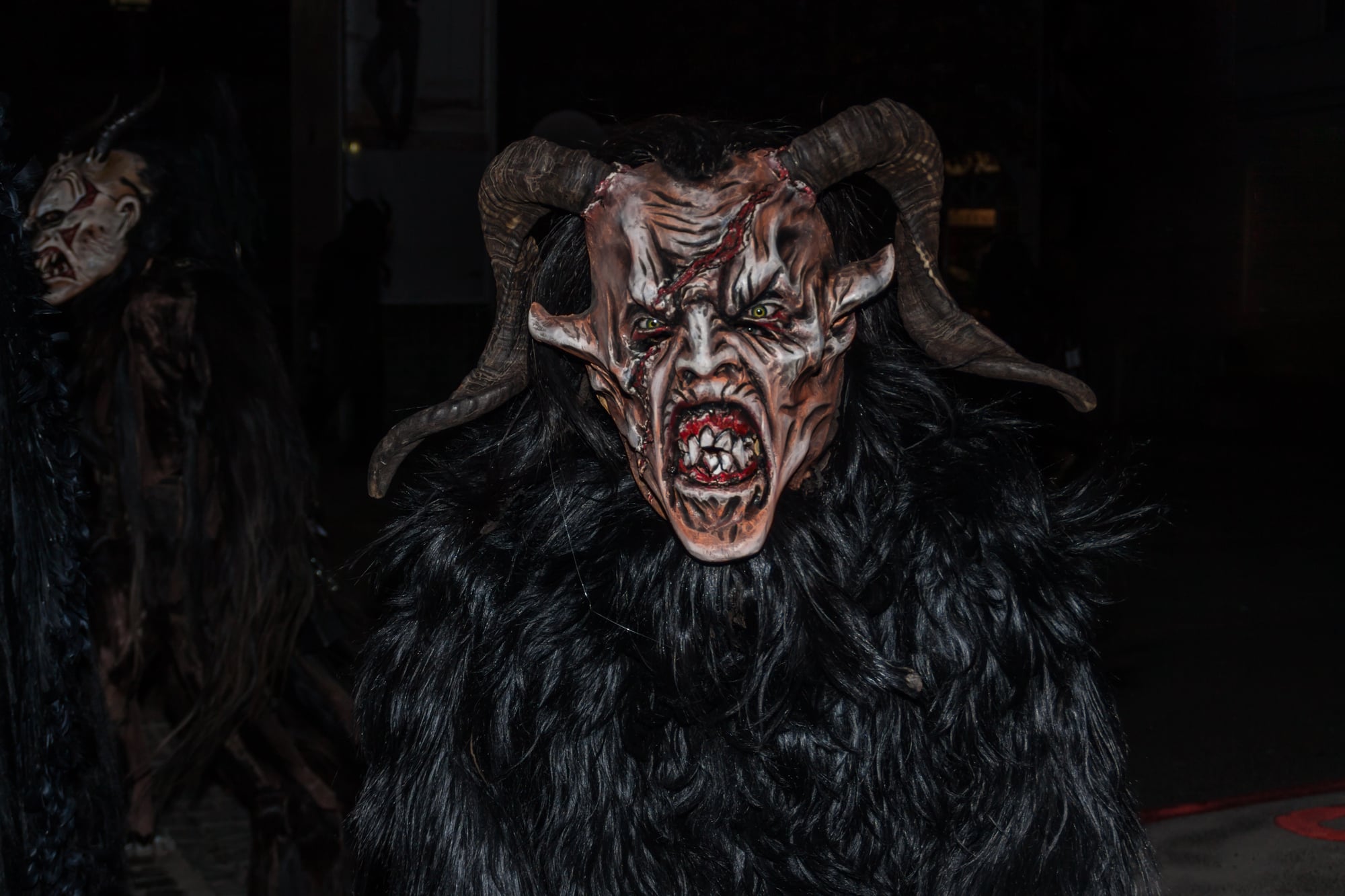
Krampus is a horned, hairy beast that serves as Saint Nicholas’ creepy enforcer, snatching misbehaving children in his wicker basket. Many Austrian towns, especially alpine villages around Salzburg and Tyrol, celebrate Krampusnacht on December 5th when dozens of men dress as the half-goat demon and parade through streets brandishing sticks.
The tradition adds genuine fear to the holiday season, making sure children behave not just for Santa but to avoid this terrifying creature. While American kids worry about coal in their stockings, Austrian children face the prospect of being carried away by a demonic figure with actual horns.
Beating a log until it poops candy in Catalonia
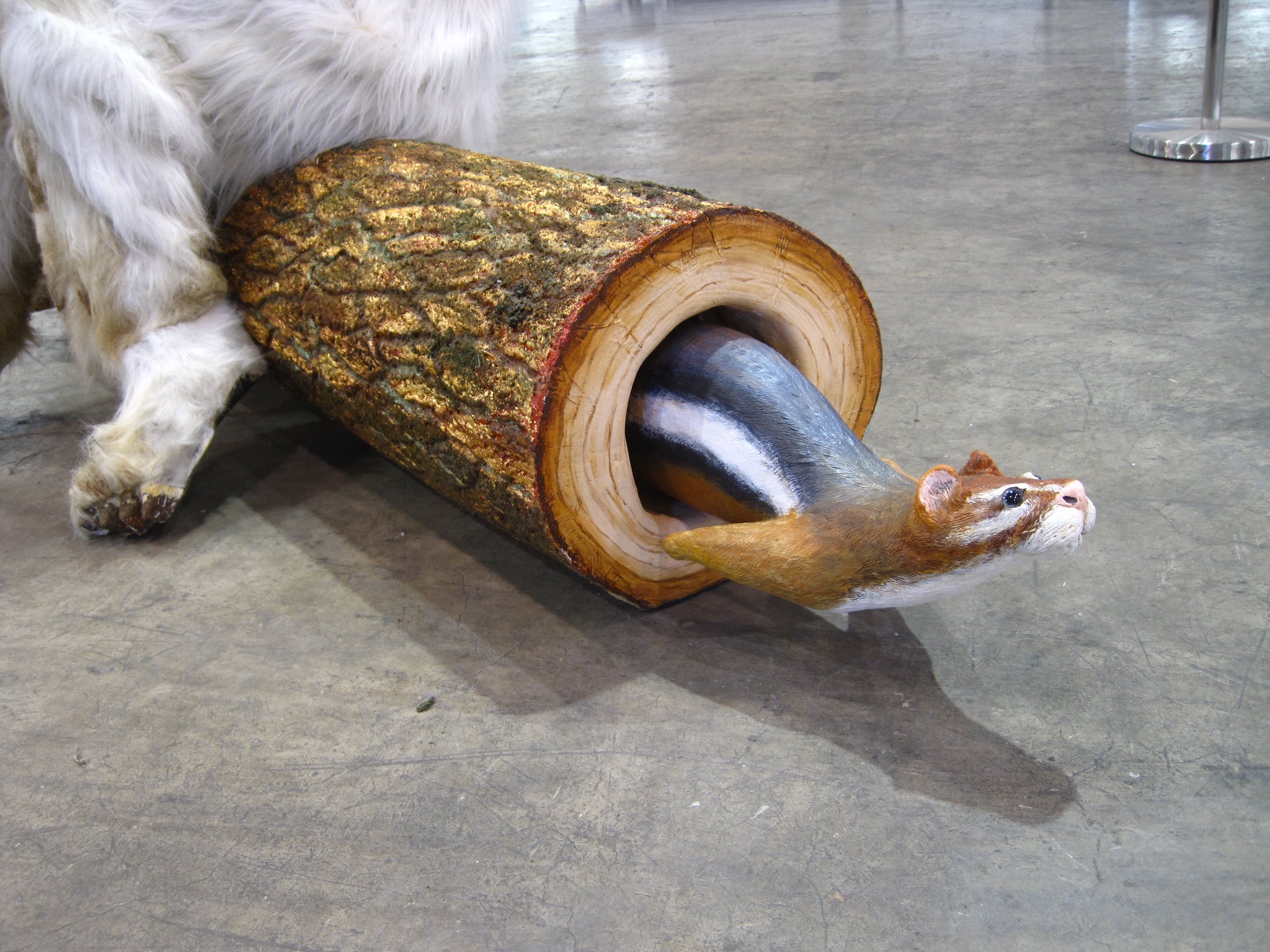
The Tió de Nadal, or defecating log, is a Catalan tradition where families craft a log character with a painted face and keep it warm with blankets throughout December. Children feed the log treats like fruit, nuts, and sweets, then on Christmas Eve they beat it with sticks while singing traditional songs until the log produces a pile of candy from under its blanket.
The songs literally encourage the log to defecate gifts. This might be the only holiday tradition in the world where violence against an inanimate object is required to receive presents, and Catalans have been doing it for generations without questioning how strange it sounds to everyone else.
Roller skating to church in Venezuela

In Caracas, Venezuela, it’s customary to travel to church on roller skates during the week leading up to Christmas for a daily service called Misa de Aguinaldo. Early morning mass gets attended by families gliding through the streets on wheels.
Roads are often closed to traffic so skaters can safely make their way to worship. The combination of religious devotion and recreational athletics creates a uniquely Venezuelan holiday experience that turns a solemn tradition into something festive and fun.
Hiding all the brooms from witches in Norway
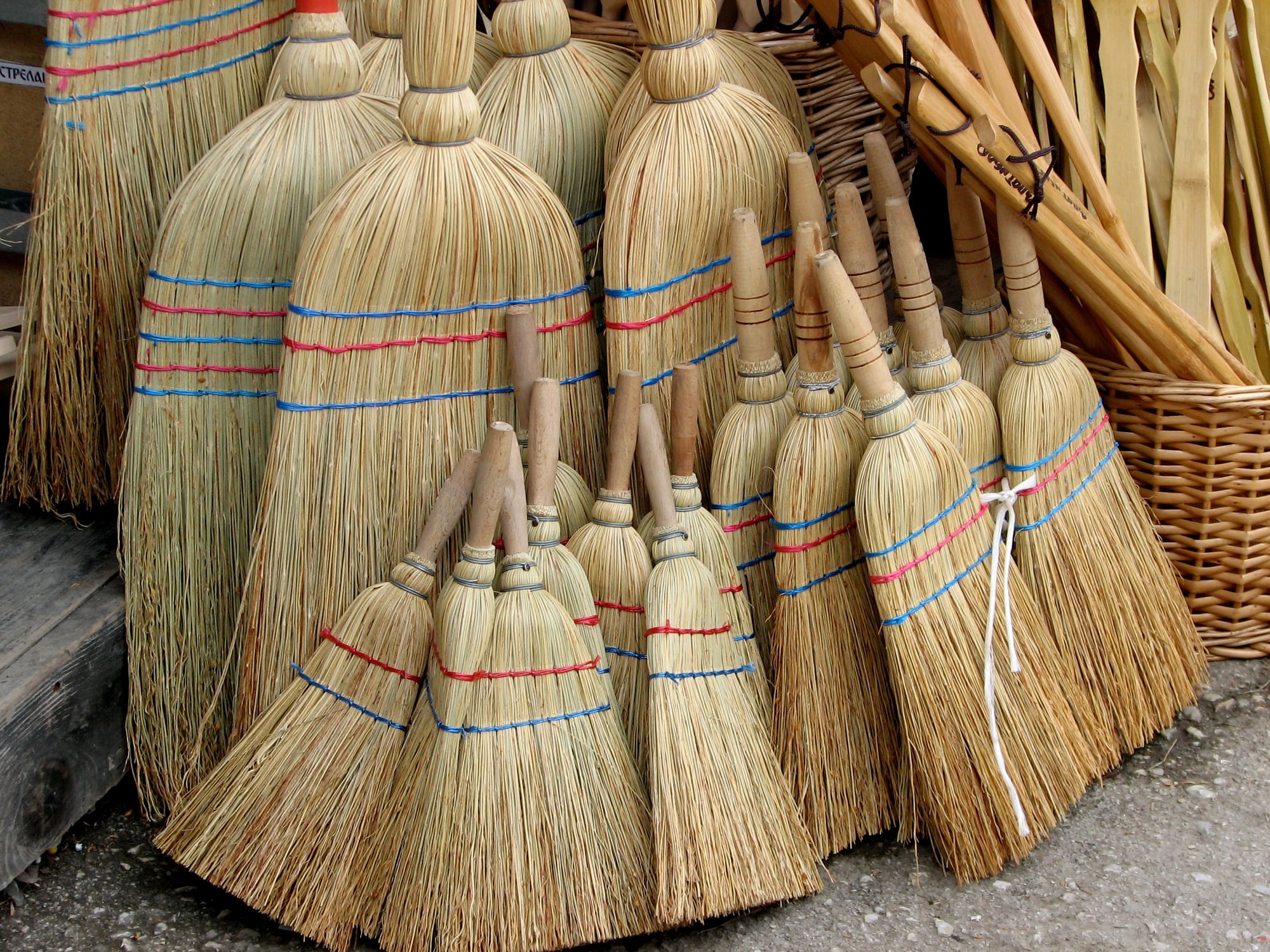
Norwegians believe that Christmas Eve coincides with the arrival of evil spirits and witches who might steal brooms for joyrides. In a tradition with pagan origins, householders hide all their brooms before going to sleep to keep them out of trouble.
The logic goes that witches need transportation, and brooms are their vehicle of choice, so removing access prevents supernatural mischief. Some Norwegian men also fire guns into the air on Christmas Eve, though that particular addition to the tradition raises more safety concerns than the broom hiding does.
Burning the devil in Guatemala on December 7
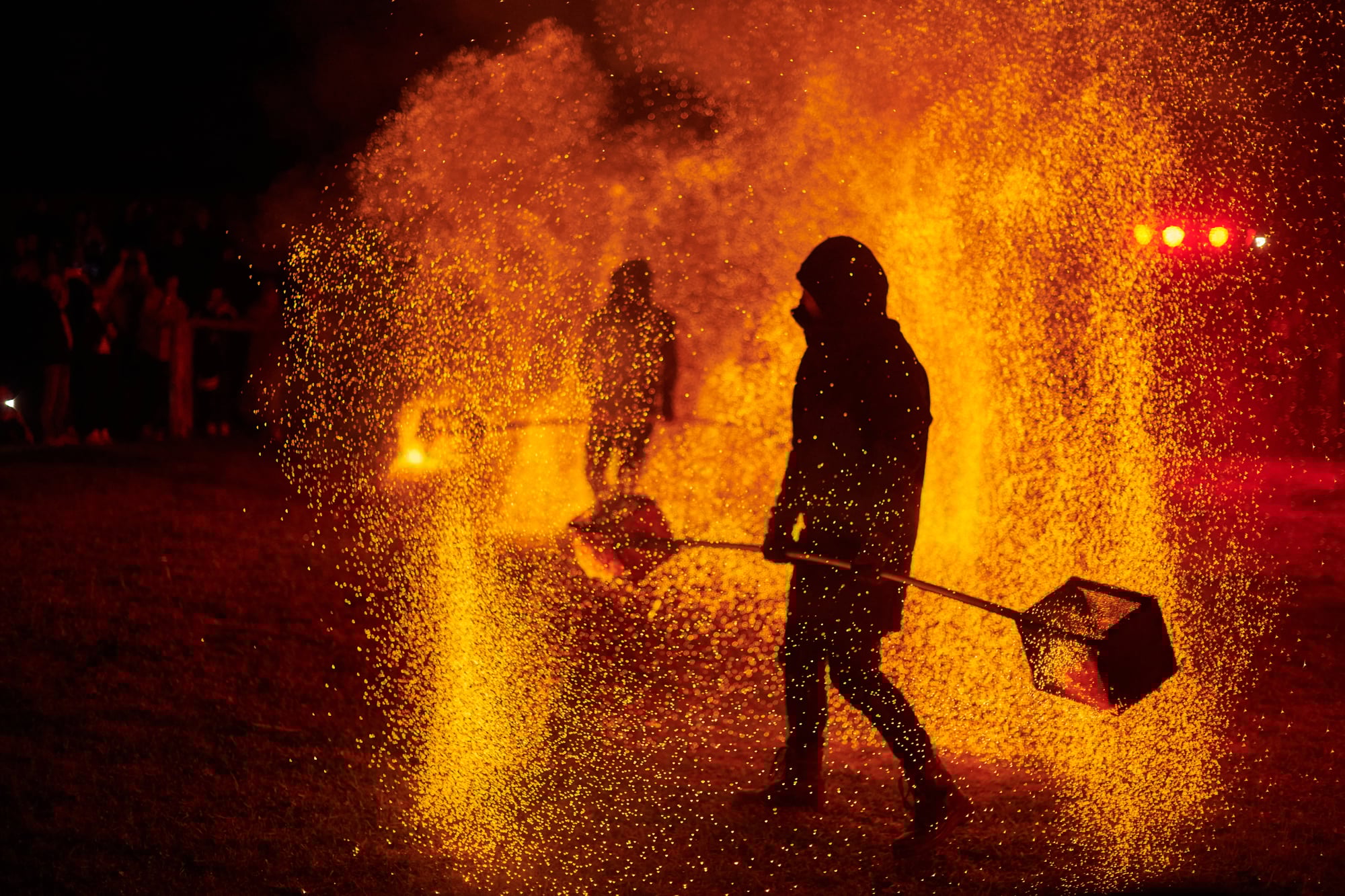
La Quema del Diablo marks December 7 in Guatemala, when families set bonfires outside their homes and burn effigies of Satan to expunge evil spirits. People traditionally brought out all the trash from their houses to burn, though environmental concerns have led many to stick with burning devil-shaped piñatas instead.
The celebration includes traditional donuts and warm fruit punch, and it signals the official start of the Christmas season. Starting your holiday preparations by literally setting fire to representations of evil makes for a dramatic opening statement that most cultures can’t match.
Welsh carolers with a horse skull on a stick
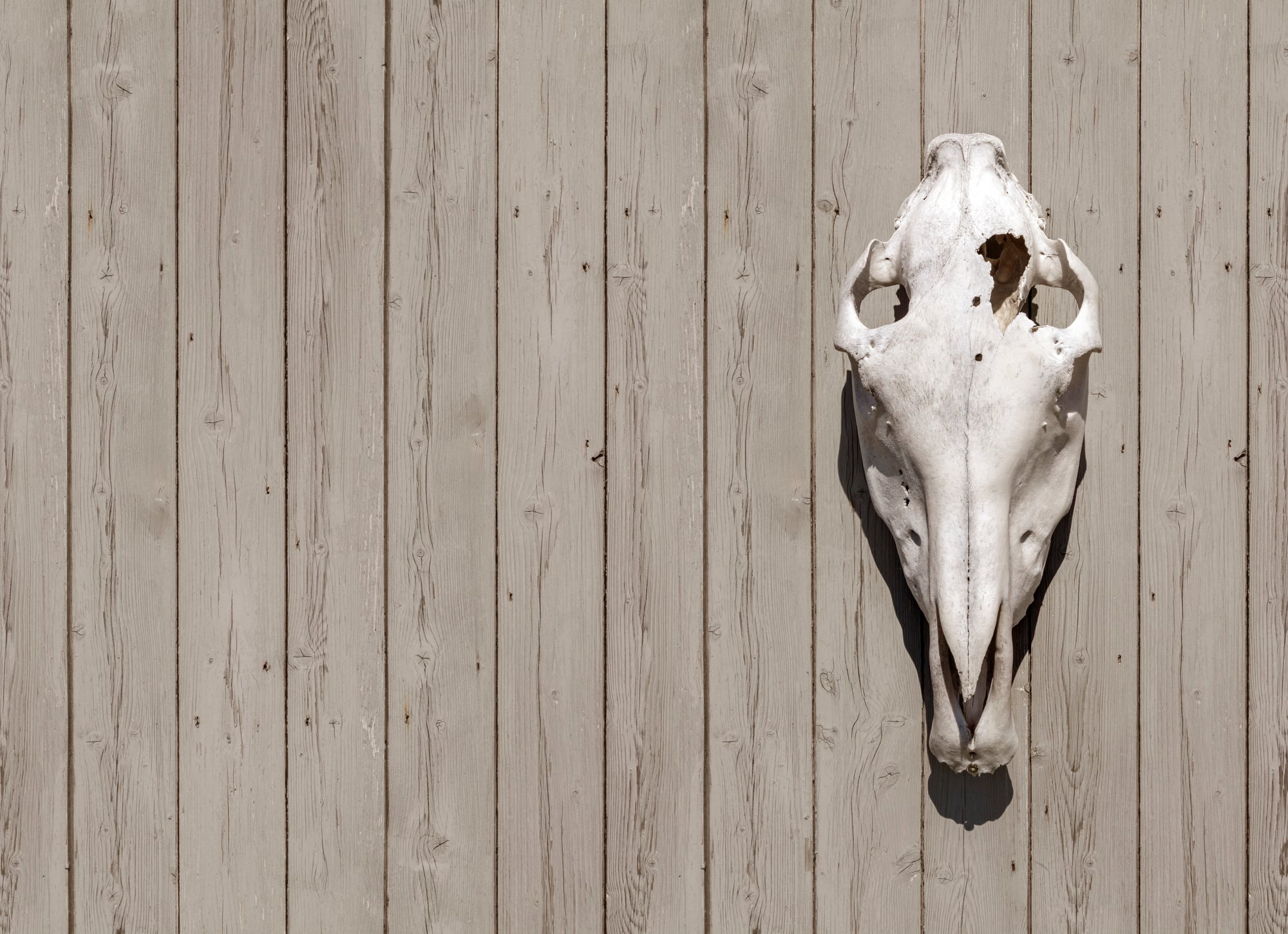
The Mari Lwyd tradition in Wales involves someone hiding under a ribbon-and-bell adorned sheet while holding up a real horse skull on a stick, accompanied by fellow revelers who arrive at doors in December or January. The group sings to residents and then challenges them to a battle of rhyming insults in Welsh called a pwnco before being invited inside for refreshments.
This tradition dates back to Celtic times and remains popular in South Wales. The sight of an undead horse head at your door might be terrifying, but according to custom, you’re supposed to engage in a verbal sparring match before offering food and drink.
Thirteen troll Santas visiting Icelandic children
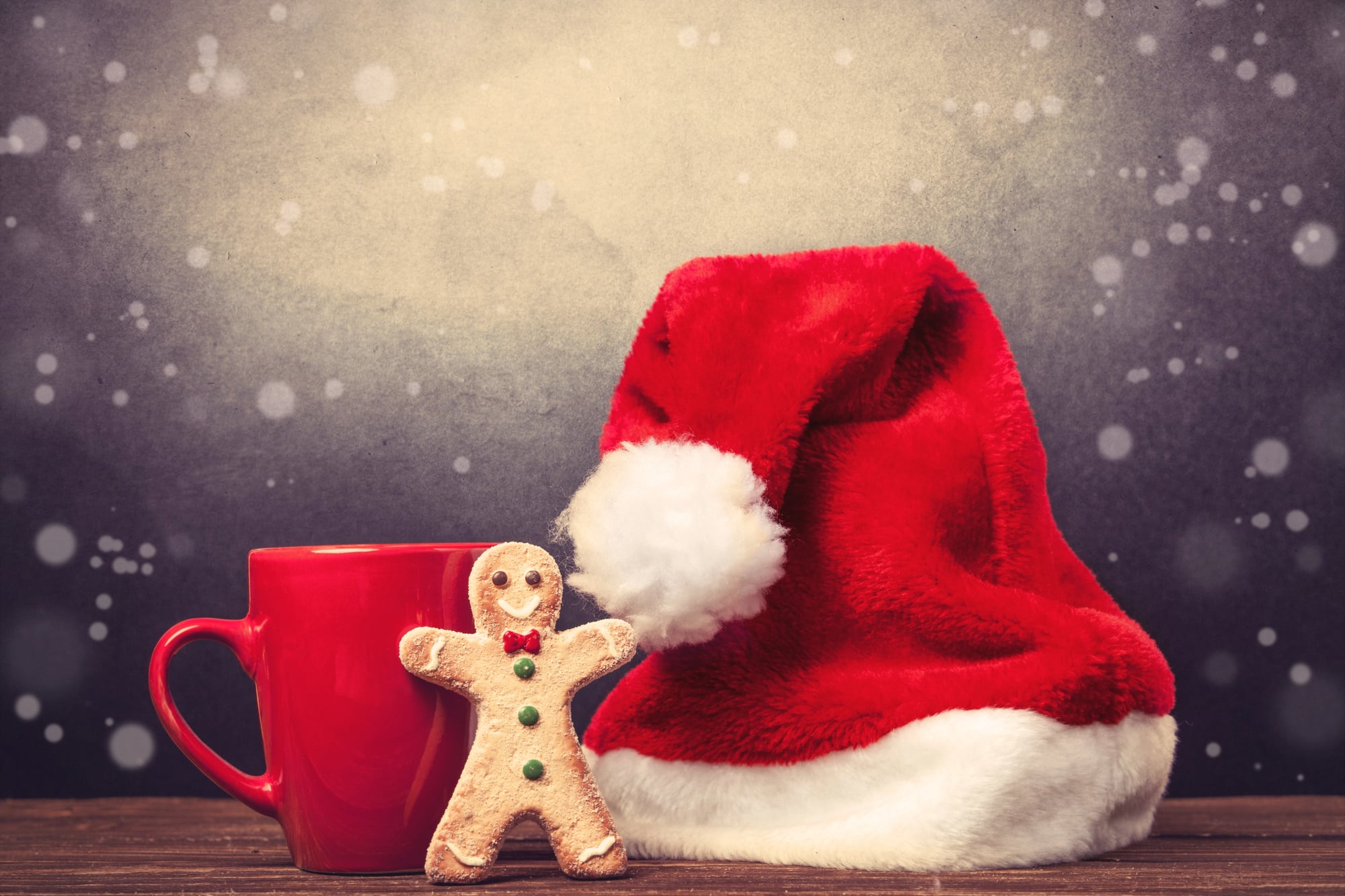
Icelandic kids get 13 mischievous trolls called jólasveinar or Yule Lads roaming the country in the fortnight before Christmas, each with his own personality including Doorway-Sniffer, Spoon-Licker, Sausage-Swiper, Candle-Stealer, and Window-Peeper. Each takes turns visiting children who leave shoes in their bedroom windows, dropping off presents for good kids and depositing rotting potatoes for bad ones.
Having 13 separate Santa figures means Icelandic children get 13 chances at gifts or punishment. The specific names reveal exactly what mischief each troll enjoys, from stealing food to just being creepy by peeping through windows.
Flying kites on Good Friday in Bermuda
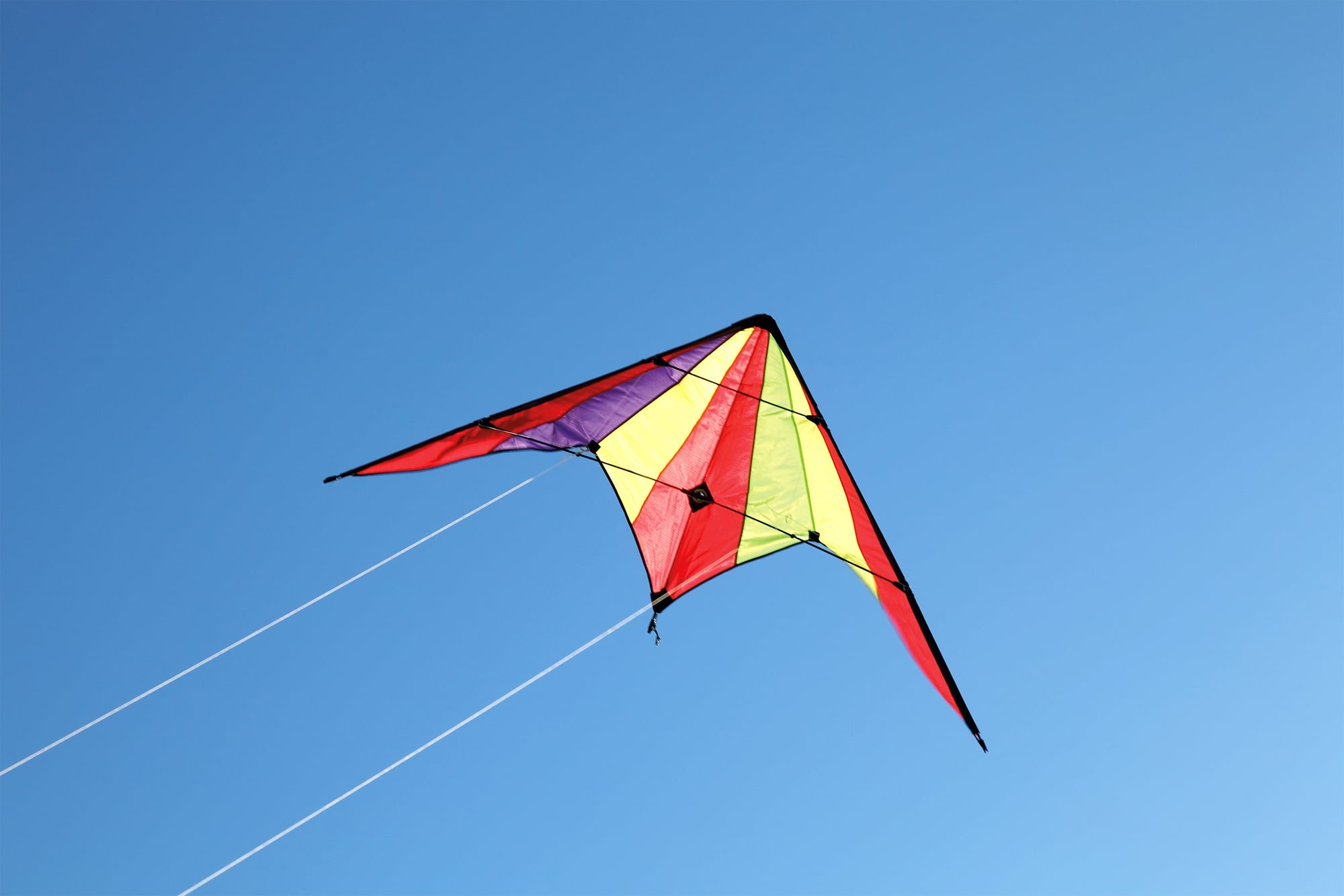
In Bermuda, people hit the beach with homemade kites when Easter rolls around, supposedly because a British school teacher flew a kite to explain Christ’s ascension to heaven. The beaches become a colorful riot of fluttering kites on Good Friday.
What started as an educational tool became a beloved national tradition. Instead of chocolate eggs and church services, Bermudians combine religious observance with outdoor recreation, turning a solemn holiday into a festival of handcrafted kites filling the sky.
Throwing shoes to predict marriage in Czech Republic

On Christmas Eve in the Czech Republic, single women participate in the shoe toss, a playful ritual where they throw a shoe over their shoulder hoping to predict their marital future. If the shoe lands pointing toward the door, tradition says they’ll marry within the year.
This divination method requires nothing more than footwear and optimism. The custom transforms ordinary shoes into fortune-telling devices, giving unmarried women a fun way to speculate about their romantic prospects.
Spider webs decorating Christmas trees in Ukraine
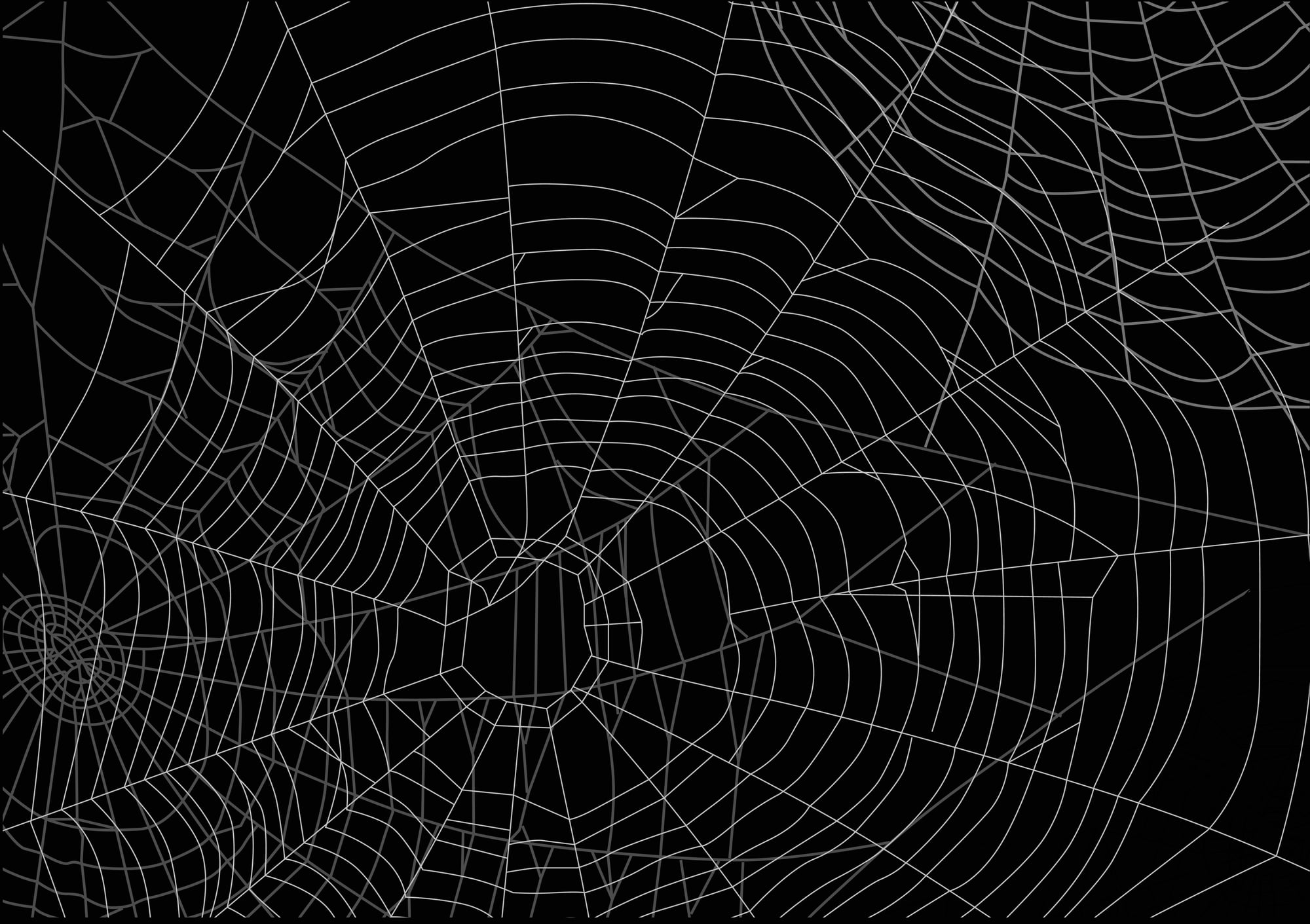
Spider webs cover many Christmas trees in Ukraine, coming from a tale about a poor family who grew their tree from a pinecone and had nothing to decorate it with. Friendly spiders spun a silken web which magically turned into silver and gold threads.
This legend transformed an insect most people consider a nuisance into a Christmas blessing. Ukrainian families place artificial spider webs on their trees as decorations, turning something that would normally signal neglect in a home into a cherished holiday symbol.
Fireworks fly between two churches every Easter in Vrontados

In a village on Chios, just before midnight on Orthodox Easter Sunday, people from rival parishes shoot homemade rockets toward one another’s bell towers. These launches can number in the tens of thousands.
The custom may have started centuries ago under Ottoman rule. What seems like battle is actually part of a long-held ritual. Faith mixes with fierce local rivalry high above the hills, creating a spectacular display of light and tradition.
Midnight sweeps across Italy on January fifth
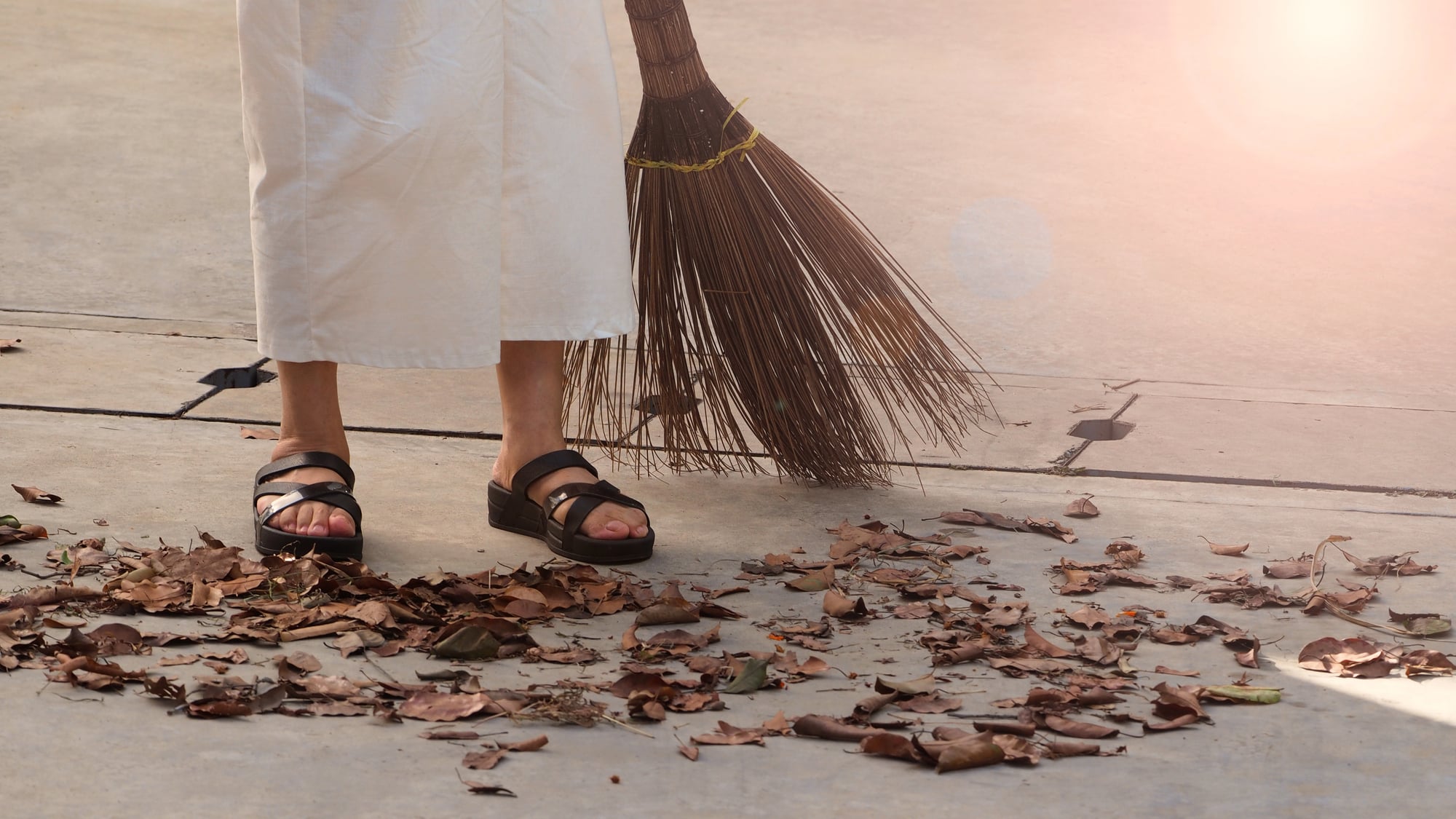
Homes settle into quiet while a soot-streaked figure rides above rooftops. Smoke stains mark where she slips down chimneys, boots thudding softly on floorboards. Candy rattles into stockings if names lean toward good; lumps of coal wait for those tilted toward mischief.
Long ago, sweeping mattered more than stargazing to her. Dust clung to broomstraws as kings passed by, following light she did not see. Regret grew thick over years. Now tattered skirts flap behind her in endless flight. Soot collects under fingernails from decades of narrow descents. Children wake to sweetness or bitter lumps tucked beside pillows.
A bird escapes dinner thanks to a president’s gesture
Part of an annual moment rooted in midcentury habit, one turkey avoids the oven due to this act now tied closely to national celebration. Luck comes into play when people pull apart a forked bone found near the turkey’s breast, each tugs hoping their piece outweighs the other.
This shared tug reflects deeper ties between food, fate, and family during the holiday season. Ritual shapes meaning here: survival for one, feasting for many, belief woven through both.
Sauna sessions with ancestral spirits in Finland

Finnish households warm up their saunas when Christmas Eve arrives, offering quiet time for people to gather, relax, and prepare inwardly ahead of celebrations. Since old traditions say ancestors’ spirits arrive at the sauna that night, folks exit early, leaving warmth behind as an invitation.
Seen as holy ground, the sauna cleanses bodies just as much as thoughts. Letting unseen family members occupy the wooden room afterward may seem strange elsewhere, yet here it’s how remembrance takes shape, threading past lives into present moments during the season’s peak.
What happens when old memories won’t let go
Year after year, people return to odd little habits tied to holidays, drawn by threads linking them back through time. Watching elders repeat old steps teaches kids what belongs – smashing wood, ducking past shadows cast by imagined hags.
To anyone outside the circle, such actions look confusing, maybe foolish. Yet within families, they feel right, like hearing a familiar voice call your name at dusk. Even as screens flash new messages daily and cities hum louder than before, certain gestures stay fixed in place. Burning things, whispering chants, leaping over fires – these linger not because they make logical sense but because they stir something deep. They break the flat line of routine with jagged edges. In places where everything begins to taste the same, the peculiar stands out like red berries on snow.
More from Go2Tutors!

- The Romanov Crown Jewels and Their Tragic Fate
- 13 Historical Mysteries That Science Still Can’t Solve
- Famous Hoaxes That Fooled the World for Years
- 15 Child Stars with Tragic Adult Lives
- 16 Famous Jewelry Pieces in History
Like Go2Tutors’s content? Follow us on MSN.