Funny Place Names Around the World
Maps hide some of the best jokes humanity has ever told. Somewhere along the way, people named towns, villages, and geographic features with words that make you do a double-take.
Some were accidents of language evolution. Others were deliberate choices that seemed fine at the time.
All of them make travelers laugh when they spot the road signs.
Middelfart Makes Danes Shrug
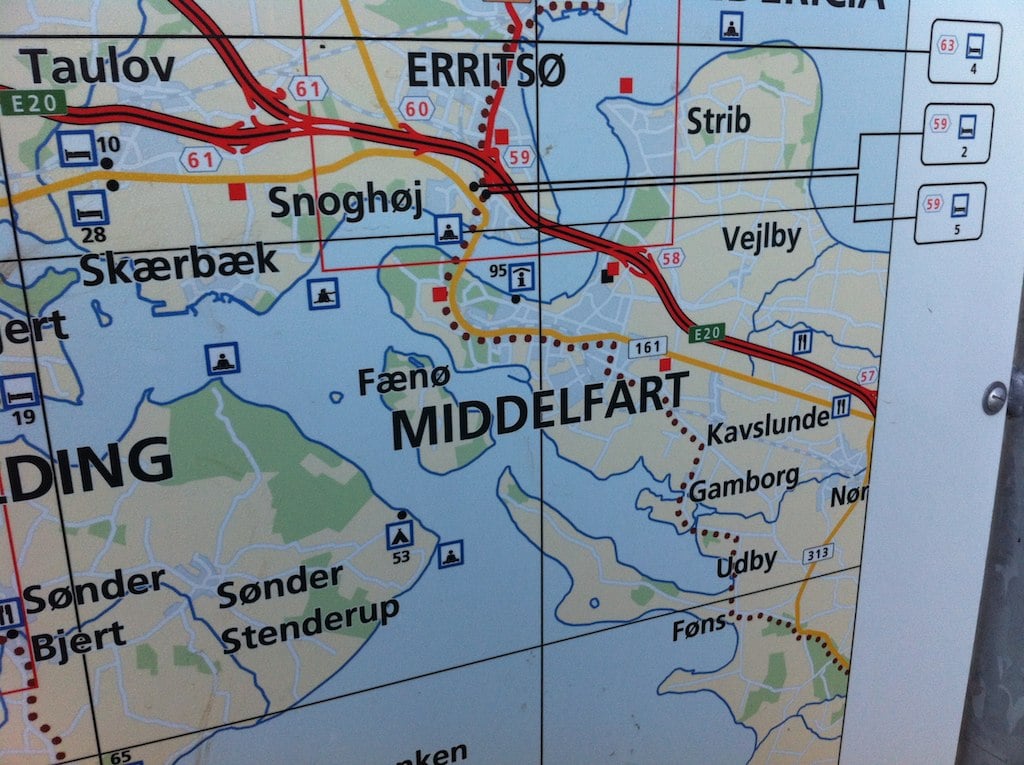
This Danish town sits on the island of Funen, and locals pronounce it nothing like English speakers imagine. In Danish, “fart” means speed or passage, and “middel” means middle.
So it’s really just Middle Passage, a reference to its location on a strait. That doesn’t stop English tourists from losing it at train stations.
The town has existed since medieval times and nobody there thinks twice about the name. It’s only funny if you speak English and have the sense of humor of a twelve-year-old.
Which, admittedly, describes a lot of tourists.
Petting, Germany Attracts Animal Lovers
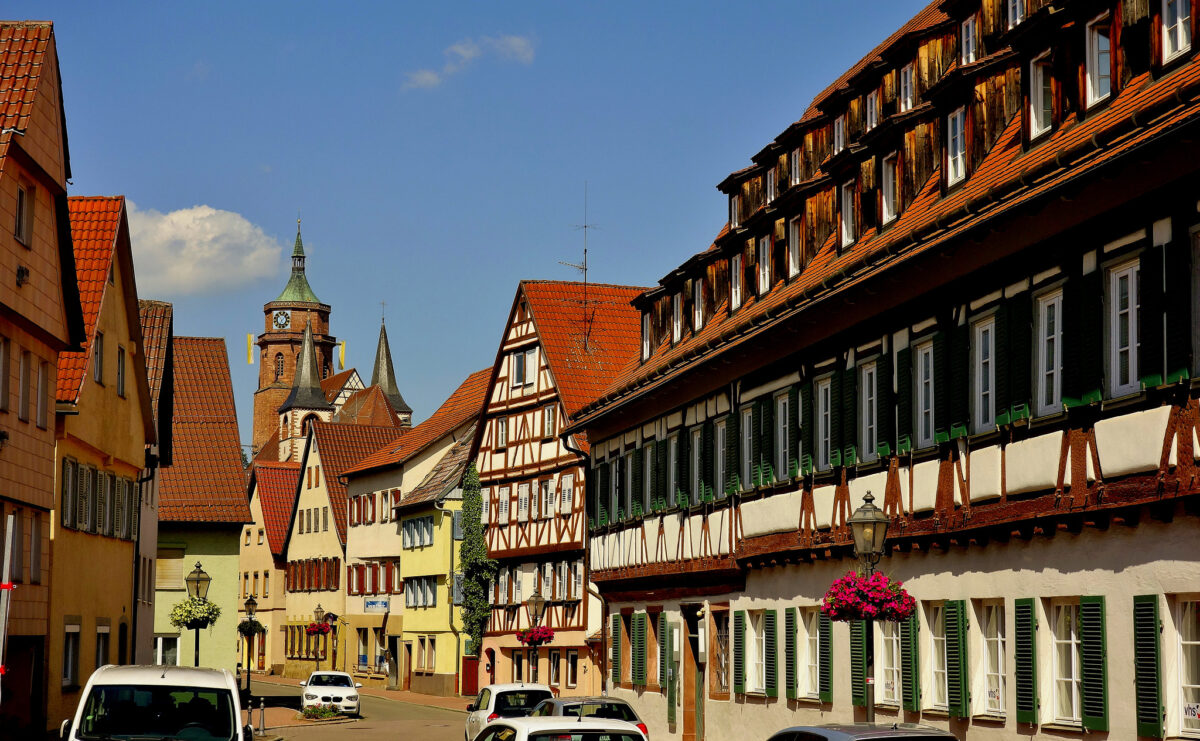
This Bavarian village has a perfectly normal name in German, derived from an old family name. English speakers see it differently.
The town sits near the Austrian border in a scenic area popular with hikers and cyclists, most of whom can’t resist the photo opportunity. The German pronunciation sounds nothing like the English word, but that technicality doesn’t matter when you’re standing next to a sign.
The town has about 200 residents who’ve learned to accept their unusual international fame.
Hell, Norway Freezes Over Regularly
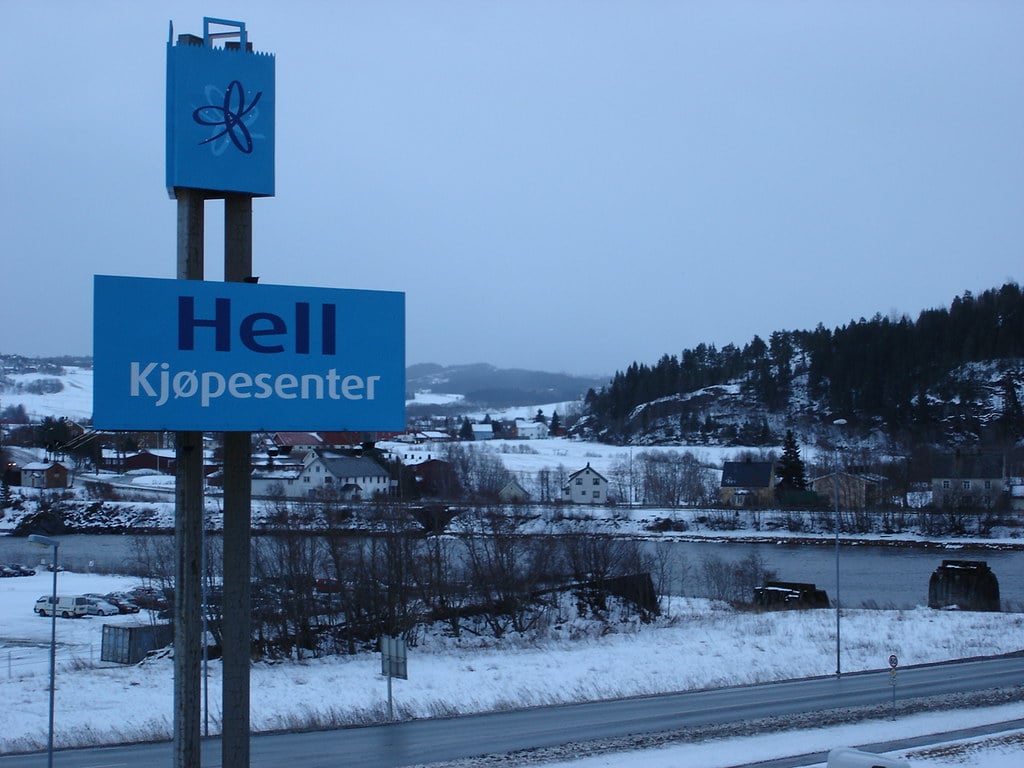
The town’s name comes from the Old Norse word “hellir,” meaning cave or overhang. But that linguistic explanation doesn’t stop the jokes when Hell freezes over every winter.
The train station became a pilgrimage site for people who want to send postcards from Hell or take photos in front of the sign. The town plays along.
Local businesses use Hell in their branding, and tourists can get their passports stamped at the Hell train station. It’s a tiny place, but the name recognition brings in more visitors than any marketing campaign could.
Boring, Oregon Found Its Soulmate
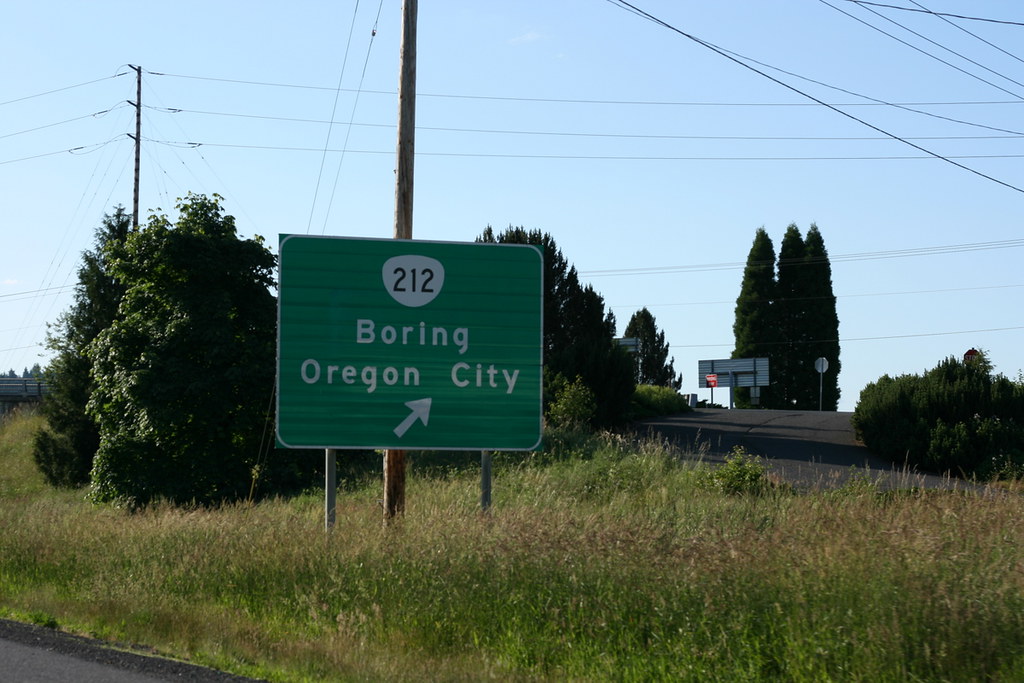
This small Oregon town partnered with Dull, Scotland, and Bland, Australia to form a “Trinity of Tedium.” They signed agreements making them sister communities and started promoting tourism based entirely on how unremarkable their names sound.
Boring actually got its name from a local farmer named William Harrison Boring, but nobody leads with that explanation. The partnership brings in curious visitors and generates headlines.
Sometimes the best marketing strategy is embracing exactly what makes you weird. Boring holds an annual celebration and sells merchandise that plays up the joke.
The town proves that even mundane names can become memorable.
Batman, Turkey Has a Namesake River
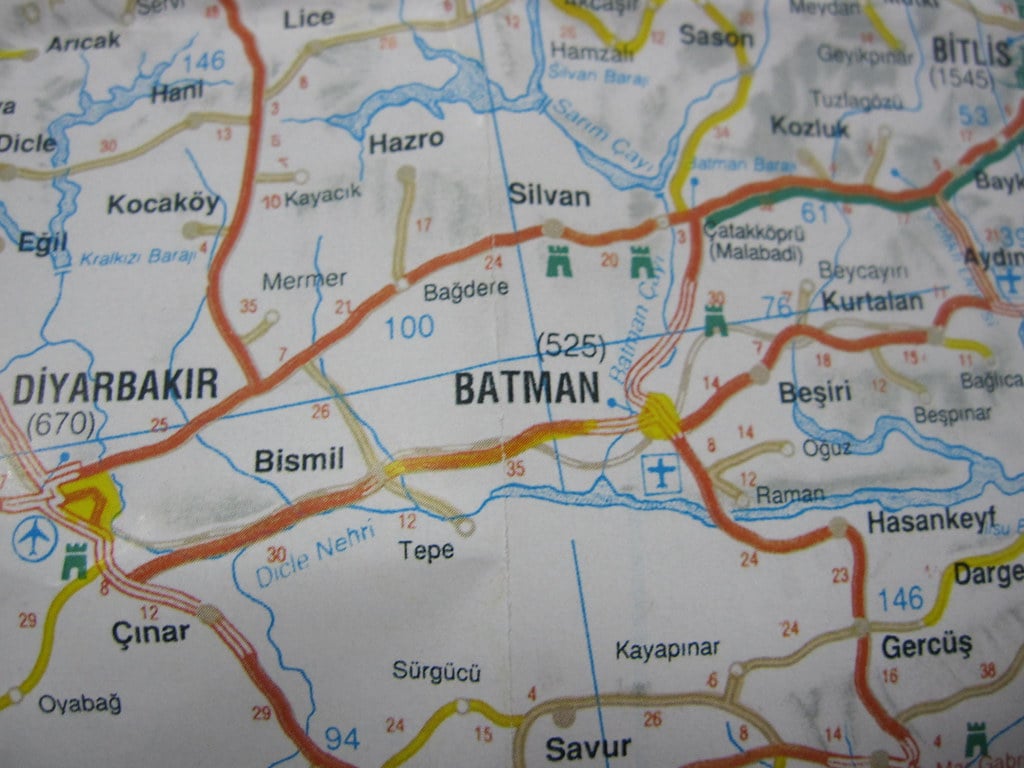
Batman sits in southeastern Turkey along the Batman River. The name predates the comic book character by centuries, coming from the Bati Raman mountains in the area.
The city has tried to claim trademark rights to the Batman name without success, but that hasn’t stopped them from installing a Batman statue and promotional materials around town. About 600,000 people live in Batman, making it far larger than most of the funny-named places on this list.
The city government attempted to sue Christopher Nolan and Warner Brothers over Batman movies, arguing they used the name without permission. The lawsuit went nowhere, but it generated publicity.
Twatt, Scotland Has Company
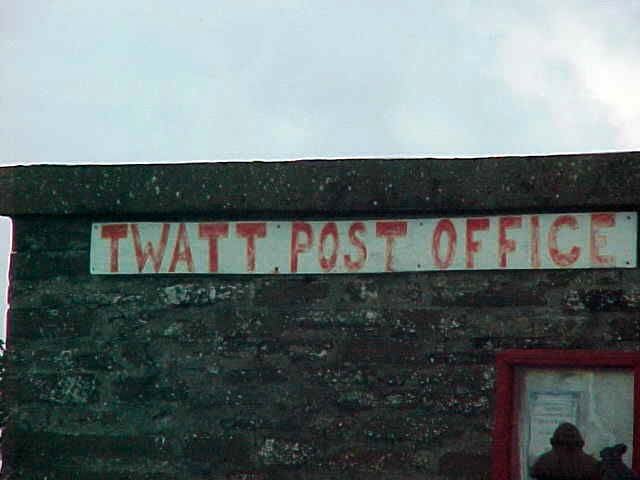
Actually, two Scottish places share this name—one in Orkney and one in Shetland. The word comes from Old Norse meaning a small parcel of cleared land.
Both communities are tiny, rural, and accustomed to tourists showing up solely for sign pictures. Orkney’s Twatt has a former Royal Air Force station nearby, which led to decades of military personnel sending postcards from Twatt.
The residents handle the attention with typical Scottish pragmatism, which means they roll their eyes but don’t complain much.
Llanfairpwllgwyngyllgogerychwyrndrobwllllantysiliogogogoch Breaks Keyboards
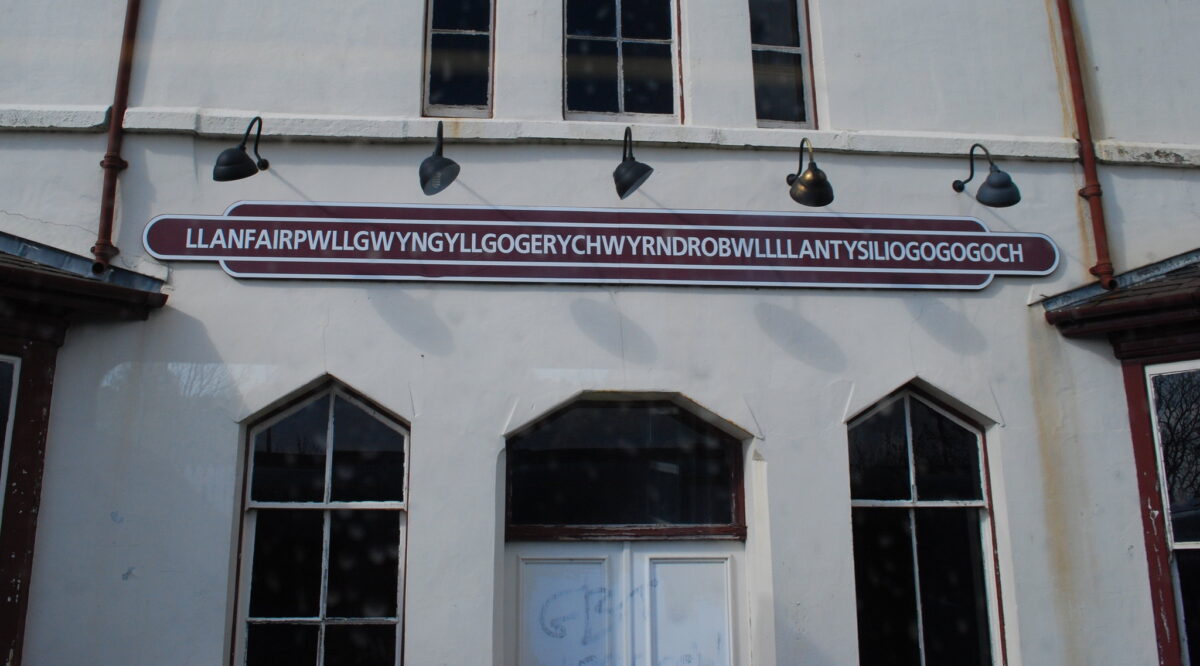
This Welsh village has the longest place name in Europe at 58 characters. The name translates roughly to “St Mary’s Church in the hollow of white hazel near a rapid whirlpool and the Church of St. Tysilio near the red cave.”
A local tailor invented the extended name in the 1860s as a publicity stunt to attract tourists. It worked.
The train station sign became a tourist attraction. Visitors spend several minutes trying to pronounce it while locals rattle it off without thinking.
The village also goes by the shorter Llanfair PG for practical purposes, but the long version remains official and brings in curious travelers year-round.
Taumatawhakatangihangakoauauotamateaturipukakapikimaungahoronukupokaiwhenuakitanatahu Makes Welsh Look Brief
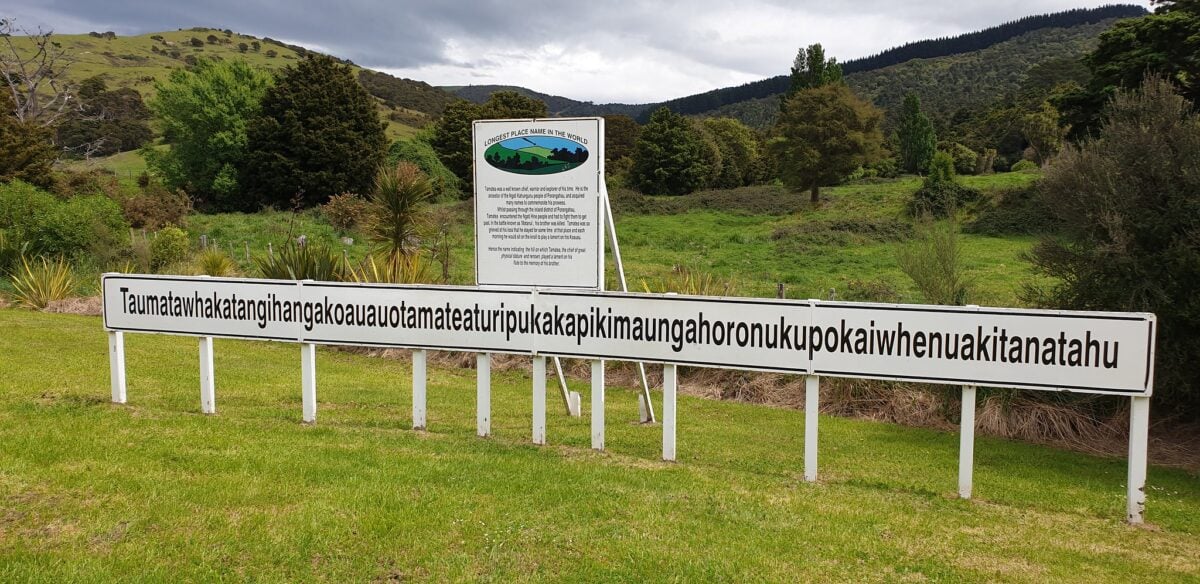
This New Zealand hill has an 85-character Māori name, making it the longest place name in the world according to Guinness World Records. The name tells the story of a legendary warrior named Tamatea and translates to something like “the summit where Tamatea, the man with the big knees, the slider, climber of mountains, the land-swallower who travelled about, played his nose flute to his loved one.”
Locals call it Taumata Hill. Tourists attempt to pronounce the full name and fail spectacularly.
The hill sits in Hawke’s Bay on New Zealand’s North Island, and the sign keeps getting replaced because people steal it for souvenirs.
Why We Name Places This Way

Nobody sets out to create an embarrassing town name. Languages evolve, meanings shift, and words that sounded perfectly respectable in medieval times become punchlines centuries later.
Some communities embrace their unusual names and build tourism around them. Others quietly change and move on.
The internet made these places more famous than they ever wanted to be. A village that lived in obscurity for hundreds of years suddenly finds itself on viral lists and social media feeds.
Road signs that nobody photographed before now appear in thousands of tourist albums. These names remind you that places belong to the people who live there, not to outsiders who find them amusing.
Every funny place name represents a real community making decisions about identity, heritage, and whether dealing with jokes is worth preserving history. Geography doesn’t care about your sense of humor.
It just marks locations and moves on. The rest of us get to laugh, take photos, and occasionally steal signs we really shouldn’t.
More from Go2Tutors!

- 16 Historical Figures Who Were Nothing Like You Think
- 12 Things Sold in the 80s That Are Now Illegal
- 15 VHS Tapes That Could Be Worth Thousands
- 17 Historical “What Ifs” That Would Have Changed Everything
- 18 TV Shows That Vanished Without a Finale
Like Go2Tutors’s content? Follow us on MSN.